



Authentic Chinese Vegetable Stir Fry Sauce No Alcohol
Ingredients
Method
- Dissolve the cornstarch in approximately ¼ cup of the broth until smooth and pourable.
- Combine the cornstarch mixture with the remaining broth, sesame oil, soy sauce, white wine, and ginger in a mixing bowl. Whisk thoroughly and set aside.
- Heat the oil in a large frying pan or wok. Add the garlic and sauté over low heat for about one minute.
- Add the vegetables and increase the heat. Stir-fry for no more than 5 minutes until bright and tender-crisp, adding small splashes of broth as needed to keep the pan moist.
- Whisk the sauce again and pour it into the vegetable mixture. Once the liquid thickens and the dish is heated through, season with additional soy sauce to taste and serve hot.
Nutrition
Notes
- Feel free to use a mixture of broccoli and cauliflower rather than just broccoli.
- I used white button mushrooms for this recipe, but you can use a more exotic variety such as shiitake or wood ear mushrooms.
The Real Secret to an Asian Vegetable Stir Fry
Wednesday evening, right around 6:00 PM. You are staring at the fridge, calculating exactly how much time you have before the dinner panic officially sets in. You want an asian vegetable stir fry that actually tastes like your favorite takeout spot. I completely get it. I remember the smell of my grandmother’s kitchen in summer. That specific combination of soy sauce, garlic, and ginger hitting hot oil that would drift up to the apartment from her simmering wok. I thought she had some kind of magic touch.
To be honest, most homemade stir fry veggies turn out sad, gray, and soggy. You toss everything into a lukewarm pan, the vegetables release all their water, and suddenly you are boiling your dinner instead of searing it. I’ve been there. But I figured out how to get restaurant style stir fry flavor at home without needing an industrial stove. And yes, we are making an authentic chinese vegetable stir fry sauce no alcohol needed. The research isn’t entirely clear on this, but I firmly believe you can achieve incredible depth using just vegetable broth and rice vinegar. Let’s fix your weeknight dinner routine.
Quick Wins for Stir Fry Success
Before we get into the heavy details, let me give you my core philosophy for an asian vegetable stir fry. First, you have to prep everything before you even look at the stove. This is called mise en place, and it saves you from burning your garlic while frantically chopping a carrot. Cut all your vegetables into uniform sizes so they cook at the exact same rate. You’ll want to stagger your cooking order, dropping the hardest vegetables into the pan first and saving the delicate greens for the very end. Finally, do not overcrowd the pan. If you pile too many veggies in at once, they steam. Trust me on this. Cook in batches if you have to. It’s actually quite forgiving once you understand the rhythm. Using these tips ensures your easy veggie stir fry remains crisp and colorful every time.
The Science of the Sear: Why High Heat Matters
I learned to properly brown ingredients from a line cook I interviewed for a story years ago. He told me the pan has to be hot enough that you’re a little nervous, and you have to resist the urge to constantly move things around. Just let it sit. I had been sabotaging my own dinners for years by fidgeting with the food. One technique change and suddenly my meals tasted like I knew what I was doing.
The goal here is wok hei. That translates to the breath of the wok. It is that smoky, incredibly savory flavor that makes restaurant food taste so distinct. While home burners can’t quite match a commercial kitchen, you can get very close by maximizing your heat. You need a high smoke point oil. Safflower oil is my absolute favorite for this. It handles the heat beautifully without burning or turning bitter. Let the oil shimmer until it’s almost smoking. When you drop your vegetables in, you should hear an aggressive sizzle. If it doesn’t sizzle loudly, pull the veggies out and wait. That tracks with basic cooking science. High heat evaporates surface moisture instantly, allowing the browning process to begin.
Mise en Place: The Crisp-Tender Secret
I cannot stress this enough. An asian vegetable stir fry moves incredibly fast. You have about five to seven minutes of actual cooking time. If you stop to mince garlic, your broccoli will turn to mush. Have your aromatics ready in a small bowl. Keep your scallions, grated ginger, and minced garlic together.
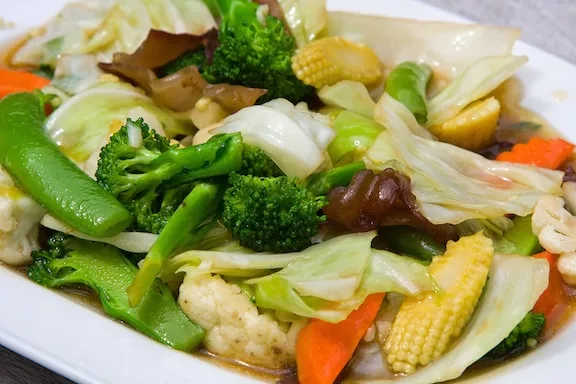
You need to stagger the entry of your ingredients. Think of it like a train schedule. Dense vegetables like carrots and broccoli florets need a head start. Give them a minute or two in the hot pan. Then add your medium-firm items like celery and baby corn. Finally, toss in your delicate greens like cabbage leaves and snow peas right at the end. I prefer vegetables that still have some resistance when you bite into them. I can’t stand the texture of overcooked green beans or broccoli that’s gone gray. Taste as you go. If it smells ready, it probably is.
Building an Authentic Chinese Vegetable Stir Fry Sauce No Alcohol
Here is what I’m seeing with a lot of westernized recipes. They rely heavily on overly sweet, cloying sauces that mask the flavor of the produce. We are going to build layers of umami instead. Often, traditional recipes call for Shaoxing wine to deglaze the pan and add depth. Since we are making an authentic chinese vegetable stir fry sauce no alcohol version, we need a smart substitution.
I mix a good quality vegetable broth with a splash of rice vinegar. The vinegar provides that sharp, bright note that alcohol usually brings, cutting through the richness of the sesame oil. I’m still working this out, but I find that adding a spoonful of vegetarian oyster sauce made from mushrooms completely transforms the base. It gives you that thick, savory gloss. Combine that with dark soy sauce for color and regular soy sauce for saltiness. Whisk your cornstarch into this cool liquid before it ever hits the pan. If you add cornstarch to hot liquid, it will clump instantly. I learned this the hard way early in my career.
Mastering this sauce is a great way to elevate any quick healthy vegetables you have in your crisper drawer.
Sauce Troubleshooting
Problem: The sauce is too thick and gloppy.
Solution: You likely let the cornstarch slurry boil for too long. Remove the pan from the heat immediately and stir in a splash of warm vegetable broth to loosen it up.
Problem: The sauce is too salty.
Solution: This happens if your vegetable broth was high sodium. Balance it out by adding a tiny pinch of sugar or a tiny drizzle of honey to counteract the salt.
Visual Done-ness: Trust the Browning Process
How do you know when your asian vegetable stir fry is actually done? You have to use your eyes and ears. When you pour the sauce into the hot pan, it should bubble furiously. The sound will change from a sharp sizzle to a thicker, bubbling simmer. The sauce will turn from cloudy to translucent and glossy within about thirty seconds.
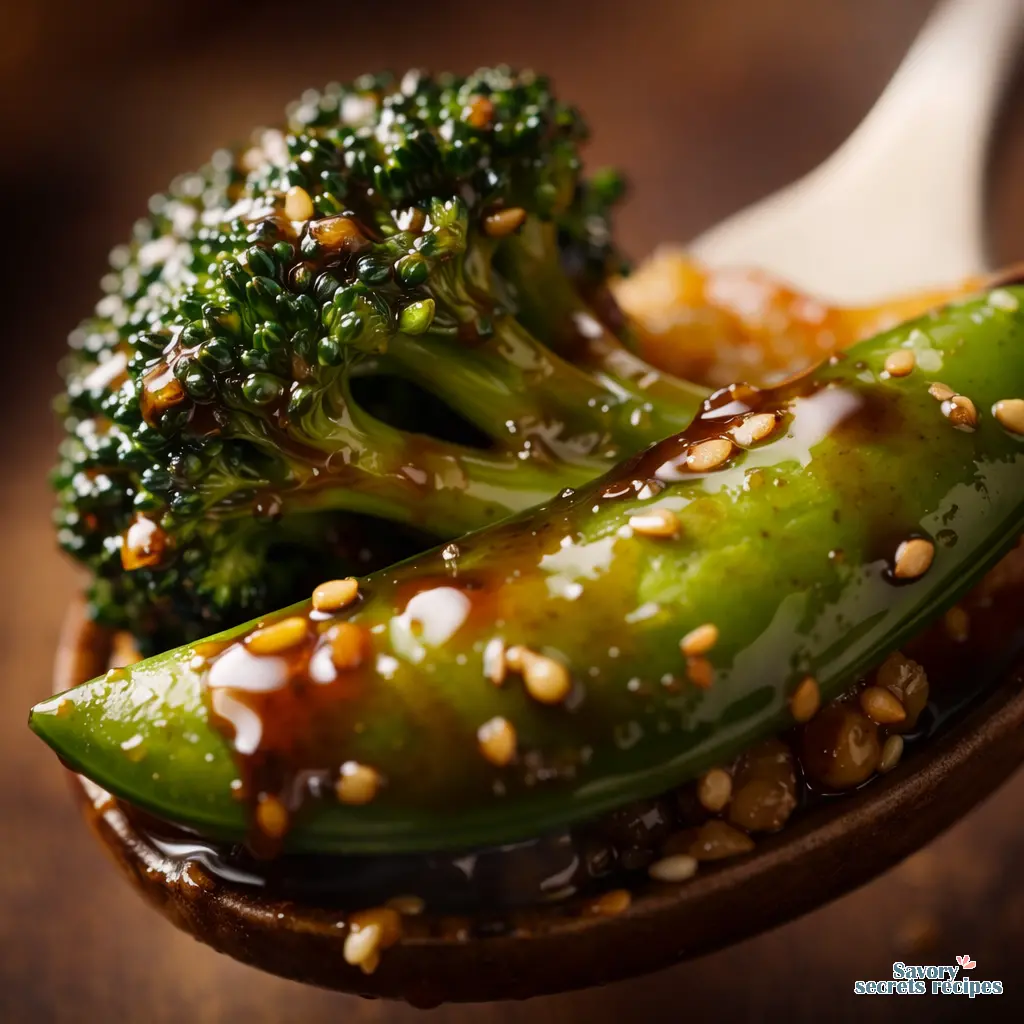
Look at the vegetables. The broccoli should be vibrant, almost neon green. If it turns olive green or gray, you’ve gone too far. The sauce should cling tightly to the vegetables, coating them like a glaze rather than pooling like soup at the bottom of the pan. This is exactly what I mean when I say season in layers and let it do its thing. When the glaze coats the back of your spoon, cut the heat immediately.
Customizable Vegetable List
We have this Sunday tradition where my daughter picks one vegetable at the Santa Monica farmers market and we figure out how to cook it together. It keeps our meals interesting. You can absolutely customize this asian vegetable stir fry based on what looks fresh at your local Ralphs or Trader Joe’s.
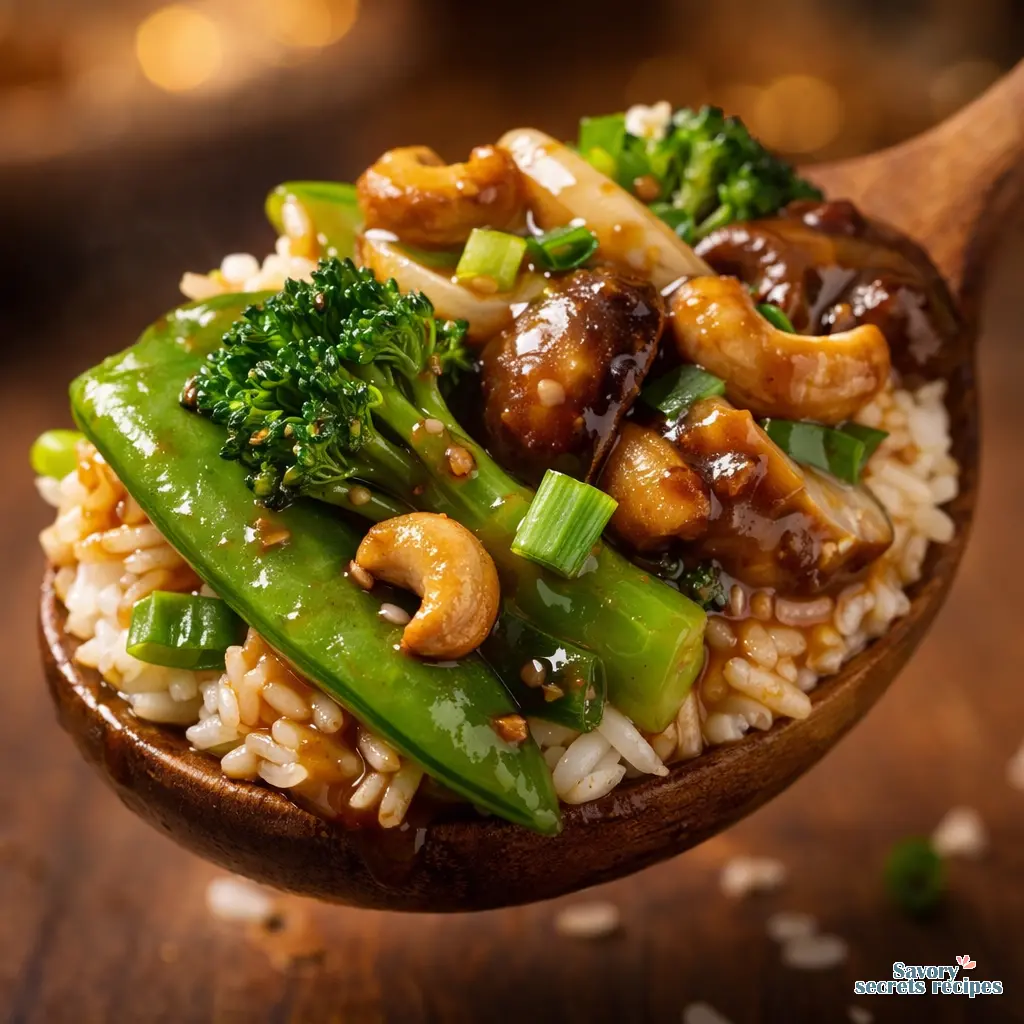
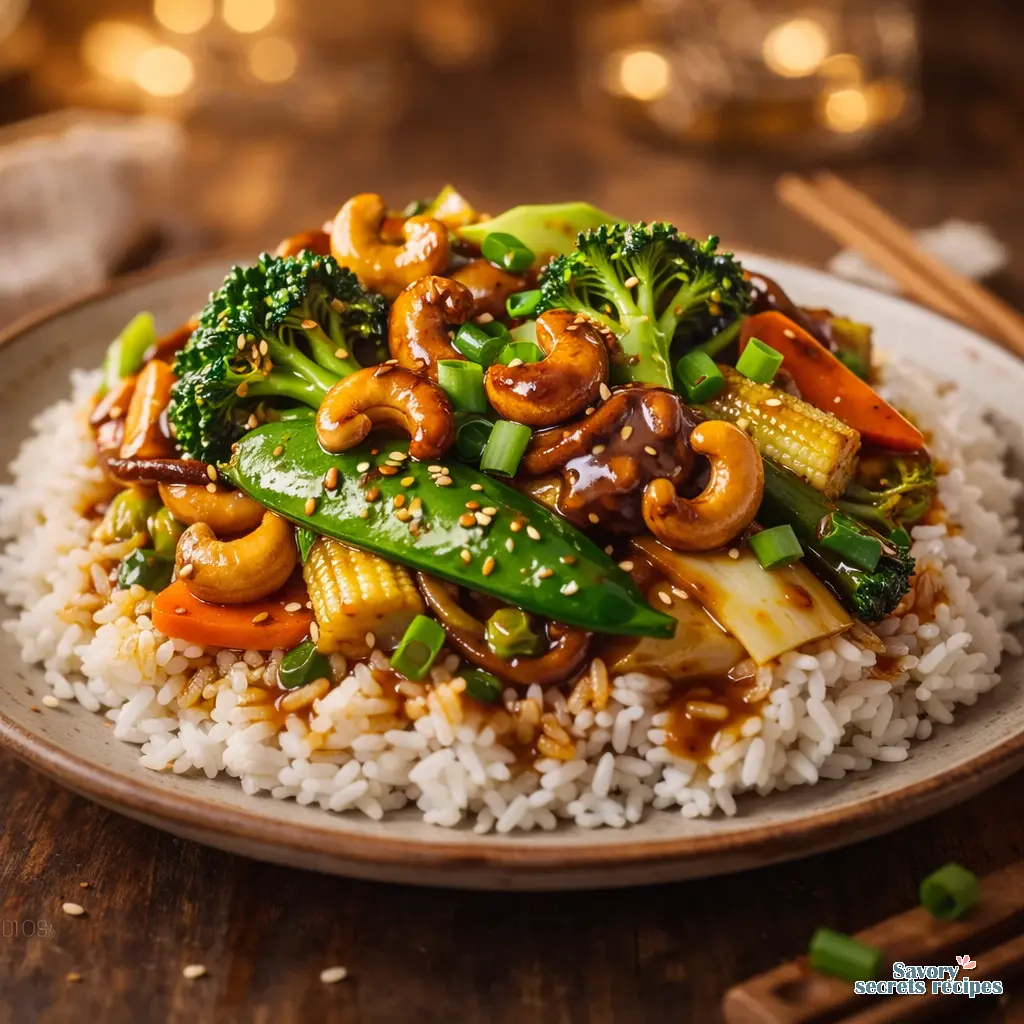
For a traditional flavor profile, I love using fresh bok choy. The stems stay wonderfully crisp while the leaves soak up the sauce. Shiitake mushrooms are incredible for adding a meaty, umami texture. Water chestnuts and bamboo shoots bring a fantastic crunch that survives the high heat perfectly. You can also throw in baby corn, sliced napa cabbage, or fresh snow peas. Just remember the golden rule. Avoid frozen vegetables at all costs. They hold too much moisture and will absolutely ruin your chances of getting a good sear.
Common Mistakes & Fixes
Let’s talk through a few things that can trip you up. I see these issues all the time, and they are incredibly easy to avoid once you know what to look for.
❌ Mistake: Overcrowding the pan.
✅ Solution: If you dump two pounds of vegetables into a medium skillet, the temperature drops drastically. The veggies release their water and begin to steam. Cook in two smaller batches. It takes an extra three minutes but saves the texture.
❌ Mistake: Using frozen vegetables.
✅ Solution: I know it’s convenient, but frozen vegetables release excess moisture as they thaw in the pan, watering down your sauce. Stick to fresh produce for that crisp-tender snap.
❌ Mistake: Not having ingredients prepped before turning on the stove.
✅ Solution: A stir fry waits for no one. Once the oil is hot, things move in seconds. Chop everything, mix your sauce, and line your bowls up next to the stove before you touch the burner dial.
Frequently Asked Questions
Storage & Reheating Guide
If you somehow have leftovers of this asian vegetable stir fry, you need to store them properly to maintain whatever crunch is left. Let the dish cool completely before transferring it to an airtight container. If you seal it while it’s still steaming, the condensation will turn your beautiful crisp vegetables to mush in the fridge. It will keep well for about three to four days.
When it’s time to reheat, please step away from the microwave. The microwave boils the water inside the vegetables, ruining the texture. Instead, toss the leftovers back into a skillet over medium heat. Add a tiny splash of vegetable broth or water just to loosen the sauce. Toss it gently until it is heated through. Serve it over freshly steamed Jasmine rice or toss some cooked Chinese-style egg noodles right into the pan. Now we’re talking.
I genuinely love the moment when you add those aromatics to hot oil and the kitchen fills with that fragrance. It’s the best part of cooking for me, every single time. Once you master the heat and the timing, this asian vegetable stir fry will become a weekly staple in your house. It’s fast, it’s packed with nutrients, and it actually tastes incredible. You’ve got this. Let me know how your browning turns out, and don’t be afraid of a little high heat!
I share tons of variations on my Pinterest boards if you want ideas for different seasonal vegetable combinations. Happy cooking!
Reference: Original Source
How can I make an authentic chinese vegetable stir fry sauce no alcohol that still tastes like takeout?
I’ve found that substituting Shaoxing wine with a mix of high-quality vegetable broth and a splash of rice vinegar works perfectly. The vinegar provides the necessary bright acidity, while dark soy sauce and vegetarian oyster sauce build that deep, savory umami profile you expect from restaurant dishes.
What is the secret for how to get restaurant style stir fry flavor at home?
It all comes down to high heat and wok hei. You need to use a high smoke point oil like safflower, let the pan get exceptionally hot, and avoid overcrowding. Searing the vegetables quickly traps their natural flavors and creates that signature smoky, caramelized edge.
Which vegetables are best to use for a traditional asian vegetable stir fry?
I highly recommend a mix of textures. Bok choy, fresh snow peas, and napa cabbage are excellent for soaking up the sauce. For crunch, water chestnuts, bamboo shoots, and baby corn are fantastic. Shiitake mushrooms are non-negotiable for me because they add incredible savory depth.
How do you keep homemade stir fry veggies crisp and not soggy during cooking?
The trick is staggering your cooking times and using fresh vegetables. Drop dense items like carrots and broccoli in first, and save delicate greens for the last minute. Never use frozen vegetables, as they release too much water and cause the entire dish to steam instead of sear.
Can this vegetable stir fry sauce be prepared in advance for meal prep?
Absolutely. You can whisk the soy sauce, broth, vinegar, and aromatics together and store it in an airtight jar in the fridge for up to three days. Just remember to leave the cornstarch out until right before you cook, otherwise it will settle and clump at the bottom.