



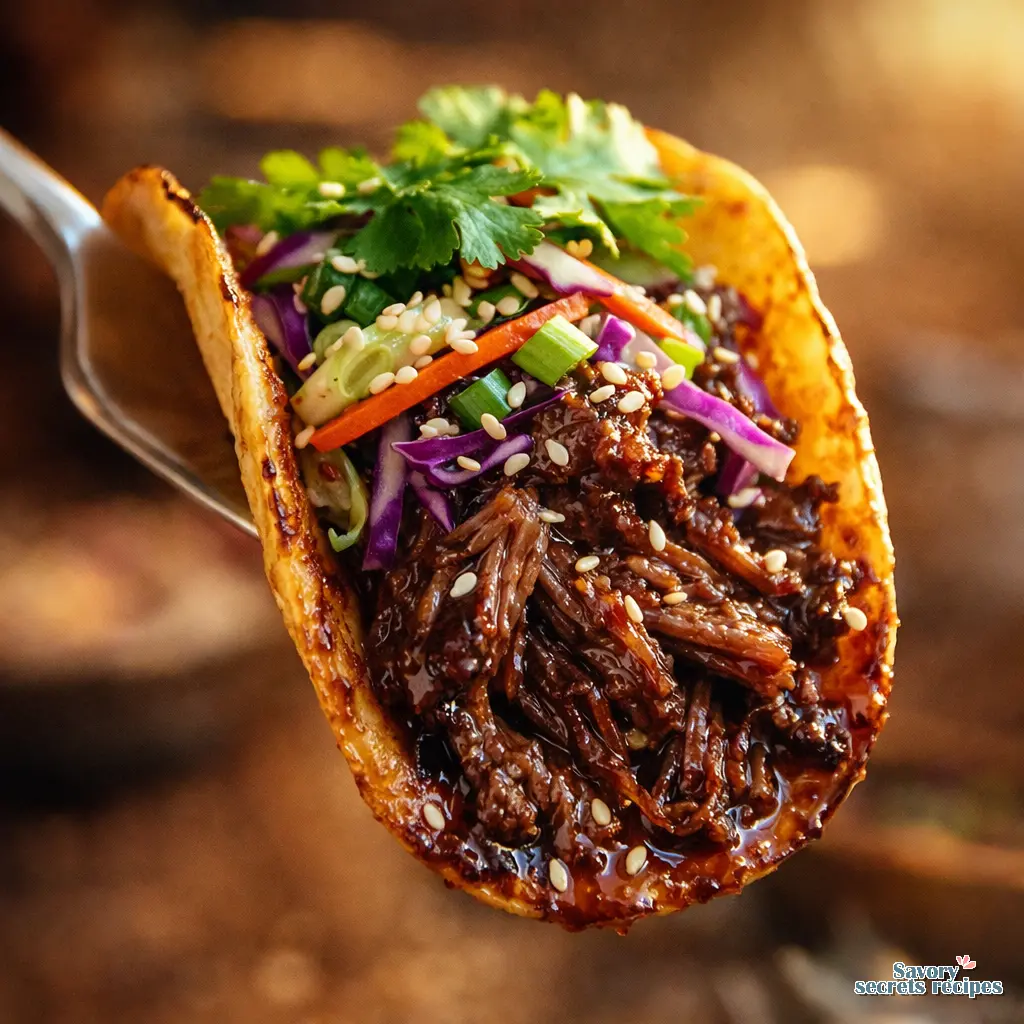
Slow Cooker Korean Beef Tacos
Ingredients
Method
- Trim excess fat from the beef chuck roast and place the meat in the slow cooker.
- Whisk the soy sauce, brown sugar, sesame oil, garlic, ginger, rice vinegar, beef broth, and gochujang in a bowl until combined.
- Pour the sauce mixture over the beef in the slow cooker.
- Cover and cook on low for 8 hours or high for 4 to 5 hours until the beef is tender and shreds easily.
- Prepare the slaw by whisking the gochujang, mayonnaise, rice vinegar, honey, salt, and pepper in a bowl.
- Add the shredded cabbage, carrots, and green onions, toss to coat, and refrigerate until ready to serve.
- Remove the cooked beef from the slow cooker and shred it with two forks.
- Return the shredded beef to the slow cooker and mix it with the cooking juices.
- Warm the tortillas in a skillet or microwave.
- Assemble the tacos by placing the shredded beef in the tortillas and topping with the gochujang slaw, cilantro, jalapeños, and sesame seeds.
- Serve immediately with lime wedges.
Nutrition
Notes
Why You Need These Korean Beef Tacos Tonight
It’s Wednesday night, you’re tired from Los Angeles holiday traffic, and you need dinner fast. I get it. You’re probably bored of the standard weeknight rotation. Let me walk you through this. These korean beef tacos are going to completely change your Tuesday night routine. They deliver a massive explosion of flavor, a beautiful presentation, and a meal that feels incredibly fancy but actually comes together in under 30 minutes.
This recipe reminds me of Saturday mornings at my grandfather’s taqueria on San Antonio’s West Side. That mix of mesquite smoke, charred tortillas, and fresh cilantro meant the weekend had officially started. Years later, I tasted my first Kogi style taco from a food truck here in California. The sweet, savory, and slightly spicy flavor profile completely blew my mind. It broke away from traditional Mexican spices in the best way possible. I knew I had to recreate that magic at home.
Here’s the deal. You don’t need a culinary degree to make this happen. You just need a hot pan, some good tortillas, and a few basic pantry staples. Let’s get into it.
The Science of the Marinade: Why These Ingredients Work
I genuinely love teaching people about flavor balance. It’s such a simple concept, but it solves so many problems in the kitchen. A great homemade korean taco sauce recipe relies on the sweet, salty, and spicy trifecta.
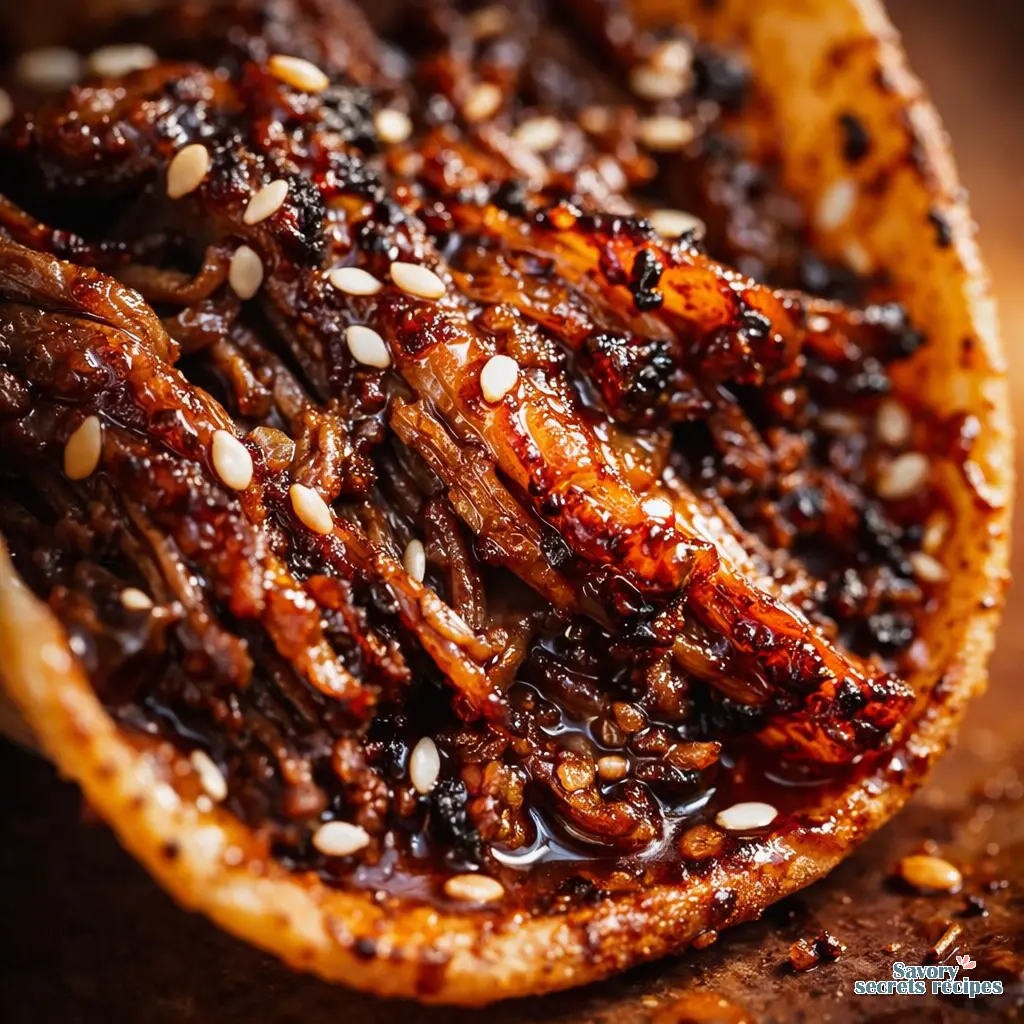
The soy sauce and rice vinegar work together to gently tenderize the beef. The acid breaks down the muscle fibers, while the brown sugar helps you get that gorgeous caramelized crust when the meat hits a screaming hot pan. Fresh ginger and minced garlic bring the aromatic heat. But here’s the real secret. Do not skip the toasted sesame oil. It provides the essential aroma and flavor profile that makes this dish taste authentic. It’s the difference between a good taco and a great one.
In my experience, though your mileage may vary, marinating the meat overnight gives you maximum flavor penetration. But honestly? If you only have 20 minutes while you prep the toppings, you’ll still get a zingy, umami packed bite.
The Secret to Tender Beef for Korean Tacos
I see a lot of folks struggle with tough, chewy meat. Look, I’ll be honest. I ruined a few batches of steak early in my career by rushing the process. Here’s what I wish someone had told me.
First, let the beef stand at room temperature for 30 minutes before cooking. If you throw cold meat directly from the fridge into a skillet, it drops the pan’s temperature instantly. The meat steams instead of searing. You want that sizzle. That’s the sound of the Maillard reaction, and it never gets old.
Second, if you’re using a chuck roast or ribeye, slice it incredibly thin. Cut against the grain to shorten the muscle fibers. If you’re wondering how to make korean beef tacos with ground beef for a quicker weeknight meal, the rules are similar. You just want to get a really good hard sear on it. Don’t touch it for the first two minutes. Let that crust build.
Cook the beef in batches to avoid crowding the pan. Trust your thermometer, not the clock, if you’re cooking thick cuts. But for thin slices, it’s all visual. Pull it now and let carryover do the work. Remove the meat from the heat immediately once cooked to prevent drying out.
Topping Guide: The Essentials
This is where it gets good. The contrast between warm, savory meat and cold, crunchy toppings is the whole reason these tacos work. You need that perfect balance.
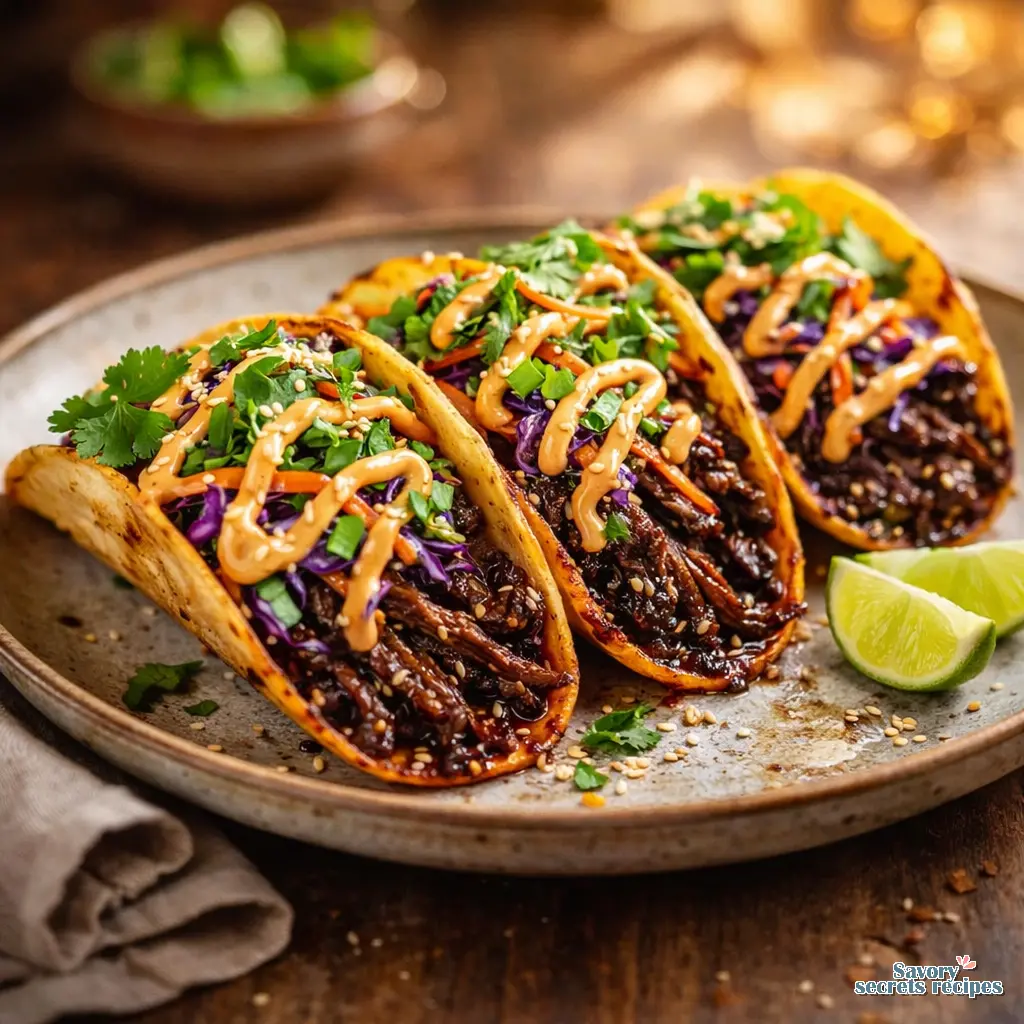
People always ask me about the best slaw for korean beef tacos to provide a zesty crunch. I like to keep it simple. Toss some shredded cabbage and carrots with a splash of rice vinegar, a pinch of sugar, and a few drops of sesame oil. It cuts right through the richness of the beef. If you’re short on time, grabbing a bag of pre-mixed coleslaw from Trader Joe’s and doctoring it up is a totally valid shortcut. Real talk, I do it all the time.
Next up is the kimchi. Store-bought kimchi is fantastic and saves you days of fermentation time. Give it a rough chop so it’s easier to eat in a taco. Finally, you need a creamy element. Mix some mayo with gochujang or sriracha. It adds a beautiful creamy heat. Top the whole thing with fresh scallions and toasted sesame seeds.
Common Mistakes & Fixes
Mistake: The meat is gray and steamed.
Solution: You likely overcrowded the pan or used meat straight from the fridge. Cook in small batches and let the meat rest at room temp for 30 minutes first.
Mistake: The tacos get soggy immediately.
Solution: You’re assembling them too early. Only build the tacos you plan to eat right this second. Keep the meat and tortillas separate until you’re at the table.
Mistake: The flavor feels flat.
Solution: You probably skipped the toasted sesame oil or skimped on the acid. A quick squeeze of fresh lime juice right at the end wakes everything up.
Leftover Transformation: Beyond the Taco
If you somehow have leftovers, you’re in luck. This meat is incredibly versatile. I actually think the flavors deepen on the second day.
My kids love it when I turn the leftover meat into rice bowls. Just scoop some steamed jasmine rice into a bowl, pile the warm beef on top, and add your cold slaw and kimchi. Drizzle that sriracha mayo all over it. It’s a completely different meal with zero extra effort.
You can also make fusion burritos. Wrap the beef, some cilantro lime rice, beans, and cheese in a massive flour tortilla. Toast the burrito in a dry skillet until it’s golden brown on all sides. Honestly, it’s better than most takeout joints.
Non-Alcoholic Drink Pairings for Korean Fusion
When you’re dealing with bold, spicy, and salty flavors, you need a drink that cleanses the palate without competing for attention.
I love serving these with a cucumber lime cooler. Just muddle some fresh cucumber with lime juice, a touch of agave, and top it with sparkling water. The crispness cuts right through the rich beef. Iced jasmine tea is another great option. The floral notes play really nicely with the ginger and garlic in the marinade.
Storage & Reheating Guide
Let’s talk about keeping these tasting fresh. Never store fully assembled tacos. They’ll turn into a soggy mess by morning. Keep your components separate.
Store the cooked beef in an airtight container in the fridge for up to 4 days. You can also freeze the cooked meat for up to 3 months. The extra sauce keeps well in the fridge for a couple of weeks.
Reheating beef without drying it out is tricky. I’ve ruined enough leftovers to know. The microwave is convenient, but it can make the meat rubbery. If you must use the microwave, set it to 50% power and cover the meat with a damp paper towel. It helps trap the moisture. Honestly, my favorite way to eat leftover korean beef tacos is slightly chilled. The flavors condense, and it takes on a really satisfying, jerky-like profile.
Frequently Asked Questions
Wrapping It Up
That’s the whole process. Once you understand the basics of that sweet and savory marinade, you’re going to want to put it on everything. Whether you’re making a quick batch with ground beef on a Tuesday or thinly slicing ribeye for a weekend dinner party, these tacos always deliver.
I genuinely hope these become a staple in your house just like they are in mine. It’s fun, it’s fast, and it tastes incredible. For more inspiration, check out my Pinterest boards where I share tons of variations on fire-cooked meals and weeknight lifesavers. Grab some tortillas on your next grocery run and give this a shot. You’ve got this.
Reference: Original Source
Can I make korean beef tacos ahead of time?
You absolutely can prep the components early. Marinate the beef overnight and chop all your slaw ingredients. I wouldn’t cook the meat until right before serving, though. Freshly seared beef has a texture you just can’t replicate once it’s been refrigerated and reheated.
Can I use a different cut of beef?
Top sirloin is my favorite for balance, but flank steak and ribeye work beautifully if you slice them thin against the grain. If you’re on a budget, ground beef is a fantastic substitute. Just make sure you get a hard sear on it.
Who made Korean tacos originally?
They originated in Los Angeles around 2008, popularized by the Kogi BBQ food truck run by Roy Choi. It was a brilliant Mexican-Korean fusion that completely changed the street food scene. It’s a perfect representation of LA’s diverse food culture.
What is kimchi and where do I buy it?
Kimchi is a traditional Korean side dish made of salted and fermented vegetables, usually napa cabbage and Korean radishes. It’s spicy, tangy, and packed with umami. You can find it in the refrigerated produce section of most major grocery stores like Ralphs or Whole Foods.
Can I make this in a slow cooker?
Yes, you can adapt korean beef tacos for the slow cooker. Use a chuck roast, add your marinade, and cook on low for 6 to 8 hours until it shreds easily. It won’t have the crispy seared edges, but it’ll be incredibly tender and flavorful.
How do I prevent soggy tacos?
The trick is moisture management. Toast your tortillas directly over a gas flame to create a slight barrier. Drain any excess liquid from your meat before plating, and only assemble the tacos you’re going to eat immediately. Don’t let them sit on the plate.