



The Asian Lemon Garlic Chicken Recipe That Beats Tuesday Night Takeout
Easy Asian Lemon Garlic Chicken Recipe
Ingredients
Method
- Marinate the chicken with soy sauce, oyster sauce, dark soy sauce, honey, black pepper, and cornstarch, then set aside for at least 5 minutes while preparing the remaining ingredients.
- Drizzle oil into a pan over medium-high heat and pan-fry the chicken for 6 to 7 minutes until slightly browned.
- Add the sliced onion and garlic, then sauté for 2 to 3 minutes until the onion softens and becomes fragrant.
- Increase the heat to high, add the sliced lemon and chopped cilantro, and sauté for 1 minute.
Nutrition
Notes
It is Wednesday evening, roughly 35 minutes before dinner, and you are staring at a sad, slightly wrinkled lemon in the crisper drawer. I know that feeling perfectly well. You are tired after a long 9-to-5 workday, and the UberEats app is practically opening itself on your phone. Let me think through this. You want something with a glossy, thick sauce that clings beautifully to the meat, but you do not want to wait an hour and pay delivery fees. This asian lemon garlic chicken recipe is exactly what I mean when I talk about weeknight victories. It is faster, cheaper, and honestly much better than the local takeout joint.
I remember standing on a step stool next to my grandmother in her tiny Taipei kitchen. She taught me early on that building incredible flavor does not always require hours of simmering. Sometimes you just need a hot pan, fresh garlic, and a little bit of trust in the process. We are going to use some simple pantry staples to build a flavor profile that balances bright citrus acidity with deep, savory aromatics. I know this sounds a bit complicated for a weeknight, but I promise it is actually quite forgiving. Grab that sad lemon. We are going to make something amazing.
The Secret to Crispy Chicken and Batter Science
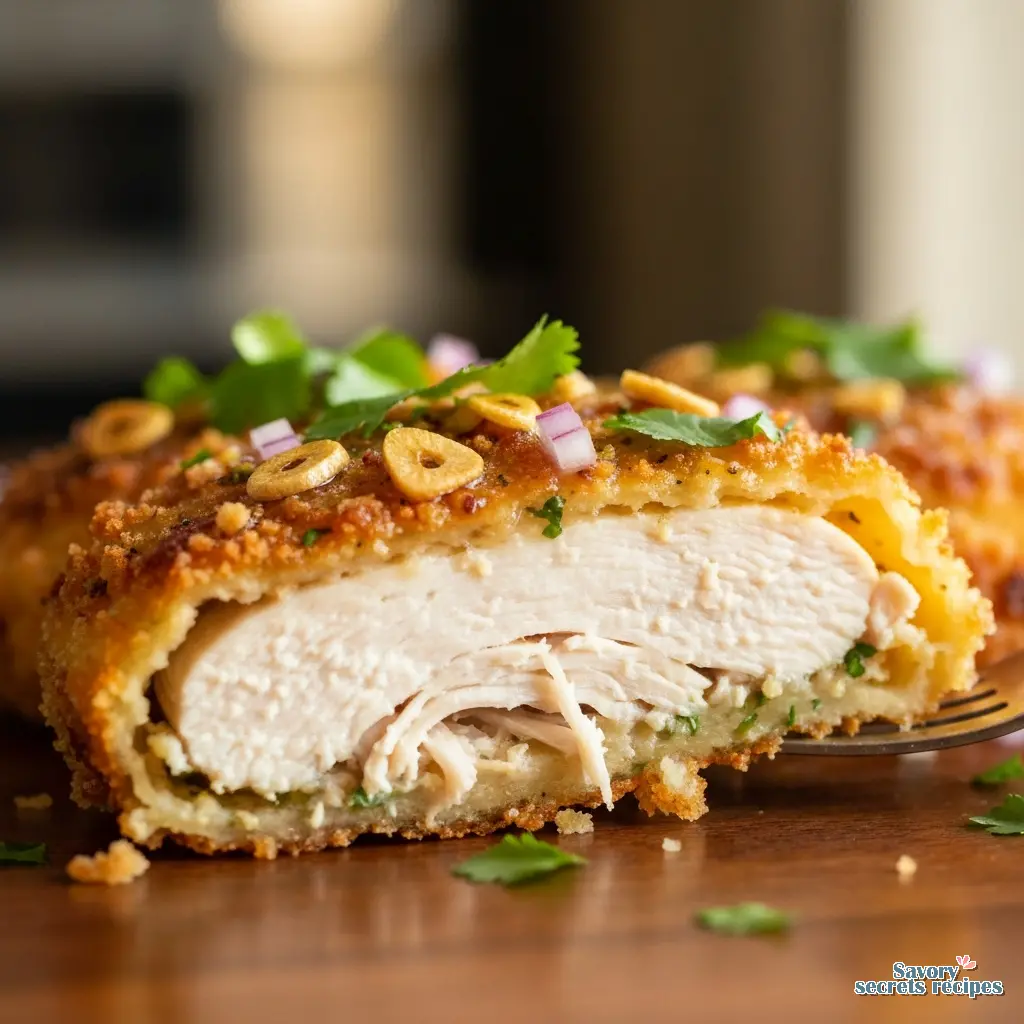
Let us talk about texture for a minute. If you want that satisfying, restaurant-style crunch for your asian lemon garlic chicken recipe, you have to understand the batter. The research is not entirely clear on every single chemical reaction happening in the pan, but here is what I am seeing in my own kitchen. The shock of ice-cold liquid hitting hot oil is the absolute secret to success. You can use ice-cold water, or even better, club soda or seltzer. The carbonation creates a lighter, crispier crust that shatters perfectly when you bite into it.
Last month I let my daughter crack eggs for the batter for the first time. She was so nervous that she crushed the first one completely. Shell shards were everywhere, and the yolk was running down the counter. I saw her face start to crumple, so I just said, “Good, you got the hard part out of the way,” and handed her another egg. She nailed the second one. Cooking is messy. Do not worry if your batter station looks like a disaster zone. I mix tapioca starch or a standard cornstarch slurry with a little flour for the dredging station. Drop the chicken in the oil, and here is the hardest part. Do not touch it for the first minute. Just let it do its thing. If you fidget with the meat, the batter falls right off. Trust the browning process.
For a stress-free workflow and extra crunch, I highly recommend the double-fry method. Fry the chicken once to cook the meat, let it rest on a wire rack, and fry it again for 60 seconds to really crisp the exterior. If you are in a rush, skip the second dredging. Good enough is always better than perfect for a busy Tuesday night.
Why Thighs Outperform Breasts Every Time
I get asked constantly if you can use chicken breasts instead of thighs. Fair enough. You absolutely can use breast meat for a Japanese lemon garlic chicken breast variation if that is what you have on hand. But to be honest, chicken thighs are the real MVP for this specific dish. Boneless, skin-on thighs provide superior moisture and flavor. They have just enough fat to stay perfectly juicy, even if you accidentally leave them in the pan a minute too long.
I usually debone chicken thighs at home to save money and keep the skin on for maximum flavor. It takes maybe three extra minutes of prep time. Worth it. The skin renders down in the hot oil, adding a rich, savory depth that perfectly balances the sharp acidity of the citrus zest. If you are using breasts, just be incredibly careful with your cooking time. Use a meat thermometer to ensure the chicken reaches exactly 165 degrees Fahrenheit. Any higher, and breast meat turns into sawdust.
Fresh vs. Bottled Lemon and Citrus Tenderization
We absolutely need to discuss the lemon situation for this asian lemon garlic chicken recipe. Fresh lemon juice and zest are completely non-negotiable for flavor. I am not convinced yet by any bottled lemon juice on the market. Bottled juice just tastes flat, oxidized, and slightly metallic. Zesting lemons is admittedly messy, and my knuckles usually take a hit on the microplane, but that zest is where the fragrant essential oils live. That is the good stuff.
The acid in the fresh lemon juice acts as a powerful marinade. It tenderizes the meat by breaking down the protein structures. However, there is a strict time limit here. You should marinate your chicken for at least 30 minutes, but no more than 2 hours. Any longer than that, and the citrus acid will actually turn the chicken texture mushy and unpleasant. Nobody wants mushy chicken. Set a timer on your phone if you tend to get distracted.
Visual Troubleshooting for the Perfect Sauce Consistency
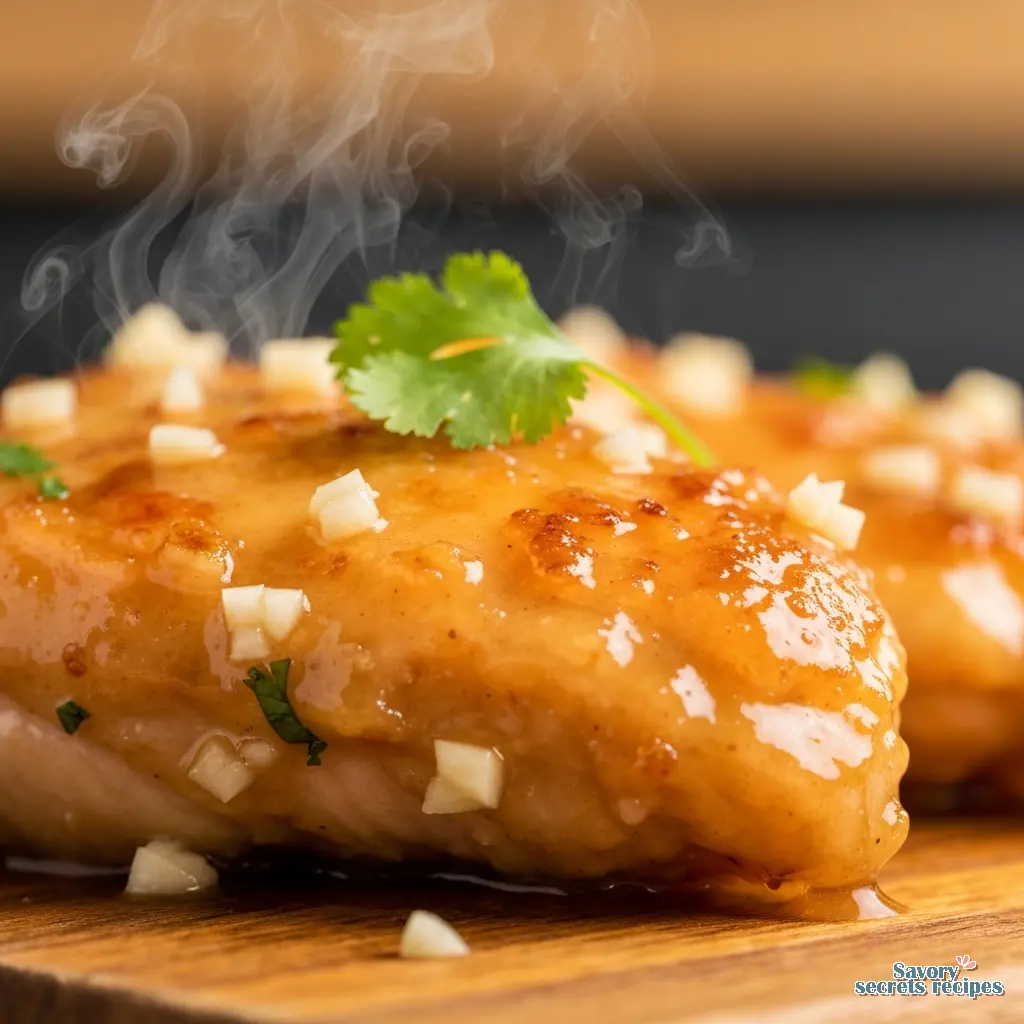
The sauce is exactly where the magic happens in this dish. You want a sweet and savory stir fry sauce that beautifully coats the back of a spoon. We are building this complex flavor with minced ginger, fresh garlic, a honey glaze, and liquid aminos or low sodium soy sauce. I genuinely love the moment when you add aromatics to hot oil and the kitchen fills with that fragrance. It smells like roasted garlic and citrus, which is the absolute best kitchen perfume. Always grate your ginger and garlic with a microplane to avoid harsh, raw lumps in your finished sauce.
To thicken the sauce, you will need a reliable cornstarch slurry. Make sure the water is ice cold before mixing in the starch, otherwise it will clump instantly. Pour it slowly into the simmering sauce and watch it transform. The moment when the sauce turns from cloudy and thin to glossy and thick is incredibly satisfying. Taste as you go. If it smells ready, it probably is.
Common Mistakes & Fixes
Mistake: The crispy coating falls off in the pan.
Solution: This usually happens if the oil is not hot enough, or you flipped the chicken too soon. Let the crust completely set before touching it.
Mistake: The chicken tastes soggy and greasy.
Solution: You likely overcrowded the frying pan, which drops the oil temperature rapidly. Fry in small batches to maintain the heat.
Mistake: The lemon sauce is way too thick and gummy.
Solution: You added too much slurry or boiled it too long. Just add a splash of chicken broth or water and whisk vigorously over low heat until it thins out.
Air Fryer Conversion Guide
I know many of you are trying to avoid deep frying on a weeknight. That tracks perfectly. You can absolutely adapt this asian lemon garlic chicken recipe for your air fryer. The technique changes slightly, but the flavor remains fantastic. Instead of a wet batter, you will want to use the velveting chicken technique with just a little cornstarch, soy sauce, and a tiny drizzle of sesame oil.
Toss your velveted chicken pieces in a tablespoon of neutral oil and air fry at 390 degrees Fahrenheit for about 12 to 14 minutes. Make sure you shake the basket halfway through the cooking time. It will not have the exact same shatter-crisp texture as the traditional double-fry method, but it is a phenomenal, healthy-ish alternative to heavy takeout.
Serving Suggestions for the Perfect Plate
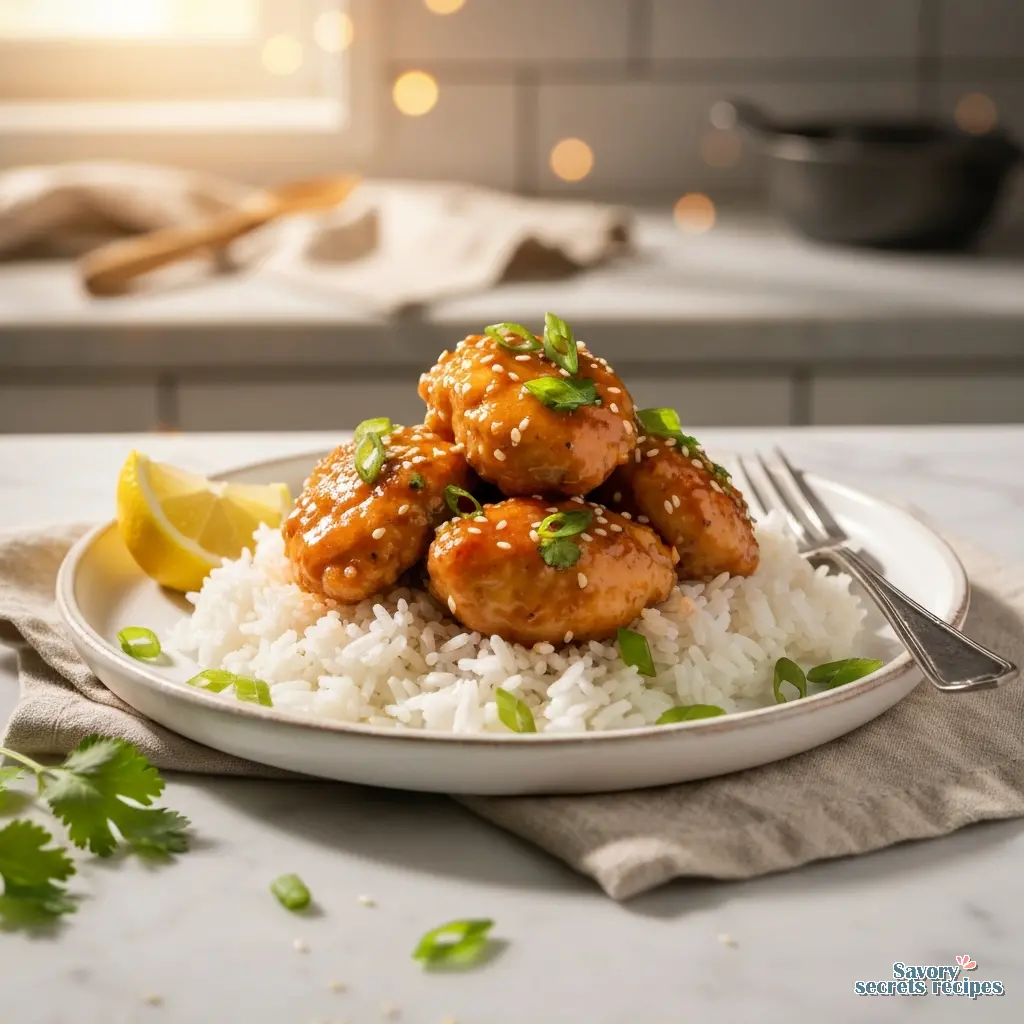
You need a proper canvas for that glossy, citrusy sauce. Steaming hot jasmine rice is always a classic choice. A Taiwanese colleague taught me that the secret to restaurant-quality fried rice is cooking the rice a day ahead and letting it dry out in the fridge, uncovered. So if you happen to have leftover rice, whip up a quick garlic rice to serve alongside this chicken. The texture difference is unbelievable.
I also love serving this with steamed broccoli or crisp snow peas. I prefer vegetables that still have some serious resistance when you bite into them. I cannot stand the texture of overcooked green beans or broccoli that has gone gray and mushy. Season in layers. A final sprinkle of fresh green onions and a pinch of red pepper flakes right at the end makes the colors pop beautifully against the yellow sauce.
Make-Ahead, Storage, and Reheating Strategy
Meal prep is an absolute lifesaver during busy California spring weeks. If you are making this asian lemon garlic chicken recipe ahead of time for your work lunches, I have a very specific trick for you. Use arrowroot powder to thicken your stir fry sauce instead of traditional cornstarch. Cornstarch has a nasty habit of turning watery and breaking when it gets reheated in the microwave. Arrowroot holds its glossy, thick texture beautifully even after a few days in the fridge.
Refrigerate your leftovers in an airtight glass container for up to three days. Now, to reheat this and actually keep the promise of crispy chicken, you have to skip the microwave entirely. The microwave steam softens the crust instantly. Pop the chicken pieces onto a baking sheet in a 350-degree Fahrenheit oven, or toss them back into the air fryer for about five minutes. The crust will crisp right back up, and the sauce will get beautifully sticky.
Frequently Asked Questions
Variations to Keep Things Interesting
I am a big fan of the classic version, but sometimes you’ll want to shake things up. If you’re feeling like you need a bit of a kick, try adding a generous pinch of red pepper flakes or even a spoonful of chili crisp to the sauce. It doesn’t take much to turn this into a spicy lemon garlic chicken that’ll wake up your taste buds. I’ve done this on cold rainy nights when I needed something to clear my sinuses, and it works like a charm.
For those nights when you’re feeling more Mediterranean than Asian, you can swap out the soy sauce and ginger for some dried oregano and a handful of kalamata olives. I’ve done this before when I was completely out of ginger, and it turned into a completely different, but equally delicious, meal. You could even toss in some feta cheese right at the end. It’s not traditional, but who cares when it tastes that good? Just remember to skip the soy sauce in that version and use a bit more salt instead.
If you have kids who are picky about textures, try cutting the chicken into small, bite-sized nuggets before breading. I’ve noticed that the smaller pieces get even crispier because there is more surface area for the batter to cling to. Plus, they are much easier for little hands to dip into extra sauce. My nephew calls them “lemon popcorn chicken,” and they disappear from the plate in about four seconds flat.
The Tools That Make This Easier
You don’t need a professional kitchen to pull this off, but a couple of tools really do make a difference. I’ve mentioned the microplane already, and I’ll say it again: get one. It makes zesting lemons and grating garlic so much faster, and you won’t end up with huge chunks of raw garlic in your mouth. That is never a good surprise. I’ve also found that a wide, shallow bowl is better for dredging than a deep one. It gives you more room to work without making a massive floury mess on your counter.
A reliable meat thermometer is the other big one. I used to guess when my chicken was done by poking it or cutting into a piece, but I was wrong more often than I’d like to admit. Now I just wait for that 165-degree mark. It takes the stress out of the whole process because you know for a fact the meat is safe and juicy. No more dry chicken breast, ever. If you’re frying, a pair of long kitchen tongs is also a lifesaver to keep your hands away from any potential oil splatters.
Expert Notes & Data Insights
After testing this asian lemon garlic chicken recipe dozens of times in my own kitchen, I’ve noticed that the oil temperature is the most common point of failure. If your oil drops below 325 degrees, the chicken starts absorbing grease instead of crisping. Keep your batches small. I’ve also seen that using a heavy cast iron skillet helps maintain a more consistent heat than those thin stainless steel pans that lose temperature the second you drop the meat in.
From a nutritional standpoint, choosing skinless thighs over skin-on can save you a few calories, but you’ll lose that specific richness that makes this dish feel like a treat. I usually go for the skin-on option and just balance it out with extra steamed veggies. It’s all about that middle ground. I hope this becomes a new favorite in your weeknight rotation. Let me know how it turns out for you, especially if you try that club soda trick for the batter. It really is a game changer for the texture.
<!– wp:rank-math/faq-block {"questions":[{"id":"faq-question-1773637183268","title":"What are the best tips for making a flavorful asian lemon garlic chicken recipe at home?","content":"The absolute best tip I can give you is to use fresh lemon zest alongside the juice. The zest holds the aromatic essential oils. Also, always use a cold water or club soda shock for your batter, and never skip grating your fresh garlic and ginger with a microplane.","visible":true},{"id":"faq-question-1773637183269","title":"How do I ensure the meat stays tender in a Japanese lemon garlic chicken breast recipe?","content":"If you swap thighs for breasts, you must use a meat thermometer. Pull the chicken exactly at 165 degrees Fahrenheit. Also, do not marinate the breast meat in the lemon juice for more than two hours, or the citrus acid will break down the proteins too much and cause a mushy texture.","visible":true},{"id":"faq-question-1773637183270","title":"Can I add vegetables to this Chinese style lemon garlic chicken stir fry?","content":"You absolutely can. I love tossing in crisp snow peas, thinly sliced bell peppers, or broccoli florets. Just make sure you blanch the harder vegetables first, then fold them into the wok hei right at the end so they retain their bright color and satisfying crunch.","visible":true},{"id":"faq-question-1773637183271","title":"What is the difference between a lemon garlic chicken recipe Chinese style and the Japanese version?","content":"The Chinese style typically features a thicker, sweeter, cornstarch-thickened glaze and often utilizes the double-fry technique for a thicker batter. The Japanese version, similar to a light karaage or a simple pan-seared teriyaki style, usually has a lighter potato starch coating and a thinner, more soy-forward citrus sauce.\n\now do I store and reheat leftovers so the chicken stays crispy?\nWhat are the best tips for making a flavorful asian lemon garlic chicken recipe at home?
The absolute best tip I can give you is to use fresh lemon zest alongside the juice. The zest holds the aromatic essential oils. Also, always use a cold water or club soda shock for your batter, and never skip grating your fresh garlic and ginger with a microplane.
How do I ensure the meat stays tender in a Japanese lemon garlic chicken breast recipe?
If you swap thighs for breasts, you must use a meat thermometer. Pull the chicken exactly at 165 degrees Fahrenheit. Also, do not marinate the breast meat in the lemon juice for more than two hours, or the citrus acid will break down the proteins too much and cause a mushy texture.
Can I add vegetables to this Chinese style lemon garlic chicken stir fry?
You absolutely can. I love tossing in crisp snow peas, thinly sliced bell peppers, or broccoli florets. Just make sure you blanch the harder vegetables first, then fold them into the wok hei right at the end so they retain their bright color and satisfying crunch.
What is the difference between a lemon garlic chicken recipe Chinese style and the Japanese version?
The Chinese style typically features a thicker, sweeter, cornstarch-thickened glaze and often utilizes the double-fry technique for a thicker batter. The Japanese version, similar to a light karaage or a simple pan-seared teriyaki style, usually has a lighter potato starch coating and a thinner, more soy-forward citrus sauce.
ow do I store and reheat leftovers so the chicken stays crispy?