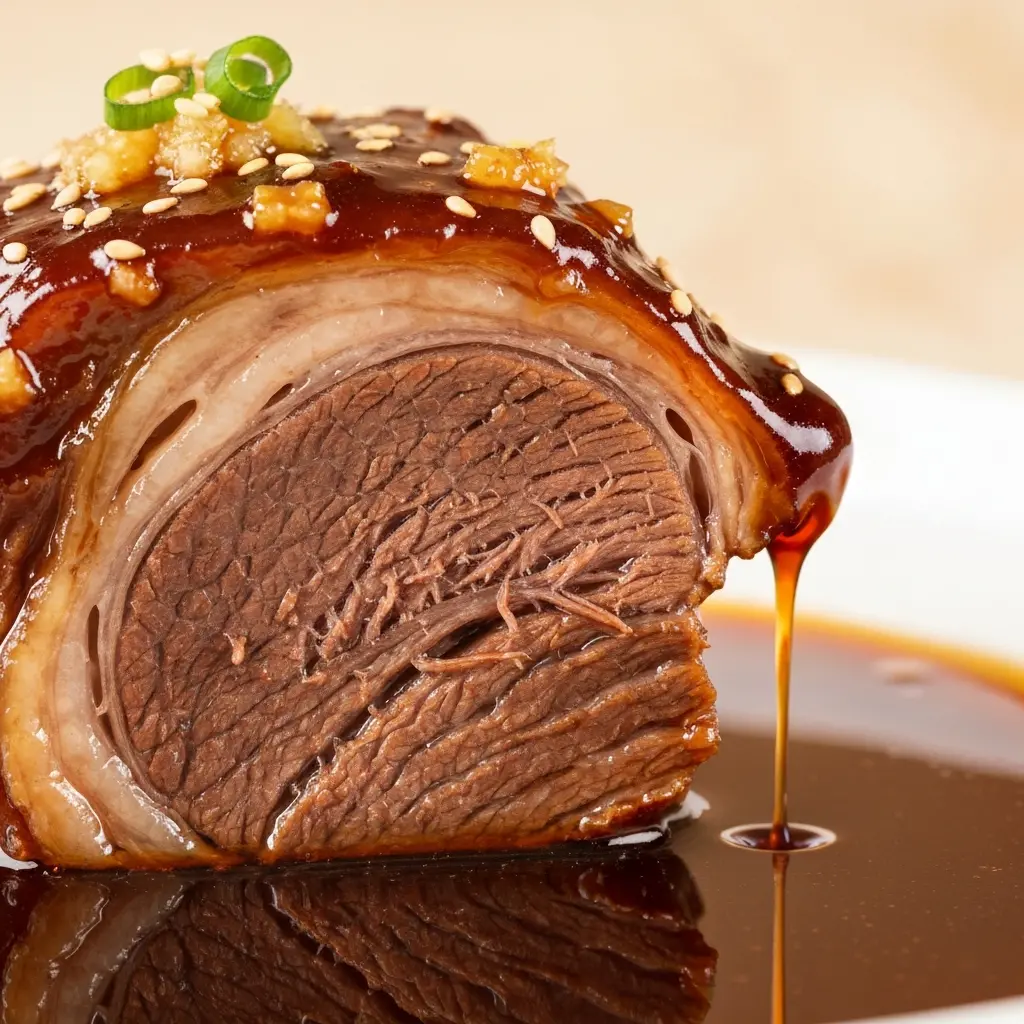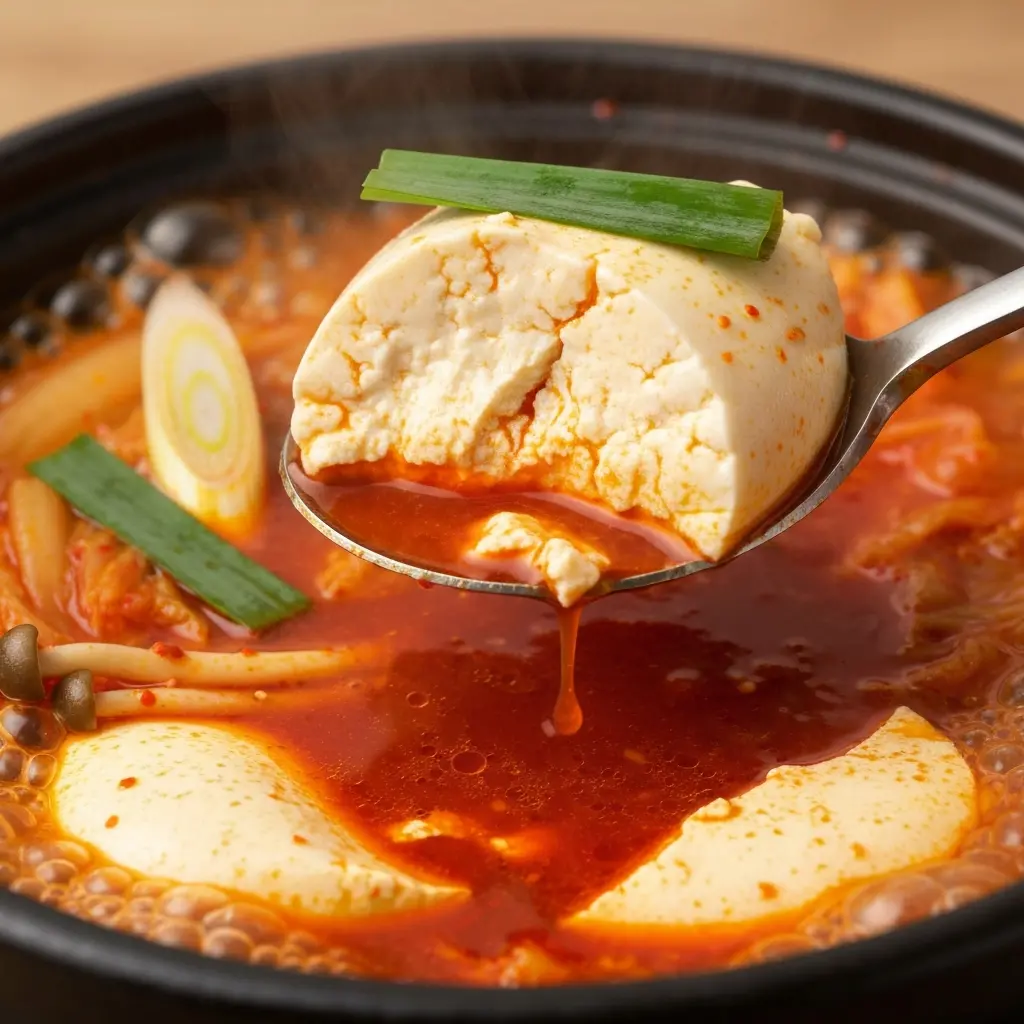




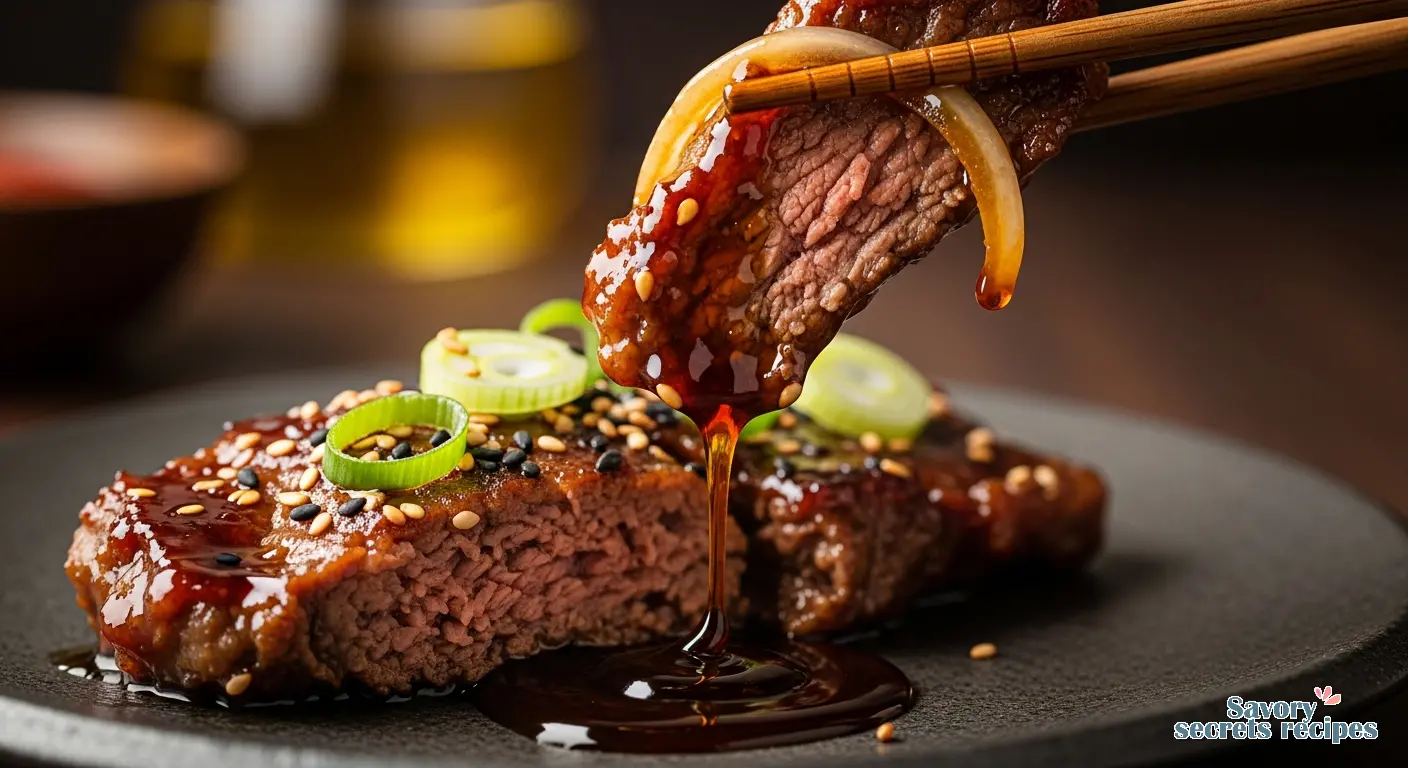
Authentic Korean Recipes for Bulgogi BBQ Beef
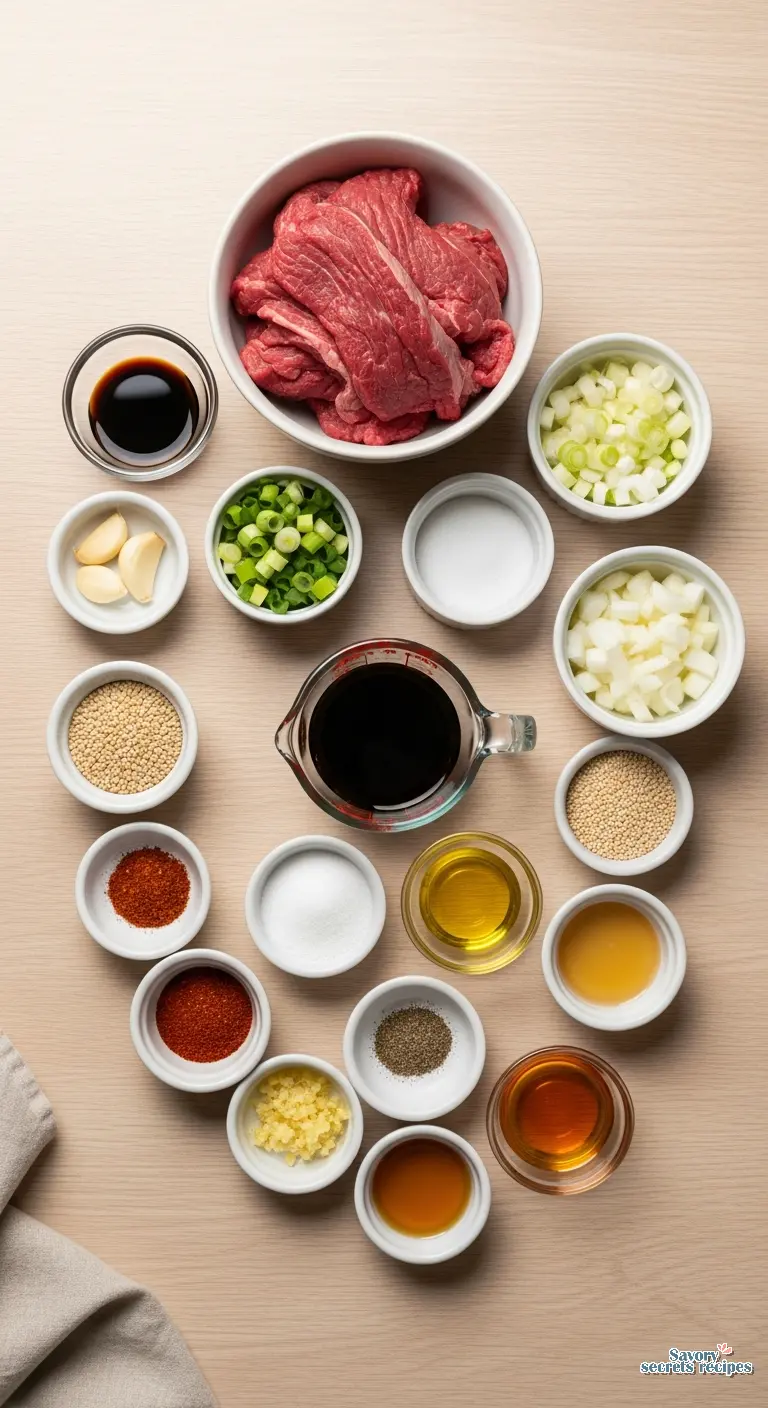
Ingredients
Method
- Assemble all necessary ingredients.
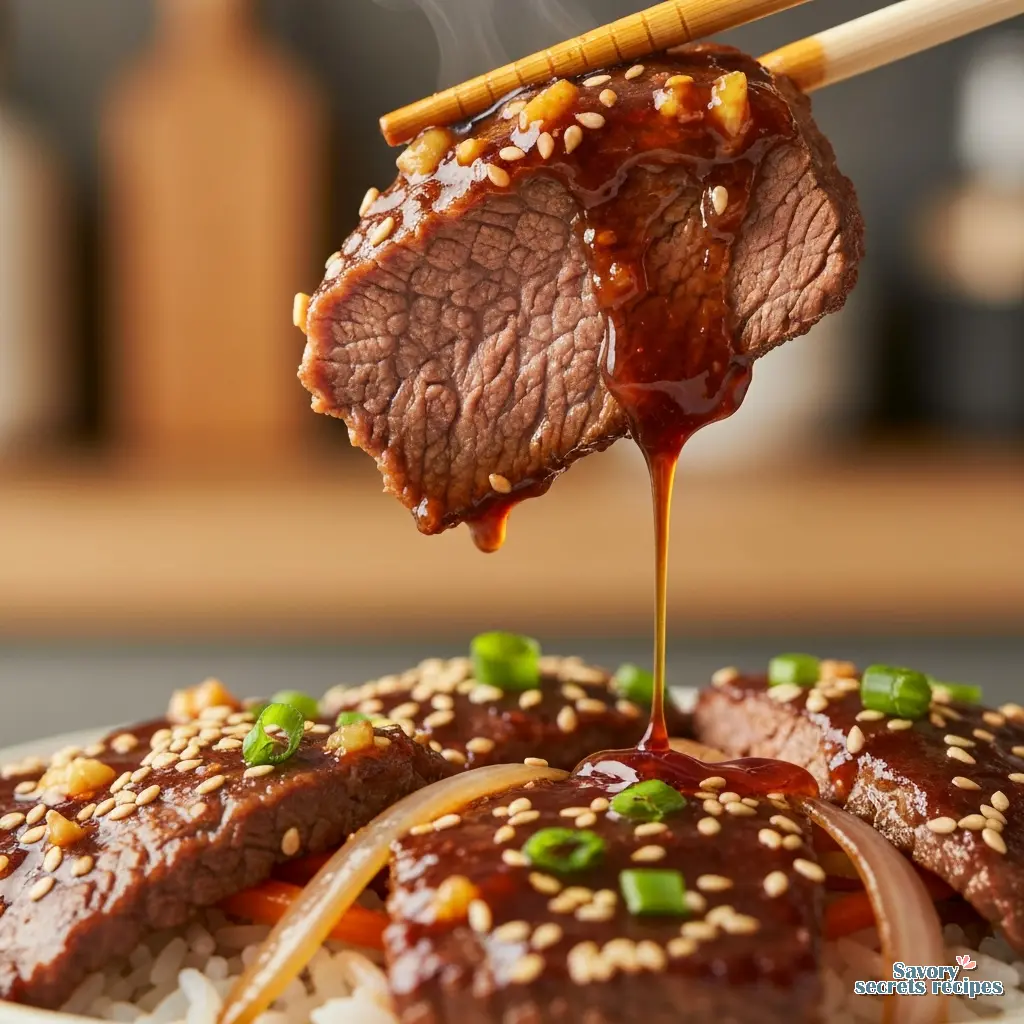
- Whisk the soy sauce, white and light green onion parts, yellow onion, sugar, garlic, sesame seeds, sesame oil, red pepper flakes, ginger, and black pepper together in a large glass or ceramic bowl.
- Add the steak slices and toss to coat thoroughly, then cover the bowl with plastic wrap and marinate in the refrigerator for 1 to 24 hours.
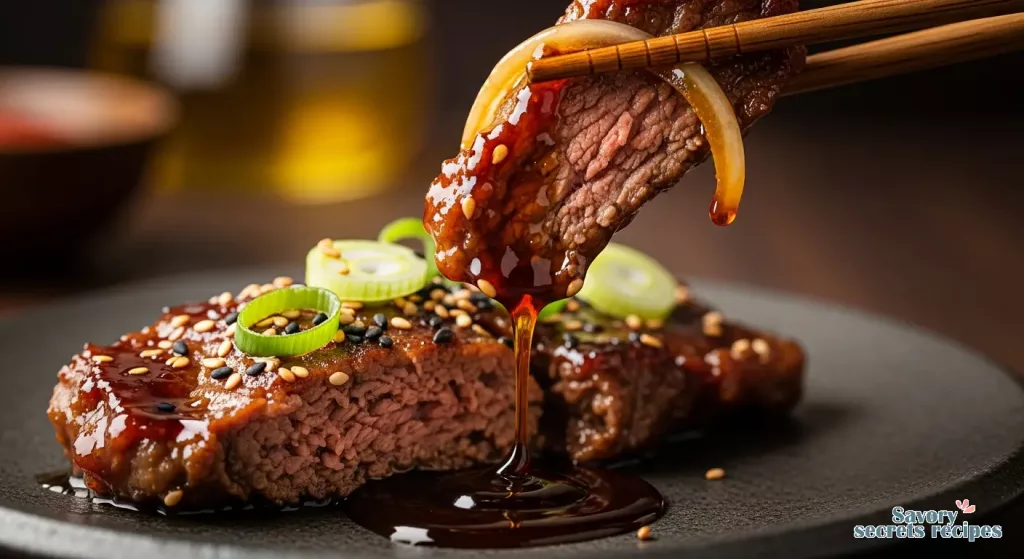
- Heat a wok or large skillet over medium heat and cook the steak and marinade in batches, stirring in honey to caramelize the meat until fully cooked, approximately 5 minutes.
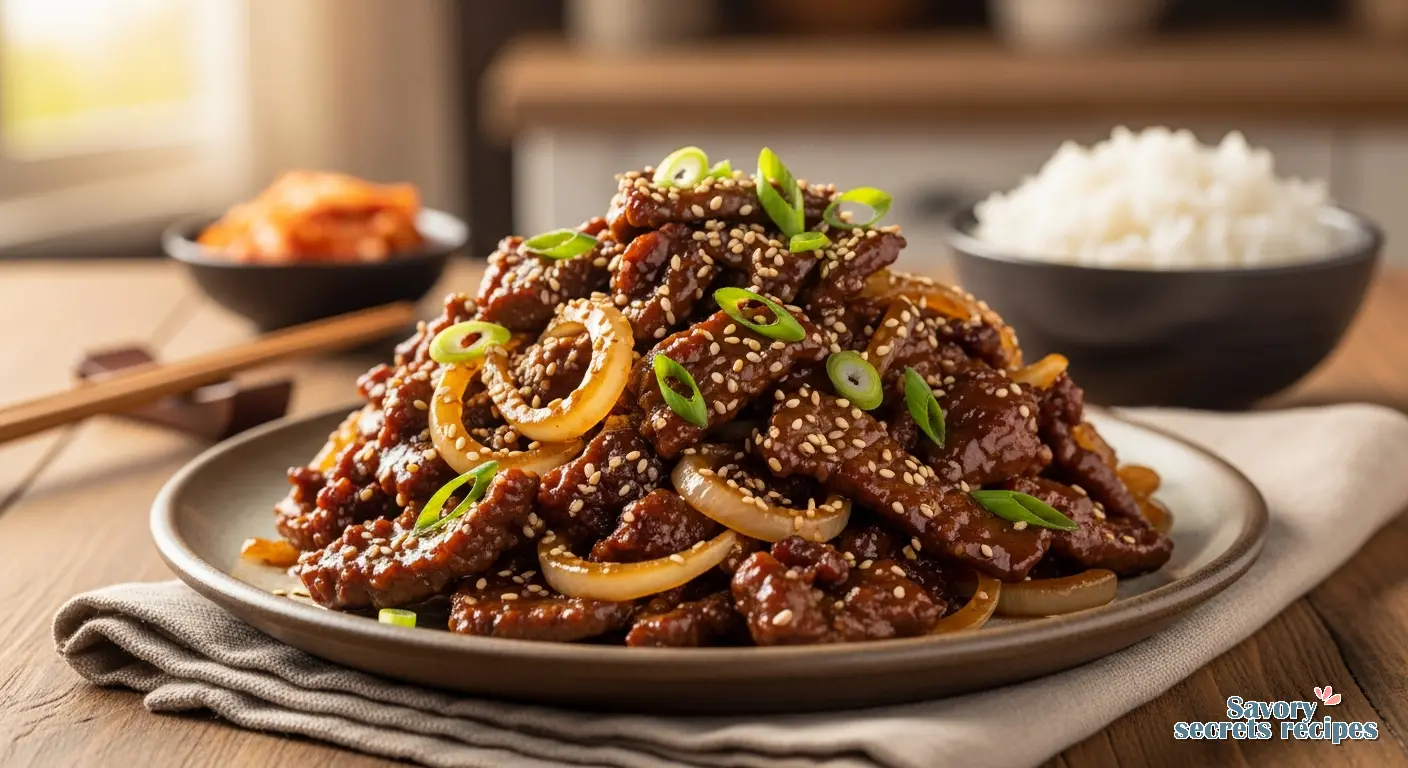
- Garnish the bulgogi with the dark green parts of the green onions.
Nutrition
Notes
Why Authentic Korean Cooking is Easier Than You Think
Here’s the deal. I remember standing in my grandfather’s kitchen in San Antonio, watching him work the grill. He had this way of looking at fire that felt like he was reading a book. When I first tried to tackle authentic korean cooking, I felt completely lost. I didn’t have that same instinct. I was staring at jars of red paste and unfamiliar cuts of meat, wondering if I was about to ruin dinner for everyone. Not gonna lie, my first attempt at bulgogi was a disaster. I overcrowded the pan, steamed the meat instead of searing it, and the flavor was just… flat.
But then it clicked. The principles aren’t that different from what I grew up with. It’s about respecting the ingredients, understanding the heat, and balancing flavors. Whether it’s Texas BBQ or Korean BBQ, you’re looking for that perfect interplay of savory, sweet, and smoky. Once you get past the intimidation of new labels, making authentic korean food at home is actually incredibly forgiving. You don’t need a degree in culinary arts. You just need to trust your palate and maybe a good thermometer.
Living here in Austin, we have access to some great Asian markets, but I know that’s not the case everywhere. The good news is that you can pull off these flavors with ingredients found in most regular grocery stores these days. We are going to break this down, strip away the complexity, and get you cooking a meal that tastes like it came straight from a restaurant kitchen. Trust me, if I can pivot from brisket to bulgogi, you’ve got this.
The Trinity of Authentic Korean Flavor
When you start digging into authentic korean recipes, you realize pretty quickly that the pantry staples do the heavy lifting. You don’t need a thousand spices. You need the right ones.
First up is Gochujang. This is a fermented chili paste that brings heat, sweetness, and a deep savory funk all at once. It’s thick, sticky, and absolutely essential. I tend to think of it like a concentrated BBQ sauce base. If you can’t find it, don’t just use hot sauce. It won’t work. In a pinch, mixing miso paste with chili powder and a little sugar gets you in the ballpark, but the real stuff is worth hunting down.
Then there’s Sesame Oil. This is your finishing move. Unlike olive oil, which you might cook with, toasted sesame oil is usually added at the end or in marinades to preserve that nutty aroma. It smells incredible. My daughter says it smells like “savory popcorn,” which tracks.
Finally, let’s talk about Kimchi. It’s not just a side dish. It’s an ingredient. It brings acid and crunch that cuts through rich meats like short ribs or bulgogi. I used to be scared of fermenting things at home (food safety guy here), but buying a good jar is perfectly fine. The older it gets, the better it is for cooking stews. Fresh kimchi is for eating crisp; sour, old kimchi is for cooking.
Choosing Your Meat: Flanken vs. English Cut
This is where my grilling background gets excited. When you’re at the butcher looking for short ribs (Galbi), you’ll see two main cuts. Understanding the difference is huge for authentic korean texture.
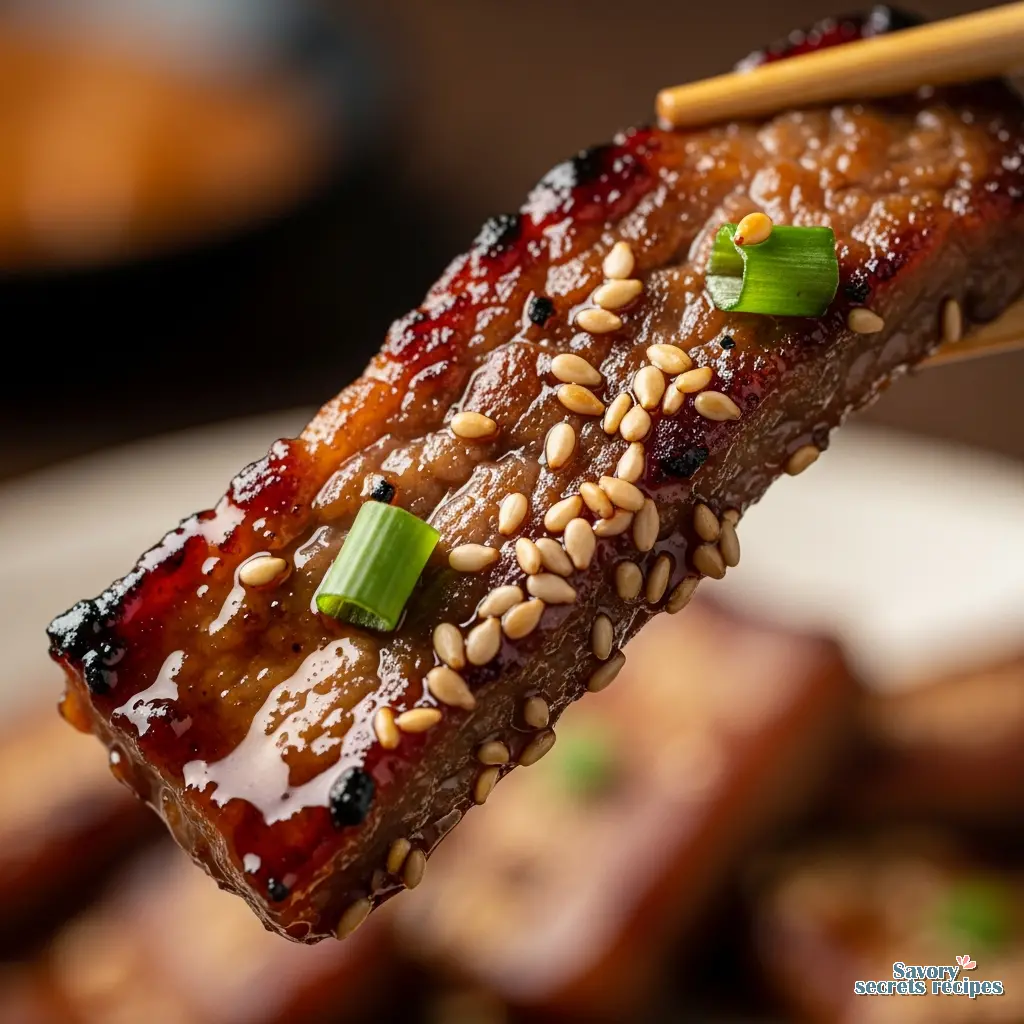
The Flanken Cut: This is what you want for quick grilling. The butcher cuts across the bones, so you get thin strips with three or four little bone ovals in them. This is the sweet spot right there. Because it’s thin, the marinade penetrates quickly, and you can grill it hot and fast. You get that char we love without waiting hours.
The English Cut: This is cut parallel to the bone, leaving you with a thick brick of meat sitting on top of one bone. This is for braising. Do not throw this on a hot grill for five minutes and expect it to be tender. It won’t be. It needs low and slow heat to break down that collagen. If you try to quick-grill this, it’ll be tough as shoe leather. Trust me on this.
The Science of Milky Bone Broth
You might have seen those creamy, white Korean soups and assumed there’s milk or cream in them. Nope. That’s all bone. Specifically, leg bones.
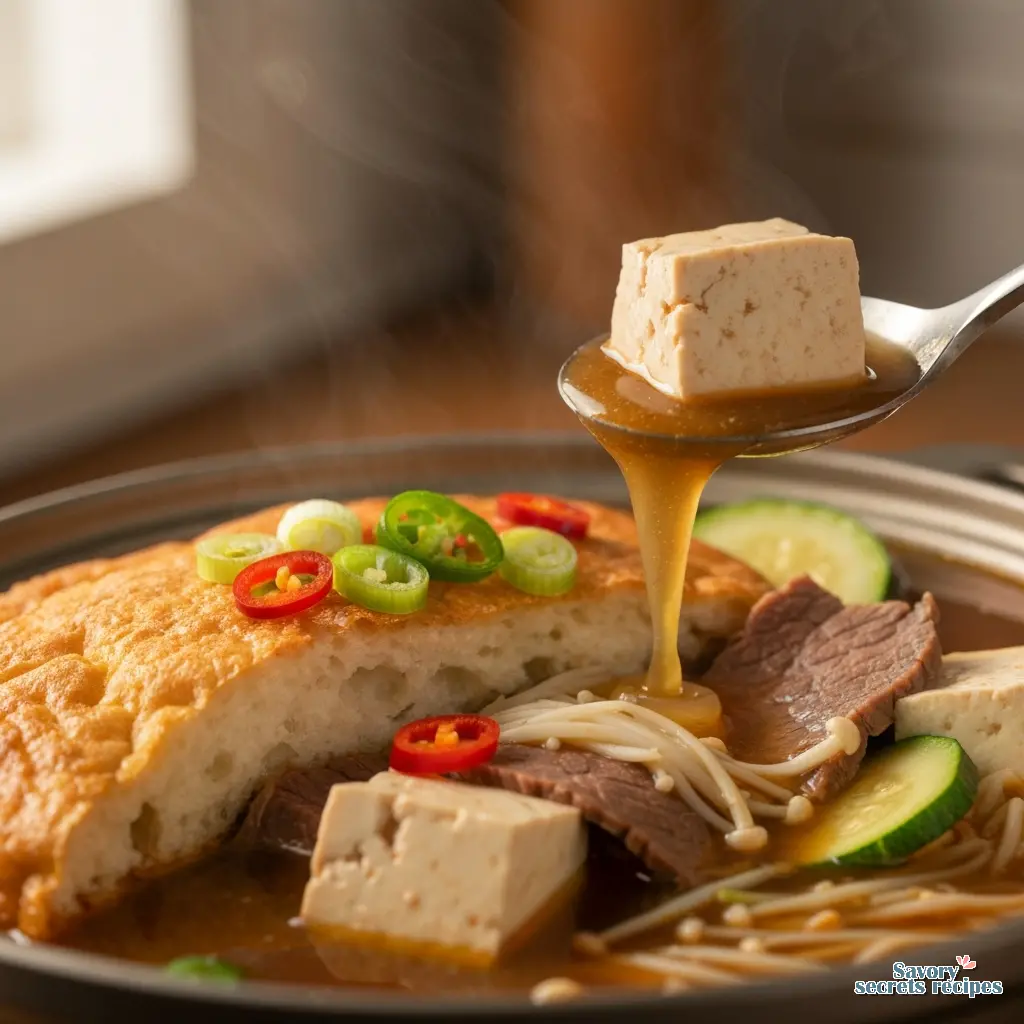
It’s similar to how we make stock, but with a twist. You boil the bones hard. In Western cooking, we usually simmer gently to keep the stock clear. For dishes like Seolleongtang, you let it roll. The vigorous boiling emulsifies the fat and collagen into the water, turning it milky white and creamy. It takes time often all day but the result is a rich mouthfeel that feels like it coats your soul. If you’re doing this at home, don’t skim the fat too aggressively. That’s where the flavor lives.
Balancing the Heat
Korean food has a reputation for being spicy, but it’s not just heat for heat’s sake. It’s about balance. The heat usually comes from Gochugaru (red pepper flakes) or Gochujang.
If you’re cooking for kids or people who aren’t into spice, you can dial this back easily. I usually start with half the recommended amount of pepper flakes and taste. You can always add more, but you can’t take it out. Real talk: sugar or honey is your best friend here. A little sweetness counteracts the heat perfectly. If a stew gets too spicy, I serve it with extra plain steamed rice or a mild soup on the side. It acts like a fire extinguisher.
Serving with Banchan
The magic of an authentic korean meal is the Banchan. These are the little side dishes that come out before or with the main meal. It’s not just an appetizer; it’s part of the whole experience. In my house, we treat this like a taco bar. Everyone builds their perfect bite.
You don’t have to make twelve different sides. Start with three. Maybe some kimchi, some seasoned spinach (Sigeumchi-namul), and seasoned bean sprouts (Kongnamul). These provide crunch, salt, and freshness to balance the savory meat and rice. It makes the meal feel like a feast, even if the main dish is simple.
Common Mistakes & How to Fix Them
I’ve made plenty of errors learning this cuisine. Here are the big ones so you can skip the learning curve.
❌ Mistake: Using fresh kimchi for stew.
✅ Solution: Use the old stuff. If your kimchi is sour and pungent, it’s perfect for stew. Fresh kimchi lacks the depth needed for a rich broth. If you only have fresh, add a splash of vinegar to mimic the age.
❌ Mistake: Overcooking the beef.
✅ Solution: Authentic korean BBQ cuts are often thin. They cook in seconds, not minutes. Keep your heat high and your attention focused. Pull it now and let carryover do the work. It’s better to be slightly under than to eat beef jerky.
❌ Mistake: Crowding the pan.
✅ Solution: If you don’t have a grill and you’re using a skillet, cook in batches. If you pile all the meat in at once, the temperature drops, moisture releases, and you boil the meat in its own juices. You want a sear, not a steam bath.
❌ Mistake: Skipping the rice rinse.
✅ Solution: Korean sticky rice needs to be washed until the water runs clear. This removes excess starch and gives you that perfect, distinct texture rather than a gummy mush.
Low-Carb Authentic Alternatives
I know a lot of folks are watching their carbs. My wife does keto cycles, so we’ve had to adapt. The great thing about authentic korean food is that it’s actually pretty easy to modify.
Instead of rice, we use riced cauliflower. If you pan-fry it with a little sesame oil, it mimics the texture surprisingly well. For dishes like Japchae (glass noodles), which are made from sweet potato starch and are high in carbs, you can use shirataki noodles or spiralized vegetables. Zucchini noodles work great if you don’t overcook them. The bold sauces are so flavorful that you honestly won’t miss the starch as much as you think.
Frequently Asked Questions
What can I do with leftover kimchi?
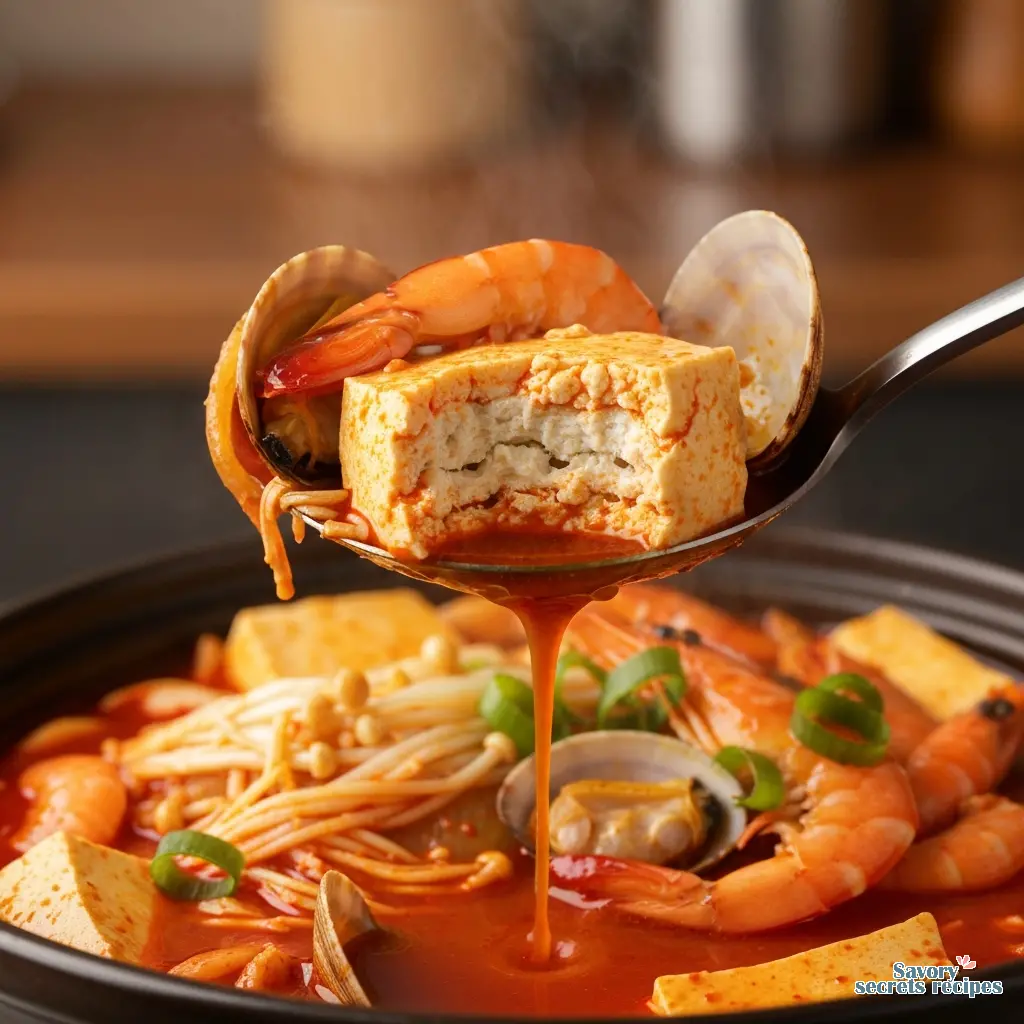
Don’t toss it! As kimchi ages and gets sour, it becomes perfect for cooking. Use it to make Kimchi Jjigae (stew) or chop it up for kimchi fried rice. The funkier it smells, the better it cooks. It’s basically flavor gold.
How do I balance the heat in spicy Korean stews?
If your authentic korean stew is too spicy, serve it with plain steamed rice or a mild egg drop soup to cool your palate. You can also add a little sugar or honey to the stew while cooking, which helps counteract the capsaicin burn.
Can I eat glass noodles cold?
Absolutely. Japchae (glass noodles) is one of those versatile dishes that tastes great warm, at room temperature, or even cold from the fridge. In fact, I think the texture gets a little chewier and more satisfying after it sits for a bit.
What is the best cut of beef for quick grilling?
For quick grilling, you want the flanken-style short rib. That’s the one cut across the bones into thin strips. It cooks in minutes and gets that perfect char. Avoid the thick English cut for grilling unless you plan to braise it first.
Storage and Serving Tips
When it comes to leftovers, most authentic korean dishes hold up really well. Marinated meats like bulgogi can actually be stored uncooked in the marinade for up to 24 hours in the fridge; the flavor just gets deeper. If it’s already cooked, keep it in an airtight container for 3 to 4 days.
Reheating is tricky with beef. I never use the microwave if I can help it it turns good steak into rubber. Instead, heat a skillet over medium-high heat and flash-fry the leftovers for just a minute or two until warm. It brings the texture back to life. For rice, sprinkle a little water over it before reheating to steam it back to fluffiness.
Serve your main dish family-style in the center of the table, surrounded by your rice bowls and banchan. It encourages sharing and conversation, which is really what this cuisine is all about.
When you make this, you’ll love the depth of flavor you get for such little effort. It’s a game changer for weeknight dinners. Grab some good beef, trust your heat, and enjoy the process. Let me know how it goes in the comments! Go cook some magic!
For more inspiration, check out my Pinterest boards where I collect all my favorite grill-friendly recipes.
Reference: Original Source