



Juicy Baked Lemon Garlic Tilapia Recipe in 15 Minutes
Ingredients
Method
- Preheat the oven to 400°F (200°C).
Nutrition
Notes
The 20-Minute Weeknight Dinner Rescue
It is 5:00 PM on a Wednesday. You are staring into the fridge, the dinner panic is setting in, and you have exactly zero energy for a complicated meal. I have been there more times than I can count. This is exactly why baked garlic lemon tilapia needs to be in your regular rotation. It is the perfect stress-free fish recipe, especially if you are looking for a light Lenten Friday dinner alternative to heavy holiday roasts.
From what I’ve seen, people overcomplicate fish. They think it requires culinary school techniques or expensive equipment. But tilapia is essentially the chicken of the sea for beginners. It has a mild flavor that acts like a blank canvas for fresh lemon juice and minced garlic. The best part? You are looking at a 20-minute turnaround from fridge to table.
I remember my grandfather bringing home sardines still cold from the morning catch in Essaouira. He would grill them whole over charcoal in the courtyard. The smell of that smoke mixed with Atlantic salt air is still the first thing I think of when someone says fresh fish. We are not grilling over charcoal today, but we are capturing that same simple, unpretentious spirit. You’ve got this. Let’s make something great.
Why This Baked Garlic Lemon Tilapia Recipe Works
I tend to think the best recipes rely on pantry staples you already have. Unsalted butter, a little olive oil, garlic, and a fresh Meyer lemon. If you live in Southern California like me, you probably have a neighbor trying to give away Meyer lemons right now. Take them.
A lot of readers ask me if they need to buy fresh fish from the seafood counter for this to taste good. Honestly, no. In most cases, that fresh fish on ice was previously frozen anyway. Buying frozen tilapia fillets and thawing them yourself often ensures better quality. Just place them in a sealed bag in a cold water bath for about 20 minutes. Please, do not use warm water. Let it come to temperature naturally.
The simplicity of lemon and garlic is really all this mild fish needs. The butter provides richness, while the lemon cuts through it with bright acidity. If you don’t have fresh parsley for the garnish, dried herbs work fine. I mean, you could skip the herbs entirely, but that pop of green makes a simple Tuesday night dinner feel a bit more special.
Sourcing Your Seafood: The Freshness Checklist
Before we even preheat the oven, we need to talk about sourcing. I learned to judge fish quality by eye and touch before I could read. When you are shopping for your seafood dinner, trust your senses.
First, smell the fish. It should smell like the ocean, maybe a little briny, but never fishy or sour. If it smells bad in the store, no amount of garlic lemon tilapia oven magic will save it. Second, look at the texture. The flesh should be firm and spring back when lightly pressed. Avoid fillets with gray skin or a mushy texture.
Here is something I wish someone had told me years ago. Have you ever noticed some tilapia fillets look unnaturally pink or orange? That is often a sign of carbon monoxide treatment. Some processors use it to preserve a fresh-looking color long after the fish has degraded. I’d lean toward fillets that look naturally white or slightly off-white. That’s the detail that matters when you want a truly healthy protein.
The Secret to Perfect Flaky Texture: Moisture Control
The number one complaint I hear about baked fish is that it turns out mushy. The trick is… and I learned this from testing dozens of halibut recipes… you have to control the moisture. I once ruined an entire test batch because I skipped this step.
You must pat the fillets completely dry with paper towels before seasoning them. If the fish goes into the oven wet, it steams instead of roasting. You won’t get those beautiful golden edges. Patting it dry allows the olive oil and butter to actually adhere to the flesh, creating a protective barrier that seals in the flavor.
Now, let’s talk about the baking setup. Can I make this baked lemon garlic tilapia recipe with foil for easier cleanup? Absolutely. A foil packet traps the steam, which is great if you want a very delicate, poached-style texture. But if you want slightly roasted edges, I recommend baking it uncovered on a baking sheet lined with parchment paper. Parchment prevents sticking without creating a steaming chamber.
Nailing the Bake: Temperatures and Visual Cues
People constantly ask me how long to bake tilapia at 400 with lemon and garlic to ensure it stays juicy. Generally speaking, at 400 degrees Fahrenheit, you are looking at 10 to 12 minutes depending on the thickness of the fillet. This is the best temperature for oven baked tilapia fillets because it is hot enough to cook the fish quickly before it dries out.
But here is the real secret. Trust the texture more than the clock. Ovens vary, and fillet sizes vary. You’re looking for that just-opaque center.
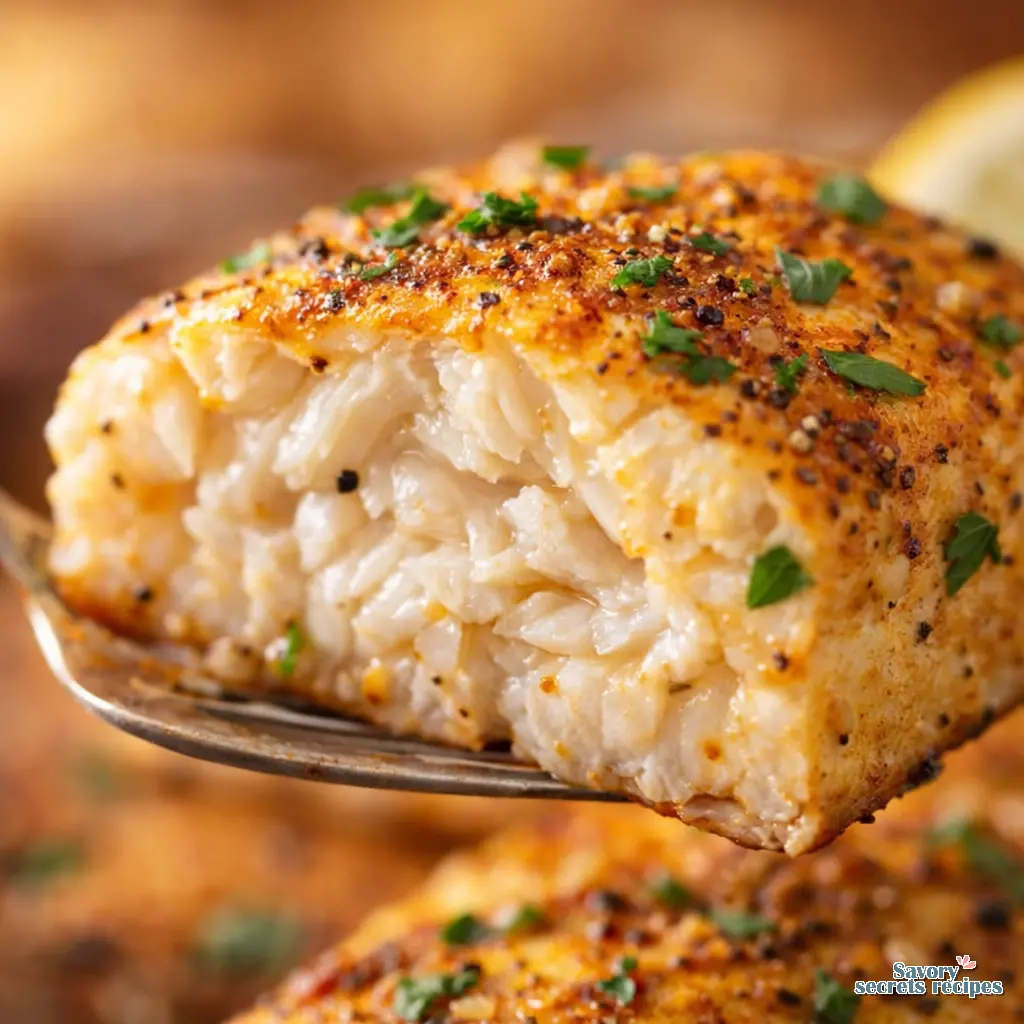
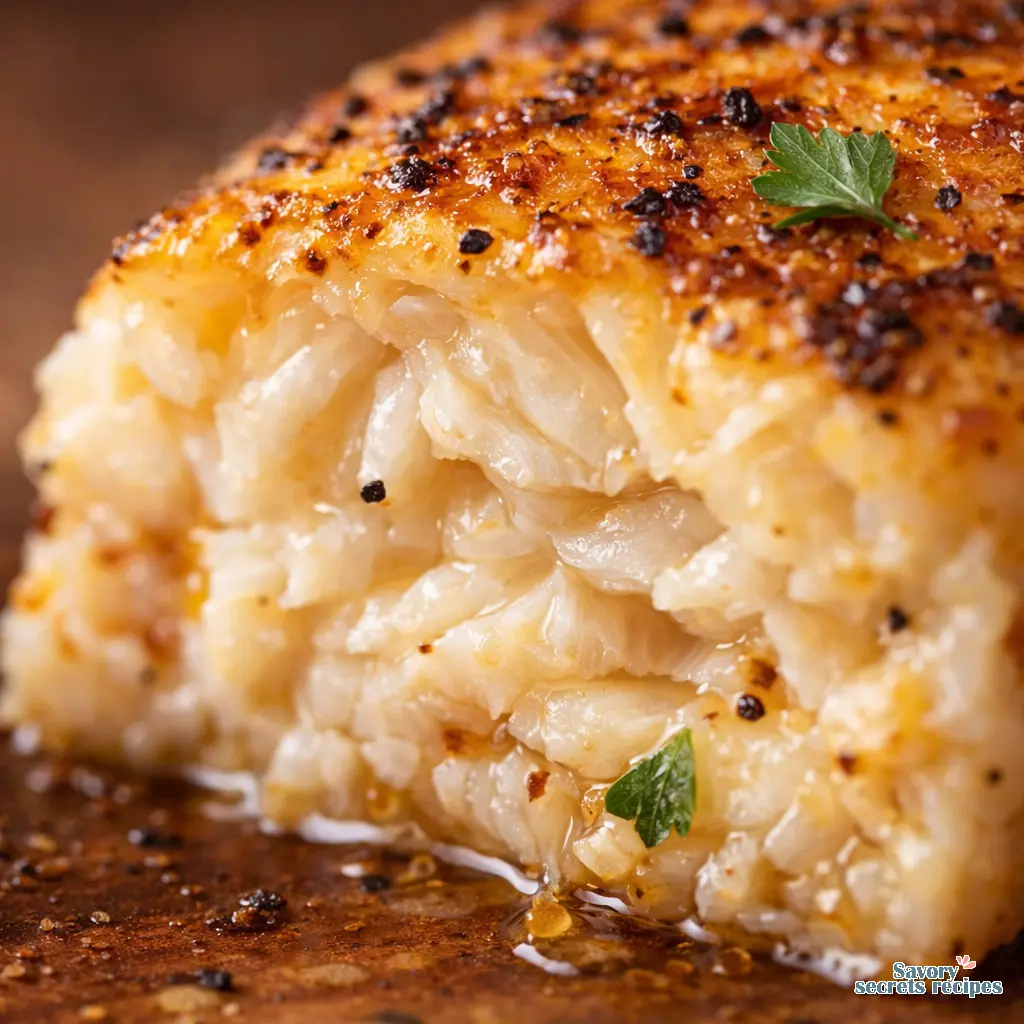
I learned to properly test fish from a line cook in Boston. He showed me that the fish will tell you when it’s ready. You want to perform the flake test. Take a fork and gently press it into the thickest part of the fillet and twist slightly. If the meat resists and looks translucent, it needs more time. If it flakes easily and looks completely white and opaque, pull it immediately.
The Science of Carryover Cooking
This is where it gets good. The FDA recommends an internal temperature of 145 degrees Fahrenheit for seafood. But if you leave the fish in the oven until it hits 145 degrees, it will be overcooked and rubbery by the time it reaches your plate.
Food retains heat and continues to cook after you remove it from the heat source. This is called carryover cooking. I recommend pulling your garlic lemon tilapia oven baked masterpiece when a meat thermometer registers 142 degrees Fahrenheit. Let it rest on the warm baking sheet for three minutes. It will gently coast up to that perfect 145-degree mark. That’s the difference-maker between a dry dinner and a melt-in-your-mouth experience.
Common Mistakes & Fixes
Mistake: Cooking fish while still partially frozen.
Solution: This leads to a watery mess and uneven cooking. Always thaw completely in the fridge or a cold water bath, then pat thoroughly dry.
Mistake: The fish falls apart on the pan.
Solution: You likely overhandled it. Tilapia is delicate. Season it, place it on the parchment paper, and do not poke or flip it while it cooks.
Mistake: The garlic turns bitter.
Solution: Minced garlic burns easily at high heat. Mix it thoroughly with the melted butter and olive oil before brushing it on, which protects it from scorching.
Mistake: A rubbery, tough texture.
Solution: You cooked it past 145 degrees. Start checking for doneness at the 10-minute mark to avoid overcooking.
Variations to Keep Things Interesting
My daughter refuses most fish, but she will eat this lemon garlic roasted tilapia if I serve it with roasted potatoes. We have a rule that she has to try one bite of whatever I’m testing. Last week, I tried a new variation, and it was a huge hit.
Once you master the basic baked garlic lemon tilapia, you can easily adapt it. For a Cajun style twist, swap the paprika for a robust southern spice blend. If you want a sweet and savory profile, a tiny pinch of brown sugar mixed into the butter creates incredible caramelized edges. For those doing keto or looking for dairy-free options, simply substitute the unsalted butter entirely with extra virgin olive oil.
You can also apply this exact technique to other fish. Cod is a fantastic, firm alternative. Snapper is sweet and nutty. Even flounder works, though you’ll need to reduce the baking time since the fillets are much thinner.
Storage, Reheating, and Serving Your Seafood Dinner
Let me think that through for a second. Leftover fish can be tricky, but if you handle it right, it makes an amazing lunch the next day. Store any leftover baked garlic lemon tilapia in an airtight container in the refrigerator for up to 3 days. You can also freeze cooked portions for up to 3 weeks, though the texture will be slightly softer upon thawing.
When it comes time to reheat, please step away from the microwave if you can. The microwave tends to rubberize the delicate flaky texture. I’d lean toward the oven or the air fryer. To reheat in the oven, place the fish in a dish, cover it tightly with foil to trap the moisture, and bake at 350 degrees Fahrenheit for 8 to 10 minutes until just warmed through.
If you have an air fryer, this is where it gets good. Set it to 390 degrees Fahrenheit for just 3 minutes. It warms the fish perfectly and actually crisps up the edges a bit. It is my absolute favorite way to revive yesterday’s dinner.
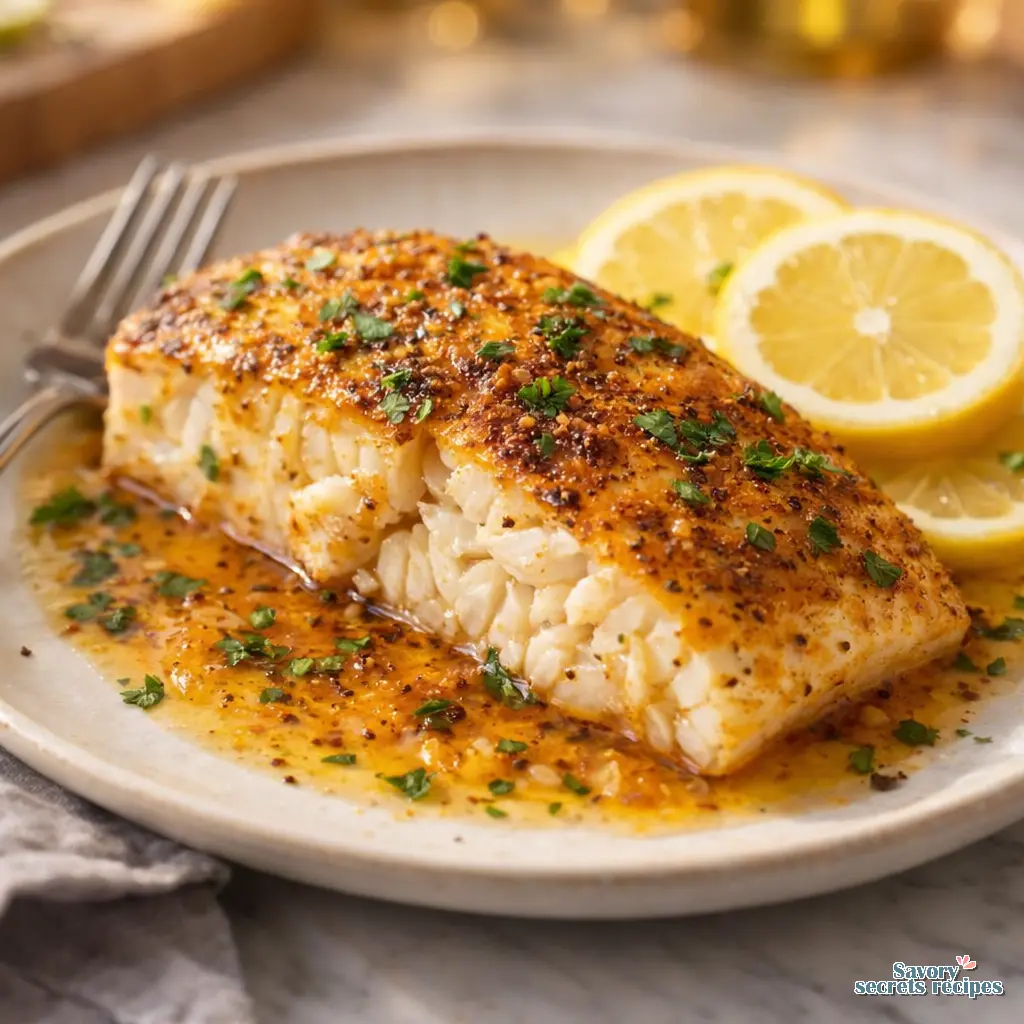
For serving, I love pairing this with tender roasted potatoes or steamed rice to soak up that incredible garlic butter sauce. During these beautiful California spring months, a bright side of roasted asparagus or a crisp green salad balances the richness perfectly. You can even flake the cold leftovers into a salad or use them for quick fish tacos with cabbage and guacamole.
Frequently Asked Questions
Bringing It All Together
There is something deeply satisfying about mastering a simple seafood recipe. When you pull that pan out of the oven, and the whole kitchen smells like roasted garlic and bright citrus, you realize that cooking fish at home doesn’t have to be intimidating. It is just about respecting the ingredients, managing your moisture, and knowing exactly when to pull it from the heat.
Go ahead and set the table while it bakes. You have plenty of time. If you try this baked garlic lemon tilapia tonight, I would love to see how it turns out. Snap a photo of your dinner win and tag me. I genuinely love seeing readers conquer their fear of cooking seafood.
If you are looking for more ways to keep weeknight dinners interesting without spending hours in the kitchen, I share tons of variations and seasonal ideas on my Pinterest boards. Come find me there, and let’s keep cooking.
Reference: Original Source
Is fresh or frozen tilapia best for baked garlic lemon tilapia?
In my experience, frozen is often better. Most fresh counter fish was previously frozen anyway. Buying frozen fillets and thawing them yourself in a cold water bath ensures maximum freshness and prevents the mushy texture you sometimes get from fish that has been sitting out.
Is tilapia a healthy choice for dinner?
Yes, it is a fantastic, lean source of protein. It is low in fat and calories while providing essential nutrients. Just be mindful of sourcing. I look for responsibly farmed options and avoid fillets that look unnaturally pink or orange, which indicates carbon monoxide treatment.
Why is my baked tilapia mushy?
This usually happens because of excess moisture. If you cook the fish while it is still partially frozen, or if you fail to pat the fillets completely dry with paper towels before seasoning, the fish will steam in its own juices rather than roasting.
How do I keep my tilapia from falling apart in the oven?
A light hand here is key. Tilapia is a very delicate fish. Do not poke, prod, or attempt to flip the fillets while they are cooking. Bake them on parchment paper, and use a wide, thin spatula to transfer them carefully to your plate.
Why is my baked tilapia tough to chew?
Tough, rubbery fish is overcooked fish. The internal temperature should reach 145 degrees Fahrenheit, but you should pull it from the oven at 142 degrees. Carryover cooking will bring it up to a safe temperature while resting, keeping that tender, flaky texture intact.
Why is my tilapia orange or unnaturally pink?
That orange tint is usually a warning sign. Some overseas processors treat the fish with carbon monoxide gas to fix the color and make it look fresh longer than it actually is. I always recommend buying fillets that have a natural, translucent white appearance.
How long does it take to bake tilapia at 400 degrees?
Generally, it takes 10 to 12 minutes at 400 degrees Fahrenheit. However, always start checking doneness at the 10-minute mark. The fish is ready when it turns opaque white and flakes easily with a fork. Trust the visual cues more than the timer.