



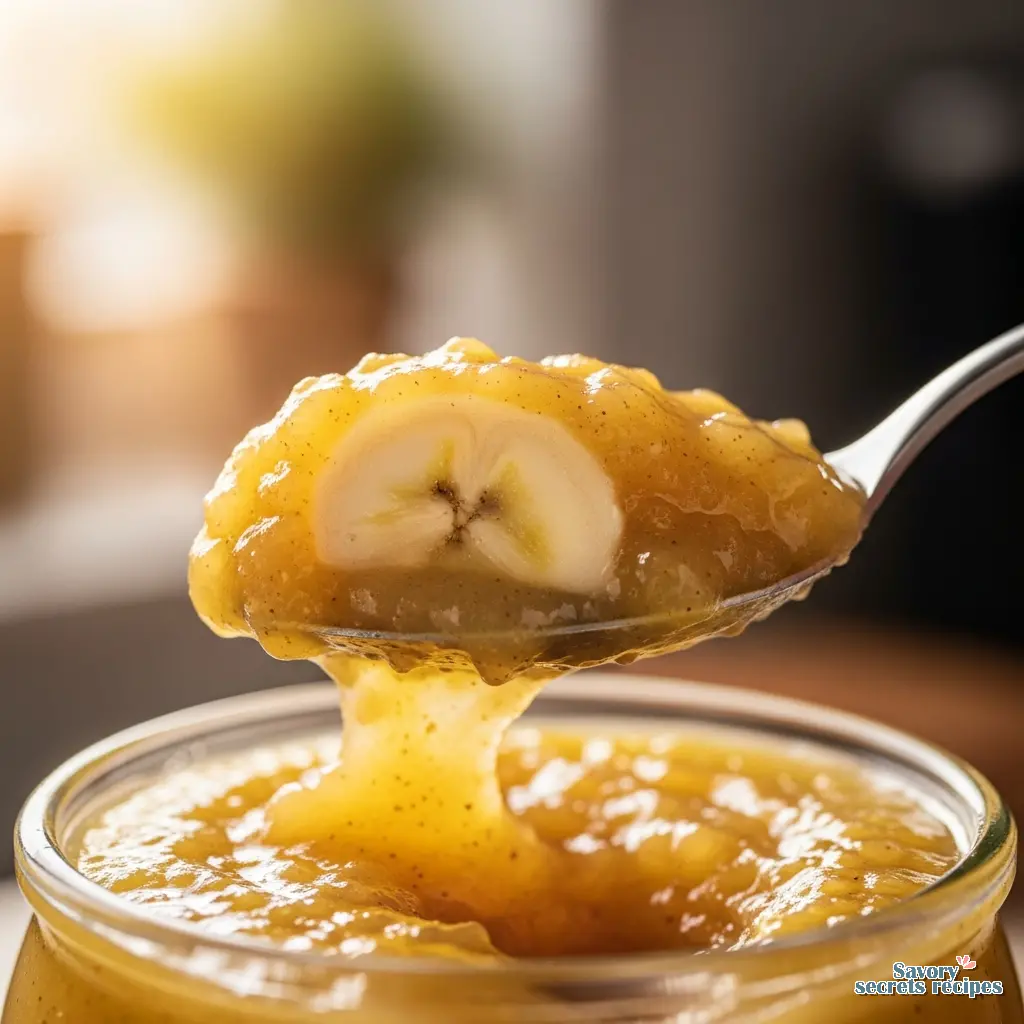
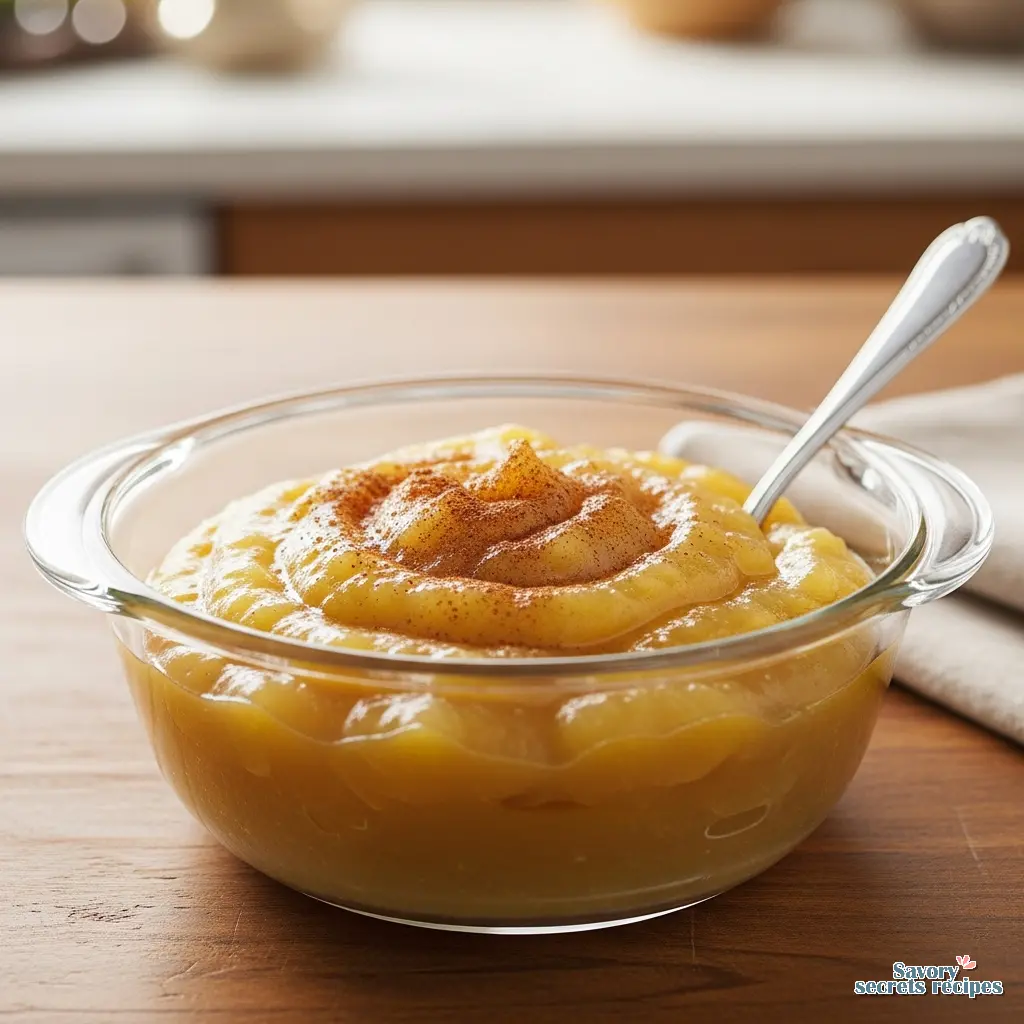
Simple Banana Applesauce Recipe
Ingredients
Method
- Peel and slice the bananas.
- Peel, core, and dice the apples.
- Combine the fruit in a pot over medium-low heat, add 1/3 cup of water per serving, and include honey if desired. Stir the mixture, cover, and cook for 10 to 15 minutes, stirring occasionally.
- Mash the fruit with a fork or purée it using an immersion blender.
- Store the banana-applesauce in the refrigerator for up to one week and enjoy.
Notes
Why This Banana Apple Sauce Is a Pantry Staple
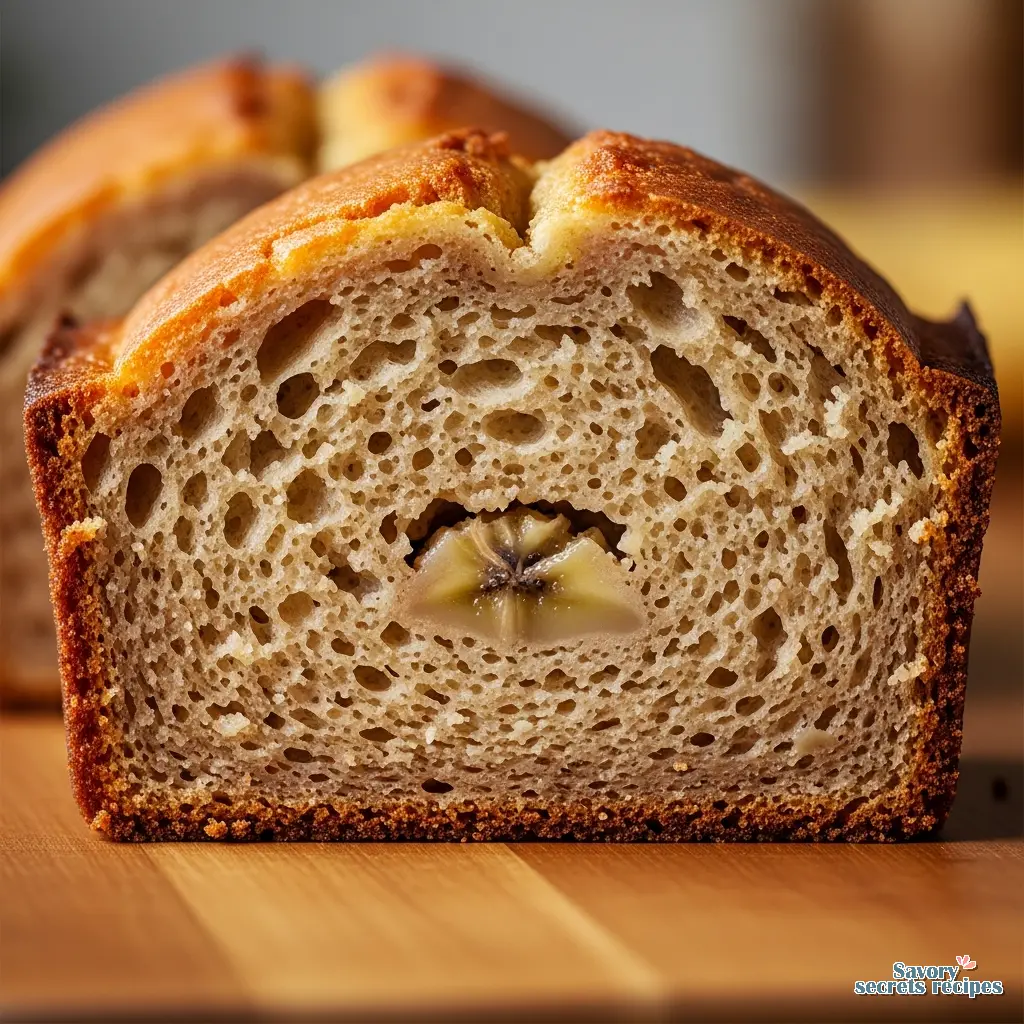
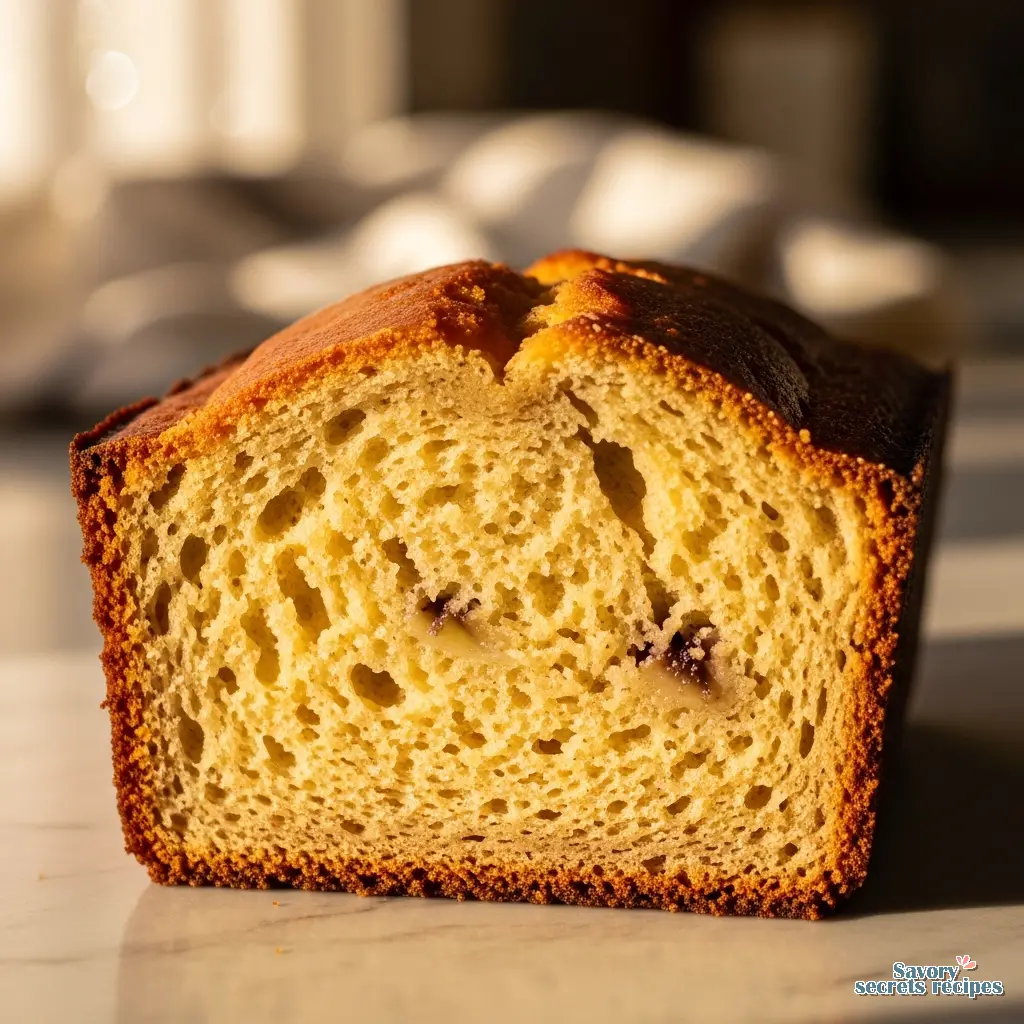
There is always that one banana. You know the one I mean. It sits on the counter, developing spots and getting softer by the hour, staring at you with a silent accusation of food waste. In my kitchen, throwing away food feels like a personal failure. My grandmother, Babcia Helena, used to preserve everything that came through her door in Milwaukee. If a cucumber was too soft for pickling, it became soup. If an apple was bruised, it became sauce. While I love this sauce, [adding bananas to muffin mix] is another great way to ensure no fruit goes to waste.
This banana apple sauce is my solution to the “lonely banana” problem. It is not just about saving fruit, though. It is about creating something that tastes significantly better than those plastic pouches you buy at the store. When you combine the natural pectin of apples with the creamy starch of a ripe banana, you get a texture that is velvety without being gummy. It is naturally sweet, meaning no sugar added is necessary, which is a massive win if you are feeding this to a toddler or just trying to watch your own intake.
I have tested this recipe multiple times to get the ratios right. Too much banana and it tastes like baby food; too little and you lose that creamy mouthfeel. The result here is a golden, warming sauce that smells like a cozy winter afternoon. When you see how easy this is, you’ll never go back to the jarred stuff. It is quick, it is safe, and frankly, it is delicious.
The Science of Sweetness: Choosing Your Ingredients
In fermentation and preserving, we talk a lot about the sugar content of produce because it feeds the bacteria. Here, we are looking for sugar content to feed us. The sweetness of your final sauce depends entirely on the apple variety you choose. I would probably want to test that first before recommending just any apple, so I have broken down the best options based on my experience.
If you use Gala apples or Fuji apples, you are starting with a high brix (sugar) level. This means you absolutely do not need to add honey or maple syrup unless you want a dessert sauce. If you prefer a tart contrast to cut through the banana’s creaminess, a Granny Smith is your best bet, though the color might be a bit duller.
Apple Variety Comparison Chart
| Apple Variety | Flavor Profile | Texture Breakdown | Best For |
|---|---|---|---|
| Gala / Fuji | Very Sweet | Breaks down fast | Baby puree, sweet snacks |
| Honeycrisp | Balanced | Holds some shape | Chunky sauce |
| Granny Smith | Tart / Acidic | Mushy when cooked | Baking, savory pairings |
| Golden Delicious | Mellow | Very soft | General eating |
A note on the bananas: You want them ripe, but not “banana bread” ripe. If they are completely black, the fermentation flavor notes can be too strong and overpower the delicate apple. Look for yellow skin with plenty of brown spots. That tracks with what I’ve seen regarding optimal starch-to-sugar conversion. If you find yourself with exactly two fruits left, a [2 banana loaf recipe] is a classic alternative to making sauce.
Equipment: Texture Control
You do not need a lot of fancy gear for this. Babcia certainly didn’t have a high-speed blender. However, the tool you choose determines the texture.
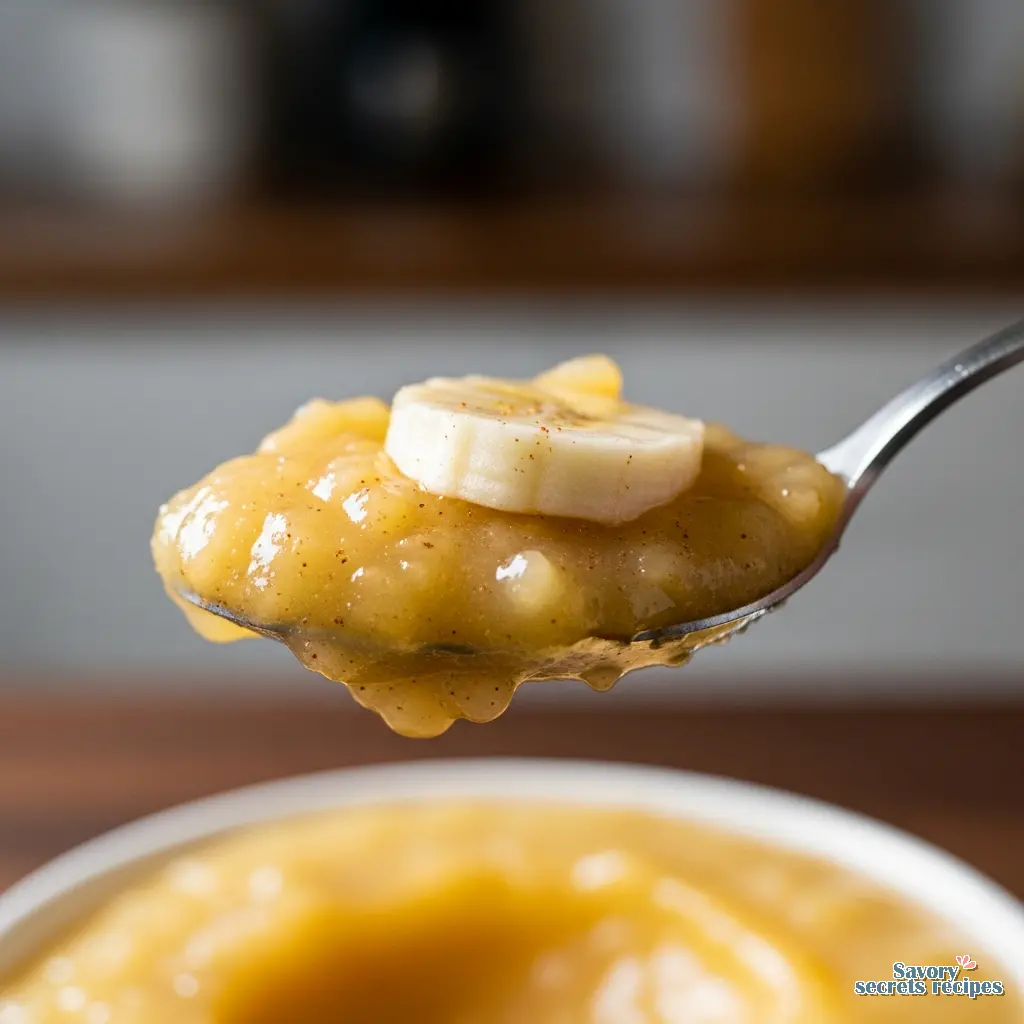
For a rustic, “old fashioned” feel, a simple potato masher is perfect. I actually prefer this method when I am eating it over oatmeal. It leaves small chunks of apple that provide a nice bite. If you are making organic baby food or toddler snacks, you will want an immersion blender. It introduces less air than a countertop blender, which means better color retention. If you use a standard blender, just be careful not to over-process it, or the starch in the banana can turn gluey. I’d want to verify first that your blender can handle hot liquids if you are blending right off the stove.
The Science of Oxidation: Keeping It Golden
Here is the technical part. Bananas and apples both contain an enzyme called polyphenol oxidase. When you cut them open and expose them to oxygen, this enzyme reacts and turns the fruit brown. It is harmless, but let’s be honest, grey baby food looks unappealing.
To prevent this, we need to lower the pH. This is where lemon juice comes in. The citric acid (and vitamin C) denatures that enzyme, effectively hitting the “pause” button on the browning process. Just to be safe, I always toss my apple chunks in lemon juice before cooking, and then add a splash more after blending.
The heat from the stovetop method also helps destroy some of those enzymes, which is why cooked applesauce stays brighter than raw purees. If you are seeing your sauce turn brown quickly, you likely didn’t use enough acid or you let the fruit sit out too long before cooking. Precision matters here.
Step-by-Step Methodology
I won’t bore you with the ingredient list again, but I want to talk about the process. When I make this, I start by peeling and coring the apples. You can leave the skins on for extra fiber and pectin, but the texture will be grittier. For a smooth banana apple sauce, peel them.
I simmer the apples with a cinnamon stick and a small amount of water. You don’t want to boil them aggressively; a gentle simmer preserves the flavor compounds. The smell of simmering apples is something I wish I could bottle. It reminds me of Babcia’s kitchen in the fall, warm and spiced.
I add the bananas only at the very end. Bananas are delicate. If you cook them too long, they lose their fresh flavor and just taste sugary. I usually toss them in for the last 2 minutes of cooking, just to soften them up for the mash. Then, I fish out the cinnamon stick (don’t blend that!) and get to work with the immersion blender.
Storage and Preservation: Fridge vs. Freezer
As someone who spends her life preserving food, I am very particular about storage. Because this recipe has fresh banana and low acidity compared to plain applesauce, it is not safe for water bath canning. The density is too high, and the pH is too variable. Better to err on the side of caution.
However, it freezes beautifully. I like to use silicone ice cube trays for meal prep. Freeze the sauce in cubes, then pop them into a freezer safe bag. This is perfect for single servings of baby puree. In the fridge, keep it in an airtight container. It will last about 3 to 4 days. If you see any separation, just give it a stir. If you see mold or it smells “fizzy” (fermented), throw it out. Trust your nose.
Nutritional Comparison: Homemade vs. Store-Bought
I’ve looked at the labels on those pouches. Many of them contain “natural flavors” and ascorbic acid concentrates. While not necessarily bad, making it at home gives you total control. You are getting the full fiber benefit (especially if you leave some skin on), potassium from the bananas, and vitamin C from the lemon.
Plus, you are avoiding the plastic waste. Making a batch of this costs pennies compared to the dollar-per-pouch price at the store. It is a small way to take back control of what we eat. This homemade puree is also the perfect substitute for making [banana bread butter free] without sacrificing any moisture.
Common Mistakes & Fixes
Troubleshooting Your Sauce
Mistake: The sauce is brown and unappetizing.
Solution: Oxidation happened. Next time, increase the lemon juice and work faster when prepping the fruit. Stir in a little extra lemon juice now to brighten the flavor, even if the color is done.
Mistake: It is too watery.
Solution: You added too much water at the start. Apples release their own liquid. Simmer it longer with the lid off to evaporate the excess moisture before blending.
Mistake: The texture is gluey.
Solution: This comes from over-blending the starch in the bananas. Next time, mash the bananas by hand and stir them into the pureed apples instead of blending everything together.
Frequently Asked Questions
Final Thoughts
There is something deeply satisfying about taking a brown banana and a few bruised apples and turning them into something golden and delicious. It is a small act of kitchen alchemy. I hope this recipe helps you clear your counter and fill your fridge with something healthy. When you make it, pay attention to the smell that sweet, spiced aroma is the real reward.
If you try this banana apple sauce, let me know how it turned out. Did you go chunky or smooth? I’d love to hear about it. For more inspiration on preserving and simple recipes, check out my Pinterest boards where I save all my favorite seasonal ideas. You’ve got this!
Reference: Original Source