




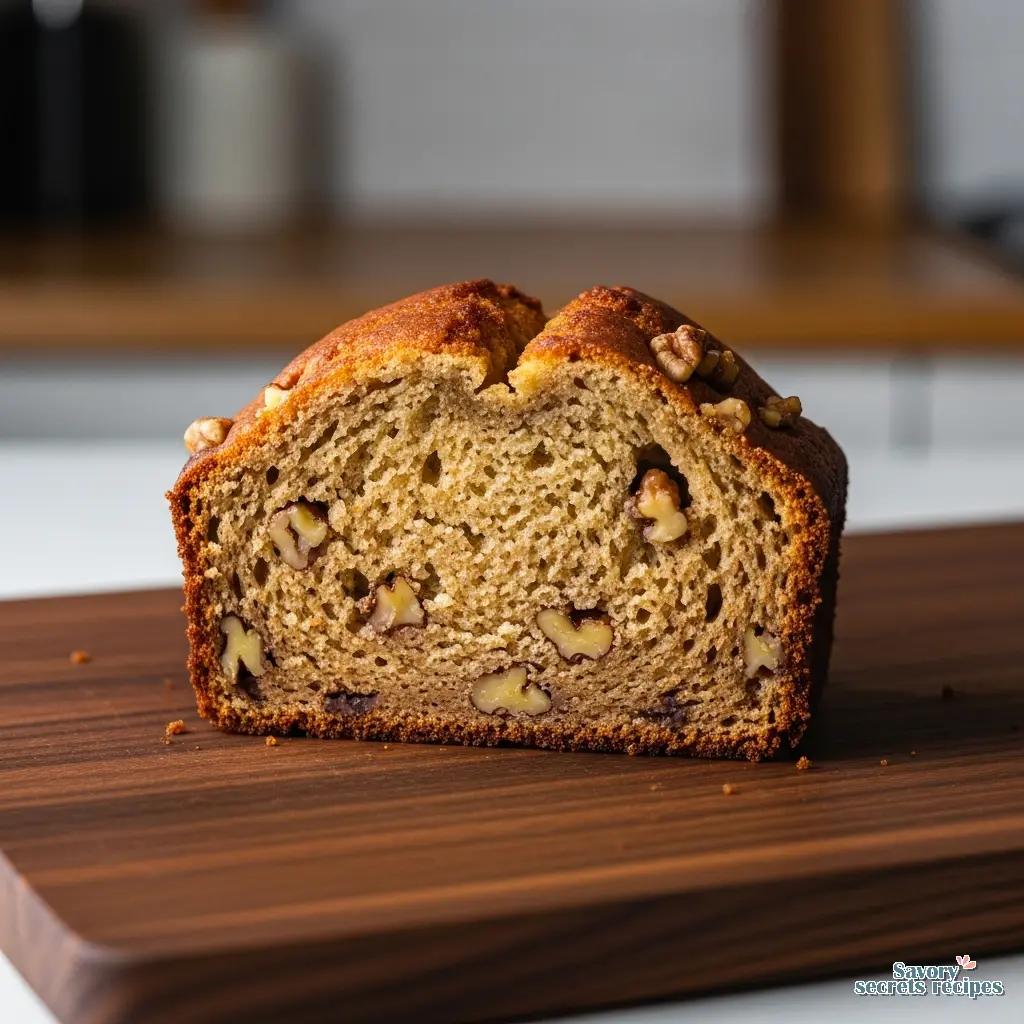
Nana's Moist Banana Bread Recipe with Heavy Cream
Ingredients
Method
- Preheat the oven to 350°F and grease the bottom of a 9-inch round pan with non-stick cooking spray.
- Beat the butter in a large bowl with an electric mixer until the consistency is light and fluffy.
- Add the granulated and brown sugars, then beat until the mixture is well combined.
- Incorporate the egg, egg whites, and vanilla, then blend thoroughly.
- Mix in the mashed bananas and beat the batter on high speed for 30 seconds.
- Combine the flour, baking soda, salt, and baking powder in a separate bowl.
- Add the flour mixture to the butter mixture alternately with the cream, finishing with the flour mixture.
- Fold in the walnuts until evenly distributed.
- Pour the batter evenly into the prepared 9-inch round pan or a loaf pan.
- Bake for approximately one hour until golden brown and a toothpick inserted near the center comes out clean.
Nutrition
Notes
The Secret to Velvet Texture
There is a specific kind of gray winter sky here in Michigan that makes me want to turn the oven on and leave it on. I know you get a different version of this in California. Maybe it’s just a chilly 55-degree evening, but the instinct is the same. You want something warm, fragrant, and substantial.
I was staring at three overly brown bananas on my counter last Tuesday. Usually, I’d just make my standard loaf. But I had exactly half a cup of heavy cream left in the carton from a pasta sauce I made over the weekend. My teta Samira taught me never to waste food. She would find a use for a single teaspoon of yogurt if she had to. So I wondered. What if I swapped the usual milk or sour cream for that heavy cream?
The result was not just good. It was different. This banana bread recipe with heavy cream produced a crumb so plush and velvety it felt more like a pound cake than a quick bread. It’s the kind of discovery that makes you feel like a genius in your own kitchen.
Let me walk you through it. This isn’t just about using up leftovers. It’s about understanding how fat changes texture. And trust me, once you try this version, it’s hard to go back to the oil-based ones.
Why Heavy Cream Changes the Game
I get asked a lot about the science of baking. My daughter Layla is six now, and she’s constantly asking “why” we add things. Explaining it to her helps me explain it to you. When we use heavy cream in a banana bread recipe with heavy cream, we are essentially adding liquid butter.
Here is what I’ve found works. Heavy cream is about 36% to 40% fat. Whole milk is only about 3.25%. That massive difference in fat content does two things:
- Tenderizes the Gluten: Fat coats the flour proteins. This prevents them from linking up too strongly. Less gluten development means a softer, more tender bite. It’s why brioche is softer than a baguette.
- Emulsification: Because cream is already a stable emulsion of fat and water, it incorporates into the batter smoothly. It creates a tight, uniform crumb rather than a loose, airy one.
It creates a texture I call “velvet crumb.” It’s dense but not heavy. Moist but not wet. If you have ever had a slice of loaf cake at a high-end coffee shop and wondered why yours at home felt dry or coarse, the answer is usually fat content. This recipe fixes that.
The Ripening Situation
My grandmother would wait days for bananas to ripen. She had the patience of a saint. I do not. If you want to make this banana bread recipe with heavy cream today but your bananas are still yellow, don’t panic. You have options.
The Oven Method (My Go-To):
Place unpeeled bananas on a baking sheet. Bake at 300°F for about 15 to 20 minutes. The skins will turn completely black. It looks scary. It’s fine. Inside, the fruit will be soft and sweet. Let them cool before peeling.
The Paper Bag Method:
If you can wait 24 hours, put the bananas in a paper bag with an apple. The ethylene gas from the apple speeds up the process. It’s less immediate but develops a slightly better flavor than the oven method.
The Microwave Method (Emergency Only):
Poke holes in the peel and microwave for 30 second intervals. I’ll be honest. I don’t love this. It softens the texture but doesn’t develop the sugars as well. Use this only if you are desperate.
You want bananas that are heavily spotted or mostly brown. They should smell fragrant, almost like alcohol. That is the sweet spot for flavor.
Mastering the Mash
Here is a small detail that matters. How you mash the bananas affects the final texture. I used to throw them in the mixer and beat them into a liquid. That was a mistake.
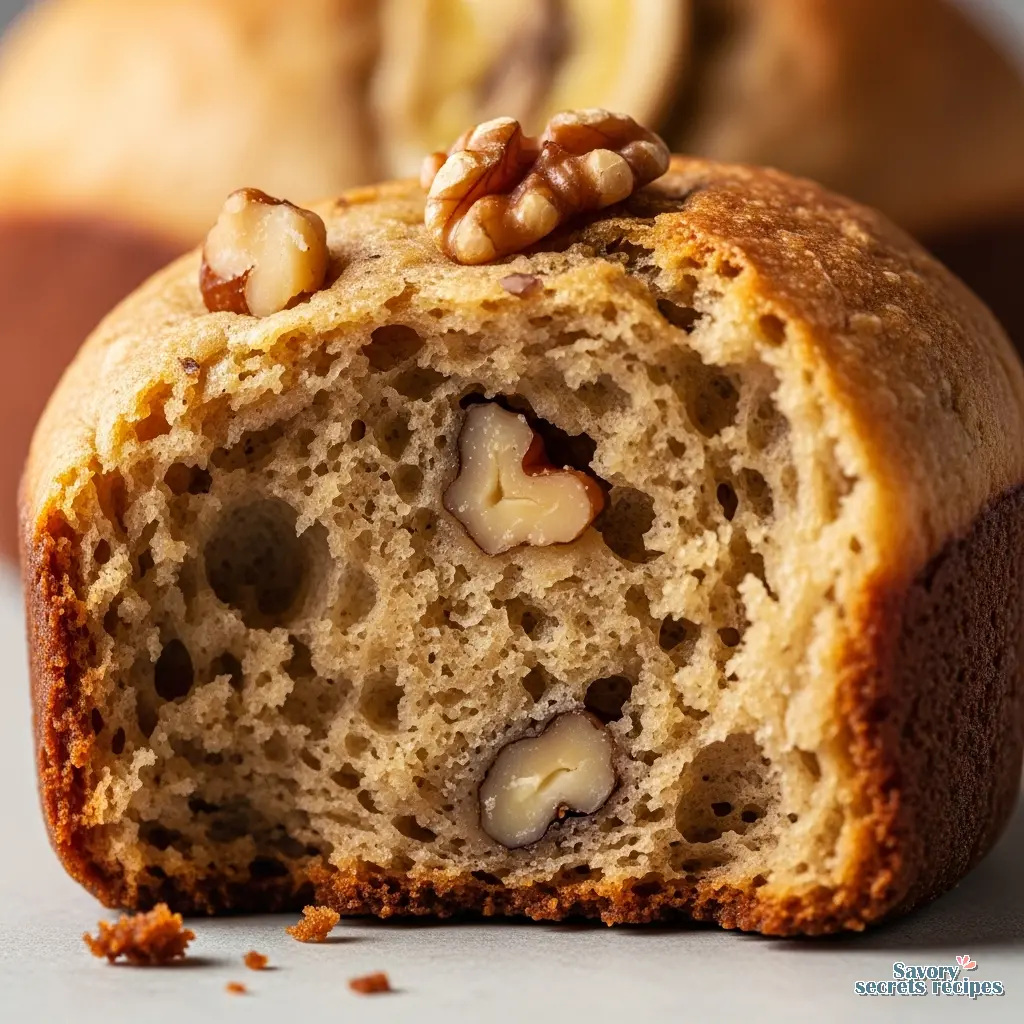
You want some texture. I prefer to mash them by hand with a fork or a potato masher. You are looking for a consistency like chunky applesauce. Leaving small lumps of banana means you get little pockets of concentrated fruit flavor in the baked loaf. It breaks up the richness of the heavy cream.
Also, measure your mash. Bananas vary wildly in size. “3 bananas” could be 1 cup or 2 cups. For this recipe, you want exactly 1.5 cups. If you have too much, the bread will be heavy and wet. If you have too little, it might be dry. I keep a measuring cup right next to my bowl. It’s the only way to be sure. If you have leftover fruit, you can also learn about adding bananas to muffin mix to change up your breakfast routine.
Visual Troubleshooting Guide
Baking is visual. My teta never used a timer. She watched the food. While I do recommend using a timer (please use a timer), you also need to trust your eyes. Here is what to look for when making this banana bread recipe with heavy cream.
The Center is Jiggly:
If the top is brown but the center moves like Jell-O when you wiggle the pan, it is raw. Cover it loosely with foil to stop the browning and keep baking. Check it every 5 minutes.
The Toothpick Test is Tricky:
Because this batter is rich, a toothpick inserted in the center should not come out bone dry. If it’s clean, you might have overbaked it. You want a few moist crumbs clinging to the wood. That is your checkpoint. Wet batter is bad. Moist crumbs are perfect.
The Sunken Center:
This usually means you opened the oven door too early or used too much leavening. Try to keep the oven door closed for at least the first 35 minutes. The structure needs time to set before it meets cool air. Using the correct size banana bread baking dish ensures the edges don’t overcook while the middle stays raw.
Variations & Substitutions
I am a purist, but I also live in the real world where we run out of ingredients. Here is how you can adapt this recipe.
Nuts & Add-ins:
I love walnuts. They add a bitterness that cuts the sweet. Pecans work too. If you want to make this a dessert, add a cup of semi-sweet chocolate chips. Toss them in a tablespoon of flour before adding them so they don’t sink to the bottom.
Dairy Substitutions:
If you don’t have heavy cream, you can use sour cream or full-fat Greek yogurt. The texture will be slightly more tangy and less velvety, but still delicious. I wouldn’t recommend skim milk. It’s just too thin. If you need an option that omits dairy completely, look for a specific no milk banana bread guide.
Flour Choices:
You can swap up to half the all-purpose flour for whole wheat flour. It adds a nutty flavor. Just know the loaf will be denser. I’ve tried it with gluten-free 1-to-1 blends and it works well, though the rise isn’t quite as high. To elevate the presentation, try adding a sweet banana bread topping like a brown sugar crumble.
Storage & Freezing Guide
Because of the heavy cream, this bread stays moist longer than most. But you have to store it right. I learned this the hard way after leaving a loaf out uncovered and finding it stale the next morning. Heartbreaking.
Room Temperature:
Wrap the completely cooled loaf tightly in plastic wrap. It will keep on the counter for about 3 days. The crust softens, which I actually prefer. It gets stickier and sweeter.
Freezing:
This freezes beautifully. I like to slice the loaf first. Wrap individual slices in plastic wrap, then put them all in a freezer bag. This way, you can pull out one slice at a time for breakfast. Pop it in the toaster oven for 2 minutes and it tastes fresh baked. It will last 3 months in the freezer.
Frequently Asked Questions
Final Thoughts
There is something deeply comforting about the smell of banana bread baking. It transforms the whole house. When you pull this loaf out of the oven, give it time to cool. I know it’s hard. But the texture sets as it cools. If you cut it too hot, it might seem gummy.
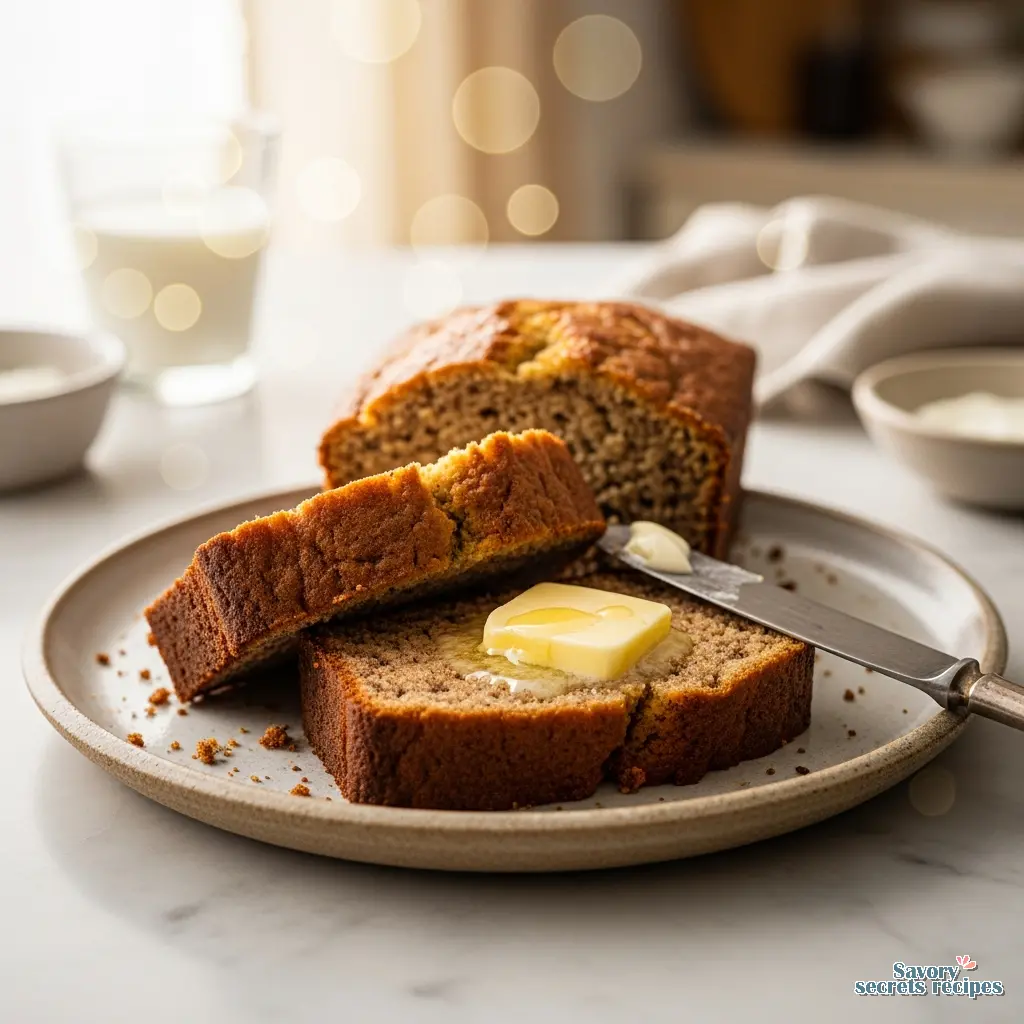
Once it’s ready, slice a thick piece. Maybe add a swipe of salted butter. The richness of the cream with the sweetness of the fruit is just perfect. It’s a small luxury on a random Tuesday. Let me know how it turns out for you.
For more inspiration, check out my Pinterest boards where I save all my favorite baking experiments.
Reference: Original Source
Can I use frozen bananas for this recipe?
Yes, absolutely. I do this all the time. Thaw them completely in a bowl first. They will release a lot of brown liquid. Drain off most of that liquid before mashing, or your banana bread recipe with heavy cream will be too wet and might not bake through.
Can I turn this into a banana bundt cake?
You can, but watch the timing. Bundt pans conduct heat differently. Grease the pan very well. Bake at 350°F but start checking around 45 minutes. The heavy cream batter is dense, so ensure the center tube area is fully cooked before removing it.







5 Responses
Finally a use for that leftover heavy cream in my fridge! Nana really knew what she was doing with this recipe; it’s a new family favorite.
The flavor was spot on, but my loaf took almost 15 minutes longer to bake through than the recipe stated. I skipped the walnuts and added chocolate chips instead!
I made this yesterday and the texture is incredible! The heavy cream really does make it feel like a plush pound cake rather than just a standard loaf.
This looks so moist! Can I substitute the granulated sugar for more brown sugar to make it even richer, or will that mess up the baking soda reaction?
You can certainly swap them for a richer flavor, but keep in mind that the extra acidity in brown sugar might cause the cake to be slightly denser and less airy. In my test kitchen cycles, I’ve found that the original sugar ratio provides the most consistent rise and reliable results!