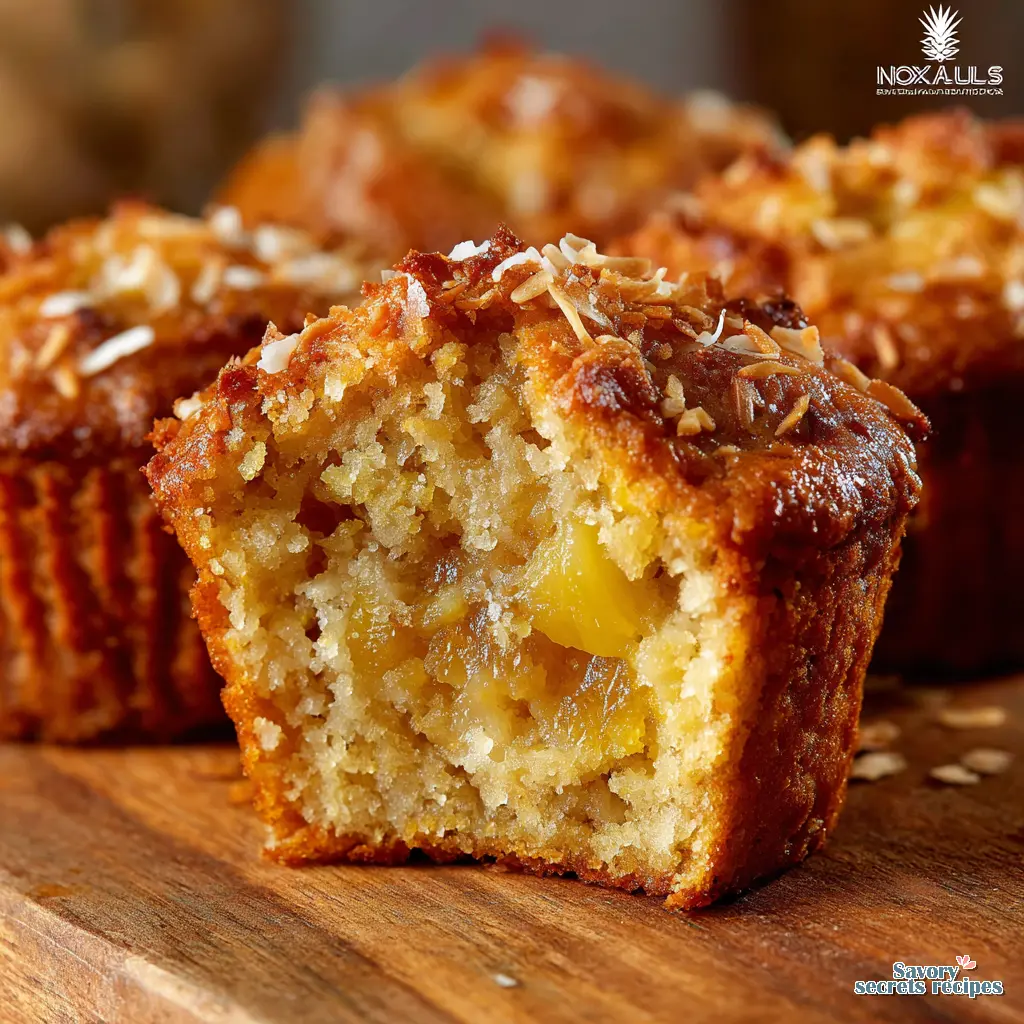
Hawaiian Banana Pineapple Muffins with Coconut
Ingredients
Method
- Preheat the oven to 350°F. Grease a muffin tin with cooking spray or line it with paper liners. Whisk the flour, baking soda, salt, and cinnamon together in a bowl and set aside. In a separate large bowl, whisk the egg, sugar, and vanilla until thoroughly combined, then stir in the melted butter or coconut oil.
- Mash the bananas and stir them into the wet ingredients along with the pineapple and coconut. Add the dry ingredients to the wet mixture and stir until just combined.
- Portion the batter evenly into the muffin tin and top each with coconut. Bake for 18 to 20 minutes until lightly browned and a toothpick comes out clean.
- Cool the muffins on a wire rack. Serve plain or with butter.
Nutrition
Notes
A Whiff of Paradise in a Cold Kitchen
Let me think about that for a second. It is currently gray and drizzling outside my window in Cambridge, and the thermometer is struggling to hit 40 degrees. This is usually the time of year when I start staring at travel websites I can’t afford. But then I look at the counter and see three bananas that have gone past the “smoothie stage” and are deep into “science project” territory. You know the look. Black spots, soft to the touch, smelling sweetly of fermentation. Most people see trash. I see an opportunity. These banana pineapple muffins are my answer to the winter blues. It is a recipe I keep coming back to because it hits that specific intersection of comfort food and tropical escape. My avó Helena used to say that nothing in the kitchen should ever be wasted, and frankly, throwing away overripe bananas feels like throwing away flavor. When you combine that intense banana sweetness with the tang of crushed pineapple and the richness of coconut, you aren’t just making breakfast. You are making a hypothesis that sunshine can exist in a muffin tin. And not gonna lie, when these are in the oven, my entire apartment smells like a Hawaiian bakery. It is a mood shifter.The Science of Pineapple: Why Canned Actually Wins
Here is the thing, though. As a dietitian, I am usually the first person to tell you to eat fresh fruit. Fresh is almost always best for nutrient density. But baking is chemistry, and sometimes fresh ingredients can actually wreck your texture. If you have ever tried to use fresh pineapple in a gelatin dessert or certain baked goods, you might have noticed it turns into a watery mess. That is because of an enzyme called bromelain. Bromelain breaks down protein structures. In a muffin, this can lead to a soggy bottom or a gummy texture that never quite sets. Canned pineapple, however, has been heat-treated during the canning process. This heat deactivates the bromelain. It means you get the flavor and the moisture without the enzyme fighting against your flour’s gluten structure. That tracks with what I’ve seen in my own testing. For this recipe, we want **crushed pineapple**. The small pieces distribute moisture evenly, ensuring every bite has that tropical flavor without creating large wet pockets that cause the muffin to collapse.Pro Tip: The Drainage Equation
Do not dump the whole can in! You need to drain the pineapple, but don’t squeeze it dry. We want the fruit solids to be moist, but we don’t want the extra pineapple juice throwing off our liquid-to-dry ratio. I usually pour the can into a mesh sieve and let it sit for two minutes while I measure the flour. That’s plenty.
Temperature Matters: The Emulsion Factor
I’d probably want to see more research on exactly how much temperature affects rise in every single scenario, but in my experience, using room temperature ingredients is non-negotiable for muffins. Here is why. You are trying to create an emulsion with your butter (or oil) and your eggs. If you use melted butter and then crack a cold egg straight from the fridge into it, the fat will seize up instantly. You’ll get little solid clumps of fat instead of a smooth batter. When the batter is smooth and emulsified, it traps air better. That trapped air expands in the oven, giving you that beautiful, high-domed bakery look. If your ingredients are cold, you get flat, dense muffins. So, take your eggs and sour cream (or yogurt) out of the fridge about 30 minutes before you start. If you forget, and let’s be real, I forget half the time, just put the eggs in a bowl of warm water for 5 minutes. Works every time.The “Muffin Method” (Or, How Not to Make Bricks)
The biggest mistake I see with muffins is overmixing. It is the enemy of the moist crumb. When you mix all-purpose flour with liquid, gluten proteins start to bond. A little gluten is good; it gives structure. Too much gluten creates a tough, chewy texture that feels more like a bagel than a muffin. I use a folding technique here. Once you add your dry ingredients to the wet banana pineapple mixture, switch to a spatula. Fold gently. You want to stop mixing when there are still a few streaks of flour visible. It might look wrong. Your brain will tell you to keep stirring until it is smooth. Don’t listen to your brain. Listen to the chemistry. Those flour streaks will hydrate during the bake, leaving you with a tender, soft crumb.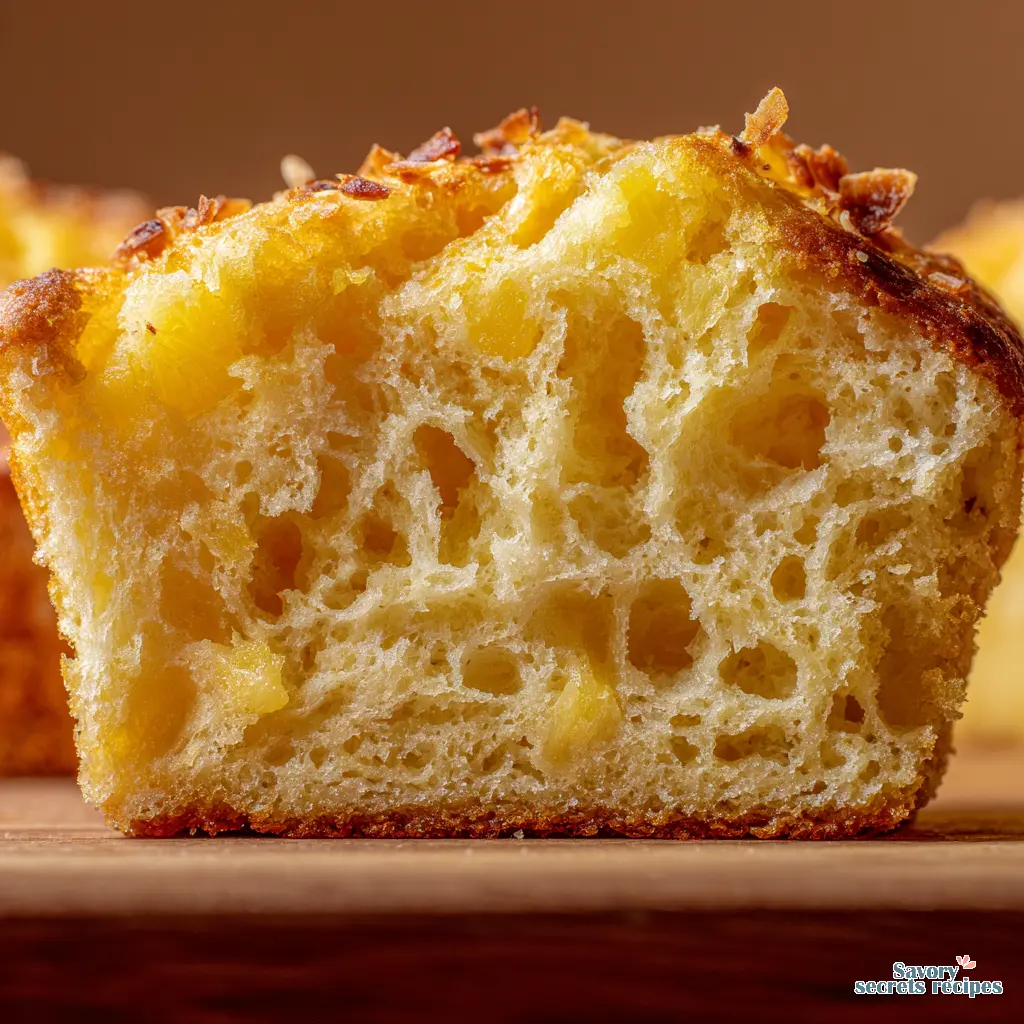
Variations and Substitutions
A recipe is a hypothesis until you’ve tested it three times, but these muffins are actually quite forgiving. Here are a few swaps I’ve tried that work well. * **The Fat Source:** I often use melted butter for flavor, but if you want a lighter texture, you can swap it for a neutral oil or even melted coconut oil. Coconut oil reinforces that tropical flavor profile nicely. * **The Dairy:** If you don’t have sour cream, Greek yogurt is a perfect 1:1 substitution. It adds that necessary acidity to activate the baking soda. * **Add-Ins:** Macadamia nuts are the classic Hawaiian pairing here. About half a cup of chopped nuts adds a great textural contrast to the soft fruit. If you have a sweet tooth, white chocolate chips are surprisingly good, though I find the fruit makes them sweet enough on its own. * **Flour Power:** You can swap up to half of the all-purpose flour for whole wheat flour if you want a bit more fiber. Just know the texture will be slightly denser.Troubleshooting: Why Did My Muffins Fail?
I have failed at baking more times than I can count. It happens. Here is how to fix the most common issues with these specific muffins.Common Mistakes & Fixes
Mistake: The muffins are soggy in the middle.
Solution: This usually means the pineapple wasn’t drained enough, or the bananas were massive. If your bananas are huge, measure out the mashed amount (aim for about 1 cup). Also, check your oven temp with a separate thermometer.
Mistake: The fruit sank to the bottom.
Solution: This happens when the batter is too thin to support the heavy pineapple chunks. Try tossing the drained pineapple in a teaspoon of flour before folding it into the batter. This gives it “grip.”
Mistake: The tops are pale and soft.
Solution: You might be baking on a rack that is too low. Move the rack to the upper third of the oven to encourage that golden brown crust.
Storage and Freezing: The RD Perspective
As a dietitian, I love meal prep. These muffins are fantastic for that. However, because they have a high moisture content from the bananas and pineapple, they can mold faster than dry crackers. **Room Temperature:** You can keep them in an airtight container on the counter for about 2 days. I like to put a paper towel in the bottom of the container to absorb excess moisture so the bottoms don’t get sticky. **Freezing:** This is the best method. Let them cool completely on a wire rack. If you wrap them while they are warm, the steam turns into ice crystals, and you get freezer burn. Once cool, wrap them individually or toss them in a freezer bag. They last for 3 months. To reheat, just pop a frozen muffin in the microwave for 30-45 seconds. It tastes almost exactly like it came out of the oven.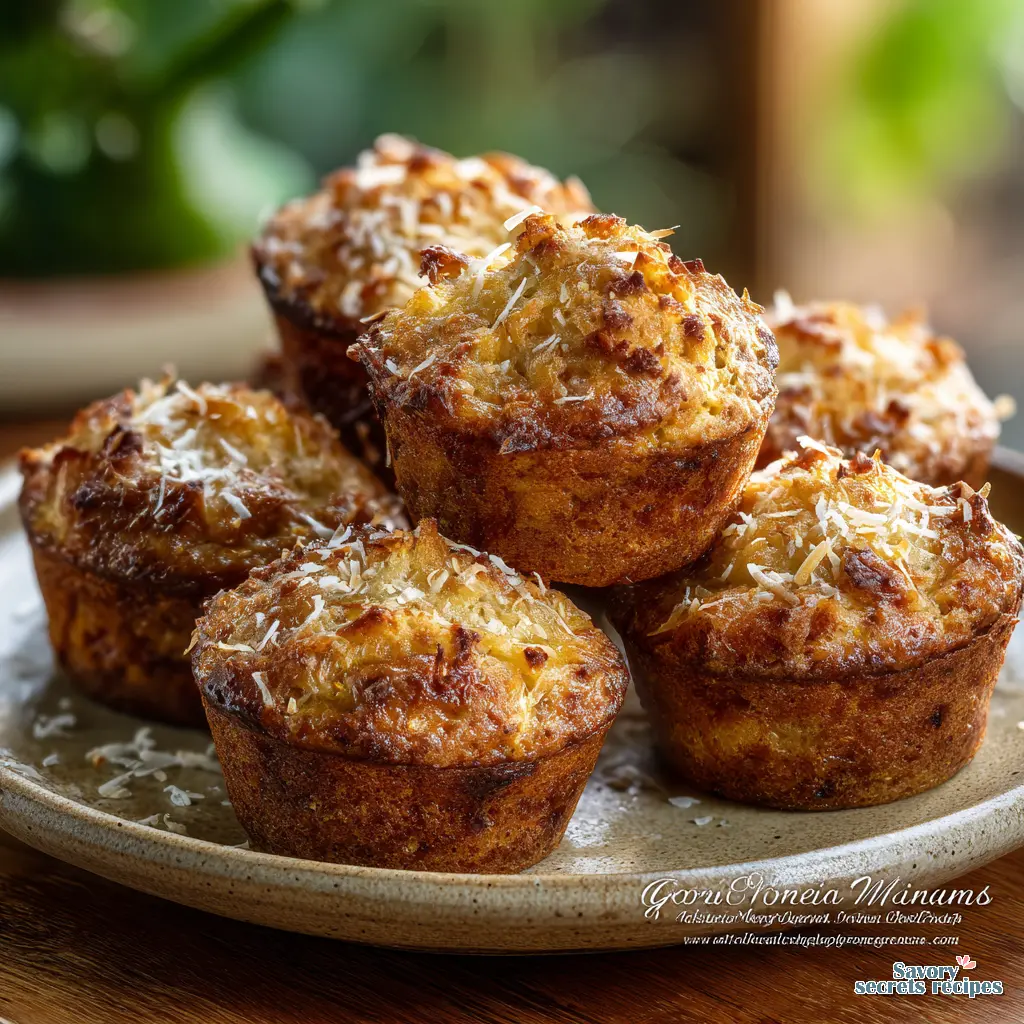
Frequently Asked Questions
Bringing the Sunshine In
I know we can’t all hop on a plane to Maui just because it is a Tuesday in March. But we can absolutely spend 30 minutes in the kitchen making something that tastes like we did. These banana pineapple muffins are a small act of defiance against the gray weather. They are sweet, they are comforting, and they use up those ugly bananas sitting on your counter. Your first bite will be moist, tropical, and just sweet enough. If you give this recipe a try, I’d love to see it. Tag me in your photos especially if you manage to wait for them to cool down before eating one (I rarely can). For more inspiration on how to use up pantry staples or find your next baking project, check out my Pinterest boards. I’ve got a whole section dedicated to “ugly fruit” recipes that I think you’ll love.Reference: Original Source
Can I use fresh pineapple instead of canned for these muffins?
I wouldn’t recommend it. Fresh pineapple contains an enzyme called bromelain that can break down the flour proteins, leading to a mushy texture. Canned pineapple is heat-treated, which deactivates this enzyme, making it much more consistent for baking banana pineapple muffins.
Why did my banana pineapple muffins sink in the middle?
This usually happens if the oven door was opened too early or if there was too much moisture. Make sure to drain your pineapple well! It could also be that your leavening agents (baking soda) are expired. I always double-check dates before baking.
Can I make these muffins gluten-free?
Yes, you can. I’ve had good success swapping the all-purpose flour for a high-quality 1:1 gluten-free flour blend. Just make sure your blend contains xanthan gum, or the muffins might crumble apart since they don’t have the gluten structure.
How ripe should the bananas be?
The darker, the better. You want them heavily spotted with black or even mostly black. This ensures the starches have converted to sugars, giving you that intense sweetness and moist crumb that makes these muffins taste amazing.