



Hearty Beef Bone Broth Soup Recipe
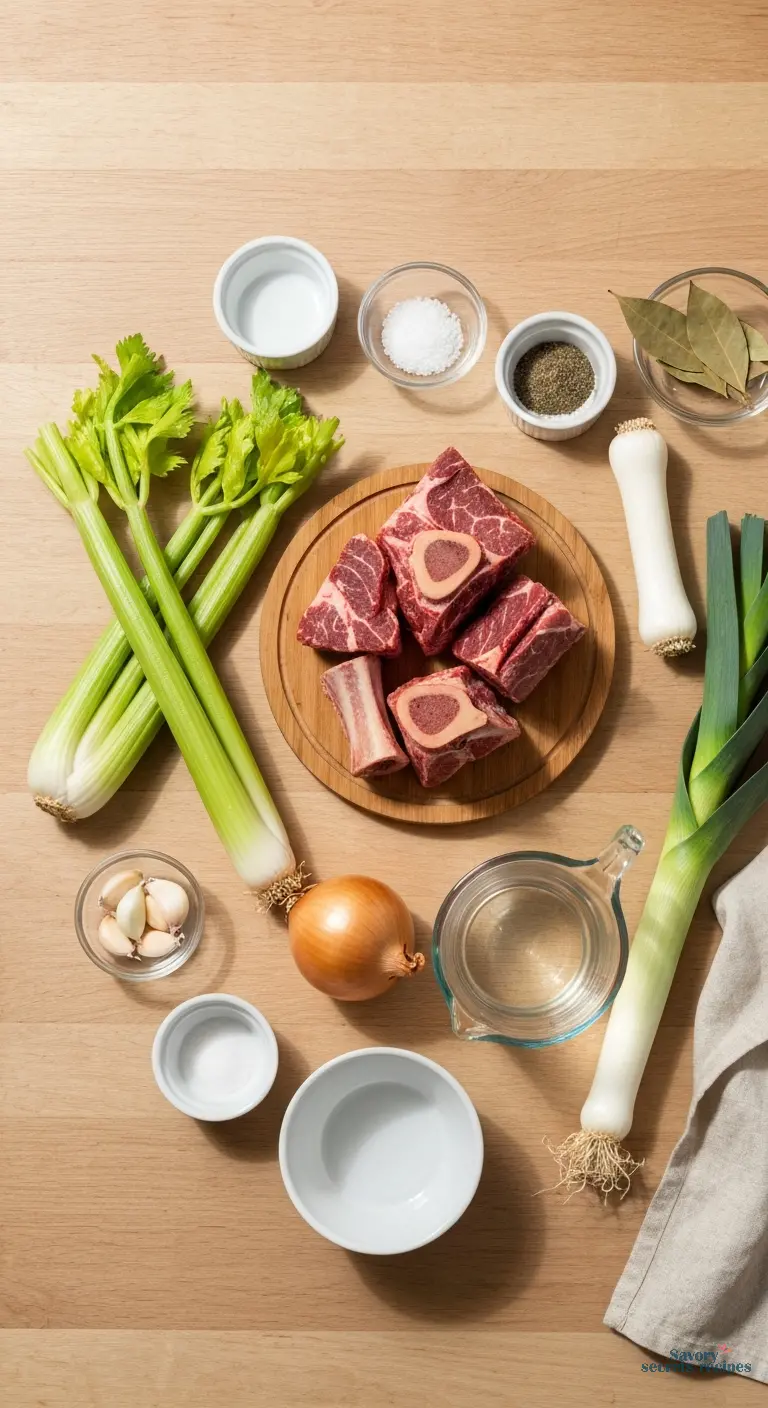
Ingredients
Method
- Preheat your oven to 450 degrees Fahrenheit (230 degrees Celsius). Cover a baking sheet with aluminum foil.
- Put the beef bones on the prepared baking sheet.
- Roast the bones in the preheated oven for 40 minutes, turning them over halfway through.
- Transfer the bones and any accumulated juices from the baking sheet to a large stockpot. Add the celery, onion, leek, and garlic. Cover the bones completely with water. Stir in the bay leaves, vinegar, salt, and pepper.
- Bring the broth to a boil over medium-high heat. Reduce the heat to a very low simmer and cover the pot, venting the lid slightly. Simmer for 12 hours, occasionally skimming off any foam and residue that rises to the surface. Add more water whenever the bones and vegetables become exposed.
- Take the pot off the heat and let the broth cool to room temperature. Pour the broth through a fine-mesh strainer into a clean pot. Throw away the bones and vegetables.
Nutrition
Notes
When Your House Needs to Smell Like a Hug
Last Tuesday, it was one of those rare, properly chilly LA days. You know the kind. The sky was that particular gray that makes the palm trees look confused, and my kids came in from school with their noses pink and their complaints loud. I stood in my kitchen, staring into the fridge, and I just craved something that felt like a blanket. Not a salad, not a sandwich. Something that simmered. Something that made the whole house smell like my Grandma Jean’s kitchen on a Sunday. That’s when I decided it was time for a proper pot of beef bone broth soup recipes. Real talk? I used to think making broth from scratch was this whole big project. I’d see those recipes that said “simmer for 24 hours” and I’d just close the tab. But here’s the thing. Once you get it going, it mostly takes care of itself. And the payoff? A pot of liquid gold that’s half comfort food, half immune-supporting magic. This isn’t just soup. It’s the answer to a cold day, a scratchy throat, or that feeling that you just need something deeply, fundamentally good. Let’s make some beef bone broth soup recipes together.
Why This Beef Bone Broth Soup Recipe Actually Works
I’m not gonna lie, I’ve tried shortcuts. The boxed broth, the bouillon cubes. Fair enough for a pinch. But when you want that deep, nourishing flavor that sticks to your ribs, you gotta go from scratch. This particular approach to beef bone broth soup recipes works because it’s built on Grandma Jean logic. Good enough is good enough. We’re roasting the bones first, which isn’t strictly necessary, but it adds this incredible rich, almost nutty depth that keeps you going back for another spoonful. It also helps avoid that sometimes metallic taste you can get from plain boiled bones. The vinegar? That’s the quiet genius. It seems like nothing, but that little bit of acid helps pull all the good stuff the collagen, the minerals right out of the bones and into your broth. At the end of the day, you’re left with a soup that’s hearty, comforting, and honestly brilliant for using up those soup bones you might get from the butcher or have tucked in the freezer.
Your Guide to the Best Bones for Broth
Okay, let’s talk bones. This is where most people get hung up. What kind? How many? Here’s my take. Use what you’ve got. A mix is ideal. I like to grab a bag of beef marrow bones from the butcher counter at Ralphs or Costco. Those are the big, cross-cut ones where you can see the marrow inside. That marrow equals rich flavor and body. If you can find knuckle bones or oxtail, throw those in too. They have more connective tissue, which is where all that wonderful gelatin comes from. The kind that makes your broth turn to jelly in the fridge. That’s the good stuff. If your bones have a little meat on them, even better. It just adds more flavor to your final beef bone broth soup. Don’t stress about it being perfect. A couple pounds of whatever beef bones you can find will get you there.
Step-by-Step: Building Your Broth
First, heat your oven to 400°F. Spread your beef bones out on a rimmed baking sheet. Don’t crowd them. We want them to brown, not steam. Roast them for a good 45 minutes to an hour. You’re looking for a deep, browned color and your kitchen should smell amazing. This step for your beef bone broth soup recipes is, in my experience anyway, totally worth the extra time.
While those roast, roughly chop your veggies. We’re not making a pretty dice here. Big chunks of onion, celery, and that cleaned leek are perfect. They’re going to simmer for hours and eventually get strained out. Nobody’s grading this on vegetable presentation. Toss them into your biggest pot or slow cooker insert. Add the whole garlic cloves, bay leaves, and your roasted bones. If there are any delicious browned bits on your baking sheet, add a splash of water to the hot pan, scrape it all up, and pour that liquid gold right into the pot.
Now, cover everything with cool water. About 12 cups, or enough to submerge the bones by an inch or two. Here’s the key part. Add the white vinegar. It won’t make your soup taste like vinegar, I promise. It just works behind the scenes. Bring it all to a very gentle simmer. Not a rolling boil. You should see just a few lazy bubbles breaking the surface. This is where you walk away. Let time do its thing.
Tips for Perfect Beef Bone Broth Soup Recipes
I’ve made a lot of broth. Some cloudy, some clear, some that tasted like heaven. Here’s what I’ve learned.
Preparation Tips
Roasting is non-negotiable for me now. It adds such a deep flavor and beautiful color. Plus, it’s easier to brown them in the oven all at once than in batches on the stovetop. If you’re short on time, you can skip it, but your broth will be lighter in color and taste. Your mileage may vary.
Cooking Tips
The low and slow rule is everything. Cook your broth over very low heat. I mean, the lowest setting that maintains that bare simmer. If you boil it hard, you’ll end up with a cloudy broth and it can taste a bit off. I’m not gonna lie, the first time I left a pot on the stove overnight, I was nervous. But on that back burner, on the lowest heat? It’s safe. The other option? Your slow cooker is a lifesaver here. Set it on low, cover it, and let it go for 18-24 hours. Cleanup counts as part of the recipe, and this method dirties one pot.
Knowing When It’s Done
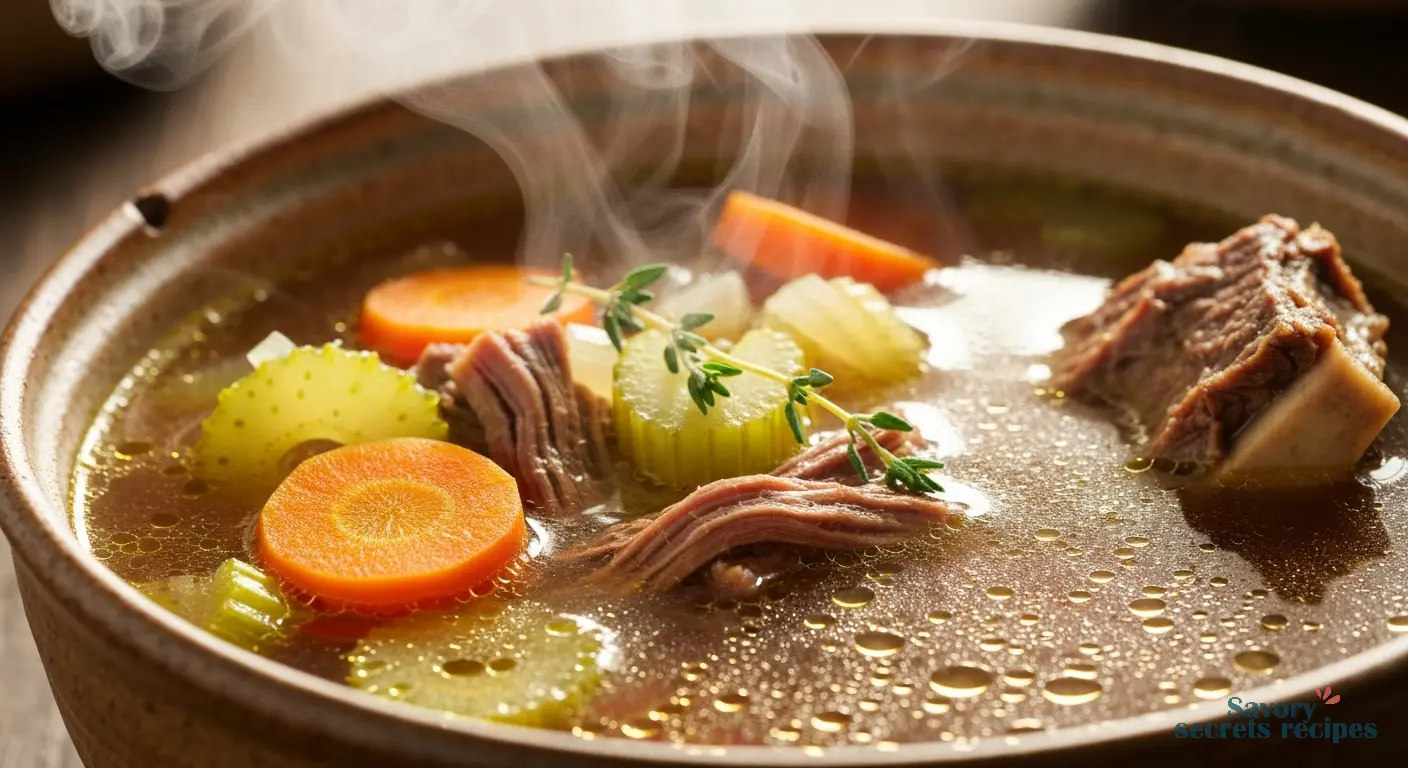
How long for these beef bone broth soup recipes? In practical terms, aim for at least 12 hours, then start tasting. I’m usually happy around the 24-hour mark. The broth will be a deep amber, and it should taste rich and full. A good test? Let a spoonful cool a bit. If it feels a little sticky or thick on your lips, that’s the gelatin. That’s what you want. The bones will look spent, and they might even start to crumble a bit when they’re fully extracted.
Straining, Skimming, and Storing Your Liquid Gold
When your broth is deeply flavorful, turn off the heat. Let it cool slightly. Now, you’ll need a fine-mesh strainer and a big bowl. Carefully pour the broth through the strainer to catch all the bones, veggies, and bits. Discard all that solids. You’ve gotten everything you need from them. Let the broth cool to room temperature, then pop it in the fridge. Overnight, the fat will rise and solidify on top. You can skim that off with a spoon for a leaner broth, or leave a little for flavor. I usually take most of it off. Your rich, nourishing beef bone broth soup is now ready to use or store.
Variations & Substitutions
The beautiful thing about a base recipe like this is how flexible it is.
Ingredient Substitutions
No leek? Use an extra onion. Out of celery? Toss in a parsnip or some green bean ends from the freezer. The vegetable mix is very forgiving. The herbs are too. A few sprigs of fresh thyme or rosemary are lovely additions. If you only have dried, that’s fine. A teaspoon will do.
Flavor Variations
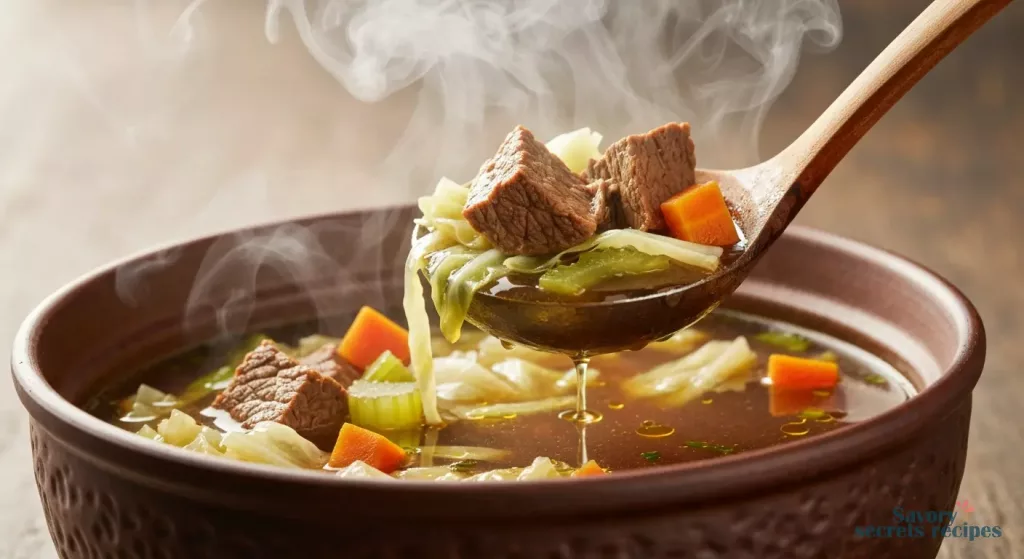
Once you have your pure broth, you can take it anywhere. For a heartier beef bone broth soup recipe, add back in some fresh diced carrots, celery, and onion during the last hour of simmering, along with some shredded cooked beef. Want an Asian twist? Simmer with a chunk of ginger and a couple star anise pods, then serve with sliced green onions and a dash of tamari. The base broth is your blank canvas.
Common Mistakes to Avoid
I’ve made these so you don’t have to.
❌ Mistake: Boiling the broth vigorously.
✅ Solution: Keep it at the barest simmer. A few bubbles is perfect. Boiling makes it cloudy and can make the flavor harsh.
❌ Mistake: Skipping the roasting step because you’re in a hurry.
✅ Solution: Honestly, though, take the time. That roasted flavor is the soul of a great beef bone broth soup. It adds a complexity you just can’t get otherwise.
❌ Mistake: Adding salt at the beginning.
✅ Solution: Season at the end. As the broth reduces, the salt concentrates. You have way more control over the final taste if you wait.
❌ Mistake: Using only one type of bone.
✅ Solution: Try for a mix. Marrow bones for richness, knuckle or joint bones for gelatin. It creates a more balanced, nourishing broth.
Frequently Asked Questions
Can you make soup with beef bone broth?
Absolutely. That’s its best use. This recipe creates a rich, flavorful beef bone broth that is the perfect base for any soup. Just add your favorite vegetables, some cooked grains or noodles, and you have a complete, nourishing meal.
What is the best meat for bone broth soup?
For beef bone broth soup recipes, you want bones with lots of connective tissue and marrow. A mix of marrow bones, knuckle bones, and oxtail is ideal. The meat itself isn’t the star; it’s all about what’s inside and around the bones.
Can I just boil beef bones for broth?
You can, but roasting them first is a game-changer for flavor. Boiling alone can sometimes give a broth a flat or slightly metallic taste. Roasting adds a deep, caramelized richness that makes all the difference.
What spices enhance beef bone soup flavor?
Bay leaves are classic. Beyond that, black peppercorns, a few thyme sprigs, or a couple smashed garlic cloves are perfect. Keep it simple. You want the deep beef and vegetable flavors to shine through in your beef bone broth soup.
Why does bone broth say not to boil?
Boiling agitates the proteins and fats, making the broth cloudy and sometimes giving it a bitter edge. A gentle simmer extracts flavor and gelatin cleanly, resulting in a clear, silky broth that’s much more appealing.
What are common broth mistakes?
Besides boiling, using only water with no acid (like vinegar) means you won’t extract all the minerals. Not skimming the initial foam can cloud the broth. And using bones with no connective tissue won’t give you that gelatin-rich result we’re after.
How to Store and Serve Your Beef Bone Broth Soup
Once cooled, your broth will keep in the fridge for 4 to 5 days. It will likely gel up, which is exactly what you want to see. To freeze it, pour it into airtight containers or even ice cube trays for small portions. It freezes perfectly for up to 6 months. To save freezer space, you can reduce it by simmering until it’s concentrated by half, then freeze. Just remember to thin it with water when you use it. When you’re ready to eat, reheat it gently on the stove. It’s fantastic sipped plain from a mug, or use it as the base for the best vegetable soup you’ve ever made. Honestly brilliant.
More Than Just Soup: Using Your Homemade Broth
This broth is a kitchen powerhouse. Sure, drink it straight. But also use it to cook your rice or quinoa for an extra flavor boost. It makes incredible gravy. Use it instead of water when you’re braising pot roast or short ribs. It’s the secret to a risotto that tastes like it took all day. Having a container of this in your fridge or freezer is like having a culinary superpower. It elevates every savory dish it touches, turning simple weeknight cooking into something that feels special and deeply nourishing.
Worth Every Simmering Minute
When you make this beef bone broth soup recipe, you’ll understand why people get a little obsessed. The process is simple, almost meditative. The result is this transformative, golden elixir that feels like a cure for everything from a cold day to a long week. It connects you to a way of cooking that’s old-fashioned and deeply satisfying. So grab some bones on your next Costco run, get that pot simmering, and let your house fill with the best smell in the world. You’ve got this. And when you taste that first, rich spoonful, you’ll know it was worth every minute. Let me know how your beef bone broth soup recipes turn out.