



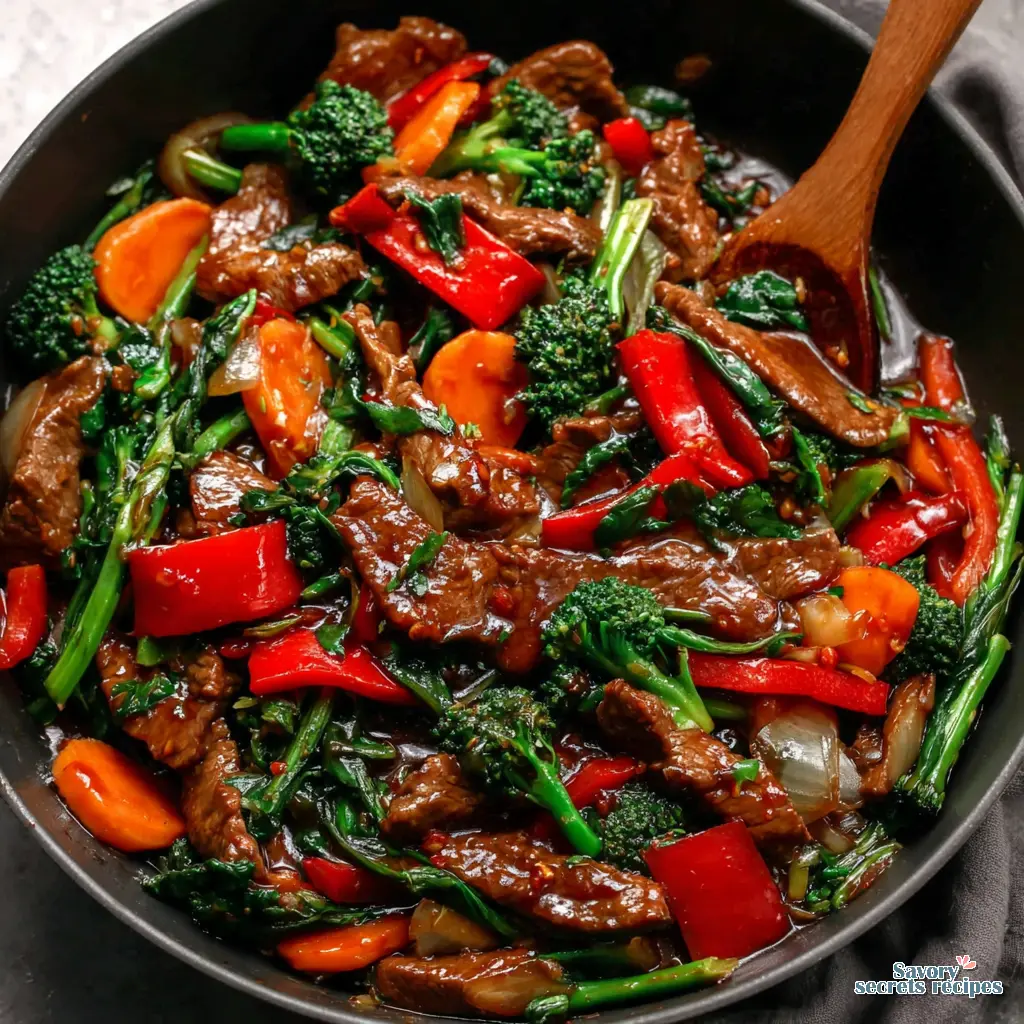
Healthy 20 minute beef and vegetable skillet dinner
Ingredients
Method
- Combine sliced beef, soy sauce, oyster sauce, and cornstarch in a bowl and marinate for 10 minutes.
- Wash and chop all vegetables while the beef marinates to prepare for quick cooking.
- Heat vegetable oil in a large skillet or wok over medium-high heat until hot.
- Add marinated beef to the hot pan in a single layer and sear for 2-3 minutes without stirring. Flip and cook for 1-2 more minutes until browned, then remove beef from the pan and set aside.
- Add minced garlic and ginger to the same pan and stir for 30 seconds until fragrant.
- Add broccoli, bell pepper, carrots, and snap peas, then stir-fry for 3-5 minutes until vegetables are crisp-tender.
- Return beef to the pan, stir in green onions, and cook for 2-3 minutes until beef is cooked through.
- Season with salt and pepper to taste and drizzle with additional soy sauce if desired.
- Serve the stir-fry over cooked rice or noodles and garnish with extra green onions.
Nutrition
Notes
The 20-Minute Reality Check for Beef Vegetable Stir Fry
I remember standing on a step stool in Babcia’s kitchen in Milwaukee. I watched her pack cucumbers into huge ceramic crocks. She always measured the salt in her palm first, then checked it with a scale. She told me you trust your hands, but you verify with your tools. I still think about that every time I measure out a sauce or check a cooking temperature. Precision matters. But fast forward to a busy Wednesday night in Los Angeles, and precision often takes a backseat to sheer exhaustion.
You know that feeling. It’s 6:30 PM. You just got back from a Trader Joe’s run through terrible traffic. You’re staring at the fridge, calculating if you have the energy to cook. I’ve been there. I occasionally doubt whether my approach to cooking is too technical for a busy weeknight. My editor sometimes asks me to simplify things. Well, this beef vegetable stir fry is my answer to that. It’s a healthy beef skillet recipe for weight loss that actually respects your time. The best part? You’ll only have one pan in the sink at the end of the night. That kind of relief is exactly what we need.
Takeout vs. Homemade Beef Vegetable Stir Fry
Look, I’ll be honest. Ordering takeout is tempting. But let me double-check that decision with you. According to the guidelines I’ve reviewed from nutritional databases, a standard restaurant stir fry can pack over 2000mg of sodium per serving. That tracks with what I’ve seen in my own kitchen tests. By making this 20 minute beef and vegetable skillet dinner at home, you control the salt. You control the oil. And surprisingly, it’s actually faster.
By the time you open a delivery app, debate your order, and wait 45 minutes for a lukewarm container to arrive, you could have already eaten. This recipe relies on a quick sear. We use simple ingredients like liquid aminos or low-sodium soy sauce, a splash of alcohol-free oyster sauce, and a touch of honey. It hits all those savory notes without the heavy, sluggish feeling that usually follows a takeout meal. For beginners, starting with an easy beef stir fry is the perfect way to build confidence in the kitchen before trying complex variations.
The Science of Wok Hei at Home (And Choosing Your Oil)
If you’ve ever wondered why restaurant stir fry tastes so distinct, it’s something called “wok hei” or the “breath of the wok.” It happens when tiny droplets of oil catch the intense heat of a commercial burner. We can’t perfectly replicate a 100,000 BTU burner in a standard apartment kitchen. Better to err on the side of caution and not burn the house down. But we can get close.
I’d probably want to test your pan heat first before recommending you just throw the meat in. Ensure your pan and oil are sizzling hot before adding ingredients. You want a wok for its sloping sides and better heat distribution. If you don’t have one, a large cast iron skillet works beautifully because it holds heat like a champion.
The data suggests that oil choice is critical here. You must use high smoke point oils. Avocado oil or canola oil are perfect. Never use extra virgin olive oil for this. It will burn, smoke, and leave a bitter taste that ruins the whole dish. That’s a textbook cooking failure right there.
Beef Cut Guide: Flank vs. Sirloin
Choosing the right meat is half the battle. I’m hesitant to say definitively without more data on your local grocery store prices, but flank steak and sirloin tips are generally your best bets. They offer great beefy flavor and cook incredibly fast.
Here’s what I wish someone had told me early on. The secret to tender meat isn’t just the cut. It’s how you prep it. You must slice the beef against the grain for maximum tenderness. If you slice with the grain, you’ll end up chewing for days. To make this easier, freeze the beef for 5 to 10 minutes before slicing. It firms up the meat, allowing you to get those paper-thin strips.
I know some folks ask about a ground beef option. Yes, you can absolutely use ground beef for a hyper-fast version. Just brown it well. If you are using tougher cuts, you can use baking soda to tenderize them. This process is called velveting. Just a quarter teaspoon of baking soda tossed with the sliced beef for 15 minutes alters the pH of the meat. As someone who loves a good pH meter, this is active biology, not magic. Just remember to rinse the beef lightly and pat it dry with paper towels to ensure browning rather than steaming.
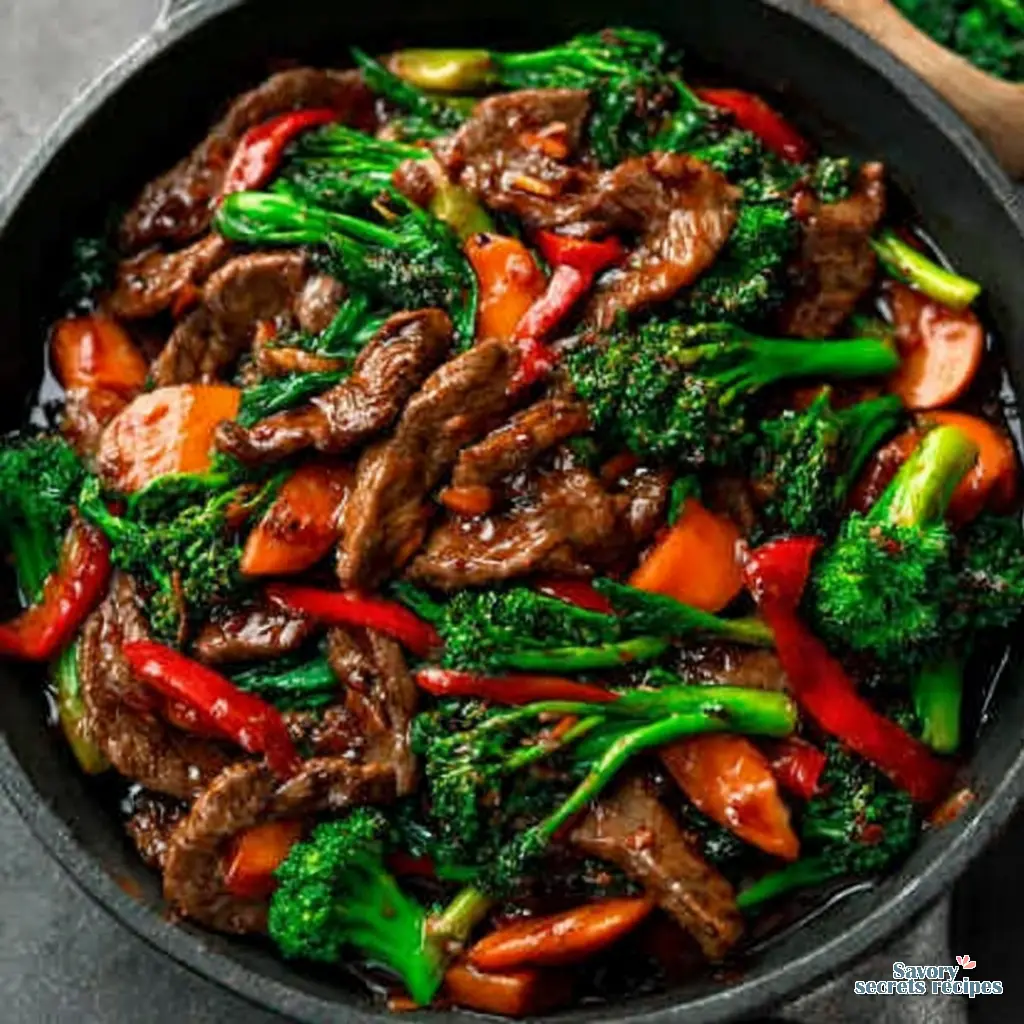
The ‘Mise en Place’ Checklist
My first attempt at a fast stir fry was a disaster. I didn’t have my ingredients prepped. I turned my back to chop zucchini, and my garlic burned into bitter little charcoal pebbles. I had to throw out the whole batch. It reinforced something Babcia used to say. You can’t negotiate with time.
Mise en place is a fancy French term for “everything in its place.” For a quick beef skillet, it is absolutely mandatory. Prep all ingredients before turning on the heat. Once that oil is hot, things move in seconds, not minutes. Mix your sauce in a small bowl. Have your pre-cut vegetables ready in another. Slice your meat. Developing your own homemade stir fry sauce allows you to customize the flavor profile to your liking.
Fast-Track tip for you. It’s perfectly fine to use pre-chopped garlic and ginger from a jar. I know culinary purists might gasp, but on a weeknight? It’s a lifesaver. You can also make the sauce up to a week in advance to save time. Just keep it in an airtight jar in the fridge.
Vegetable Hierarchy: Cook-Time Guide
Not all vegetables cook at the same rate. If you toss everything in at once, you’ll end up with mushy zucchini and raw carrots. We want crisp-tender vegetables. Slice vegetables into uniform sizes for even cooking. Here is the general hierarchy I use.
First, add the hard vegetables. Carrots, broccoli stems, and cauliflower need about 3 to 4 minutes. Second, add the medium vegetables. Zucchini, bell peppers, and mushrooms take about 2 minutes. Finally, add the soft vegetables. Spring snap peas, spinach, or green onions only need about 30 to 60 seconds.
What if you are exhausted and just want a one pan beef stir fry with frozen vegetables? That works perfectly. You don’t even need to thaw them. Just add the frozen stir fry mix directly to the hot pan. They will release a bit more water, so keep the heat high to evaporate that moisture quickly.
Visual Troubleshooting: Is My Pan Too Cold?
I’d want to verify your pan temperature before you start cooking. A cold pan is the enemy of a good stir fry. If you add beef to a warm pan, it will release its juices and boil in its own gray liquid. It’s not appetizing.
Try the water bead test. Flick a tiny drop of water into the dry, heating pan (before adding oil). If it sits there and slowly bubbles, the pan is too cold. If it instantly shatters into tiny beads that dance across the surface, you are ready. Add your avocado oil, wait 10 seconds for it to shimmer, and add your beef.
Cook in batches if using a standard skillet to avoid overcrowding. Proper pan space prevents steaming. You want that fierce sizzle. Keep ingredients moving constantly to prevent burning.
Common Mistakes & Fixes
Mistake: The beef is tough and chewy.
Solution: You likely sliced it with the grain or cooked it too long. Always slice against the grain and do a quick sear (about 2 minutes max). Remove it from the pan while you cook the veggies.
Mistake: The vegetables are soggy.
Solution: Overcrowding the pan causes steaming. Cook the beef first, remove it, then cook the veggies. If using a small pan, cook the veggies in two batches.
Mistake: The sauce is too thin and watery.
Solution: You probably didn’t use enough cornstarch, or you didn’t let it boil. Cornstarch needs to hit a boiling temperature to activate and thicken. Give it another minute bubbling in the pan.
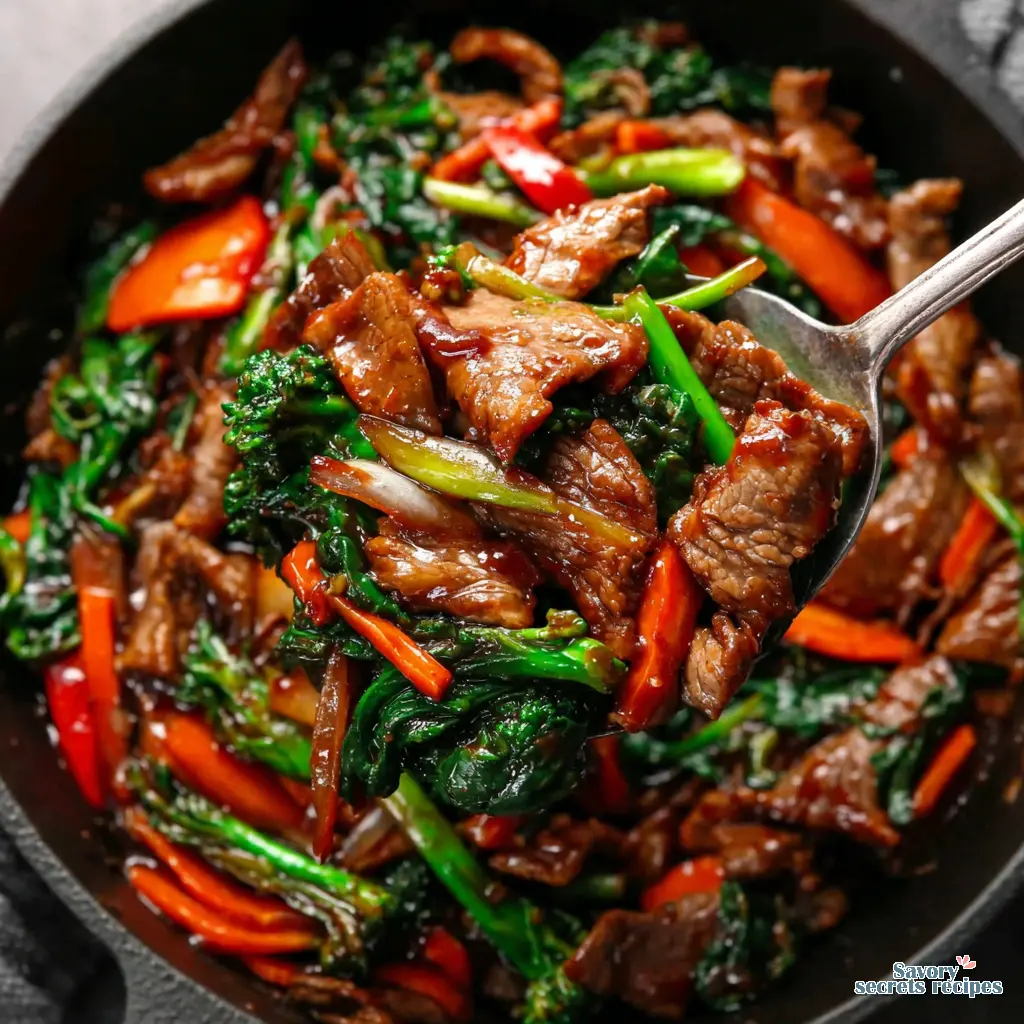
Storage & Reheating Your Quick Beef Skillet
I genuinely love the moment when I open my fridge the next day and see leftovers neatly packed. There’s something deeply satisfying about a well-organized meal prep setup. All my glass meal prep containers lined up. It makes me happy in a way that’s hard to explain.
To store your beef vegetable stir fry, let it cool slightly, then transfer it to an airtight container. It will keep in the refrigerator for up to 4 days. I highly recommend storing the stir fry and your base (like rice or noodles) in separate containers. This prevents the rice from soaking up all the sauce and turning into a soggy mess.
When it’s time to reheat, skip the microwave if you can. The microwave tends to rubberize the beef. Instead, toss the leftovers back into a skillet over medium heat. Add a tiny splash of water or broth to loosen the sauce. Stir gently until warmed through. It takes maybe 3 minutes, and the texture remains vastly superior. If you are doing a low carb option, serve this over cauliflower rice.
Frequently Asked Questions
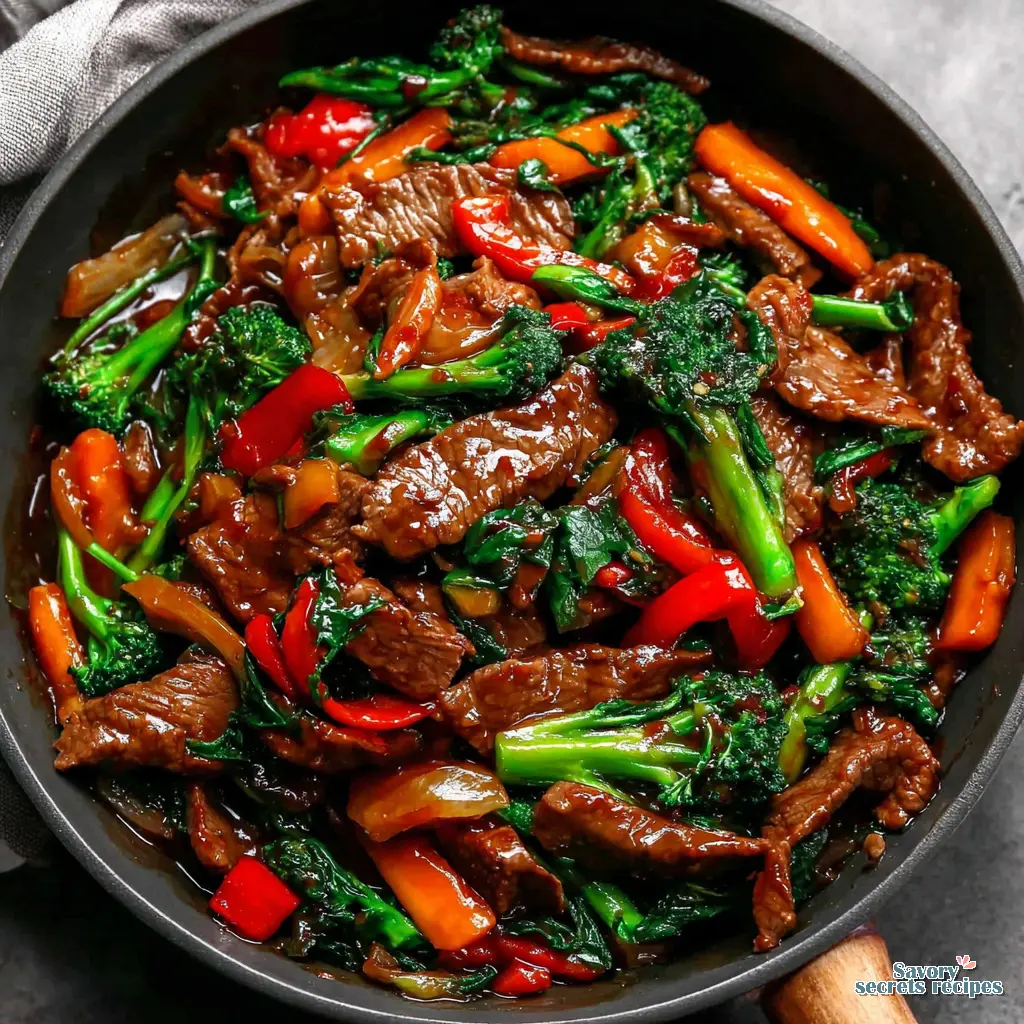
Wrapping Up Our 20 Minute Beef and Vegetable Skillet Dinner
There you have it. A complete meal that respects your time, your budget, and your need for a clean kitchen. I know weeknight cooking can feel like a chore, especially when you’re tired. But once you understand the basics of high heat and prep work, this beef vegetable stir fry becomes second nature. It’s faster than delivery, and honestly, it tastes better too.
I love seeing what you create in your own kitchens. If you try this recipe, don’t worry if it’s not perfect the first time. Even when it’s slightly imperfect, it’s still pretty great. For more inspiration, check out my Pinterest boards where I save all my favorite quick dinner ideas and fermentation projects. Enjoy your 20-minute win tonight. You’ve earned it.
Reference: Original Source
Can I use frozen vegetables for a quick beef vegetable stir fry?
Absolutely. You don’t even need to thaw them first. Just toss the frozen stir fry mix directly into your hot skillet. They will release some extra moisture, so keep your heat high to evaporate that water quickly and prevent the beef from steaming.
Is this healthy beef skillet recipe for weight loss suitable for a low-carb diet?
Yes, it’s incredibly adaptable. To keep it low carb, swap the honey for a keto-friendly sweetener, and serve the beef vegetable stir fry over cauliflower rice or inside crisp lettuce wraps instead of traditional steamed rice or noodles.
How do you make a 20 minute beef and vegetable skillet dinner without the meat getting tough?
The trick is slicing the beef thinly against the grain and cooking it in a screaming hot pan for just 1 to 2 minutes. Remove the beef while you cook the vegetables, then add it back at the very end. This prevents overcooking.
What are the best cuts of meat for a one pan beef stir fry with frozen vegetables?
Flank steak and sirloin tips are my top choices. They offer robust flavor and tenderize beautifully when sliced correctly. Skirt steak and Denver steak are also excellent alternatives. Avoid round steak, as it tends to be quite tough unless heavily velveted with baking soda.
Can you meal prep a quick beef skillet for the work week?
Definitely. This recipe is perfect for meal prep containers. Just be sure to store the stir fry separately from your rice or noodles to maintain texture. It reheats beautifully in a skillet with a tiny splash of water to revive the sauce.
How can I thicken the sauce if it seems too watery?
If your sauce isn’t thickening, make a quick slurry. Mix one teaspoon of cornstarch with one tablespoon of cold water. Stir this into the bubbling skillet. The sauce needs to reach a boil for the cornstarch to activate and thicken properly.