



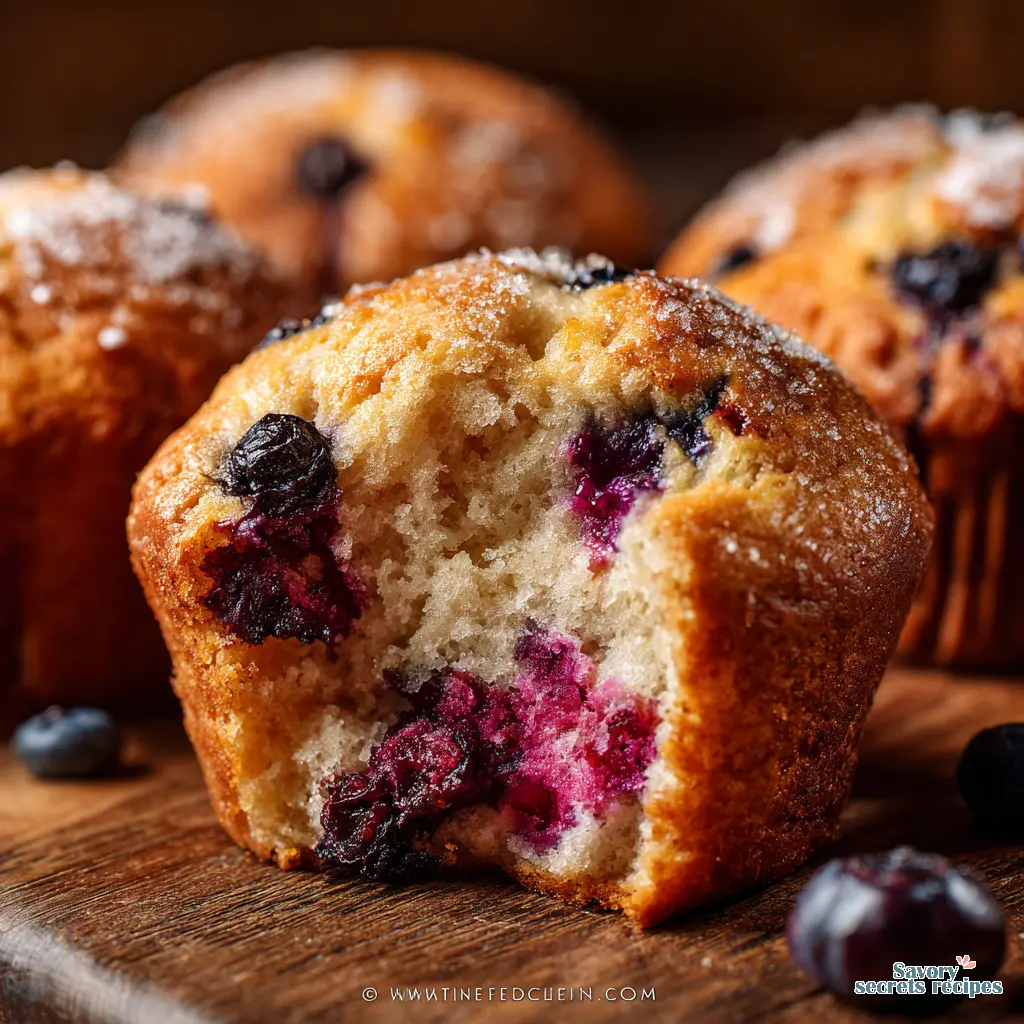
Best Healthy Blueberry Muffin Recipe
Ingredients
Method
- Preheat the oven to 400°F. Line a muffin pan with cupcake liners. Sift together 2 cups of flour, 1 cup of sugar, baking powder, and 1/2 teaspoon of salt in a large bowl, then set the mixture aside.
- Whisk the eggs in a medium bowl until smooth. Add 1/2 cup of melted butter, milk, and vanilla, whisking until combined. Stir the egg mixture into the dry ingredients until just incorporated, ensuring the batter remains lumpy. Fold in the blueberries.
- Prepare the streusel topping by combining 1/4 cup of flour, 2 tablespoons of brown sugar, 2 tablespoons of granulated sugar, cinnamon, and 1/8 teaspoon of salt in a medium bowl. Cut in the butter using a pastry cutter until the mixture is coarse and crumbly.
- Fill the prepared muffin cups with batter and top each with approximately 1 tablespoon of streusel. Bake for 18 to 22 minutes, or until a toothpick inserted into the center comes out clean. Let the muffins cool on a rack for several minutes before removing them from the pan. Cool completely and store in an airtight container for up to 4 days.
Nutrition
Notes
- Blueberries: Stock up on 1 pint of fresh blueberries, then wash, drain, and pick them over. That means remove any straggler stems, toss any wrinkly or damaged berries, and cut down any large berries. You can also use thawed frozen blueberries, wild or regular. (For additional fruit options, see “Recipe FAQs”.)
- Yield: My Blueberry Muffin recipe creates 12 regular-sized muffins.
- Storage: Store leftovers covered at room temperature for up to 4 days.
- Freezer: Transfer Blueberry Muffins to an airtight container or freezer bag and freeze for up to 3 months. When you’re ready to enjoy them, thaw the muffins at room temperature overnight, then reheat thawed muffins at 300 degrees for 3 to 5 minutes or until warm.
The Search for a Muffin That Isn’t Cake
Let’s walk that back for a second. Most “muffins” we buy at coffee shops are just cupcakes without frosting. They are delicious, sure, but calling them breakfast is a stretch I’m not willing to make on a Tuesday morning. I have spent years in test kitchens trying to engineer a berry muffin recipe healthy enough to fuel my kids until lunch but tender enough that they don’t realize they are eating whole grains.
It is a balancing act. If you pull too much sugar, you lose moisture. If you swap all the butter for applesauce, you get a rubbery texture that bounces back when you bite it. Not ideal. In my experience, though yours may differ, the secret lies in the emulsion of Greek yogurt and room temperature eggs. This combination creates a suspension that traps air and moisture, giving you that bakery-style dome without the stick of butter per serving.
I remember my grandfather timing his tomato sauce with a wind-up kitchen timer that ticked so loud you could hear it from the stoop. He was obsessive about the details because he knew that precision creates consistency. Baking these muffins requires that same mindset. We are not just throwing things in a bowl. We are managing hydration and lift. When you get this right, you get a muffin that smells like bright citrus and warm vanilla, with a crumb so tender it defies the nutrition label.
Why This Method Works (The Science of the Dome)
Here is what I am seeing in most home kitchens. People mix their batter, put it in a 350°F oven, and wonder why their muffins come out flat. That tracks if you are baking a cake, but muffins need thermal shock. We start these at a higher temperature to trigger a rapid expansion of gases in the batter. This “burst” creates the dome before the crust sets. Then we drop the temp to finish cooking the interior. This temperature strategy is also the secret behind a perfect banana muffin recipe when you want that ideal rise.
Let’s talk about the flour. I prefer white whole wheat flour or a blend of oat flour and all-purpose. White whole wheat has the same nutritional profile as red whole wheat but a milder flavor and lighter color. It doesn’t weigh down the batter as much. If you use standard whole wheat, you might find the texture a bit dense. Not quite there yet? Try a 50/50 split with all-purpose flour until you find your preference.
The role of Greek yogurt here cannot be overstated. It provides acidity to react with the baking soda (if using) or baking powder, assisting the rise. More importantly, the protein structure in the yogurt helps support the crumb, allowing us to reduce the butter significantly. It is a structural component, not just a moistener. For those looking for more moisture without the fat, exploring healthy applesauce muffins is another great alternative.
Fresh vs. Frozen: The Winter Berry Struggle
I live in Brooklyn, and let’s be real, finding decent blueberries in February is a joke. They are tart, hard, and expensive. This is where I lean heavily on frozen berries. In fact, for a berry muffin recipe healthy or otherwise, frozen wild blueberries are often superior. They are smaller, which means you get better distribution in every bite, and they are picked at peak ripeness.
However, frozen berries bleed. If you toss them straight into the batter, you will end up with gray, unappetizing muffins. My daughter calls them “zombie muffins.” Fair enough. To prevent this, keep the berries in the freezer until the absolute last second. Do not thaw them. Toss them in a tablespoon of your flour mixture right before folding. This flour coating absorbs some of the liquid as they melt during baking, creating a barrier that keeps the batter bright. If you want to mix fruit profiles, a banana blueberry muffin recipe offers a sweet contrast to the tart berries.
The “Fold” Technique: Don’t Kill Your Batter
Nonna Giulia would make me feel the pasta dough every time. She was teaching me that your hands remember what your eyes miss. The same logic applies here. The biggest mistake people make with muffins is overmixing. When you add the wet ingredients to the dry, you are starting the gluten development clock. If you beat it like a cake batter, you will get tough, rubbery muffins with tunnels inside.
You want to mix just until the flour streaks disappear. Actually, stop before they disappear. A few streaks of flour are fine. They will hydrate in the oven. I use a silicone spatula and fold from the bottom up, cutting through the center. It usually takes about 12 to 15 folds. If it looks lumpy, that is exactly right. Let the process do the work. Those lumps become tender pockets of crumb.
If you are adding oats or nuts, fold them in with the berries at the very end. Three gentle turns of the spatula, and you are done. Put the spatula down. Step away from the bowl.
Troubleshooting: Why Did My Berries Sink?
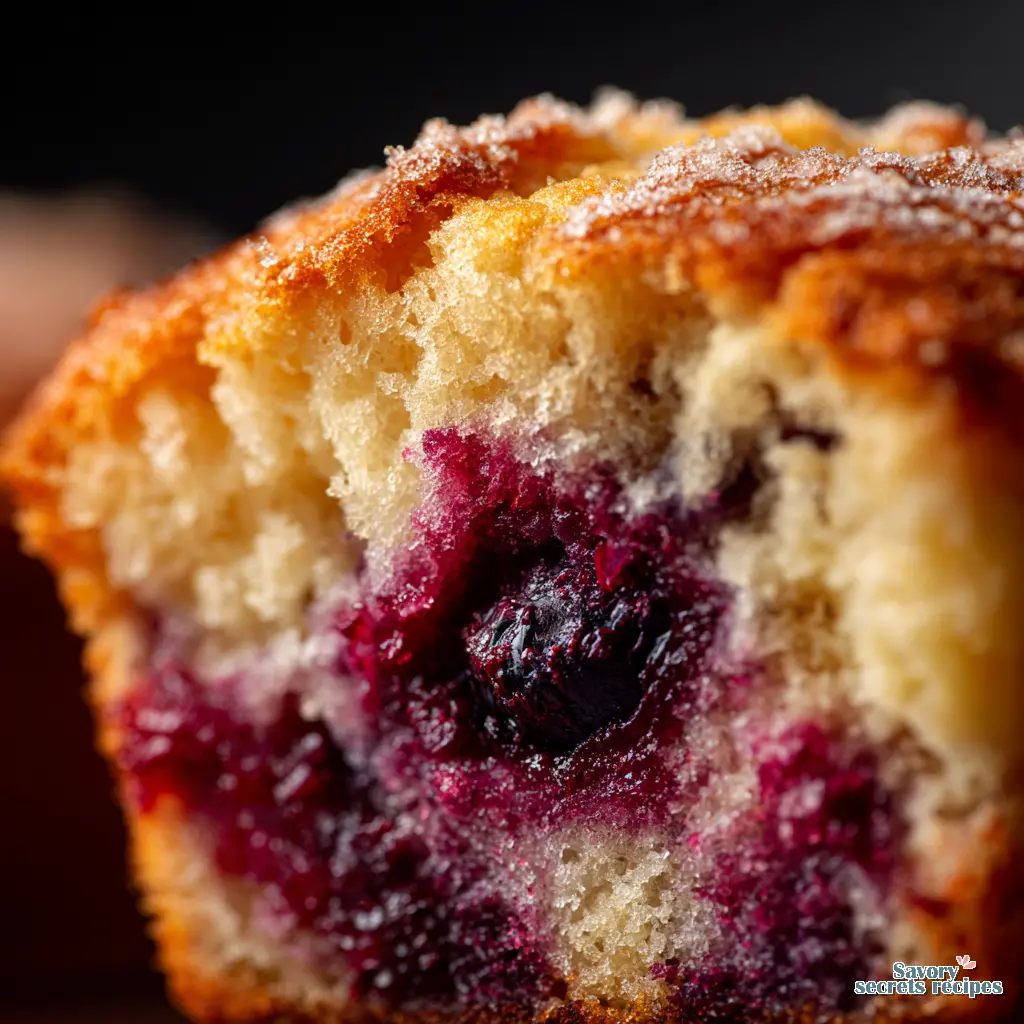
It happens. You cut into a beautiful muffin only to find all the fruit at the bottom. This is usually a density issue. The batter is too thin to support the weight of the fruit. In this berry muffin recipe healthy version, the batter is naturally thick due to the yogurt and whole grains, which helps suspend the fruit.
If you are still seeing sinking, your berries might be too large or wet. This is another reason I prefer wild blueberries; their mass is smaller relative to the batter’s viscosity. If you are using large cultivated berries or chopped strawberries, toss them in flour as mentioned earlier. The friction from the flour coating helps them grip the batter.
Common Mistakes & Fixes
Mistake: The muffins are dry and crumbly.
Solution: You likely packed the flour into the measuring cup. A cup can vary by 30% if you scoop directly. Use the “fluff and spoon” method or, better yet, a scale. Also, check your oven temp; if it runs hot, you are drying them out.
Mistake: The tops are flat and pale.
Solution: Your oven wasn’t hot enough at the start. You need that initial 400°F (or even 425°F) blast to create the spring. Also, make sure your baking powder isn’t expired. I test mine in hot water once a month.
Mistake: The batter turned purple or gray.
Solution: You mixed too much or let frozen berries thaw. Keep them frozen until the second they hit the batter, fold three times, and scoop immediately.
Storage and Reheating Strategy
I am still working through the best way to keep muffins fresh for a week, but my sense is that freezing is superior to counter storage after day two. These muffins are moist, which means they can mold if left in a plastic bag on a warm counter. I store them in an airtight container with a paper towel at the bottom and one on top to absorb excess humidity. They are good for about 3 days this way.
For longer storage, freeze them individually. I wrap them in plastic wrap and then foil. It seems like overkill, but it prevents freezer burn. When you want one, unwrap it and microwave for 30 seconds, or pop it in a toaster oven at 300°F for 5 minutes. The oven method restores that crisp edge on the muffin top.
My son takes these to school frozen. By lunchtime, they are thawed and perfect. It is a small win, but I will take it.

Frequently Asked Questions
Final Thoughts
There is a specific satisfaction in pulling a tray of high-domed, golden muffins out of the oven, knowing they aren’t sugar bombs. It takes me back to standing in Nonna’s kitchen, watching simple ingredients become something essential. When you bake this berry muffin recipe healthy, you are choosing to fuel yourself and your family with intention.
I’d love to see how yours turn out. Did you get the dome? Did you use blueberries or swap in raspberries? Let me know. And for more inspiration on how to make your kitchen work better for you, check out my Pinterest boards where I collect all my test kitchen experiments.
Reference: Original Source
Can I use frozen berries in this berry muffin recipe healthy?
Absolutely. In fact, I often prefer them. Just keep them frozen until the very last second. Do not thaw them, or your batter will turn gray. Toss them in a little flour before folding to prevent sinking. It works every time.
Why did my muffins come out dry?
You likely overmeasured the flour. If you scoop the cup into the bag, you are packing it down. Use a scale or the “spoon and level” method. Also, check your oven temp. If it’s running hot, 15 minutes becomes too long. Give it another minute less next time.
Can I make these gluten-free?
Yes, but you need a high-quality 1:1 gluten-free flour blend. Look for one with xanthan gum. Almond flour alone won’t provide the structure needed here. I have tested this with Bob’s Red Mill 1:1, and it tracks well with the original texture.
How can I make these muffins dairy-free?
Swap the butter for melted coconut oil or a neutral oil. Replace the Greek yogurt with a thick dairy-free yogurt (coconut or almond based) or applesauce. The texture will be slightly different, less fluffy, but still delicious. Taste it really taste it to see if you need more spice.
Can I reduce the sugar even more?
You can, but sugar provides moisture, not just sweetness. If you cut it too much, the muffins will be rubbery. I’d suggest swapping half the sugar for maple syrup or honey, but reduce the milk slightly to account for the extra liquid. It’s a balance.
What is the best way to freeze them?
Cool them completely first. Wrap each muffin tightly in plastic wrap, then place them all in a zip-top freezer bag. They will keep for up to 3 months. To reheat, remove the plastic and microwave for 30 seconds. Perfect for busy mornings.