



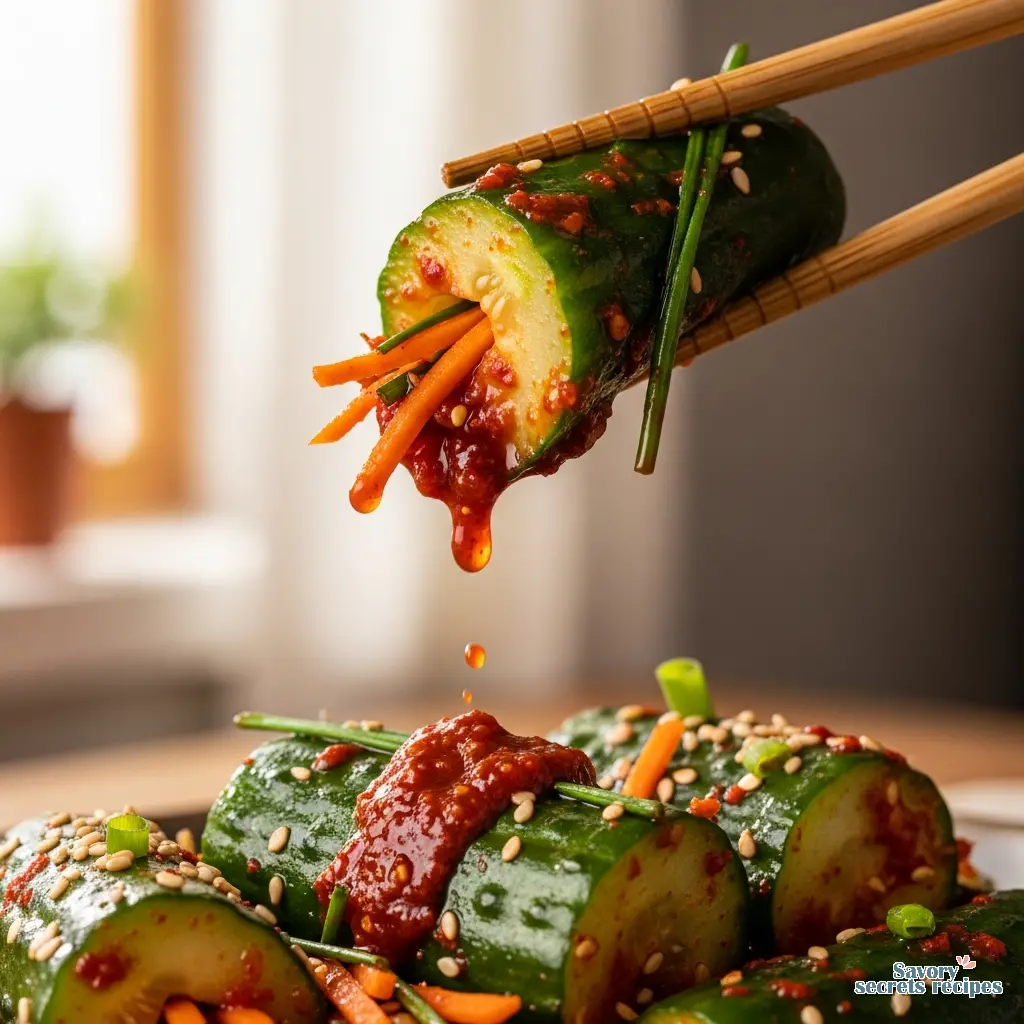
Best Cucumber Kimchi Recipe. Simple Oi Kimchi.
Ingredients
Method
- Trim the ends of the cucumber and cut into three sections. Slice each section lengthwise into 1.5-inch (4 to 5 cm) pieces. Place the cucumber in a large bowl, sprinkle with coarse sea salt, and toss gently to coat evenly. Let sit for 20 minutes.
- Gently brush the salt off the cucumber and transfer the pieces to a clean bowl. Add the kimchi sauce and mix lightly. Stir in the carrots and garlic chives if desired. Transfer the mixture to a glass container and cover.
- Store at room temperature for 12 to 18 hours, then move to the refrigerator. Serve once thoroughly chilled.
Nutrition
Notes
Why You Need This Recipe in Your Rotation
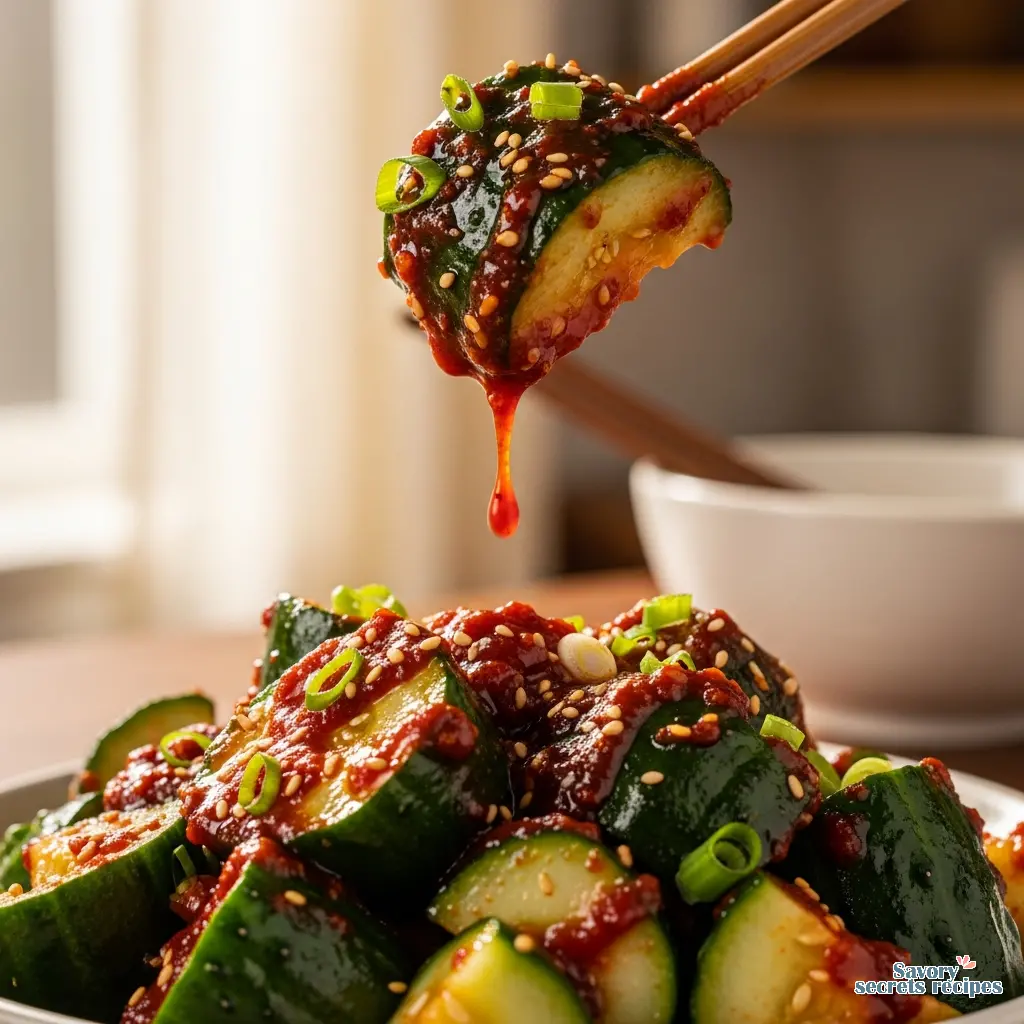
Let me think about that for a second. Is there anything more disappointing than biting into a cucumber that’s supposed to be crisp, only to find it’s gone soft and rubbery? I’ve been there, and it’s usually what keeps people from making kimchi at home. But here’s the thing: making the **best cucumber kimchi recipe** isn’t about having a fermentation crock or waiting weeks for results. It’s about understanding how salt interacts with water. My grandmother used to say that ingredients have a memory. When you treat a cucumber right, it remembers to stay crisp. I didn’t fully understand what she meant until I started experimenting with quick pickles in my own kitchen in Silver Spring. This recipe is what I call a “high-reward, low-effort” project. It’s technically a *banchan* (side dish), but in my house, we eat it straight out of the jar while standing in front of the open fridge. If you’ve ever hesitated to make kimchi because you’re worried about burying jars in the backyard or dealing with complex fermentation science, you can relax. This is fresh kimchi, or *oi muchim* style, meant to be eaten within a week. It captures that addictive spicy-savory-sweet balance you get at your favorite Korean BBQ spot, but you can make it on a Tuesday night in about 30 minutes.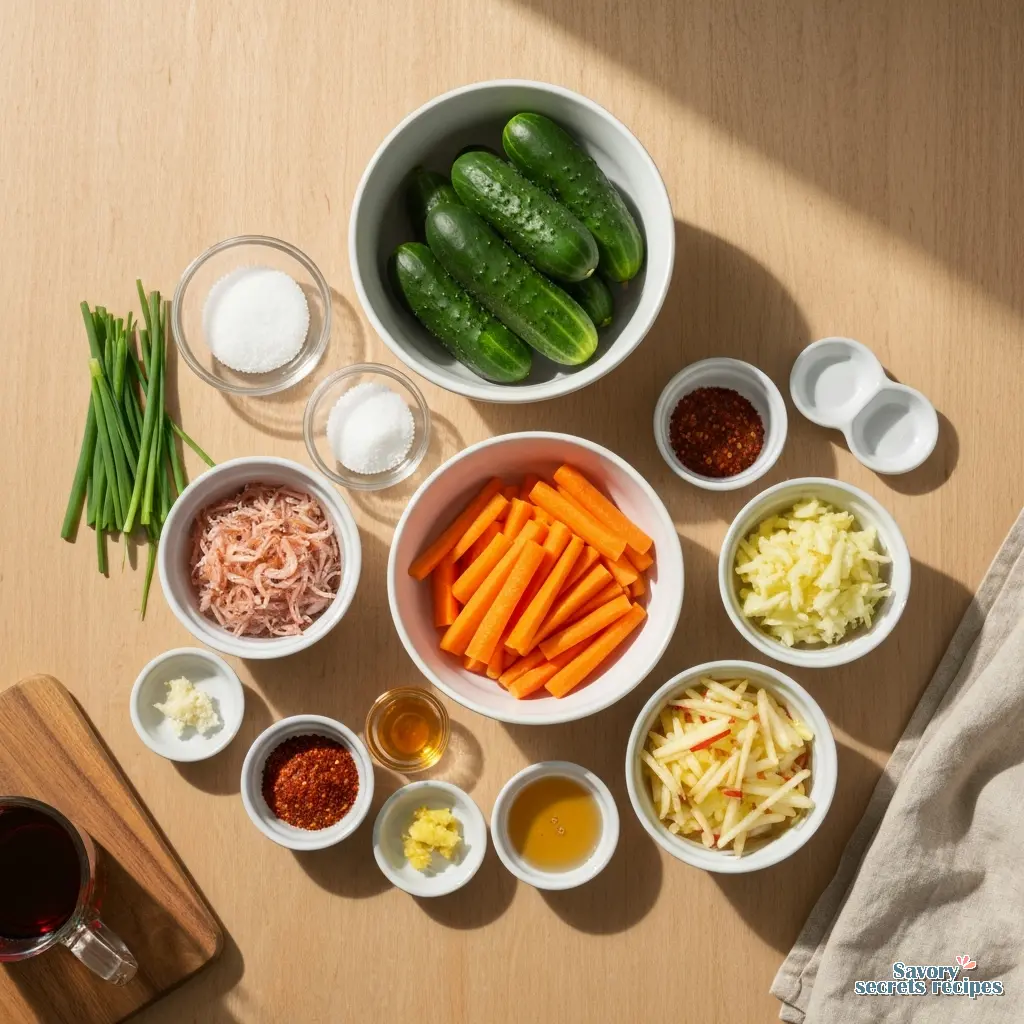
The Science of the Crunch (Osmosis is Your Friend)
Here’s what I’ve found works when it comes to keeping cucumbers crunchy: you have to be aggressive with the salt. I know, it feels wrong to dump that much coarse sea salt on fresh vegetables, but trust me on this. You aren’t going to eat all that salt. When you toss the cucumbers with salt and let them sit, you’re triggering osmosis. The salt draws the excess moisture out of the cucumber cells. If you skip this or rush it, that water will seep out later, diluting your beautiful seasoning paste and turning your kimchi into a watery mess. I usually let them sit for about 20 to 30 minutes. You’ll know it’s ready when the cucumber pieces look slightly shriveled and bendy, and there’s a pool of water at the bottom of the bowl. That pool of water is the enemy of crunch. Drain it, rinse the cucumbers quickly if you’re watching your sodium, and pat them dry. That little extra step of drying them ensures the spicy paste clings to the vegetable rather than sliding off.Ingredient Guide: What Matters and What Doesn’t
My grandmother’s notebook is full of notes on where to spend money and where to save it. For the **best cucumber kimchi recipe**, there are two non-negotiables. ### The Right Cucumbers Please, I’m begging you, don’t use standard American slicing cucumbers for this. You know the ones, the thick, dark green ones with the waxy skin and huge seeds? They are too watery and the skin is too tough. You want **Kirby cucumbers** (pickling cucumbers) or **Persian cucumbers**. * **Kirby:** These are short and bumpy. They have a great snap and hold up well to fermentation. * **Persian:** These are the sleek, thin-skinned ones you often see in packs at Trader Joe’s or Ralphs. They are my personal favorite because the skin is tender enough that you don’t need to peel it, but they still have a great crunch. * **English Cucumbers:** In a pinch, these work, but the water content is higher, so you’ll need to salt them a bit longer. ### Gochugaru (Korean Red Chili Flakes) This is the heartbeat of the dish. You can’t swap this for crushed red pepper flakes from the pizza place. It’s just not the same. Gochugaru has a specific sun-dried, smoky, slightly sweet flavor profile that defines kimchi. You can find it at any Asian grocery store or online. It usually comes in two grinds: coarse and fine. For kimchi, you generally want the **coarse grind** for that visual texture. If you’re worried about heat, look for packages labeled “mild,” though standard gochugaru usually has a pleasant, slow burn rather than a sharp sting.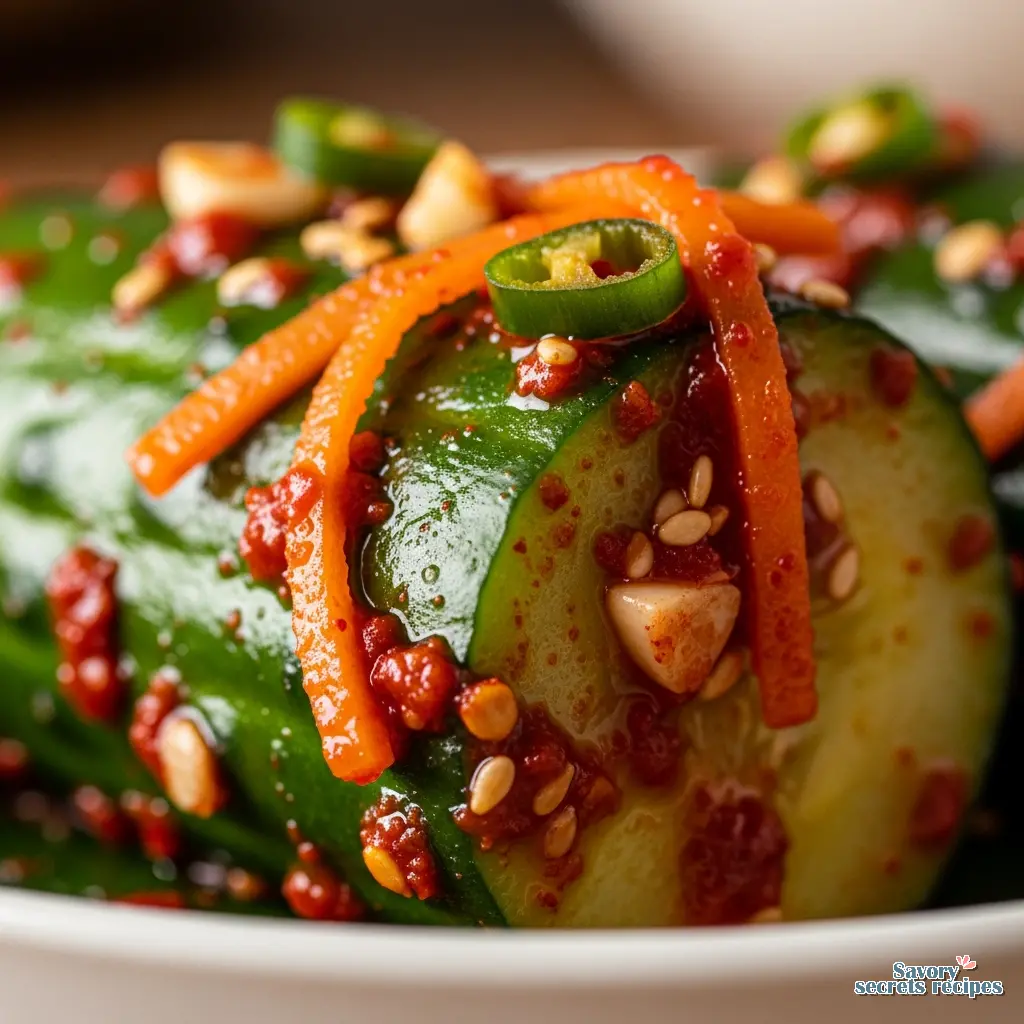
Vegetarian and Vegan Swaps
Traditional kimchi often uses fish sauce or salted shrimp (*saeujeot*) to provide that deep, savory umami punch. But I cook for a lot of friends with different dietary needs, and I’ve learned you can make an incredible vegan version that doesn’t feel like a compromise. If you need to skip the fish products, here is what I’d try: * **Soy Sauce + Miso:** Use an equal amount of soy sauce (or tamari for gluten-free) and add a teaspoon of white miso paste. The miso adds that fermented funk that you lose by skipping the shrimp. * **Coconut Aminos:** If you are avoiding soy, coconut aminos work, but they are sweeter. You might want to reduce the sugar or honey in the recipe slightly. * **Kelp Powder:** A pinch of kelp powder can mimic the taste of the sea without any fish. My daughter actually prefers the vegan version because it’s a little cleaner tasting. It depends on what you’re going for, but don’t feel like you’re breaking the rules by adapting. Cooking is about making it work for your table.Troubleshooting: Why is My Kimchi Mushy?
This is the most common question I get. You open the jar after two days and it’s lost its snap. It’s frustrating, right? Here is usually why that happens: 1. **You didn’t salt enough.** I mentioned this before, but it bears repeating. If you don’t draw the water out initially, it comes out later. 2. **It’s too warm.** Fermentation happens faster in warm weather. If your kitchen is 75°F, your kimchi will ferment in 12 hours. If you leave it out for 24 hours, it might over-ferment and get soft. In Los Angeles summers, I sometimes skip the counter time entirely and put it straight in the fridge. 3. **You used the wrong cucumber.** Seriously, those waxy slicing cucumbers turn to mush instantly. Stick to the Persian ones.Serving Suggestions
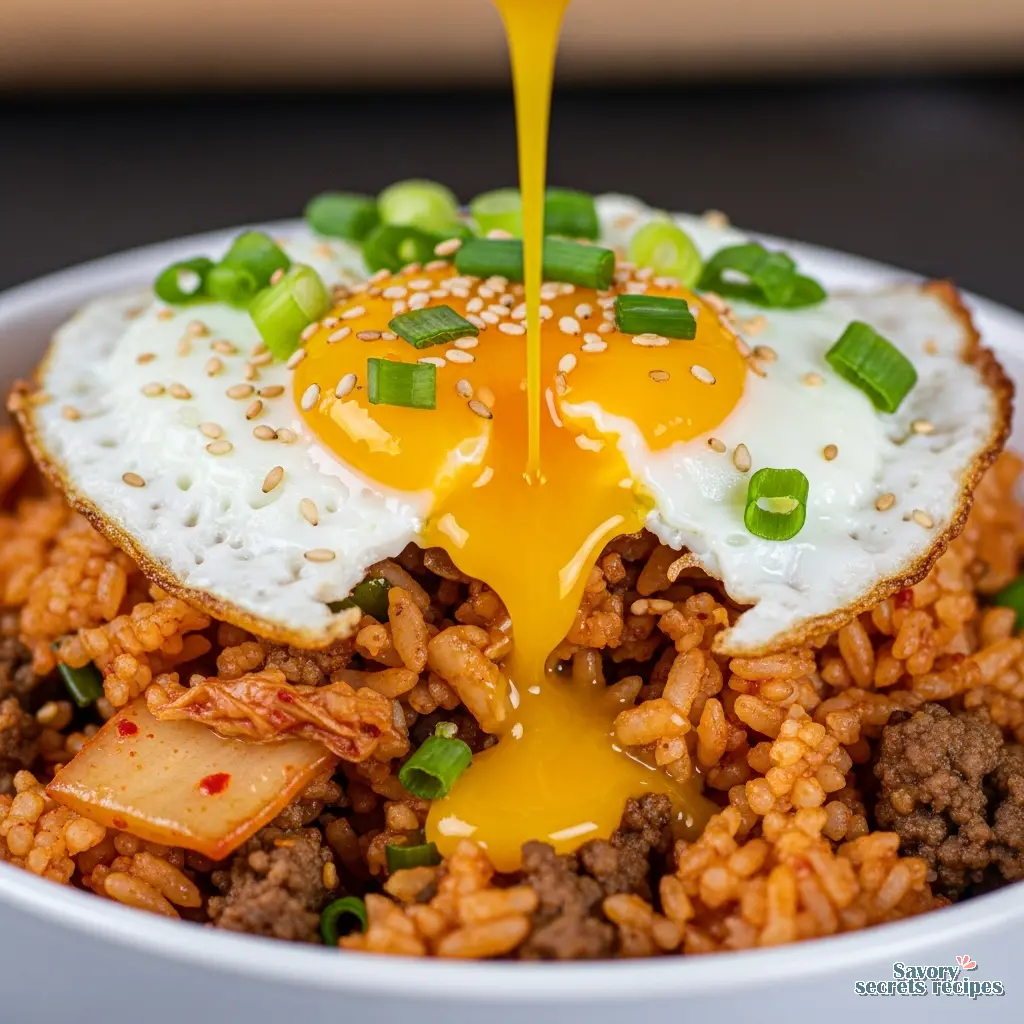
In Korea, this is a staple *banchan*, served alongside almost every meal. But in my Maryland kitchen, we get a little more creative. * **Rice Bowls:** I love adding this to a simple bowl of steamed rice with a fried egg. The cold, spicy cucumber cuts through the richness of the egg yolk perfectly. * **Tacos:** Hear me out. If you’re making Korean-style beef tacos or even just grilled chicken tacos, chop this kimchi up and use it like a salsa. It adds texture and acid. * **Grilled Meats:** This is the classic pairing. If you are grilling steak or pork belly (if you eat it), the refreshing crunch balances the fat.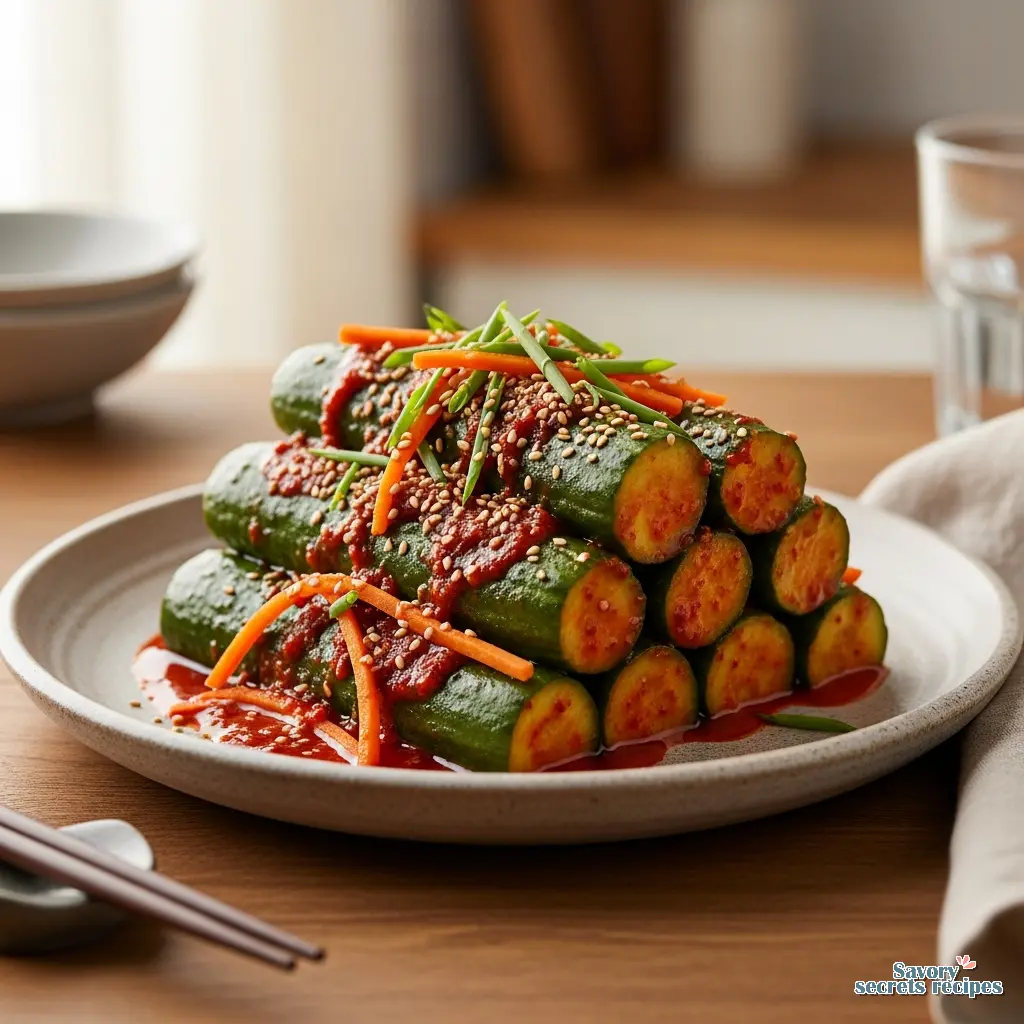
Storage: The 7-Day Rule
Unlike cabbage kimchi, which can last for months and gets funkier (in a good way) with age, cucumber kimchi is a sprinter, not a marathon runner. It is best eaten fresh. I recommend storing it in an airtight **glass container**. Plastic containers will stain red and smell like garlic forever. I learned that the hard way with my favorite Tupperware. Ideally, consume this within **7 days**. After a week, it’s still safe to eat, but the texture changes. It loses that satisfying snap and becomes softer. If you do find yourself with older, sour cucumber kimchi, don’t throw it out! It’s actually great chopped up and added to cold noodle soups or stir-fries where the texture matters less.Frequently Asked Questions
Ready to Try It?
When you finally mix that paste and toss the cucumbers, take a second to appreciate the smell. It’s pungent, spicy, and incredibly appetizing. Making the **best cucumber kimchi recipe** at home is one of those small culinary victories that feels bigger than it is. You’ve just unlocked a world of homemade fermentation, and honestly, you might never go back to the store-bought stuff again. I’d love to see how yours turns out. For more inspiration, check out my Pinterest boards where I save all my favorite fermentation experiments. Tag me if you make it I want to see if you went for the spicy version or kept it mild!Reference: Original Source
Can I make best cucumber kimchi recipe ahead of time?
You can, but it’s best eaten within a few days. I suggest making it 24 hours before you plan to serve it. This allows the flavors to meld and the garlic to mellow out without the cucumbers losing their signature crunch.
How do I store leftover best cucumber kimchi recipe?
Always use a glass jar with a tight seal. Plastic will absorb the garlic and chili odors permanently. Keep it in the coldest part of your fridge to slow down fermentation. It stays crisp for about 7 days.
Why is my cucumber kimchi bitter?
This usually comes from the cucumbers themselves. Sometimes the ends of cucumbers contain cucurbitacin, which causes bitterness. I always slice a tiny piece off the end and taste it before chopping the whole batch. If it’s bitter, rub the end against the cucumber to draw out the white foam, then rinse.
Can I use regular chili flakes instead of Gochugaru?
I wouldn’t recommend it. Regular pizza flakes are mostly seeds and dry heat, lacking the sweet, smoky, sun-dried flavor of Korean gochugaru. The texture will be wrong, and it will be aggressively spicy without the depth of flavor. It’s worth finding the real thing.
Do I have to ferment this outside the fridge?
No, and for cucumber kimchi, I often don’t. Since it’s a “quick kimchi,” you can put it straight into the refrigerator. Leaving it out for 12 to 24 hours will jump-start the sourness, but if you prefer a fresher, salad-like taste, skip the counter time.