



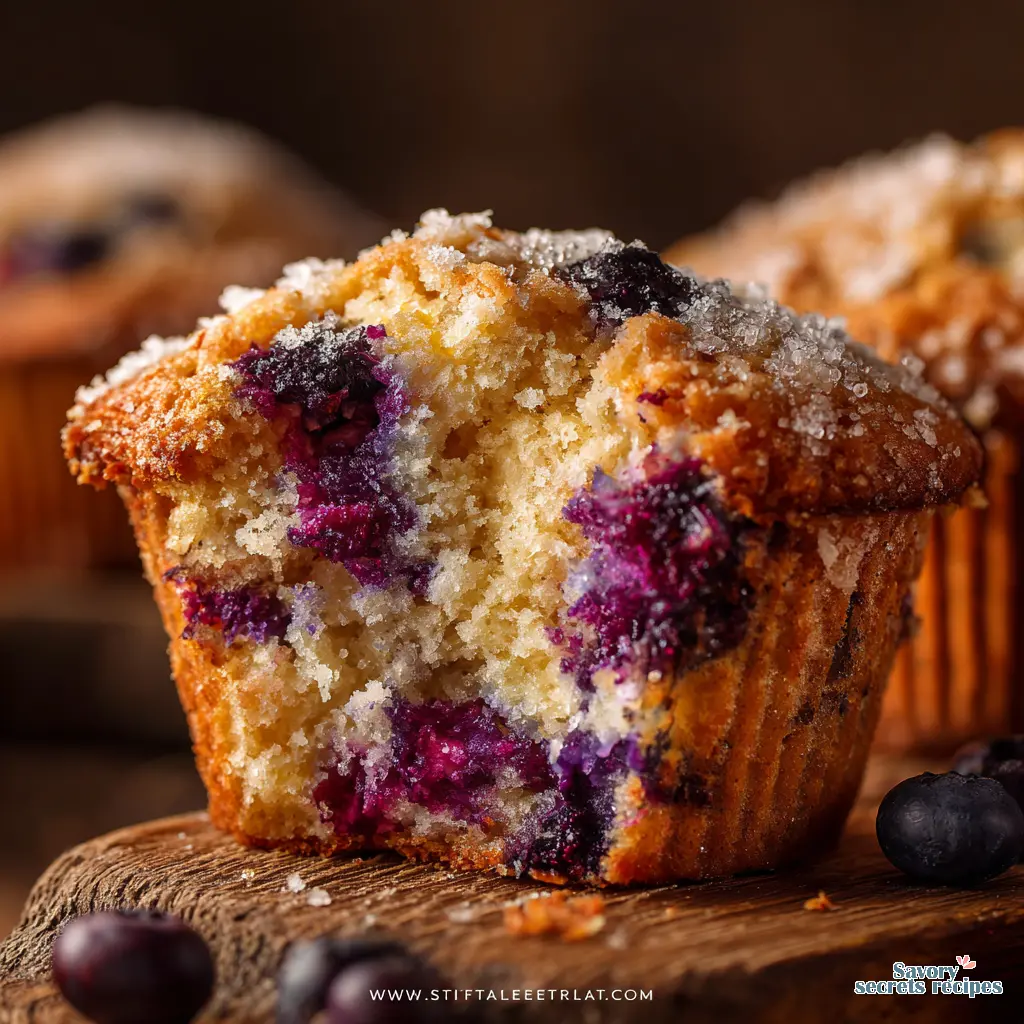
Bakery Style Big Muffin Recipe for Domed Blueberry Muffins
Ingredients
Method
- Preheat the oven to 425°F (218°C). Grease a jumbo 6-count muffin pan generously with butter or nonstick spray, or line with muffin liners, and set aside.
- Whisk the flour, baking powder, baking soda, salt, and optional cinnamon together in a large bowl, then set aside.
- Whisk the melted butter, oil, sugar, and eggs together until combined, then whisk in the sour cream, milk, and vanilla extract. Pour the wet ingredients into the dry ingredients and fold with a silicone spatula or wooden spoon until combined, using a whisk to remove any large lumps if necessary. Gently fold in the blueberries without overmixing.
- Divide the batter among the muffin cups, filling them to the top, and sprinkle with coarse sugar. Bake at 425°F for 5 minutes, then reduce the oven temperature to 350°F (177°C) and continue baking for 25-30 minutes until the tops are golden brown. Test for doneness by inserting a toothpick into the center of a muffin; it should come out clean.
- Cool the muffins in the pan for 10 minutes before serving.
- Store covered leftovers at room temperature for up to 5 days or in the refrigerator for up to 1 week. Freeze for up to 3 months and thaw in the refrigerator or on the counter.
Notes
Why Your Muffins Are Flat (And How to Fix It)
I remember standing on a stepstool in my Opa’s kitchen in Whitefish Bay, staring at the oven window. He was making his Sunday morning treats, and he had this specific way of checking the rise without ever opening the door. “Good browning takes patience, Jonas,” he’d say. I didn’t get it then. I just wanted the sugar on top.
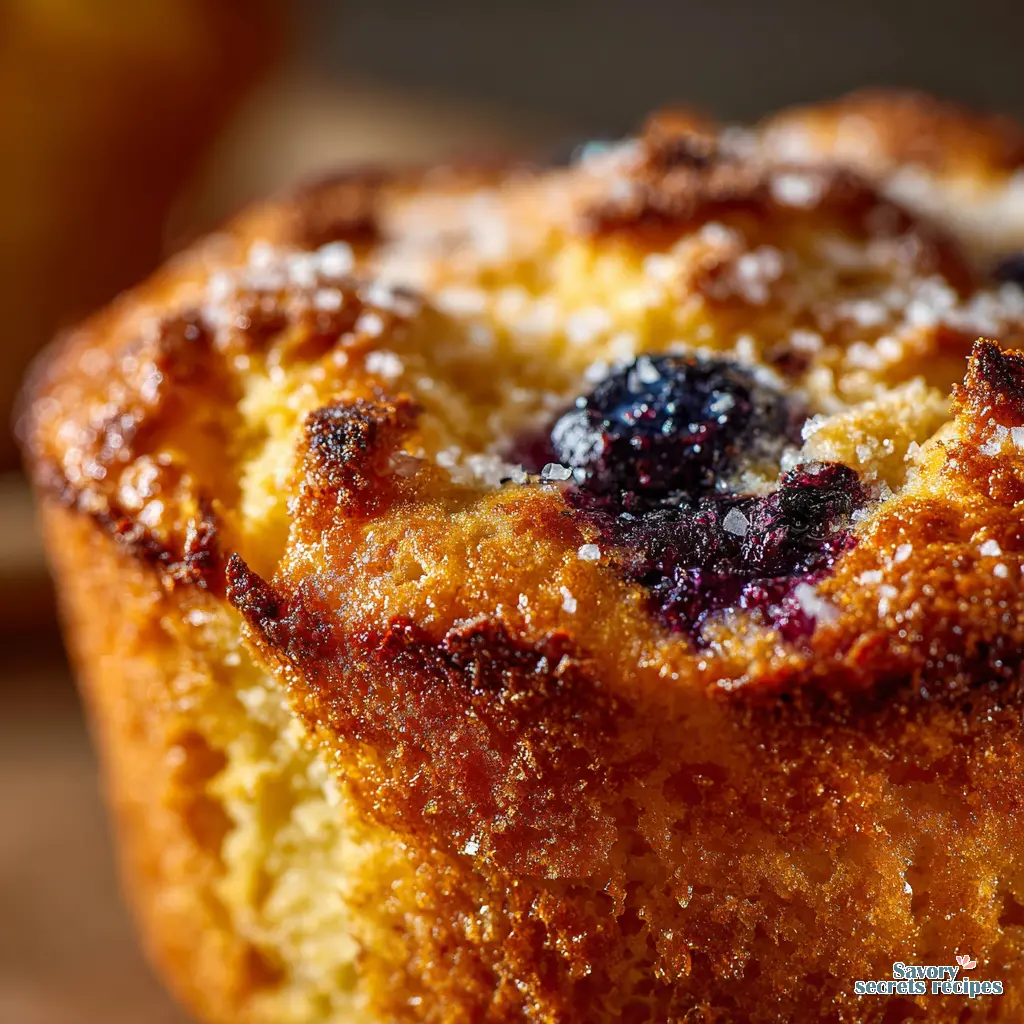
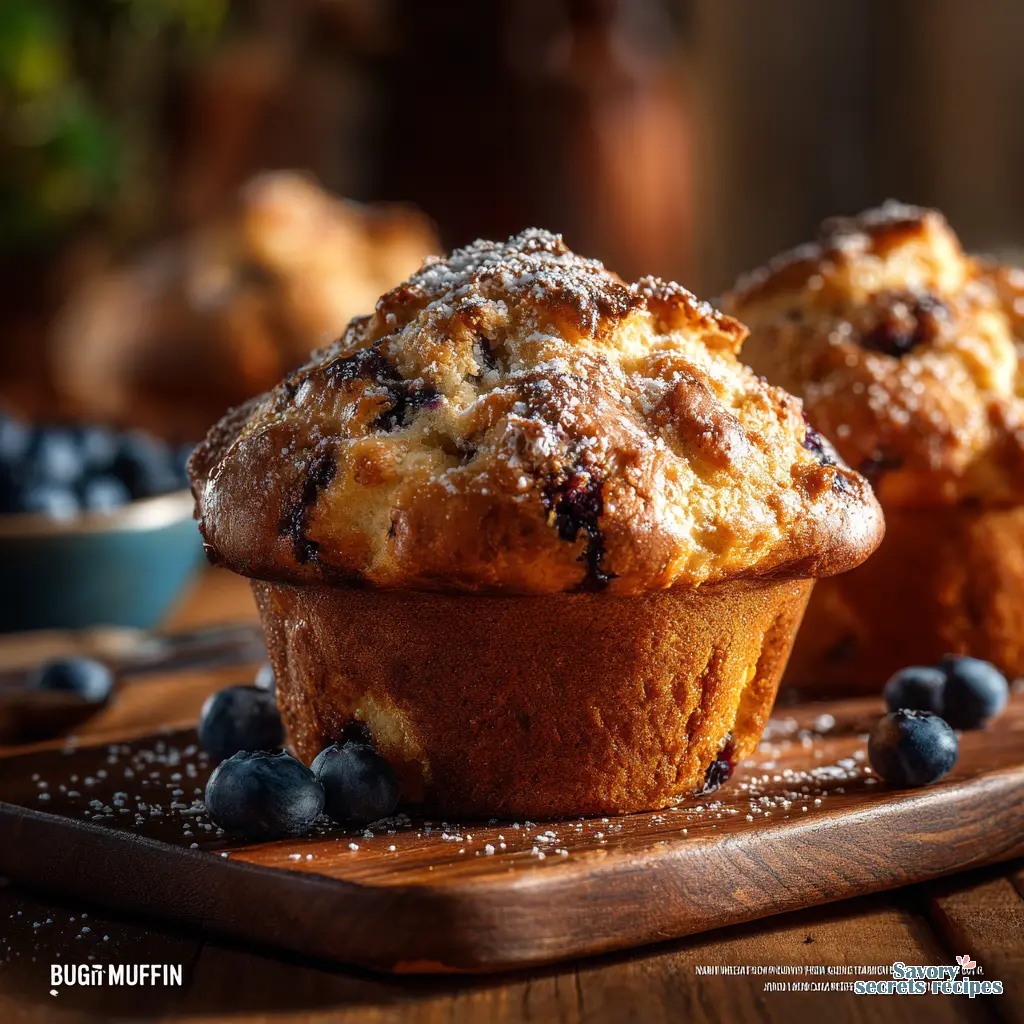
Fast forward thirty years, and I’ve tested enough muffin pans and convection ovens to understand what he was doing. Most home bakers are disappointed because their big muffin recipe results look like cupcakes. Flat. Sad. Lacking that towering, craggy dome that you see in bakery windows. You know the one I mean. It hangs over the edge just enough to be crunchy but stays soft in the middle.
The problem isn’t usually the ingredients. In my testing, it’s almost always the thermodynamics. A standard 350°F oven just doesn’t provide the initial thermal burst needed to activate the leavening agents rapidly enough. If you want that restaurant-quality lift, we need to change how we think about heat application. It’s not magic. It’s engineering.
The Two-Temperature Technique
This is the part that makes people nervous, but it’s the only way to get the height. Most recipes tell you to bake at a steady temperature. That tracks for cakes, where you want a flat top. But for a big muffin recipe, we want the opposite.
We start the oven at a scorching 425°F. When you put the batter in, that high heat hits the baking powder and soda immediately. It creates a rapid expansion of gas bubbles before the structure sets. It’s a “thermal spring” effect. You bake them at this high heat for exactly 5 minutes. This thermal spring effect is what creates a professional [banana muffin recipe] appearance.
Then, without opening the oven door (don’t even think about it), you drop the temperature to 350°F for the remainder of the bake. This allows the center to cook through without burning the exterior. If you open the door, you lose that heat energy, and your muffins will collapse. Trust the process. Let it do its work.
Batter Consistency: The “Scoopability” Test
If you pour your batter into the tin, you’ve already lost. A batter that pours will spread out, not up. To support a high dome, the batter needs structural integrity.
When I test stand mixers, I look for how the batter holds to the paddle. For this recipe, you want a batter that is thick, almost stiff. You should have to spoon it or use a trigger ice cream scoop to dislodge it into the pan. It shouldn’t settle flat on its own. This thickness, combined with the high heat, is what allows the muffin to climb.
In practice, this means measuring your flour correctly. I prefer a scale (450g is 450g), but if you use cups, use the “spoon and level” method. Dipping the cup into the bag packs the flour down, and you’ll end up with a dry brick instead of a moist muffin.
Equipment: Jumbo Pans vs. Standard Tins
To get a true big muffin recipe result, you really need a jumbo muffin tin. A standard tin holds about 1/3 to 1/2 cup of batter. A jumbo tin holds nearly a full cup. That volume is crucial for the moisture-to-crust ratio we’re looking for.
However, if you only have a standard tin, you can still use this batter. Just know that the baking time will drop significantly (check around 15-18 minutes total). But here is a trick I learned from testing oven hotspots: space them out.
The “Every Other Cup” Method:
If you are using a standard tin to make taller muffins, only fill every other cup. This allows the hot air to circulate fully around each muffin, mimicking the heat distribution of a professional convection oven. It helps the tops crisp up and rise higher because they aren’t fighting for heat with a neighbor.
Ingredient Science: Why Room Temperature Matters
I know it’s annoying to wait for butter and eggs to warm up. I’m impatient too. But in my testing, cold ingredients are the enemy of a good emulsion. When you beat cold eggs into creamed butter, the fat seizes up. You get a curdled looking batter that doesn’t trap air efficiently.
Room temperature ingredients blend into a smooth, velvety emulsion that traps thousands of tiny air bubbles. These bubbles expand in the oven. If you start with a dense, cold batter, you’re fighting gravity with one hand tied behind your back.
Substitutions that Work:
This recipe calls for sour cream or buttermilk. The acid is non-negotiable it reacts with the baking soda for lift. If you don’t have them, plain Greek yogurt (full fat) is a solid swap. I’ve also used whole milk with a tablespoon of vinegar in a pinch. It’s not perfect, but it gets the job done.
Troubleshooting: Common Failures
Even with the best tools, things go wrong. Here is what the data says about common muffin failures.
Problem: The muffins sank in the middle.
Solution: You likely opened the oven door too early to check them. The structure wasn’t set, and the cool air caused the gas cells to collapse. Or, your baking powder is expired. I replace mine every 6 months, regardless of the date on the can.
Problem: The texture is tough and rubbery.
Solution: Overmixing. Once you add the flour, the clock starts ticking on gluten development. You should mix just until the flour streaks disappear. If you keep beating it like a cake batter, you’ll end up with bread. Use a spatula, not a mixer, for the final fold.
Problem: Soggy bottoms.
Solution: This is condensation. If you leave the muffins in the hot pan for too long, the steam trapped underneath turns back into water. Let them cool in the pan for 5 minutes no more then get them onto a wire rack. The tool should disappear in your hand, and the rack is a tool for airflow.
Variations & Customization
The base of this big muffin recipe is a blank canvas. I usually stick to blueberry because it’s classic, but the physics work for other add-ins. Using this high-heat method will transform any [blueberry muffin recipe] into a bakery-style treat.
Chocolate Chip: Toss the chips in a teaspoon of flour before folding them in. This friction helps prevent them from sinking to the bottom of the batter. It’s a small step that makes a difference.
Lemon Poppyseed: Rub lemon zest into the sugar with your fingers before creaming the butter. It releases the oils better than just stirring it in. Add 2 tablespoons of poppyseeds with the flour.
Streusel Topping: If you want that coffee-shop crumble, mix cold butter, flour, and brown sugar until it looks like wet sand. Pile it on. Don’t be shy. As the muffin rises, the surface area increases, so you need more topping than you think.
Storage & Reheating: Freshness Maintenance
My wife hates when I leave baked goods on the counter uncovered. She’s right, of course. Air is the enemy of moisture. These muffins stay fresh at room temperature for about 2-3 days if kept in an airtight container. I put a paper towel in the bottom of the container to absorb excess moisture so the tops don’t get sticky.
Freezing:
These freeze incredibly well. Wrap them individually in plastic wrap, then place them in a freezer bag. They’ll last 3 months. It’s worth noting that this is a great way to have a quick breakfast ready for busy mornings.
Reheating:
To bring back that “fresh-baked” texture, don’t just microwave them. The microwave makes the crust soggy. Thaw the muffin, then pop it in a 350°F oven (or toaster oven) for 5-8 minutes. The crust will crisp back up, and the inside will be warm. It’s a small effort for a much better result.
Frequently Asked Questions
Final Thoughts
Making a bakery-style muffin at home isn’t about having a secret ingredient. It’s about respecting the process. The temperature shift, the room temperature ingredients, the gentle folding these are the details that separate a good bake from a great one. When you pull these out of the oven and see those high, golden domes, prepare for your family to ask which bakery you stopped at.
Give this method a shot this weekend. It’s a small luxury that makes a Sunday morning feel a lot more intentional. And if you try different flavor combinations, let me know how they turn out. I’m always curious to see how the formula holds up with different variables.
For more inspiration, check out my Pinterest boards where I collect recipes that actually work.
Reference: Original Source
Why is everything at room temperature?
Cold ingredients don’t emulsify well. Room temperature butter and eggs blend into a smooth mixture that traps air bubbles. This trapped air expands in the heat, giving you a better rise and fluffier texture. It’s chemistry, plain and simple.
Do I have to add blueberries?
Not at all. The base batter is solid. You can swap in chocolate chips, nuts, or other fruits. Just keep the volume of mix-ins similar (about 1.5 to 2 cups) so you don’t mess up the batter-to-fruit ratio.
Why do you do 2 temperatures?
The initial blast at 425°F creates a “thermal spring,” forcing the batter to rise rapidly and set the dome structure. Dropping to 350°F ensures the inside cooks thoroughly without burning the outside. It’s the secret to the bakery look.
Can I make these in a regular muffin tin?
Yes, but adjust your expectations and timing. They will bake faster (check at 15 minutes). For taller tops in a standard tin, fill every other cup to allow better heat circulation around each muffin.
I have extra streusel leftover! What do I do?
Freeze it. Put it in a ziplock bag and toss it in the freezer. It keeps for months. Next time you make muffins or a quick coffee cake, you’re already halfway there. Clean as you go or regret it later.
What kind of blueberries should I use?
Fresh is best for texture, as they don’t bleed as much. Frozen works fine, but do not thaw them first, or your batter will turn gray. Rinse frozen berries in cold water until the water runs light purple, then dry well.
How to keep berries from sinking to bottom?
The thick batter in this recipe helps suspend them naturally. For extra insurance, toss the berries in a teaspoon of flour before folding them in. The friction helps them grip the batter rather than sliding down.
When are blueberry muffins done?
Use a toothpick test. Insert it into the center of a muffin. It should come out with a few moist crumbs attached, not wet batter. If it’s clean, they might be slightly overbaked. If it’s wet, give them 2 more minutes.
What temperature is best to bake muffins?
For high domes, start at 425°F for 5 minutes, then reduce to 350°F. If you want flat tops (like for cupcakes), stick to a steady 350°F. But for this big muffin recipe, the two-temp method is superior.
How do you prepare blueberries for muffins?
Wash and dry fresh berries thoroughly. Wet berries add excess liquid to the batter. Pick out any stems or mushy ones. For frozen, keep them frozen until the very last second before mixing.
Is butter or oil best for baking muffins?
Butter gives flavor; oil gives moisture. This recipe uses both (or relies on the fat from sour cream/butter combo) to get the best of both worlds. Using only butter can lead to dry muffins the next day.