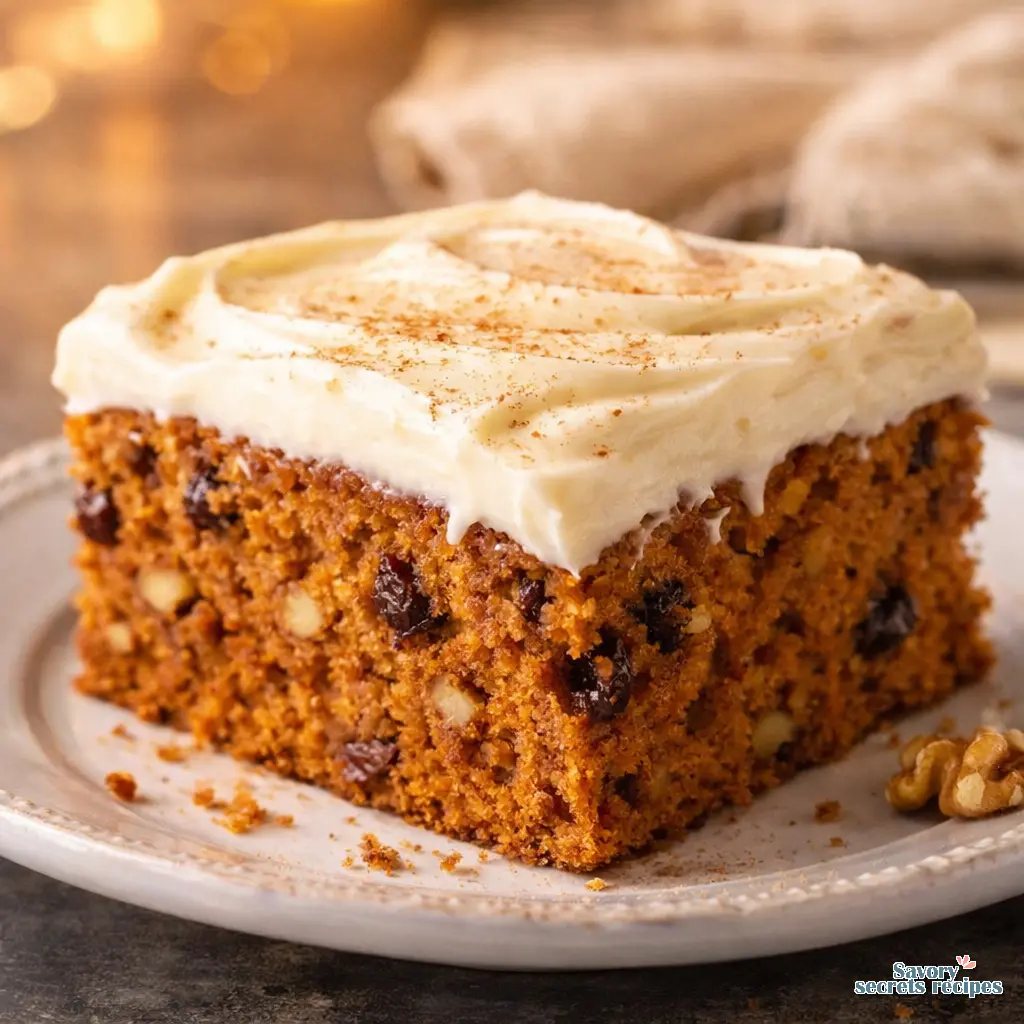




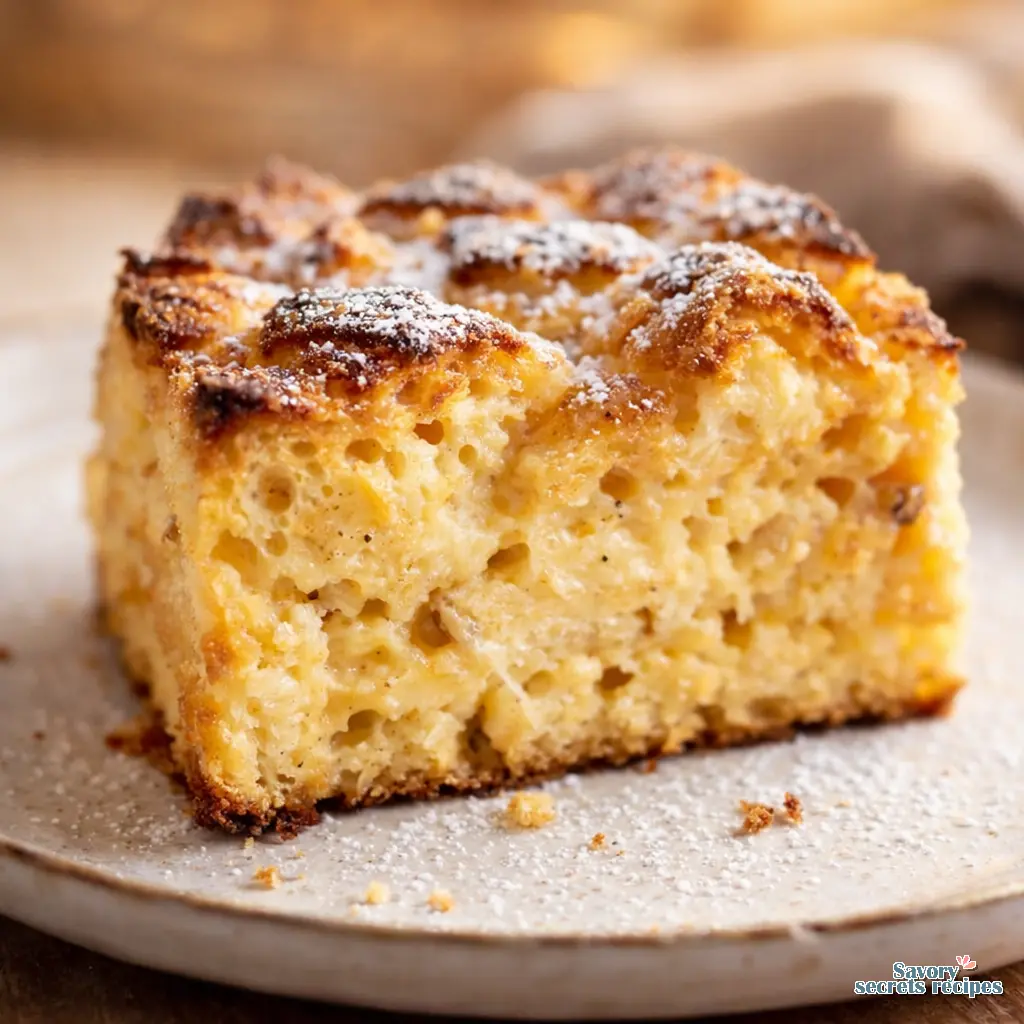
Rich Brioche Bread Pudding Recipe
Ingredients
Method
- Preheat oven to 350°F (180°C).
- Grease a 9x13-inch (23x33cm) oval baking dish with butter.
- Cut brioche into 1-inch (3cm) cubes and place them in the baking dish.
- Whisk eggs, milk, sugar, cinnamon, vanilla, and salt in a large bowl or use an electric mixer until combined.
- Pour custard over brioche cubes and toss gently to coat. Press cubes down slightly to aid absorption, ensuring they are mostly submerged with tips exposed for crisping.
- Bake for approximately 40 minutes until the top is golden and crispy and the custard is set, ensuring the center does not jiggle and reaches 160°F (71°C).
- Serve and enjoy.
Nutrition
Notes
- Instead of brioche, you can use challah, or other leftover white bread. Your brioche bread should be stale and dry. If you don’t have stale brioche bread you can cut it into cubes and toast in the oven to dry it out, then pour over the custard and bake again.
- If your pudding is starting to brown too much, cover it loosely with a piece of aluminum foil.
- If you’re using plain brioche (I used my cranberry orange brioche for this recipe), you can add 1/2 cup of dried cranberries or raisins and 1 tablespoon of orange zest to this recipe. Fresh blueberries, chopped nuts, or chocolate chips/chopped chocolate would also be a lovely addition.
- Calories = 1 serving (1/6 of the recipe). This is only an estimate!
The Ultimate Comfort Dessert
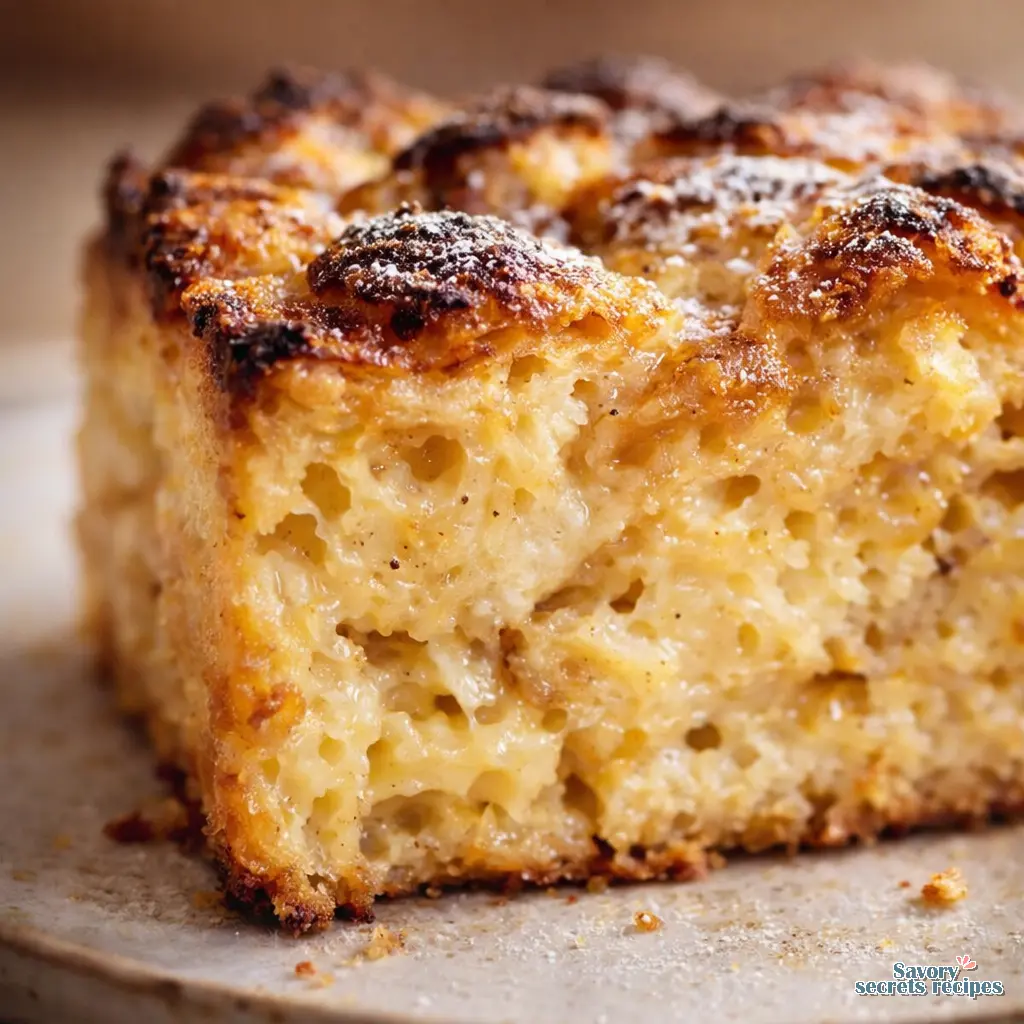
Look, I’ll be honest with you. Standard white bread is perfectly fine if you’re throwing together a quick, casual dessert. But if we’re talking about creating a truly decadent, gourmet experience, brioche is the undisputed queen of the kitchen. I’ve been testing this brioche bread pudding recipe for months to get the ratios exactly right. The data suggests that the high fat content in the dough completely changes the final texture. It’s not really a basic casserole. Well, it is, but it eats like a five-star dessert.
I remember standing on a step stool in Babcia’s kitchen back in Milwaukee, watching her measure ingredients. She told me her mother taught her that you trust your hands, but you verify with your tools. I still think about that every time I measure out a custard base. You want that specific golden-yellow hue, the pillowy center, and those perfectly caramelized edges. The buttery aroma in the kitchen when this bakes is absolutely incredible. It smells exactly like a French bakery at dawn.
If you’re looking for a brioche bread pudding recipe that actually works the first time, you’re in the right place. I know this sounds a bit technical, but understanding the biology of your ingredients makes all the difference. Let’s build something beautiful together.
The Science Behind This brioche bread pudding recipe
Baking is active chemistry, not magic. The biggest mistake I see people make with any bread pudding is using fresh, squishy bread. I mean, you could skip the drying process, but you’ll end up with a soggy, dense brick. We want a pillowy, airy texture. For this brioche bread pudding recipe, we rely on a process called starch retrogradation.
When bread goes stale, the starch molecules crystallize and push out moisture. This creates a rigid, dry sponge that is absolutely desperate to soak up our rich custard base. If your bread is fresh, it can’t absorb the liquid properly. Just to be safe, I always recommend using a loaf that is at least one or two days old.
If you forgot to leave your bread out, don’t panic. You can force the staling process. Simply cube your brioche and toast it in the oven at 350°F for 10 to 15 minutes to dry it out. You’ll know it’s ready when the edges feel rough and dry to the touch. That tracks with what I’ve seen in all my test batches. Better to err on the side of caution and dry it out thoroughly rather than risk a mushy dessert.
Why Brioche Makes the Best Bread Pudding
I occasionally doubt whether my approach is too technical for a general audience, but I firmly believe you need to know why ingredients behave the way they do. Brioche is an enriched dough. This means it’s packed with butter and egg yolks, unlike a standard water-and-flour baguette. That extra fat translates to a melt-in-your-mouth tenderness.
When you use a high-quality brioche loaf for your brioche bread pudding recipe, you’re building a foundation of flavor before you even add the custard. The butter in the bread melts into the milk and eggs, creating a truly decadent profile. I’d probably want to test your local bakery’s loaf first, but store-bought works wonderfully too. Challah is a fantastic substitute if you can’t find brioche, as it shares that similar enriched, pillowy structure.
I suggest treating yourself to a premium butter for greasing the pan, like Kerrygold or a cultured European butter. The fat content is higher, and it helps achieve that beautiful caramelization on the bottom and sides of the baking dish. That’s a textbook bake right there.
Temperature Targets and Pan Selection
I learned about precision tools the hard way. For years, I relied entirely on the jiggle test to see if my custards were done. Then I started using an instant-read thermometer, and it changed everything. I’m hesitant to say definitively without more data, but I believe an internal temperature of 160°F is the absolute sweet spot for this brioche bread pudding recipe. At 160°F, the egg yolks coagulate perfectly, giving you a safe, creamy texture without turning rubbery.
You also need to consider your baking dish. Glass and ceramic pans heat up slowly and hold onto that heat, which is perfect for gentle custard baking. Metal pans heat up very quickly, which can overcook the edges before the center sets. If you must use a metal pan, I’d want to verify your oven temperature with a secondary thermometer and start checking for doneness 10 minutes early.
Always grease your baking dish thoroughly. I mean, who wants to scrub baked-on custard for twenty minutes? And if you notice the top browning too quickly while the center is still raw, just cover the dish loosely with aluminum foil. It’s a simple trick, but it saves the whole dessert.
Customizable Variations and Substitutions
I prefer working with classic flavor profiles, but this brioche bread pudding recipe is incredibly versatile. Once you master the basic custard base, you can adjust the mix-ins based on the season or your pantry staples.
For a citrus note, add one tablespoon of fresh orange zest to the sugar. If you’re hosting a winter brunch, mixing in half a cup of dried cranberries or tart cherries provides a beautiful contrast to the sweet custard. You can also fold in dark chocolate chunks. The slight bitterness of the chocolate cuts right through the rich bread pudding.
If you need a dairy-free version, the data suggests that full-fat canned coconut milk is the best substitute for whole milk. It provides the necessary fat content to keep the pudding rich. You can swap the butter for a high-quality vegan butter block. Just remember to check your labels to ensure your brioche loaf is also dairy-free, as traditional brioche relies heavily on butter.
Common Mistakes & Fixes
Mistake: Using fresh, soft bread.
Solution: This leads to a soggy, mushy texture. Always use bread that is at least one day old, or toast fresh cubes in the oven at 350°F for 10-15 minutes until dry.
Mistake: The center is runny but the top is burnt.
Solution: You likely baked it uncovered in a hot spot. Cover the dish loosely with aluminum foil if the top browns too quickly, and trust a thermometer to hit 160°F in the center.
Mistake: The pudding turned out dense and rubbery.
Solution: Overbaking causes the custard to lose its creamy texture. Start testing for doneness 10 minutes before the timer ends. The center should still have a slight wobble.
Mistake: The pudding stuck entirely to the pan.
Solution: Forgetting to grease the pan is a nightmare for cleanup. Grease the baking dish thoroughly with butter before adding your bread cubes.
Storage and Reheating Your brioche bread pudding recipe
There’s something deeply satisfying about a well-organized fridge setup. If you have leftovers of this brioche bread pudding recipe, let the dish cool completely to room temperature first. This prevents condensation from forming and ruining your beautiful, crispy crust.
Store the leftovers in an airtight container in the refrigerator for up to 5 days. If you want to keep it longer, you can freeze it for up to 3 months. I recommend wrapping individual slices tightly in plastic wrap, then placing them in a freezer-safe bag. This makes it incredibly easy to pull out a single portion for a quick weekday dessert or a decadent breakfast.
When it’s time to reheat, skip the microwave if you want to keep that crust intact. The microwave makes the bread rubbery. Instead, place your portions in a 350°F oven for 10 to 15 minutes until heated through. If you’re reheating straight from the freezer, you’ll need to increase that time slightly. Just cover it with foil so the top doesn’t burn while the center warms up.
Frequently Asked Questions
Ready to Bake?
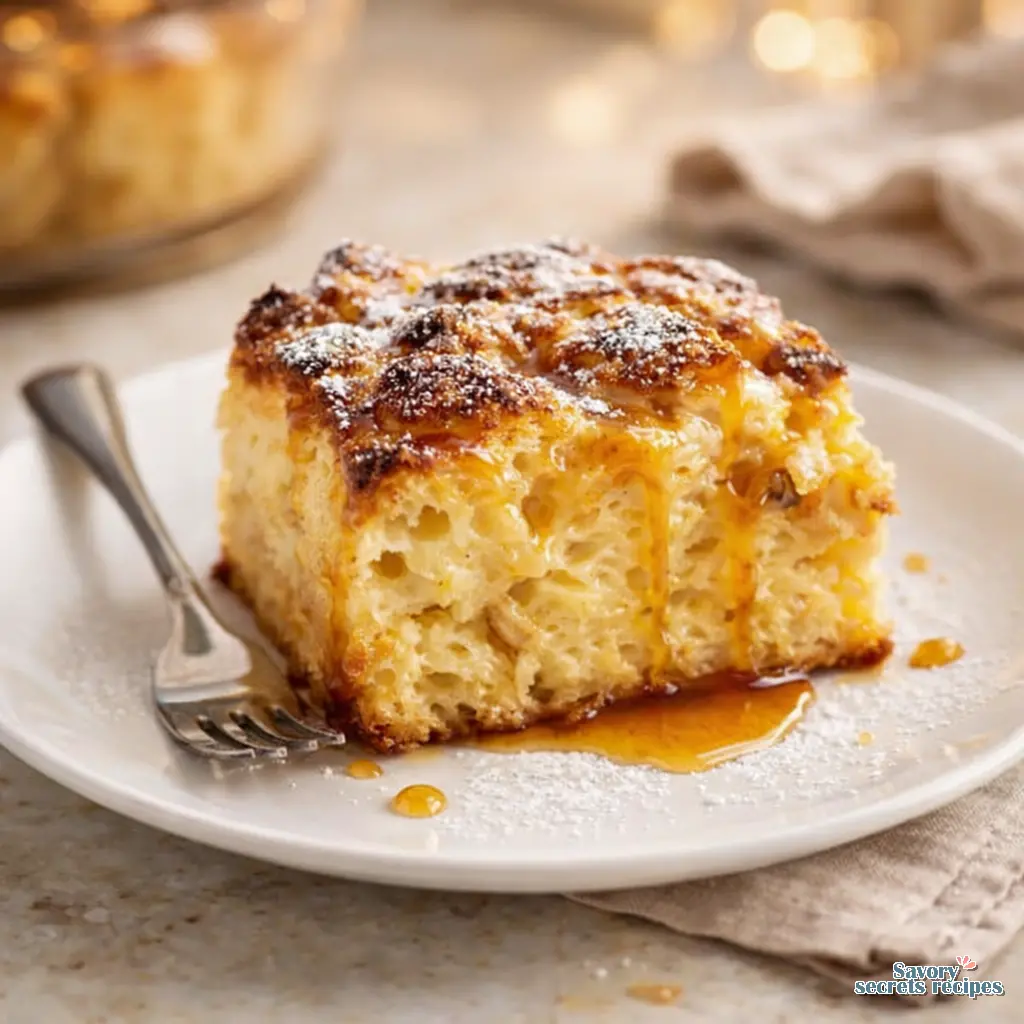
I genuinely love the moment when you pull this out of the oven and the smell is exactly right. It never gets old. That’s the smell of proper techniques working the way they should. Even if your first attempt isn’t flawless, it’s still going to taste incredible. A final dusting of powdered sugar or a drizzle of maple syrup hides a multitude of sins.
I hope you try this brioche bread pudding recipe the next time you have a spare loaf lying around. It’s a wonderful way to practice your baking precision while yielding a deeply comforting result. You’ve got this. For more inspiration, check out my Pinterest boards where I save all my favorite seasonal baking and preserving projects.
Reference: Original Source
Can I make this brioche bread pudding recipe ahead of time?
Yes, absolutely. You can assemble the entire unbaked pudding, cover it tightly, and store it in the refrigerator for up to 24 hours. This actually gives the brioche more time to absorb the custard base, resulting in a deeply flavorful and tender bake.
Why did my bread pudding turn out wet despite long baking?
This usually happens if you used fresh bread instead of stale bread. Fresh bread can’t absorb the custard, leaving pools of liquid in the pan. Let me double-check that you dried your bread cubes thoroughly in the oven before assembling the dish.
What should I do if the center is still runny after baking?
If the center is runny but the top is browning, cover the dish loosely with aluminum foil and continue baking. I recommend using an instant-read thermometer to check the center. You want it to hit exactly 160°F for a perfectly safe, set custard.
Can I use a different bread besides brioche for this recipe?
You certainly can. While this brioche bread pudding recipe is designed for enriched dough, challah is the best direct substitute. You can also use stale croissants or a sturdy French loaf, though the final texture won’t be quite as rich and pillowy as brioche.
Can I freeze this brioche bread pudding recipe after baking?
Yes, it freezes beautifully. Let the pudding cool completely, slice it into individual portions, wrap them tightly in plastic wrap, and store in a freezer bag for up to 3 months. Reheat in a 350°F oven until warmed through for the best texture.