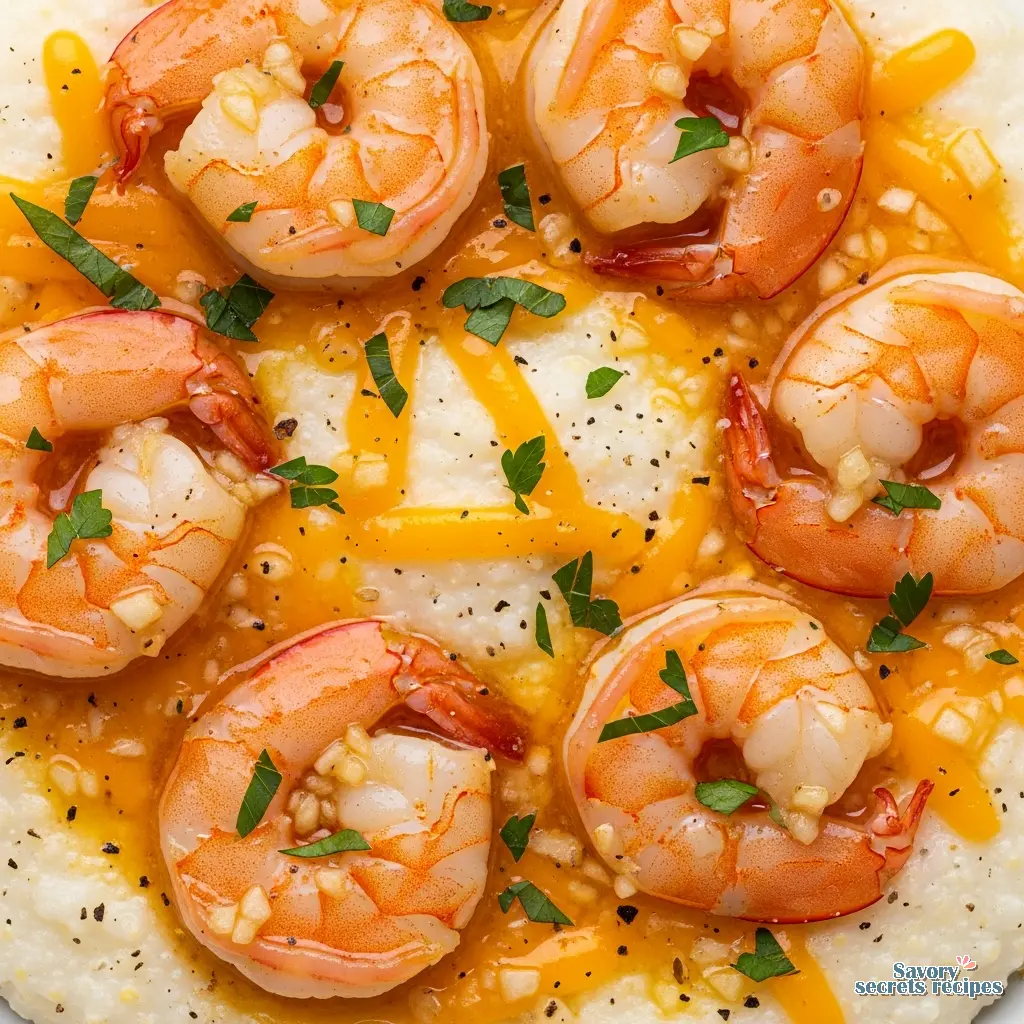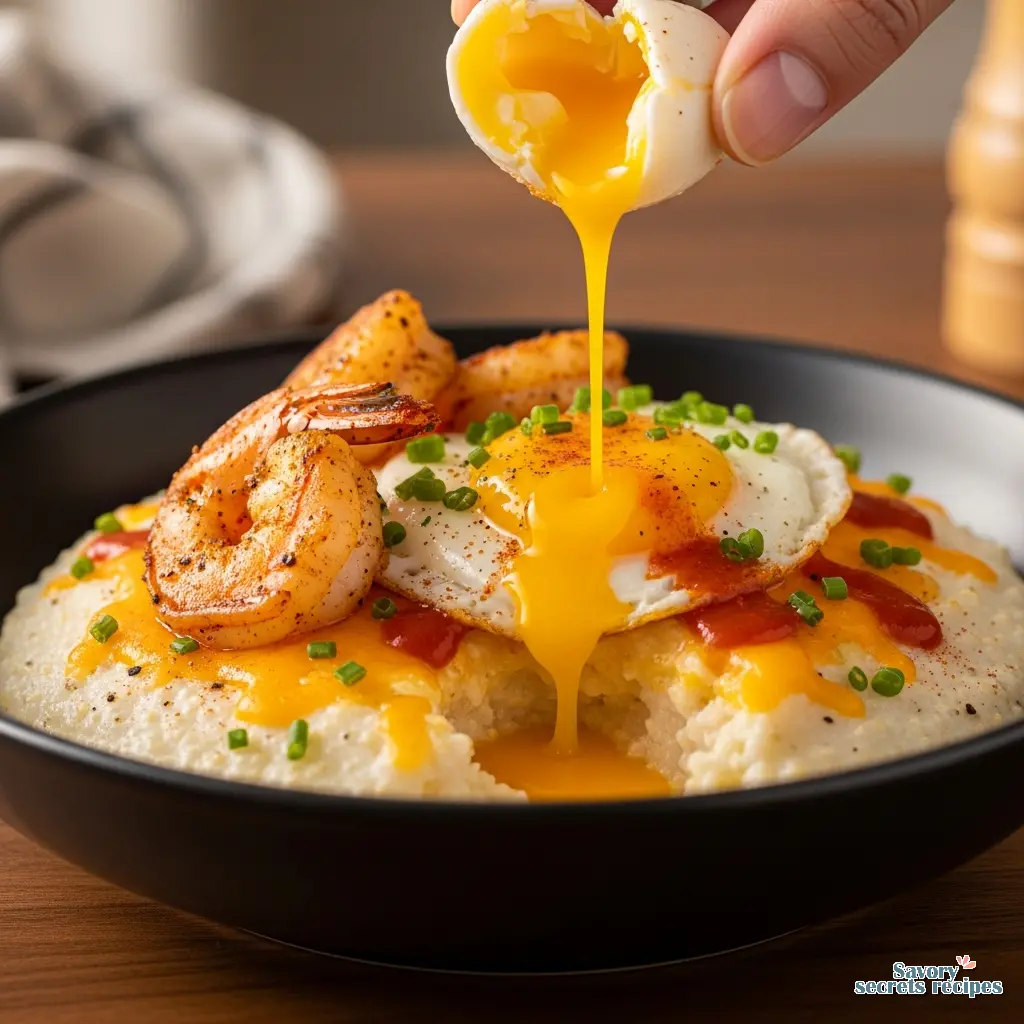




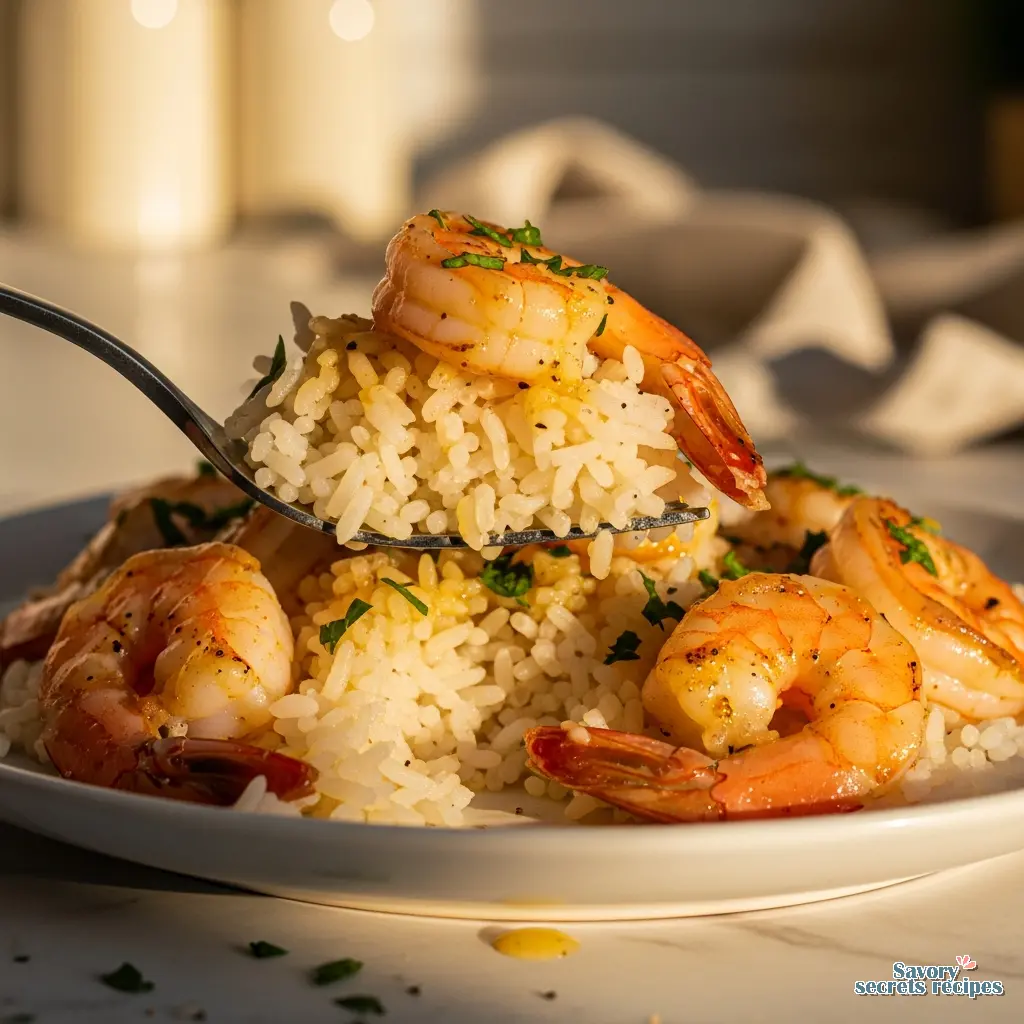
Easy Garlic Shrimp and Rice Recipe
Ingredients
Method
- Prepare the rice according to the package instructions.
- Melt the butter in a large skillet over medium heat. Add the garlic and cook for 2 to 3 minutes, stirring frequently until lightly browned, ensuring the garlic does not burn.
- Stir in the shrimp and cook for 2 minutes or until pink, stirring frequently. Add the cooked rice to the skillet and mix until well combined.
- Add the parmesan cheese, milk, parsley, salt, and pepper. Stir for 1 to 2 minutes until the mixture is creamy and heated through.
- Remove from heat. Garnish with parmesan cheese and fresh parsley, then serve.
Nutrition
Notes
- Use fresh, good-quality shrimp for the best flavor. If possible, buy them already peeled and deveined to save time. If you’re using frozen shrimp, thaw them properly before cooking.
- Cooking the shrimp: Shrimp cook quickly, usually in just a few minutes. Overcooking can make them rubbery, so keep a close eye on them. They’re done when they turn pink and opaque.
- Making the garlic butter: Be careful not to burn the garlic when making the garlic butter. Burned garlic has a bitter taste that can overpower the dish.
- You can add scallops or chunks of white fish to the dish for more variety.
- If you prefer, you could serve the shrimp over quinoa, couscous, or even pasta instead of rice.
- If you like heat, add a pinch of red pepper flakes or a dash of cayenne pepper to the garlic butter.
The 5 PM Panic and the One-Pan Solution
It’s 5:30 PM on a Tuesday. The workday is technically over, but my brain is still processing emails, and the kitchen is staring at me. I’ve been there. We all have. You want something that tastes like a reward, not a chore. You want that specific comfort of butter and garlic hitting a hot pan, but you have exactly zero energy for a sink full of dishes.
This is where butter garlic shrimp rice saves the evening. It’s not just a quick weeknight dinner. It is a complete sensory reset. I remember coming home after long days at the docks, smelling like saltwater and diesel, needing something that felt clean but substantial. This dish hits that balance perfectly. It’s fast enough that you won’t order takeout, but it feels intentional. Like you cooked on purpose.
The beauty here is the efficiency. We aren’t boiling rice in a separate pot while sautéing shrimp in another. We are building flavor in layers in a single skillet. The rice drinks up the garlic butter sauce. The shrimp steam gently on top. By the time you pour a glass of something cold, dinner is ready. Let’s get into how to make this simple butter garlic shrimp rice taste like it came from a restaurant kitchen.
Why This Recipe Works (Beyond Just Speed)
Speed is great, but flavor is the currency we trade in. Most shrimp and rice recipes fail because they treat the ingredients as strangers. They cook the rice in water (bland) and the shrimp in a pan (tasty), then toss them together at the end. That’s a missed opportunity. From what I’ve seen in testing, the difference-maker is cooking the rice in the aromatics.
When you toast the uncooked rice grains in the garlic-infused butter before adding the liquid, you create a barrier. This prevents the rice from becoming mushy and locks in that nutty, toasted flavor. It’s a technique similar to making risotto or pilaf, but without the constant stirring. I tend to think of it as “shortcut risotto” for busy parents. For those mindful of their diet, you may also want to consider [is shrimp and grits healthy] when choosing between different seafood-based comfort meals.
Also, we are using the shrimp shells (if you peel them yourself) or just the shrimp juices to flavor the rice. It’s a closed loop of flavor. Nothing gets wasted. That’s the detail that matters. The lemon juice at the end cuts through the richness of the butter, brightening everything up so it doesn’t feel heavy. It’s balanced.
The Science of the ‘C’ Shape: Perfect Shrimp Every Time
Let’s talk about the protein. Shrimp are unforgiving. They go from raw to rubber in about forty-five seconds. I learned this the hard way years ago when I ruined a batch of spot prawns my daughter was actually excited to eat. She took one bite, said it was “bouncy,” and refused the rest. Expensive lesson.
You’re looking for that just-opaque center. Visually, use the alphabet rule.
If the shrimp curls into a loose “C” shape, it’s Cooked. Perfect.
If it curls into a tight “O” shape, it’s Overcooked. Rubber.
To get this right, we don’t just throw cold shrimp into a hot pan. That lowers the pan temperature too fast and you end up boiling them in their own juice instead of searing them. I recommend thawing frozen shrimp completely. Run them under cold water for 10 to 15 minutes if you’re in a rush. Then and this is critical pat them dry. I mean really dry. Use paper towels and get every bit of moisture off. Moisture is the enemy of the sear.
I usually season the shrimp directly before they hit the pan. Salt draws out moisture, so if you salt them ten minutes early, they’ll sweat and steam. Salt them, sear them, flip them, get them out. They will finish cooking with the residual heat of the rice later. Trust the texture more than the clock.
The Garlic Strategy: Avoiding the Bitter Burn
Garlic is the soul of this butter garlic shrimp rice, but it has a temper. Burnt garlic is bitter and acrid, and it will ruin the entire pot of rice. You can’t fix it once it happens. I’ve seen people throw garlic into smoking hot oil and wonder why it tastes bad. Garlic needs a gentle hand.
Here is my approach. Start with the butter and a splash of olive oil. The oil stops the butter solids from burning too quickly. Add the garlic when the butter is foaming, not smoking. You want to smell it that heavenly smell that brings the kids into the kitchen but you don’t want to see dark brown edges yet. It should be pale gold.
Also, please use fresh cloves. I know the jar of minced garlic is convenient. I get it. But jarred garlic is preserved in citric acid or phosphoric acid, which gives it a sour, metallic taste that clashes with the sweet shrimp. Taking two minutes to mince fresh cloves is worth it. If you hate chopping, use a microplane or a press. Just keep it fresh. Generally speaking, the smaller you chop it, the stronger the flavor, but the faster it burns. A rough mince is safer for a high-heat sear.
Texture Masterclass: Rice That Isn’t Gummy
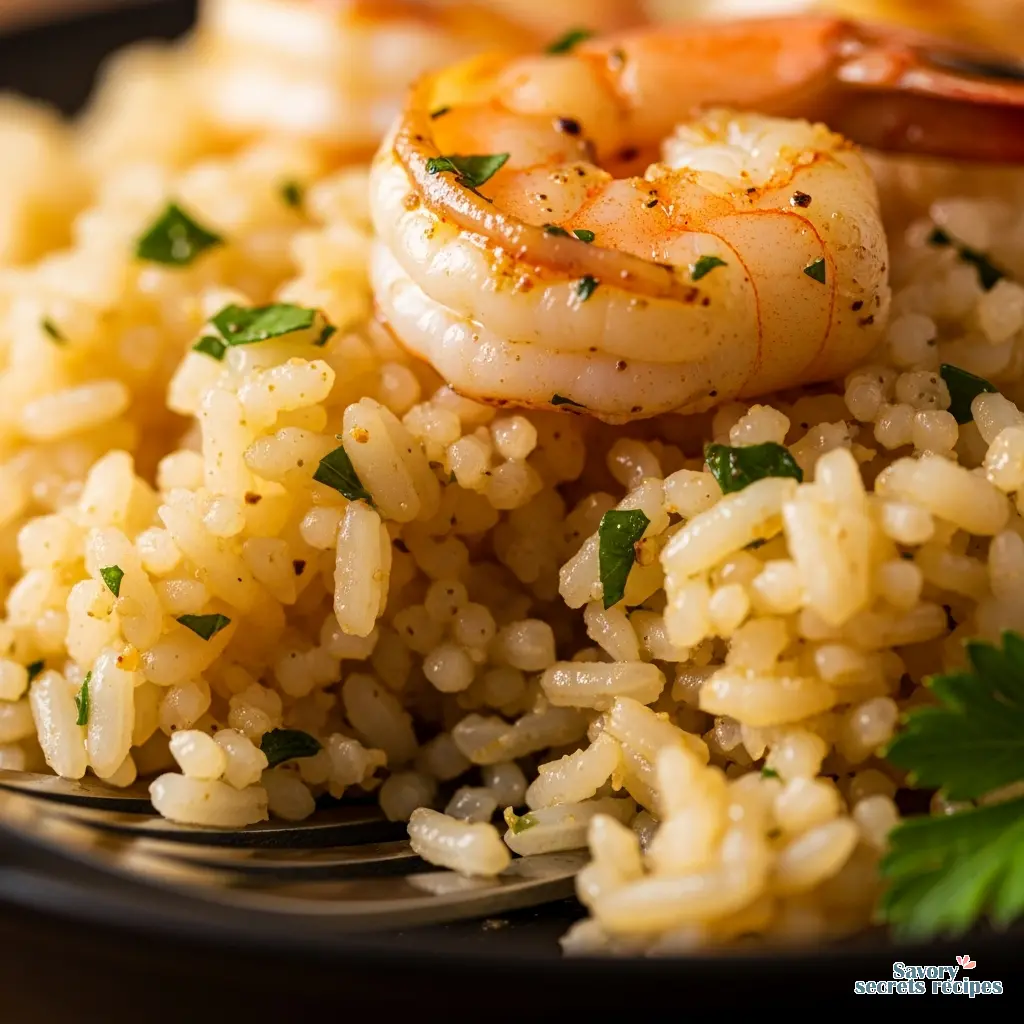
The biggest fear with one-pot rice dishes is the “gummy” factor. You want distinct grains, not a solid block of starch. The type of rice matters here. I lean toward Jasmine rice for this. It has a lovely floral aroma that pairs well with seafood, and it cooks relatively fast. Long-grain white rice works too. Avoid Arborio (unless you actually want risotto) or brown rice (unless you adjust the liquid and time significantly).
Rinsing is non-negotiable. Place your rice in a fine-mesh sieve and run cold water over it until the water runs clear. You are washing away surface starch. That starch is what acts like glue. If you skip this, your butter garlic shrimp rice will be sticky. Fair enough if you like that, but for a fluffy result, rinse it.
Once rinsed, let it drain well. Remember the toasting step I mentioned? Wet rice won’t toast; it steams. Shake off as much water as possible. When you add it to the garlic butter, let it sizzle. You might hear some popping sounds. That is good. Coat every grain in the fat. This oil coating helps keep the grains separate as they expand in the broth.
Variations & Substitutions
Cooking is personal. My grandfather never made a dish the same way twice; it depended on what the ocean gave him that morning. You should feel free to adapt this butter garlic shrimp rice to what you have in your fridge. If you are looking for a more traditional Southern variation, finding a [healthy shrimp and grits recipe] can be a great way to mix up your weekly menu.
Vegetable Additions
This is a great “empty the crisper drawer” meal.
* **Peas and Carrots:** Classic. Add frozen peas right at the end; the residual heat will cook them in two minutes.
* **Spinach:** Fold in a few handfuls of fresh spinach when the rice is done. It wilts instantly and adds color.
* **Bell Peppers:** Dice them small and sauté them with the onions and garlic if you want sweetness.
Flavor Twists
Sometimes I want a bit more punch.
* **Spicy Kick:** Add a pinch of red pepper flakes with the garlic. Or, if you have it, a little Calabrian chili paste.
* **Herbs:** Parsley is standard, but fresh dill or cilantro changes the profile completely. Dill makes it feel Scandinavian; cilantro leans toward Baja.
* **Cheesy:** Stir in some Parmesan at the very end for a creamier, richer finish. It bridges the gap between the butter and the rice.
Dietary Swaps
It depends on the situation, but here are some easy swaps.
* **Dairy-Free:** Use olive oil or a plant-based butter alternative. It works perfectly fine.
* **Low Carb:** You can use cauliflower rice, but don’t add it at the beginning. Sauté the shrimp, remove them, sauté the cauliflower rice for 5 minutes, then toss everything back together. No broth needed for cauliflower. Understanding [is shrimp and grits healthy] can help you decide which starch substitution works best for your specific nutritional goals.
Common Mistakes & Fixes
Troubleshooting Your Dinner
Mistake: The rice is crunchy after the timer goes off.
Solution: You likely lost too much steam or the heat was too high. Add a splash (1/4 cup) of hot water or broth, cover it tightly, and let it steam on low for another 5 minutes. Don’t stir it yet.
Mistake: The garlic tastes burnt/bitter.
Solution: The heat was too high when you added the garlic. Unfortunately, you can’t un-burn garlic. If it’s black, start over. It’s better to waste two cloves than a pound of shrimp.
Mistake: The dish lacks flavor/tastes flat.
Solution: It probably needs acid or salt. Squeeze half a lemon over it. If using unsalted butter and low-sodium broth, you might need more salt than you think. Taste as you go.
Storage & Reheating: No More Rubber Shrimp
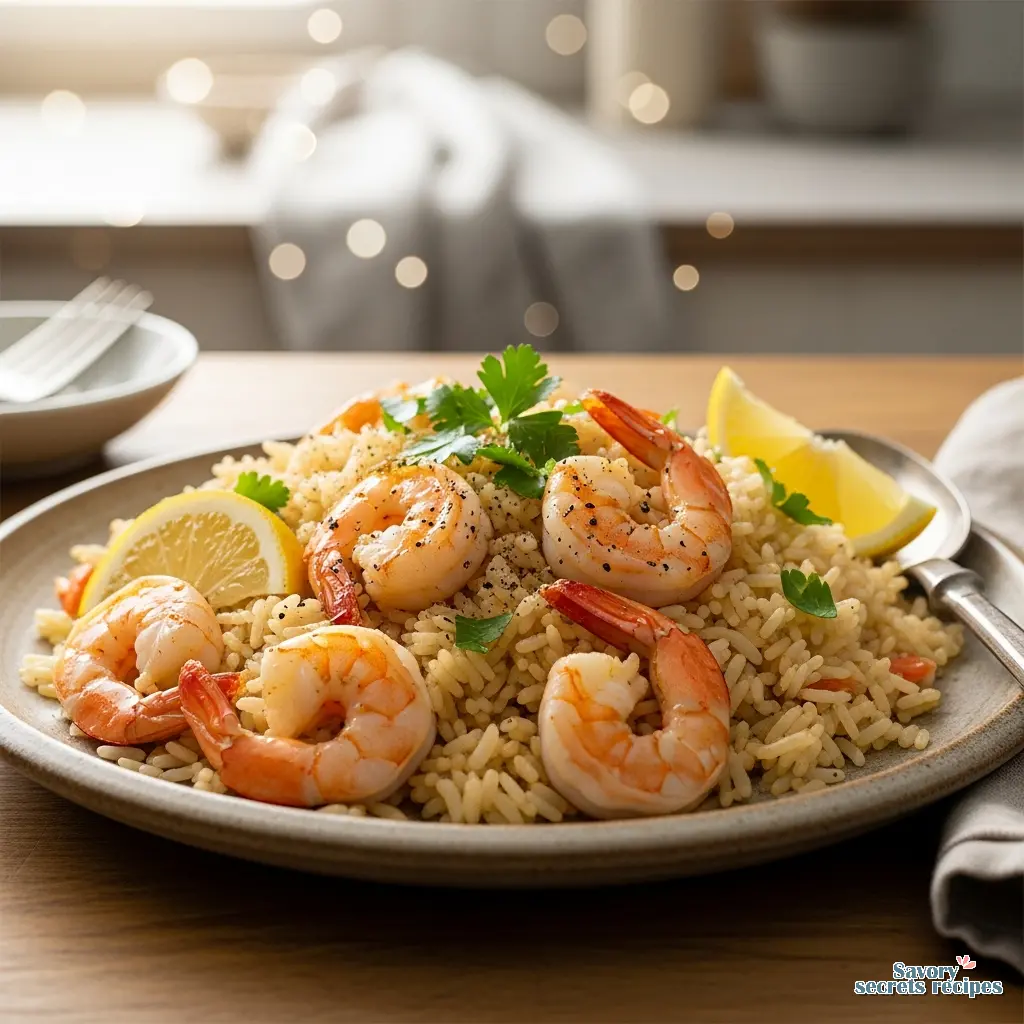
If you have leftovers, you are lucky. This stores well, but reheating requires a strategy. The microwave is the enemy of shrimp. It excites the water molecules so fast that the shrimp proteins seize up and turn tough. I’ve ruined good leftovers this way.
Storage: Keep it in an airtight container in the fridge for up to 3 days. Seafood doesn’t have the shelf life of chicken. If you smell anything “fishy” or sour, toss it. Fresh seafood should smell like the ocean, not the dumpster.
Reheating: The best way is on the stove. Put the rice and shrimp in a skillet with a splash of water or broth. Cover it and heat on low. The steam will warm the rice and gently bring the shrimp up to temperature without re-cooking them. If you must use the microwave, sprinkle water over the rice, cover with a damp paper towel, and use 50% power. Check it every 30 seconds.
Freezing: You can freeze this, but rice texture changes. It can become a bit brittle. If you freeze it, thaw it in the fridge overnight before reheating. Add a little extra butter when reheating to bring back the gloss.
Frequently Asked Questions
There is something deeply satisfying about placing a skillet of butter garlic shrimp rice in the center of the table. It looks impressive, smells incredible, and yet you know it only took twenty minutes of active work. That’s the kind of cooking that fits into real life. It reminds me of those simple meals my grandfather made not fancy, just good ingredients treated with respect.
For more inspiration on quick, flavor-packed meals, check out my Pinterest boards where I collect my favorite weeknight wins. Pour yourself a glass of something nice, enjoy the process, and let me know how it turns out. Your kitchen is about to smell amazing.
Reference: Original Source