



The Ultimate Spring Break Lunch

Buttery Grilled Cheese Recipe with Garlic Butter Spread
Ingredients
Method
- Blend the cream cheese, shredded cheese, heavy cream, and salt in a food processor until the mixture is smooth.
- Combine the mayonnaise, garlic, and salt in a small bowl and mix until the spread is well-blended.
- Spread the cream cheese mixture on one side of four bread slices, apply the garlic spread to the opposite side, and layer with cheddar and provolone.
- Preheat a skillet over medium heat and grill each sandwich for 4 to 5 minutes per side until golden brown.
- Slice the sandwiches diagonally and serve hot, preferably with a side of homemade tomato soup.
Nutrition
Notes
The kids are home for Spring Break, and you need a quick lunch that doesn’t feel like an afterthought. I remember my mother frying chicken every Sunday after church. The rule was simple. The oil had to shimmer but not smoke, and you didn’t walk away. I stood on a stepstool next to her for two years before she let me turn a piece with the tongs. The sound of that first sizzle is still what I measure against.
That exact sound is what you’re after when making this buttery grilled cheese recipe. A lot of folks rush it. They crank the heat, burn the toast, and end up with cold cheese in the middle. We aren’t doing that today. I’m going to show you how to get the perfect buttery crust on grilled cheese every single time. The bread will tell you when it’s ready. It takes patience. Let it ride.
The Bread and Cheese Equation
What is the best bread for buttery grilled cheese sandwich to ensure a sturdy and crispy result? You’ve got options, and each brings a different texture to the table. Option one is standard white bread. It’s soft, nostalgic, and crisps up fast. Option two is a sturdy sourdough bread. Sourdough holds up better to heavy cheese loads and gives you that shattering crunch.
I tend to prefer sourdough (especially a good San Francisco-style loaf if you’re shopping at Ralphs or Trader Joe’s), but standard white bread works perfectly fine if that’s what you’ve got in the pantry. This works for me, but use what your family actually likes to eat.
Now, let’s talk about the cheese. The science of the melt matters here. You might be tempted to grab a bag of pre-shredded cheese. Don’t do it. Pre-shredded cheese is coated in anti-caking agents like cellulose. That stuff literally prevents melting. Grate your own cheese from a block. It’s a non-negotiable step.
I like a combination of Mozzarella for that perfect cheese pull and a sharp cheddar for actual flavor. Gruyere and American cheese are also solid choices. If your cheese won’t melt, you can even pulse it in a food processor to form a paste before spreading it on the bread. That tracks if you’re using a particularly aged, dry cheese.

The Fat Debate: Butter vs. Mayo Crust
How do you get that uniform golden brown exterior? You’ve got two main paths. Path A is unsalted butter (or salted butter, which I actually prefer for a superior savory exterior). Butter gives you the classic flavor. It smells like nostalgia hitting a hot cast iron skillet. You’ll want to butter BOTH sides of each slice of bread for maximum golden crunch. Use a lot of it. Fat is your friend until it isn’t, but here, it absolutely is. Using the right fat is the first step toward a restaurant-quality [cheesy toasted sandwich] at home.
Path B is the mayonnaise crust. Mayonnaise spreads easier straight from the fridge and has a higher smoke point. It creates a very even, crispy edge. In my experience, though your mileage may vary, mayo browns a bit more evenly, but butter tastes better. I tend to stick with butter.
Sometimes I’ll add a touch of cider vinegar and brown sugar to my butter spread to cut through the richness. Add a sprinkle of Parmesan cheese on the buttered side of the bread before it hits the skillet for a salty crust. Now we’re talking. That’s the one.
Stovetop Technique & Temperature
Temperature is data, texture is truth. A lot of home cooks ask why is my grilled cheese not browning properly even after applying the garlic butter spread. The answer is almost always heat management.
Don’t use a sandwich press. Avoid sandwich presses entirely. They squish the bread and ruin the crumb structure. You’ll want a heavy cast iron skillet or a good non-stick pan.
Fry the sandwich open-faced in a large pan on low heat. This ensures the cheese melts completely before the bread burns. Drop the buttered bread in. Listen for that first sizzle. It should be gentle. If it spits aggressively, your pan is too hot. Nothing for it but to wait and turn that dial down.
Here’s a trick I learned. Place a lid over the skillet for a minute or two. The trapped steam helps melt the grated cheese perfectly. The lid trick makes so much sense once you see it work. The science of steam for melting cheese is undeniable. When the cheese looks like liquid gold, put the two halves together. Give it a gentle flip with your spatula. It’s all in the flick of the wrist. Exactly right.
Internal Temperature Guide for Perfect Doneness
I treat a sandwich exactly like I treat a brisket on the smoker. Well, sort of. You’re looking for visual cues. The bread will tell you when it’s ready. You want a color similar to peanut butter. Not pale beige. Not black.
For the interior, you want molten cheese. If you’ve got a digital thermometer, the center should hit about 160 degrees Fahrenheit. At that temperature, sharp cheddar and American cheese are fully liquefied. If you pull it too early, you get a stiff center. Respect the stall. Just wait it out on low heat.
Air Fryer Grilled Cheese Guide
Sometimes you don’t want to stand over a stove. Fair enough. The air fryer does a surprisingly good job for this buttery grilled cheese recipe.
Butter the outside of your bread slices. Assemble the sandwich. Place it in the air fryer basket at 350 degrees Fahrenheit. Cook for about 5 minutes, then flip it and go for another 3 to 4 minutes. You’ll still get crispy edges and melted cheese. It’s a solid method for quick Spring Break lunches when the kids are running around the house. Just make sure to secure the top piece of bread with a toothpick so the fan doesn’t blow it off. Checks out. It is the perfect [quick comfort food sandwich] for those days when you are short on time.
Troubleshooting: How to Save a Burnt Sandwich
Mistakes happen. I burned a batch of biscuits in the test kitchen once because I was watching a brisket temp and forgot about the oven. Distraction is how mistakes happen. Let’s fix them.
Common Mistakes & Fixes
Mistake: Using heat that is too high.
Solution: You end up with burnt bread and cold cheese. Drop the heat to medium-low. Nothing for it but to wait.
Mistake: Stirring or moving the sandwich too much before a crust forms.
Solution: Let it sit. The crust needs time to develop in the skillet. Don’t touch it until it’s time to flip.
Mistake: Oh no, I burned the bread.
Solution: Grab a microplane or a butter knife. Gently scrape the blackened parts off the toast. The sound of the spatula scraping the crust is a little heartbreaking, but you can salvage it. It won’t be perfect, but it’s edible.
Storage & Serving Your Masterpiece
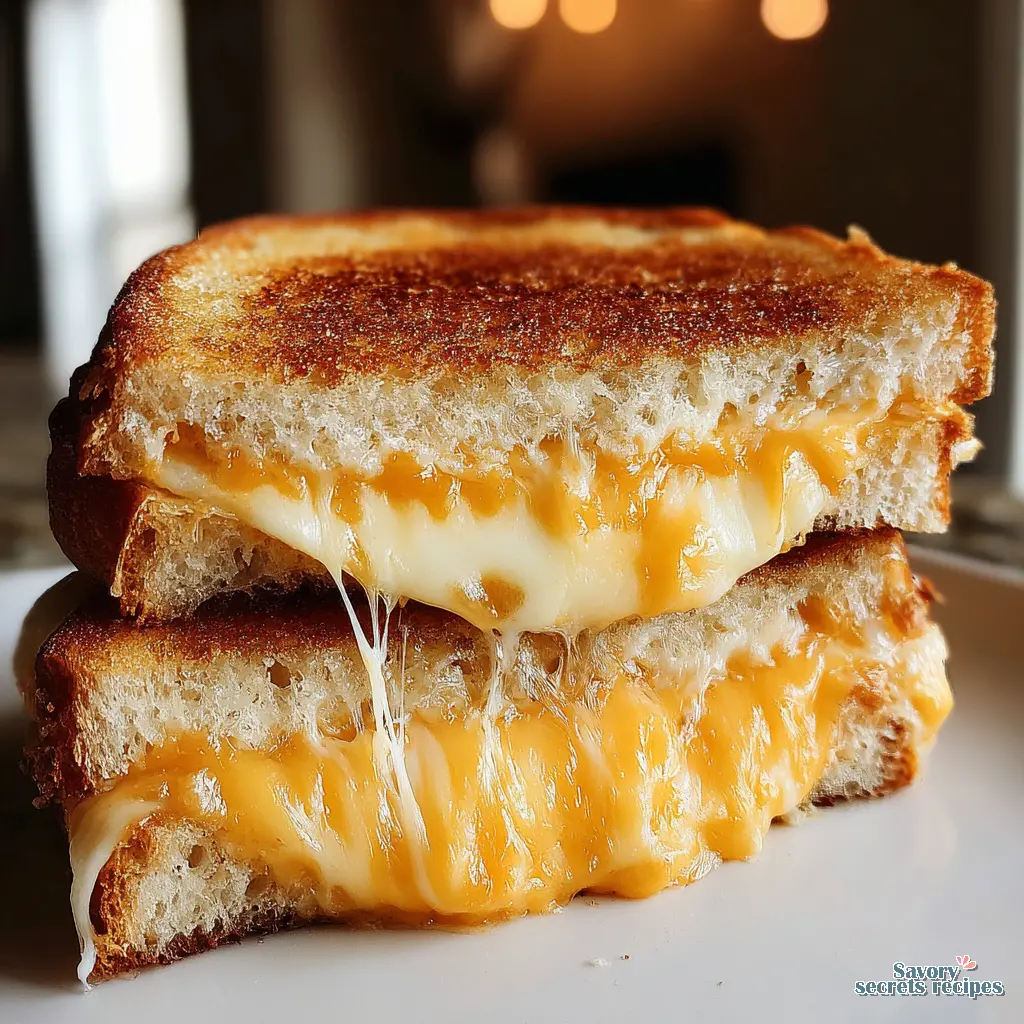
Serve this buttery grilled cheese recipe with a classic tomato soup. The acidity cuts right through the rich, savory flavors perfectly. It’s comfort food at its finest.
If you make extra compound garlic butter, store it in an airtight container. You can freeze butter spreads for up to 2 months. Thaw frozen butter overnight in the refrigerator, and always bring butter to room temperature before spreading. Trying to spread cold butter on soft bread will just tear it to pieces. Worth noting.
Frequently Asked Questions
Wrapping It Up
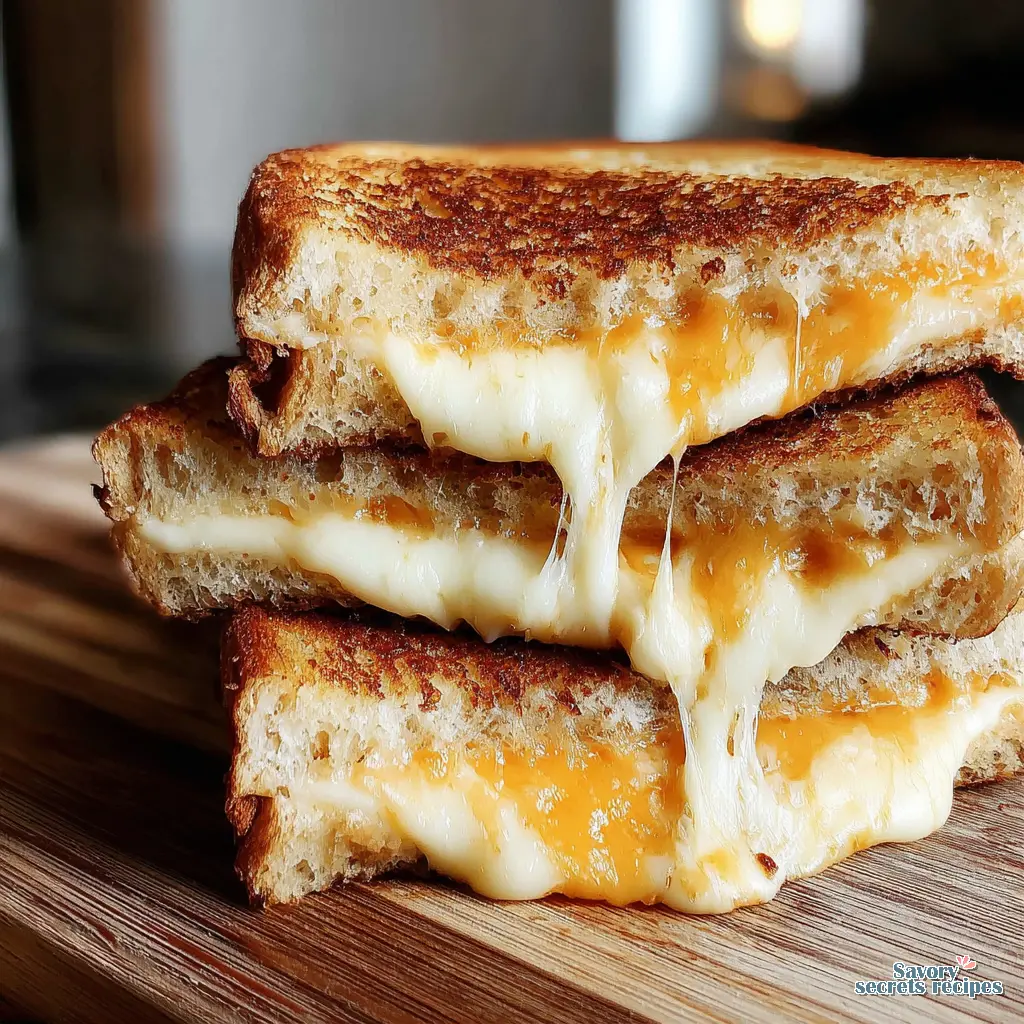
There’s nothing better than pulling apart a sandwich that’s so perfectly toasted it shatters when you bite down. Eat that first bite while it’s hot. You want to see that steam rising from the center. I know it seems like a simple lunch, but getting it exactly right is a skill worth having.
Share your favorite cheese combo in the comments below. I’m always looking for new variations to test out on the weekends. For more inspiration, check out my Pinterest boards where I save all my favorite comfort food techniques. Happy cooking!
Reference: Original Source
What is the difference between a grilled cheese and a cheese toastie?
A toastie is usually made in a sealed sandwich maker or jaffle iron, crimping the edges together. A classic buttery grilled cheese recipe is cooked flat in a skillet, allowing the bread to fry openly in the butter for a flakier crust.
Which is better: a sandwich press or a skillet?
I’ll argue this point with anyone. A heavy skillet is far superior. Sandwich presses squish the bread, ruining the airy crumb structure. A cast iron skillet allows the buttery crust to develop naturally without compressing the sandwich.
How do I recreate the famous Disney buttery grilled cheese recipe at home?
The secret to that specific buttery grilled cheese recipe is a blend of cream cheese, double gloucester, and heavy cream mixed with minced garlic and coarse salt. You spread that rich mixture on thick artisan bread before grilling it slowly.
How do I get the perfect cheese pull?
You need the right blend. Sharp cheddar tastes great but doesn’t stretch well. Mix it fifty-fifty with a high-moisture cheese like Mozzarella or Provolone. That combination gives you the flavor you want and the visual stretch you’re after.
Can I make grilled cheese in the microwave?
Technically yes, but I strongly advise against it. The microwave heats the moisture inside the bread, turning it incredibly soggy. You won’t get any crust development. If you’re in a hurry, use the air fryer method instead.