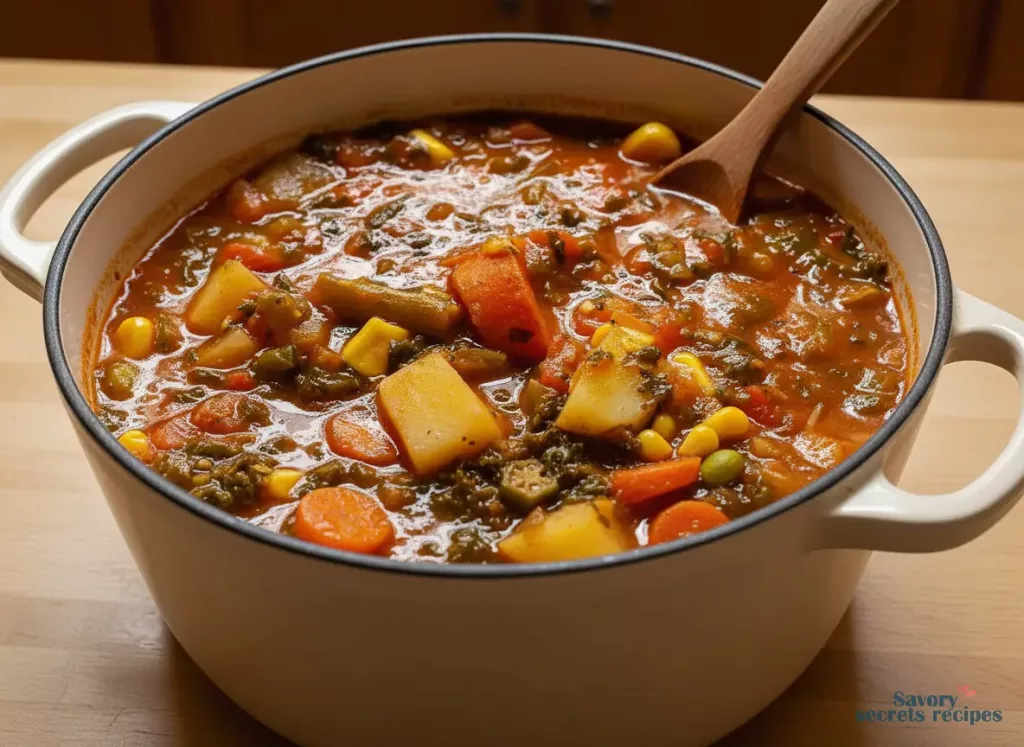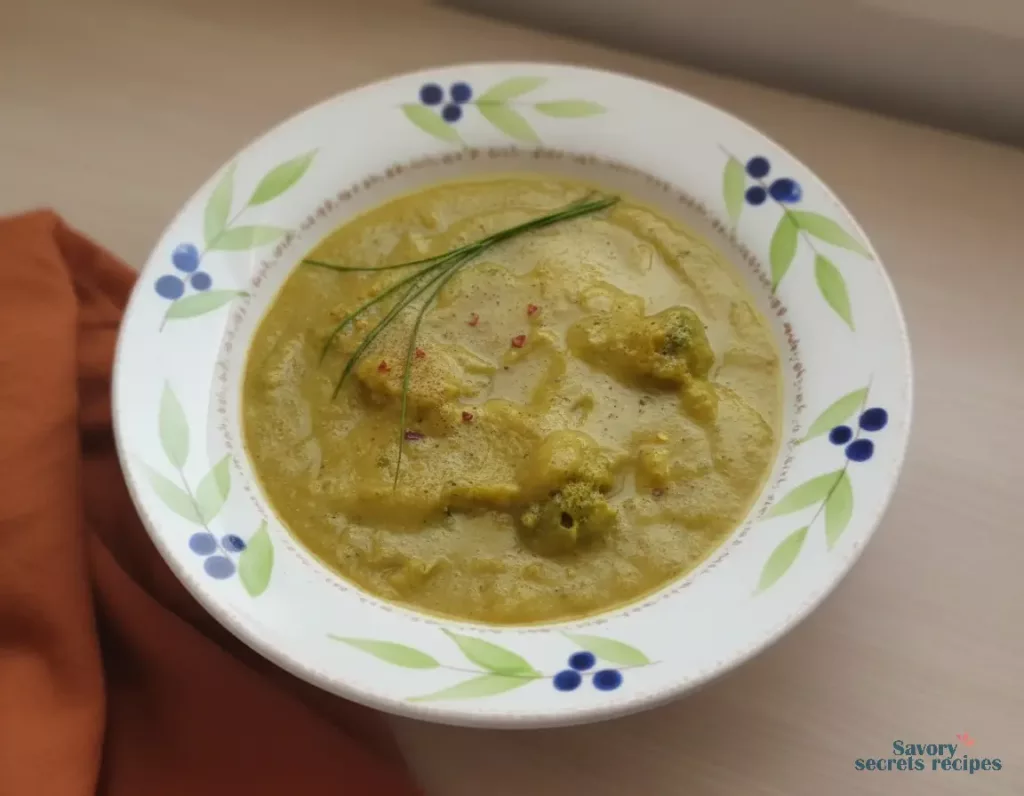





Simple Cabbage and Collard Greens Recipe
Ingredients
Method
- Half-fill a pot with water and bring it to a boil.
- Add the collard greens. Bring the water back to a boil and cook for three minutes. Stir in the cabbage and cook for one additional minute. Drain thoroughly.
- Heat oil in a skillet over medium heat. Add the onion and sauté until lightly browned, approximately 5 minutes.
- Add the greens, garlic powder, and vinegar to the skillet. Stir well and cook for about 1 minute, until most of the moisture has evaporated.
Notes
When the Greens Pile Up
You ever stand there on a Wednesday evening, staring into the fridge at a head of cabbage and a bunch of collards, and just think, “What now?” I’ve been there. Honestly, we all have. It’s that point in the winter where you want something hearty, something that feels like a warm hug, but you don’t want to babysit a pot for hours. That’s where this cabbage and collards mixed dish comes in. It’s the answer to that exact moment. I learned this kind of patience from my Uncle Raymond in Goldsboro, watching him tend his smoker for hours, never rushing. The principle’s the same here, but the time commitment? Nowhere close. This is about building deep flavor with minimal fuss, turning those two humble greens into a pot of pure comfort.
Why This cabbage and collards mixed Works
This recipe works because it respects the ingredients. That tracks with everything I learned about cooking. Cabbage and collard greens have different personalities in the pot. Cabbage gets sweet and tender fast. Collards are tougher, more stubborn, needing time to relax. If you throw them in together, you’ll end up with mush and stems. Not good. So we give the collards a head start. Let them simmer in a good broth with some aromatics until they’re just about tender. Then the cabbage goes in. It’s a simple order of operations, but it makes all the difference. You get two distinct textures in one bite—the hearty give of a collard ribbon and the soft sweetness of a cabbage shred. It’s a solid, one-pot solution for a busy night that doesn’t taste like a compromise.
Getting Your Greens Ready
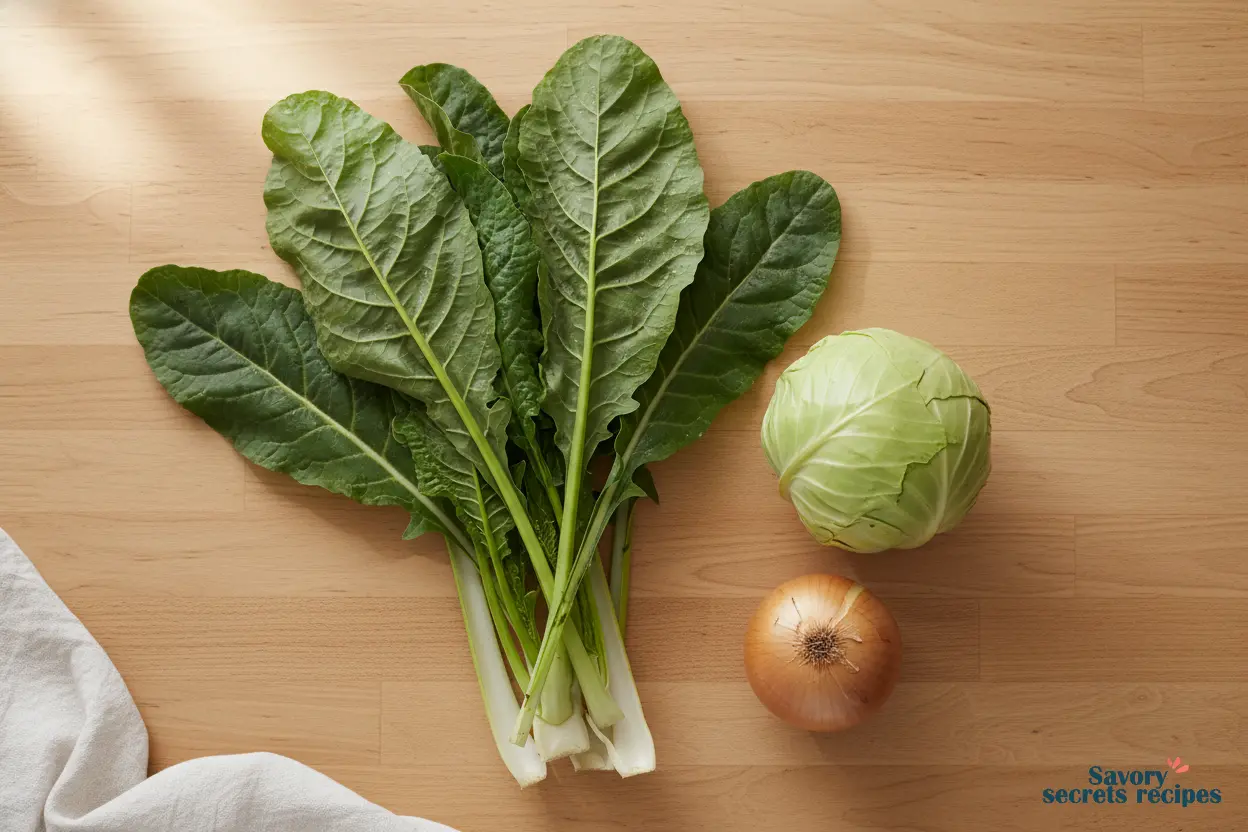
Alright, let’s talk prep. This is where most of your time goes, and doing it right sets you up for success. It’s not complicated, I promise. For the collards, you want to get rid of that tough central stem. Fold the leaf in half lengthwise and just rip that stem right out. It comes away clean. Then stack a few leaves, roll them up like a cigar, and slice across into ribbons about an inch wide. That’s what you’re after. For the cabbage, quarter it, cut out the core, and then slice it thin. You want shreds, not chunks. The onion? Just a rough chop is fine. Nothing fancy. The goal here is to have everything ready to go so the cooking part is just assembly. It feels like a lot of knife work, but it goes quick once you get a rhythm.
The Wash That Matters
Here’s a step you don’t want to skip. Greens can be gritty. Nothing ruins a bite of tender cabbage and collards mixed like a crunch of sand. Fill your clean sink or a huge bowl with cold water. Dunk all your collard ribbons in there and swish them around. Let them sit for a minute. Any dirt will sink to the bottom. Lift the greens out—don’t pour them out—and into a colander. You might need to do this twice. For the cabbage, since it’s shredded, a good rinse in the colander under running water does the trick. It seems like a small thing, but it’s the difference between a good dish and a great one. Checks out with my general rule: respect the ingredient from the start.
The Simmering Science
This is where the magic happens. You’re not just boiling greens; you’re building a broth, a “pot likker” as some folks say, that seasons everything from the inside out. Start with your aromatics—onion, garlic—in a little oil in your biggest pot or Dutch oven. Let them soften and get fragrant. That’s your flavor base. Then, in goes your broth. I tend to use a good chicken broth, but vegetable works perfectly if that’s your preference. Now, here’s the key moment: you simmer this liquid, with your seasonings, for a good 20-30 minutes before you add any greens. Why? It gives the flavors time to marry and deepen. You’re creating a seasoned cooking medium, not just wetting the greens. When you finally add the collards, they’re bathing in flavor from minute one.
Timing is Everything
This is the most critical tip for your cabbage and collards mixed. Cabbage cooks much, much faster than collard greens. If you add them at the same time, you’ll have perfect collards and disintegrated cabbage. Not what you want. So, after your broth is flavorful, add only the collard ribbons. Let them simmer, covered, for about 25-30 minutes. You’re looking for them to be tender but not mushy, still holding their ribbon shape. Then, and only then, stir in all that shredded cabbage. Put the lid back on and let it cook for just another 10-15 minutes. The cabbage will wilt down, sweeten up, and become tender while the collards finish. That’s what you’re after—two distinct textures in harmony.
Tips for Perfect cabbage and collards mixed
A few things I’ve picked up along the way. First, seasoning. Leafy greens need a good amount of seasoning for the flavor to really stick. Don’t be shy with the salt and pepper. Taste your broth before you add the greens, and then taste again at the end. Second, the pot. Use a heavy-bottomed one. It distributes heat evenly so nothing scorches on the bottom while the top is still raw. Third, the finish. A splash of apple cider vinegar right at the end, off the heat, brightens the whole dish and cuts through any lingering bitterness. It’s a game-changer. Fair enough, some folks like a pinch of brown sugar for balance instead. That works, too. Your kitchen, your rules. For a different take on cabbage with creamy elements, try our creamed cabbage german style recipe.
On Bitterness and Tenderness
People ask about bitterness in collards. Soaking them in that water bath helps, for sure. But the real secret is the cooking time and the medium. A long, slow simmer in a well-seasoned broth transforms them. The tough fibers break down, and any harsh flavors mellow out. Some old-school recipes call for a pinch of baking soda to speed up tenderizing. It works, but you have to be careful. Too much and you get mushy greens and a weird aftertaste. In my experience, though your mileage may vary, if you give them the time they need in the pot, you won’t need it. The low, slow heat does the job perfectly. Temperature is data, texture is truth. When the collard stem is tender, you’re there.
Variations & Substitutions
This recipe is a fantastic template. The basic method for cabbage and collards mixed is solid, but you can absolutely make it your own. Don’t have smoked turkey? Use a couple of teaspoons of smoked paprika stirred into the broth. It gives that deep, smoky backbone without any meat. Want it creamy? Stir in a splash of heavy cream or, for a dairy-free version, full-fat coconut milk right at the end. It adds a lovely richness. Need to spice it up? A dash of your favorite hot sauce or a pinch of red pepper flakes when you sauté the onions will do it. The point is, this isn’t a fussy recipe. It’s a foundation. Use what you have, what you like. If you’re looking for more creative ways to use cabbage, check out our guide on what to do with lots of cabbage for endless inspiration.
Common Mistakes to Avoid
Let’s troubleshoot before you even start. I’ve made most of these, so learn from my stumbles.
❌ Mistake: Adding the cabbage and collards to the pot at the same time.
✅ Solution: Collards first. Always. Give them a 25-minute head start, then add the cabbage. Your textures will thank you.
❌ Mistake: Not seasoning the cooking liquid enough.
✅ Solution: Taste your broth before the greens go in. It should taste good on its own, maybe a little saltier than you think, because the greens will dilute it.
❌ Mistake: Rushing the initial broth simmer.
✅ Solution: Let those onions, garlic, and broth mingle for a solid 20-30 minutes. This develops the depth of flavor that makes the whole dish sing. Nothing for it but to wait.
How to Store and Serve cabbage and collards mixed
This might be the best part. Like a lot of braised dishes, this cabbage and collards mixed tastes even better the next day. The flavors have more time to get to know each other. Let it cool completely, then store it in an airtight container in the fridge. It’ll keep for 4-5 days, easy. To reheat, just scoop what you need into a pot with a splash of water or broth and warm it gently on the stove. The microwave works in a pinch, too. Serve it as a main with some cornbread to soak up the pot likker, or as a hearty side to roasted chicken or a piece of pan-seared fish. It’s versatile like that.

Frequently Asked Questions
Wrapping It Up
When you make this cabbage and collards mixed, you’re doing more than just getting dinner on the table. You’re turning simple, affordable ingredients into a pot of genuine comfort. It’s the kind of food that fills your kitchen with a smell that promises something good. It reminds me of the way Uncle Raymond’s smoker smelled on Saturday mornings—honest, satisfying, and built on patience. Give it a try on one of these cooler evenings. Let me know how it goes in the comments. I love hearing about your twists and how your family enjoyed it. Here’s to cozy, healthy meals made easy.
Do I have to soak the greens in water and vinegar?
No, vinegar isn’t mandatory. A good soak in cold water removes grit and can lessen bitterness. Adding a splash of vinegar to the soak water is one method, but plain water works fine. I often add my vinegar at the end of cooking for a bright flavor punch instead.
Can I use other types of peppers in this recipe?
Absolutely. A diced bell pepper sautéed with the onion adds sweetness. For heat, a minced jalapeño or serrano works. Start with half a pepper, taste, and add more. The flavor impact is direct, so adjust to your comfort level. It’s a great way to personalize your cabbage and collards mixed.
Can I make this dish ahead of time?
Yes, and it might even be better. The flavors meld beautifully overnight. Just cool it completely, store it covered in the fridge, and reheat gently on the stove. It’s a fantastic meal-prep option for healthy, ready-to-go greens all week.
Are collard greens and cabbage healthy?
Very. They’re both nutrient powerhouses—low in calories, packed with vitamins (like K, A, and C), minerals, and fiber. Cooking them together in a broth like this is a delicious way to get a major health boost in a comforting, familiar package. A win-win.