



German-Style Creamed Cabbage in White Sauce
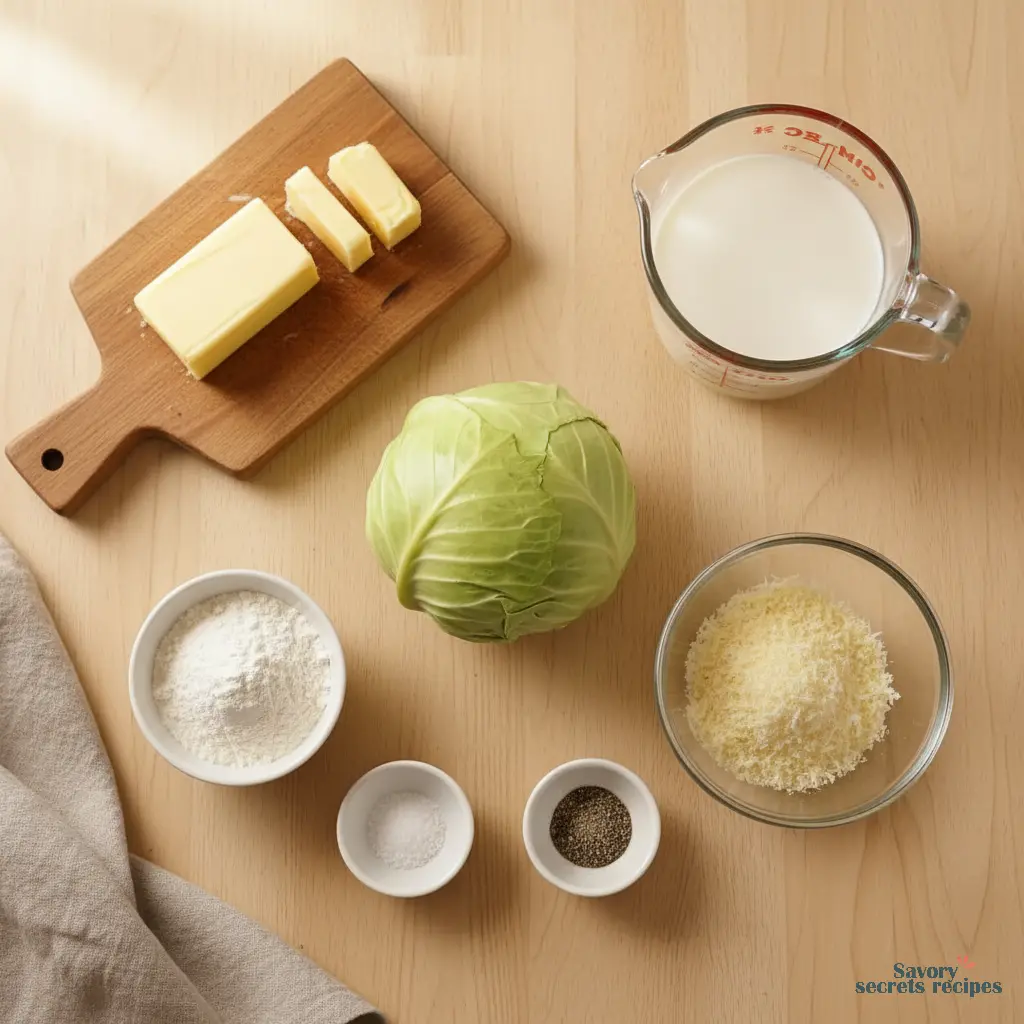
Ingredients
Method
- Preheat your oven to 350 degrees Fahrenheit (175 degrees Celsius).
- Combine milk, flour, butter, salt, and pepper in a medium saucepan over medium heat. Stir continuously until the mixture thickens into a white sauce. Remove from heat and set aside.
- Bring water to a boil in a separate medium saucepan. Place the cabbage in a steamer basket over the pan and steam until tender but still firm.
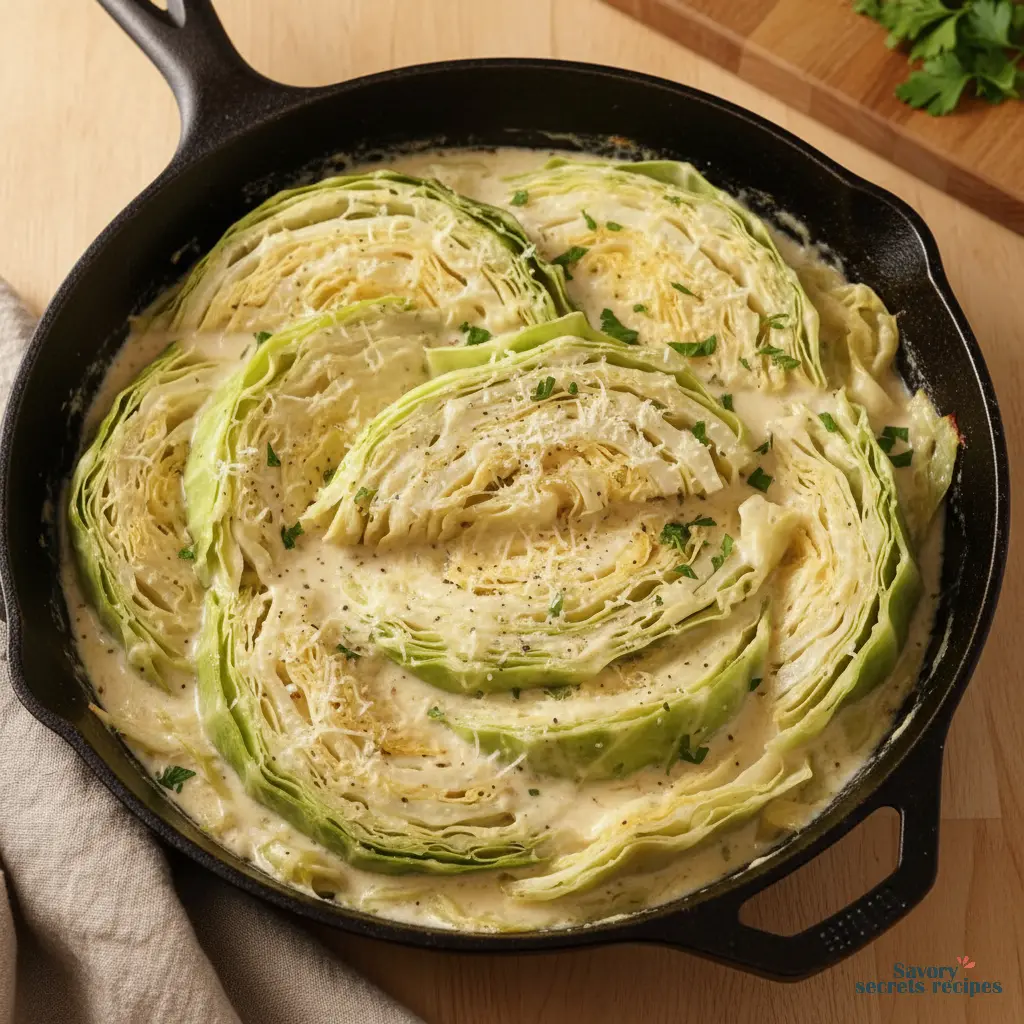
- Layer white sauce, steamed cabbage, and grated Romano cheese alternately in a small baking dish.
- Bake for about 30 minutes, until the sauce and cheese are bubbly.
Nutrition
Notes
When Winter Calls for a Quiet Kind of Comfort
I was standing in my Philadelphia kitchen last week, staring at a head of cabbage on the counter. The light was that flat, gray winter light we get in January, you know the kind. It was five o’clock, and the thought of another salad just felt… wrong. I wanted something warm. Something that felt like a hug from the inside. That’s when I remembered my grandmother’s trick for turning the humblest vegetable into a luxurious treat. This cabbage in white sauce recipe is that quiet kind of comfort. It’s the answer to a cold evening, a tight budget, and the need for something deeply satisfying without any fuss. Trust me, in about thirty minutes, you’ll have a pot of creamy, savory goodness that makes cabbage the star of the dinner table. This version of cabbage in white sauce is my weeknight savior.
I remember standing on a step stool next to my grandmother’s stove when I was maybe seven, watching her make a pan sauce. She had me smell the butter at every stage. I got impatient and said it all smelled the same. She made me start over. I can still smell the difference now without thinking about it. That lesson in paying attention to simple transformations is at the heart of this dish. You’re not just boiling cabbage. You’re creating a creamy, velvety cloak for it. This cabbage in white sauce feels special, but the process is beautifully straightforward.
Why This Cabbage in White Sauce Works
In my experience, the best recipes solve multiple problems at once. This one does. You’ve got an affordable vegetable. You’ve got a simple sauce technique. Together, they create something greater than the sum of its parts. The magic, honestly, is in the contrast. The cabbage softens but keeps a whisper of texture, a slight bite that plays against the lush, creamy sauce. It’s a vegetarian cabbage recipe that doesn’t feel like it’s missing anything. It’s a winter cabbage recipe that actually makes you look forward to the season’s produce. For a busy parent, it’s a one pot cabbage meal that comes together fast and pleases a crowd. That tracks with what we all need right now. If you find yourself with an abundance of this versatile vegetable, our guide on what to do with lots of cabbage has endless ideas.
The Heart of the Matter: Building Your White Sauce
Let’s talk about the sauce, because that’s where the magic happens. Some people get nervous here. Don’t. You’re making a béchamel, which is just a fancy word for a milk sauce thickened with a butter and flour paste called a roux. It’s a foundational skill, and once you get it, a whole world of creamy dishes opens up. This is where most people rush it. The key checkpoint here is cooking the flour taste out of your roux. You’ll know it’s ready when it smells nutty and fragrant, not like raw dough. It only takes a minute or two of stirring. That’s the secret to a good creamy sauce, right there.
Choosing Your Cabbage
Not all cabbages are the same for this, and that’s worth noting. I tend to think a standard green cabbage is perfect. It’s sturdy, it holds up to the simmering, and it’s what you’ll find at any Ralphs or Vons. Savoy cabbage, with its crinkly leaves, is lovely too—it cooks a touch faster and has a more delicate texture. I wouldn’t use red cabbage here; it’ll turn your beautiful white sauce a strange lavender color. As a general rule, one small head, cored and cut into wedges or thick slices, is what you need. The pieces should be substantial. They’re going to simmer in the sauce, and you want them to stay identifiable.
A Visual Troubleshooting Guide for Creamy Success
I’ve made this sauce more times than I can count, and I’ve seen what can go sideways. So let’s troubleshoot before you even start. The most common issue? A lumpy sauce. If your roux and milk are at wildly different temperatures, they won’t play nice. To prevent lumpy sauce, have your milk warmed slightly—not hot, just take the chill off. Then, add it in a steady stream while whisking constantly. If you do get a few lumps, don’t panic. A quick pass with an immersion blender or a vigorous whisking usually fixes it. Fair enough?
The other thing is thickness. Your sauce will thicken as it sits and as the cabbage releases a little water. If it looks too thick when you first make it, that’s okay. It’ll loosen up. If it’s too thin after everything’s cooked, let it simmer uncovered for a few more minutes. You’re in control. This cabbage in white sauce is forgiving.
Step-by-Step, Without the Stress
I’ll walk you through this. First, get your cabbage ready. Cut it into wedges, like you’re cutting a pie. Rinse them. Now, for the white sauce. Melt your butter in a deep skillet or Dutch oven—something with sides. Sprinkle in the flour and whisk. Cook it for a minute or two until it’s bubbly and smells like pie crust. This is the good part. Now, slowly stream in your milk, whisking the whole time. It’ll look a bit scary at first, then it’ll suddenly come together into a smooth, creamy pool. Season it well. This is your homemade white sauce.
Nestle your cabbage wedges right into that sauce. Spoon some over the top. Cover the pot and let it simmer gently. The cabbage cooking time is about 15 to 20 minutes. You’re looking for the cabbage to be tender when pierced with a fork, but not mushy. It should still have some personality. In the last few minutes, stir in most of your grated Romano. The heat will melt it right into the sauce, making it even richer and more savory.
Tips for Perfect Cabbage in White Sauce
These aren’t rules, just things I’ve learned that make life easier.
Preparation Tips
Cut your cabbage wedges so they have a bit of the core attached at the bottom. It helps them hold together during cooking. And don’t skip rinsing them! It gets rid of any hidden grit. If you’re sensitive to cabbage’s, let’s say, digestive effects, you can add a tiny pinch of caraway seeds to the sauce. Some people swear it helps. I think it adds a nice flavor, too.
Cooking Tips
Watch for the moment when the sauce starts to bubble gently around the cabbage. That’s your cue to reduce the heat to a low simmer. You want a lazy bubble, not a rolling boil. A hard boil can break your sauce or overcook the cabbage. If your stove runs hot, use a heat diffuser. This is where most people rush it, but low and slow wins here.
Serving & Storage Tips
Serve this cabbage in white sauce immediately. It’s best when the sauce is creamy and the cabbage is hot. A final sprinkle of the remaining Romano cheese and a crack of black pepper on each plate makes it look finished. For storage, let it cool completely before putting it in an airtight container. It’ll keep in the fridge for up to three days.
Variations & Substitutions
The beauty of a foundation recipe is how you can build on it. This cabbage and white sauce variation is just the beginning.
Dietary Adaptations
For a vegan creamed cabbage, the swap is simple. Use a plant-based butter or margarine and unsweetened, unflavored vegan cream or a rich oat milk. The technique is exactly the same. Use nutritional yeast instead of Romano for a cheesy flavor, or just leave it out for a pure, creamy taste.
Flavor Variations
This is where it gets interesting. For a German creamed cabbage vibe, add a pinch of grated nutmeg to the white sauce. It’s classic and adds wonderful depth. Want a brighter note? A squeeze of lemon juice or a bit of zest stirred in at the end cuts the richness beautifully. A teaspoon of prepared horseradish will give it a gentle, warming kick that’s perfect for cold weather. For more authentic German cabbage inspiration, explore our collection of traditional german cabbage recipes.
Common Mistakes to Avoid
I’ve made most of these myself, so learn from my stumbles.
❌ Mistake: Adding cold milk to a hot roux all at once.
✅ Solution: Warm your milk slightly first, and add it in a slow, steady stream while whisking constantly. This prevents lumps.
❌ Mistake: Overcooking the cabbage until it’s mushy and gray.
✅ Solution: Check for doneness at 15 minutes. The cabbage should be tender but still have a slight resistance. It continues to soften a bit off the heat.
❌ Mistake: Underseasoning the sauce.
✅ Solution: Salt your sauce in stages. Season the white sauce base well, then taste again after the cheese is melted and the cabbage is cooked. The cabbage will absorb some of the salt.
How to Store and Serve This Comfort Food Cabbage
This makes a fantastic make-ahead side. Let the dish cool completely, then transfer it to an airtight container. It’ll keep in the fridge for three days. To reheat, do it gently. A saucepan over low heat with a splash of milk to loosen the sauce works best. You can microwave it in a covered dish, stirring every 30 seconds. I don’t recommend freezing creamed cabbage, as the dairy sauce can separate when thawed.
For serving, think of it as the ultimate cozy side dish. It’s incredible next to a simple roasted chicken or pork chops. Spoon it over mashed potatoes or buttered egg noodles for the ultimate comfort food plate. With a slice of crusty bread to mop up the sauce? Perfect. If you’re looking for a heartier main dish featuring cabbage, our beef cabbage recipe is a fantastic option.

Frequently Asked Questions
Your New Go-To Winter Side
When you make this cabbage in white sauce, you’ll see how something so simple can feel so special. It transforms a basic vegetable into a creamy, dreamy side dish that warms you up from the inside. It’s the kind of recipe you’ll return to all winter long, whether you’re in Philadelphia like me or enjoying a cooler evening in Los Angeles. Grab a head of cabbage on your next trip to the store. You’ve got this. I’d love to hear how it turns out for you—tag me in your photos or leave a comment below. Now, go warm up your kitchen.
Can I make cabbage in white sauce ahead of time?
Absolutely. You can prepare the entire dish, cool it completely, and store it covered in the fridge for up to two days. Reheat it gently on the stovetop with a splash of milk to refresh the sauce’s consistency. The flavors often meld and improve overnight.
How do I store leftover cabbage in white sauce?
Let it cool to room temperature, then transfer it to an airtight container. It will keep in the refrigerator for 3-4 days. I don’t recommend freezing, as the dairy-based sauce can separate and become grainy when thawed and reheated.
What are the best spices for cabbage in a creamy sauce?
Beyond salt and pepper, a pinch of nutmeg is classic and wonderful. White pepper keeps the sauce visually pristine. For an herbal note, a little dried thyme or a bay leaf simmered in the sauce (remove before serving) adds complexity without overpowering the cabbage.
How long must cabbage cook in the sauce?
Generally speaking, 15 to 20 minutes of simmering with the lid on is perfect. You want the cabbage tender enough to pierce easily with a fork, but it should still hold its wedge shape and offer a slight bite. Overcooking leads to mush.
Can you freeze creamed cabbage?
To be clear, I don’t recommend it. Dairy-based sauces like this one tend to separate and become watery or grainy when frozen and thawed. The cabbage texture also suffers. For the best quality, enjoy your cabbage in white sauce fresh or refrigerated for a few days.
What’s the secret to a smooth white sauce every time?
Two things: temperature and whisking. Have your milk warmed (not hot), and add it to the cooked roux in a slow, steady stream while whisking constantly. Don’t stop whisking until the sauce is smooth and has thickened. A lump usually means the milk was too cold or added too fast.