



Cabbage Rolls with Uncooked Rice Shortcut
Ingredients
Method
- In a large pot or Dutch oven, brown the ground beef, breaking it apart with a spoon until fully cooked.
- Add the diced onion to the pot with the beef. Stir frequently and cook until the onion softens, about 5 minutes. Stir in the garlic and cook for 1 more minute.
- Add the chopped cabbage, diced tomatoes with their juice, tomato sauce, beef broth, paprika, oregano, thyme, salt, and pepper. Simmer the mixture.
- Cover the pot and simmer for 15 to 20 minutes, stirring occasionally, until the cabbage becomes tender.
- Push the cabbage to one side of the pot. Stir in the uncooked rice. Cover and cook on low heat for 15 to 20 more minutes, until the rice is fully cooked. Taste to ensure the rice is tender.
- Remove the pot from the heat once the rice is cooked and the cabbage is tender. Taste and adjust the seasoning with more salt and pepper as desired. Let the dish stand for a few minutes to absorb any remaining liquid.
- Top each serving with fresh parsley.
Nutrition
Notes
- Ground turkey or chicken can be used instead of beef.
- Napa or savoy cabbage create a softer, slightly sweeter result.
- Brown rice, quinoa, or bulgur work in place of white rice, though you’ll need to add more liquid and increase the cooking time.
- Fresh tomatoes with a spoonful of paste, or marinara sauce, can replace the canned tomatoes and sauce.
- Smoked paprika, Worcestershire, or fresh dill added at the end will boost flavor.
- Cool completely before freezing. Store in containers for up to 2 months. Thaw overnight in the fridge and reheat gently, adding broth if the rice has absorbed too much liquid.
You Can Absolutely Use Uncooked Rice In Cabbage Rolls. Here’s Why It’s Better.
Ever stood in your kitchen, a head of cabbage in one hand and a bag of rice in the other, and wondered if you really have to cook that rice first? I’ve been there. Honestly, I think most of us have. The whole debate about cooked or uncooked rice in cabbage rolls feels like one of those kitchen mysteries that’s way more complicated than it needs to be. Let’s be clear about this: you can, and often should, use uncooked rice. I learned this the hard way, after a batch of my grandmother’s golabki turned into a pot of savory mush because I’d pre-cooked the rice. The texture was all wrong. It’s one of those things Zoya would’ve shaken her head at. Using uncooked rice in cabbage rolls isn’t just a shortcut; it’s the correct instinct for a dish that holds together and cooks evenly. During these cooler LA months when turning on the oven feels justified, mastering this comforting dish is a perfect project. And trust me, the method for cabbage rolls with uncooked rice is simpler than you think.
Why This cabbage rolls uncooked rice Method Works
Temperature matters here. The real secret isn’t just skipping a step. It’s about absorption. When you use uncooked rice in cabbage rolls, each grain acts like a tiny sponge, slowly soaking up the flavorful juices from the tomato sauce, the beef broth, and the rendered fat from the meat as everything bakes together. That’s the correct way. Pre-cooked rice has already absorbed most of the water it can hold, so it just sits there, becoming mushy and stealing moisture from the meat. Your butter’s too warm—start over. I mean, not literally, but that’s the mindset. You want every component to reach its ideal texture at the same moment. The uncooked rice swells and becomes tender inside its little cabbage package, absorbing all those savory notes. That’s exactly the texture we want. It creates a cohesive, moist filling that won’t dry out or turn to paste. This is the method that makes sense, whether you’re aiming for Polish golabki or Ukrainian holubtsi.
Getting Your Cabbage Leaves Ready (The Easy Way)
I need you to show me your process here, because this is where people get nervous. You don’t have to be perfect. The goal is pliable leaves, not boiled to oblivion. For the most tender cabbage leaves, you do need to soften them. My go-to method? Cut about a half inch off the bottom core of the whole head. Place the entire thing in a large pot of boiling, salted water. Boil it for about two minutes, just until the outer leaves start to pull away easily. Use tongs to peel off those softened leaves. Place the head back in the water and repeat. This is gentler than trying to pry apart a raw cabbage. Once you have your leaves, lay them flat and use a small knife to shave down the thick, tough part of the stem. Don’t cut it out completely—just thin it so it rolls without cracking. Overlap smaller leaves if you need to. Even if they’re not pretty, they’ll cook perfectly. I’m not entirely convinced the freezer method works as well for rolling, but I’ll test it. The boiled leaf has a memory; it wants to bend.
Building The Filling For Success
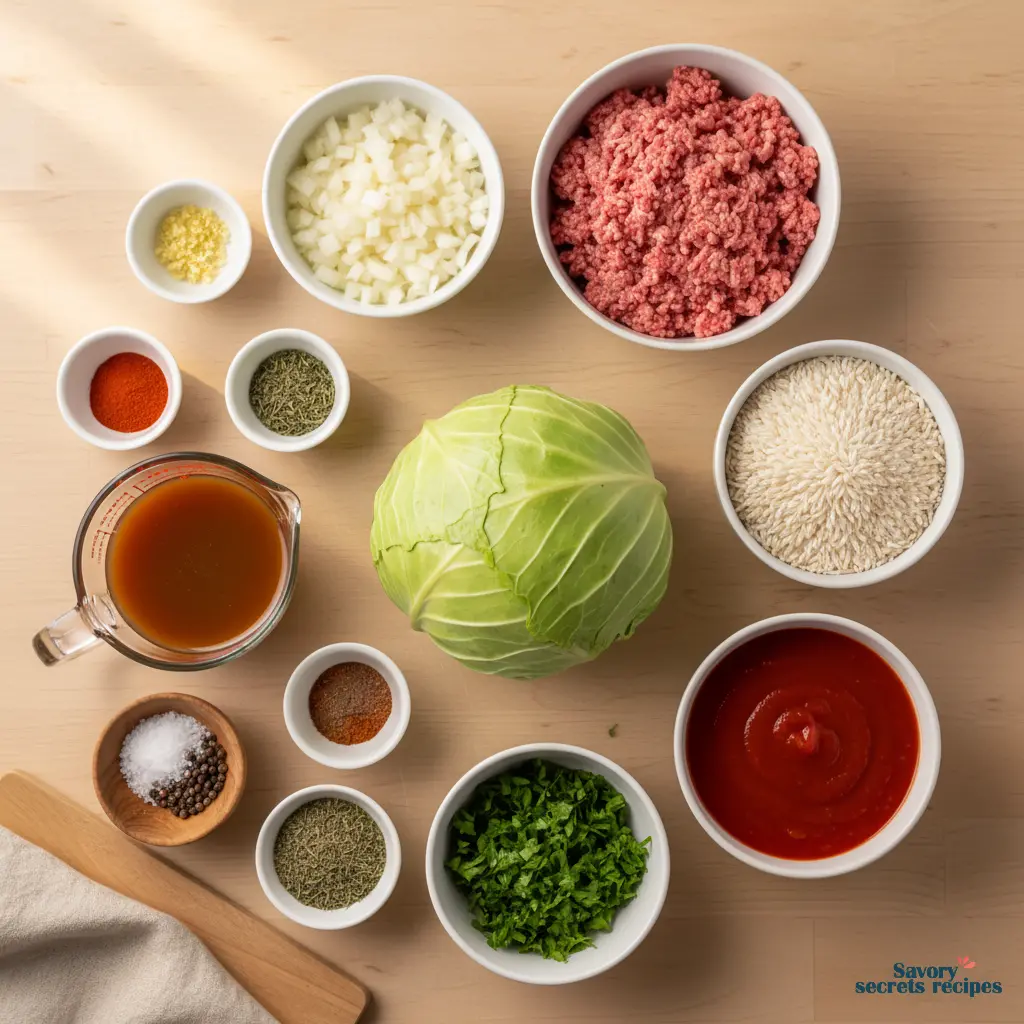
This is where precision pays off. Your hands know before your eyes. In a large bowl, combine the raw ground beef, diced onion, uncooked rice, and your seasonings. That’s it. Don’t add the liquid ingredients yet. Mix it with your hands. You’re looking for an even distribution, but don’t overwork the meat. The rice will feel gritty and separate. That’s fine. It’s supposed to. The magic happens in the oven. The ratio of rice to meat to liquid is the equation you’re solving. Too much rice and it’ll suck all the moisture dry. Too little and you lose that wonderful texture. The data suggests a 3/4 cup of uncooked rice to a pound of beef is the sweet spot for most cabbage roll recipes. I like recipes that assume the reader is intelligent. So here’s the thing: the rice absorption in cooking is predictable if you give it enough liquid and time.
The Art of Rolling (They Won’t Fall Apart)
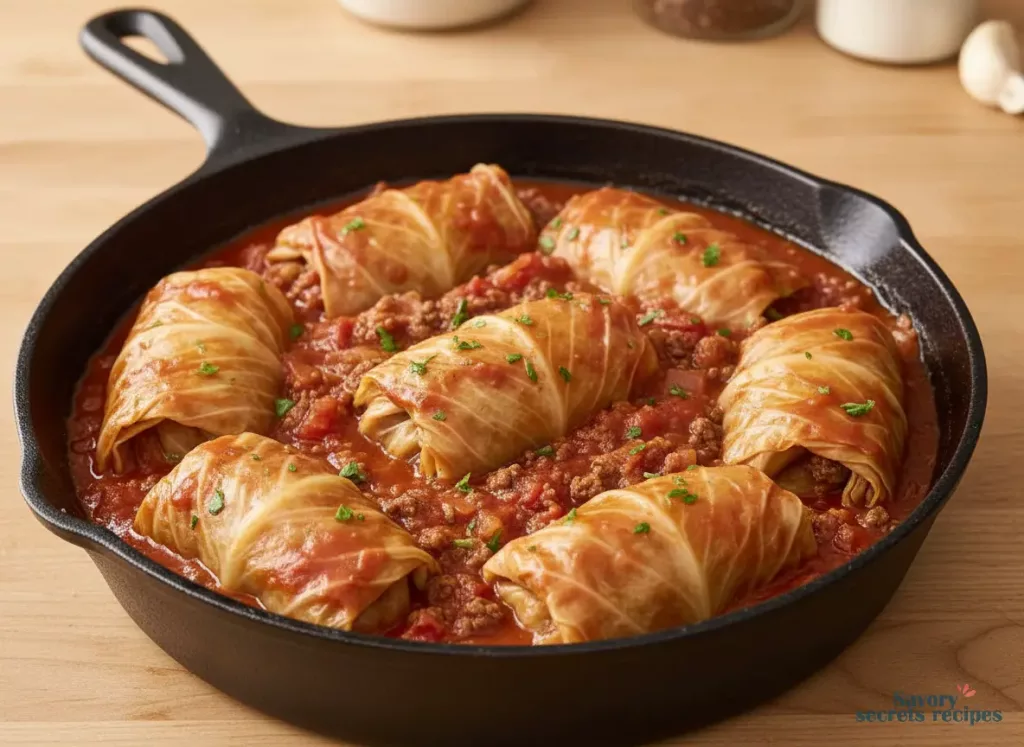
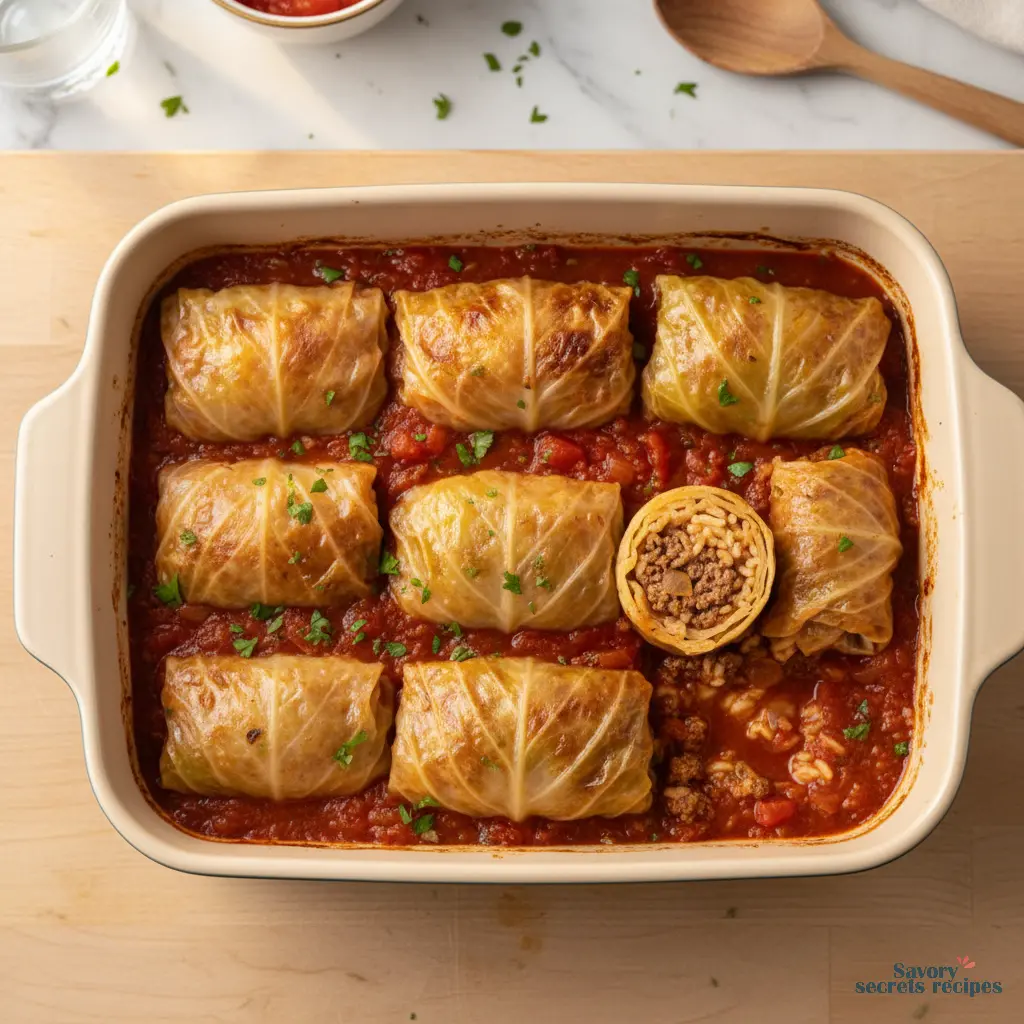
Place a generous 1/3 cup of filling in the center of a prepared leaf, down near the stem end. Fold the bottom flap up over the filling. Fold in the sides, like you’re making a burrito. Then roll it up tightly away from you, tucking as you go. You’ll feel it. It should be snug, but not so tight that the cabbage threatens to split. If a leaf is too small, just overlap two. Place each roll seam-side down in your baking dish. They should be nestled together snugly. This proximity helps them steam and hold their shape. If you’re worried about cabbage rolls falling apart, this tight rolling and close packing is your first line of defense. The second is the sauce. Pouring it over the top, not just around, helps everything set as it bakes.
Baking To Perfection
Now, the oven does the work. Preheat to 350°F. That’s the standard cabbage roll cooking time 350 degrees setting for a reason. It’s gentle enough to cook the rice and meat through without burning the tops. Pour your combined sauce of diced tomatoes, tomato sauce, and broth over the rolls. They should be nearly submerged. Cover the dish tightly with foil. This trapped steam is half the equation for tender cabbage leaves and perfectly cooked rice. Bake for about 1 hour and 15 minutes. Then, remove the foil and bake for another 15-20 minutes. That final blast lets the sauce thicken and the tops get that lovely golden touch. You’ll know it’s done when the cabbage is very tender when pierced with a knife and the sauce is bubbling vigorously around the edges.
Tips for Foolproof cabbage rolls uncooked rice
Let’s talk about the details that make the difference. These aren’t just suggestions; they’re what separates a good dish from a great one.
Preparation Wisdom
Use a large, wide pot for boiling your cabbage. It gives the head room to move. Adding a splash of vinegar to the boiling water? I’ve heard it helps keep the leaves bright green, but honestly, the flavor impact is negligible. I’d need to verify. Your time is better spent ensuring your filling is well-seasoned. Taste a tiny bit raw (just the meat mixture, spit it out) to check salt levels. If it doesn’t taste right now, it won’t taste right later. If you’re looking for more foundational cabbage recipes to build your skills, start with our pillar guide on what to do with lots of cabbage.
Cooking Insights
Your baking dish matters. A ceramic or glass dish distributes heat more evenly than metal, which can create hot spots. If the rice is still a bit firm after the covered baking time, don’t panic. Add a splash more warm broth, re-cover, and give it another 10-15 minutes. The rice will tell you when it’s done. And if you’re making a lazy cabbage roll casserole or a one-pot cabbage roll skillet version? The same principle applies: the uncooked rice needs that liquid and time to absorb.
Storage & Make-Ahead
Cabbage rolls are a meal-prep dream. You can assemble them completely a day ahead, cover, and refrigerate before baking. Just add about 10 extra minutes to the bake time since you’re starting cold. They also freeze beautifully. To freeze cabbage rolls, arrange the cooled, baked rolls in a single layer on a parchment-lined sheet to flash-freeze, then transfer to a container. Or, freeze the unbaked rolls in their dish. Thaw in the fridge overnight before baking. That’s the correct way to plan ahead.
Variations & Substitutions
Fine, but document what you changed. The basic formula is endlessly adaptable.
Dietary Adaptations
For vegetarian cabbage rolls, swap the ground beef for a mixture of cooked brown lentils and finely chopped mushrooms. They have a meaty texture and hold up well. Use vegetable broth. For a gluten-free version, just ensure your broth and tomato products are certified GF—they almost always are. The dish is naturally dairy-free.
Ingredient Swaps
No beef? Ground turkey or chicken works, but add an extra tablespoon of olive oil to the filling for fat. You can use minute rice in cabbage rolls in a pinch, but reduce the initial covered bake time by 15-20 minutes, as it absorbs liquid faster. Best rice for cabbage rolls? I prefer long-grain white for its separate, fluffy texture. Brown rice needs more liquid and significantly more time.
Flavor Twists
Add a half cup of grated carrot to the filling for sweetness. For a Polish touch, add a pinch of marjoram. For a Ukrainian holubtsi vibe, include a few tablespoons of chopped dill in the sauce. Tomato sauce for cabbage rolls can be doctored with a teaspoon of sugar to balance acidity, or a dash of smoked paprika for depth.
Common cabbage rolls uncooked rice Mistakes & Fixes
❌ Mistake: The rice is still hard and crunchy in the middle after baking.
✅ Solution: This means there wasn’t enough liquid or time. The rice absorption in cooking wasn’t complete. Add 1/2 cup warm broth to the dish, re-cover tightly with foil, and bake another 15-20 minutes. Check the liquid level at the start next time.
❌ Mistake: The rolls fell apart when serving.
✅ Solution: They were either rolled too loosely, the stem wasn’t trimmed enough, or they were moved before they’d set. Always roll tightly, trim the stem, and let them rest in the dish for 10 minutes after baking before serving.
❌ Mistake: The cabbage leaves are tough.
✅ Solution: They weren’t softened enough before rolling. Ensure you boil them until truly pliable, and don’t skip shaving down that thick stem. The best cabbage for rolls is a large, dense head of green cabbage.
❌ Mistake: The dish is too dry.
✅ Solution: You skimped on the sauce or baked uncovered for too long. The rolls should be nearly submerged before baking. If the top looks dry during baking, add a few spoonfuls of broth.
Frequently Asked Questions
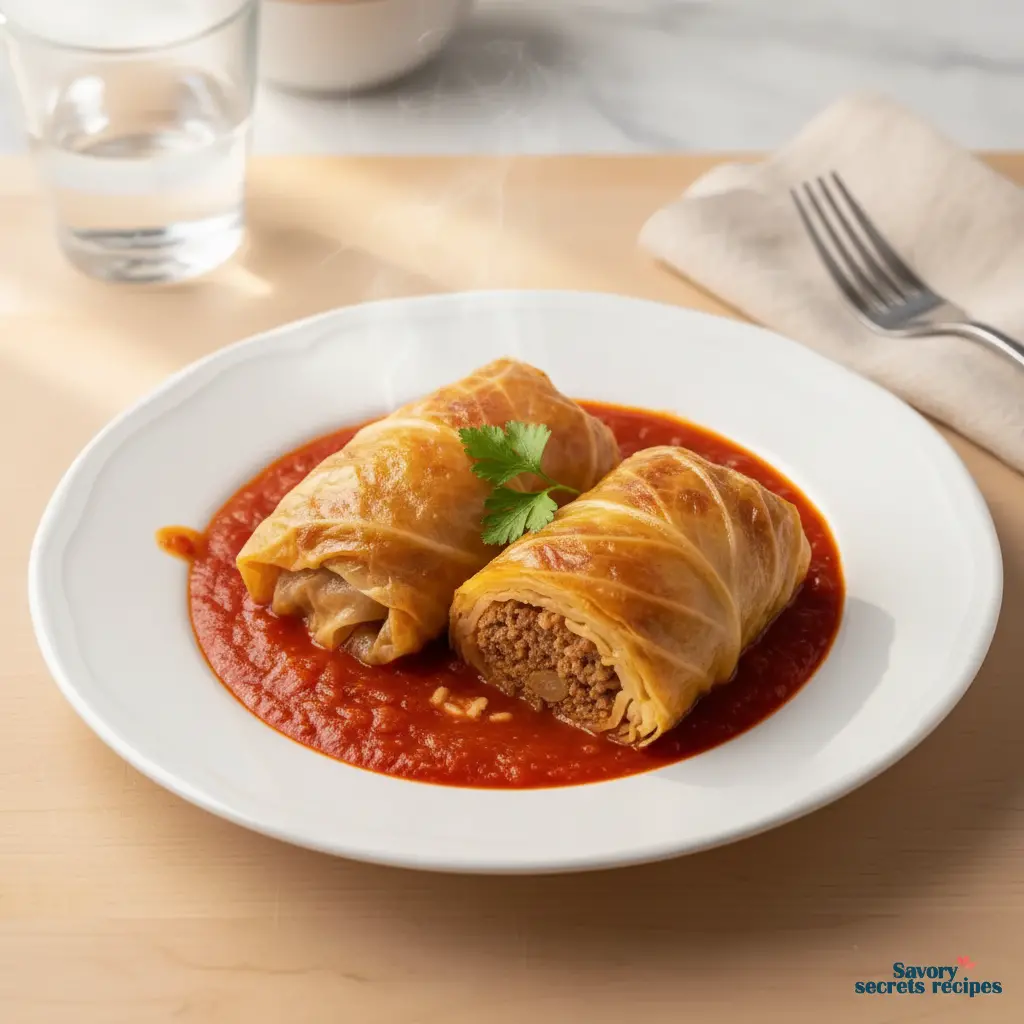
How to Store and Serve cabbage rolls uncooked rice
Let leftovers cool completely, then store in an airtight container in the fridge for up to 4 days. Reheat gently in the microwave or covered in a 350°F oven until warmed through. For freezing cabbage rolls, I prefer freezing after baking and cooling. Portion them out for easy future meals. They reheat beautifully from frozen (covered in the oven) for a comfort food fix any night. Serve them with a dollop of sour cream or plain yogurt and a simple green salad. That’s the correct way to balance the hearty richness. They’re also fantastic meal prep—make a double batch on Sunday.
Your Turn To Make Comfort Food Simple
When you pull these from your oven, that aroma of sweet cabbage, savory beef, and tomatoes will fill your kitchen. It’s a smell that reminds me of standing in my grandmother’s apartment, watching her work with absolute certainty. That’s the feeling I want for you. Making cabbage rolls with uncooked rice isn’t just a recipe; it’s understanding a principle. Once you get it, you’ve got it. You can adapt it, play with it, make it yours. So grab a head of cabbage on your next Trader Joe’s run. You’ve got this. Comfort food, made simple and correct.
Do you have to boil the cabbage before making cabbage rolls?
Yes, for traditional rolled cabbage rolls, you need to soften the leaves so they’re pliable enough to roll without cracking. The boiling method (or steaming) is the most reliable way. Some people freeze the head first, but I find boiling gives you more control over the texture.
What’s the difference between using cooked or uncooked rice in cabbage rolls?
Uncooked rice absorbs the cooking juices, becoming incredibly flavorful and tender while helping bind the filling. Pre-cooked rice can’t absorb much more, often leading to a mushy or dry texture. For the best results, cabbage rolls with uncooked rice are the way to go.
Can I use minute rice in cabbage rolls?
You can, but adjust the timing. Minute rice absorbs liquid much faster. Reduce the initial covered baking time by 15-20 minutes to prevent it from becoming too soft. The principle for cabbage rolls uncooked rice still applies, just on a faster schedule.
How long do you cook cabbage rolls in the oven at 350 degrees?
For cabbage rolls with uncooked rice, plan on about 1 hour and 15 minutes covered with foil, then an additional 15-20 minutes uncovered. This gives the rice time to fully cook and absorb flavor, and lets the sauce thicken. Total time is roughly 1.5 hours.
Why do my cabbage rolls fall apart?
Usually, it’s one of three things: leaves weren’t softened enough, the thick stem wasn’t trimmed, or they were rolled too loosely. Roll them snugly, seam-side down, and pack them tightly in the dish. Let them rest for 10 minutes after baking before serving.
What is a lazy cabbage roll?
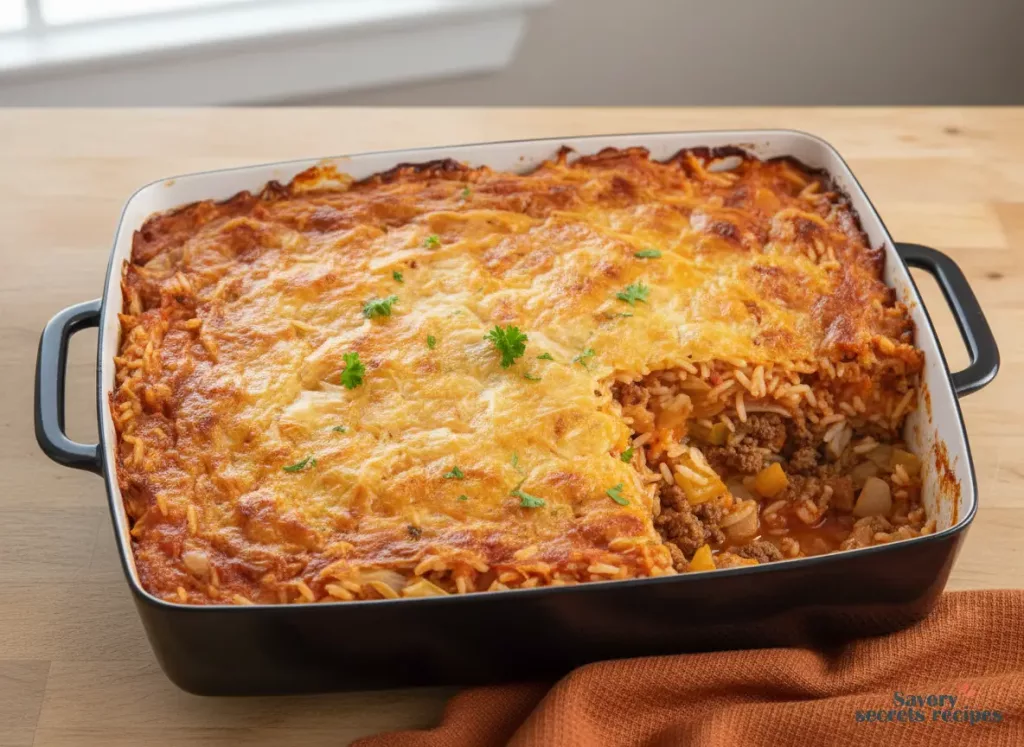
A lazy cabbage roll casserole deconstructs the dish. You layer chopped, parboiled cabbage with the raw meat and rice filling and sauce in a baking dish. It has all the flavors of traditional cabbage rolls uncooked rice but skips the individual rolling. It’s a fantastic time-saver.
Can I freeze cabbage rolls?
Absolutely. Cabbage rolls freeze beautifully both before and after baking. For unbaked, assemble and freeze the whole dish. Thaw overnight before baking. For baked, cool completely, then freeze in portions. Reheat covered in a 350°F oven until hot through.