



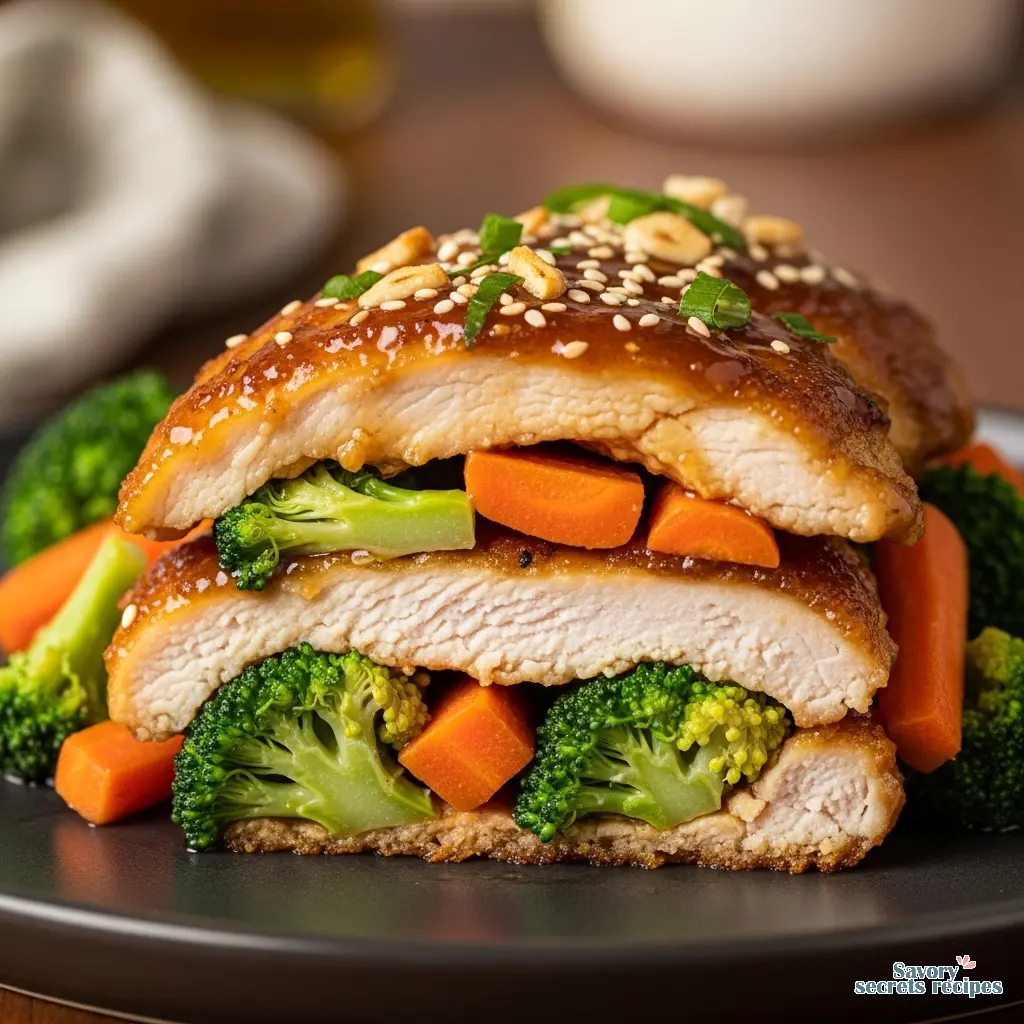
Easy Healthy Chicken Stir Fry with Frozen Veggies
Ingredients
Method
- Whisk 1 tablespoon cornstarch, ¼ cup chicken broth, ¼ cup soy sauce, and 2 tablespoons honey in a small bowl, then set the sauce aside.
- Heat 1 tablespoon olive oil in a large skillet over medium-high heat. Add 3 diced boneless chicken breasts, season with ½ teaspoon salt and ½ teaspoon pepper, and sauté for 3–5 minutes until browned and cooked through. Transfer the chicken to a separate plate.
- Add the remaining 1 tablespoon olive oil to the skillet. Add 2 cups broccoli florets, ½ yellow bell pepper, ½ red bell pepper, and ½ cup shredded carrots. Cook, stirring occasionally, until the vegetables are tender-crisp.
- Stir in ½ teaspoon ground ginger and 2 teaspoons minced garlic. Cook for 1–2 minutes until the garlic is fragrant.
- Return the cooked chicken to the skillet and pour the stir fry sauce over the mixture. Stir to coat evenly, bring to a boil, and cook for 1 minute while stirring until the sauce thickens.
- Garnish with 2 tablespoons sesame seeds and serve as is or over rice.
Nutrition
Notes
The Beauty of an Empty Fridge
It is Tuesday evening and I am staring into a profoundly sad refrigerator. Dash has trained me to be efficient in the kitchen. I have exactly fifteen minutes between getting home and when my dog absolutely needs his walk. You’d be surprised what you can pull together in that window. I’m not totally sure, but I think we’ve all felt that specific dread of realizing we need to make a grocery run when we just want to sit down.
Then I remember the freezer. Let me see it. Yes. A bag of flash frozen broccoli florets, sugar snap peas, and carrots. A few chicken breasts. This is where the magic happens. Making a chicken stir fry with frozen vegetables is the ultimate no-prep pantry dinner. No chopping. No peeling. Just pure, immediate gratification.
I remember my grandmother Elaine arranging green beans on a white plate. I was maybe seven. She turned the plate slightly and moved one single bean. I asked her why and she said, “So your eye knows where to land.” I think about that every single shoot. A chicken stir fry with frozen vegetables can look just as beautiful as one made with fresh produce. You just have to build in layers. Let’s make this look good.
The Science of Cooking Frozen vs. Fresh
I once directed an entire stone fruit shoot in afternoon light that went too warm. Every peach looked muddy in post. We had to reshoot the next morning. I learned to trust the light meter over my eye. Cooking frozen vegetables is a lot like managing bad light. If you don’t control the environment, your food turns muddy and soft.
The biggest mistake people make is thawing the vegetables first. Do not do this. Thawing destroys the cellular structure of the vegetables and releases a massive amount of water. If you throw thawed, wet vegetables into a pan, they will steam. They will not sear. The color’s not holding. That’ll photograph flat.
You want moisture evaporation. You need a screaming hot pan. I prefer a well-seasoned cast iron skillet or a carbon steel wok. Use a high smoke point oil like avocado or light olive oil. The oil should literally shimmer before anything touches it. When those rock-hard, frozen veggies hit the pan, the extreme heat immediately evaporates the surface ice. You get a sear instead of a soggy mess. Perfect contrast.
Visual Troubleshooting Guide: Soggy vs. Seared
I cook for our friend group once a month. It is always something I can plate individually so everyone gets the same visual experience. It’s my version of hospitality. I want them to see vibrant colors and distinct textures. If your easy healthy chicken stir fry looks like a beige soup, we have a problem.
Not quite there yet? Let’s troubleshoot visually.
If your vegetables are pale, limp, and sitting in a pool of watery liquid, your pan was too cold. You probably overcrowded it. Overcrowding drops the temperature of the pan instantly. The vegetables release their water, and suddenly you are boiling them. Too muddy. The fix is simple. Cook in batches. Pull back a bit. Give the ingredients room to breathe.
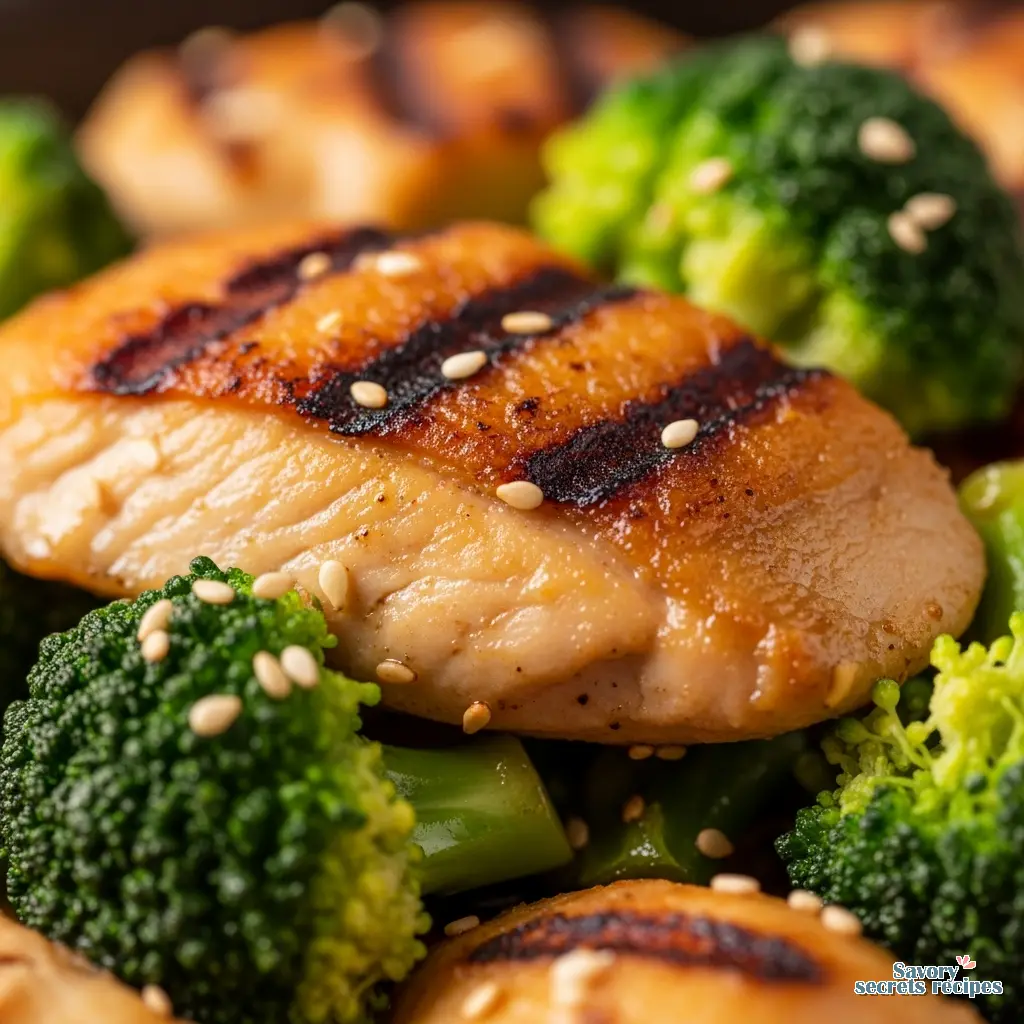
If your vegetables have dark, caramelized edges and the broccoli florets are vibrant green, you nailed it. That’s exactly it. You should see little blister marks on the sugar snap peas. The water chestnuts should still have a snap to them. You want to see the color of peanut butter on the chicken strips, not a pale gray.
Detailed Tips for Preventing Sogginess
I’m not always sure if I’m being too precious about composition. Sometimes I have to let a shot be casual. But when it comes to the texture of a stir fry, I am ruthless. Every element earns its place or it’s out.
Here is my formula for the perfect chicken stir fry with frozen vegetables. First, prep everything before you turn on the stove. Open the vegetable bag. Mix your sauce. Have your chicken ready. Once the heat is on, things move fast.
Cook the chicken and vegetables separately. Sear your chicken strips until they are deeply golden. Remove them from the pan. Let it sit. Then, get the pan screaming hot again before adding the frozen stir fry blend. Stir every 15 to 30 seconds. You want to promote even searing and prevent steaming. If the vegetables aren’t softening quickly enough, add just one or two tablespoons of water to help them along, but no more.
Make your sauce ahead of time, but hold off on adding the cornstarch until right before cooking. Cornstarch settles at the bottom of the bowl. Give it a good stir before pouring it into the pan. Let the sauce simmer for one to two minutes. It needs that time to thicken and coat the ingredients properly. Needs more acid? A squeeze of fresh Meyer lemon juice at the end wakes everything up.
Common Mistakes & Fixes
Mistake: Adding chicken and vegetables at the same time.
Solution: The pan temperature will plummet. Cook the chicken first, remove it, reheat the pan, then sear the frozen vegetables.
Mistake: The sauce is watery and pools at the bottom.
Solution: You likely added the sauce while the vegetables were still releasing water. Let the pan dry out a bit, then add the sauce and let it simmer to activate the cornstarch.
Mistake: The vegetables taste bland.
Solution: Frozen vegetables need aggressive seasoning. Don’t skip the garlic powder, onion powder, or the umami boost from soy sauce and honey.
The Kitchen Shears Technique
I genuinely love the problem-solving of making a quick meal look appealing. It is the ultimate styling challenge. I hate washing cutting boards, especially after handling raw poultry. My favorite hack for a no-prep dinner is using kitchen shears.
Hold the raw chicken breast directly over the cold pan or a mixing bowl. Snip it into bite-sized pieces. It takes thirty seconds. No cutting board to sanitize. No knife to wash. Clean read. It is a tiny adjustment, but it makes the whole process feel so much lighter. Your mileage may vary, but this changed my weeknight routine completely.
Variations and Substitutions
I figured out my grain bowl formula by accident when I brought lunch to a shoot. The editor asked me to style it for a test frame. The photographer said it had better composition than our planned shot. I’ve been iterating on it ever since. This recipe is just as flexible.
If you are gluten-free, swap the regular soy sauce for tamari or liquid coconut aminos. It works beautifully and keeps that deep umami flavor. For my vegan friends, skip the chicken entirely. Use extra-firm pressed tofu instead. Cut it into cubes and sear it just like the chicken. Swap the honey for maple syrup.
You can use any frozen vegetable mix you find at Ralphs or Trader Joe’s. I prefer blends that have broccoli, carrots, and baby corn. Avoid mixes with too many soft vegetables like zucchini, which tend to turn to mush when frozen and reheated.
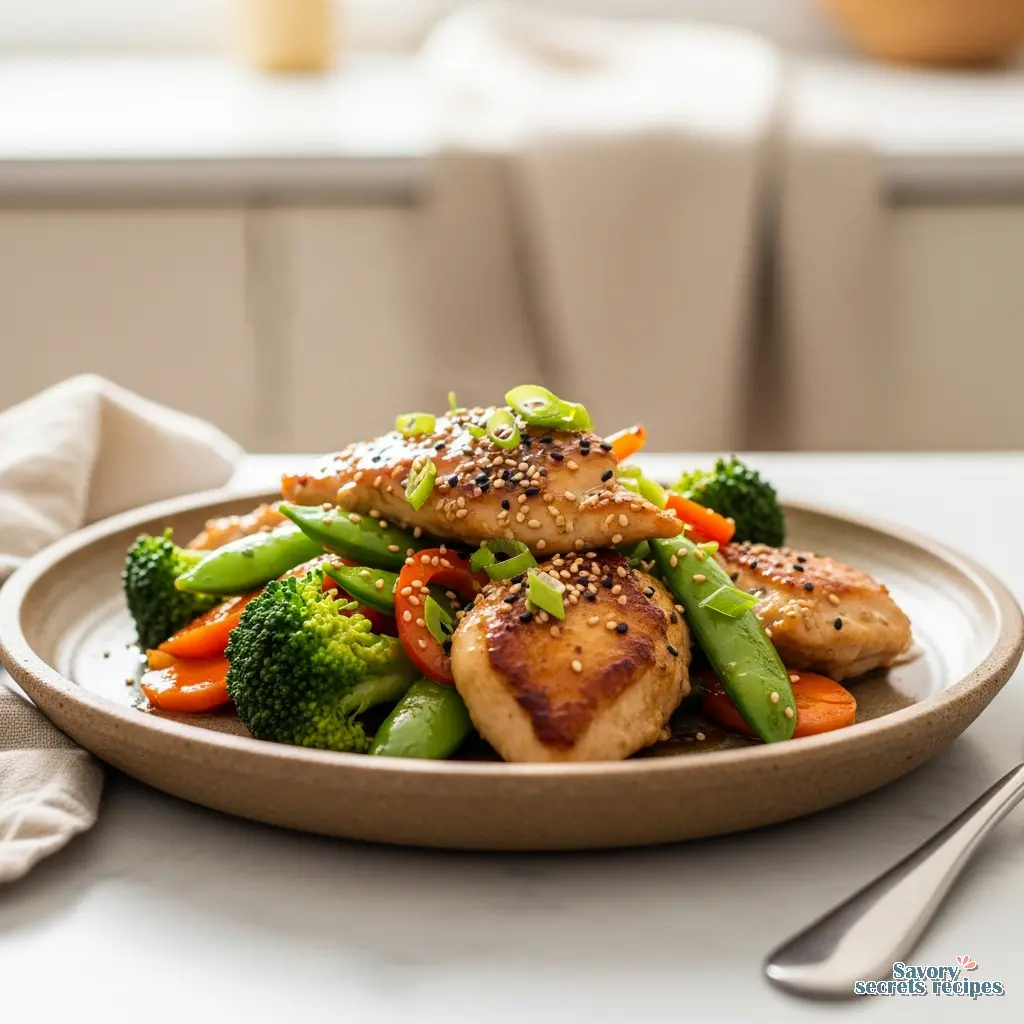
Storage and Reheating Guide
I wonder if my home cooking is too influenced by what photographs well rather than what just tastes good. But honestly, texture is flavor. If your leftovers are mushy, no amount of sauce will save them.
Store your leftover chicken stir fry with frozen veggies in an airtight container in the fridge for up to four or five days. I do not recommend freezing the leftovers. The vegetables have already been frozen once. Freezing them a second time will completely destroy whatever structure they have left.
When you reheat it, skip the microwave if you can. The microwave steams the food from the inside out, ruining that beautiful sear we worked so hard for. Instead, toss the leftovers back into a stovetop skillet over medium-high heat for about five minutes. If the sauce has dried out in the fridge, add a tiny splash of water or low-sodium soy sauce to bring it back to life. Serve it over freshly steamed jasmine rice or cauliflower rice.
Frequently Asked Questions
Bringing It All Together
There’s nothing better than when a photographer nails the shot on the second frame and everyone in the studio feels it. Cooking this chicken stir fry with frozen vegetables gives me that exact same feeling. It is fast, it is colorful, and it tastes like you spent an hour chopping when you really just opened a bag from the freezer.
Next time you are at the store, grab an extra bag of frozen stir fry blend. Keep it in the back of the freezer for those nights when you have zero energy but still want something vibrant and satisfying. You’ve got this. Let me know what vegetable blend you end up using. I am always looking for new combinations.
I share tons of variations on my Pinterest boards if you want more visual inspiration for quick pantry meals. Happy cooking.
Reference: Original Source
How do you cook frozen vegetables in stir fry without getting them soggy?
The secret is high heat and a dry pan. Never thaw the vegetables first. Pre-heat your skillet until the oil shimmers, then add the frozen vegetables directly. Stir frequently to encourage moisture evaporation and prevent them from steaming in their own juices.
What is the best frozen vegetable mix for chicken stir fry?
Look for flash frozen blends labeled specifically for stir-frying. The best mixes include sturdy vegetables that hold their shape, like broccoli florets, carrots, water chestnuts, and sugar snap peas. I usually avoid blends heavy on zucchini or spinach, which tend to get mushy.
How long does it take to make an easy healthy chicken stir fry with frozen vegetables?
You can have this entire meal on the table in under twenty minutes. Since there is zero chopping required for the vegetables, your only prep is snipping the chicken and whisking the sauce. It is the ultimate fast weeknight dinner.
Do I need to thaw frozen stir fry vegetables before cooking them with chicken?
Absolutely not. Thawing is the fastest way to ruin your dish. Thawed vegetables release too much water into the pan, dropping the temperature and boiling your food. Cook them straight from the freezer for the best texture and color.
Can I store and reheat chicken stir fry with frozen veggies for meal prep?
Yes, it keeps beautifully in the fridge for four to five days. Store it in an airtight container. For the best texture, reheat it in a hot skillet rather than the microwave, adding a splash of water if the sauce needs loosening.
Can I use fresh garlic and ginger instead of powder?
You definitely can. Fresh aromatics add an incredible brightness. Just mince them finely and add them to the pan during the last thirty seconds of cooking the chicken. This prevents them from burning in the high-heat oil.
Why is my stir fry soggy?
Sogginess usually comes from three mistakes. Either your pan wasn’t hot enough, you overcrowded the skillet, or you cooked the chicken and vegetables together. Always cook in batches and let the pan recover its heat between steps.
Is chicken stir fry healthy?
It is incredibly nutritious. You are getting lean protein from the chicken breast and a huge variety of vitamins from the vegetable blend. To keep the sodium in check, I always recommend using a low-sodium soy sauce or coconut aminos.