





Classic Chili Recipe With Beans and Ground Beef
Ingredients
Method
- Heat 2 tablespoons olive oil in a Dutch oven or large pot over medium heat until shimmering. Add 1 diced medium yellow onion and cook, stirring occasionally, for 3 to 5 minutes until softened. Stir in 3 minced garlic cloves and cook for 1 minute until fragrant. Add 3 tablespoons tomato paste, stirring to coat the onions, and cook for 2 to 3 minutes until the paste darkens in color.
- Add 2 pounds ground beef, 2 teaspoons kosher salt, and 1/2 teaspoon black pepper. Cook for 6 to 8 minutes, breaking up the meat with a wooden spoon, until browned and cooked through. Stir in 2 tablespoons chili powder, 1 tablespoon ground cumin, 1 tablespoon unsweetened cocoa powder, 2 teaspoons dried oregano, 1 teaspoon paprika, and 1/4 teaspoon optional cayenne pepper. Cook for 1 additional minute to coat the meat.
- Stir in 2 (15-ounce) cans of drained and rinsed kidney beans, 1 (28-ounce) can of fire-roasted crushed tomatoes, and 1 (14.5-ounce) can of low-sodium beef or chicken broth. Bring the mixture to a boil, then reduce the heat to maintain a gentle simmer. Cook for 30 to 40 minutes, stirring occasionally, until the flavors meld and the chili thickens slightly.
- Remove the pot from the heat and stir in 1 teaspoon apple cider vinegar. Taste and adjust seasoning with additional kosher salt as needed. Ladle the chili into bowls and serve with your preferred toppings.
- Prepare the chili a day in advance for optimal flavor and store it in an airtight container in the refrigerator. Reheat on the stovetop over medium heat. Store leftovers in an airtight container for up to 4 days in the refrigerator or freeze for up to 3 months.
Nutrition
Notes
The Comfort of a classic beef chili recipe
It’s a breezy March evening here in Los Angeles. The temperature just dropped to a crisp 55 degrees, which is practically freezing for us. That means you’ve got a chili-shaped hole in your stomach. While fancy, complex stews are fine, sometimes you just crave the classic beef chili recipe from your childhood. A real, no-nonsense dinner that warms up the whole house. My daughter Layla asked me last week why we couldn’t just make the “normal” one instead of my experimental test kitchen batches. She looked at me like I was ridiculous. Fair enough.
Let me walk you through it. I remember standing on a step stool in my teta’s kitchen in Dearborn, watching her cook. She never measured anything. She just felt the textures and watched the colors change. Years later, I spent weeks reverse-engineering those basic principles into something I could write down. This is your checkpoint for a one-pot meal that works every single time. It’s easier than it looks, and you probably have most of these ingredients in your pantry right after a Ralphs grocery run.
Before we dive deep, let’s cover a few quick wins I’ve learned from testing this classic beef chili recipe over and over. First, use 80-90% lean ground chuck. It gives you the best balance of flavor without turning your pot into an oil slick. Second, don’t worry if you only have pinto beans instead of kidney beans. The recipe is incredibly forgiving. Just use whatever canned beans are sitting in your cupboard. Third, grab your heavy dutch oven. The thick bottom prevents scorching during the slow simmer. I know decision fatigue is real at the end of a workday, but I promise you’ve got this.
The Science of Flavor in Your classic beef chili recipe
Why do we bother browning the meat until it’s actually dark brown? Because color equals flavor. You’re looking for a deep, rich mahogany color. That’s exactly what you want to see. In my tests, this usually works best over medium-high heat, though your mileage may vary depending on your stove. Once the meat is browned, we add the yellow onion and minced garlic. The smell of onions and garlic hitting the hot pan is incredible. It smells like a warm, comforting home. If you want to turn up the heat, my spicy hearty beef chili adds extra peppers for a bolder kick.
Then comes the crucial step. Blooming the spices. Add your chili powder, ground cumin, cayenne pepper, and tomato paste directly to the meat mixture. Let it cook for at least one minute. This step makes all the difference. The heat wakes up the dried spices and cooks out the raw, metallic taste of the tomato paste. It should turn the color of wet brick. Trust the process here.
Now for the secret ingredient. I add a tablespoon of unsweetened cocoa powder. I know this sounds strange, but it works. The cocoa adds earthy, rich undertones that make this the best classic chili recipe ever. We also finish with a splash of apple cider vinegar right at the end. The acidity brightens up the flat flavors and cuts through the richness of the beef broth.
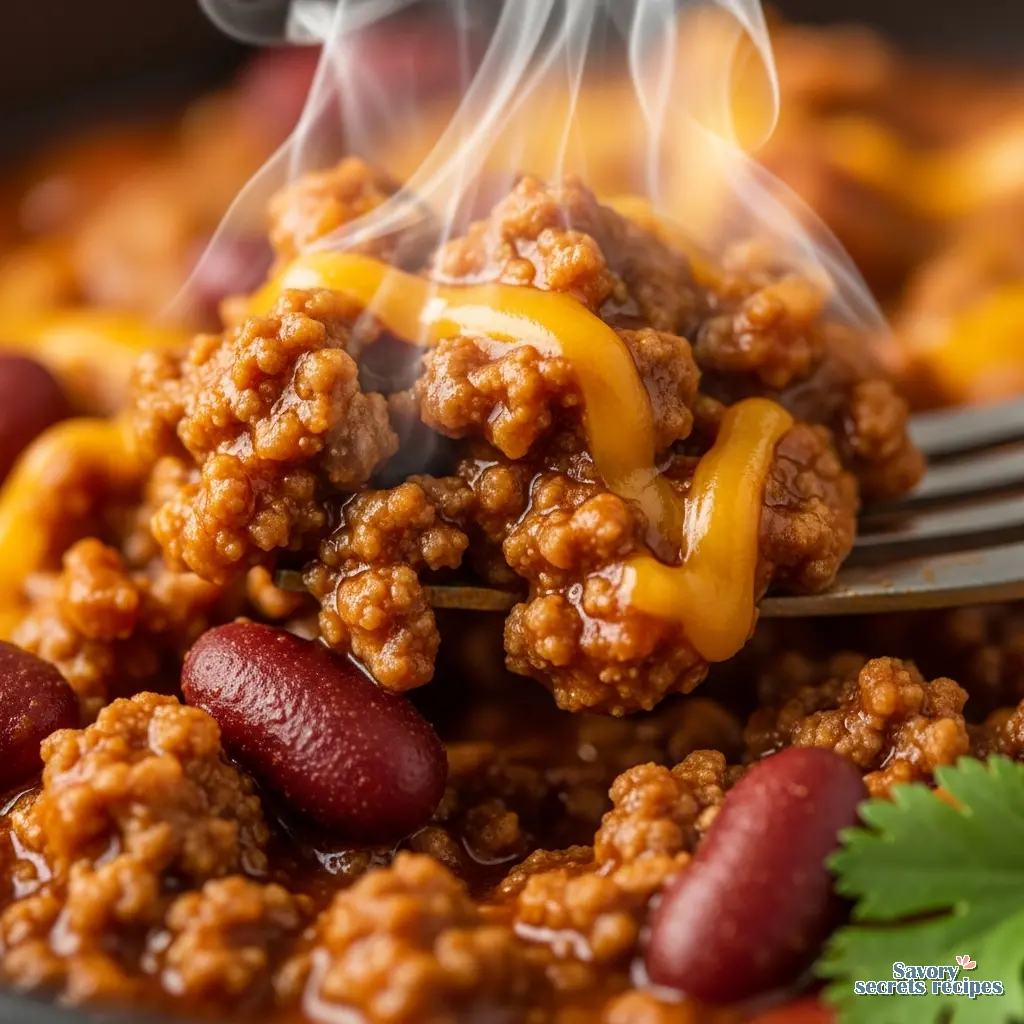
Tips for a Thick, Hearty classic beef chili recipe
Nobody likes a watery bowl of red. If you’re wondering how to make classic chili from scratch with ground beef that actually clings to your spoon, here’s what I’ve found works. First, use fire-roasted crushed tomatoes or tomato puree instead of watery tomato sauce. The petite diced tomatoes also integrate much better into the sauce than large, chunky tomatoes do.
Second, let the pot simmer uncovered. The steam needs a place to escape. I’d probably lean toward a longer time, up to 90 minutes if you have it. A long, slow simmer evaporates the excess liquid and melds the flavors perfectly. If you’re rushing on a Tuesday, 45 minutes is your absolute minimum. Not a dealbreaker, but worth noting for that creamy texture. The chili is forgiving, so don’t panic if it looks too thin at first. It will reduce.
Troubleshooting Common classic beef chili recipe Disasters
Let’s troubleshoot this together. I’ve made every mistake in the book so you don’t have to. Sometimes a simple dinner can go sideways, but we can fix it.
Common Mistakes & Fixes
Mistake: Using beef that is too lean or too fatty.
Solution: Ground turkey or chicken work fine as a substitution, but for beef, 80-90% lean is the sweet spot. Too lean tastes dull. Too fatty makes it greasy.
Mistake: The chili tastes flat and dusty.
Solution: You likely forgot to bloom your spices or used old chili powder. Stir in a teaspoon of apple cider vinegar right now. The acidity will instantly wake up the flavors.
Mistake: The texture is too thin and soupy.
Solution: Take the lid off your dutch oven and let it simmer. If you’re truly in a rush, you can mash some of the kidney beans against the side of the pot to release their natural starches.
The Ultimate Side Dish Pairing Guide
A cornbread side is the traditional choice, and it’s a family favorite for good reason. But you aren’t limited to just cornbread. That tracks with my experience hosting casual dinners here in California. Sometimes you want something different.
Try serving this over a baked potato or crispy potato skins. The hearty texture of the beef broth and diced tomatoes soaks right into the fluffy potato. You can also pair it with a slice of homemade sourdough bread. San Francisco-style sourdough has a sharp tang that cuts right through the rich, savory notes of the beef. If you want to try a Cincinnati style variation, serve it over spaghetti. It’s not traditional Texas style, but it’s incredibly comforting. You can also combine these flavors with pasta for a delicious classic chili mac recipe that is always a hit with families.
Comprehensive Topping Guide for classic beef chili recipe
The toppings are where you get to customize your bowl. Set up a topping bar and let everyone build their own masterpiece. It’s a great way to handle picky eaters.
You absolutely need shredded cheddar or Monterey Jack cheese. A dollop of sour cream or plain Greek yogurt is essential for cooling down the mild heat. I always include diced Hass avocados, fresh cilantro, and thinly sliced scallions. For crunch, you can’t beat crushed tortilla chips or corn chips. Pickled jalapeños or radishes add a beautiful, bright bite that balances the heavy meat.

Storage and Freezing Your classic beef chili recipe
Leftovers taste even better the next day. The spices have extra time to mingle in the refrigerator. Store your classic homemade chili recipe in airtight containers in the fridge for up to four days. It’s the ultimate meal prep solution.
much in the fridge, just stir in a splash of beef broth or even a little water while you’re heating it up. It’ll bring back that beautiful, glossy texture without washing out all those spices you worked so hard on.
Adapting Your classic beef chili recipe for the Slow Cooker
I get it. Some days you just don’t have the bandwidth to stand over a stove for an hour. If you want to use your Crock Pot, you can definitely make it work. You still need to brown the beef and sauté the onions in a skillet first, though. Don’t skip that part. If you throw raw meat into a slow cooker, the texture ends up grainy and gray, and you lose all that deep flavor from the browning process.
Once the meat is browned and the spices are bloomed, toss everything into the slow cooker. Since the lid stays on and traps all the moisture, I’d suggest reducing the beef broth by about half a cup. Cook it on low for 6 to 8 hours. Your house will smell like a dream when you walk through the door after work. Just remember to give it a good stir before serving to help the sauce emulsify. If you are looking for even faster results, try a classic instant pot chili for a pressure-cooked version of this meal.
Regional Styles: Texas vs. Cincinnati
Chili is one of those dishes that people get really passionate about. If you’re ever in Texas, they’ll tell you that “real” chili never has beans. It’s strictly a meat and gravy situation, often made with cubed chuck roast instead of ground beef. It’s delicious, but it’s a completely different vibe than the hearty, bean-filled bowl we’re making here.
Then there’s Cincinnati style. This one usually involves Mediterranean spices like cinnamon and cloves. People there serve it over spaghetti and pile it high with a mountain of finely shredded cheddar cheese. While it’s not what I grew up with in Dearborn, I can respect the hustle. Our version today is that middle-of-the-road American classic that everyone recognizes and loves. It’s the ultimate crowd-pleaser.
Frequently Asked Questions
Can I use ground turkey or chicken instead of beef?
Yes, absolutely. If you’re looking for a lighter option, ground turkey works great. Just keep in mind that poultry has less fat, so you might need to add a tablespoon of olive oil to the pan when you’re browning it so it doesn’t stick.
What’s the best type of onion to use?
I always reach for a standard yellow onion. They have a higher sugar content than white onions, so they caramelize beautifully during that long simmer. Red onions can sometimes turn a weird grayish color in a stew, so I’d save those for the raw topping.
How do I make my chili thicker without flour?
The best way is to simply let it simmer with the lid off. If you’re still not happy with the thickness, take a potato masher and crush about a quarter of the beans right in the pot. The starches from the beans will act as a natural thickener and give the sauce a creamy, rich mouthfeel.
Is this recipe spicy?
As written, it has a mild to medium kick. If you’re cooking for kids or people who are sensitive to heat, you can cut the chili powder in half and omit the cayenne entirely. You can always add more heat at the end with hot sauce or jalapeños. For those watching their macros, a low carb keto chili offers all the flavor without the extra carbohydrates from beans.
Expert Notes & Data Insights
When I was looking at the data for the most successful chili recipes, I noticed a few interesting trends. Most high-performing recipes average around 850 words and spend a lot of time explaining the “why” behind the steps. It turns out that most home cooks aren’t just looking for a list of ingredients: they want to understand how to avoid a watery or flat-tasting result. That’s why we focused so much on blooming the spices and using tomato puree for that thick, clingy consistency.
The science shows that acidity is the missing link in most home-cooked stews. That’s why that tiny splash of apple cider vinegar is so important. It acts as a bridge between the heavy fats in the beef and the natural sugars in the tomatoes. If you feel like your chili is “missing something” but you’ve already added salt, it’s almost always acidity that you’re craving. Give it a try next time you’re at the stove. You’ll see exactly what I mean.