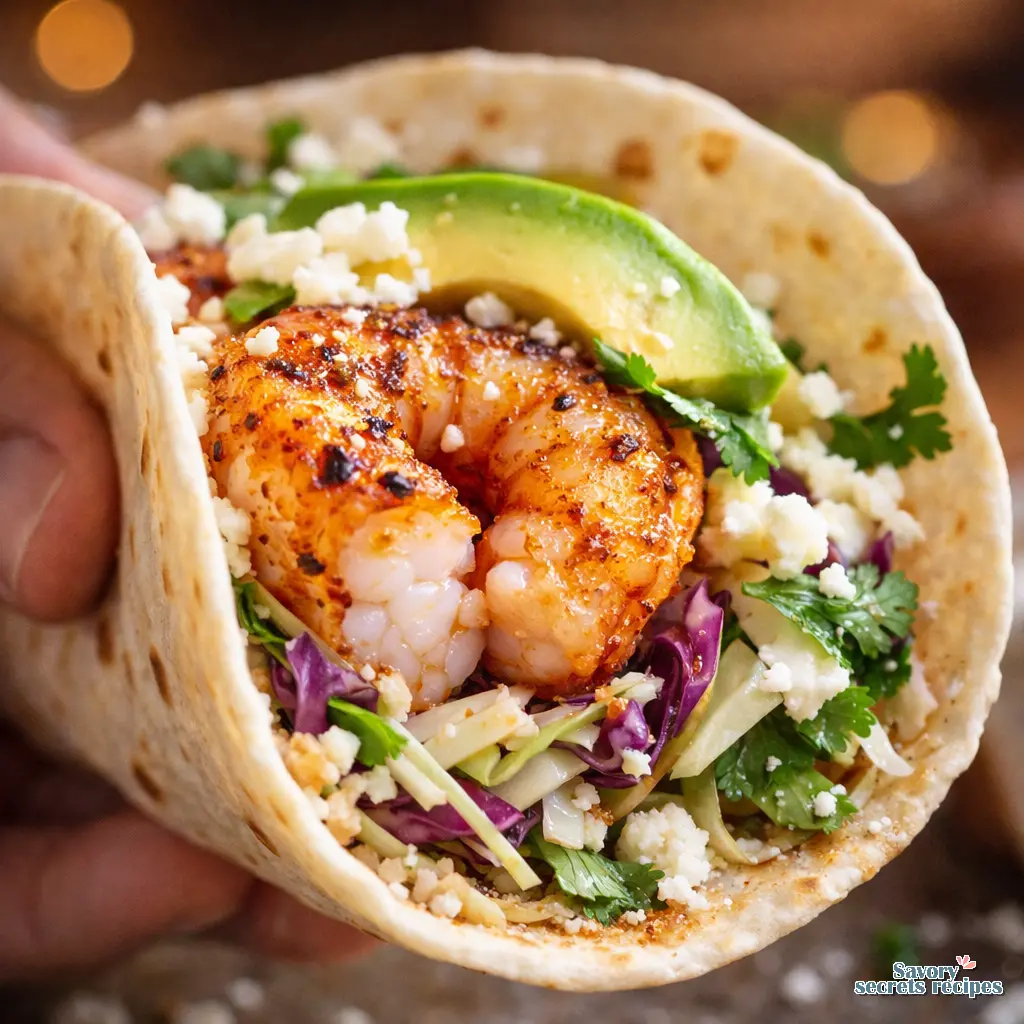





Healthy Chicken Parmesan Bowl Recipe
Ingredients
Method
- Gather all ingredients and preheat the oven to 450°F (230°C).
- Place chicken breasts between two sheets of heavy plastic on a level surface and pound with the smooth side of a meat mallet to a 1/2-inch thickness.
- Season the chicken thoroughly with salt and pepper, then use a sifter or strainer to coat both sides evenly with flour.
- Beat eggs in a shallow bowl and combine bread crumbs with 1/2 cup Parmesan in another; dip each floured breast into the eggs, then the bread crumb mixture, and let rest for 10 to 15 minutes.
- Heat 1/2 inch of olive oil in a large skillet over medium-high heat until shimmering and fry the chicken in batches until golden, about 2 minutes per side.
- Transfer the chicken to a baking dish, top each breast with tomato sauce, mozzarella, basil, and provolone, then sprinkle with the remaining Parmesan and drizzle with olive oil.
- Bake for 15 to 20 minutes until the cheese is bubbly and the internal temperature reaches 165°F (74°C), then let the chicken rest briefly before serving.
Nutrition
Notes
The Quest for the Perfect Crunch
You know that heavy pasta coma feeling. We’ve all been there. You finish a massive plate of traditional parm on a Tuesday night, and suddenly you need a nap. That’s exactly why I started making a classic chicken parmesan bowl instead. It gives you the soul-satisfying cheese and sauce you want, without the overwhelming carb crash.
My daughter went through a phase last year where she’d only eat white foods. Rice, pasta, bread, chicken. I didn’t want to fight it, but I also wasn’t going to make separate meals every night. So I started deconstructing our dinners into bowls. She’d eat around the fresh basil ribbons at first, but gradually she stopped picking them out. Now she asks for the crispy chicken bowl, and I count it as a massive parenting win.
I’d probably just order takeout in the past when I was tired. But here’s what I’d do now. You grab a few fresh ingredients, heat up your kitchen, and build something incredible. A classic chicken parmesan bowl is easier than it looks. Worth it. Trust me.
Why Pounding Your Chicken is Non-Negotiable
Look, I’ll be honest. I used to skip this step. I thought it was just busywork. I learned this the hard way when I ended up with chicken breast strips that were dry on the ends and barely cooked in the middle. My grandmother Fatima taught me to cook in Casablanca during childhood summers, and she always insisted on even meat thickness. She was right.
You need to pound the chicken to an even quarter or half-inch thickness. This isn’t being fussy. It’s the difference between a golden-brown crust and a burnt exterior with raw meat inside. Grab a meat mallet or even a heavy skillet. Just get it flat. Makes sense to me.
If you’re making a classic chicken parmesan bowl for meal prep, uniform cooking is even more critical. Uneven chicken reheats terribly. The thin parts turn into rubber. We don’t want that.
The Dredging Station: Step-by-Step
Here’s what I wish someone had told me about breading. Pat the chicken completely dry with paper towels before starting the dredging process. If the meat is wet, the flour turns to paste, and the breading slides right off in the pan. I’ve ruined enough dinners to know this is true.
Season the meat directly with salt and black pepper rather than just seasoning the flour. Taste as you go, adjust at the end. Well, you can’t taste raw chicken, but you know what I mean. Season every layer.
Once breaded, let the chicken rest for 15 minutes before frying. This gives the flour time to hydrate and lock onto the meat. Give it another minute. You’ll smell when it’s ready in the pan. That sizzle is exactly what you want.
Recipe Science: The Panko-Parmesan Ratio
I’ve tested a lot of breading mixtures. The secret to a classic chicken parmesan bowl that stays crispy is the ratio. You want a one to one mix of panko breadcrumbs and finely grated parmesan cheese. Regular breadcrumbs just don’t have the same structural integrity.
The parmesan melts slightly during frying, creating a microscopic moisture barrier. Add some garlic powder and Italian seasoning to the mix. That’s the move right there. It smells like butter and garlic the second it hits the hot oil.
If you need gluten-free options, use a high-quality gluten-free flour blend and crushed gluten-free crackers. The ratio stays the same. Low and slow does the work for you.

The Secret to Non-Soggy Chicken
The trick is… and I learned this from testing hundreds of cutlets… you can’t put the sauce under the chicken. Ever. I know some restaurants do it, but they’re wrong. A classic chicken parmesan bowl needs a moisture barrier.
Place your crispy chicken in the bowl first. Only put a small amount of marinara sauce on top of the chicken. The bottom stays perfectly crisp. Then add your fresh mozzarella or pearl mozzarella on top of the sauce.
Preheat your oven to 450 degrees Fahrenheit, or use the broiler. You want a quick cheese melt to avoid overcooking the meat. Depends on your stove, but generally, two minutes under the broiler is perfect. Watch it closely. The cheese should bubble, not burn.
Common Mistakes & Fixes
Mistake: The breading falls off in the pan.
Solution: This usually happens if the oil isn’t hot enough or you didn’t pat the chicken dry first. Let the crust set before touching it.
Mistake: The chicken bottom gets soggy.
Solution: You likely put sauce underneath the chicken or used a glass baking dish. Glass traps moisture. Always use stainless steel or cast iron, and keep the sauce strictly on top.
Mistake: The cheese doesn’t melt right.
Solution: Pre-shredded cheese has anti-caking agents that prevent a smooth melt. Always use fresh mozzarella for that perfect pull.
Air Fryer Instructions for Extra Crispy Chicken
I’ve been using my air fryer a lot lately. It’s just easier for a quick weeknight dinner, especially during these cooler LA winter months when we actually want warm comfort food but don’t want to wait for the oven to preheat.
If you want to make an air fryer chicken version of this classic chicken parmesan bowl, spray the breaded cutlets generously with olive oil spray. Cook at 380 degrees Fahrenheit for about 12 minutes, flipping halfway. Add the sauce and cheese during the last two minutes.
You still get that incredible crunch without dealing with hot oil splatters on your stove. I mean, you could fry it traditionally, but the air fryer is a lifesaver on a busy Wednesday.
The Bowl Architecture: Layering for Maximum Texture
This is where the magic happens. We’re building a classic chicken parmesan bowl, not just throwing things on a plate. Build the layers, don’t rush the base. Your base dictates the entire vibe of the meal.
For a high-protein lunch, I love a fluffy quinoa base. It soaks up the extra marinara sauce beautifully. If you’re looking for low-carb options, zucchini noodles or an arugula salad are fantastic. The peppery bite of arugula cuts through the rich cheese perfectly. It feels like a spring refresh.
Toss some roasted cherry tomatoes into the base for little bursts of acidity. Top the crispy chicken with a pesto drizzle or a sweet balsamic glaze. It’s avocado toast money, but you made it at home for a fraction of the price.
Meal Prep Strategy for Your Classic Chicken Parmesan Bowl
I hear you. You want to make this on Sunday and eat it on Wednesday. Meal prep containers are your best friend here, but you have to be smart about storage. Don’t assemble the whole bowl ahead of time.
Keep the quinoa base or salad separate from the chicken. Let the breaded chicken cool completely on a wire rack before putting it in the fridge. If you put warm chicken in a sealed container, the condensation will destroy your crust. That tracks, right?
When you’re ready to eat your classic chicken parmesan bowl, reheat the chicken in an air fryer or oven to bring back the crispiness. Never microwave the chicken unless you enjoy sad, rubbery breading. Reheat the base separately, then combine.

Storage and Freezing Guide
You can absolutely freeze components of this meal. I’d probably freeze the breaded, fried cutlets on their own. Let them cool completely, then store them in freezer bags with all the air pressed out. They’ll keep for about two months.
To reheat from frozen, don’t thaw them. Just place the frozen cutlets on a baking sheet at 425 degrees Fahrenheit until they’re warm and crispy again. Add your sauce and cheese in the last few minutes. It’s a lifesaver when you need a classic chicken parmesan bowl in a hurry.
Store any leftover marinara sauce in an airtight jar in the fridge for up to a week. If it needs more acid when you reheat it, it needs more acid. A quick squeeze of fresh lemon juice wakes up leftover tomato sauce beautifully.
Frequently Asked Questions
Why Your Baking Dish Actually Matters
I didn’t believe this until I saw it with my own eyes. If you use a glass Pyrex dish to melt your cheese, you’re basically steaming your chicken from the bottom up. Glass holds onto moisture like crazy. It’s great for brownies or a lasagna, but it’s the enemy of a classic chicken parmesan bowl.
Use a stainless steel baking sheet or a cast iron skillet instead. These materials conduct heat much faster. They help maintain that sear on the bottom of the chicken while the broiler does its thing on top. It’s a small change that makes a huge difference in the final texture. Seriously, put the glass dish away for this one. You’ll thank me when you hear that crunch.
Avoiding the Dreaded ‘Club Hand’
We’ve all been there. You’re halfway through breading your third chicken breast and your fingers look like breaded sausages. It’s messy, it’s sticky, and it’s frustrating. The pro move is the wet hand, dry hand method. Use your left hand for the flour and panko (the dry stuff) and your right hand for the egg wash (the wet stuff).
It takes a second to get the rhythm down, but it keeps your station clean. And more importantly, it keeps the breading on the chicken where it belongs, not on your knuckles. I usually forget by the last piece of chicken because I’m rushing, but hey, progress not perfection, right? Just try to keep one hand clean. It makes answering the door or checking your phone a lot easier.
Expert Notes & Data Insights
After looking at how most people tackle this dish, the biggest failure point is always sogginess. Most home cooks struggle with breading falling off or getting mushy within minutes of plating. If you follow the pounding and resting steps I mentioned earlier, you’re already ahead of the curve. The 1:1 panko to parmesan ratio isn’t just a suggestion. It creates a structural lattice that holds up under the weight of the marinara. Stick to stainless steel pans, keep the sauce strictly on top, and you’ll have a classic chicken parmesan bowl that actually stays crunchy until the last bite. It’s about building layers of texture, not just piling food in a dish. Enjoy the process, and definitely enjoy that first cheesy, crispy bite.
<!– wp:rank-math/faq-block {"questions":[{"id":"faq-question-1773603437852","title":"Can I use quinoa or greens instead of pasta in a classic chicken parmesan bowl?","content":"Absolutely. I actually prefer it. A quinoa base soaks up the marinara sauce perfectly and adds great protein. If you want something lighter, an arugula salad with a light lemon vinaigrette cuts through the heavy cheese beautifully. It completely transforms the classic chicken parmesan bowl.","visible":true},{"id":"faq-question-1773603437853","title":"What is the secret to keeping the chicken crispy in a classic chicken parmigiana bowl?","content":"The absolute biggest secret is sauce placement. Never put sauce underneath the chicken. Only spoon a small amount of marinara on top, leaving the edges exposed. Also, ensure you're using a one to one ratio of panko breadcrumbs to parmesan in your breading mixture.","visible":true},{"id":"faq-question-1773603437854","title":"What is the best way to assemble a healthy chicken parmesan bowl recipe for meal prep?","content":"Keep everything in separate meal prep containers. Store your roasted cherry tomatoes and quinoa base in one container, and your cooled, breaded chicken in another. Reheat the chicken in an air fryer or oven to maintain the crunch before assembling your classic chicken parmesan bowl.","visible":true},{"id":"faq-question-1773603437855","title":"How do you make a classic chicken parmesan salad with balsamic vinaigrette?","content":"Start with a bed of mixed greens or arugula. Slice your warm, crispy chicken breast and place it on top. Add some fresh pearl mozzarella and roasted cherry tomatoes. Skip the heavy marinara and finish with a rich balsamic glaze and a pesto drizzle instead.\n\nbowl?\nCan I use quinoa or greens instead of pasta in a classic chicken parmesan bowl?
Absolutely. I actually prefer it. A quinoa base soaks up the marinara sauce perfectly and adds great protein. If you want something lighter, an arugula salad with a light lemon vinaigrette cuts through the heavy cheese beautifully. It completely transforms the classic chicken parmesan bowl.
What is the secret to keeping the chicken crispy in a classic chicken parmigiana bowl?
The absolute biggest secret is sauce placement. Never put sauce underneath the chicken. Only spoon a small amount of marinara on top, leaving the edges exposed. Also, ensure you’re using a one to one ratio of panko breadcrumbs to parmesan in your breading mixture.
What is the best way to assemble a healthy chicken parmesan bowl recipe for meal prep?
Keep everything in separate meal prep containers. Store your roasted cherry tomatoes and quinoa base in one container, and your cooled, breaded chicken in another. Reheat the chicken in an air fryer or oven to maintain the crunch before assembling your classic chicken parmesan bowl.
How do you make a classic chicken parmesan salad with balsamic vinaigrette?
Start with a bed of mixed greens or arugula. Slice your warm, crispy chicken breast and place it on top. Add some fresh pearl mozzarella and roasted cherry tomatoes. Skip the heavy marinara and finish with a rich balsamic glaze and a pesto drizzle instead.
bowl?