



Moist Ground Beef Meatloaf Recipe for Your Family Dinner
Ingredients
Method
- Preheat the oven to 400°F and grease a loaf pan.
- Combine the ground beef, bread crumbs, onion, eggs, milk, Worcestershire sauce, salt, pepper, and spices in a large bowl, mixing until just incorporated.
- Form the mixture into a loaf and place it in the prepared pan.
- Stir the ketchup, brown sugar, and Worcestershire sauce in a small saucepan over medium heat until the mixture bubbles.
- Pour half of the sauce over the meatloaf and bake for 30 minutes.
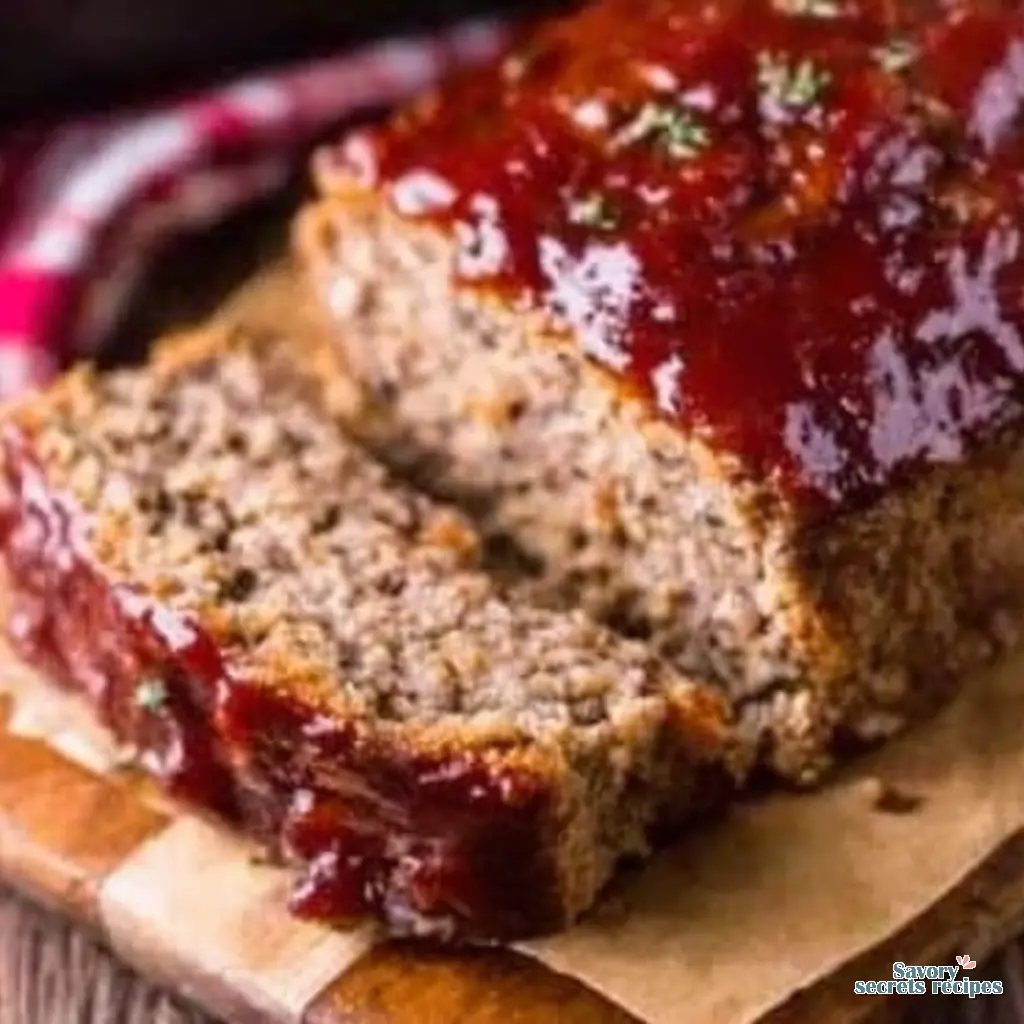
- Spread the remaining sauce over the top and bake for an additional 45 minutes, or until the internal temperature reaches 160°F.
- Allow the meatloaf to rest for several minutes before slicing and serving.
Nutrition
Notes
The Tuesday Night Dinner Savior
I grew up watching my abuela tend three pots at once on a two-burner camp stove in her garage every Saturday. The whole driveway smelled like toasted garlic and cumin. She never measured a single thing. She just tasted with the same wooden spoon all day and adjusted. When I asked her how she knew the beans were done, she told me to listen to them. I still listen to my food. And right now, I’m listening to the sizzle of a sticky glaze caramelizing in the oven.
Finding a reliable classic meatloaf recipe can feel like a chore. I know the feeling. It’s Tuesday evening. You’re dealing with decision fatigue after sitting in LA traffic. You open the fridge hoping dinner will magically make itself. We’ve all been there. You want that sensory experience of a house that smells like home, but you don’t have hours to spend at the stove.
Look, I’ll be honest. I once baked a classic meatloaf recipe that was basically a dry brick. I packed the meat so tight it bounced. My family ate it out of pity. I learned the hard way that treating ground beef like wet clay is a guaranteed disaster. This is a no-judgment zone. If you’ve struggled with dense, crumbly dinners in the past, you’re in the right place. We’re going to fix that today.
Why This Classic Meatloaf Recipe Works
The beauty of a truly great classic meatloaf recipe is the simplicity. You don’t need expensive cuts of meat. You just need basic pantry staples and a little bit of patience. I usually grab my ingredients during a quick Trader Joe’s or Ralphs run on Sunday morning. You probably have half of this stuff in your cupboards right now.
We’re using ground beef 80/20. That fat ratio is non-negotiable. Leaner meat just dries out in the oven. I’ve tried it with 90/10 beef because I wanted to be healthier, but the texture suffered. Your mileage may vary, but in my experience, the fat equals flavor and tenderness. We combine that with large eggs to bind everything together, plus a savory seasoning blend that builds flavor in layers.
This classic meatloaf recipe is perfect for these mild Spring evenings. It’s hearty enough to feel like comfort food, but doesn’t require standing over a hot stove for hours. You mix, you shape, and you let the heat do the work.
The Science of the Panade (Your Secret Weapon)
Here’s what I wish someone had told me years ago. The secret to a moist texture isn’t just the fat content. It’s the panade. I know this sounds complicated, but it’s really just a fancy word for a bread and milk paste.
We use panko breadcrumbs soaked in whole milk. The breadcrumbs act like tiny sponges. They absorb the milk and swell up. When you fold this mixture into the meat, those little hydrated pockets prevent the beef proteins from shrinking and toughening up as they cook. It keeps everything velvety and tender.
I used to just throw dry breadcrumbs straight into the bowl. Big mistake. They pull moisture out of the meat while it bakes. Taking five minutes to let the panko and milk sit together changes everything. See what I mean? It’s a tiny step that makes a massive difference.
Tips for a Moist Texture (And Mixing Rules)
My six-year-old loves to help me cook. Last month, I let him mix the meatloaf. He mashed and squeezed that ground beef until it looked like a smooth paste. I didn’t have the heart to stop him. We ate it, but it was incredibly dense. That’s how you learn.
The number one rule for this classic meatloaf recipe is simple. Don’t overmix. You want to use a light touch. Toss the ingredients together with your hands just until they combine. You should still see distinct pieces of ground beef. If it looks like a uniform paste, you’ve gone too far.
Now, let’s talk about the pan. The great debate is always the loaf pan versus the baking sheet. I prefer a 9×5-inch loaf pan most of the time. It shapes the meat perfectly and keeps the juices close to the beef. But if you love crispy edges, forming a free-standing loaf on a baking sheet is totally fair. Both methods work for this classic meatloaf recipe. Just don’t pack the meat down. Gently pat it into shape.
Detailed Browning and the Ketchup Glaze
My dad used to say, if it doesn’t have color, it doesn’t have flavor. He was talking about carne asada on his backyard grill, but the rule applies to the oven too. We need the Maillard reaction. That’s the chemical process that browns the meat and gives it that deep, savory taste.
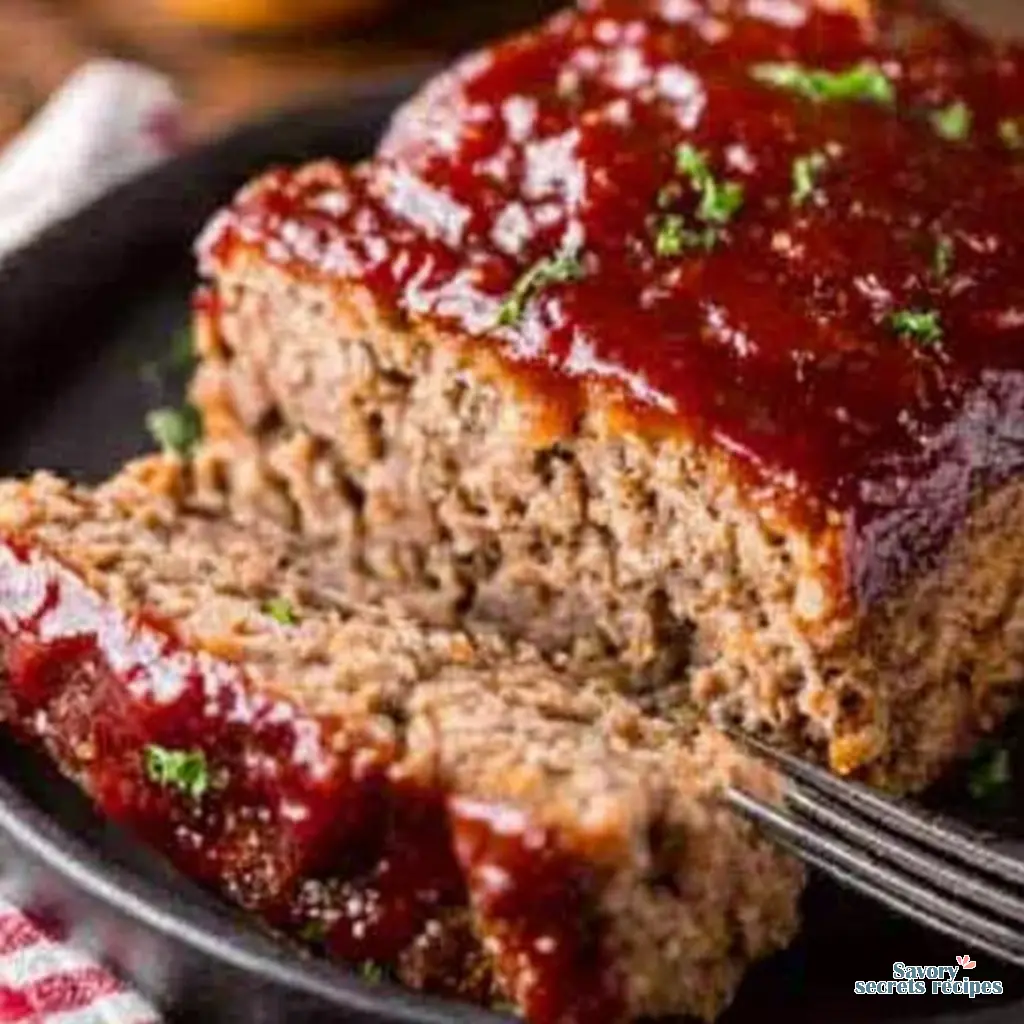
I know there is a fierce debate out there. The ketchup vs gravy crowd. I respect the gravy folks, but for a true classic meatloaf recipe, I want a sticky, tangy ketchup glaze. It provides a pro finish that looks incredible on the plate.
We mix ketchup with brown sugar and a splash of Worcestershire sauce. The sugar caramelizes in the heat. The Worcestershire adds an umami punch. I like to brush half the glaze on right at the beginning, and the rest during the final 15 minutes of baking. It bubbles and thickens into this incredible, tacky crust. That’s the one. Exactly right.
Common Mistakes & Fixes
Mistake: The meatloaf is dense and tough.
Solution: You likely overmixed the meat or packed it too tightly into the pan. Use a gentle folding motion and just pat it into shape.
Mistake: The slices fall apart when cutting.
Solution: You didn’t let it rest. Slicing lava-hot meatloaf is a recipe for crumbles. You must rest for 10 minutes before touching it with a knife.
Mistake: The bottom is swimming in grease.
Solution: If you use meat fattier than 80/20, it will render too much fat. Stick to 80/20. If it still happens, carefully drain the excess grease 15 minutes before it finishes baking.
Visual Troubleshooting Guide
How do you know when it’s done? The edges will pull back from the sides of the pan. The surface will look firm and the glaze will be bubbling. But visual cues can be tricky.
I can’t tell you the exact minute to pull it from the oven. Ovens vary wildly. You have to watch it and trust what you see. If the mixture looks too wet before baking, add a tablespoon more panko. If it looks dry and crumbly in the bowl, splash in a tiny bit more milk.
The only foolproof method is checking the internal temperature. You want it to hit 160°F right in the center. An instant-read thermometer is your best friend here. It takes all the guesswork out of this classic meatloaf recipe.
Pet-Safe Ingredient Substitution List
If you have dogs in the house, you know they camp out under the kitchen counter waiting for dropped food. My golden retriever is practically a vacuum cleaner. It’s important to know what’s in your food just in case a piece hits the floor.
Standard classic meatloaf recipes use onion powder and fresh garlic cloves. Both are highly toxic to dogs. If you want to make a version where you can safely share a plain, unglazed bite with your pup, you need to make adjustments.
Skip the onions and garlic entirely. Instead, hide the veggies. You can fold in finely grated carrots or zucchini. It adds great moisture and it’s perfectly safe for dogs. Just remember to keep the ketchup glaze away from them, as store-bought ketchup often contains hidden onion powder.
Storage and Reheating Guide
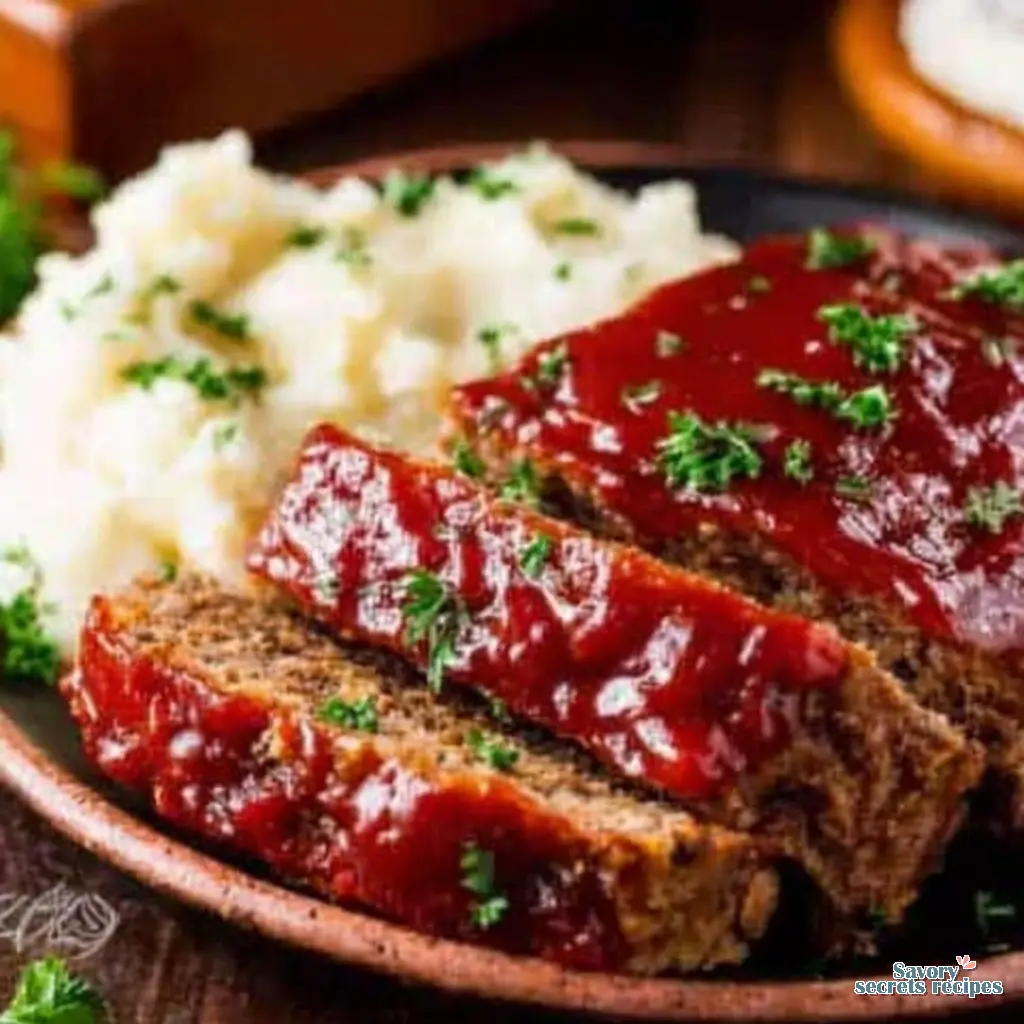
The best part of making this classic meatloaf recipe might actually be the next day. Leftover sandwiches are legendary. A thick cold slice on sourdough bread with a little mayo? Now we’re talking.
To store it properly, let the meatloaf cool completely. If you seal it while it’s still warm, you trap condensation, and that ruins the texture. Wrap the cooled loaf tightly in aluminum foil, or place slices in an airtight container. It will keep in the fridge for up to 4 days.
When you want to reheat a slice, don’t just blast it in the microwave until it turns to rubber. Place a slice on a microwave-safe plate, cover it with a damp paper towel, and heat on 50% power. The damp towel creates a mini steam room that restores the moist texture perfectly. If you have time, reheating slices in a 350°F oven for 15 minutes is even better.
Frequently Asked Questions
Are there any dietary considerations I should keep in mind?
Yes, standard recipes aren’t gluten-free due to the breadcrumbs. You can easily swap in certified gluten-free panko or rolled oats. Also, check your Worcestershire sauce, as some brands contain soy or gluten. Adjust the binders to fit your family’s specific needs.
How do I choose the best ground beef for my classic meatloaf recipe?
Always grab the 80/20 ground beef. That 20 percent fat is your insurance policy against a dry dinner. Leaner cuts like 90/10 will just dry out in the oven. The fat renders down, keeping the interior tender while helping the outside brown beautifully.
How should I store leftover classic meatloaf recipe?
Let it cool completely first to avoid trapping steam. Then, wrap the remaining loaf tightly in aluminum foil or store individual slices in an airtight container in the fridge. It stays fresh and delicious for about 3 to 4 days. Perfect for quick lunches.
Can I freeze this classic meatloaf recipe?
Absolutely. You can freeze it baked or unbaked. Wrap it tightly in plastic wrap, then a layer of foil. It keeps well for up to 3 months. Thaw it overnight in the fridge before baking or reheating. It’s a lifesaver for busy weeknights.
What if my meatloaf is too dry?
If the damage is already done, serve it with extra warm gravy or tomato sauce to mask the dryness. Next time, ensure you use the milk and panko panade, stick to 80/20 beef, and use a meat thermometer to pull it at exactly 160°F.