



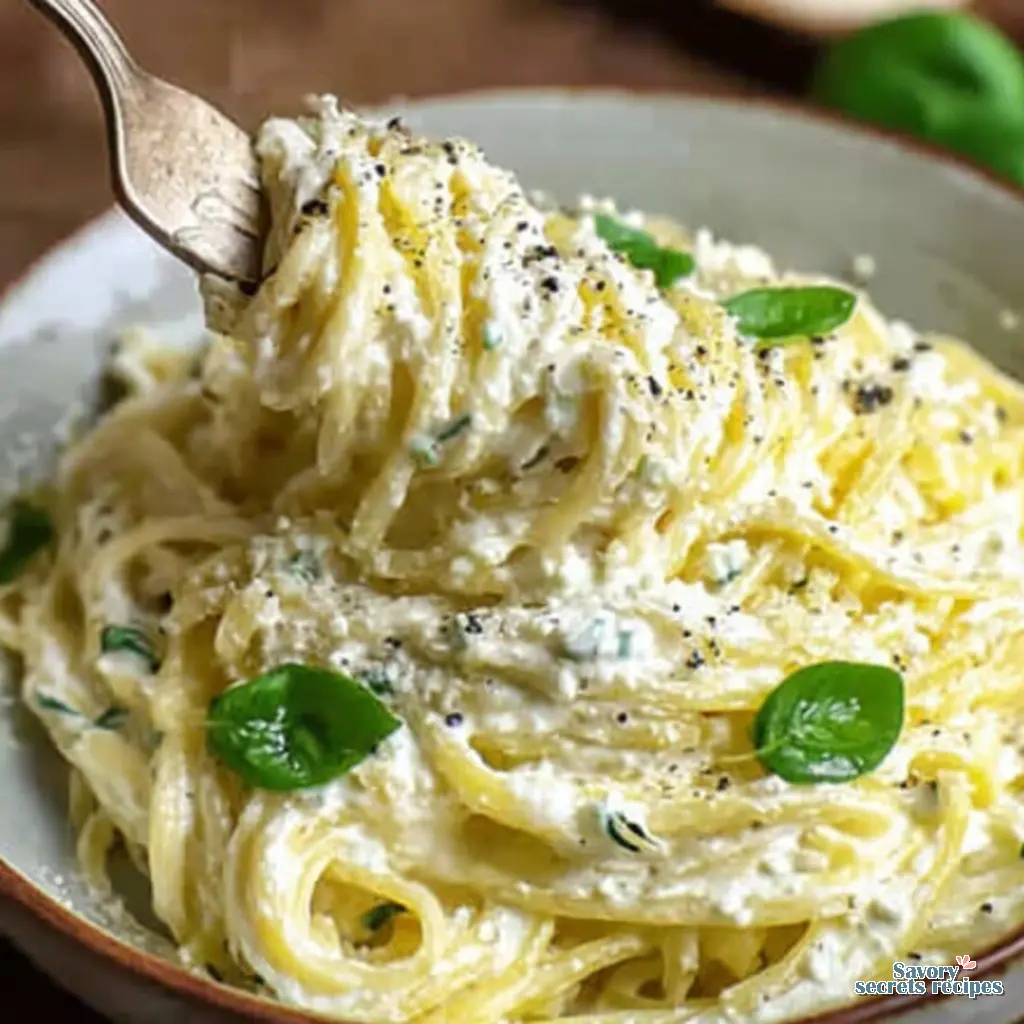
Rich Creamy Ricotta Pasta Recipe for a Comforting Dinner
Ingredients
Method
- Bring a large pot of salted water to a boil. Cook 8 oz (225g) of spaghetti for 8-9 minutes until al dente. Reserve 1 cup (240ml) of the pasta water and drain the noodles.
- Heat 2 tablespoons of olive oil in a large skillet over medium heat. Sauté minced garlic for 2-3 minutes, stirring frequently, until fragrant and lightly golden; do not burn.
- Turn off the heat and stir in the lemon zest and juice.
- Whisk 1 cup (250g) of ricotta and ½ cup (120ml) of the reserved pasta water in a bowl until the mixture is smooth and creamy.
- Add the drained pasta to the skillet with the garlic-lemon oil. Pour in the ricotta mixture and toss gently over low heat, adding more pasta water as needed for a silky texture. Season with salt and pepper to taste.
- Remove from heat and stir in chopped fresh basil or parsley and ¼ cup (25g) of grated Parmesan. Add red pepper flakes if desired.
- Serve immediately while warm and creamy, optionally drizzling with extra olive oil and a sprinkle of additional Parmesan.
Nutrition
Notes
The Elegant Mother’s Day Creamy Ricotta Pasta
I grew up watching my grandma Evelyn pull fully assembled meals out of her garage freezer like magic tricks. She’d peel back the foil, read her own Sharpie notes on masking tape, and dinner was handled. I didn’t realize until college that not everyone’s grandma had a freezer inventory system. I love meal prep. I’m a little obsessed with it, actually. But here’s the thing. Sometimes you just need a dish that feels like pure, opulent luxury right off the stove.
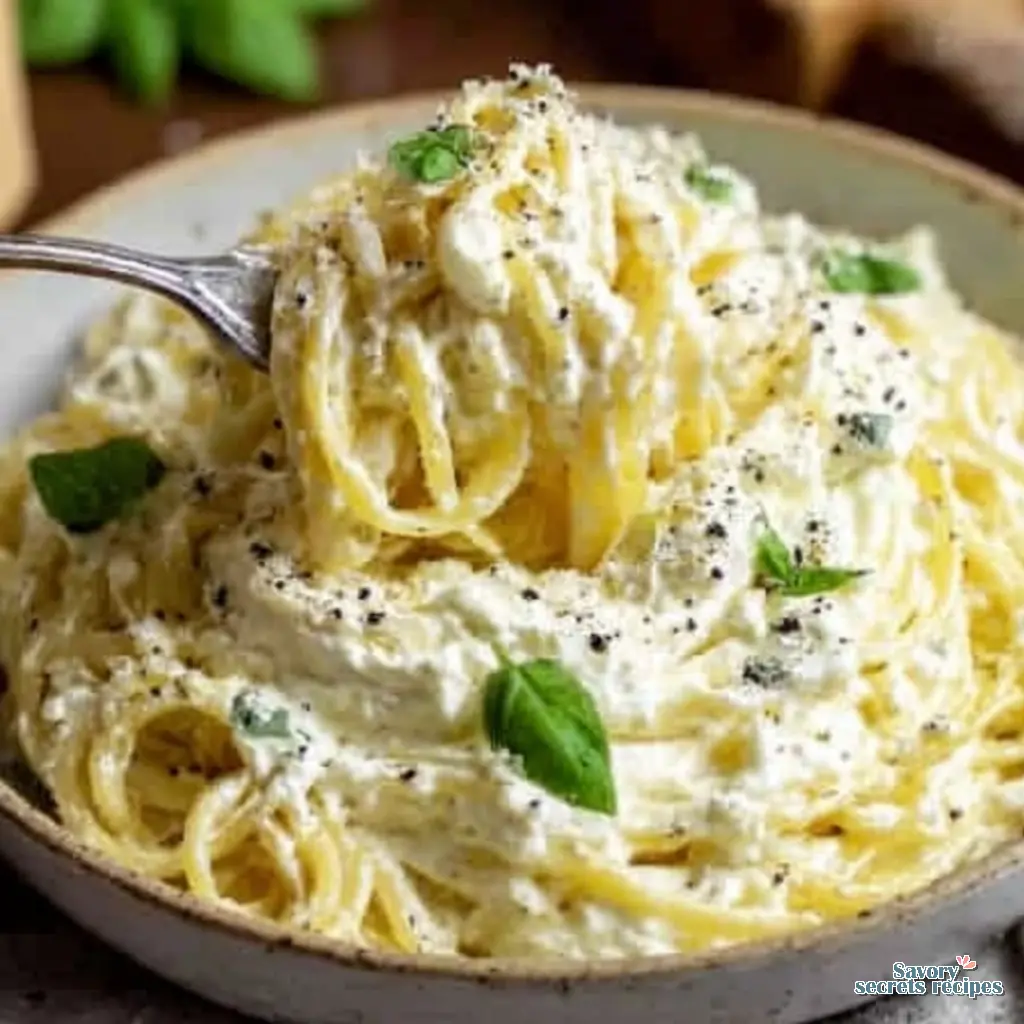
With Mother’s Day right around the corner, this is the elegant Mother’s Day pasta she’ll actually want to eat. Treat Mom to a restaurant style creamy ricotta pasta at home. It looks incredibly fancy, but it takes less than 30 minutes. You get a sauce with the consistency of heavy cream but the bright, fresh flavor of ricotta. I know some people think weeknight dinners have to be boring. Fair enough. But this recipe proves them wrong.
We are taking simple ingredients and turning them into vegetarian comfort food. No watery sauces. No disappointing textures. Just shimmering, velvety goodness that coats every single noodle perfectly. Honestly kind of genius. Let’s get into exactly how we make that happen.
The Science of Ricotta (And Why Fat Content Matters)
Real talk. Have you ever stirred cheese into hot noodles and ended up with a clumpy, gritty mess? That tracks. The proteins in the dairy tighten up when they hit high heat. They squeeze out their moisture and leave you with tiny, rubbery curds. It’s frustrating. I learned this the hard way after ruining a perfectly good batch of linguine. If you’re in a hurry, my vegetarian spinach pasta is a reliable quick creamy pasta that avoids these texture issues entirely.
To fix the grainy cheese problem, we need to talk about fat content. You absolutely must use whole-milk ricotta for the creamiest mouthfeel. Part-skim is highly prone to graininess because it lacks the fat needed to coat those proteins. Full-fat dairy acts as a buffer. At least in my kitchen, it’s non-negotiable. If you are shopping at Ralphs or Vons, skip the store brand tubs that look watery. Look for a high-quality, low-moisture brand. If your cheese still appears watery when you open it, drain it in a fine-mesh strainer for about an hour to prevent a runny sauce.
Here is my favorite trick. The whipped ricotta technique. Before the cheese ever sees a warm pan, whip it in a bowl until it is completely smooth. This breaks down the curds mechanically. You can use a whisk or a food processor. This simple step is the secret to a sauce that feels like it came from a high-end Los Angeles bistro.
The Secret to a Silky Texture: Pasta Water Emulsion
I think this works, but your mileage may vary based on your pasta brand. Always save at least 1 cup of pasta water before you drain your noodles. The starchy water is essential for emulsifying the cheese. It is the glue that binds the fat in the dairy to the liquid, creating a sauce consistency that is thick, rich, and stable.
When you boil your fettuccine or spaghetti, use a large pot (about 5 to 6 quarts) to ensure the pasta cooks evenly without sticking. Salt the pasta water only after it reaches a rolling boil. You want it to taste like the sea. As the noodles cook, they release starch into the water. That cloudy, salty liquid is liquid gold.
When you mix the whipped cheese with the hot starchy water, do it off the heat. Low heat cooking is crucial here. If the pan is too hot, the sauce will break. You just want the residual heat from the noodles to warm the sauce through. It’s actually quite forgiving once you understand the temperature control.
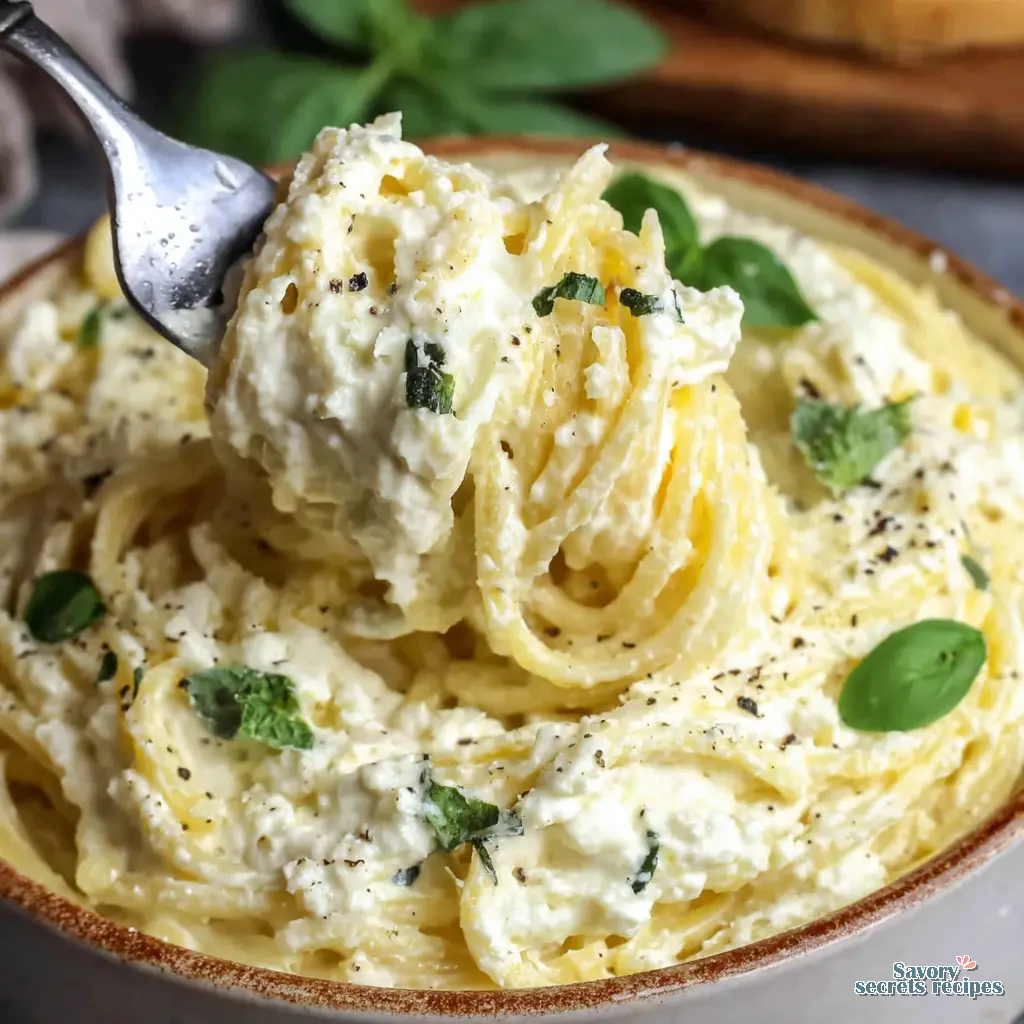
Visual Consistency Guide: Nailing the Sauce
Let’s talk about what this should look like in the pan. When you first add the cheese to the noodles, it will look a bit thick and clumpy. Don’t panic. Splash in about a quarter cup of your reserved pasta water and start tossing. Vigorously.
You’ll know it’s right when the sauce coats the back of a spoon without immediately running off. It should look like melted ice cream. If it looks too thick or sticky, add another splash of water. If it looks watery, keep tossing. The friction from tossing the pasta helps the starch and fat bind together. You want a glossy sheen that catches the light.
To build even more stability, I like to add a pat of unsalted butter or a splash of heavy cream. This extra fat acts as an insurance policy against the sauce breaking. It makes the mouthfeel incredibly rich. Perfect. Worth it.
Common Mistakes & Fixes
Mistake: Using part-skim ricotta without draining it.
Solution: This leads to a watery sauce. Always drain it, or better yet, just buy the whole-milk version.
Mistake: Discarding all the pasta water before making the sauce.
Solution: Scoop out at least a cup with a mug before you dump the pot into the colander. That water is your sauce base.
Mistake: Overheating the cheese.
Solution: This causes it to become grainy. Always mix your sauce off the heat. The hot noodles provide plenty of warmth.
Mistake: Using pre-shredded parmesan.
Solution: Pre-shredded cheese contains anti-caking agents that ruin the silky texture. Grate it fresh from a block.
One-Pan Cleanup Strategy & Flavor Building
I’m not going to lie. I hate doing dishes. That is why I love a one-pan cleanup strategy. After you drain the pasta, use that same large pot to build your flavor base. Add a generous glug of garlic infused oil. If you are making your own, gently warm some extra virgin olive oil with a few smashed garlic cloves. Remove the whole garlic cloves after infusing the oil for a subtle flavor, or mince them for strength.
We need acid to cut through all this dairy richness. Since we are keeping this family-friendly and alcohol-free, skip the cooking wine. Add fresh Meyer lemon juice right at the very end to keep the flavor bright and fresh. The lemon zest is fantastic here, too. It smells like a warm California spring evening.
Don’t skip the parmesan as it provides the necessary salt and depth. Fold it in right before serving. Finally, finish with a drizzle of high-quality extra virgin olive oil for a professional touch. The aroma of toasted garlic, lemon, and fresh basil hitting the warm pasta is incredible.
Ingredient Substitutions (Cheese & Pasta)
This recipe is totally doable with whatever you have in your pantry. If you don’t have standard spaghetti, use rigatoni, penne, or fusilli for short pasta. Fettuccine and linguine are also beautiful choices for long noodles. The thick sauce clings perfectly to broad, flat shapes.
Want a sharper kick? Use Pecorino Romano instead of Parmigiano-Reggiano. It has a saltier, more robust flavor that pairs beautifully with the mild ricotta. If you are out of fresh basil, you can use 1.5 to 2 tablespoons of dried basil, though fresh is always my preference for that vibrant pop of green.
You can easily customize this creamy ricotta pasta. Add baby spinach or arugula at the end to wilt into the sauce. Stir in caramelized mushrooms or diced grilled vegetables. If you want a chunkier tomato vibe, hand-crush whole canned tomatoes and fold them in. You can even add pulled rotisserie chicken for protein if you want to stretch it into a heavier meal. I prefer proteins that work hot or cold because it gives you options on reheating.
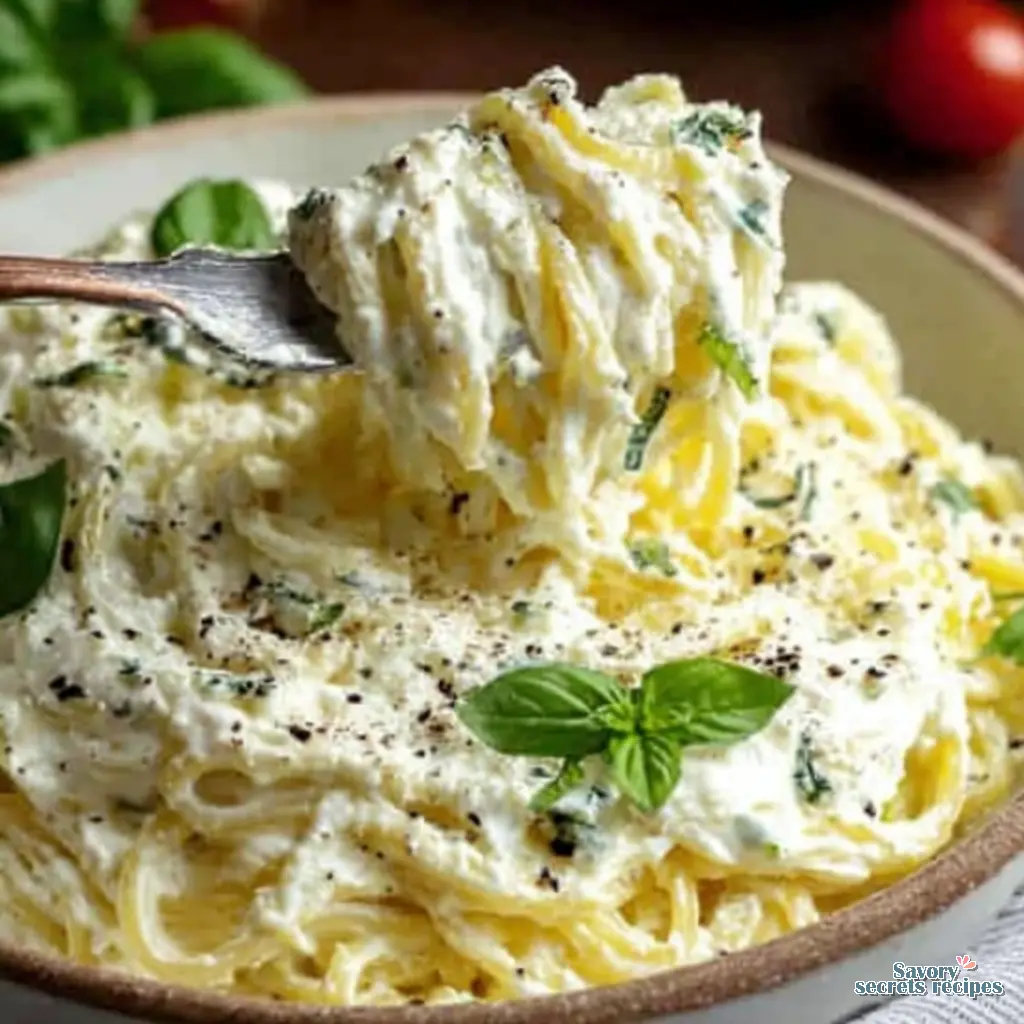
Storage & Reheating Guide
I genuinely love the feeling of opening a well-organized fridge on Monday morning. Everything labeled, everything with a purpose. This creamy ricotta pasta is a fantastic candidate for your weekly meal prep. Store it in an airtight container in the refrigerator for 3 to 5 days. (This keeps for 5 days, maybe 6 if your fridge is really cold).
Do not freeze this dish. I tried it once, and when it thawed, the dairy separated into a grainy, broken mess. Some lessons you only need to learn once. Instead, keep it in the fridge and reheat it gently.
It reheats like a dream if you do it right. To reheat on the stovetop, place it in a skillet over medium-low heat with a splash of water or broth to loosen the sauce. Stir gently until warmed through. If you are taking it to the office, microwave individual portions with a splash of water, covered, in 30-second intervals. Stir between each interval. Future you will thank you for taking the time to reheat it properly.
Frequently Asked Questions
Ready for Dinner?
This creamy ricotta pasta is the perfect balance of easy weeknight cooking and weekend luxury. It’s the kind of dish that makes you feel like a much better cook than you actually are. Serve it immediately right off the stove, maybe topped with some ricotta salata for a summer twist, and a simple green salad on the side. You’ve got this.
I share tons of variations and meal prep strategies on my Pinterest boards, so come say hi and let me know how yours turned out. Dinner’s already halfway done.
Reference: Original Source
How do you make creamy ricotta pasta sauce creamy and not grainy?
The secret is using whole-milk dairy and whipping it until smooth before adding it to the pan. Always mix your creamy ricotta pasta off the heat, using hot, starchy pasta water to gently emulsify the fats without shocking the proteins.
What is the best ricotta cheese for pasta sauce to get a smooth texture?
You absolutely need a high-quality, full-fat, low-moisture brand. Skip the watery store brands. If yours looks runny in the tub, drain it in a fine-mesh strainer for an hour. The higher fat content is what gives you that silky, luxurious mouthfeel.
Can I add lemon or spinach to this creamy ricotta pasta recipe?
Yes, totally doable. Fresh Meyer lemon juice and zest brighten the rich sauce beautifully. Add them at the very end. For spinach, toss a handful of baby greens into the hot pasta right before serving so they wilt gently into the sauce.
How do you reheat leftover creamy ricotta pasta without it drying out?
The best way is in a skillet over medium-low heat. Add a splash of water or vegetable broth to loosen the chilled sauce. Stir gently until it warms up and re-emulsifies. If microwaving, add water, cover it, and heat in short 30-second bursts.
Can I make this creamy ricotta pasta vegan?
You can, though the texture will vary. Substitute the dairy with a high-quality almond or cashew-based alternative. You will still need the starchy pasta water to bind it. Add a little nutritional yeast to replace the savory depth of the parmesan.
Can I use cottage cheese instead of ricotta?
I think this works, but your mileage may vary. Cottage cheese has larger curds and less fat. You must blend it completely smooth in a food processor first. It will be slightly tangier, so you might want to adjust your salt and lemon juice.
Does ricotta melt?
Not in the traditional sense. Unlike mozzarella, it doesn’t get stretchy or gooey. Instead, it softens and blends into a creamy paste when mixed with hot liquid. That is why the pasta water emulsion is the most critical step in this recipe.