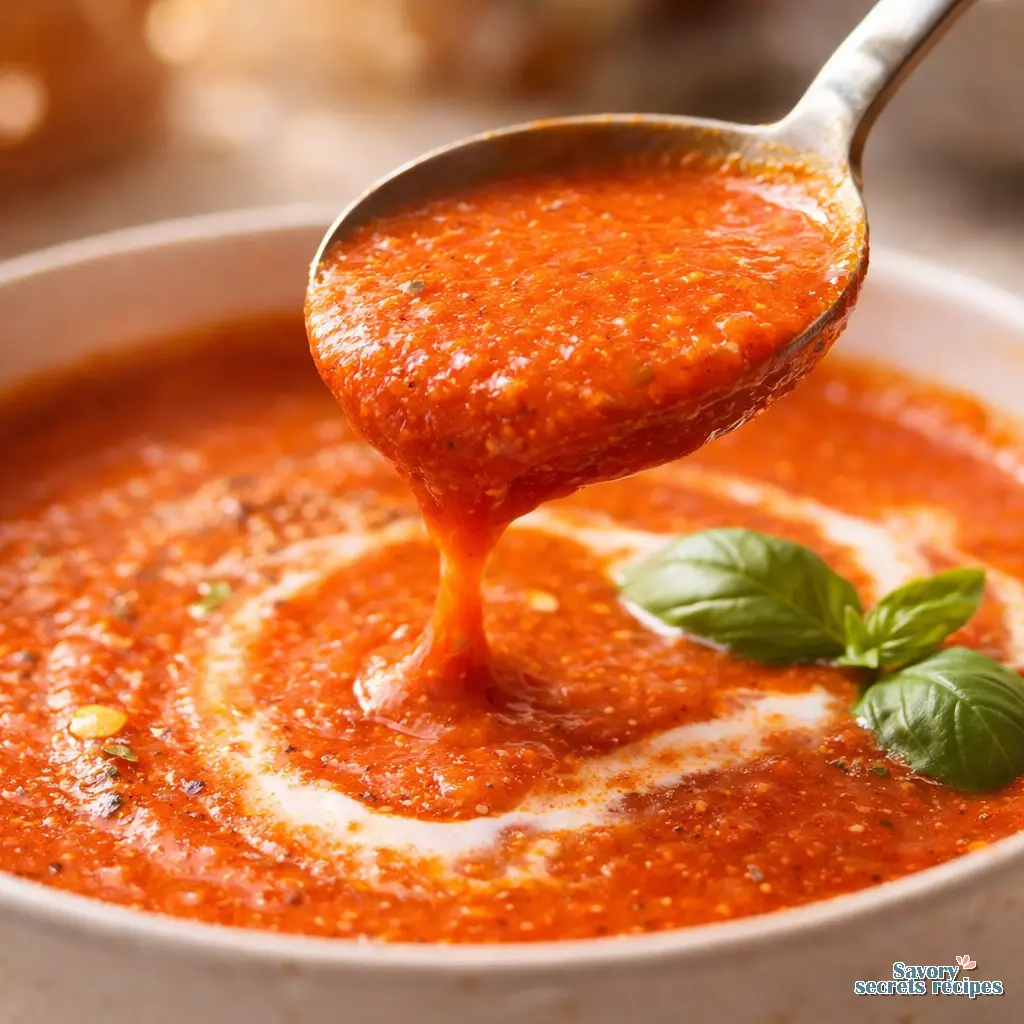
Creamy tomato soup with fresh tomatoes
Ingredients
Method
- Boil a large pot of water over high heat. Score a small X on the stem end of each tomato. Blanch the tomatoes in the boiling water for 1 minute, then transfer them to cold water using a slotted spoon. Once cooled, peel, core, and coarsely chop the tomatoes.
- Heat olive oil in a large soup pot over medium-high heat. Add onions and garlic and cook until the onions are translucent and the garlic is fragrant, about 5 minutes.
- Add the chopped tomatoes to the pot, season with salt and pepper, and cook for 5 minutes. Increase the heat to high, add the vegetable broth, and bring to a boil. Reduce the heat to low and simmer for 30 minutes.
- Puree the soup until smooth using an immersion or standard blender. Return the soup to the pot, stir in the heavy cream, and simmer over low heat for 15 minutes. Continue simmering for 10 minutes if a thicker consistency is needed. Adjust seasoning with salt and pepper to taste.
- Ladle the soup into bowls and top with croutons, Parmesan cheese, and fresh basil if desired.
Notes
Why This Creamy Tomato Soup With Fresh Tomatoes Works
Spring is here in Los Angeles, and the farmers markets are finally overflowing with vibrant red produce. I genuinely love the moment when you add aromatics to hot oil and the kitchen fills with that fragrance. It is the best part of cooking for me, every single time. But today, we are talking about something even better. We are making a creamy tomato soup with fresh tomatoes.
I know what you are thinking. Why not just open a can? To be honest, I used to do exactly that on busy weeknights. The research isn’t entirely clear on this, but I think we are often chasing a memory more than a recipe when we eat soup. We want that comforting, rich bowl from childhood. But a homemade creamy tomato soup with fresh tomatoes completely changes your perspective on what this dish can be. The aroma of the oven opening, the caramelized edges of a garden harvest, the first taste of pure tomato essence. That is exactly what we want.
Let me think through this. Bland supermarket produce just will not cut it here. You need the intense, concentrated flavor that only comes from roasting. I learned to properly brown meat from a line cook I interviewed for a story about restaurant techniques at home. He told me the pan has to be hot enough that you’re a little nervous, and you have to resist the urge to move things around. Just let it sit. I apply that exact same logic to roasting vegetables. Trust the browning process. It creates a depth of flavor you just cannot get from a stovetop simmer.
The Best Tomatoes for Homemade Tomato Soup
I am not convinced yet that people realize how much sweeter bruised or overripe tomatoes are. Honestly, they are the secret weapon for any garden harvest recipe. When you are making creamy tomato soup with fresh tomatoes, the variety matters immensely.
Roma tomatoes and San Marzano varieties are your best friends here. They have a lower water content and a meatier texture, which means they roast beautifully without turning into a watery mess. Vine-ripened tomatoes are also fantastic, especially if you can find them at a local spot like the Santa Monica Farmers Market. Here is what I am seeing when I test these batches: the higher the Brix level (which measures natural sugars), the less you have to worry about balancing acidity later.
Always use the ripest, reddest tomatoes available for maximum sweetness. If they look a little sad and wrinkly on your counter, perfect. They are ready.
Step-by-Step Roasting Guide
The magic of this creamy tomato soup with fresh tomatoes happens entirely in the roasting pan. You want to core and halve your tomatoes, tossing them generously with extra virgin olive oil, a splash of balsamic vinegar, and fresh thyme. The balsamic vinegar adds a subtle depth that really highlights the natural sugars.
Here is a trick I love. Throw the green tomato vines right onto the roasting tray. The vines contain incredible aromatic compounds that smell exactly like a warm summer greenhouse. Just remember to pull them out before blending! Also, slice the top off a whole garlic head, wrap it loosely in foil with a drizzle of oil, and nestle it among the tomatoes. Let it do its thing in a 400°F (200°C) oven for about 40 minutes.
You might be wondering if it is necessary to peel the skins before making creamy tomato soup from scratch. I mean, you could skip this, but I highly recommend leaving them on. The skins contain so much flavor and pectin, which helps thicken the soup naturally. We will deal with the texture later using a good immersion blender.
The Science of Creamy Texture
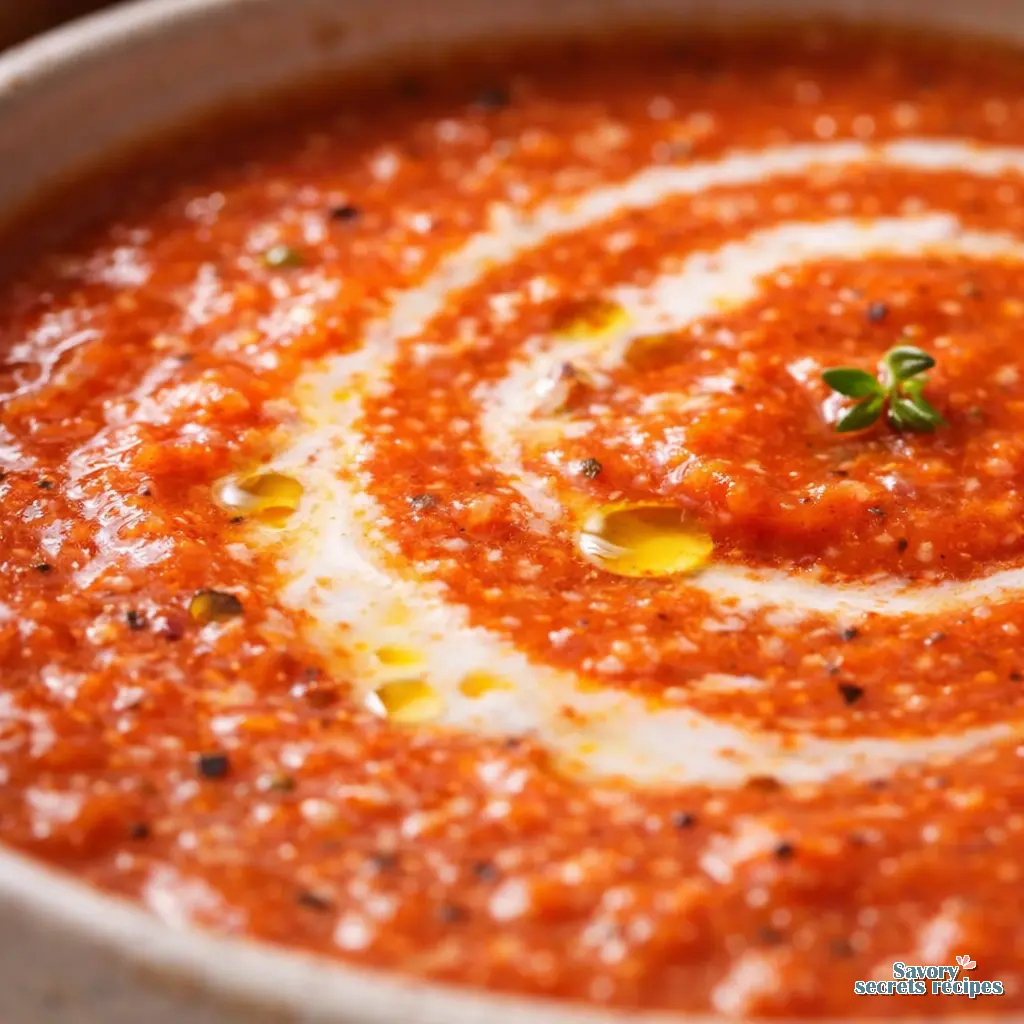
Achieving that perfect, velvety mouthfeel in a creamy tomato soup with fresh tomatoes is all about the emulsion. You have a few options here. Heavy cream is the classic choice, offering a rich, luxurious finish. But there is a science to adding dairy to acidic environments.
If you add cream to a boiling pot of tomato soup, it will curdle. The sudden heat and high acidity cause the dairy proteins to denature and clump together. Always stir in the heavy cream a little at a time only after blending, and make sure the soup is off the heat or at a very low simmer.
For a dairy-free alternative, torn pieces of fresh sourdough bread create a thick texture without dairy. My grandmother in Taipei used a similar thickening concept for her savory porridges, relying on starches rather than fats to create body. It is a brilliant technique that gives the soup a rustic, hearty feel.
Visual Troubleshooting Guide
Mistake: The cream curdled into small white specks.
Solution: You likely added the cream while the soup was boiling. Always remove the pot from the heat first, let it cool for just a minute, and stir the cream in slowly.
Mistake: The soup is too thin and watery.
Solution: You might have used water-heavy tomatoes or didn’t roast them long enough. Simmer it a bit longer on the stove to naturally reduce, or blend in a slice of torn bread to thicken it instantly.
Mistake: The texture is grainy from the skins.
Solution: Your blender isn’t quite powerful enough. Run the soup through a chinois sieve or a fine mesh strainer for a perfectly silky finish.
Tips for Balancing Acidity
Every batch of tomatoes is different. Sometimes you get incredibly sweet ones, and sometimes they lean very tart. I remember my daughter went through a phase where she’d only eat ‘white and brown foods,’ which really limited our options. I started grating carrots into fried rice and calling it ‘confetti rice.’ She was so delighted by the name that she didn’t notice she was eating vegetables. Now she asks for confetti rice specifically.
I bring this up because I use that exact same trick for this creamy tomato soup with fresh tomatoes. Roast tomatoes with red bell pepper or shredded carrots to balance acidity naturally. The natural sugars in the carrots caramelize in the oven and perfectly offset the tartness of the tomatoes, meaning you do not have to rely on refined sugar. Taste as you go. Season in layers. You will know exactly when the balance hits right.
Tomato Weight-to-Volume Conversion Chart
If you are standing in Trader Joe’s or Whole Foods trying to figure out how many tomatoes to buy, this quick guide helps:
- 1 pound (about 450 grams): Roughly 3 medium globe tomatoes or 5-6 Roma tomatoes. Yields about 1.5 cups chopped.
- 2 pounds: Fills a standard baking sheet nicely for roasting.
- 3 pounds: The sweet spot for a family-sized batch of creamy tomato soup with fresh tomatoes (serves 4-6).
Variations & Substitutions
I like recipes that give you a framework and then trust you to adjust based on what you are tasting. This creamy tomato soup with fresh tomatoes is highly adaptable.
If you want a vegan version, swap the chicken broth for vegetable broth and use full-fat coconut milk or cashew cream instead of heavy dairy cream. The coconut milk adds a really lovely tropical undertone that pairs surprisingly well with a basil chiffonade.
For a spicy kick, add a pinch of cayenne pepper or red pepper flakes to the roasting pan. And if you are short on time, you can absolutely adapt this for a Slow Cooker. Just roast the tomatoes first (do not skip this, trust me), then transfer everything to the slow cooker on low for 4 hours to let the flavors meld.
Storage & Freezing Instructions
This is the good stuff, and you will definitely want leftovers. You can refrigerate the soup in airtight containers for up to 5 days. The flavors actually deepen overnight, making it an incredible meal prep option for busy workweeks.
If you are planning to freeze it, I have a crucial tip. Hold off on adding the cream if the plan is to freeze the soup. Freezing dairy can lead to a grainy, separated texture when thawed. Freeze the dairy-free tomato base in bags or containers for 1-3 months. When you are ready to eat, thaw it overnight in the fridge, warm it gently on the stove over medium-low heat, and stir in your fresh cream right before serving.
Frequently Asked Questions
Serving Up Comfort
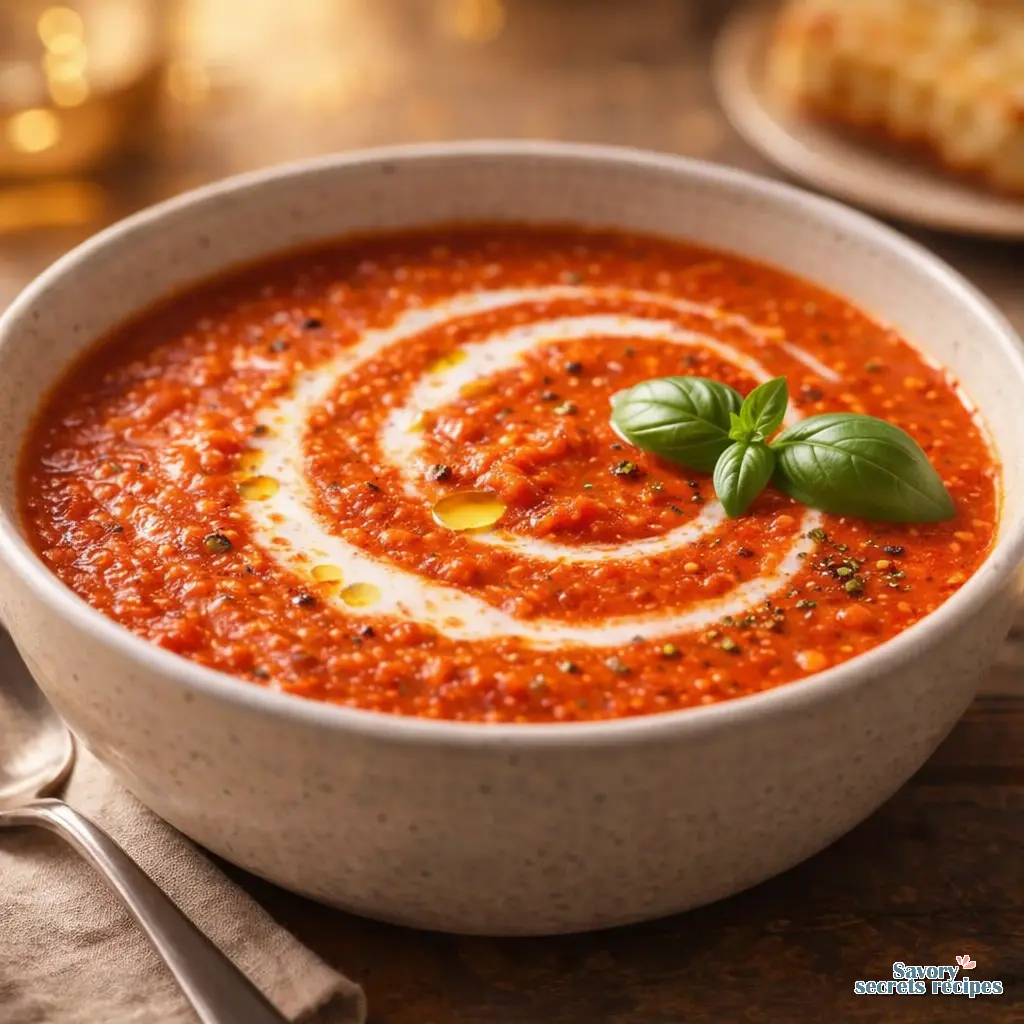
When you are ready to serve, ladle this gorgeous, vibrant red soup into deep bowls. I highly suggest a classic grilled cheese sandwich on San Francisco-style sourdough for dipping. Garnish the soup with a few fresh basil leaves, a swirl of cream, and a generous drizzle of good olive oil. It is a masterpiece. I could eat this every week and never get tired of it.
If you make this creamy tomato soup with fresh tomatoes, I would love to see how it turns out for you. Snap a photo of your cozy dinner setup and tag me. Now we are talking!
For more inspiration, check out my Pinterest boards where I save all my favorite seasonal variations.
Reference: Original Source
What are the best tomatoes for homemade tomato soup to ensure a rich flavor?
I always recommend Roma or San Marzano tomatoes for a creamy tomato soup with fresh tomatoes. They have less water and more dense flesh, which roasts beautifully. Vine-ripened tomatoes are also fantastic. The riper they are, the sweeter your final soup will be.
How do you make creamy tomato soup with fresh tomatoes and cream without the soup curdling?
The trick is temperature control. Never add cold cream to a boiling pot. Remove your creamy tomato soup with fresh tomatoes from the heat source completely. Let it cool for just a minute, then slowly stir in the heavy cream. This prevents the dairy proteins from breaking.
Can you use this creamy tomato soup recipe with fresh tomatoes if you only have frozen ones?
You absolutely can. If you froze your summer garden harvest, just thaw the tomatoes and drain excess water before roasting. They might need a slightly longer roasting time to caramelize properly, but they still make a fantastic creamy tomato soup with fresh tomatoes.
Is it necessary to peel the skins before making creamy tomato soup from scratch?
Fair enough, peeling is tedious. I rarely do it. You can absolutely leave the skins on for roasting. They add great flavor and natural pectin for thickness. Just make sure to use a high-powered immersion blender to pulverize them completely, or pass the soup through a sieve.
How long can you store creamy tomato soup homemade in the refrigerator?
Your creamy tomato soup with fresh tomatoes will keep perfectly in an airtight container in the fridge for up to 5 days. In fact, I think it tastes even better on day two or three after the garlic and roasted flavors have had time to truly meld together.