



Tomato Sauce Vegetable Soup Recipe
Ingredients
Method
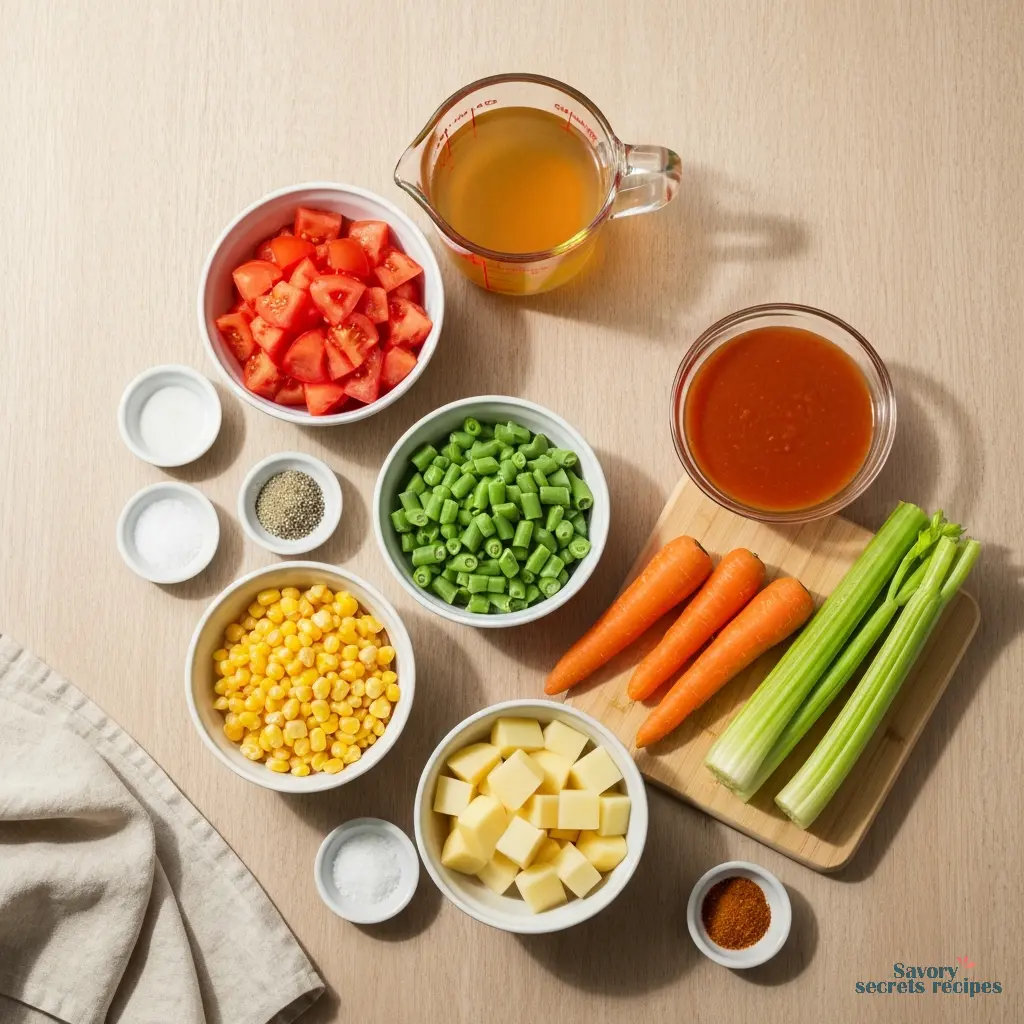
- Collect all ingredients.
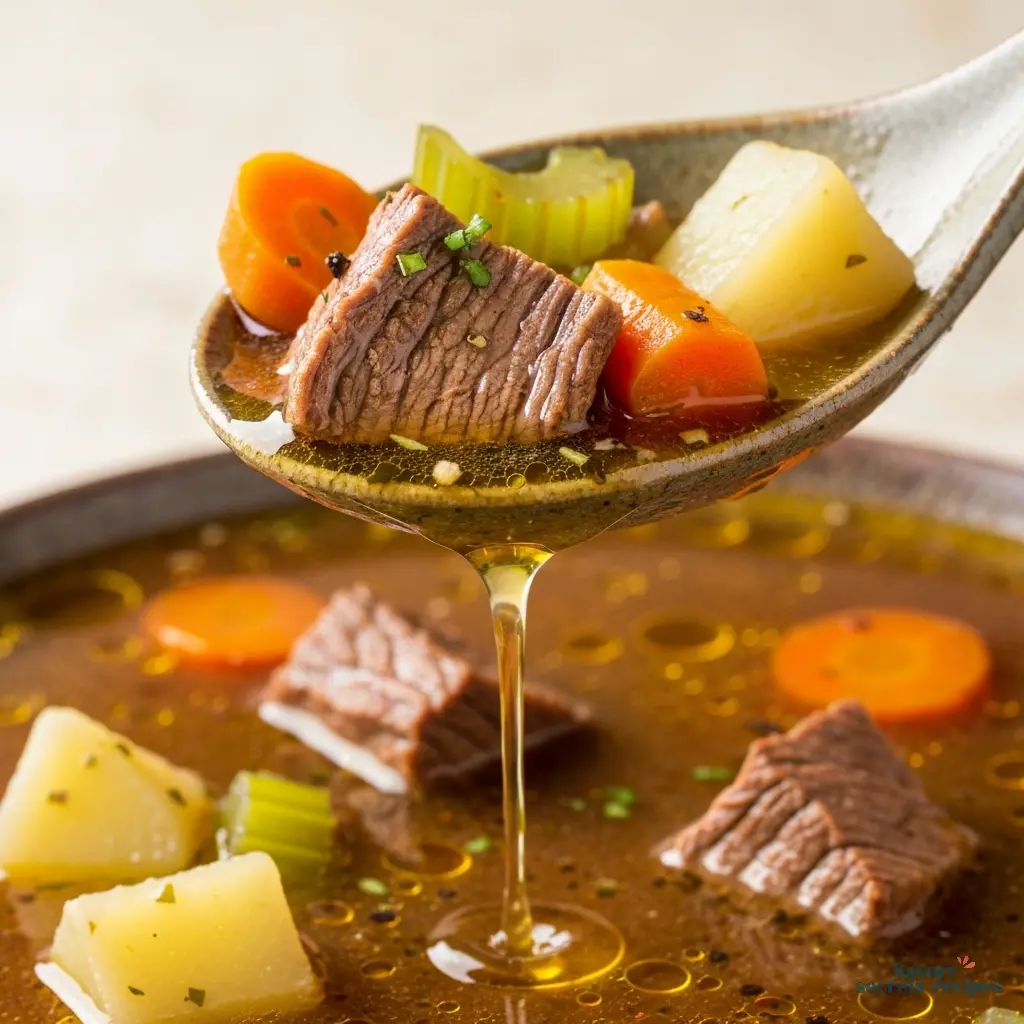
- Combine tomatoes, chicken broth, tomato juice, carrots, celery, potato, green beans, corn, and water in a large stockpot. Add salt, pepper, and Creole seasoning.
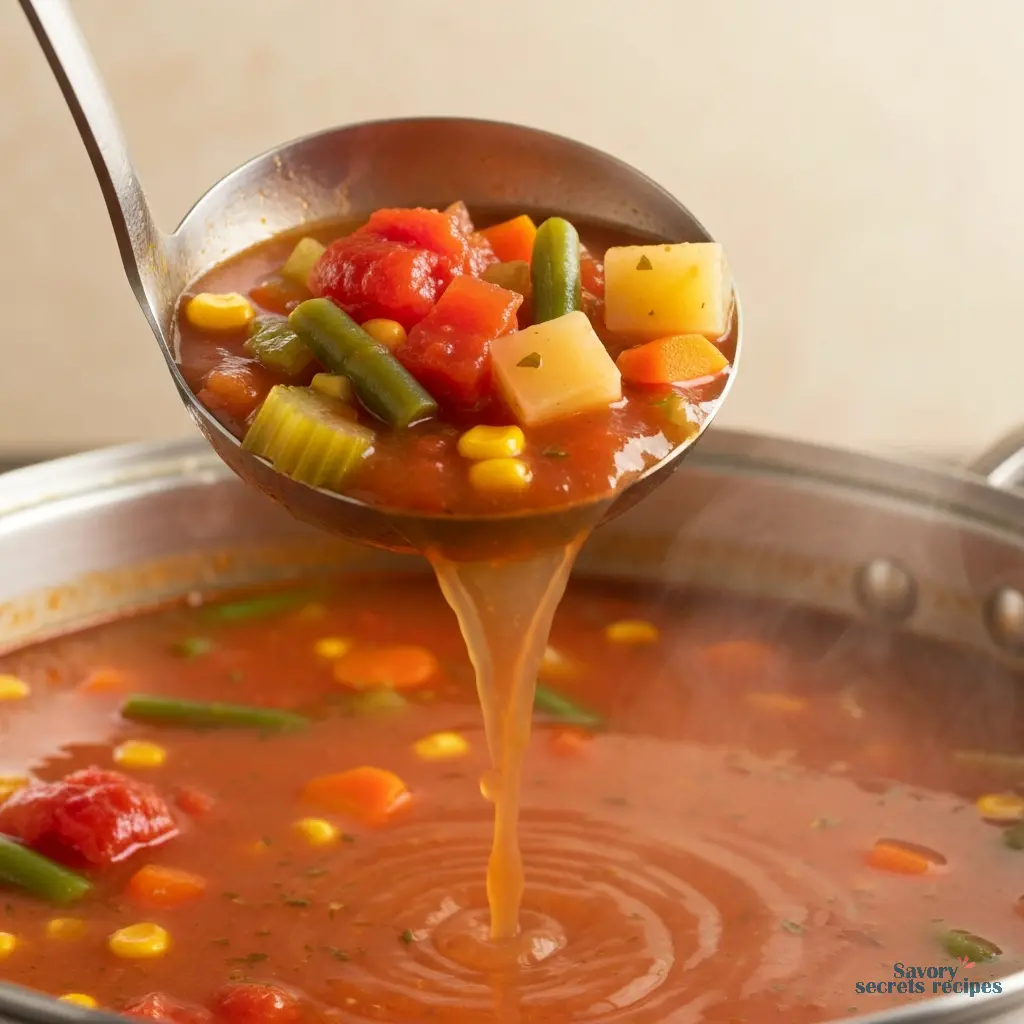
- Bring the mixture to a boil over medium heat, then simmer for about 30 minutes until the vegetables are tender.
- Serve it hot.
Nutrition
Notes
Ever Stared at a Can of Tomato Sauce and Wondered?
You know the feeling. It’s a Wednesday, maybe a Thursday, and you’re staring into your pantry. You’ve got carrots, you’ve got celery, you’ve got a lonely potato. You want vegetable soup. But then your eyes land on that can of tomato sauce, and the question hits you: do you put tomato sauce in vegetable soup? I’ve been there. I mean, literally last month, standing in my own kitchen in Dearborn after a long day of testing, facing that exact same can. My teta would have just known. She’d have felt it in her bones. Me? I needed to test it. So I did. And let me walk you through what I found.
Here’s the short answer, because I know you’re busy: yes, you absolutely can. And honestly, you probably should. Adding tomato sauce to your vegetable soup isn’t just okay; it’s a game-changer for depth and body. It transforms a simple broth into something rich, comforting, and deeply satisfying. That’s the kind of do you put tomato sauce in vegetable soup wisdom I wish I’d had years ago. It turns a question into a confident “yes, and here’s why.”
Why This do you put tomato sauce in vegetable soup Works
This isn’t just about throwing red stuff in a pot. There’s a reason it works so well. Tomato sauce brings a concentrated umami and a gentle acidity that balances all those sweet vegetables. It acts like a flavor anchor. Think of your broth as the canvas and the tomato sauce as the first, most important wash of color. It provides a base note that makes everything else sing.
From a test kitchen perspective, it also solves a texture problem. A broth-based soup can sometimes feel a bit thin, a bit…wishy-washy. Tomato sauce gives it body without making it heavy or creamy. It’s that perfect middle ground. It creates a soup that’s substantial enough to be a meal but still feels light and healthy. That tracks with my experience developing recipes that need to work for everyone, from my daughter Layla to my teta. Everyone wants that comforting thickness.
The Tomato Sauce Breakdown: Your Flavor Secret Weapon
Let’s get into the nitty-gritty. When you’re wondering do you put tomato sauce in vegetable soup, you’re really asking about building flavor. Tomato sauce isn’t just tomatoes. It’s usually cooked down with onions, garlic, herbs. That’s a flavor bomb ready to go. It’s like getting a head start on your soup’s seasoning.
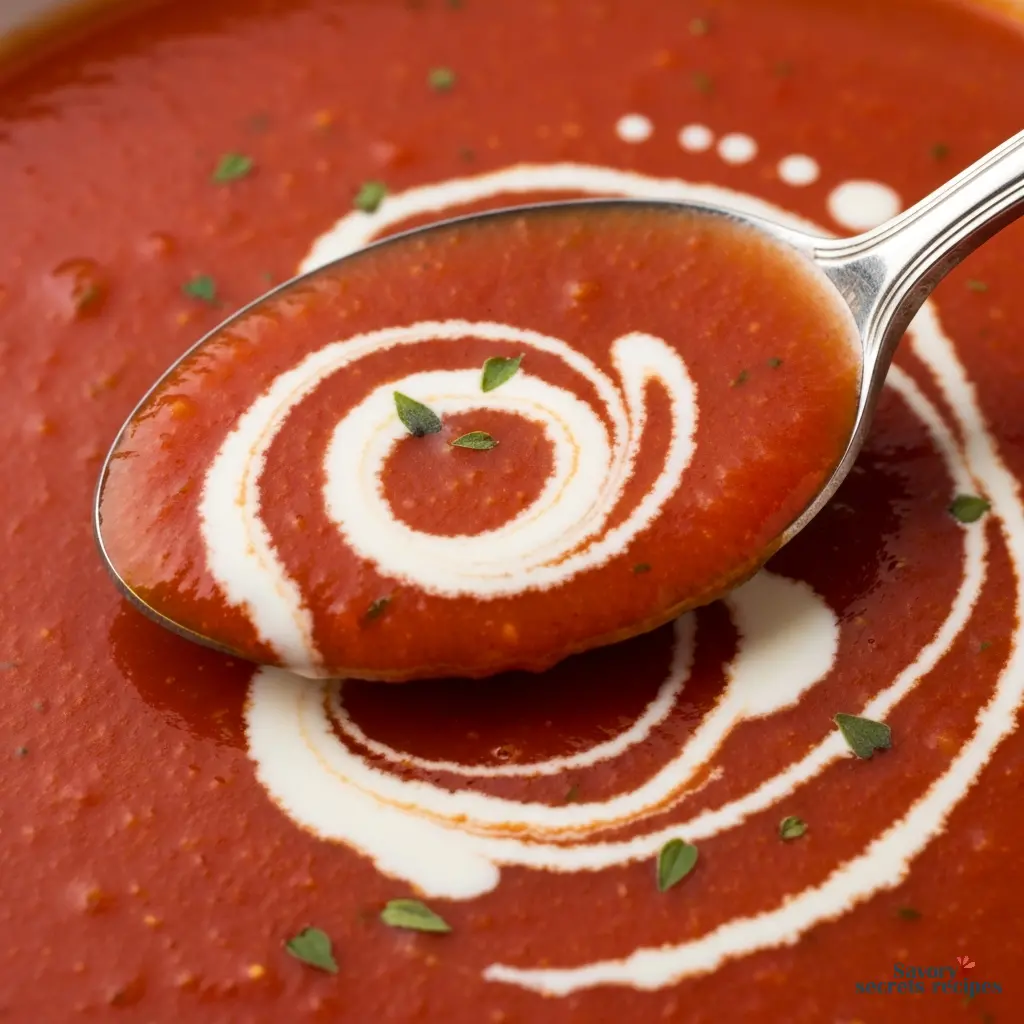
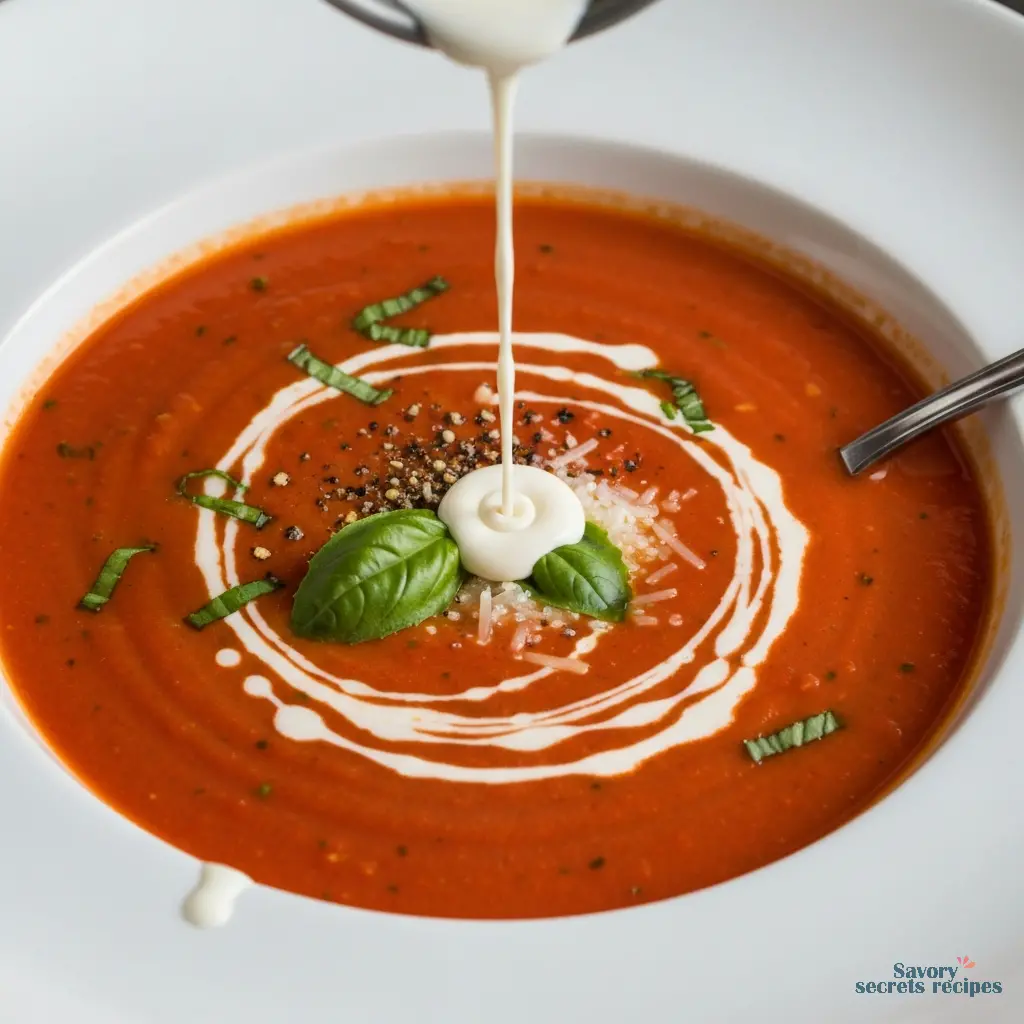
I learned this from reverse-engineering my teta’s soups. She never used a can, of course. She’d start with fresh tomatoes she’d put up in summer, cook them down for hours. The can is our modern shortcut to that same deep, caramelized tomato flavor. It’s the difference between a soup that tastes “of vegetables” and one that tastes “like soup,” you know? That rich, rounded flavor you get at a good diner? Tomato sauce. Every time. If you’re looking for that classic, rich tomato flavor in a standalone dish, our classic tomato soup recipe is the perfect starting point.
Tips for Perfect do you put tomato sauce in vegetable soup
Here’s what I’ve found works, after testing this more times than I’d like to admit. These aren’t just tips; they’re your checkpoint moments.
Preparation Tips
First, cut everything about the same size. I’m talking your carrots, celery, potato. If they’re all a similar dice, they’ll cook evenly. No one wants mushy carrots next to crunchy potatoes. It seems obvious, but it’s the number one thing people mess up. I use frozen corn and green beans from Trader Joe’s most weeks for convenience, but fresh is gorgeous if you have it. If you’re using fresh corn, you can even toss the stripped cob into the pot while it simmers. It adds this incredible sweet corn essence. Just remember to fish it out later.
Cooking Tips
Don’t just dump the tomato sauce in at the end. Let it simmer with everything. That’s where the magic happens. The flavors marry. I usually let it go for at least 20 minutes once everything’s in the pot. You’re looking for the vegetables to be tender but not falling apart. The broth should be bubbly and fragrant. And here’s a pro move: if you have a Parmesan rind in your fridge (maybe from your last Whole Foods run), throw it in. Simmer it with the tomatoes and broth. It adds this salty, umami depth that’s just…chef’s kiss. Remove it with the bay leaf at the end.
Storage & Reheating Tips
This soup gets better the next day. Seriously. Store it in an airtight container in the fridge. It’ll keep for 4-5 days. It freezes beautifully too for up to 3 months. When you reheat it, you might need to add a splash of broth or water. The pasta and potatoes continue to absorb liquid. That’s normal. Just add a little liquid back until it’s the consistency you like. I usually keep a carton of broth in the fridge just for this.
Variations & Substitutions: Make It Your Own
Look, the recipe below is a blueprint. Your kitchen, your rules. Here’s how to adapt it.
Dietary Adaptations
The base recipe is written to be vegan if you use vegetable broth. Fair enough. But if you’re not worried about that, swapping in chicken or beef broth gives you a more complex, savory background. Makes sense if you want that heartier flavor. To keep it vegan, just use veggie broth and skip any cheese garnish. It’s still incredibly flavorful.
Ingredient Substitutions
No Russet potatoes? Use Yukon Golds or red potatoes. Sweet potatoes would be a fun autumn twist. Watching carbs? Cauliflower florets work shockingly well. They soak up the tomato flavor beautifully. For the tomatoes themselves, you can play around. I like one can of crushed tomatoes and one can of petite diced for texture. But if your kids pick out tomato chunks (Layla went through that phase), use two cans of crushed. The soup will be smoother, but just as tasty.
Flavor Variations
This is where you can really run with it. Stir in a few handfuls of spinach or kale right at the end of cooking. They’ll wilt perfectly. Want more protein? A can of rinsed kidney beans or chickpeas adds heartiness. For a minestrone vibe, stir in half a cup of dry small pasta like orzo in the last 10 minutes of simmering. Just add an extra cup of broth to account for the pasta absorbing liquid. I sometimes add a pinch of smoked paprika or a dash of hot sauce for a different kind of warmth.
Common Mistakes to Avoid
We’ve all been there. Let’s troubleshoot this together before you even start.
❌ Mistake: Adding the tomato sauce at the very end, cold from the can.
✅ Solution: Add it with your broth so it has time to simmer and integrate. You want the flavors to meld, not just co-exist.
❌ Mistake: Overcooking the vegetables until they’re mushy and sad.
✅ Solution: Cut them uniformly and check for doneness early. You want tender-crisp, not baby food. They’ll soften a bit more as the soup sits, too.
❌ Mistake: Not seasoning in layers. Just dumping all the salt in at the end.
✅ Solution: Season your sautéing onions, season the broth, taste at the end. Tomato sauce can be salty, so go easy and adjust at the finish.
❌ Mistake: Using a pot that’s too small. This isn’t a stir-fry.
✅ Solution: Use a large Dutch oven or stockpot. You need room for everything to bubble happily without threatening to boil over. I learned that the hard way. My stovetop still has the stain.
Frequently Asked Questions
How to Store and Serve Your Masterpiece
Once you’ve made this gorgeous pot of do you put tomato sauce in vegetable soup, you’ll want to keep it right. Let it cool to room temperature before popping it in the fridge in sealed containers. It’ll be good for 4 to 5 days. For freezing, I like to use quart-sized deli containers from Costco. They stack well. Freeze for up to 3 months. Thaw in the fridge overnight.
Reheating is easy. Gently warm it on the stove over medium-low heat, stirring occasionally. If it’s thickened up, add a splash of water or broth. For a single bowl, the microwave works fine in 60-second bursts, stirring in between.
Serving ideas? It’s a meal in a bowl on its own. But for a cozy winter night in LA, I love it with a thick slice of sourdough for dipping. A simple green salad on the side makes it feel like a complete, balanced dinner. For garnish, a sprinkle of fresh parsley, a crack of black pepper, or if you’re feeling fancy, a drizzle of good olive oil right at the table.
Warming More Than Just Bowls
When you serve this soup, that rich, tomato-infused steam rising up will feel like a reward. You took a simple question, “do you put tomato sauce in vegetable soup,” and turned it into a pot of pure comfort. That’s the good stuff. It’s the kind of cooking that builds confidence. You’ve not just made dinner; you’ve solved a little kitchen mystery. So go warm up your kitchen, and your heart. And let me know in the comments how your version of do you put tomato sauce in vegetable soup turns out. I’d love to hear what twists you added.
What’s the secret to good vegetable soup?
Honestly? Letting it simmer. And yes, using tomato sauce. The simmering allows all the flavors, especially from the tomato sauce in vegetable soup, to deepen and come together. Don’t rush it. That quiet bubble on the stove is where the magic happens.
Can I use tomato paste instead of tomato sauce?
You can, but it’s different. Tomato paste is super concentrated. I’d use about 2-3 tablespoons and dilute it with a bit of extra broth. It’ll give a deeper, almost caramelized tomato flavor compared to the smoother taste of sauce.
How long should I simmer my vegetable soup?
After adding all your ingredients, aim for 20-30 minutes. That’s usually perfect for the veggies to become tender and for the flavors to marry. You’ll know it’s ready when the potatoes are easily pierced with a fork.
My soup tastes bland. What can I add?
First, salt. It sounds simple, but it’s usually the fix. Then, acidity: a squeeze of lemon juice or a dash of vinegar. Finally, umami: a splash of soy sauce or that Parmesan rind I mentioned. Taste after each addition.
Can I make this do you put tomato sauce in vegetable soup in a slow cooker?
Absolutely. Sauté your onions and celery first for best flavor, then add everything to the crockpot. Cook on low for 6-7 hours or high for 3-4. Add delicate veggies like peas or fresh herbs in the last 30 minutes.
How do I store and freeze vegetable soup?
Let it cool completely, then store in airtight containers. In the fridge: 4-5 days. In the freezer: up to 3 months. Thaw overnight in the fridge before reheating. If it contains pasta, note it may get softer after freezing.