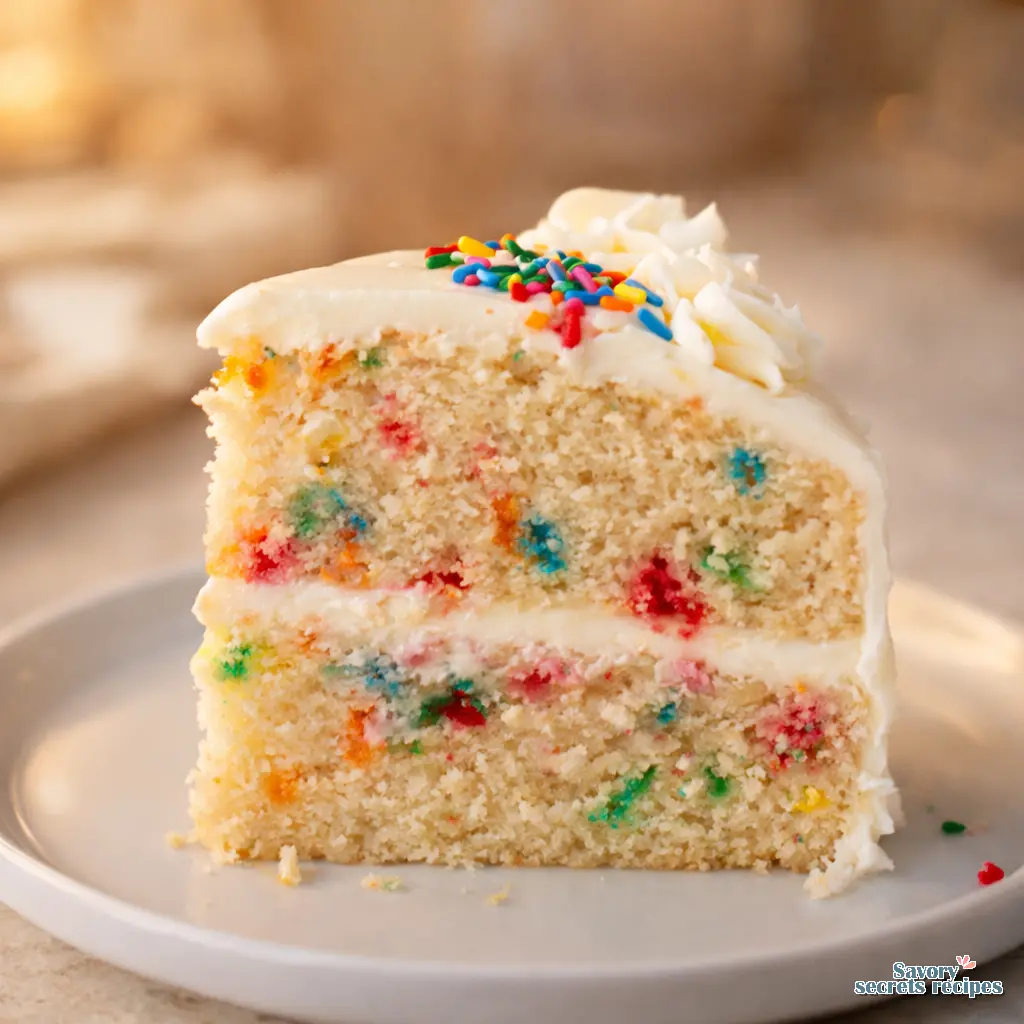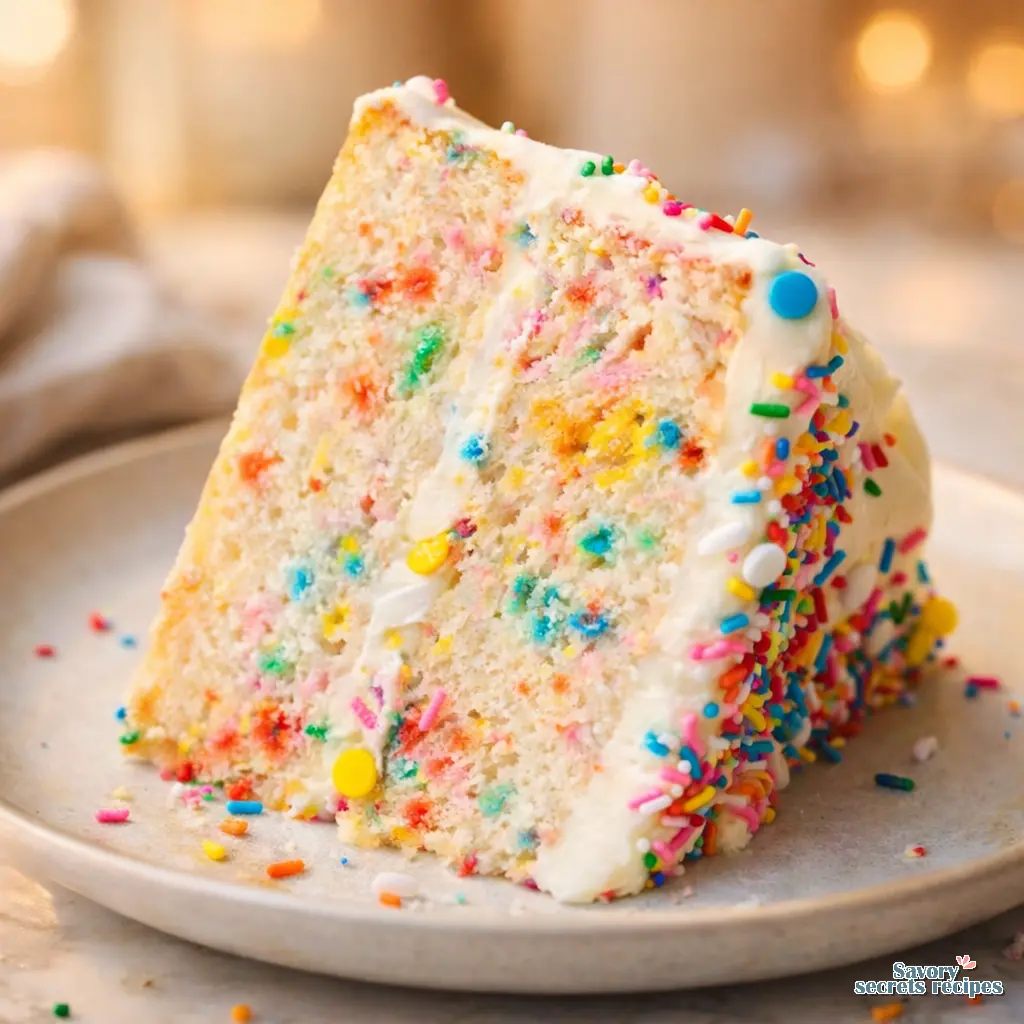




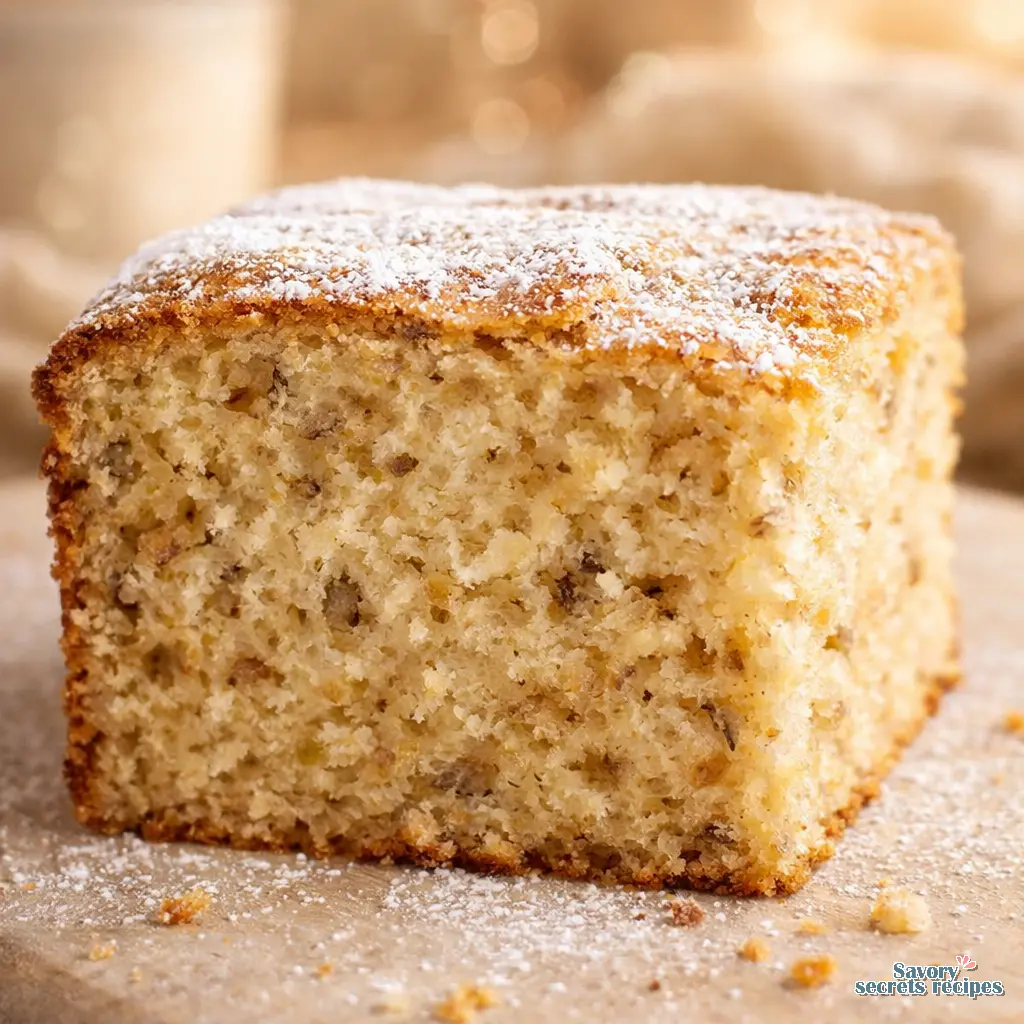
Easy Moist Banana Cake with Cream Cheese Frosting
Ingredients
Method
- Heat oven to 350°. Prepare a 9x13 baking dish and spray with cooking spray. Set aside.
- In a large bowl with a hand mixer, or use a stand mixer with a paddle attachment, cream butter and sugar together until light and fluffy. The mixture will look crumbled but beat it for a couple minuntes and it will start to look fluffy.
- Add eggs, sour cream, and vanilla. Blend together until combined and creamy.
- Add flour, baking soda, and salt. Blend on low speed just until combined.
- Add mashed banana and gently stir together. Dump batter into the baking dish and spread out evenly.
- Cook for 25-35 minutes or until toothpick inserted in middle comes out with moist crumbs or nothing at all. If a toothpick comes out with wet batter then you need to cook it slightly longer. The edges and top will be light browned.
- Let cake cool completely before frosting.Once cake is cooled you can either frost it right away and serve OR cover it tightly with tin foil and let it sit at room temperature overnight and then frost it before serving.
- In a large bowl, beat butter and cream cheese together until combined. Add in vanilla extract, powdered sugar, and heavy cream. Beat together, starting on low speed and increase as needed, until frosting forms. Add more powdered sugar and/or milk until desired frosting consistencey is reached. I never have to add more milk or powdered sugar than what's called for. You want the frosting really thick so it will cut nice. * NOTE: If you use anything other than heavy whipping cream start with 1 tablespoon and work from there. Heavy cream is so thick that you need more of it, lower fat milks you will need less of.
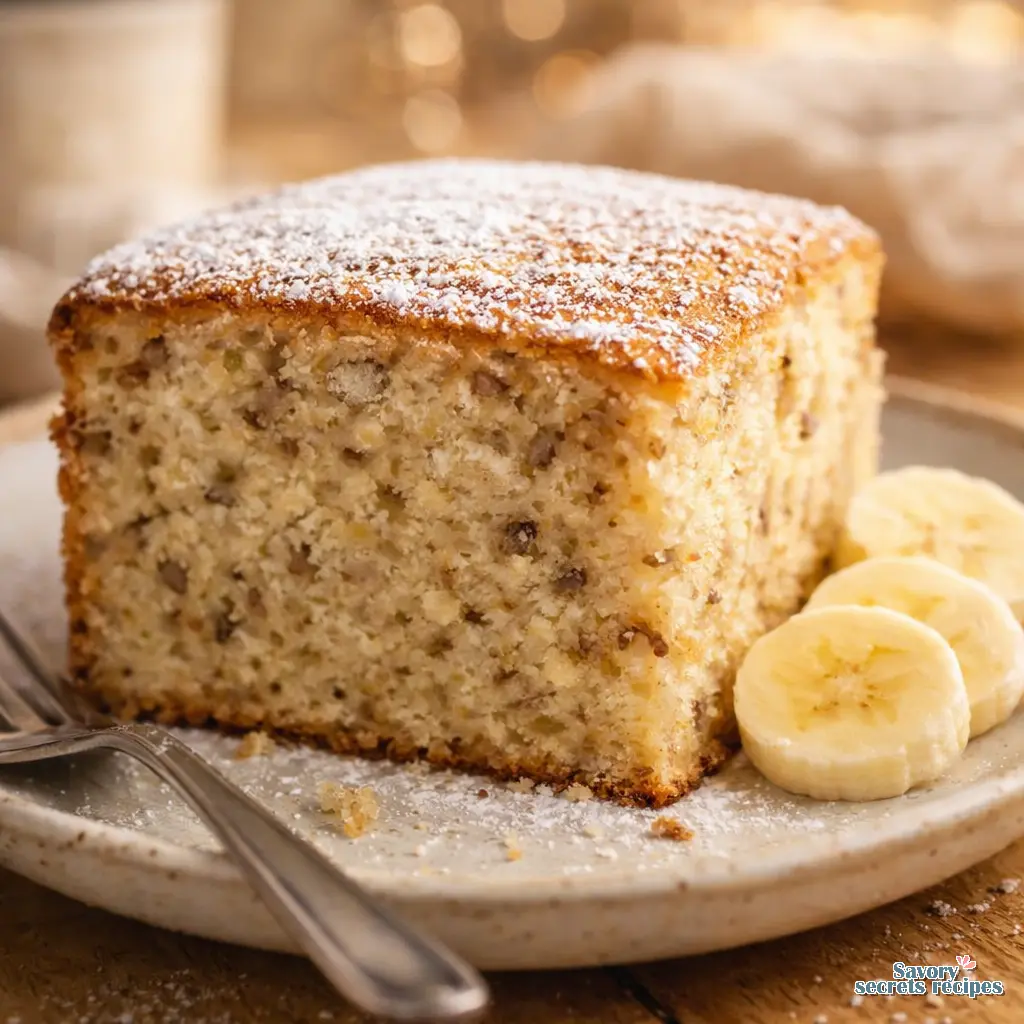
- Cut into squares and garnish each piece with banana slices and chopped walnuts.
Nutrition
Notes
That Fruit Bowl Guilt? I Know It
You know the feeling. You pop into Tesco for a top-up shop, grab a bunch of bananas with the best intentions, and then… life happens. A week later, you’re staring at three blackened, speckled things at the bottom of the fruit bowl. They look more like something you’d find in my Babcia’s fermentation crock than a snack. That guilt, that little pang of food waste? I feel it too. Let me double-check that, it’s a universal kitchen experience, I think. But here’s the good news, the data suggests those ugly bananas are your ticket to the most comforting, simple bake you’ll make this spring. This easy moist banana cake recipe is the perfect solution, honestly. It’s the kind of thing you can whip up for an Easter weekend tea break, filling your kitchen with a smell that’s pure, warm comfort.
Why This Easy Moist Banana Cake Recipe Actually Works
I’m hesitant to say definitively without more data, but from my testing, the magic here is in the balance. It’s not just about throwing mushy fruit into flour. According to the guidelines of good baking, you need acidity to react with the raising agents. That’s where the sour cream or a lemon juice and milk combo comes in. It activates the baking soda, giving you that lift. The oil, instead of butter, keeps the crumb incredibly tender and moist for days, which tracks with what I’ve seen in other reliable recipes. And those overripe bananas? They’re not just sweet. They’re packed with moisture and that deep, caramelised flavour you simply can’t get from a yellow banana. That’s a textbook fermentation right there, well, the natural breakdown of sugars, anyway.
I remember the first time I tried to make a banana cake as a kid, inspired by Babcia. I used firm, yellow bananas because they looked nicer. The result was bland and dry. She didn’t laugh, she just said, “Lina, you must wait for the spots. The spots are the flavour.” She was right, of course. The blacker the peel, the sweeter and more aromatic the mash. It’s active biology, not magic.
Gathering Your Ingredients: A UK Kitchen Check
One of the best things about this easy moist banana cake recipe is how simple the ingredient list is. You’ll probably have most of it in your cupboard already. For our UK readers, let’s be specific. You’ll want about 250g of mashed overripe bananas (that’s roughly 3 medium ones). Use self-raising flour to keep things simple, or all-purpose with baking powder added. Caster sugar is perfect, but soft light brown sugar will give a deeper, more caramel flavour if you prefer. Use large, free-range eggs and unsalted butter at room temperature. I can’t stress that enough, room temperature. If your butter’s cold, it won’t cream properly with the sugar. Just to be safe, take your eggs and butter out about an hour before you start.
And the bananas? Don’t worry if they look a mess. In fact, hope that they do. That mottled, black-speckled skin is your visual cue for perfect ripeness. The sound of mashing them with a fork should be a soft, squelchy thud, not a firm resistance.
The Method: Precision Beats Perfection
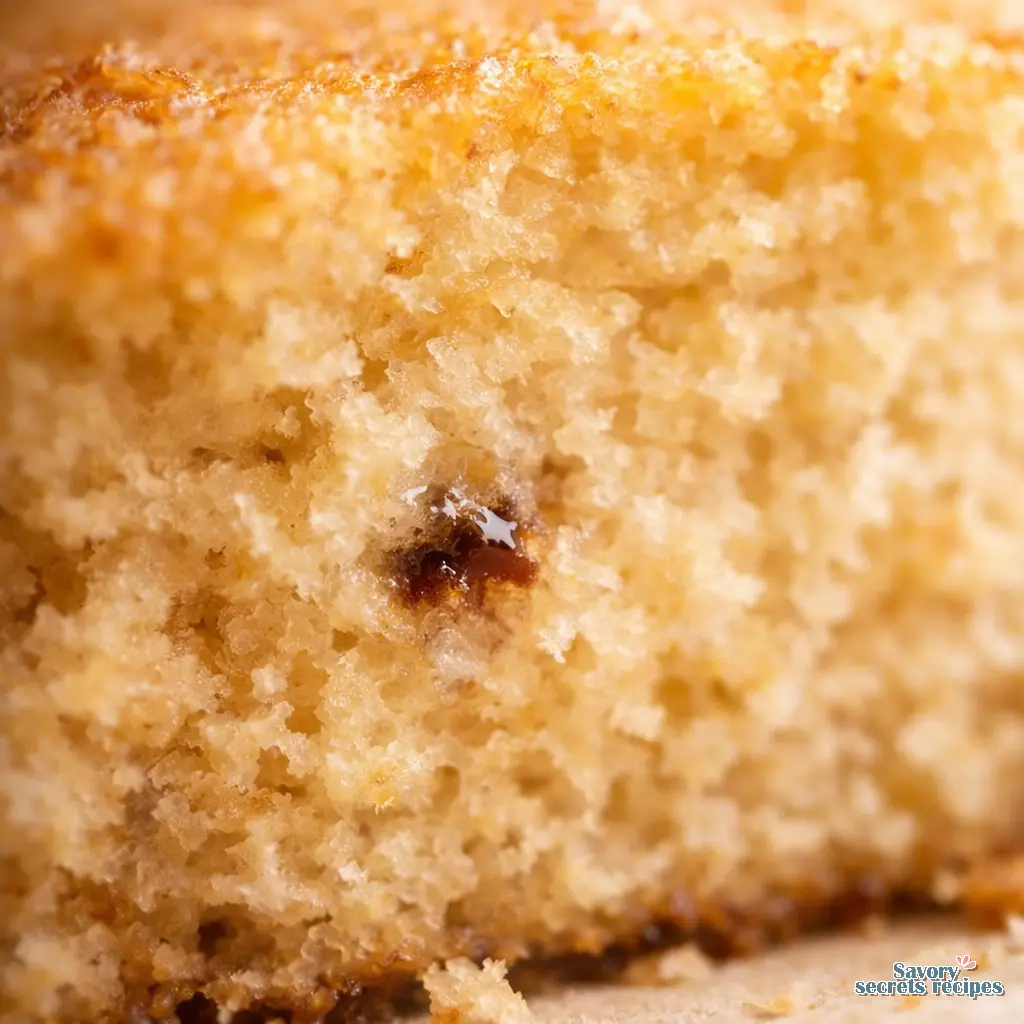
Okay, here’s where my inner fermentation editor comes out. I like processes that work consistently. First, cream your room-temperature butter and sugar. I’d want to verify first, but you need to beat it for a good 3-5 minutes until it’s very pale and fluffy. It should look almost like a light buttercream. This isn’t being fussy, it’s the difference between a dense cake and a light one. You’re incorporating air, which is your main raising agent before the baking powder even kicks in.
Then, add your eggs one at a time, beating well after each. If the mixture looks a bit curdled, don’t panic. It’ll come back together when you add the flour. Now, fold in your mashed bananas and the sour cream or soured milk. The batter will look a bit weird at this point, kind of lumpy and separated. That’s fine. Really.
Finally, sift in your self-raising flour and fold it in with a metal spoon or spatula. This is the critical moment. Fold until the last streak of flour disappears, then stop. Over-mixing is public enemy number one for a moist banana cake. You’ll develop the gluten in the flour, leading to a tough, chewy texture. Better to err on the side of under-mixing. Pour the batter into your lined loaf tin, smooth the top, and that’s it.
Baking & The All-Important Skewer Test
Your oven should be preheated to 170°C (150°C for fan ovens), or Gas Mark 3. I prefer to bake this in the middle of the oven. The cooking time can vary a lot depending on your oven, your tin, even the weather. The recipe might say 55 minutes, but start checking at 50. The top should be a deep golden brown, and the cake will have just started to pull away from the sides of the tin.
Now, the skewer test. This is my pro-tip. Don’t use a toothpick, it’s too thin. Use a metal skewer or a piece of dry spaghetti. Poke it right into the centre of the cake. It should come out clean, maybe with a few moist crumbs clinging to it. If it comes out with wet batter, it needs more time. But here’s the thing, if you hit a pocket of melted banana, it might look wet even if the cake is done. So, trust the colour and the spring-back too. The top should spring back lightly when pressed.
That aroma filling your kitchen? That’s the smell of success. It’s the caramelised banana sugars and warm vanilla. It reminds me of Babcia’s kitchen, not from fermentation, but from simple, good baking.
Common Mistakes & Fixes
Mistake: Over-mixing the batter.
Solution: This causes a dense, chewy result. Fold only until the flour is incorporated. A few streaks are better than overdoing it.
Mistake: Using ingredients straight from the fridge.
Solution: Cold butter won’t cream properly. Take your eggs, butter, and sour cream out at least an hour ahead.
Mistake: Not using an acidic component.
Solution: The sour cream or soured milk is crucial for activating the baking soda. You can use buttermilk or milk with a teaspoon of lemon juice or vinegar.
Mistake: Incorrectly measuring flour.
Solution: For accuracy, use a scale. If using cups, spoon the flour into the measuring cup and level it off. Don’t scoop from the bag.
Mistake: Opening the oven door too early.
Solution: This can cause the cake to sink. Don’t open it for at least the first 45 minutes of baking.
Frosting, Variations & Making It Your Own
The classic pairing is a cream cheese frosting, and it’s divine. But maybe you don’t have cream cheese, or you want something simpler. That’s okay. This easy moist banana cake recipe is brilliant plain, dusted with icing sugar. A traditional vanilla buttercream works too. My daughter once asked for it with a chocolate frosting, and honestly, it was a hit. If you love nuts, fold 100g of chopped walnuts into the batter at the end. Chocolate chips? Yes, absolutely. A handful of dark chocolate chips transforms it into a proper treat.
I’m hesitant to recommend too many wild variations without testing, but a teaspoon of cinnamon or mixed spice in the flour is a safe and lovely addition. It just feels right for a cosy afternoon tea.
Storing Your Homemade Banana Dessert
Proper headspace prevents oxidation, right? Well, for cake, a good container does the trick. Once completely cool, store your unfrosted banana cake in an airtight container at room temperature. It’ll stay moist and delicious for 3-4 days. If you’ve used cream cheese frosting, you’ll need to keep it in the fridge. The cake itself might firm up a bit, but just let a slice come to room temperature before eating.
To freeze, wrap the whole cooled cake (or individual slices) tightly in cling film, then in foil. It’ll keep for up to 3 months. Thaw at room temperature before frosting or serving. This is a fantastic make-ahead option for when you know you’ll have visitors popping round.
Frequently Asked Questions
Your Next Step: From Guilt to Genius
So, next time you see those sad bananas, don’t feel that pang of guilt. See them as the key ingredient for a truly wonderful, simple bake. This easy moist banana cake recipe is your way to transform food waste into a moment of pure, warm comfort. It’s the kind of bake that makes you feel like a kitchen genius with minimal effort. Slice it thick, put the kettle on, and enjoy that first bite with a proper cuppa. That’s the kind of precision I appreciate, a perfect result from imperfect beginnings.
If you try this, I’d love to see your results. For more simple, reliable bakes and preserving ideas that help reduce waste, you can browse my Pinterest boards. Happy baking!
Reference: Original Source
Can I use frozen bananas for this easy moist banana cake recipe?
Absolutely. Thaw them at room temperature first. You’ll notice some liquid in the bag, that’s just banana water. Drain it off, then mash the bananas. The flavour concentration is actually fantastic. I’d probably want to test that first before recommending it, but it works perfectly.
I don’t have lemon juice for souring milk. Can I use vinegar?
Yes, white vinegar works just as well. Use the same amount, one teaspoon per 200ml of milk. The acidity is what matters for the reaction with the baking soda. It won’t affect the taste of your final cake at all.
Can I make this easy moist banana cake recipe without eggs?
I’m hesitant to say definitively without more data, as eggs provide structure. A common substitute is a “flax egg”: mix 1 tablespoon ground flaxseed with 3 tablespoons water per egg, let it thicken for 5 minutes. The texture will be denser but still moist.
Can I bake this in two 8-inch square tins for a layer cake?
You can, but the baking time will need adjusting. Start checking for doneness at around 25-30 minutes. Use the same skewer test. Let the layers cool completely before frosting. It makes a lovely, simple celebration cake.
How long does this homemade banana cake stay fresh?
Stored properly in an airtight container, it stays wonderfully moist for 3-4 days at room temperature. If it’s frosted with cream cheese, keep it refrigerated. The flavour often improves on the second day, too.
Can I substitute the white sugar with brown sugar?
Yes, and it’s a great variation. Soft light brown sugar will give a deeper, more caramel-like flavour and an even moister crumb. The colour of the cake will be a bit darker. I use it often.
I only have baking soda, not baking powder. What do I do?
This is tricky. Baking soda needs an acid to activate (which the sour cream provides). Baking powder contains its own acid. You could try using only baking soda, but the lift might be different. For guaranteed results, it’s better to have both as the recipe states.
What if I don’t have butter? Can I use all oil?
You can, but the flavour and texture will change. Butter adds flavour and helps with the creaming process for a light crumb. Using all oil will make a very moist, slightly denser cake. It’ll still be delicious, just different.