



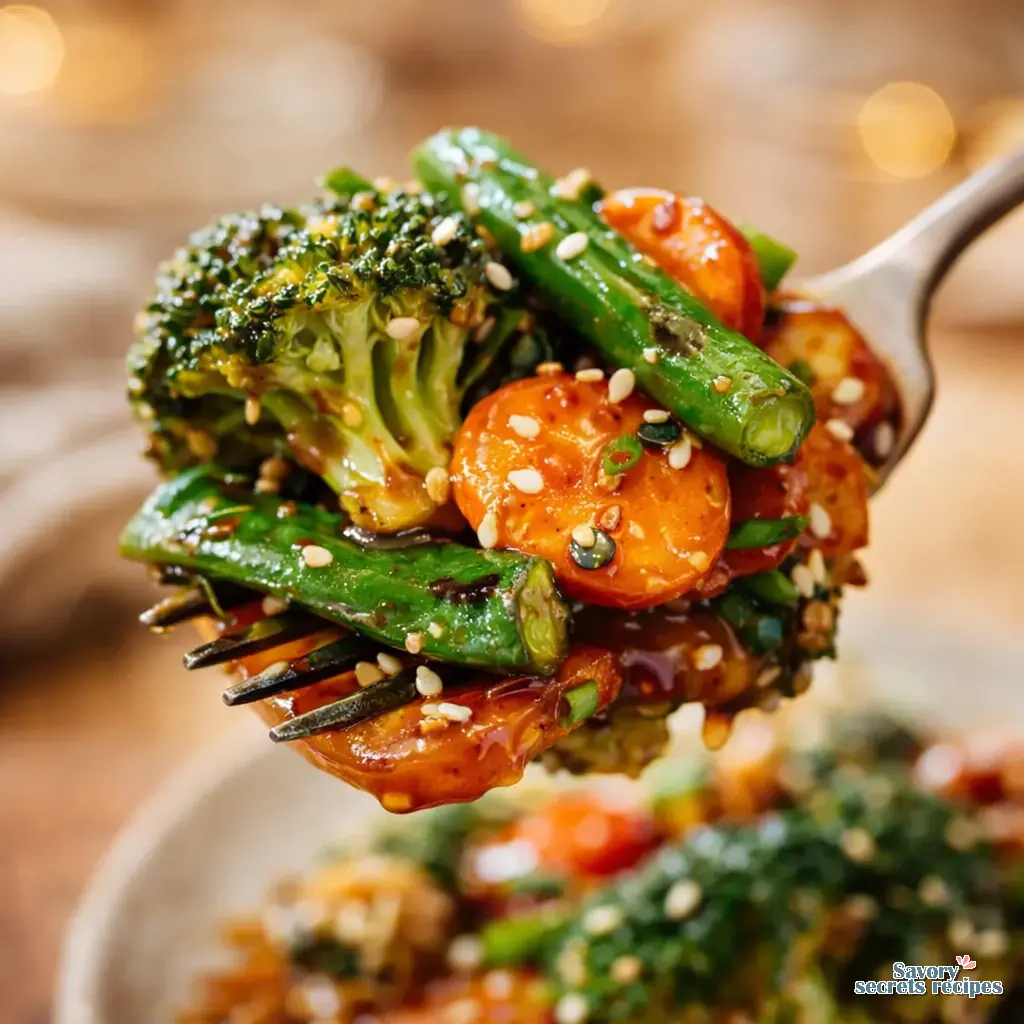
Easy Veggie Stir Fry in 15 Minutes
Ingredients
Method
- Whisk together the soy sauce, toasted sesame oil, minced garlic, grated ginger, brown sugar, and red pepper flakes in a small bowl and set aside.
- Combine cornstarch and cold water in a separate bowl to create a smooth slurry.
- Heat neutral cooking oil in a large skillet or wok over medium-high heat until shimmering.
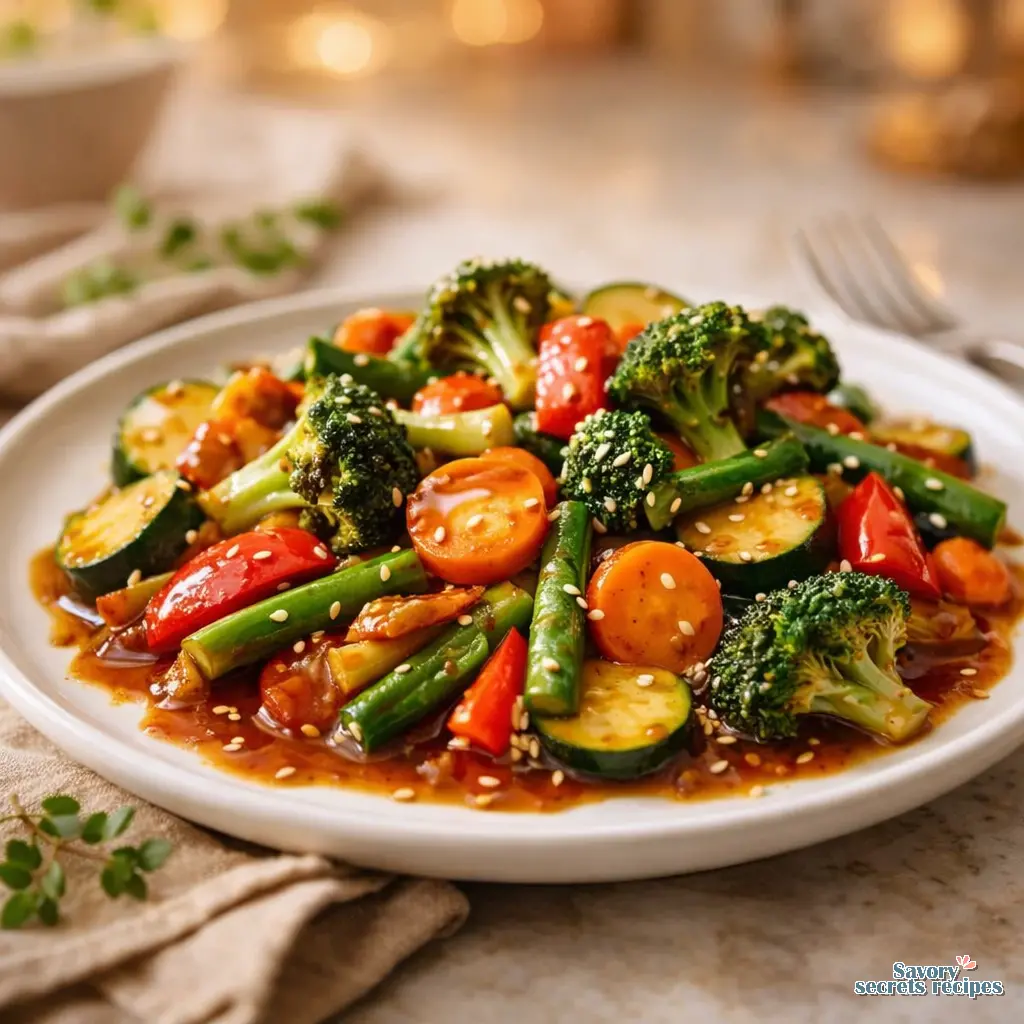
- Add mushrooms, broccoli, baby corn, bell pepper, snap peas, zucchini, and carrots to the hot pan.
- Stir-fry the vegetables for 5 to 6 minutes, stirring frequently, until bright and tender-crisp.
- Pour the sauce over the vegetables and bring the mixture to a gentle simmer.
- Cook for 5 minutes, stirring occasionally, until the sauce thickens and coats the vegetables.
- Serve the stir-fry immediately, garnished with fresh green onions.
Nutrition
Notes
Celebrate Spring with an Easy Veggie Stir Fry
It is the Spring Equinox. The Santa Monica Farmers Market is finally overflowing with vibrant green produce. But let’s be real for a second. It’s 5 PM on a Wednesday. You’re exhausted from sitting in LA traffic. You’re staring blankly into the crisper drawer hoping dinner will just magically make itself. I’ve been exactly there.
You want a simple vegetable dinner that doesn’t require a culinary degree or an hour of prep. Honestly, an easy veggie stir fry is your best friend in these moments. We’ve all felt that overwhelming decision fatigue. You want to feel like a responsible adult serving healthy greens, but you also want to avoid ordering takeout again. This 15-minute meal is your ticket out of the dinner panic. It is an excellent way to learn the basics of a vegetable stir fry while using what you have on hand.
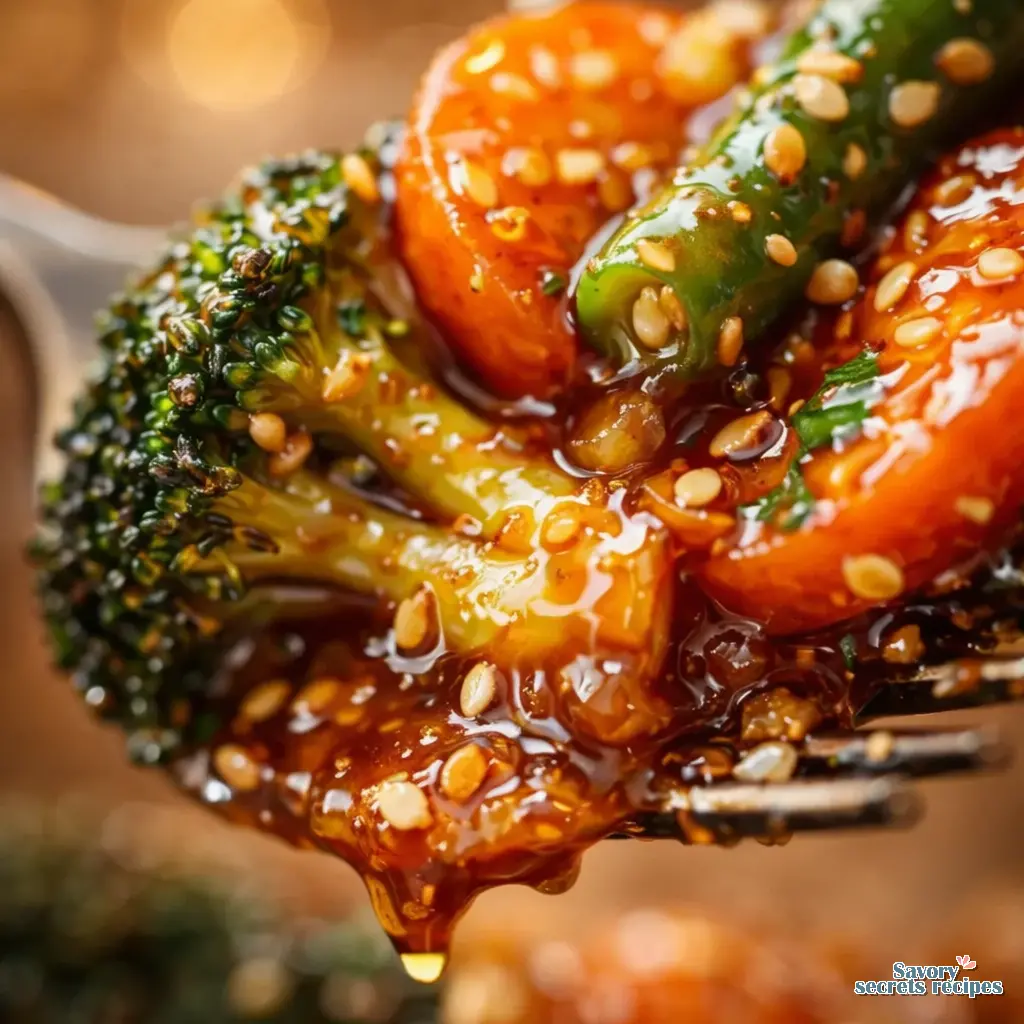
I know this sounds completely basic, but mastering a simple vegetable stir fry changes your weeknight routine. The sizzle of the pan. That incredible aroma of garlic and toasted sesame oil hitting the hot metal. It’s amazing. You’ll get perfectly tender vegetables with a sauce that actually clings to every bite. Perfect. Worth it. Trust me.
The Fridge-Clean-Out Flexibility Argument
Here’s what I wish someone had told me years ago. You do not need to follow a strict ingredient list for an easy veggie stir fry. You know, perfect is really the enemy of done when you’re cooking on a Tuesday night.
I’ll be totally transparent. Sometimes I buy organic snap peas and beautiful heirloom carrots. Other times? I grab a bag of pre-cut broccoli florets from Trader Joe’s because I just don’t have the energy to chop. Both methods are completely valid. Honestly, using bagged vegetables is a brilliant shortcut that keeps you cooking at home.
The beauty of this vegetarian recipe is its absolute flexibility. Got half a red bell pepper left over from tacos? Toss it in. Found some slightly sad zucchini hiding in the back of the fridge? Slice it up. I mean, you could skip the canned baby corn if you can’t find it, but checking the international aisle at Ralphs is usually a safe bet. Any vegetable works as long as you understand the cooking times. This versatility allows you to transform the base recipe into a classic asian vegetable stir fry with just a few ingredient swaps.
High-Heat Oils: The Smoke Point Tradeoff
Let’s talk about your cooking fat. This isn’t being fussy. It’s the difference between a crisp, golden brown exterior and a soggy, bitter mess. You need high heat for an easy veggie stir fry. I think a lot of people just grab whatever is on the counter, usually olive oil, and that’s a huge mistake.
Olive oil has a low smoke point. It will burn, smoke up your apartment, and taste terrible. You need options with high smoke points. Avocado oil is my absolute favorite because it handles up to 520°F effortlessly. Peanut oil is another fantastic, traditional choice if you don’t have nut allergies. It gives a very subtle, authentic flavor. Choosing the right oil is the first step toward making restaurant-quality homemade stir fry veggies in your own kitchen.
What about toasted sesame oil? I love this stuff, but please don’t cook with it. It’s a finishing oil. You stir it in right at the end, off the heat, just to get that deep, nutty aroma. Cooking it at high heat destroys its delicate flavor.
Wok vs. Skillet: What’s Actually Better?
I get asked this constantly. Do you actually need a carbon steel wok to make a simple vegetable dinner? Well, actually, no. A wok is incredible because the curved sides create different heat zones. You can push cooked vegetables up the sides while searing others at the bottom.
But if you’re cooking on a standard American flat electric or gas stove, a wok might not even get hot enough at the base. I mean, a large 12-inch cast iron or heavy stainless steel skillet often works better for home cooks. A wide flat skillet gives you massive surface area. More surface area means better contact with the heat.
The key is letting whatever pan you use get screaming hot before the oil goes in. You want to see the oil shimmering and glistening. If you drop a piece of onion in, it should sizzle aggressively.
The Science of Searing vs. Steaming
There is one rule you absolutely cannot break. Do not overcrowd the pan. I learned this the hard way during my early cooking days in New York. I would dump a mountain of cold vegetables into a pan and wonder why they turned into mush.
Here is the science. Vegetables are mostly water. When they hit a hot pan, they release that water. If you have just a few vegetables in the pan, the water evaporates instantly, allowing the vegetables to sear and get those beautiful charred edges. It’s so good.
If you jam the pan full, the temperature plummets. The water pools at the bottom. Suddenly, you aren’t making an easy veggie stir fry anymore. You’re boiling your vegetables in their own juices. If you have a lot of veggies, simply cook them in two smaller batches. It takes maybe three extra minutes and changes everything.
Mise en Place: The Secret to a 15-Minute Meal
Stir frying is fast. Like, incredibly fast. Once that oil is hot, you do not have time to chop a carrot or mince garlic. If you try to prep while cooking, your garlic will burn to a bitter crisp. You need to practice ‘mise en place’, which is just a fancy French term for having all your ingredients prepped and ready in little bowls near the stove.
First, chop all your vegetables into roughly equal sizes. This ensures they cook evenly. Next, prepare your aromatics. Minced garlic and fresh ginger are the backbone of your flavor. I highly recommend using fresh ginger over powdered. It provides a bright, sharp bite that wakes up the whole dish. Prepping a variety of quick healthy vegetables in advance makes the actual cooking process feel effortless.
Finally, whisk your sauce together in a small bowl. Combine your low-sodium soy sauce, brown sugar, and that crucial cornstarch slurry. The cornstarch is what thickens the sauce and makes it cling beautifully to the broccoli florets. Give it one last stir right before pouring it into the pan, because cornstarch always settles at the bottom.
Layered Cooking Order: Hard vs. Soft Vegetables
You can’t just throw everything into the pan at once. Carrots take much longer to cook than snap peas. If you toss them in together, you’ll either have raw carrots or mushy peas. You have to layer your cooking times. It’s actually quite forgiving once you understand the basic categories.
Group 1: The Hard Vegetables (3-4 minutes)
These go into the hot oil first. Carrots, broccoli florets, and cauliflower. They need a head start to soften up. You want them to get slightly tender but still have a solid crunch.
Group 2: The Medium Vegetables (2-3 minutes)
Next, add your moisture-heavy items. Bell peppers, zucchini, and sliced crimini mushrooms. They cook quickly and will release some water, which helps steam the harder veggies just a bit.
Group 3: The Delicate Vegetables (1 minute)
Right at the very end, toss in your snap peas, drained baby corn, and green onions. They barely need any heat. You just want to warm them through so they stay bright green and incredibly crunchy.
Common Mistakes & Fixes
Mistake: The vegetables turned out mushy and grey.
Solution: You likely overcrowded the pan or your heat wasn’t high enough. Cook in smaller batches next time and make sure the oil is shimmering before adding the veggies.
Mistake: The sauce is too thin and watery.
Solution: You probably forgot the cornstarch slurry, or you didn’t let the sauce bubble. The sauce must come to a simmer for the cornstarch to activate and thicken properly.
Mistake: The garlic burned and tastes bitter.
Solution: Garlic burns in seconds over high heat. Add your minced garlic and fresh ginger only for the last 30 seconds before pouring in the sauce.
Storage, Reheating, and Freezing Troubleshooting
You probably want to know how this holds up for meal prep. Honestly, an easy veggie stir fry is fantastic the next day, provided you store it correctly. Let the vegetables cool completely before packing them away. If you put warm vegetables into a sealed container, the trapped steam will destroy all that crisp-tender texture you just worked so hard to achieve.
Store leftovers in an airtight container in the fridge for up to 4 days. When it’s time to reheat, skip the microwave if you can. The microwave turns vegetables rubbery. Instead, toss them back into a skillet over medium heat. If the sauce has gotten too thick in the fridge, just add a tiny splash of water or vegetable broth to loosen it up. It will be perfectly tender again in just a few minutes.
Can you freeze an easy veggie stir fry? I see a lot of contradictory advice on this. Look, I’ll be honest. Freezing changes the texture of vegetables drastically. High-water vegetables like zucchini and bell peppers will turn to absolute mush when thawed. If you know you want to freeze batches for later, stick exclusively to hard vegetables like carrots, broccoli florets, and green beans. They survive the freezing process much better.
Frequently Asked Questions
Dinner is Done, and You’re a Hero
You did it. You bypassed the takeout menus, avoided the drive-thru, and put a vibrant, healthy meal on the table. Making an easy veggie stir fry is one of those foundational kitchen skills that pays off week after week. Once you understand the rhythm of high heat and layered cooking, you can adapt this to whatever you have on hand. Add some tofu, try different greens, or spice it up with extra red pepper flakes.
If you loved this approach to weeknight cooking, I share tons of variations and quick dinner ideas on my Pinterest boards. Go grab your skillet, get that oil shimmering, and enjoy your dinner. You’ve got this.
Reference: Original Source
How do you make an easy veggie stir fry in 15 minutes without it getting soggy?
The secret is high heat and a dry pan. Make sure your vegetables are completely dry after washing them. Never overcrowd your skillet, and cook in batches if necessary. This allows the moisture to evaporate instantly, keeping your easy veggie stir fry wonderfully crisp.
What are the best vegetables to include in a simple vegetable stir fry?
Honestly, almost anything works. I love a mix of textures. Use broccoli florets and carrots for crunch, bell peppers for sweetness, and snap peas for a fresh pop. Just remember to layer your cooking times, adding the hardest vegetables to the hot pan first.
Can I prepare this easy veggie stir fry ahead of time for meal prep?
Absolutely. You can chop all your vegetables and mix the sauce up to two days in advance. Store them in separate containers in the fridge. When you are ready to eat, the actual cooking part takes less than 10 minutes. It is a lifesaver.
What is the best way to serve a simple vegetable dinner like this stir fry?
I think serving it over a bed of fluffy white rice or nutty brown rice is perfect to soak up that glossy soy sauce and ginger glaze. You can also toss it with cooked ramen noodles or serve it inside crisp lettuce wraps for a lighter option.