



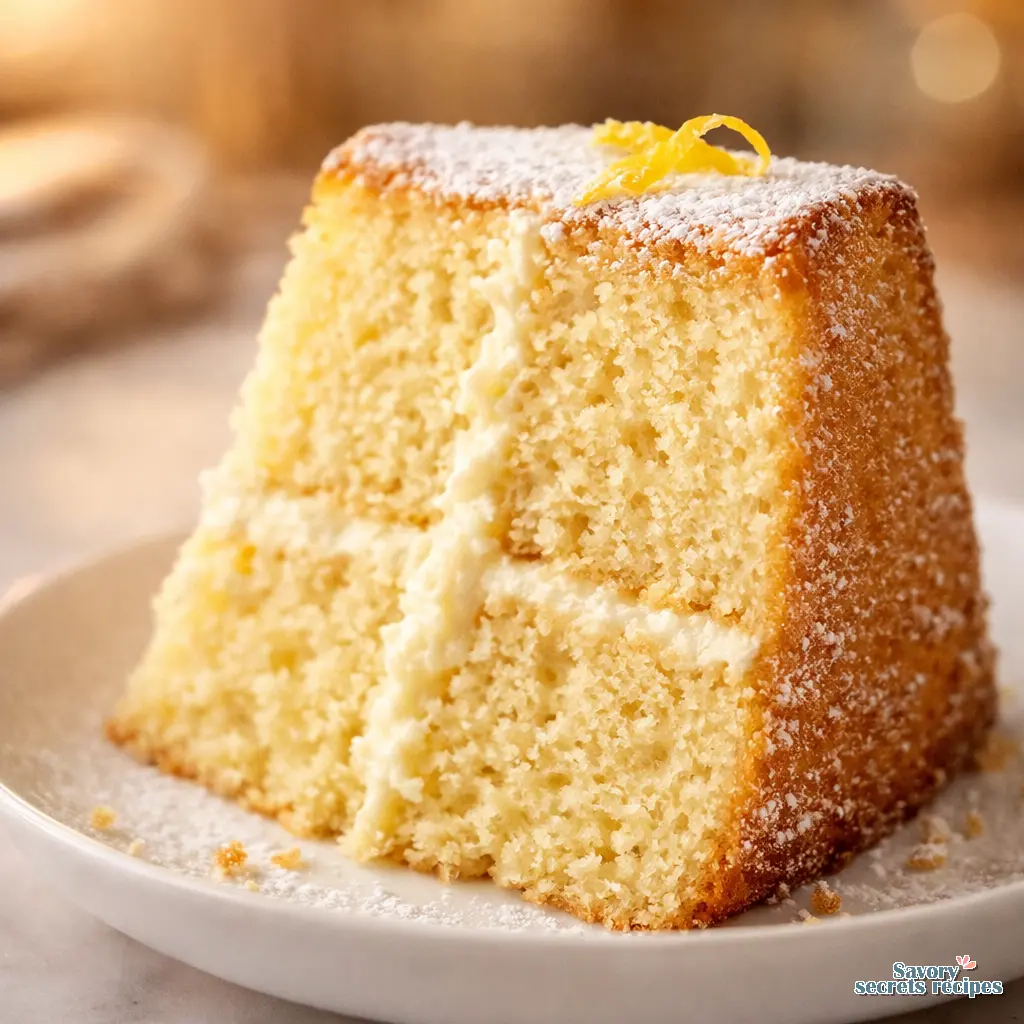
Light Lemon Cake for Afternoon Tea
Ingredients
Method
- Juice and zest the lemon, then set aside. Grease cake pans with butter and line them with parchment paper. Sift the flour and baking powder into a bowl and set aside. Preheat the oven to 150°C (fan) or 170°C (conventional).
- Combine softened butter and sugar in a mixing bowl. Cream the mixture with an electric mixer until it is pale and fluffy.
- Add eggs one at a time to the creamed mixture, beating with the mixer until fully incorporated. Whisk in the lemon juice and zest until combined.
- Fold the flour and baking powder mixture into the batter using a spatula. Once combined, use the mixer for approximately 30 seconds until the batter is smooth, being careful not to overmix.
- Divide the batter evenly between the two prepared cake pans. Bake in the preheated oven for 35 minutes or until a cake tester inserted into the center comes out clean.
- Remove the cakes from the oven and let them rest in the pans for 5 minutes. Transfer the cakes to a wire rack to cool completely.
- Fill and frost the cakes only after they have cooled completely.
- Combine butter and cream cheese in a bowl and whisk for 1 minute. Add icing sugar and lemon extract, then mix until the frosting is fluffy and ready to use.
Nutrition
Notes
- Bring the ingredients to room temperature before using.
- It's best to use a digital measuring scale for accurate measurements. I don't advise cup measurements unless for liquid ingredients.
- If making this in a loaf tin to make lemon loaf cake, half the recipe and pour the batter into a loaf pan.
- Don't rush the creaming process as this helps the cake to be soft and light.
- Don't leave the batter to sit for too long before putting it in the oven.
The Chemistry of a Truly Light Dessert
I once tried to make gulab jamun from scratch without properly understanding the milk solid ratio. They completely fell apart in the frying pan and then dissolved in the sugar syrup. I had rushed the process, did not let the khoya cook down enough, and paid the price. My daughter said they looked like pink clouds in sweet water, which was generous. I ate them anyway and researched the chemistry later. That tracks with what I’ve seen in baking, too. Ratios and techniques matter immensely. Understanding these principles is what makes an easy lemon cake recipe successful every time.
A fresh lemon sponge cake is a perfect example of this scientific balance. This isn’t your typical heavy, buttery pound cake that sits like a brick in your stomach. A traditional fresh lemon sponge cake relies on natural leavening and the sheer physical power of an egg foam to achieve an airy texture. It’s a delicate, light dessert perfect for an afternoon tea cake. With California Meyer lemons currently flooding the local farmers markets here in Los Angeles, there is no better time to talk about citrus baking.
Reminds me of the way my nani’s kitchen smelled in the morning. That specific combination of leftover tadka, fresh chai, and the faint sweetness of jaggery she kept in a steel dabba. This cake has that same comforting, aromatic quality, just with bright citrus notes replacing the warm spices.
The Science of Lemon in Baking
The data on this is actually quite clear. Fresh lemon juice and lemon zest contain volatile citrus oils that degrade very quickly once exposed to air. I prefer cooking with whole spices I toast and grind myself, because the volatile compounds degrade quickly, and I can taste the difference even if a blind study might not back me up on that. The exact same principle applies to citrus in a fresh lemon sponge cake.
For the best flavor profile, you want Eureka lemons for a sharp, acidic punch, or Meyer lemons for a sweeter, more floral note. Bottled juice simply lacks the complex citrus oil profile. It tastes flat. If your batter ever curdles when adding the lemon juice, this is where it gets complicated. The acidity reacts with the proteins in the dairy or eggs. The trick is to ensure all your ingredients are at room temperature and to fold the juice in gently at the very end of the mixing process. For a different texture, a moist lemon cake often relies on oil or sour cream to maintain its softness.
The Creaming Method: Why It Matters for Fresh Lemon Sponge Cake
To be clear, the foundation of this delicate cake is the aeration process. You’ll need a whisk attachment and a very clean bowl. Any residual fat hiding in your mixing bowl will prevent the egg foam from reaching its maximum volume. We are looking for the ribbon stage. This is when the whipped eggs and sugar fall from the whisk and sit on top of the batter for a few seconds before slowly dissolving back in.
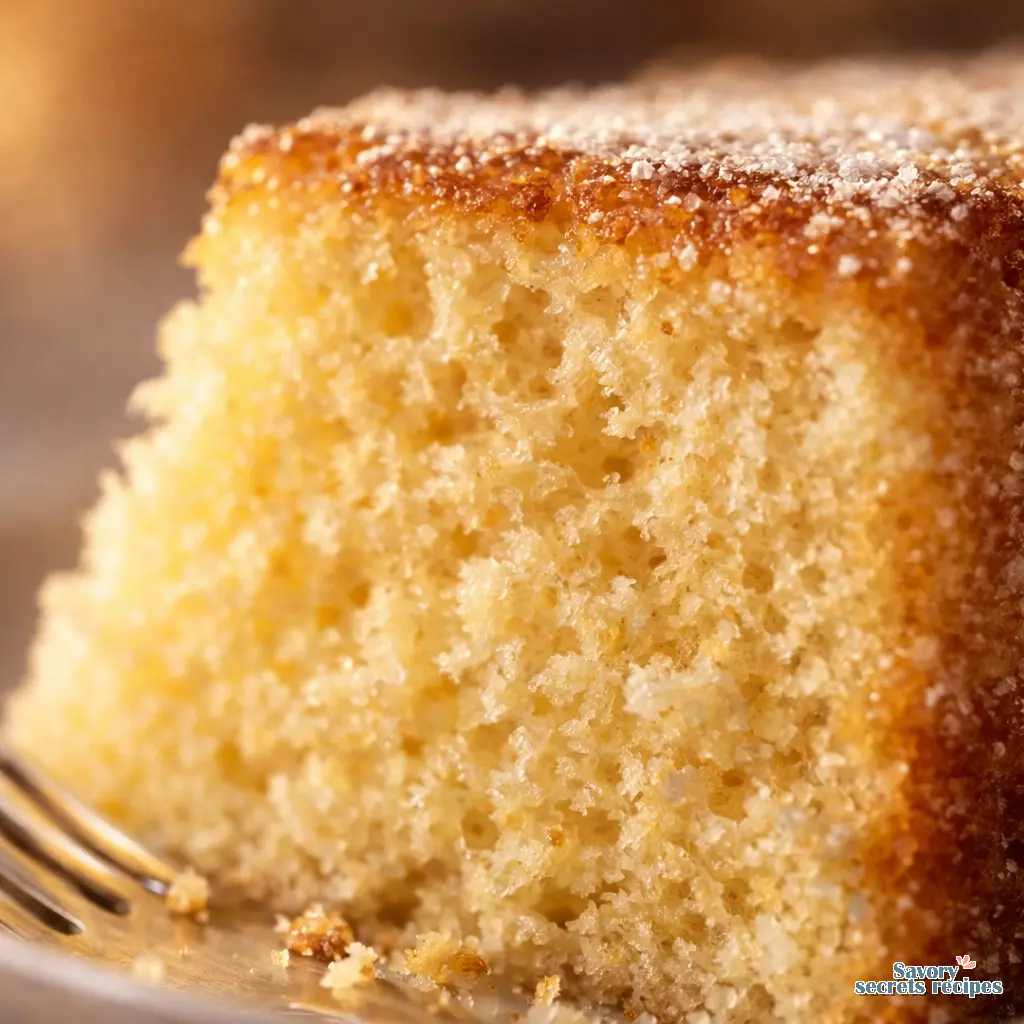
It’s genuinely interesting to watch the protein matrix stabilize. You want to cream your butter and sugar for a full 3 to 5 minutes until fluffy. Do not rush this step. Just like waiting until the raw smell cooks off when tempering spices, you have to let the physical process complete. The sugar crystals are literally carving out tiny air pockets in the fat. Sifted flour is then added using a gentle folding technique. Folding preserves those trapped air bubbles, while aggressive stirring would crush them.
Pro-Tips for a Flat Top
I’m impressed by how well this holds up when you follow the rules. A domed cake happens when the edges set before the center, pushing the wet batter upward as it bakes. In practical terms, you can prevent this by baking your fresh lemon sponge cake on the middle rack for even heat distribution. Measure your ingredients by weight for scientific accuracy. A kitchen scale is your best friend in baking.
Also, grease your springform pan and use baking paper circles to ensure a clean release. Do not open the oven door during the first 25 minutes of baking. A sudden drop in temperature will collapse the air pockets you worked so hard to create. Check your oven temperature with an independent thermometer, because fan ovens may need lower settings (usually around 310 degrees Fahrenheit or 150 degrees Celsius).
Interactive Size Converter & Adaptations
Readers often ask about changing pan sizes for this fresh lemon sponge cake. Fair enough. The geometry of baking is fascinating. If you want to adapt this recipe to make lemon cupcakes, you absolutely can. Just reduce the baking time significantly and watch for a light golden top. Can this cake be cooked in one deep tin? The evidence here is mixed. I’d want to see more research before recommending it without caveats, as a deep tin often results in dry edges and a raw center. It’s usually better to divide the batter into two shallower pans. Using separate pans is the easiest way to prep for a homemade lemon dessert like a tiered cake.
Visual Troubleshooting: Why Did My Cake Sink?
Even with a PhD, I make mistakes in the kitchen. Here is a quick troubleshooting guide for your fresh lemon sponge cake.
Mistake: Opening the oven door too early.
Solution: The sudden draft of cold air causes the delicate structure to collapse. Keep the door closed for at least 25 minutes. Trust the process.
Mistake: Rushing the creaming of butter and sugar.
Solution: This causes a dense texture. Cream for a full 3 to 5 minutes to trap enough air. You want it looking pale and fluffy.
Mistake: Over-mixing the flour.
Solution: This develops too much gluten, causing toughness. Stop mixing as soon as the flour disappears into the batter.
Mistake: Frosting while the cake is still warm.
Solution: The frosting will melt and slide right off. Cool the cake completely before adding any cream cheese frosting or confectioners sugar glaze.
Mistake: Using cup measurements instead of weight.
Solution: Cups vary wildly depending on how you scoop. Use a digital scale for consistency.

Storage & Freezing Guide for Fresh Lemon Sponge Cake
This makes good sense when you think about it. A fresh lemon sponge cake has a delicate crumb that dries out quickly if left exposed to the air. For countertop storage, wrap the unfrosted cake tightly in clingfilm. It will keep beautifully for about three days. If you’ve already frosted it with cream cheese frosting or a lemon glaze, it must go in the fridge in an airtight container for up to five days.
Can this cake be frozen? Absolutely. It’s highly suitable for freezing if unfrosted. Wrap the individual layers tightly in plastic wrap and then a layer of foil to prevent freezer burn. Bring them back to room temperature before serving to restore that lovely spongy texture. Serve it with fresh strawberries and whipped cream. Just remember, don’t over-whip your cream or it will turn to butter. Adding these elements transforms a simple sponge into a sophisticated homemade lemon dessert.
Frequently Asked Questions About Fresh Lemon Sponge Cake
Final Thoughts on Mastering the Sponge
I genuinely love the moment when you add jeera to hot oil and it blooms, there’s actual chemistry happening and it smells incredible. Baking gives me that same thrill. Pulling a perfectly risen fresh lemon sponge cake from the oven, watching the golden crust form, and knowing the egg foam did its job is deeply satisfying. Enjoy this cake while it’s fresh. Serve it with a cup of tea, some berries, and maybe a dollop of cream.
For more inspiration, check out my Pinterest boards where I share tons of seasonal baking ideas and variations. Happy baking, and don’t let the folding technique intimidate you. You’ve got this.
Reference: Original Source
Can this fresh lemon sponge cake be covered in fondant icing?
Yes, it can. While it is a light dessert, the crumb structure is stable enough to support fondant. I recommend using a thin layer of lemon buttercream as a crumb coat first to help the fondant adhere smoothly without tearing the delicate cake surface.
Can this cake be used to make tiers?
It certainly can be tiered. The evidence here is clear, you must use proper structural support. Insert wooden dowels into the bottom tier and use cake boards between the layers. The fresh lemon sponge cake is airy, so it will crush under its own weight without dowels.
Can this recipe be adapted to make lemon cupcakes?
Absolutely. The batter for this fresh lemon sponge cake adapts perfectly to cupcake tins. You’ll want to reduce the baking time to about 15 to 18 minutes. Watch for a light golden color and a springy top. They make an excellent, portable tea cake.
Can this fresh lemon sponge cake be made in a different size?
Yes, you can scale the recipe. If you move from an 8-inch to a 9-inch pan, the cake will be thinner and bake faster. I recommend using a digital scale to calculate ingredient ratios precisely if you are altering the pan size significantly.
Can this cake be cooked in one deep tin?
I’m not entirely convinced that’s a good idea. Baking this fresh lemon sponge cake in one deep tin often leads to overbaked, dry edges and a dense, undercooked center. It is much safer to divide the batter between two shallower springform pans for even baking.
Can this fresh lemon sponge cake be frozen?
It freezes wonderfully. The trick is to freeze the layers before adding any frosting or cream of tartar meringue. Wrap the completely cooled cake tightly in plastic wrap, then foil. It will keep for up to three months. Thaw at room temperature before decorating.
What is this cake free from and who is it suitable for?
This traditional fresh lemon sponge cake is naturally vegetarian and nut-free, assuming your facility is clear. It does contain gluten, dairy, and eggs. For a dairy-free version, you could experiment with plant-based butter, though the aeration during the creaming method might behave slightly differently.
What is the cooking time for a different size of cake?
In practical terms, a smaller 6-inch pan will take longer, around 35 to 40 minutes, because the batter is deeper. A wider 9-inch pan spreads the batter thinner, taking about 20 to 25 minutes. Always rely on visual cues and a toothpick test rather than just the timer.