



Crispy Southern Fried Fish and Grits Recipe
Ingredients
Method
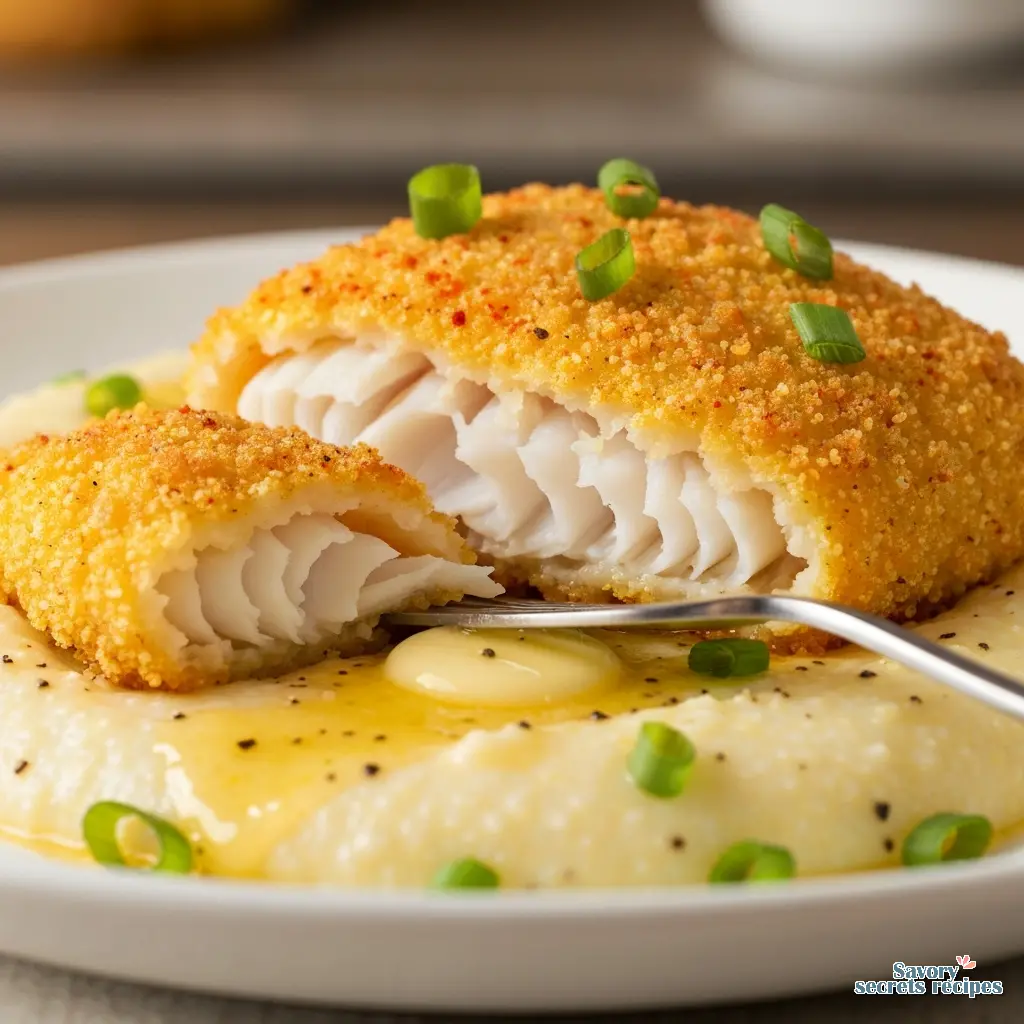
- Combine 3 1/2 cups water and 1/2 cup evaporated milk in a medium pot and bring to a boil. Add 2 dashes of sea salt, then slowly whisk in 1 cup stone-ground grits. Reduce heat to low and cook for 20-25 minutes while stirring constantly. Stir in butter, Parmesan, cheddar, and mozzarella until smooth, then maintain at a simmer.
- Coat the bottom of a separate cast iron pan with olive oil and heat over medium heat.
- Season both sides of the Orange Roughy with black pepper and creole seasoning, then set aside.
- Whisk eggs and wine in a small bowl and place fish fry in a separate bowl. Dredge the seasoned fish in the egg mixture, then coat thoroughly with the breading. Fry the fillets in the hot oil for 3 minutes on each side.
- Allow the fish to cool briefly, then serve on top of the cheesy stone-ground grits.
Nutrition
Notes
The Comfort of a Winter Morning
There is something about a gray, freezing February morning in Jersey City that demands a heavy, soul-warming breakfast. My teta Samira taught me that food is temperature management for the soul. When it is cold enough outside to see your breath in the kitchen before the oven kicks on, a bowl of cereal just isn’t going to cut it. You need heat. You need texture. You need fried fish and grits.
I remember the first time I tried to coordinate this meal. It felt like a panic attack. The fish was ready before the grits, so the fillets got soggy. Then I overcompensated, and the grits turned into a solid brick of cement while I waited for the oil to heat up. It was a disaster.
But I am a baker at heart. I look for ratios. I look for variables. Once I stopped treating this like a chaotic fry-up and started treating it like a technical bake, everything clicked. The “shatter-crisp” crust on the fish is just hydration management. The creaminess of the grits is just starch gelatinization. When you break it down like that, it is not just possible to get it right. It is guaranteed.
Selecting Your Variables: The Grits
Let me think through this for a second. If you are using instant grits, we need to have a talk. I know they are faster. I know they are easier. But in my kitchen, we do not do instant. The texture is just wrong. It is too smooth, too paste-like. It lacks character.
You want stone-ground grits. Period. They have a coarse, irregular texture that reminds me of the semolina I use for basbousa. They have bite. They have flavor that actually tastes like corn, not just cardboard. Because the germ is left in, they are perishable, so I keep mine in the freezer. That is a detail most recipes skip.
Here is what I am noticing with grit cookery. Most people use water. Don’t do that. Water is a wasted opportunity for flavor. I use a mix of chicken broth and heavy cream. The broth provides a savory backbone that salt alone cannot achieve, and the cream provides the fat needed to carry that flavor. It is the difference between a flat dough and a rich brioche. This savory liquid base is also the secret to a perfect grits and gravy recipe.
The Fish: Choosing the Right Fillet
You need a white, flaky fish that can stand up to the heat of the oil without disintegrating. I have seen this go both ways, but generally, you want something with a little structural integrity.
- Catfish: The classic choice. It has a distinct, slightly muddy (in a good way) flavor that pairs perfectly with the cornmeal.
- Whiting: A bit more delicate, very sweet. It fries up beautifully but you have to handle it with care.
- Orange Roughy or Tilapia: These are your blank canvases. If you are nervous about “fishy” flavors, start here.
- Cod: A bit thick for traditional Southern frying, but if you slice it into strips, it works.
I prefer catfish fillets. There is something about the way the meat flakes apart that feels right. Just make sure you pat them completely dry before you even think about seasoning them. Moisture is the enemy of the crisp.
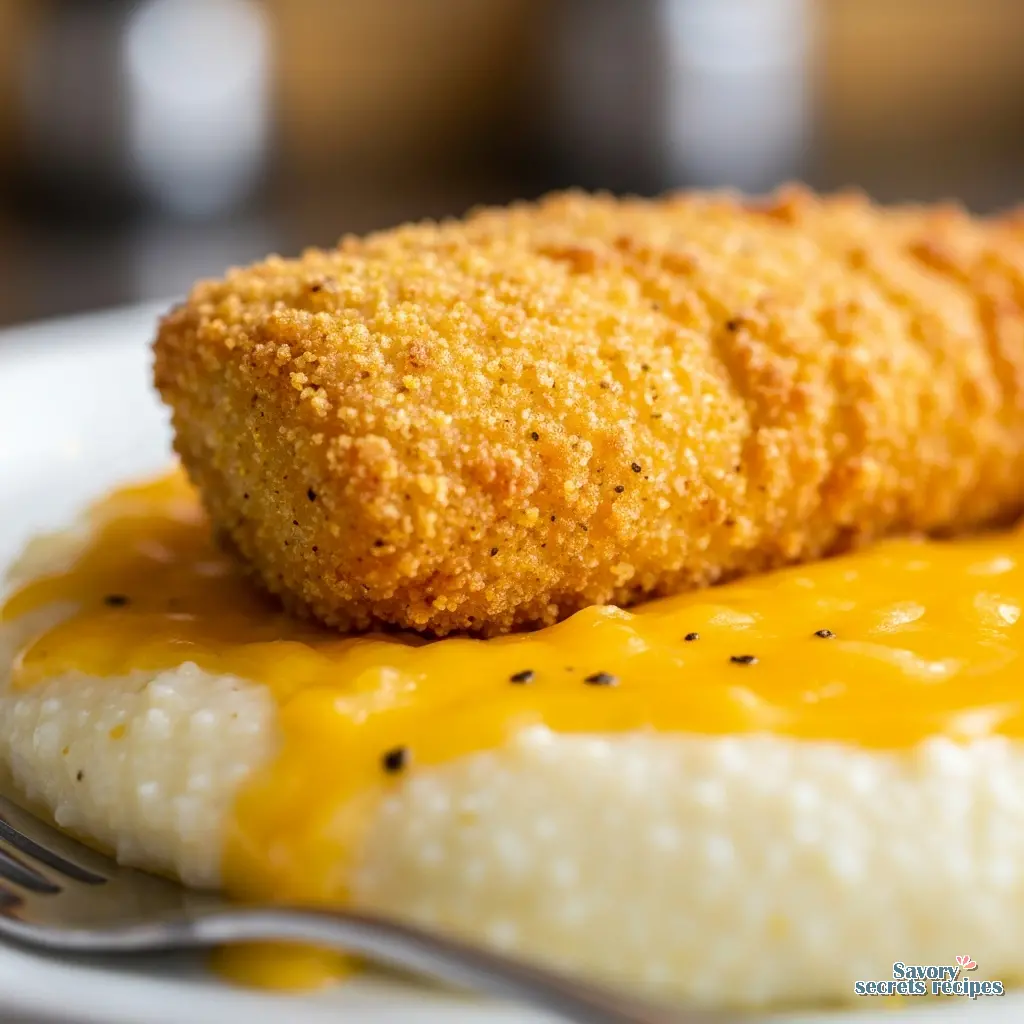
The Science of the Crisp: Dredging and Frying
This is the detail that changes everything. Most people just dip the fish in cornmeal and throw it in the pan. Then they wonder why the coating falls off or gets soggy. You need a binder. You need a system.
I use a “Dry-Wet-Dry” method. It is similar to how I laminate dough, layer by layer.
- The Seasoning Layer: Season the naked fish directly. Do not rely on the flour to carry the salt. The fish needs to taste good on its own.
- The Binder: I use a buttermilk and egg wash. The acidity in the buttermilk tenderizes the fish proteins, while the egg creates a protein net that grabs onto the cornmeal.
- The Crust: A mix of fine yellow cornmeal and a little bit of flour. The flour fills in the gaps between the cornmeal grains, creating a complete seal. If you use only cornmeal, oil seeps through the cracks.
Temperature matters more than time here. You want your oil at 350°F to 375°F. If it is too low, the fish acts like a sponge and soaks up the grease. If it is too high, the outside burns before the inside is cooked. Watch for the shimmer in the oil. When you drop a pinch of cornmeal in, it should sizzle immediately but not smoke.
Timing the Dance
The hardest part of fried fish and grits is the timing. Grits take patience. Fish takes speed. Here is how I work through the variables.
Start the grits first. Stone-ground grits need about 20 to 30 minutes of low, slow simmering to hydrate properly. While they are bubbling away (and please, keep a whisk handy to prevent lumps), you prep your dredging station.
Do not dredge the fish until the oil is hot. If you let the fish sit in the cornmeal for too long, the breading gets gummy. You want to go straight from the cornmeal to the hot oil. This ensures that “shatter-crisp” texture we are after.
Once the grits are thick and creamy, I stir in the cheese and butter, then cover the pot and remove it from the heat. They will stay hot for a good 15 minutes. That gives you the perfect window to fry the fish. Fried fish waits for no one. It needs to be eaten hot.
Common Fried Fish and Grits Mistakes
I have logged every batch failure since I started making this, and I see the same patterns over and over.
Troubleshooting Guide
Mistake: The grits are lumpy.
Solution: You added the grits to the water too fast. You have to whisk the liquid vigorously while slowly pouring the grits in a steady stream. It feels like whisking meringue. If lumps happen, smash them against the side of the pot with a spatula immediately.
Mistake: The fish coating is soggy.
Solution: You overcrowded the pan. When you put too many cold fillets in hot oil, the temperature plummets. Fry in batches. Give the fish room to breathe.
Mistake: The fish tastes bland.
Solution: You didn’t season the fish before breading it. Salt the fillet, not just the flour.
What Goes with Fish and Grits?
Since the main components are heavy, rich, and fried, you need acid and freshness to cut through the fat. That tracks with what I’ve seen in balanced flavor profiles.
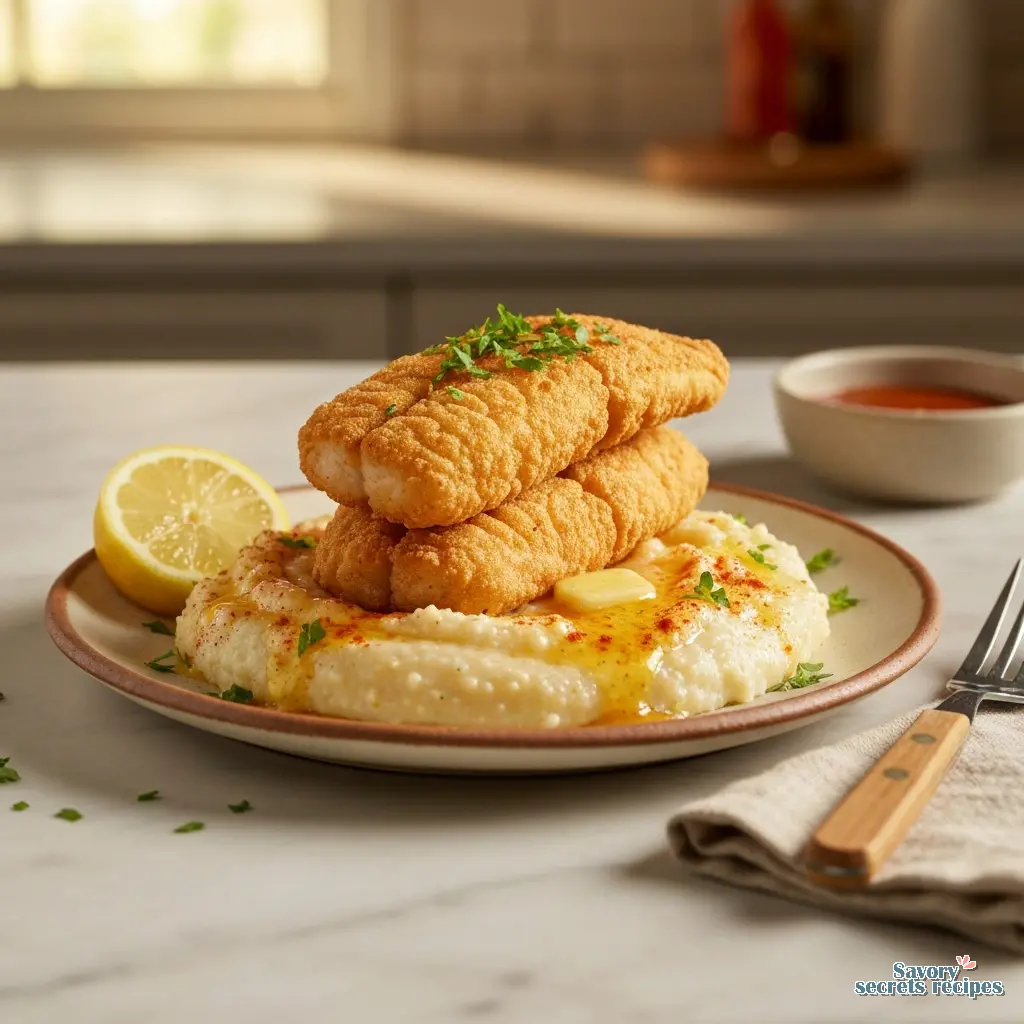
I love serving this with a simple side of sautéed greens, like spinach or chard, with a squeeze of lemon. The bitterness of the greens balances the sweetness of the corn. A sharp, vinegar-based coleslaw is also fantastic. And honestly, you cannot go wrong with just a few lemon wedges and a bottle of hot sauce. The vinegar in the hot sauce wakes up the palate.
Frequently Asked Questions
Storage and Reheating
If you have leftovers, store the fish and grits in separate airtight containers in the refrigerator. They will keep for up to 3 days. I’m still working out the best approach for freezing grits, but generally, I avoid it as the texture can get grainy.
To reheat the fish, place it on a wire rack over a baking sheet and bake at 400°F for about 8 to 10 minutes. This restores the crunch. For the grits, put them in a saucepan with a little extra milk or broth and whisk gently over low heat until they are creamy again.
When you take that first crunchy, creamy bite, you’ll know exactly why this combination is legendary. It is worth the effort. Pour yourself an extra cup of coffee, sit down, and enjoy the slow morning. You’ve earned it.
For more inspiration, check out my Pinterest boards where I collect all my favorite comfort food ideas.
Reference: Original Source