



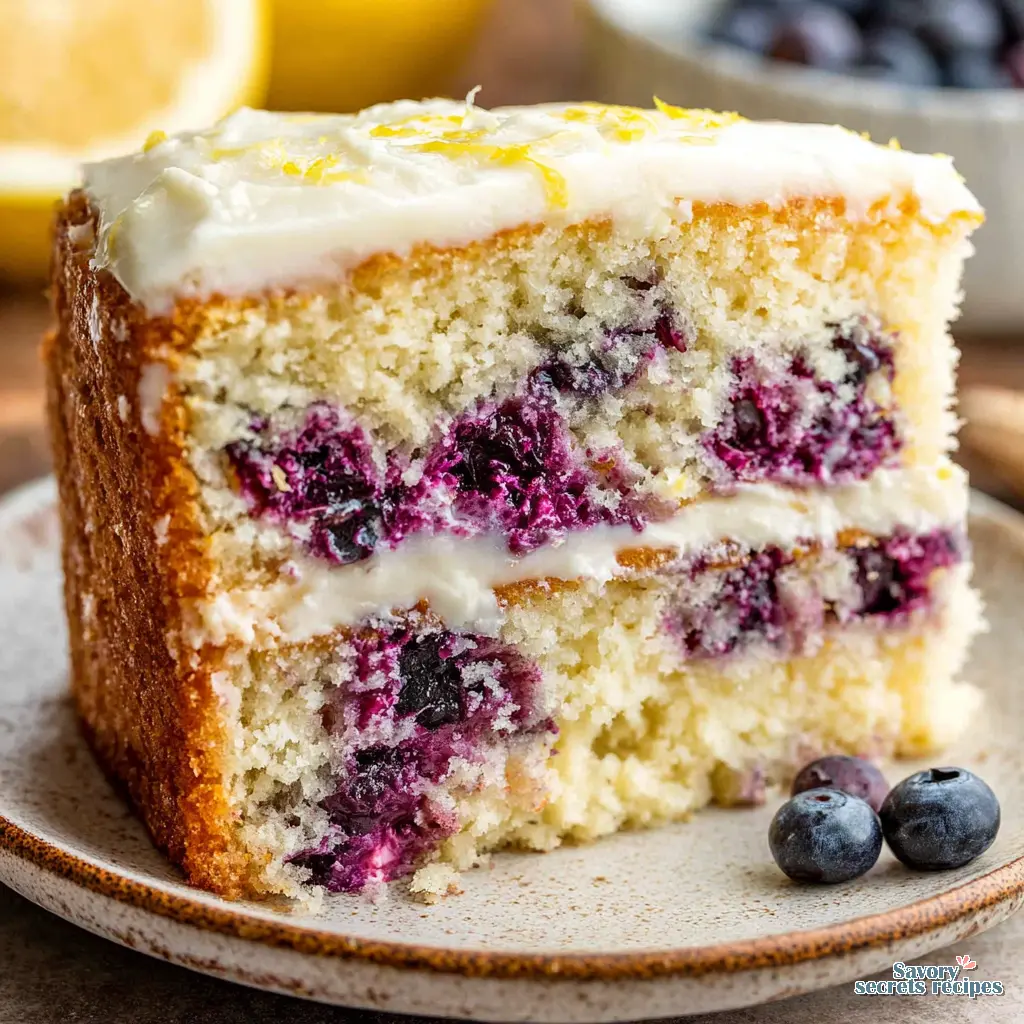
Moist Gluten-Free Lemon Blueberry Cake (Dairy-Free Option)
Ingredients
Method
- Wash and dry fresh blueberries thoroughly, then toss with 1/2 tablespoon sorghum flour and set aside. If using frozen blueberries, do not defrost; toss with 1/2 tablespoon sorghum flour and keep frozen until ready to use.
- Preheat the oven to 350°F. Lightly grease two 8-inch cake pans with vegetable oil or cooking spray and line the bottoms with parchment paper.
- Sift the sorghum flour, sweet rice flour, tapioca starch, millet flour, xanthan gum, baking powder, baking soda, and salt into a medium bowl and set aside.
- Whip the egg whites in a medium bowl using a hand mixer, starting on low speed and increasing to high until soft peaks form, then set aside.
- Cream the butter and sugar together in a stand mixer with a paddle attachment or using a hand mixer on medium speed for about 3 minutes until light and fluffy.
- Mix in the lemon zest, vanilla, and egg yolks on low speed, scraping down the sides of the bowl as needed.
- Mix in the sour cream, then gradually add the dry ingredients on low speed in three batches, alternating with the milk and lemon juice, scraping the sides after each addition and mixing until just combined.
- Fold one-third of the whipped egg whites into the batter using a silicone spatula to loosen it, then gently fold in the remaining egg whites until nearly combined.
- Fold in the blueberries until evenly distributed. Divide the batter between the prepared pans and smooth into an even layer using an offset spatula.
- Bake for 34 to 36 minutes until the center springs back when lightly pressed and a toothpick inserted comes out clean or with a few moist crumbs.
- Cool the cakes in the pans for 10 minutes, then run a knife around the edges and invert them onto a wire rack. Peel off the parchment paper and flip the cakes right-side up to cool completely.
- Prepare the lemon cream cheese frosting according to the recipe once the cakes have cooled.
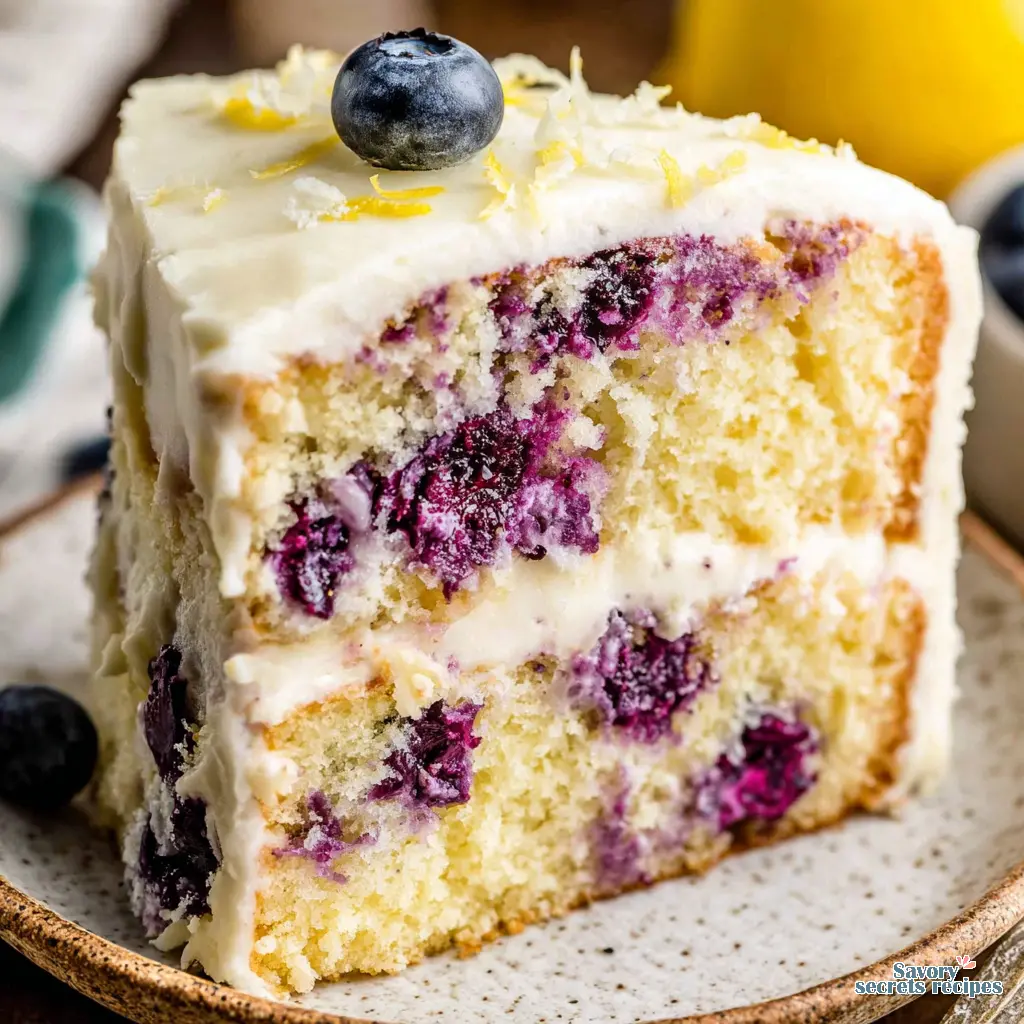
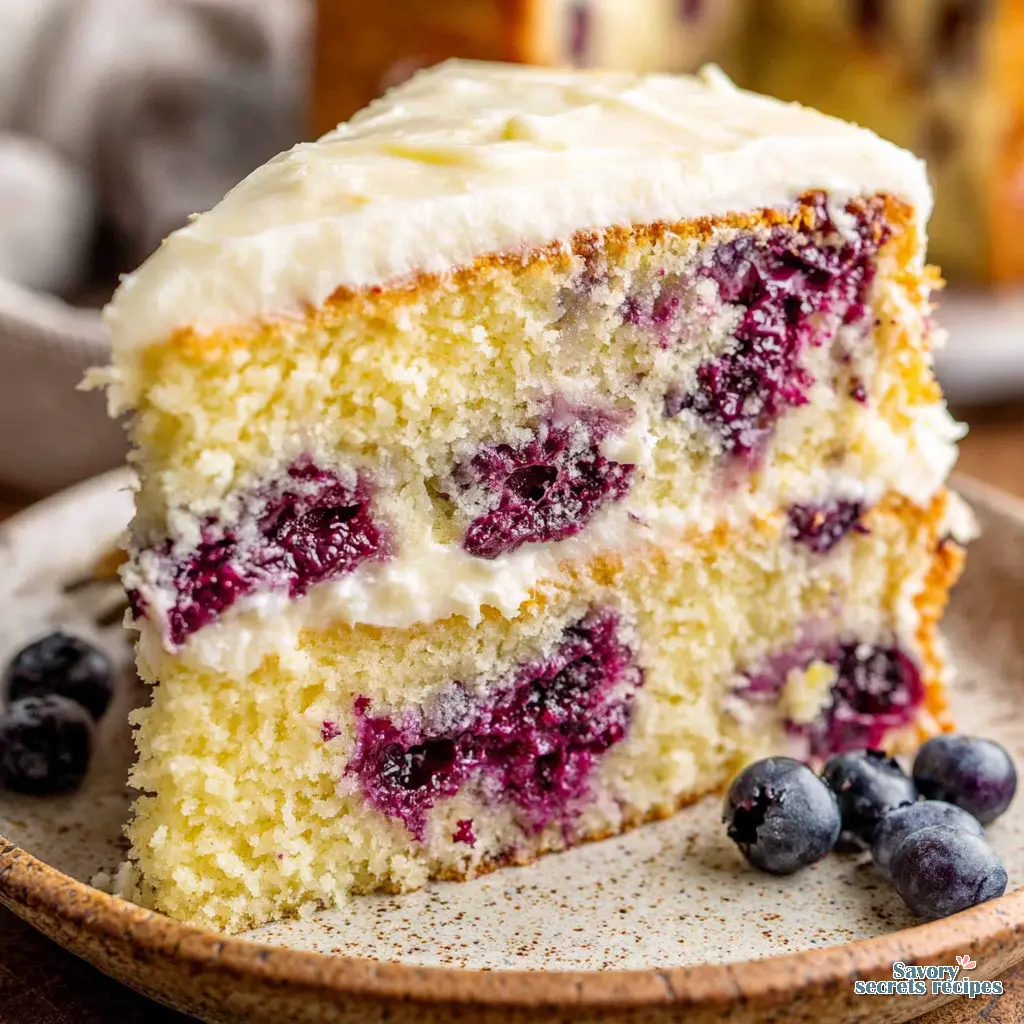
- Frost the cake by spreading 1/2 cup of frosting between layers and applying a thin coat to the top and sides. Smooth the sides with a bench scraper, decorate as desired with blueberries and lemon, then slice and serve.
Nutrition
Notes
FREEZING UNFROSTED
You can bake and cool the gluten-free lemon blueberry cake layers in advance and freeze them until you're ready to frost and serve. Once cool, wrap each layer in plastic wrap before freezing them. For short-term storage, plastic wrap is sufficient, but for longer storage, place the wrapped layers in freezer bags to prevent freezer burn. When it's time to frost the cake, place the frozen layers on a cooling rack at room temperature for 1- 1.5 hours to defrost before frosting. Frost the cake as normal! Alternatively, you can frost the cake while it's still frozen then let it cool at room temperature for 1.5-2 hours before slicing. The frosting will firm up quickly from the cold cake. This makes it super easy to get a smooth frosting look!FREEZING FROSTED
You can also freeze the gluten-free lemon blueberry cake once it's been frosted. If your freezer has sufficient space, you may freeze the entire cake whole for up to 4 days. Place the cake in the freezer for 1 hour until the frosting is completely firm, then tightly wrap it in plastic wrap. Let the cake sit at room temperature for 3 hours before slicing and serving. Alternatively, store any leftover slices in the freezer in an airtight container for up to 2 months. let sit at room temperature for 30 minutes before eating.Why You’ll Love This Gluten-Free Lemon Blueberry Cake (Dairy-Free Option)
Dry, crumbly cakes are the worst. I mean, we’ve all been to that birthday party where the allergy-friendly option tastes like sweet sawdust. It’s disappointing. My mom kept a separate set of pots after my cousin was diagnosed with a severe dairy allergy. I didn’t understand why it mattered so much until I saw my aunt’s face relax when she knew Rohan could eat safely at our house. That separate pot set was love in a very specific form.
That’s exactly why I spent weeks testing this Gluten-Free Lemon Blueberry Cake (Dairy-Free Option). I wanted a celiac safe dessert that actually tastes normal. You know, the kind of cake where nobody asks if it’s “special” food. With spring finally showing up here in California, the combination of fresh berries and bright citrus just feels right.
Let me walk you through this. Here is what I have found works best for a truly moist crumb. First, you’ll need to measure your ingredients by weight in grams. It’s not being fussy; it’s just how we get consistent results. Second, let your batter rest for thirty minutes before baking. Third, make sure your dairy-free milk and eggs are at room temperature. These three simple habits completely change the texture of gluten-free baking.
You’ll get a soft, springy texture that holds together perfectly. Priya helps me test the kid-friendly versions, which means I have a very honest five-year-old telling me when something tastes weird. She asked for a second slice of this one. Perfect. Worth it.
Essential Ingredients & Substitutions
I prefer substitutions that you can find at a regular grocery store, not just specialty shops, because that’s real life for most people. For this Gluten-Free Lemon Blueberry Cake (Dairy-Free Option), the ingredient list is pretty straightforward.
Your flour choice makes or breaks this recipe. You’ll want a high-quality 1-to-1 gluten free flour blend that already contains xanthan gum. I’ve had great success with King Arthur’s blend. If your blend doesn’t have xanthan gum, you’ll need to add a quarter teaspoon yourself. Without it, the cake just crumbles into a sad pile on your fork.
We’re also adding a bit of almond flour. This is your secret weapon for moisture. Gluten-free blends rely heavily on rice flour and tapioca starch, which can sometimes taste gritty. The natural fats in almond flour soften that grittiness and give the cake a tender, bakery-style crumb.
For the dairy-free side of things, a good plant-based butter block works beautifully. Don’t use the spreadable tub kind; it holds too much water. Coconut oil is a fantastic alternative if you prefer. Just make sure it’s melted and slightly cooled. For the liquid, unsweetened almond milk or oat milk mixed with a splash of fresh lemon juice creates a perfect dairy-free buttermilk.
The Science of GF Binding (Why Xanthan Gum Matters)
I genuinely love the problem-solving part of this work, figuring out why something failed and how to fix it. Gluten-free baking is basically just edible chemistry. Regular flour has gluten, which acts like a stretchy net holding the cake together. Since we don’t have that net, we need a backup plan.
That’s where xanthan gum comes in. It mimics that elasticity. But here’s the real secret to avoiding a gummy, dense cake. Hydration. Gluten-free flours are incredibly thirsty. They need time to absorb liquids.
In my testing, letting the mixed batter sit on the counter for 30 minutes before baking changed everything. It gives the starches time to swell and soften. If you skip this step, the flour bakes before it hydrates, leaving you with that dreaded gritty texture. I know it’s hard to wait, but trust me on this.
How to Make the Blueberry Compote Filling
If you’re making a layer cake version of this Gluten-Free Lemon Blueberry Cake (Dairy-Free Option), you’ll want a filling that doesn’t slide around. Fresh blueberries are mostly water. If you just mash them up and stick them between cake layers, you’ll end up with a soggy mess.
We need to reduce that juice. Simmer your berries with a little sugar and a squeeze of lemon juice over medium heat. You’ll know it’s ready when the mixture coats the back of a spoon thickly. It takes about ten minutes.
Let this compote cool completely before using it. Actually, I prefer making it the day before and leaving it in the fridge. It thickens up beautifully as it chills, creating a concentrated, jammy layer that won’t compromise your dairy-free frosting.
Step-by-Step Baking Checkpoints
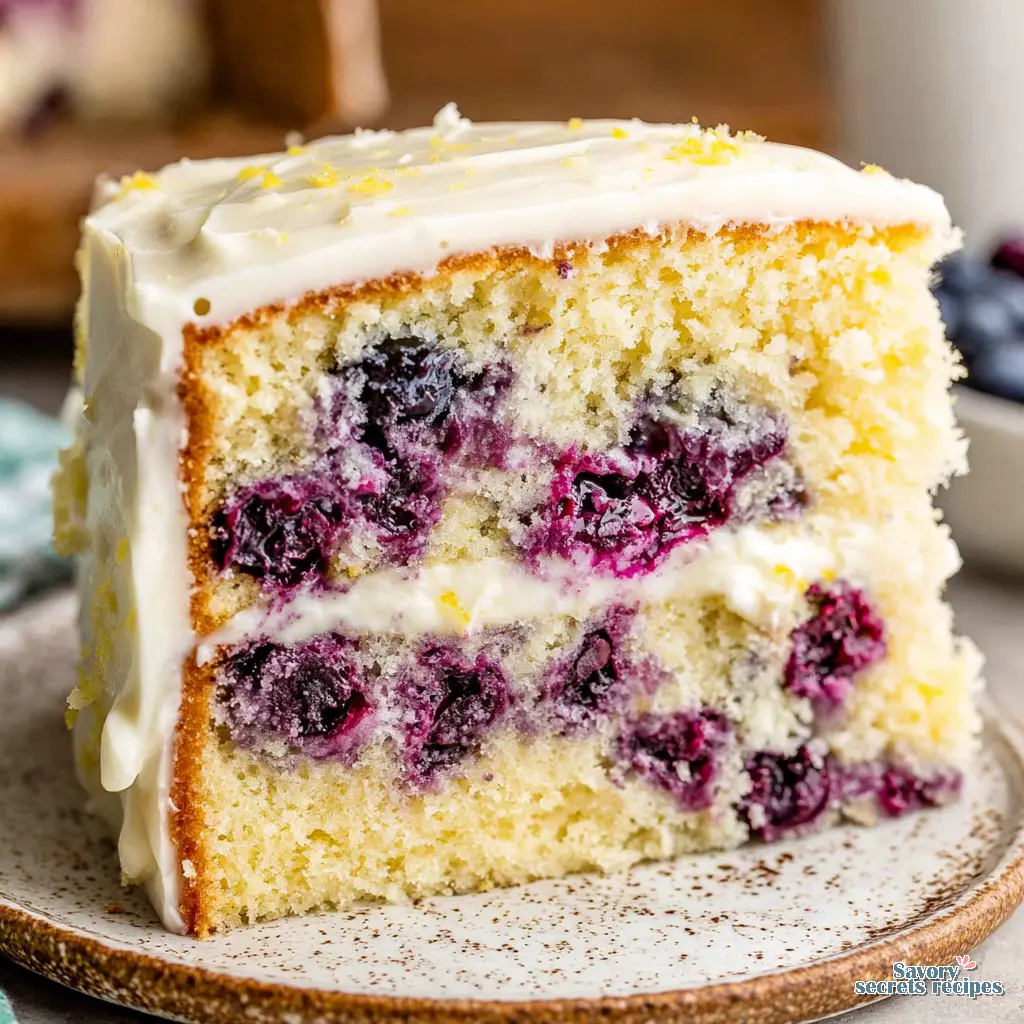
I prefer recipes that give you decision points rather than rigid instructions, because your kitchen and ingredients aren’t exactly like mine. When you mix the wet and dry ingredients, the batter will look slightly thicker than standard cake batter. If it looks too wet at this stage, that’s normal. It’ll thicken during the resting period.
Rub the fresh lemon zest directly into your granulated sugar before adding it to the bowl. The sugar crystals act like little knives, cutting into the zest and releasing all those fragrant citrus oils. Your kitchen will smell incredible.
This is your checkpoint for the oven. Bake at 350°F. Test it at the 35-minute mark if your oven runs hot. You’ll know it’s ready when the edges pull away slightly from the pan and a toothpick inserted in the center comes out with just a few moist crumbs attached.
Tips to Prevent Blueberries from Sinking
This is the part that matters if you want an even distribution of fruit. Nobody wants a cake with a dense, soggy layer of berries entirely at the bottom.
The solution is simple. Toss your blueberries in one tablespoon of your gluten-free flour blend before folding them into the batter. The flour creates a little friction jacket around the fruit, helping it grip the batter and stay suspended while baking.
You can absolutely use frozen berries if fresh ones are out of season. Just don’t thaw them first. Fold them in straight from the freezer. If you thaw them, they’ll bleed purple juice everywhere and turn your beautiful yellow cake into a weird gray color.
Cake Assembly & Decorating Tips
Look, I’ll be honest. Frosting a warm cake is a disaster waiting to happen. I’ve ruined perfectly good cakes because I was impatient. You must let the cake layers cool completely.
Dairy-free cream cheese frostings are notoriously softer than their dairy counterparts. They melt at the slightest hint of heat. Pop your cooled cake layers in the fridge for twenty minutes before assembling. The chill helps the frosting set up instantly on contact.
If your dairy-free frosting feels too soft while you’re working, just put the whole bowl in the fridge for ten minutes. Work with chilled frosting straight from the fridge for better piping and spreading.
Visual Troubleshooting Guide & Common Mistakes
I once published a recipe for gluten-free cookies that spread into a giant cookie sheet pancake for half the readers. I didn’t account for different brands having wildly different starch ratios. Baking is humbling. Let’s fix some common issues before they happen.
Common Mistakes & Fixes
Mistake: The cake has a dense, gummy layer at the bottom.
Solution: You likely skipped the batter resting period, or your oven wasn’t fully preheated. Let the batter rest for 30 minutes so the starches hydrate properly.
Mistake: The cake crumbles when you try to slice it.
Solution: Check your flour blend. If it doesn’t contain xanthan gum, you need to add it. Also, slicing the cake while it’s still warm will cause it to fall apart. Let it cool!
Mistake: The frosting slides right off the sides.
Solution: The cake was too warm, or the dairy-free butter was too soft when you whipped it. Chill your cake layers and your frosting before assembling.
Recipe Variations & Natural Color Enhancement
Sometimes you need to accommodate multiple allergies. If you need an egg-free and vegan version of this Gluten-Free Lemon Blueberry Cake (Dairy-Free Option), you can use aquafaba. I learned about aquafaba from a reader comment, not from culinary school. Three tablespoons of whipped chickpea water replaces one egg beautifully here.
If you remove the eggs, you lose that classic yellow cake color. To fix this naturally, add just an eighth of a teaspoon of ground turmeric to your dry ingredients. It won’t affect the flavor at all, but it gives the crumb a gorgeous, sunny yellow tint.
For a refined sugar-free option, coconut sugar works well, though it will make the cake much darker in color. Maple sugar is a better alternative if you want to maintain that bright, springy look.
Make-Ahead Schedule & Storage Instructions
I’m constantly figuring out how to make life easier during busy weeks. You can absolutely break this recipe up over a couple of days. Bake the cake layers on a Thursday, wrap them tightly in plastic wrap while they’re still slightly warm, and keep them in the fridge.
The moisture gets locked in, making the cake even softer the next day. Make your frosting on Friday, assemble, and you’re ready for the weekend. To store leftover Gluten-Free Lemon Blueberry Cake (Dairy-Free Option), keep it in an airtight container in the refrigerator for up to five days.
If you want to freeze it, wrap individual slices in plastic wrap and then foil. They’ll keep for three months. To revive a frozen slice, let it thaw in the fridge overnight, then let it sit at room temperature for thirty minutes before eating. The texture comes right back.
Frequently Asked Questions
Final Thoughts
There’s something deeply satisfying about a substitution that actually works on the first try for most people, not just in my kitchen. This Gluten-Free Lemon Blueberry Cake (Dairy-Free Option) brings me back to that relief I felt as a new dietitian when a patient told me my suggestions actually worked in her real life.
Bake it, share it with your friends who usually have to skip dessert, and watch their faces light up. That’s the whole point of cooking, isn’t it? If you make this, let me know how it turns out for you. I share tons of variations on my Pinterest boards if you want more allergy-friendly baking ideas.
Source: Nutritional Information
What is the best gluten free flour for lemon blueberry cake to ensure a tender crumb?
In my testing, a high-quality 1-to-1 blend like King Arthur works best. It contains the right balance of rice flour and starches. I always add a bit of almond flour to the mix, which provides extra fat and moisture to prevent that dry, crumbly texture we all hate.
How to make gluten free cake moist not crumbly when using fresh blueberries and lemon?
The secret is hydration and fat. Let your batter rest for 30 minutes before baking so the starches absorb the liquid. Using dairy-free yogurt or sour cream alongside your oil adds incredible moisture. Also, be careful not to overbake; check it five minutes before the recipe says it’s done.
Can I make this Gluten-Free Lemon Blueberry Cake (Dairy-Free Option) using coconut oil instead of butter?
Yes, absolutely. Melt the coconut oil and let it cool slightly before mixing. It provides a beautiful, tender crumb. Just make sure your other ingredients (like eggs and almond milk) are at room temperature, otherwise, the coconut oil will instantly solidify into little chunks in your batter.
How do you prevent blueberries from sinking to the bottom of a lemon blueberry cake gf?
Toss your fresh or frozen blueberries in a tablespoon of your gluten-free flour blend before adding them. This creates a grippy coating that helps the fruit stay suspended in the batter while it bakes. Also, ensure your batter isn’t too thin; a thicker batter supports the berries better.
Can I use almond flour instead of a flour blend for a dairy free lemon blueberry cake recipe?
You can’t swap it entirely, as 100% almond flour requires a totally different ratio of eggs and leavening agents. However, replacing about a quarter cup of your 1-to-1 blend with almond flour is my favorite trick for adding moisture and softening the crumb without ruining the cake’s structure.