





Shrimp and Grits with Gravy Recipe
Ingredients
Method
- Heat oil in a large non-stick or cast iron skillet over medium-high heat. Season shrimp with Cajun seasoning. Sauté shrimp for about 1 minute until slightly pink but not fully cooked. Reduce heat to medium and add sausage slices. Brown sausage on both sides for a few minutes, then remove sausage and shrimp from the pan and set aside.
- Retain the drippings in the pan and melt the butter. Add onion, bell pepper, and garlic. Cook for 3 to 5 minutes, stirring occasionally, until the vegetables are tender and fragrant.
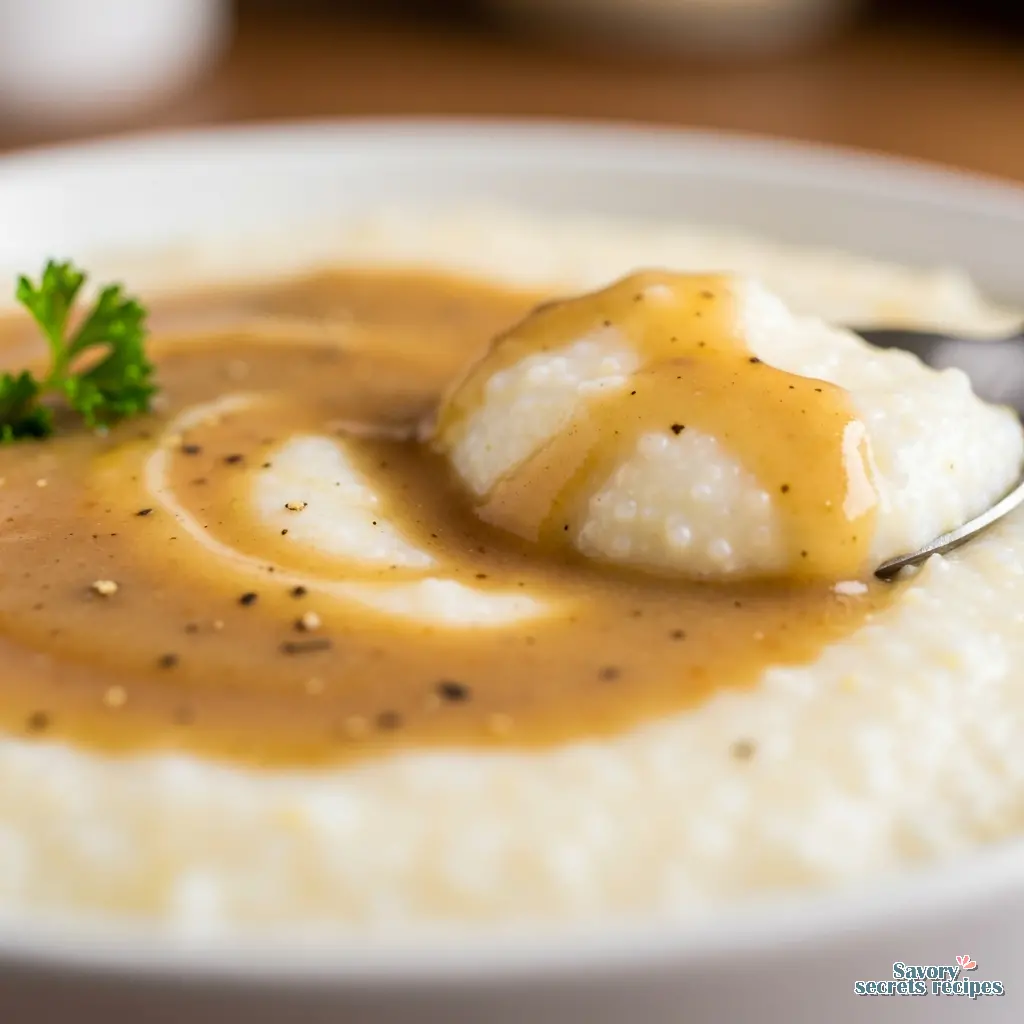
- Sprinkle in flour and stir until fully incorporated into the vegetables. Gradually whisk in the broth, then stir in Cajun seasoning and smoked paprika. Bring the mixture to a simmer, reduce heat to low, and simmer uncovered for 5 minutes or until the gravy reaches the desired thickness.
- Stir fresh parsley into the gravy and serve immediately over warm grits.
- Heat broth in a medium saucepan over medium heat. Slowly whisk in the grits until the grains are separated. Reduce heat to low and simmer for 5 to 10 minutes until thickened, whisking constantly to prevent sticking and splattering.
- Stir in heavy cream and continue mixing until the grits are thick and creamy. Add Parmesan cheese and stir until melted, then mix in the butter. Season with salt and pepper to taste.
- Remove from heat and cover to keep warm until ready to serve.
Notes
- Using a whisk for the grits will ensure your grits come out smooth and creamy.
- Stirring occasionally will reduce splatter and sticking
- A non-stick skillet, or seasoned cast-iron skillet works better for this recipe.
- Bacon can be substituted for the sausage. Just chop bacon into small pieces prior to cooking.
The Cure for the Cold Morning Blues
There is a specific sound a kitchen makes at 6:00 AM on a cold February morning. It’s the hum of the refrigerator working too hard and the sharp whistle of a kettle that seems louder than it should be. I know that sound well. It usually means the floor is freezing under my socks and I need something that is going to stick to my ribs before I even think about facing the wind outside. That is where gravy grits come in.
I grew up in North Carolina where grits are not just breakfast. They are a currency of affection. But I know for folks out in Los Angeles or anywhere the “winter” dips down to a chilling 55 degrees, this might seem like a heavy lift for a Tuesday morning. It isn’t. Trust me. This bowl is the culinary equivalent of a weighted blanket. It is savory, creamy, and honestly, it heals things.
The trouble is, most people are scared of grits. They have had the wallpaper paste served at diners or the lumpy sad stuff from a packet. I get it. I have been there. But we are going to fix that today. We are going to make grits so velvety they slide right off the spoon, and we are going to top them with a gravy that would make my Uncle Raymond nod in approval. And he didn’t nod for much.
The Foundation: Respecting the Corn
Let’s talk about the grit itself. You have options here, and while I am a purist about many things (don’t get me started on vinegar sauce), I am practical about breakfast. Generally speaking, stone-ground grits are the gold standard. They have that toothsome texture and deep corn flavor that takes me back to the mill. But they take forty minutes. On a weekday? That doesn’t track.
For this recipe, we are using quick-cooking grits. Not instant. Never instant. Instant grits are pre-cooked and dehydrated, and they have no soul. Quick grits are just ground finer. They cook in about 5 to 7 minutes, which is exactly the amount of time you have while the coffee brews. Fair enough.
The secret to creaminess isn’t just the cheese. It is the liquid ratio. I use a mix of chicken stock and heavy cream. Water is fine if you are camping, but we are in a kitchen. We want luxury. The stock brings the savory depth, and the cream does the heavy lifting for texture. If you use only water, you get a bland canvas. We want a masterpiece. If you want to lean into that decadence, my recipe for cheesy shrimp and grits takes that texture to the next level.
The Science of the Slurry and the Roux
Here is where people panic. The gravy. I have seen perfectly capable cooks freeze up when I say the word “roux.” It sounds French and complicated. It isn’t. It is just fat and flour getting to know each other.
In this recipe, we are building flavor in layers. First, we sear our protein (shrimp usually, or maybe a good turkey sausage if you want that smoky hit). Then we use that leftover flavored oil to cook our aromatics. The onions and peppers need to sweat until they are soft. Texture is truth here. If they crunch, they aren’t ready.
When you sprinkle that flour over the vegetables, you are making a rustic roux. You need to let it cook for a minute. It should smell nutty, like toasted bread. If it smells like raw flour, keep stirring. Nothing for it but to wait. If you rush this, your gravy will taste dusty. Once that flour is cooked, we whisk in the stock. Slowly. That is the trick. Pour a little, whisk a lot. This prevents the lumps that give gravy grits a bad name.
Shrimp Selection: Raw is the Law
I cannot stress this enough. Please buy raw shrimp. I know the pre-cooked ones in the freezer section look convenient. They are a trap. By the time you warm them up in your beautiful gravy, they will have the texture of a pencil eraser. That is not what we are after.
Buy them raw, peeled, and deveined if you can find them to save time. We want to cook them quickly in the skillet first, just until they turn pink. Then we pull them out. Why? Because if we leave them in while we make the gravy, they will overcook. We add them back at the very end just to warm through. This ensures they snap when you bite them. That is the texture we want.
Also, size matters. I tend to go for large (21-25 count) shrimp. They stand up to the hearty gravy better than the little popcorn shrimp. You want a bite that feels substantial.
Troubleshooting Your Gravy Grits
Even with the best intentions, things go sideways. It happens. My first brisket was a disaster, and I still hear about it at reunions. Here is how to save your breakfast if it starts acting up.
The Gravy is Too Thick: This happens fast. You turn your back to sip coffee, and suddenly you have paste. Don’t panic. Just whisk in a splash more stock or even water. Whisk vigorously. It will loosen right back up. Liquid is your friend here.
The Grits are Lumpy: This usually means you added the grits to the water too fast. Next time, pour them in a slow, steady stream while whisking constantly. If you are already in the lumpy situation, you can try whisking aggressively with a balloon whisk. If it is really bad? Push them through a mesh sieve. I won’t tell anyone.
It’s Too Salty: This is a common one, especially if you use store-bought stock and salted butter. I always use unsalted butter so I can control the salt. If it’s too late, add a squeeze of lemon juice or a splash of cream. The acid or fat helps mask the saltiness.
Variations for Every Palate
Cooking is personal. What works for me in Durham might need a tweak for you in Santa Monica. Here is how you can make this your own.
For the Heat Seekers: I like a little warmth, but if you want fire, add a pinch of cayenne pepper to the flour mixture. Or, finish the dish with a few dashes of hot sauce. The vinegar in the hot sauce actually cuts through the richness nicely.
Dairy-Free Folks: You can absolutely make this without the heavy cream. Use a good quality vegetable stock or chicken stock for the liquid. For the creaminess in the grits, I’ve had success with full-fat oat milk. It has a natural sweetness that pairs well with corn. Just skip the cheese or use a vegan alternative. It won’t be quite the same, but it will still be good.
The “Kitchen Sink” Approach: Got some leftover roasted veggies? Throw them in. Mushrooms are particularly good here; they soak up that gravy like little sponges. Spinach wilted in at the last second adds color and makes you feel virtuous about eating a bowl of cream and carbs. You can even take these savory flavors and turn them into a unique shrimp and grits stuffing for holiday gatherings.

Storage and Reheating: The Brick Effect
Let’s be real. Grits turn into a solid brick when they get cold. It is just the nature of cornstarch. If you put leftovers in the fridge, don’t expect them to look appetizing the next day. But they are salvageable.
To reheat the grits, put them in a saucepan with a splash of milk or water. Break up the “brick” with a spoon and heat it slowly over low heat. Whisk it as it warms up. It will smooth out again. You might need to add more liquid than you think. Let it ride until it looks creamy again.
The gravy can be reheated in a separate small pot or in the microwave. If the gravy has separated (the oil pulling away from the solids), just whisk it vigorously. It should come back together. I tend to store them in separate containers if I can, just to make reheating easier.
Frequently Asked Questions
Time to Get Cooking
Your kitchen is about to smell like a diner in the best possible way. The combination of simmering stock, sautéing onions, and toasted corn is powerful stuff. It turns a dreary Tuesday into something that feels like a slow Sunday.
So grab your skillet. Don’t overthink the roux. Just watch the color and trust your nose. When you take that first bite creamy, salty, savory you’ll understand why this dish has stuck around for generations. It’s not fancy. It’s just good. And sometimes, that is exactly what we need. Enjoy your cozy morning.
For more inspiration, check out my Pinterest boards.
Reference: Original Source