



Healthy Greek Turkey Meatballs for Meal Prep Bowls
Ingredients
Method
- Combine Greek yogurt, grated cucumber, lemon juice, minced garlic, and fresh dill in a medium bowl. Stir until well incorporated and season with salt and pepper to taste. Cover and refrigerate while preparing the remaining ingredients.
- Mix ground turkey, red onion, garlic, breadcrumbs, egg, dill, oregano, salt, and pepper in a large bowl until just combined. Shape the mixture into 1-inch meatballs.
- Heat olive oil in a large skillet over medium-high heat. Carefully add the meatballs and cook for 8 to 10 minutes, turning occasionally, until browned on all sides and cooked through.
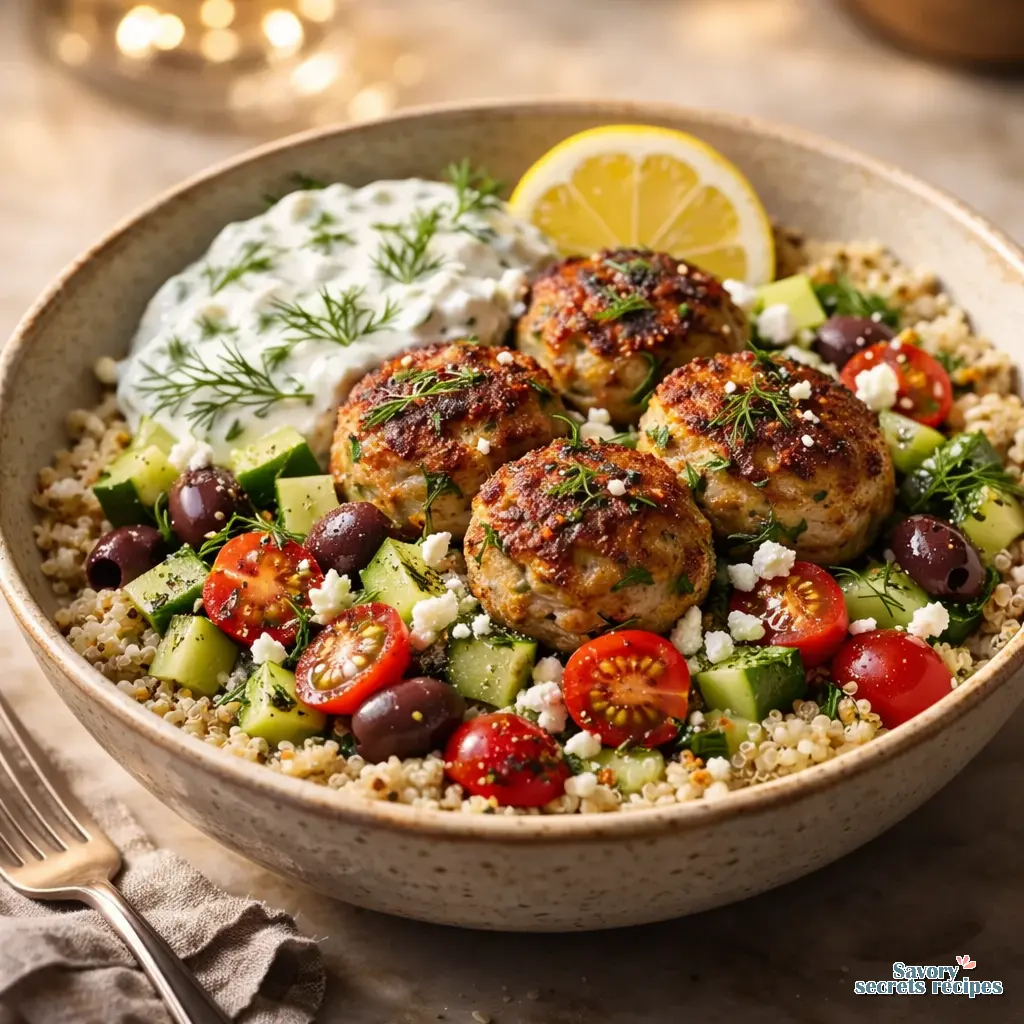
- Divide cooked quinoa among four bowls and top with turkey meatballs. Arrange cherry tomatoes, cucumber, red onion, and olives around the meatballs. Drizzle with tzatziki, sprinkle with feta, and serve immediately with a lemon wedge.
Nutrition
Notes
A Fresh Spring Addition to Your Weekly Routine
I know the weeknight dinner panic all too well. It is Wednesday evening, you have exactly 35 minutes before the kids melt down, and the thought of plain chicken breast makes you want to order takeout. Let me think about that for a second. We have all been there. But right around Spring, especially with Easter approaching and the Los Angeles farmers markets bursting with fresh dill and bright lemons, I crave something lighter. A fresh, Greek-inspired Easter brunch addition or a vibrant desk lunch. That is exactly where these greek turkey meatballs come into play.
My grandmother Fatima taught me to cook in Casablanca during childhood summers. She never measured anything. She just tasted and adjusted, which drove me crazy as a kid but makes complete sense now. She used to say that food should smell like the place it comes from. These healthy greek turkey meatballs for meal prep smell exactly like a Mediterranean summer. You get the sharp tang of lemon zest, the earthy warmth of dried oregano, and that incredible savory aroma of garlic hitting a hot pan. I have been making these constantly lately. They are the perfect antidote to boring lunches.
My daughter went through a phase last year where she would only eat white foods like rice, pasta, and plain bread. I did not want to fight it, but I also was not going to make separate meals every night. I started making a mild turkey meatballs greek recipe and serving it over simple quinoa. She would eat around the green herbs at first. Gradually, she stopped picking them out. The salty pops of feta in every bite won her over. Now we are talking. She actually asks for them, and I count that as a massive parenting win.
Why You Will Actually Crave This Mediterranean Classic
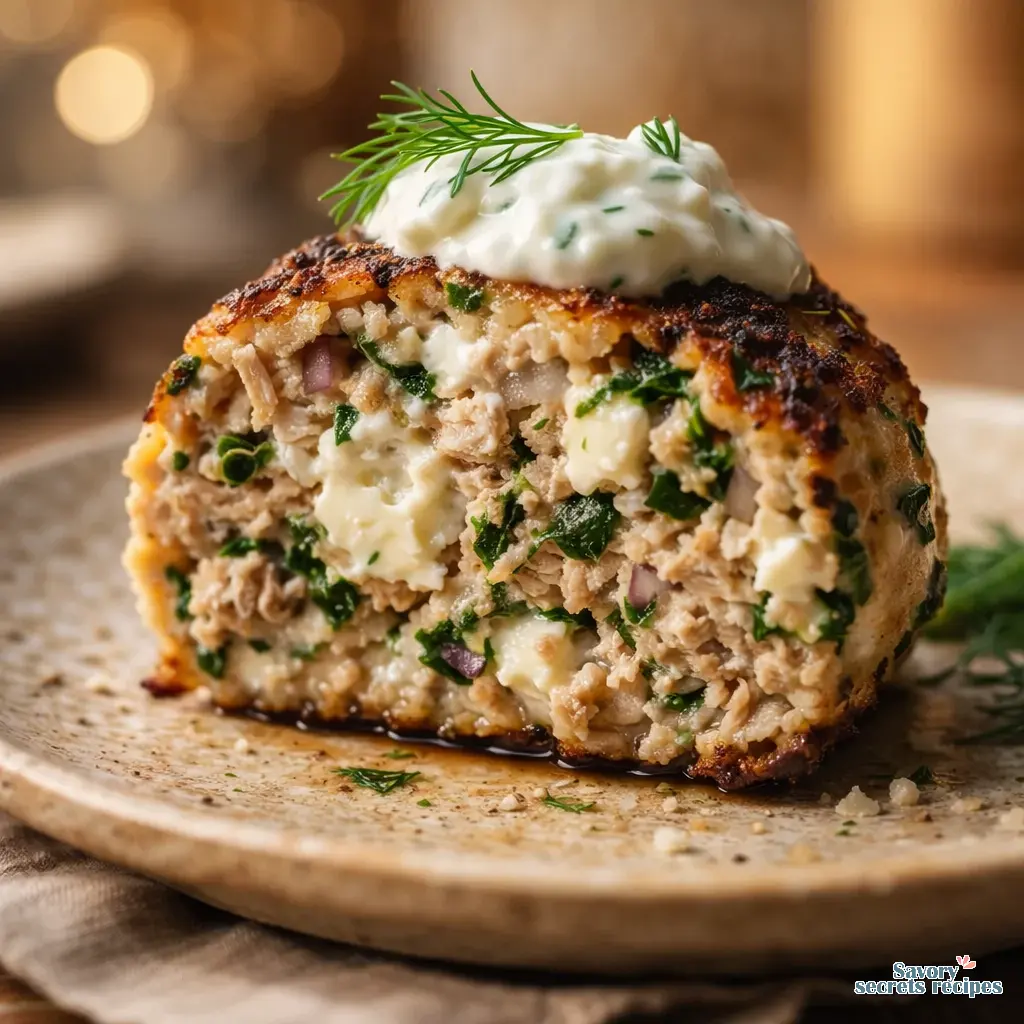
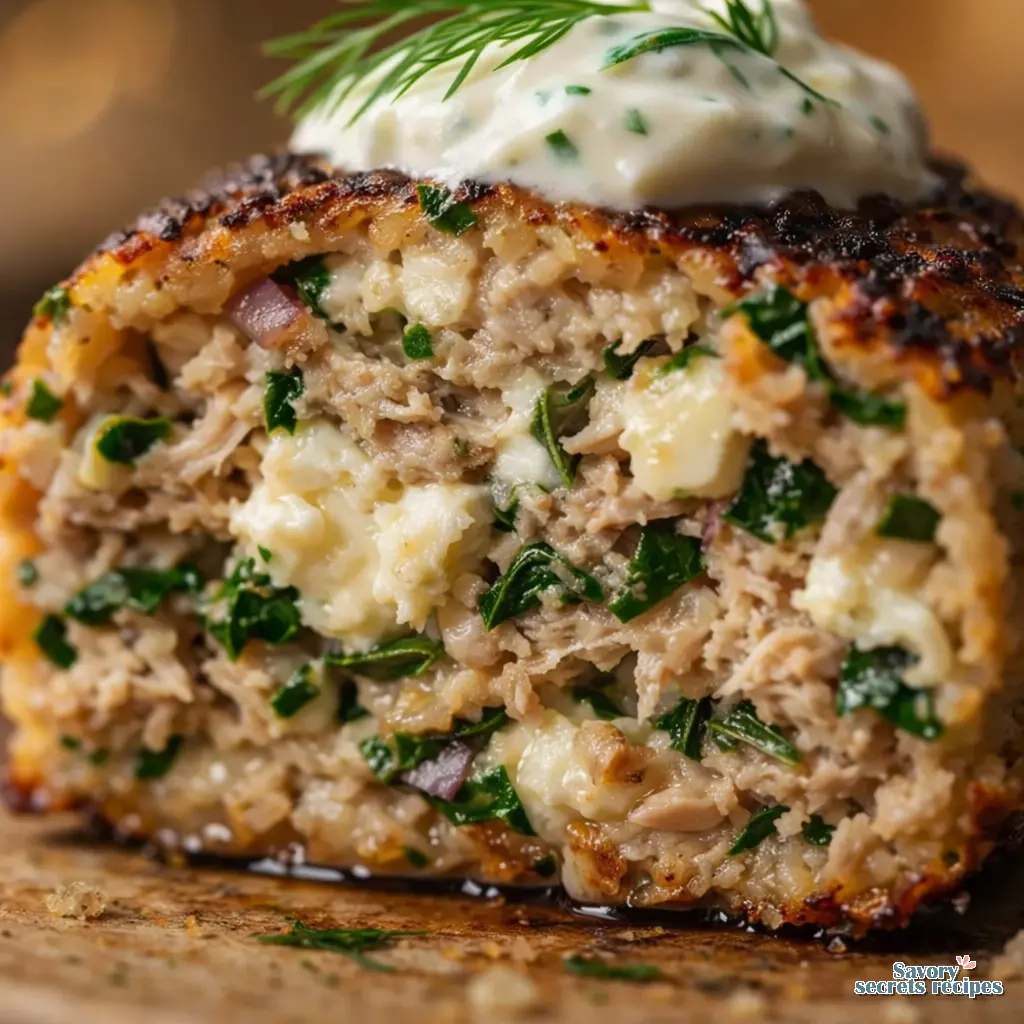
You might be skeptical about ground turkey. I hear you. It has a reputation for being dry and flavorless. But this greek turkey meatballs with feta and spinach recipe completely flips that script. The secret is building layers of flavor and moisture directly into the meat.
First, we use fresh spinach. You have to squeeze the water out of the spinach before adding it to the mix. I mean, really squeeze it. Wrap it in a clean kitchen towel and wring it out until your hands are tired. If you skip this step, the excess water will steam the meat from the inside, making the meatballs mushy instead of tender. Makes sense to me, right? You want the nutritional benefits and color of the greens without the soggy texture.
Then we add the feta cheese. I prefer buying a block of feta in brine and crumbling it myself rather than buying the pre-crumbled tubs. The block feta retains more moisture and melts beautifully into the meat as it cooks. That first bite where you hit a warm, creamy pocket of salty feta alongside the bright lemon zest is exactly what you want.
The Science of Lean Protein: How to Avoid Rubbery Meatballs
Let us talk about the science of meat for a minute. Ground turkey dries out much faster than beef because of its protein structure and lower fat content. If you have ever bitten into a rubbery meatball, you know the disappointment. Here is what I would do to guarantee a tender bite every single time.
First, pay attention to your fat ratios. I highly recommend using 93/7 lean ground turkey. It has just enough fat to keep things juicy. If you can only find 99% extra lean turkey at Ralphs or Trader Joe’s, that is fine. Just add a tablespoon of olive oil directly to the meat mixture to prevent drying out. The fat coats the protein strands and keeps them from tightening up too much in the heat.
Second, grate your red onion instead of chopping it. Use a box grater or a microplane. Grated onion practically melts into the meat, ensuring it cooks all the way through while releasing its natural juices into the turkey. I learned this trick from testing dozens of batches. Chopped onions often stay crunchy and cause the meatballs to fall apart. Grated onion acts as a natural binder and moisture source.
Visual Troubleshooting & Essential Preparation Tips
Cooking is about paying attention to the details. Build the layers, do not rush the base. Here are the crucial tips you need for this recipe.
Use the right tools: Use a small ice cream scoop or a #40 cookie scoop for even sizing. This is not just about making them look pretty for your Instagram feed. Uniform size means they all finish cooking at the exact same moment. No guessing if the big ones are raw inside while the small ones are burnt.
Prevent sticking: Turkey mixture is notoriously sticky. Add a little olive oil to your hands before rolling the balls. This makes rolling infinitely easier and gives the exterior a nice glossy coat that helps with browning.
The browning step: Always brown your meatballs in a pan first, even if you plan to finish them in the oven. Dropping raw turkey directly into a baking dish often results in a gray, unappealing appearance. You want that golden, caramelized crust. It adds massive flavor.
Temperature is everything: Use a digital meat thermometer. Pull them from the heat at exactly 165 degrees Fahrenheit. Guessing leads to overcooking, and overcooking leads to rubber. Trust the thermometer.
Common Mistakes & Fixes
Mistake: The meatballs are tough and dense.
Solution: You likely overmixed the meat. Mix just until the ingredients are incorporated. Treat it gently.
Mistake: The meatballs fall apart in the pan.
Solution: The pan was not hot enough, or you tried to flip them too soon. Let the crust set completely before touching them. Give it another minute, you will smell when it is ready.
Mistake: The tzatziki sauce is watery.
Solution: You did not squeeze the grated cucumber enough. Grate it, salt it, let it sit for ten minutes, and wring it out completely before mixing it into the Greek yogurt. Also, make the tzatziki sauce a day in advance to let flavors meld.
Cooking Methods: Air Fryer vs. Stovetop
I like recipes that give you a framework and let you adjust based on what you have. If you are wondering how to cook these, you have a couple of great options. Comparing methods is worth considering depending on your schedule.
The Stovetop to Oven Method: This is my traditional approach. Heat a bit of olive oil in a large skillet over medium-high heat. Sear the meatballs for about two minutes per side until a golden crust forms. Then, transfer the whole skillet to a 375-degree Fahrenheit oven for about 10 to 12 minutes. This method gives you the best crust and keeps the interior incredibly moist.
The Air Fryer Method: If you are short on time and want an incredibly easy cleanup, the air fryer is fantastic. Preheat your air fryer to 380 degrees Fahrenheit. Spray the basket lightly with oil. Arrange the meatballs in a single layer, making sure they do not touch. Cook for 10 to 12 minutes, shaking the basket halfway through. They get a slightly crispier exterior this way, which pairs beautifully with creamy hummus.
Step-by-Step Greek Turkey Meatballs Bowl Assembly
People always ask me what to serve with greek turkey meatballs. Honestly, building a proper meal prep bowl is an art form. You want contrasting temperatures, textures, and flavors.
Start with a solid base. I usually go with fluffy cooked quinoa or a vibrant lemon orzo. If you want to keep it low-carb, a base of crisp romaine lettuce works perfectly. Next, add your vegetables. Halved cherry tomatoes bring sweetness, while chopped English cucumber adds a refreshing crunch. Thinly sliced red onion provides a sharp bite, and a handful of kalamata olives brings that essential briny punch.
Place three or four warm meatballs right in the center. Now for the most important part. Generously spoon your homemade tzatziki sauce over the top. The contrast between the warm, savory meatball and the cool, garlicky yogurt sauce is phenomenal. Finish with a squeeze of fresh lemon juice and an extra sprinkle of feta. That is the move right there.
Storage & Freezing Guide for Meal Prep
If you are making these greek turkey meatballs for meal prep, you need to know how to store them properly so they taste just as good on Thursday as they did on Sunday. I usually double the batch because they disappear quickly.
For the refrigerator, let the meatballs cool completely to room temperature. Storing them while warm creates condensation in the container, which ruins the crust. Place them in an airtight container and they will stay fresh for up to 4 days. When you reheat them, I suggest cutting them in half and warming them gently in a skillet with a splash of water, or microwaving them with a damp paper towel draped over the top to retain moisture.
Freezing is where this recipe truly shines. You can freeze them baked or unbaked. To freeze baked meatballs, let them cool, place them on a parchment-lined baking sheet, and flash-freeze for one hour. Once solid, transfer them to a freezer-safe bag. They will keep for 3 to 6 months. You can reheat them directly from frozen in a 350-degree oven for about 15 to 20 minutes.
Frequently Asked Questions
Ready to Cook?
These greek turkey meatballs have completely transformed my weekly lunch routine, and I am confident they will do the same for you. They are vibrant, packed with protein, and carry all those beautiful Mediterranean flavors I grew up loving. Serve them up in a big bowl with a glass of ice-cold sparkling lemon water, and you have a perfect meal. Taste as you go, adjust at the end, and enjoy the process.
If you end up making a batch, I would love to hear how they turned out. I share tons of variations on my Pinterest boards if you want more meal prep ideas. Have a great time cooking!
Reference: Original Source
Can I use ground chicken instead of turkey?
Absolutely. Ground chicken works as a direct one-to-one swap in this greek turkey meatballs recipe. The flavor profile changes slightly, becoming a bit milder, but the feta and herbs still shine through beautifully. Just make sure to use 93/7 lean chicken to maintain that essential moisture.
How do I make the meatballs gluten-free?
It is very simple. Just swap the regular breadcrumbs for almond flour or your favorite gluten-free panko substitute. Almond flour actually adds a nice subtle nutty flavor and extra moisture. I use it all the time when cooking for friends with dietary restrictions, and no one notices the difference.
Why are my turkey meatballs rubbery?
Rubbery texture usually comes from two things: using 99% fat-free meat without adding a fat source like olive oil, or overcooking them. Ground poultry seizes up quickly. Use a meat thermometer and pull them off the heat the exact second they hit 165 degrees Fahrenheit in the center.
Can I freeze the turkey meatballs?
Yes, they are perfect for freezing. I recommend flash-freezing the cooked meatballs on a baking sheet for an hour before transferring them to a freezer bag. This stops them from sticking together. They will last up to six months and make future meal prep incredibly easy.
I don’t like ground turkey! Can I use a different type of meat?
Fair enough. If turkey is not your favorite, ground beef or ground lamb are fantastic traditional alternatives. A 50/50 blend of beef and lamb gives you an incredibly authentic Mediterranean flavor. You can skip adding extra olive oil if you use fattier meats like an 85/15 beef blend.