



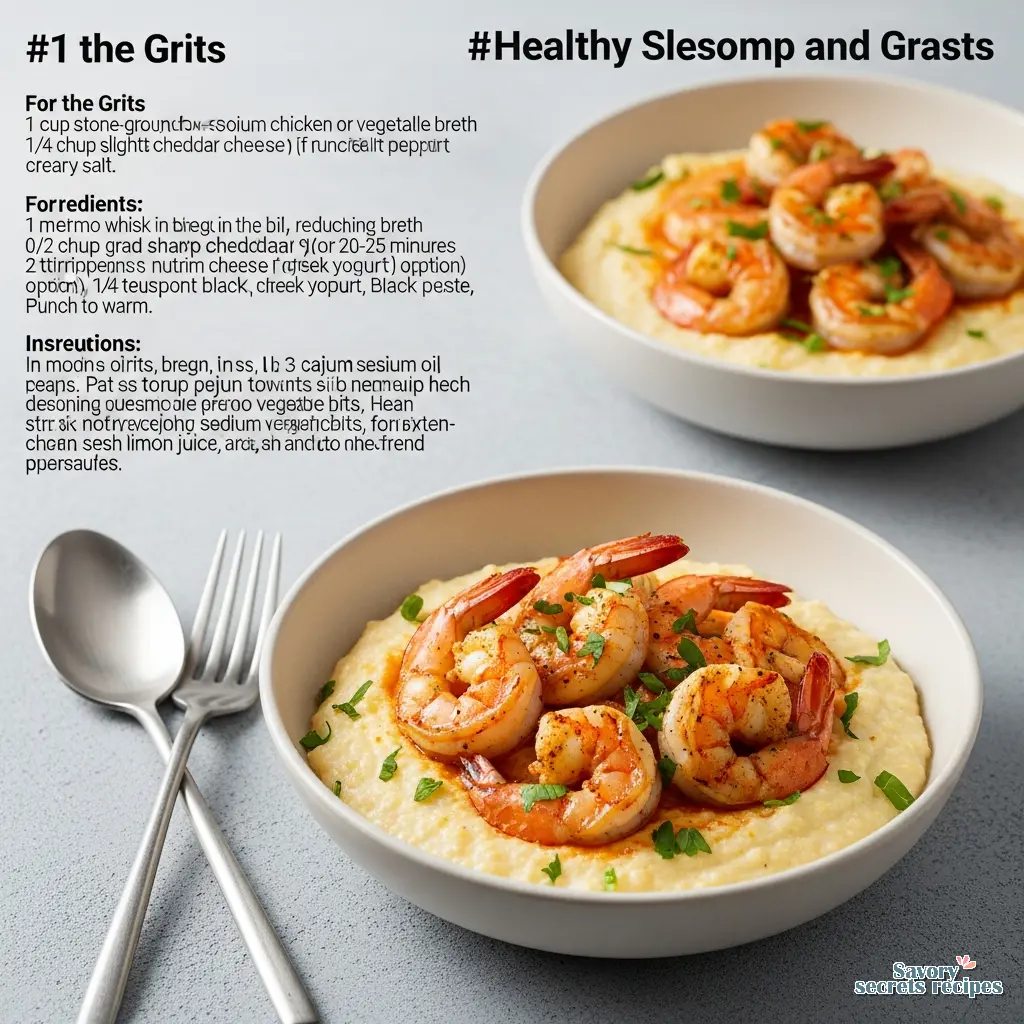
Healthy Shrimp and Grits Recipe for Your Southern Table
Ingredients
Method
- Combine milk, water, and 1 1/2 tsp. salt in a deep, medium pot over medium-high heat. Bring to a boil, stirring frequently to prevent scorching.
- Slowly whisk in the cornmeal to avoid clumping. Reduce heat, cover, and simmer for 10-15 minutes, stirring often, until the grits reach a creamy consistency.
- Heat olive oil in a large sauté pan over medium-high heat. Sauté shallots for 1-2 minutes until translucent. Add shrimp, 1/4 tsp. salt, and 1/4 tsp. pepper, stirring to coat. Cook for 4-5 minutes, stirring occasionally, until the shrimp are opaque.
- Check the grits and prepare for finishing.
- Remove grits from heat and stir in pepper, garlic powder, and butter. Gradually fold in the cheese until melted. Cover to keep warm and prevent hardening.
- Stir balsamic vinegar, a squeeze of lemon, and the remaining 1 tbsp. butter into the shrimp. Remove from heat once combined.
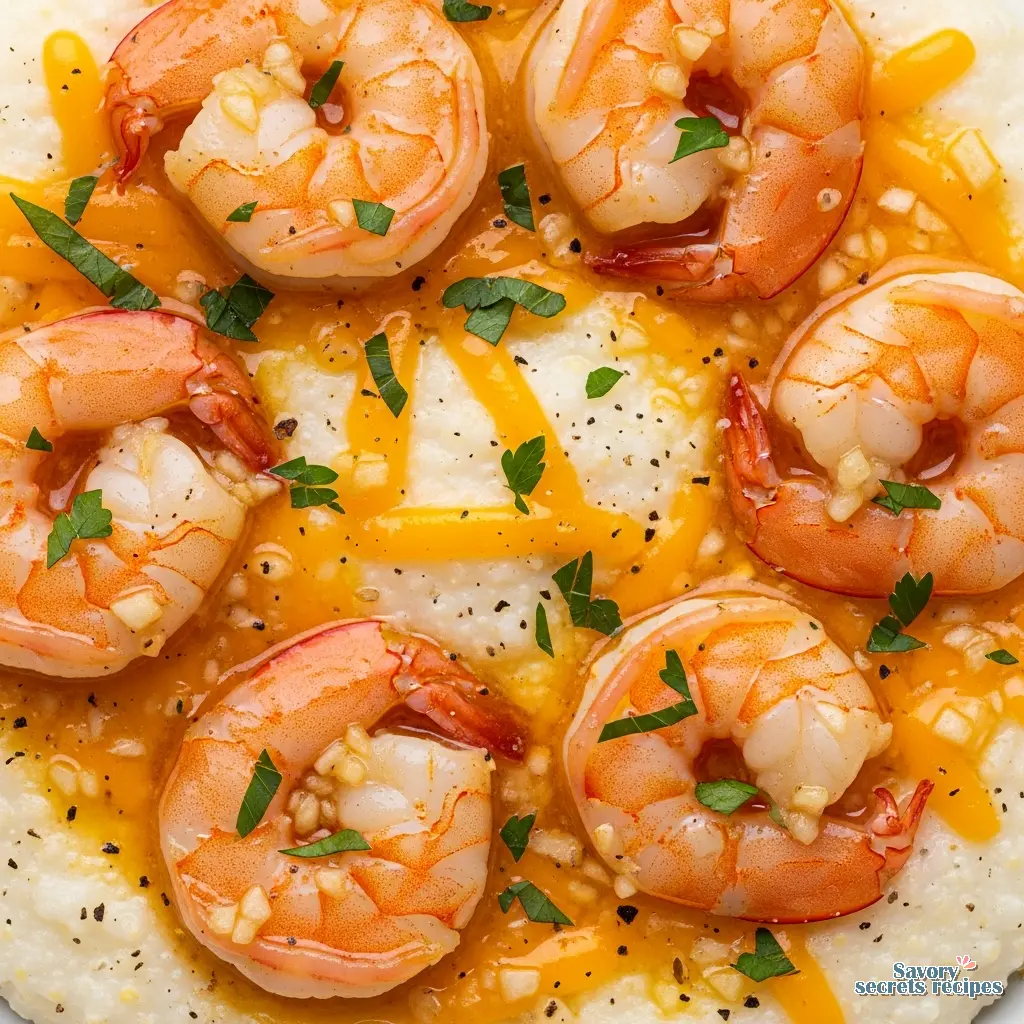
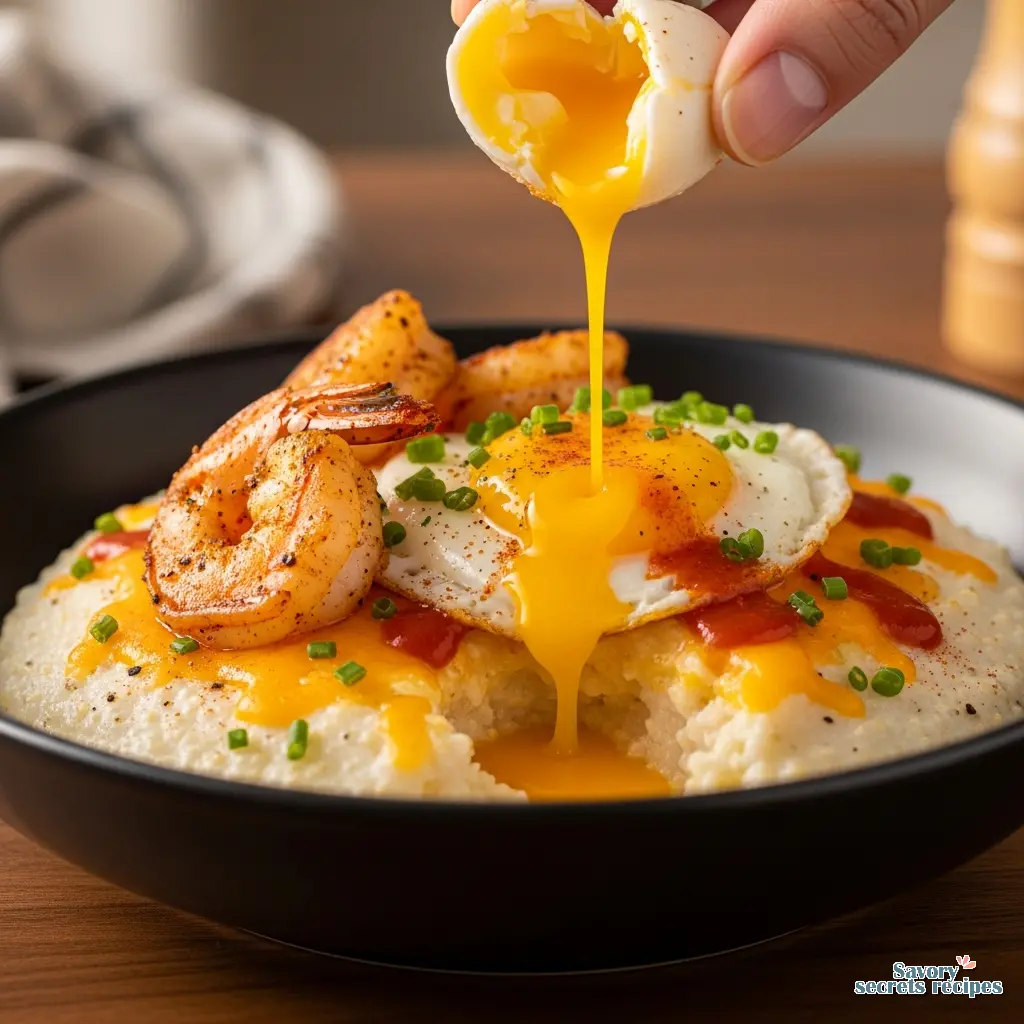
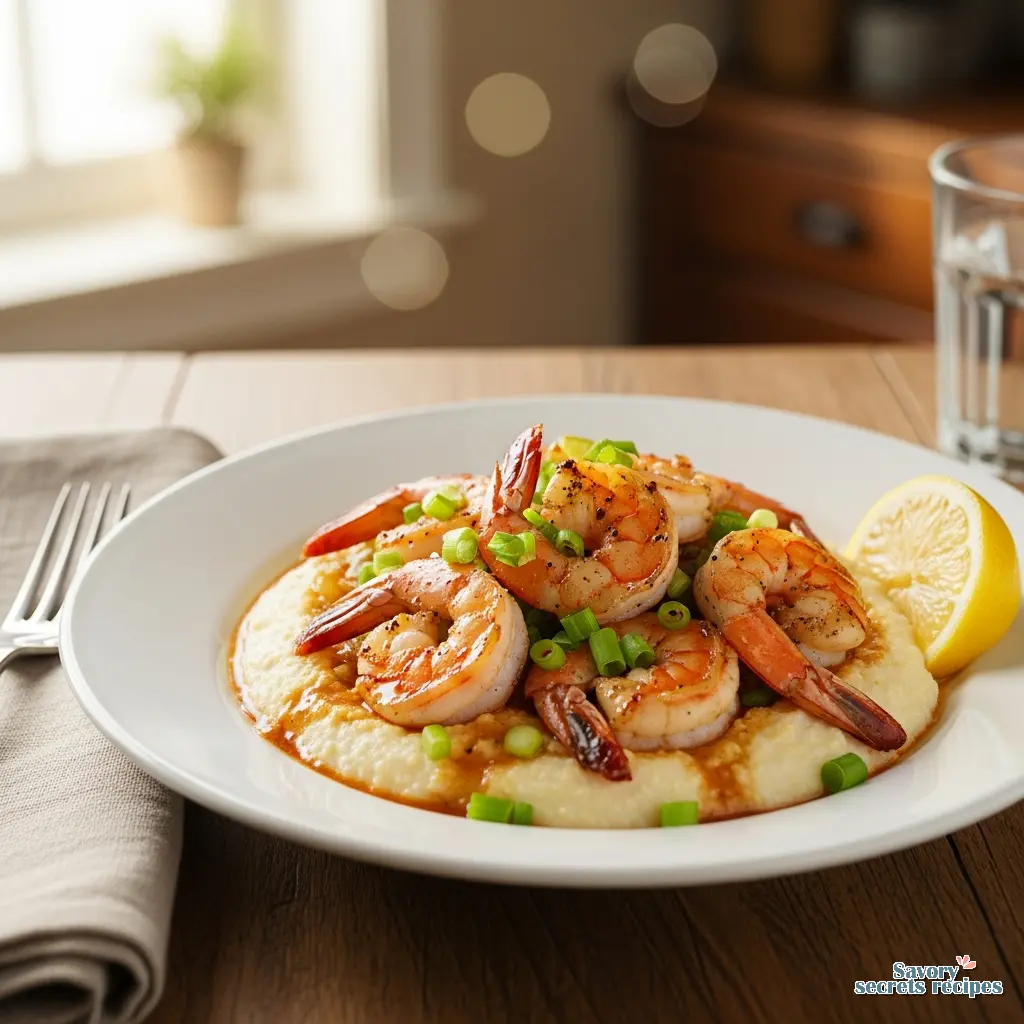
- Spoon a portion of grits into a bowl and top with shrimp. Garnish with sliced green onions if desired.
Nutrition
Notes
A Lighter Take on Southern Comfort
I remember standing on a step stool next to my grandmother in her tiny Taipei kitchen, watching her pinch the thickness of dumpling skins between her fingers. Too thick and they’d be gummy, she’d say. Too thin and the filling would burst through. I must have been seven, and I thought she had some kind of magic touch. It took me until my twenties to realize she was just feeling for the right drag of resistance. Something you can’t measure, only learn.
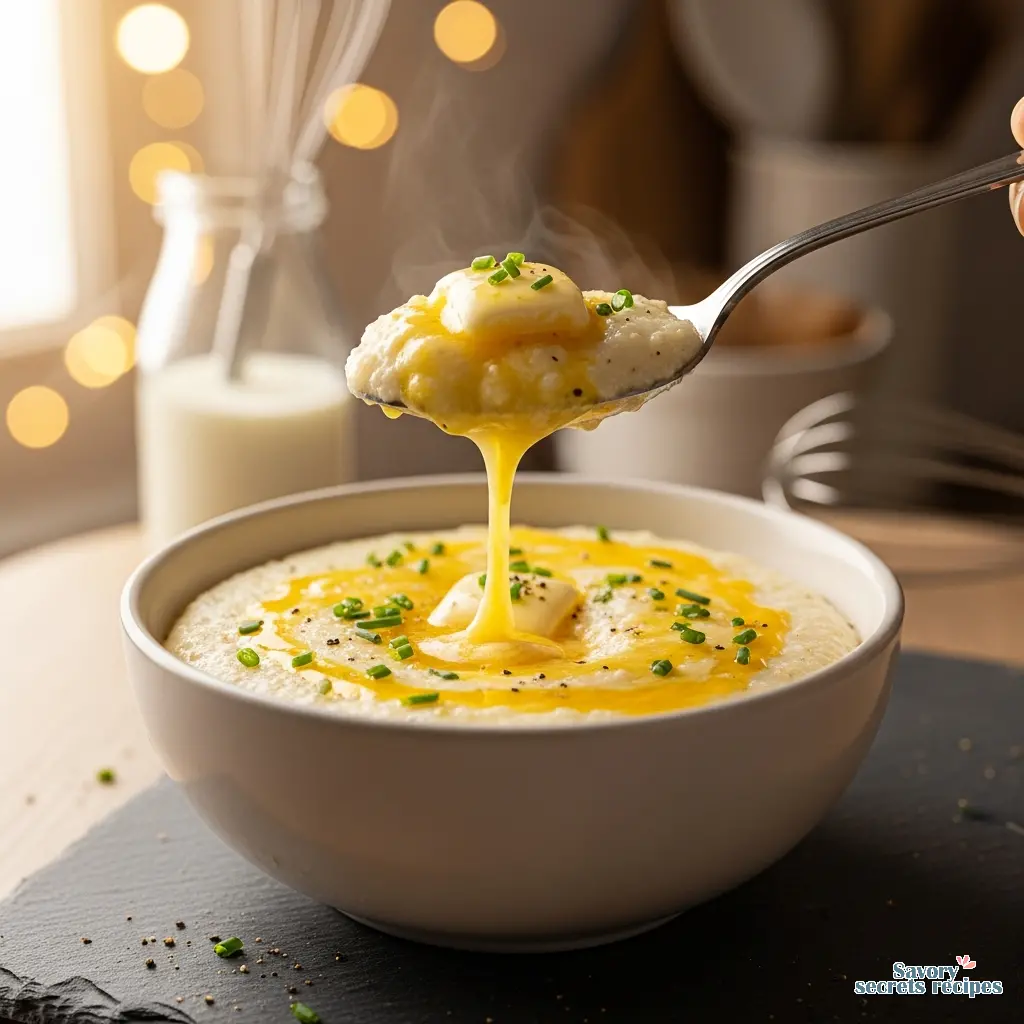
I feel that same way about grits. There is a specific moment when you are whisking stone-ground cornmeal where the resistance changes. It goes from watery suspension to a creamy, cohesive porridge that hugs the spoon. That is the magic.
But let’s be honest. The restaurant version of this dish is usually a calorie bomb. It is delicious, yes, but often loaded with heavy cream, half a stick of butter, and enough sodium to make a cardiologist weep. As a dietitian, I’m always looking for that sweet spot where satisfaction meets nutrition. And on a cold February night in Oakland, when the fog rolls in off the bay, nothing sounds better than a warm bowl of healthy shrimp and grits recipe.
This version keeps the soul-satisfying texture but swaps the heavy fats for flavor-dense ingredients like low-sodium chicken broth and sharp white cheddar. It is lighter. It is brighter. And to be honest, I think it actually tastes better because you can taste the corn and the seafood, not just the grease.
Why This Recipe Works
You might be wondering if you can really get that signature creamy texture without heavy cream. Let me think through this with you. The creaminess in grits comes from two things: hydration and starch release. By using a mix of water and milk (or broth), and cooking the grits slowly, we allow the corn granules to swell and release their natural starches. This creates a velvety texture naturally.
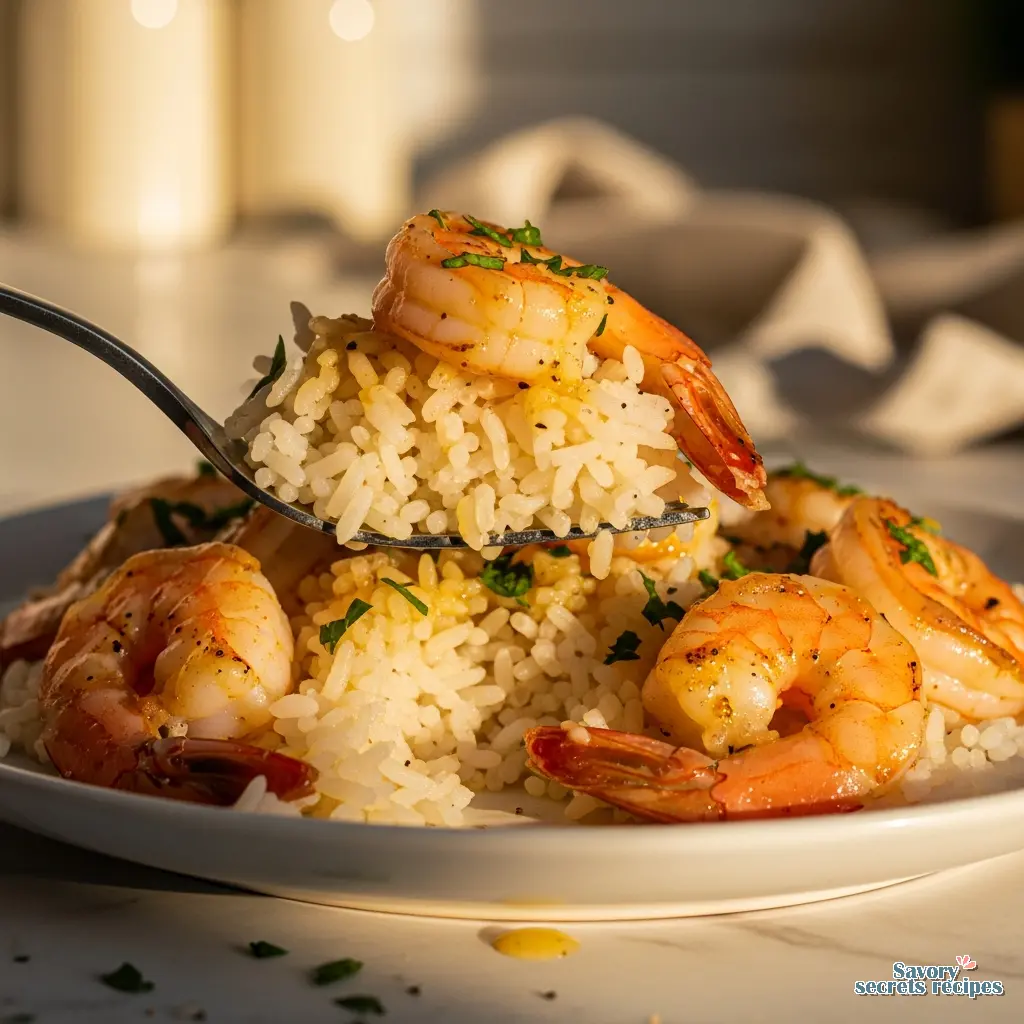
We also lean heavily on aromatics. Instead of relying on pork fat for flavor, we use smoked paprika and cayenne pepper to mimic that smoky depth. Sautéed bell peppers and garlic cloves build a savory base that supports the wild-caught shrimp perfectly. It is a technique I use often. Build flavor with heat and acid, not just fat. This philosophy of using aromatics instead of heavy oils is also the foundation of my butter garlic shrimp rice.
The Grits Debate: Stone-Ground vs. Instant
I get asked this a lot. “Are grits healthy or are they just carbs?” Here is what I am seeing in the data. Not all grits are created equal. Instant grits are highly processed, stripped of their germ and hull, which removes most of the fiber and nutrients. They hit your bloodstream like sugar. That tracks with why you might feel hungry an hour later.
Stone-ground cornmeal, on the other hand, is a whole grain. It retains the hull and germ, meaning you get dietary fiber, B vitamins, and a lower glycemic index. They take longer to cook, about 20 to 25 minutes, but the nutritional payoff is worth it. Plus, the texture is superior. It has a bite to it. It feels like real food.
If you are watching your blood sugar or looking for complex carbohydrates, stone-ground is the only way to go. It provides sustained energy rather than a crash.
Sourcing and Prepping Your Shrimp
For the protein, I always recommend wild-caught shrimp if your budget allows. They tend to have a cleaner, sweeter flavor and a firmer texture than farmed varieties. Plus, the mineral content, like zinc and selenium, is fantastic. If you have extra shrimp on hand, they also work beautifully in a quick garlic shrimp and rice recipe.
Cleaning them is the part most people dread, but it is necessary. Even if the bag says “peeled and deveined,” I always double-check. I use a small paring knife to run down the back of the shrimp to remove the digestive tract. It is not just about hygiene. It is about texture. You don’t want any grit in your grits.
A note on the tails: I leave them on. It looks elegant, and the shells actually add a subtle flavor to the sauce as they cook. If you are serving this to kids, feel free to remove them. My daughter used to refuse to eat anything with a “handle,” so I spent years pulling tails off before cooking. Do what works for your table.
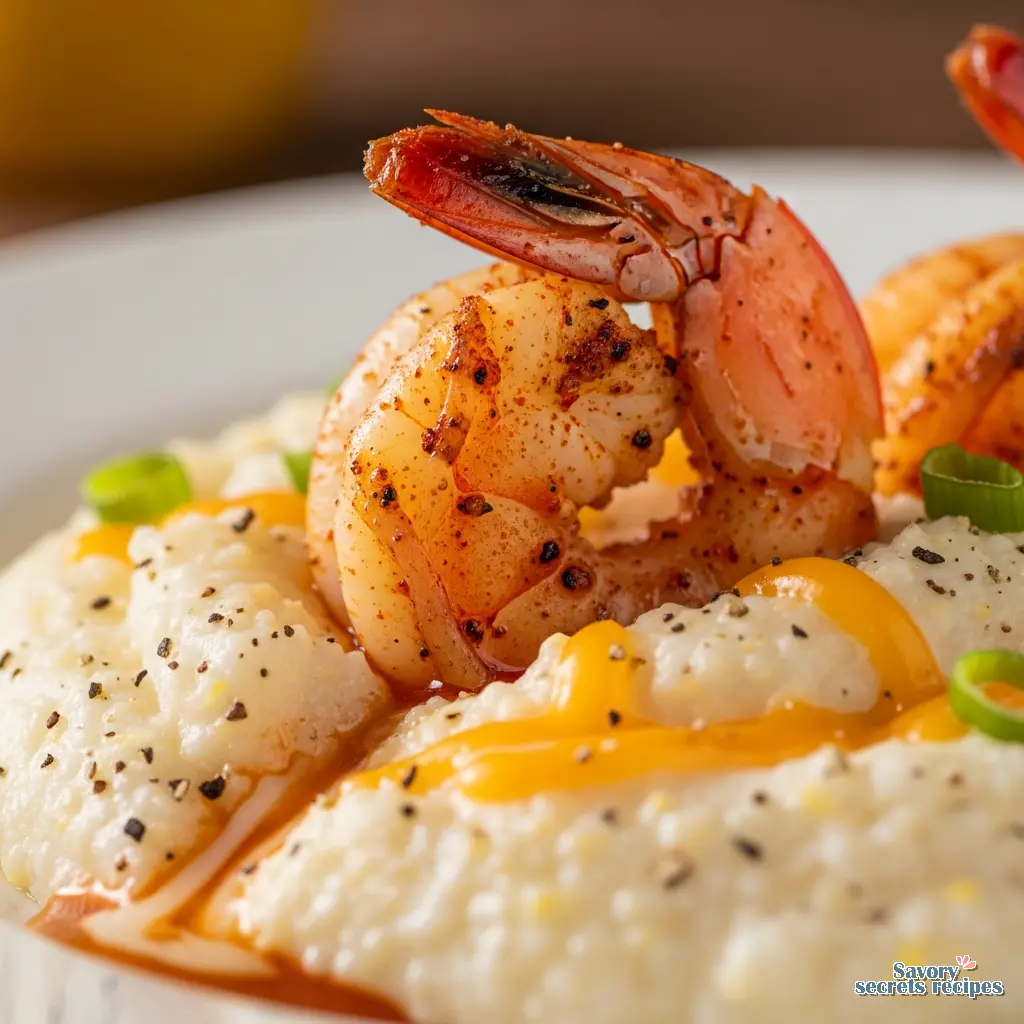
Achieving Creaminess Without the Guilt
This is where the magic happens. You’ve got your stone-ground cornmeal simmering. The ratio is key. I usually start with 4 parts liquid to 1 part grits. I like a mix of water and low-sodium chicken broth for the liquid base. The broth adds a savory backbone that water just can’t match.
Once the liquid is boiling, whisk in the grits slowly. I mean slowly. If you dump them in all at once, you will get clumps that no amount of whisking can fix. Trust me, I’ve been there. It is not fun trying to mash out dry balls of cornmeal against the side of the pot while your family waits for dinner.
Turn the heat down to low. Let it do its thing. Stir occasionally to prevent sticking, but you don’t need to hover constantly. As they thicken, I stir in a handful of sharp white cheddar. You don’t need a mountain of cheese. A sharp cheddar packs so much flavor that a little goes a long way. This gives you that luxurious mouthfeel and savory punch while keeping the saturated fat in check.
Low-Carb and Dietary Swaps
I know some of you are watching your carb intake closely. I’m not convinced that carbs are the enemy, but I understand the need for options. If corn is off the table, you can make a fantastic base using cauliflower.
Steam a head of cauliflower and pulse it in a food processor until it resembles grains. Squeeze out the excess moisture (this is crucial, otherwise it is just mush) and stir in your cheese and spices. It won’t be exactly the same, but it is a delicious vehicle for that spicy shrimp and sauce. For a dairy-free version, nutritional yeast adds a surprisingly cheesy flavor, and olive oil can replace the small amount of butter. If you aren’t strictly low-carb, you can also enjoy these flavors in a more traditional garlic rice with shrimp.
Common Mistakes & Fixes
Mistake: The grits are gritty or crunchy.
Solution: They are undercooked. Stone-ground corn takes time. Add more hot liquid (water or broth), whisk, and keep simmering. Taste as you go.
Mistake: The shrimp are rubbery.
Solution: You cooked them too long. Shrimp cook in 3 to 4 minutes flat. As soon as they turn opaque and curl into a “C” shape, pull them off the heat. If they curl into an “O”, they are overcooked.
Mistake: The dish tastes flat.
Solution: You likely need acid. A squeeze of lemon juice right at the end brightens everything up and cuts through the richness without adding salt.
Frequently Asked Questions
Storage and Serving
Leftovers can be tricky with this dish, but they aren’t impossible. The grits will solidify into a block in the fridge. Don’t panic. This is just the starch setting. When you are ready to eat, put them back in a pot with a splash of water or chicken broth. Break them up with a whisk over low heat, and they will return to their creamy glory.
For the shrimp, I recommend reheating them gently in a microwave at 50% power or quickly in a pan. You don’t want to cook them twice, just warm them through. I usually serve this with a side of garlicky green beans or a simple arugula salad with lemon vinaigrette. The bitterness of the greens balances the sweetness of the corn beautifully. If you find yourself craving a different texture, my garlic shrimp and rice recipe is another excellent way to enjoy healthy seafood.
When you take that first creamy bite, with the pop of the spicy shrimp and the brightness of the lemon, I hope it feels like a hug. It is comfort food, reimagined. And for more inspiration, check out my Pinterest boards where I share more of my weeknight favorites. You’ve got this.
Reference: Original Source