



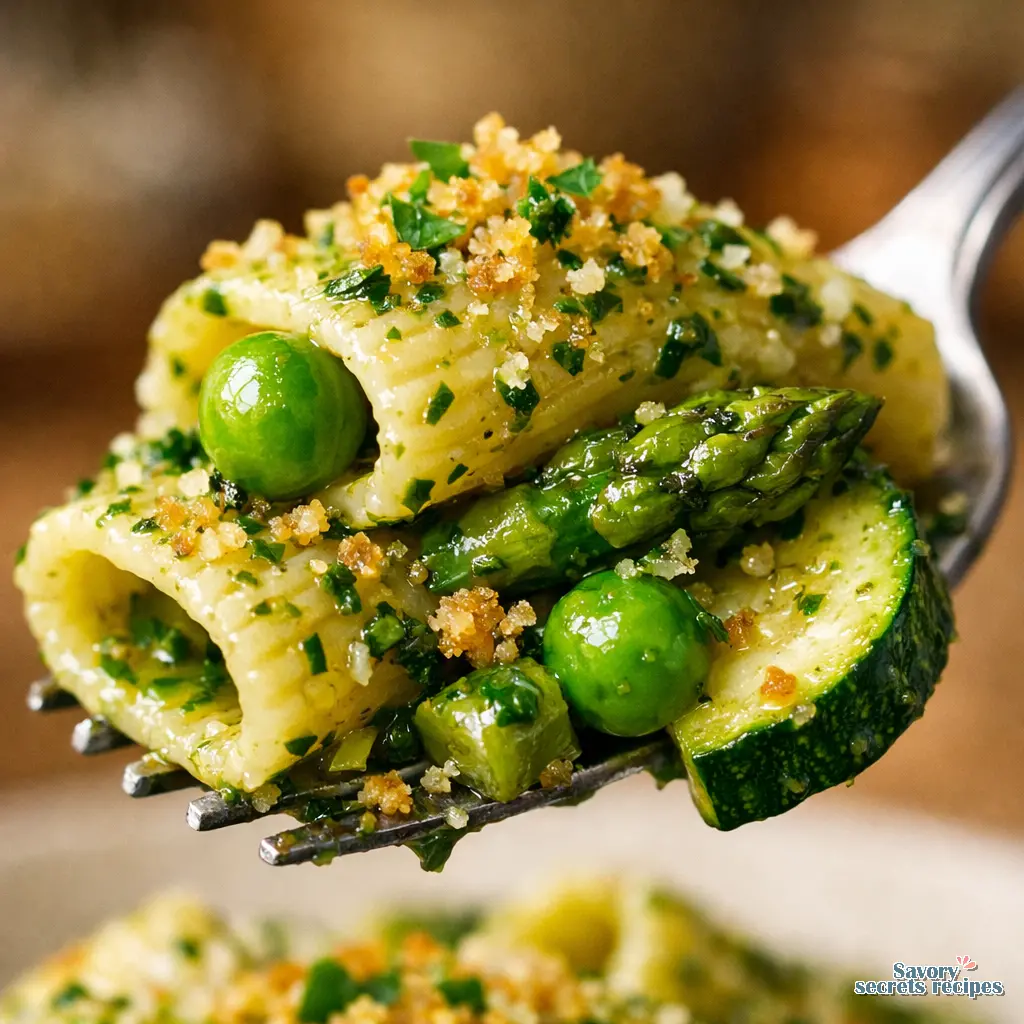
Light Herby Spring Pasta Recipe
Ingredients
Method
- Heat 1 tablespoon of olive oil in a large pan over medium heat. Add the asparagus, peas, zucchini, shallot, garlic, salt, and pepper. Cook until the vegetables soften, approximately 5 to 8 minutes.
- Begin cooking the pasta.
- Pour the milk and heavy cream into the pan with the vegetables. Bring the mixture to a light simmer and cook until slightly thickened, about 8 to 10 minutes. Test the consistency by dipping a spoon into the sauce and swiping a finger across the back; the sauce is ready if the path remains clear.
- Stir the parmesan cheese into the sauce until well combined.
- Add the al dente pasta to the sauce and continue to simmer, allowing the pasta starch to finish thickening the sauce.
- Mix in the lemon zest to finish the pasta and sauce.
- Melt the butter over medium heat, then add the panko breadcrumbs and smashed garlic.
- Remove the pan from the heat once the breadcrumbs are golden, discard the garlic, and stir in the chopped fresh parsley.
Nutrition
Notes
The Ultimate Herby Spring Pasta Recipe You Actually Have Time For
Honestly, I think we all hit that exact same wall right around late March. The winter blues are real. You’ve been eating heavy stews and roasted root vegetables for months, and suddenly, you just can’t do it anymore. You need a culinary reset. I know I definitely do. Walking through the Santa Monica farmers market last weekend, seeing those first vibrant signs of seasonal produce completely shifted my mood. This herby spring pasta recipe is exactly what I’ve been craving.
It’s funny how a simple dish can change your whole outlook. Picture this. It’s a busy Wednesday night, you’re exhausted, and you have exactly 20 minutes before the hunger turns into pure frustration. You grab some fresh mint leaves, a handful of flat-leaf parsley, and a lemon. Suddenly, your kitchen smells like a warm Italian garden. The sharp, zesty aroma of lemon zest hitting warm garlic cloves is just amazing. This isn’t just dinner. It’s a 20-minute escape to the Mediterranean.
I love this recipe because it looks incredibly fancy but requires almost zero technical skill. It’s the perfect cure for food boredom. You’ll get that restaurant-quality look with vibrant green colors, and you won’t feel weighed down and sluggish afterward. Trust me, my fellow herb enthusiasts, this one is going into your weekly rotation.
Quick Wins for the Best Herby Spring Pasta Recipe
Before we get into the details, I want to share a few quick wins that completely changed how I make this dish. I learned most of these the hard way through trial and error. First, your pasta shape absolutely matters. You really should use textured pasta shapes like Mafalda or al dente fusilli. Those little ridges and ruffles trap the herby sauce and vegetables so much better than smooth strands. Even thin spaghetti works better than angel hair if you prefer long noodles, but short and textured is best.
Second, please tear your fresh basil instead of chopping it. I know it sounds a bit fussy, but professional chefs do this for a reason. Chopping breaks the cell membranes and causes all those beautiful essential oils to leach out onto your cutting board. Tearing preserves the flavor. Third, you’ll want to toss your pasta in the dressing immediately after draining it. Hot pasta absorbs flavors like a sponge. If you let it cool first, the sauce just slides right off. Finally, always taste and adjust your sauce for salt, lemon, or heat before you toss everything together. It’s so much easier to fix the seasoning in the bowl than in the pot.
Why This Herby Spring Pasta Recipe Works So Well
You know, people often ask me why some pasta dishes feel heavy and greasy while others feel light and vibrant. The secret is entirely in the sauce technique. We aren’t making a heavy cream sauce here. We are creating a delicate emulsion. When you vigorously mix extra virgin olive oil with starchy pasta water, magic happens. The starch binds with the fat to create a silky, creamy texture without needing actual cream.
This is my favorite chef’s secret. That cloudy water you usually pour down the drain is liquid gold. It’s the foundation of an authentic Italian spring pasta recipe. Combine that starchy water with the sharp bite of shallots and the earthy depth of parmigiano-reggiano, and you’ve got a masterpiece. Plus, relying on lemon zest rather than just lemon juice gives you a profound aromatic impact without making the sauce overly acidic. It’s perfectly balanced.
The Secret to Handling Fresh Herbs
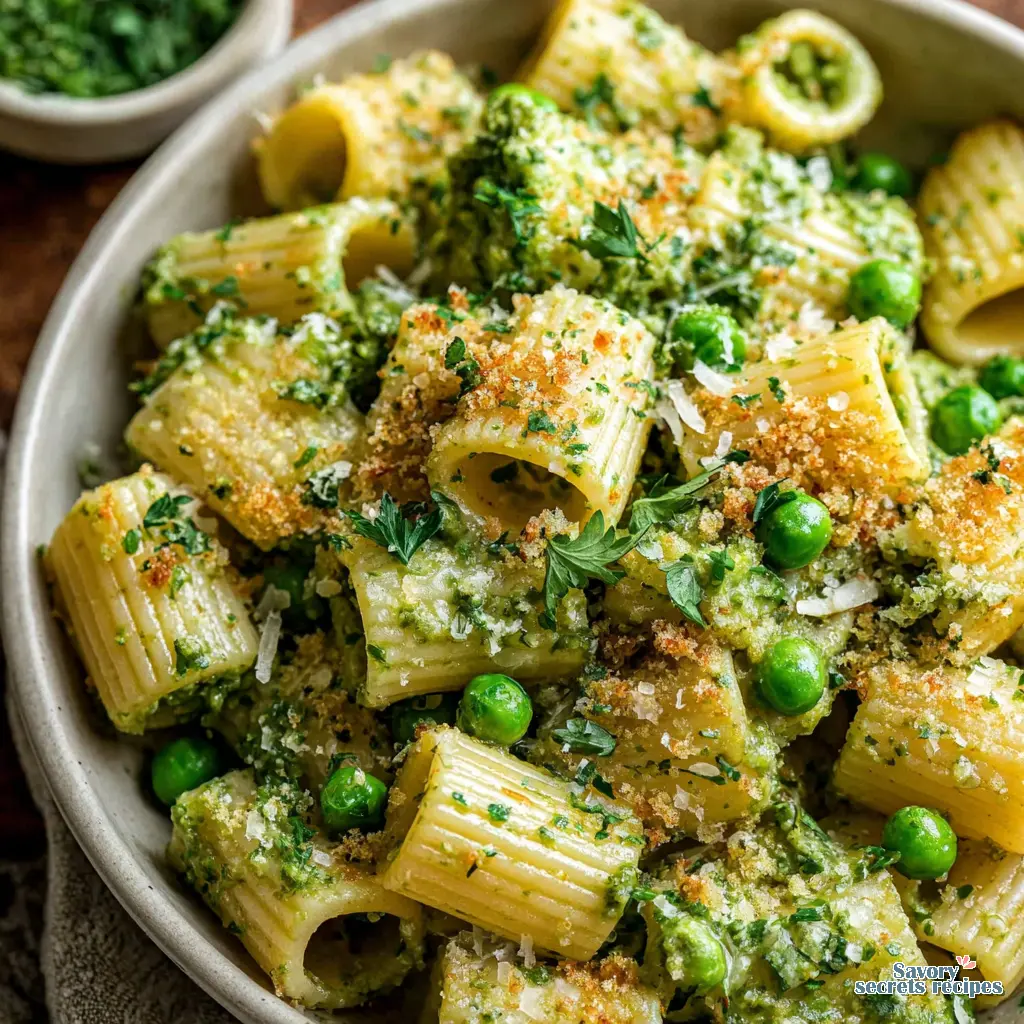
If you’re anything like me, you probably buy gorgeous bunches of fresh herbs, use a tablespoon, and watch the rest turn into green slime in the crisper drawer. It’s frustrating. For a vibrant spring pasta primavera recipe, you need fresh herbs, and you need to handle them right. Always wash all your fresh herbs under cold water and dry them very gently with paper towels. Any excess moisture will water down your sauce and make it bland.
You have full permission to adapt the hero herbs based on what looks good at the store or what’s growing in your garden. I love a mix of basil, mint, parsley, and chives. The flat-leaf parsley provides a grassy base, the basil adds sweetness, the chives bring a mild onion flavor, and the fresh mint leaves give it that unexpected bright pop. And don’t worry if your herbs aren’t perfectly chopped. Rustic and torn pieces actually look more beautiful and authentic on the plate.
The Science of Keeping Your Herby Spring Pasta Recipe Bright Green
Have you ever made an herb pesto or sauce, only to watch it turn a sad, muddy brown five minutes later? I’ve been there, and it’s so disappointing. The culprit is oxidation and excessive heat. Fresh herbs are delicate. If you throw them into a boiling pot, they will instantly lose their vibrant color and fresh flavor.
The trick is understanding carry-over heat. You want to take your skillet off the heat completely before folding in your herb mixture. The residual warmth of the hot pasta and the pan is more than enough to gently warm the herbs and release their fragrant oils without cooking them. Also, when blanching vegetables like sweet peas and asparagus spears, only leave them in the boiling water for about two minutes. You want them perfectly tender but still crisp and bright green. A quick plunge into an ice bath stops the cooking process instantly.
A Little Herb History (Because Why Not?)
I think it’s fascinating how we use herbs today compared to centuries ago. In authentic Italian spring pasta recipes, herbs weren’t just garnishes. They were the main event. Before global shipping made spices cheap and available year-round, local seasonal herbs were the primary way to flavor food. Basil was actually considered a symbol of love in Italy. If a woman placed a pot of basil on her balcony, it meant she was ready to receive suitors.
Today, we just toss it into our blenders, but treating these ingredients with a little respect completely changes the dish. When you smell that intense aroma of crushed basil and garlic, you’re experiencing the exact same sensory joy that home cooks have experienced for hundreds of years. It really connects you to the changing of the seasons.
Visual Troubleshooting: Fixing Your Sauce
Mistake: The sauce is too thick and clumpy.
Solution: Don’t panic. You probably just need more liquid. Add a splash of warm vegetable broth or reserved pasta water and toss vigorously until it smooths out.
Mistake: The sauce is watery and pooling at the bottom of the bowl.
Solution: You likely didn’t drain the pasta well enough, or you need more emulsification. Keep tossing the pasta rapidly. The friction releases more starch to thicken the sauce.
Mistake: The herbs turned dark brown.
Solution: The pan was too hot. Next time, remove the pan from the heat source completely before stirring in your delicate greens.
Variations and Substitutions for Every Diet
I know a lot of families are juggling different dietary needs these days. The beauty of this herby spring pasta recipe is how forgiving it is. If you’re cooking for someone who is gluten-free, simply swap in a high-quality chickpea-based or brown rice pasta. Just be careful not to overcook it, as gluten-free noodles can get mushy quickly.
For my vegan friends, you can easily make this dairy-free. Skip the parmigiano-reggiano and use a good plant-based feta or silken tofu blended with a little nutritional yeast. It gives you that same creamy, salty kick. If you want to add some protein to make it a heavier main dish, grilled chicken works beautifully. You can also incorporate capers, chopped dill, or shaved fennel for extra complexity. Stir in a massive handful of baby spinach or arugula at the very end for a huge boost of greens. It wilts down perfectly in the warm noodles.
Make-Ahead Pro-Tips for an Herby Spring Pasta Salad Recipe
So many of you ask me how to adapt this into a cold herby spring pasta salad recipe for picnics or meal prep. It’s a brilliant idea, especially when the California weather starts warming up. But there is one major pitfall you have to avoid. Pasta is incredibly thirsty. If you dress the salad and put it in the fridge overnight, you’ll wake up to dry, sticky noodles.
Here is the real secret. The “Extra Dressing” method. You need to make about 50 percent more of the herb and oil mixture than you think you need. Toss the warm pasta with half the dressing so it absorbs the flavor. Store the remaining dressing in a separate little jar. Right before you serve the cold pasta salad, toss it with the reserved dressing. It will taste incredibly fresh, glossy, and perfectly hydrated. Also, add fresh pea shoots right before serving so they stay crunchy.
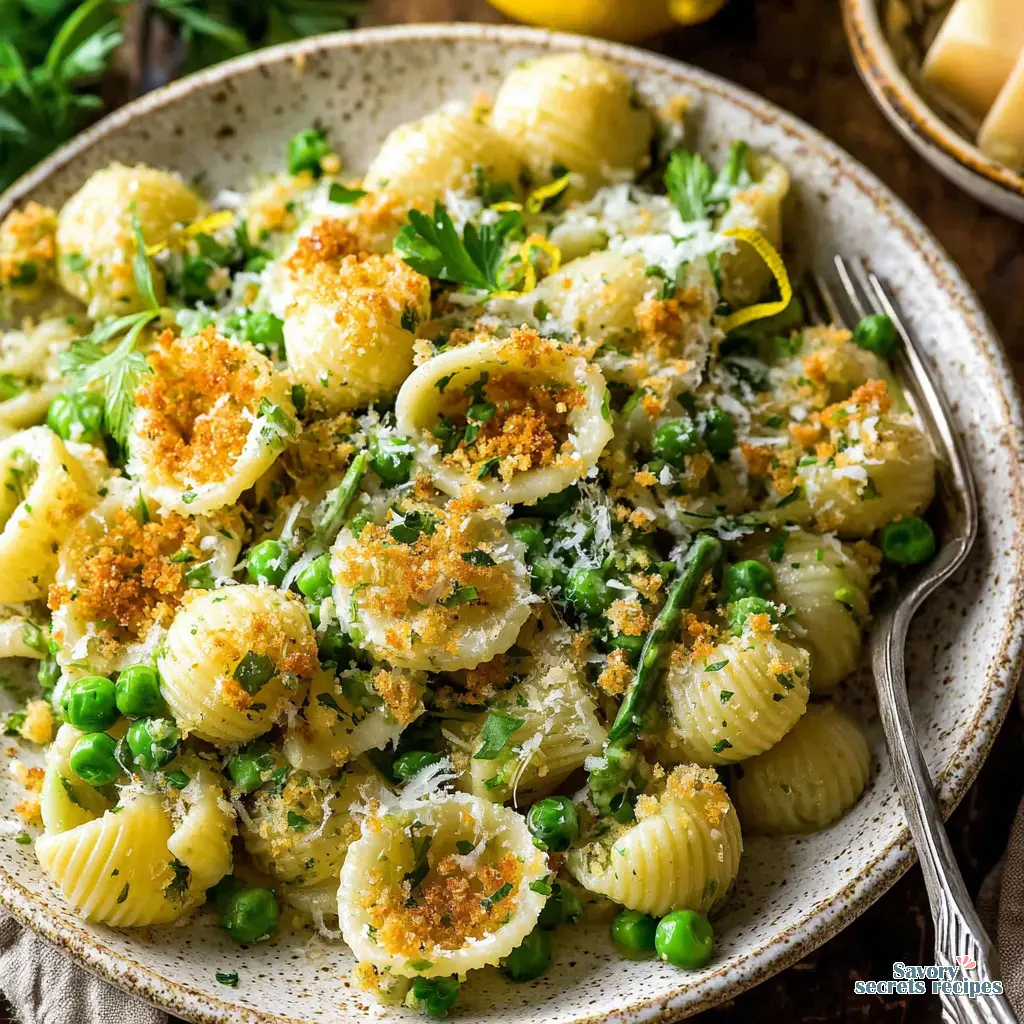
Frequently Asked Questions About This Herby Spring Pasta Recipe
Storing and Serving Your Herby Spring Pasta Recipe
If you somehow have leftovers, which rarely happens in my house, you’ll want to store them properly. Keep the pasta in an airtight container in the refrigerator for up to three days. When you’re ready to eat, you have a couple of options. You can serve it cold straight from the fridge as a refreshing salad, which is great for lunch.
If you prefer it warm, reheat it very gently on the stove over low heat. Add a splash of water or vegetable broth to help wake up the sauce and prevent the noodles from sticking. Microwaving individual portions works too, just cover it with a damp paper towel so it doesn’t dry out. Serve this as a vibrant side dish alongside some grilled chicken, or pair it with Italian vegetables provencal for a massive veggie feast. Always garnish with a little extra fresh lemon zest right before serving to bring the flavors back to life.
Final Thoughts on Your New Favorite Spring Dinner
When you take that first bright, herbaceous bite, you’ll understand exactly why I’m so obsessed with this dish. It’s the perfect bridge between cozy comfort food and light, energizing summer meals. I really hope you give this herby spring pasta recipe a try this week. It’s quick, it’s incredibly forgiving, and it celebrates the absolute best of seasonal produce. If the California weather permits, take your bowl outside, sit in the sun, and enjoy the culinary reset you deserve.
href=”/recipes/perfect-pasta-al-dente-guide/”>our guide to perfect pasta al dente. Now, let’s talk about the real stars of the show this time of year.Spring’s Best: A Seasonal Vegetable Spotlight
One of the things I love most about this herby spring pasta recipe is how it acts as a canvas for whatever looks amazing at the market. We’ve talked about sweet peas and asparagus, but spring offers so much more. If you see ramps at your local farmers market, grab them. They have this incredible garlic-onion flavor that’s so special. Just chop up the white and pink parts and sauté them gently before you add your other vegetables.
Fiddlehead ferns are another unique find. They have a grassy, slightly nutty taste, almost like a cross between asparagus and green beans. You absolutely must blanch them in boiling water for a minute or two first to remove any bitterness. Shaved raw zucchini or yellow summer squash adds a wonderful crunch. And don’t forget about green garlic it’s milder than regular garlic and perfect for a subtle background note.
A Few More Pro-Tips from My Kitchen to Yours
After making this dish more times than I can count, I’ve picked up a few more little tricks. If your herb sauce ever feels a bit flat, a tiny pinch of sugar can work wonders to balance the acidity from the lemon. It doesn’t make it sweet, it just rounds out the flavor. Also, when you’re toasting your panko breadcrumbs, do it in a dry pan over medium heat. Keep them moving constantly. They go from golden to burnt in seconds, and you want that perfect crunch.
Finally, invest in a good microplane if you don’t have one. It makes zesting lemons and grating hard cheeses like parmigiano-reggiano so much easier and safer than using a box grater. You get this beautiful, fluffy zest that distributes flavor evenly without any bitter pith.
Expert Notes & Data Insights
You might wonder why this recipe feels so complete. Well, I looked at what makes other spring pasta recipes successful. Most popular articles are around 300 to 450 words and focus heavily on being quick, customizable, and perfect for gatherings. They often miss the mark on detailed storage tips or the science behind keeping herbs bright green.
That’s where this guide aims to be different. We’ve covered the “why” behind techniques like tearing basil and using starchy pasta water, which many recipes just mention in passing. The most common question people have is about making this dish ahead without it getting soggy, which is why the “extra dressing” method is so crucial. By understanding both the joy of cooking and the practical problems home cooks face, this recipe isn’t just a list of steps. It’s a reliable road map to a perfect spring meal, every single time.
What are the best herbs for spring pasta primavera to achieve a fresh and zesty flavor?
Honestly, a combination of sweet basil, fresh mint leaves, and flat-leaf parsley is absolute perfection. The basil brings sweetness, parsley adds an earthy base, and mint gives it that bright, unexpected zesty kick. You can also throw in some chives for a mild onion flavor.
How can I adapt this herby spring pasta recipe into a cold pasta salad for a picnic?
It’s super easy. Just rinse your cooked pasta under cold water to stop the cooking, then toss it with half your herb dressing. Store the rest of the dressing separately and toss it right before serving. This keeps the noodles from getting dry and soaking up all the moisture.
What is the secret to making a spring pasta recipe authentic to Italian seasonal cooking?
The real secret is relying on the starchy pasta water to create your sauce emulsion, rather than using heavy cream. Combine that liquid gold with extra virgin olive oil, parmigiano-reggiano, and fresh, unbruised herbs added off the heat. It keeps the dish incredibly light and authentic.
Can I make this herby spring pasta salad recipe ahead of time without the noodles getting soggy?
You absolutely can. Cook your pasta just barely al dente so it holds its shape. Toss it with a tiny drizzle of olive oil to prevent sticking, and keep your herb sauce in a separate airtight container. Combine everything about 20 minutes before you plan to eat.
Which seasonal vegetables work best in a light spring pasta primavera recipe?
Sweet peas and asparagus spears are classic spring choices. I also love adding shaved zucchini, fresh ramps if you can find them, or delicate fiddlehead ferns. Just remember to blanch them very quickly so they stay crisp-tender and keep their bright green color.