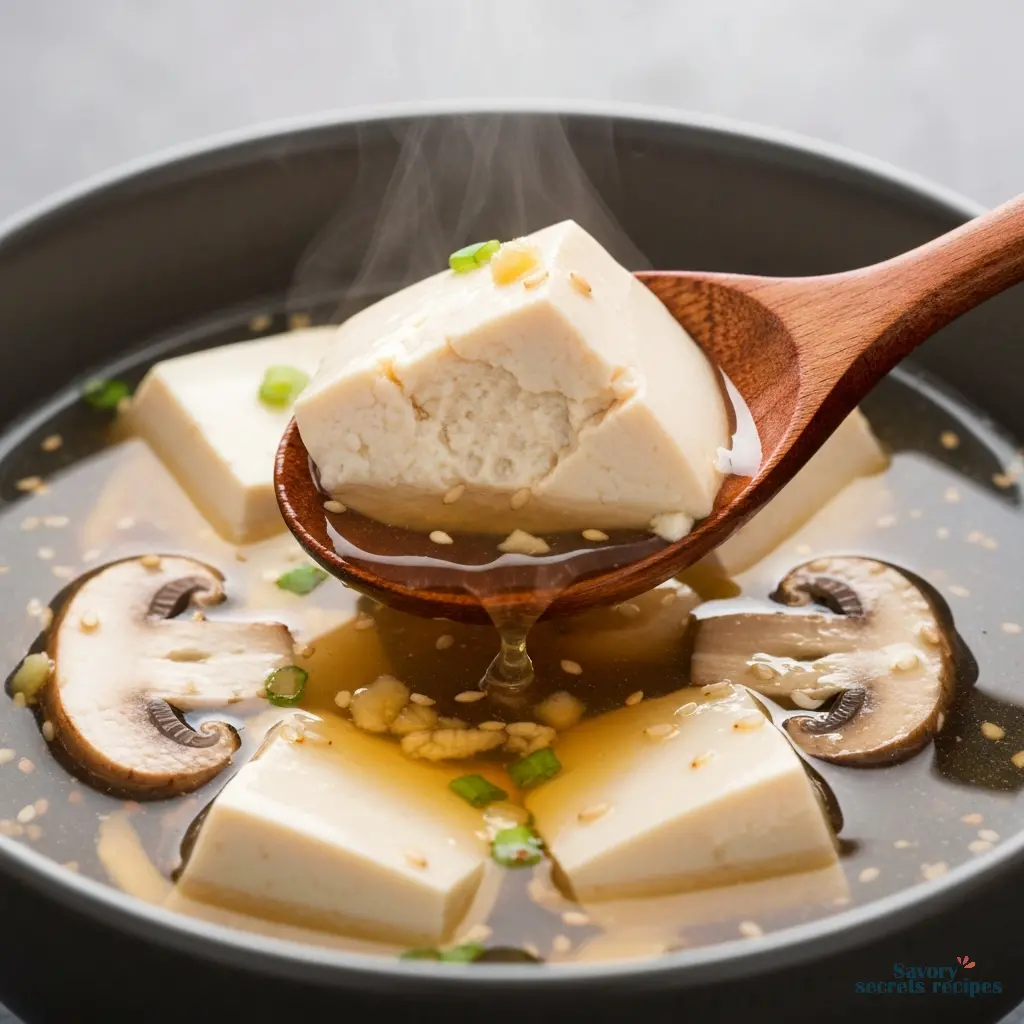




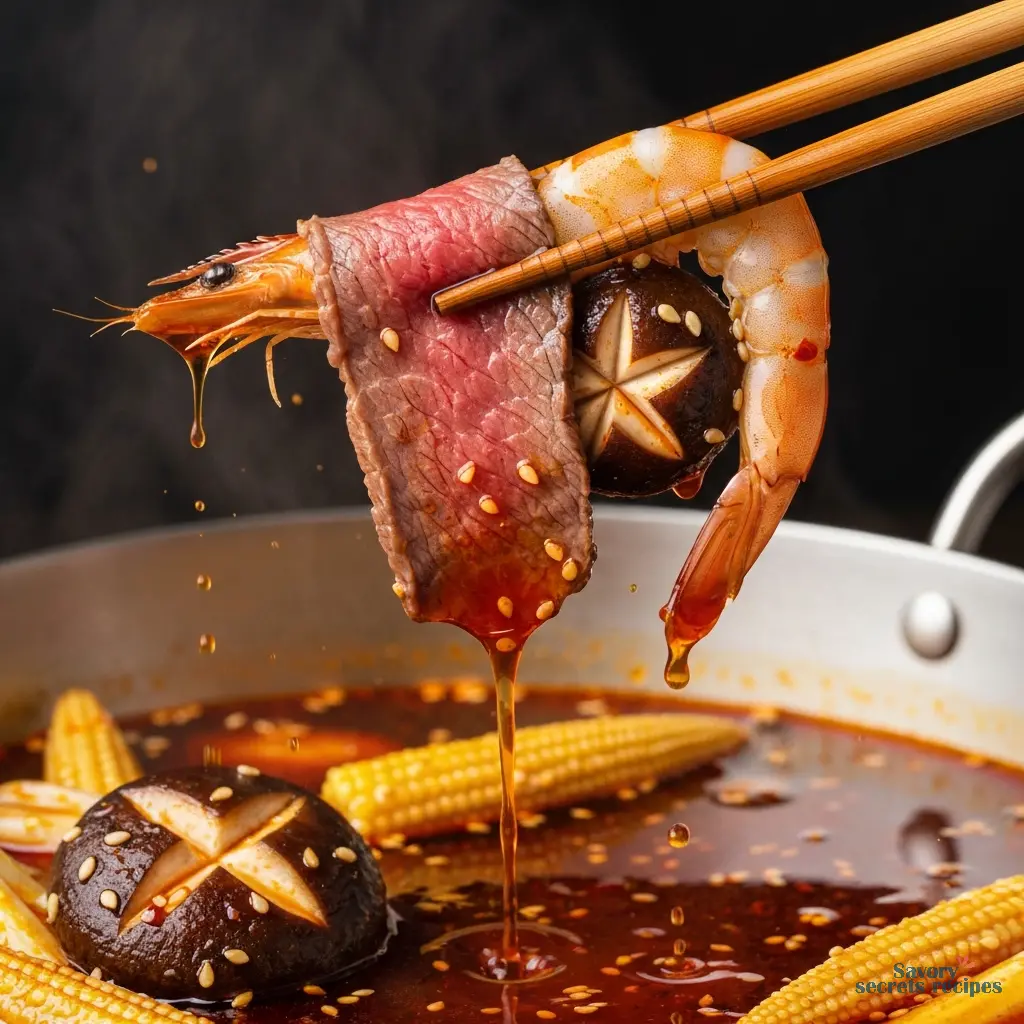
Spicy Hot Pot Recipe for a Cozy Family Dinner
Ingredients
Method
- Place the electric pot in the center of the table. Add the broth ingredients and bring to a simmer.
- Arrange the serving ingredients on plates and in bowls, then set them on the table.
- Set out chopsticks for each person, along with one or two extra pairs for cooking. Place any tongs or metal nets on small plates.
- Keep the broth at a simmer during the meal. Take turns adding ingredients to the broth. Cook all raw items thoroughly before removing them to your bowl. Dip the cooked ingredients into your sauce or add condiments as desired.
Notes
My First Hot Pot Fail (And How It Taught Me Everything)
Let me think through this. I remember my first attempt at a hot pot dish recipe. It was in a tiny apartment in Jersey City, one of those winters where the wind off the Hudson felt like it went straight through you. I was trying to impress some friends, and I thought, how hard could it be? You just throw stuff in a pot, right? I bought every ingredient I could find, used a store-bought broth packet that promised “Sichuan Fire,” and ended up with a pot of nuclear, inedible salt soup. Everyone was so polite, nibbling on the plain noodles I’d cooked separately. I was mortified. Honestly, if I can do it now, you can too. This whole hot pot thing? It’s not about complexity. It’s about understanding a few simple rules so you can relax and actually enjoy the meal. That’s the texture we’re after.
Gathering Your Hot Pot Arsenal: Equipment Choices
Okay, before we get to the broth, let’s talk gear. I’ve seen this go both ways. You don’t need a fancy dedicated hot pot appliance, I promise. But you do need a heat source for the table. Here’s what I’m noticing after testing a few approaches.
Option one is an electric hot pot burner. I got mine at a home goods store, nothing fancy. It’s reliable, gives even heat, and you don’t run out of fuel halfway through dinner. That tracks with what I’ve seen for beginners. Option two is a portable butane burner. It gets hotter, faster, which is great, but you gotta remember to buy extra cans. And then there’s the pot itself. A regular large pot works. But a divided pot? That’s the detail that changes everything. It lets you have a spicy broth on one side and a mild, maybe mushroom-based broth on the other. For a group, it’s a game-saver. If you’re using an Instant Pot on the “keep warm” setting with an extension cord, just… watch the cord. Give it another ten minutes to get properly hot. The core requirement is just being able to simmer a pot in the middle of your table safely.
The Heart of the Matter: Building Your Broth Base
This is where most recipes skip the detail. The broth is the soul of your hot pot dish recipe. You can absolutely use a good store-bought chicken or vegetable broth from Whole Foods or Ralphs as a base. It’s a fine shortcut. But if you want that deep, aromatic foundation, making a quick enhanced broth is simpler than you think.
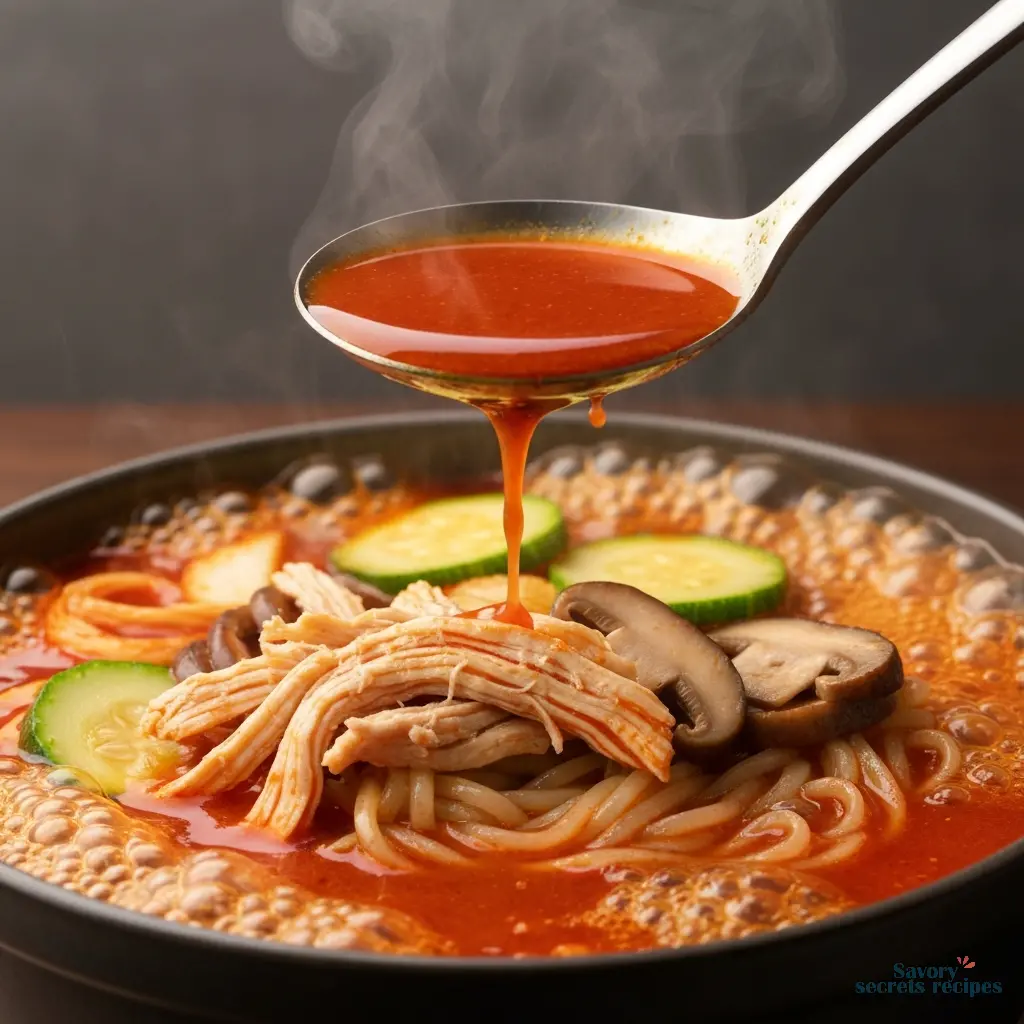
Start by gently cooking your aromatics the garlic, ginger, and the white parts of those green onions in a little sesame oil. You’re not looking to brown them, just to wake up their fragrance. It should smell like the best part of your favorite takeout. Then you add your broth. Now, for the spicy element. This might vary depending on your tolerance. I use a combination of chili garlic sauce and a good dollop of doubanjiang (fermented broad bean paste) if I can find it. If not, more chili sauce works. The trick is to let this simmer for at least 20 minutes. The flavors need to marry. Your kitchen will smell incredible. And have extra plain broth or water nearby. As the pot simmers and reduces, it gets saltier. You’ll need to top it up.
Your Hot Pot Spread: A Guide to Ingredients
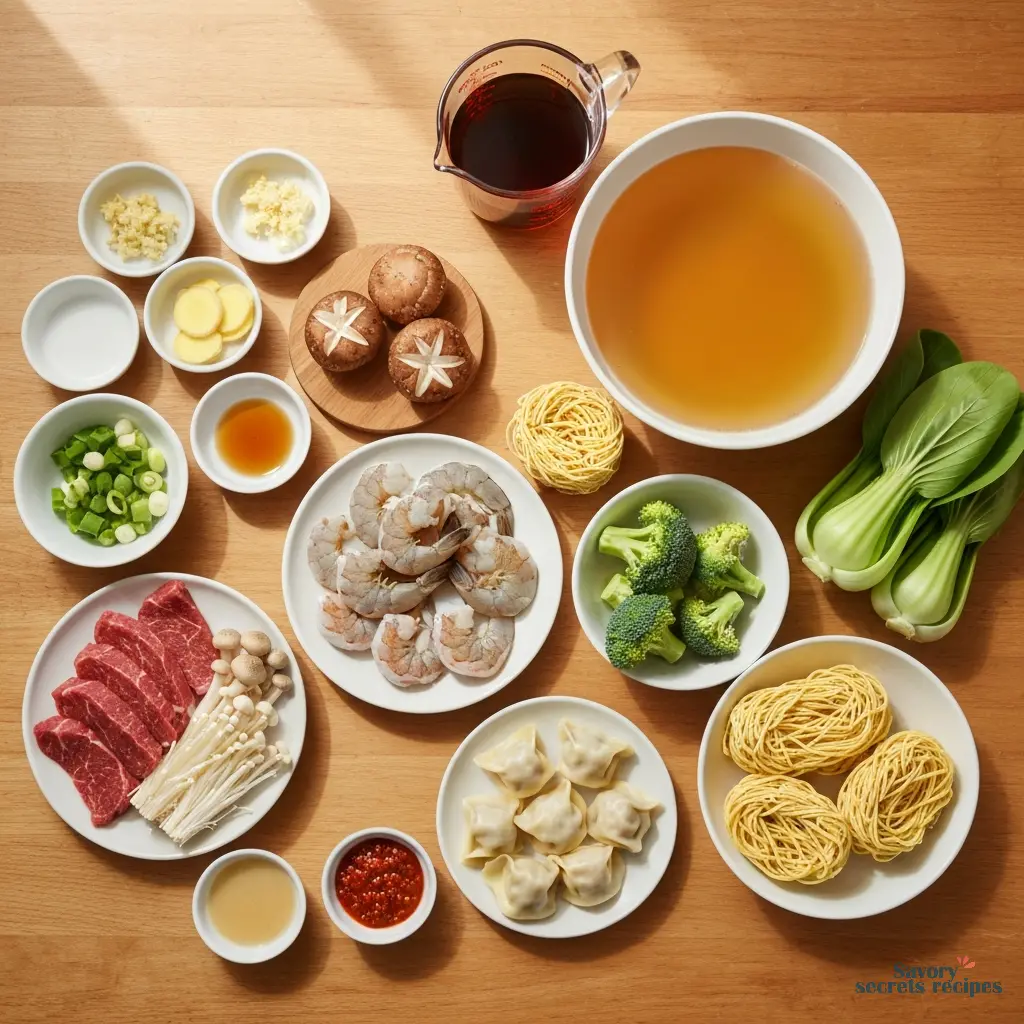
Looking at that ingredients list can feel overwhelming. Let’s break it down. The key is variety across textures and cooking times. I group things into categories mentally.
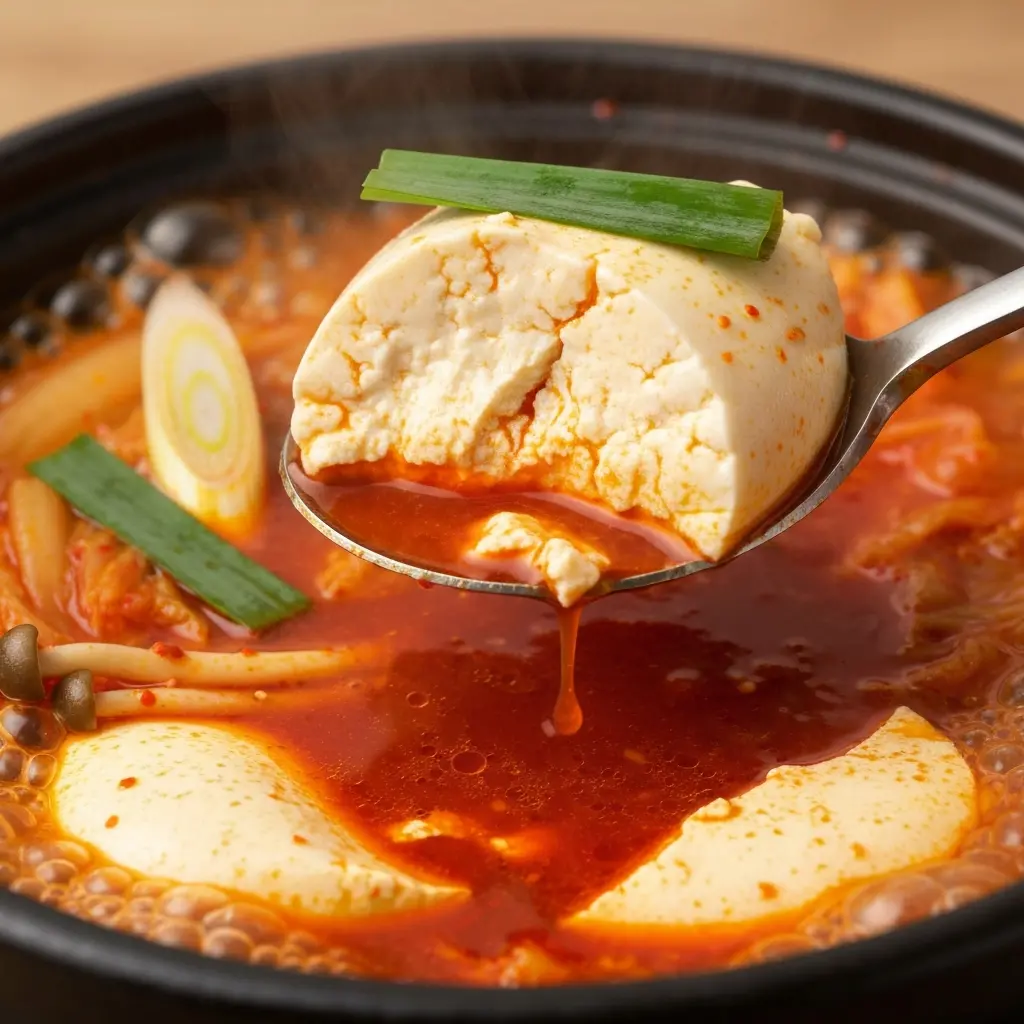
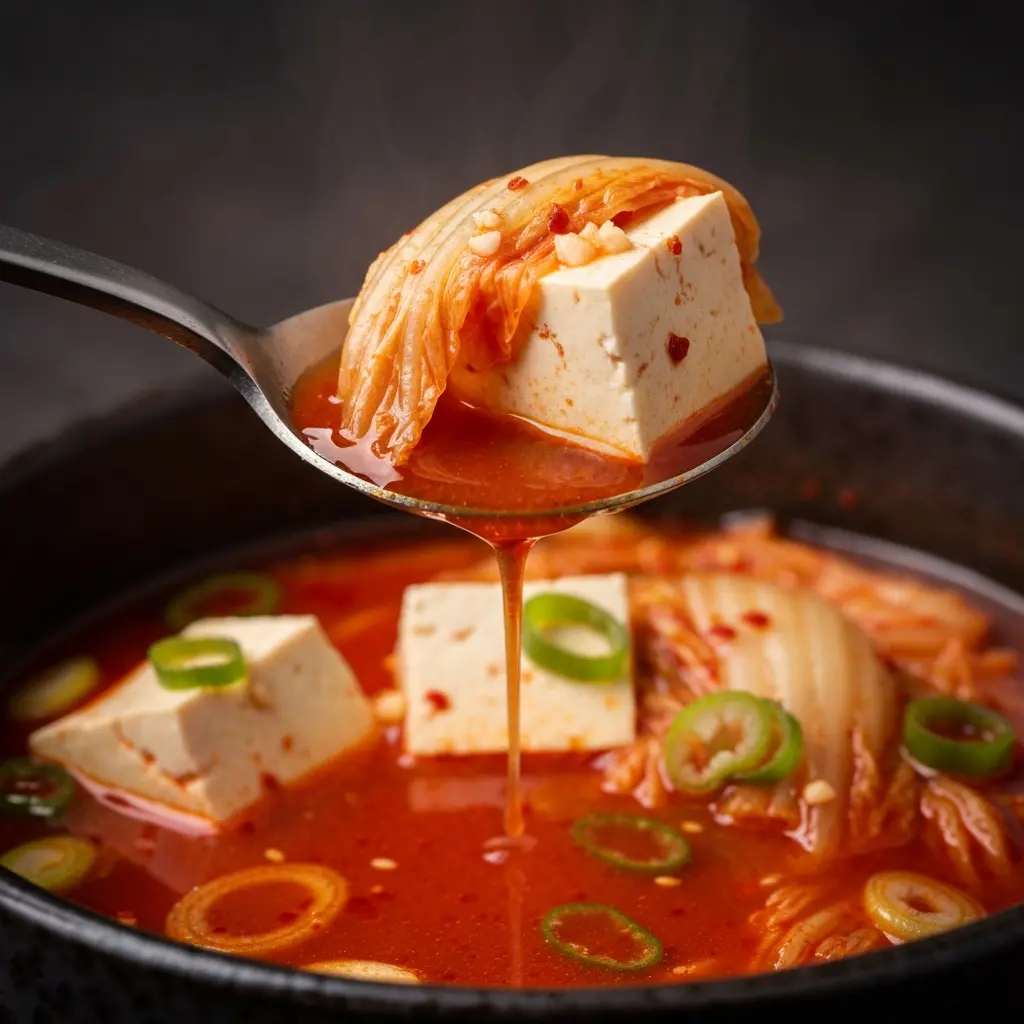
For proteins, thinly sliced beef is the classic. You want it thin so it cooks in seconds in the simmering broth. I find pre-sliced meat for hot pot or shabu-shabu at Korean markets, but your local Vons might have it in the freezer section too. Shrimp, tofu puffs, those vegetable wontons they’re all great. For vegetables, think about durability. Bok choy and Napa cabbage are perfect because they soak up the broth but don’t fall apart instantly. Mushrooms are non-negotiable for me. Shiitake, enoki, oyster… they add such a meaty, savory depth. Then you have your accessories. Noodles, either fresh or dried, go in towards the end to soak up all that flavored broth. Baby corn, lotus root if you’re feeling adventurous. The dough will tell you when it’s ready? Well, the spread tells you when you’ve got balance. For another stew that makes excellent use of mushrooms and tofu, explore our kimchi tofu soup recipe.
The Order of Operations: How to Actually Eat This Thing
There’s a hot pot rule, often called the 2 2 2 rule, that’s really helpful. It means cooking ingredients for about 2 minutes, letting them rest for 2 seconds, and then enjoying within 2 minutes. It’s more about pacing than a strict timer. Here’s what I’m noticing works best.
Start with items that flavor the broth itself, like the mushrooms and the tougher parts of the greens. Let them simmer a few minutes. Then move to your quick-cooking proteins. Drop a few slices of beef into the bubbling broth, swish them around for maybe 30 seconds until they change color, and fish them out. Use a ladle or a small strainer it’s more sanitary than everyone digging with their chopsticks. Your hands know before your eyes do when the meat is tender. Then do your leafy greens, your dumplings. Save the noodles for last, when the broth is at its most flavorful. And don’t overcrowd the pot! Add a few items at a time. It keeps the broth at a steady simmer and prevents that dreaded overflow.
Crafting the Perfect Dip: Your Sauce Bar
The dipping sauces are where everyone can customize. I set up a little sauce bar with small bowls. The foundation is usually soy sauce or ponzu (a citrusy soy). From there, add heat with sriracha or chili oil. Add nuttiness with sesame oil or peanut butter thinned with a little broth. Add fragrance with chopped cilantro, garlic, or green onion. I like a ratio of about 3 parts soy or ponzu, 1 part vinegar, 1 part chili, and a half-part sesame oil. But honestly? No rules, just vibes. Let people mix their own. It’s part of the fun.
Hosting Your Hot Pot Night: Logistics for Real Life
Hosting a hot pot party feels like a big deal, but it’s one of the easiest ways to feed a crowd. For a group of four, I’d pick 2-3 things from each category we talked about. Any more and you’ll have too much food. Prep everything ahead of time wash and chop all veggies, arrange meats on platters, make your broth. Set the table with the simmering pot in the center, ingredients on platters around it, and everyone’s bowls and sauce dishes. Have trivets ready for the hot platters. And this is critical: keep raw meats separate from everything else, with their own serving utensils. Store any noodles separately from the broth so they don’t turn to mush. When everyone’s done, you can add a little cooked rice to the remaining broth and make a simple congee. It’s the best end to the meal.
Navigating Common Hot Pot Pitfalls
I’ve made these mistakes so you don’t have to. Here’s a quick troubleshooting guide.
Broth too salty or spicy? That’s what the extra plain broth or water is for. Just dilute it. Ingredients overcooking? You’re probably adding too much at once. The pot should never be crammed full. Add items in small batches. Broth not flavorful enough? Let it simmer longer before you start eating. Those aromatics need time to infuse. And consider toasting your spices (like star anise or Sichuan peppercorns) in the oil before adding the broth. It unlocks a deeper flavor. Do your clothes smell after hotpot? Yeah, sometimes. I run the hood fan, crack a window, and don’t wear my favorite sweater. The smell shifts right before it’s done, getting deeper.
Frequently Asked Questions
Making It Your Own: Variations and Twists
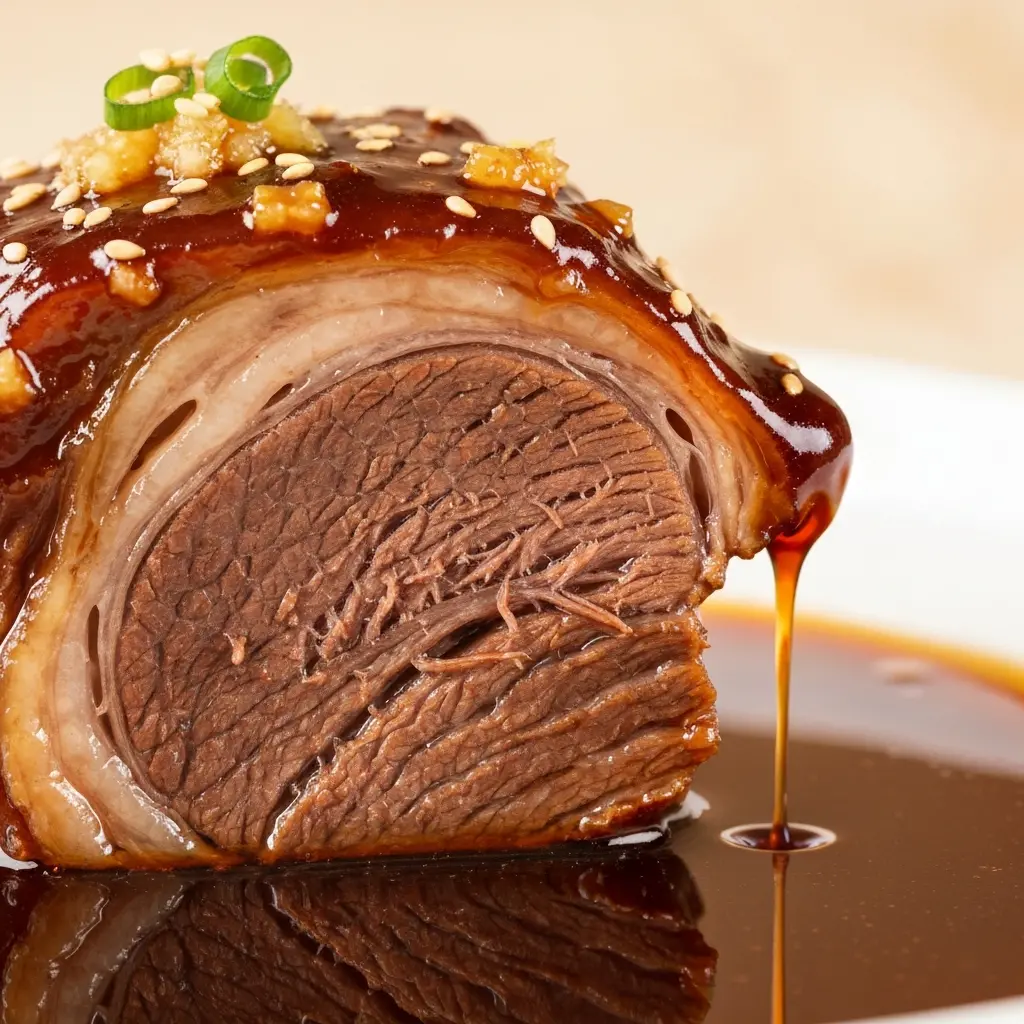
The traditional method says one thing, but I’ve found the options are endless. Beyond the spicy Sichuan-style hot pot dish recipe, you could do a simple kombu and mushroom broth for a vegetarian take. Tom Yum paste makes a fantastic Thai-inspired sour and spicy base. For a creamy, mild option, try a broth with a splash of coconut milk and lemongrass. The point is to make whatever soup base you and your people enjoy. Get creative. Once you understand the basic framework of simmering broth and communal dipping, you can’t unsee the possibilities. If you love the communal stew experience, you might also enjoy a classic Korean beef stew.
When You Serve This Up
When you make this hot pot dish recipe, your table will transform. The steam rising, the colorful platters, the sound of that gentle simmer… it’s a whole experience. It reminds me of the warmth of shared meals, the kind that turns a regular Wednesday into something special. It’s not just dinner. It’s a spicy, communal hug in a pot. Go warm up your winter with it. And when you do, I’d love to hear how it went. Tag me in your photos or drop a comment with your own twist. Now we’re getting somewhere.
What equipment do I absolutely need for a hot pot dish recipe?
At minimum, you need a portable heat source (electric burner is easiest) and a large pot. A divided pot is a fantastic upgrade for two broths. You don’t need a specialty appliance. A ladle or small strainer for each person is really helpful for fishing out their food safely.
What is the best meat for a home hot pot?
Thinly sliced beef sirloin or flank steak is ideal. Look for pre-sliced “hot pot” or “shabu-shabu” meat at Asian grocery stores or even the freezer section of some supermarkets. The thin slices cook in seconds in the simmering broth, staying tender.
What are the best vegetables to put in hot pot?
You want a mix. Napa cabbage and bok choy are classics because they absorb flavor well. Mushrooms (shiitake, enoki) add umami. For crunch, try broccoli florets or baby corn. Leafy greens like spinach cook super fast. It’s all about texture variety.
Can I save and reuse the leftover hot pot broth?
You can, but with caution. Strain it well to remove all food particles, cool it quickly, and refrigerate. Use it within 2 days to reheat for noodles or soup. I don’t recommend reusing it for another raw-ingredient hot pot due to cross-contamination from the initial cooking.