



Kimchi Juice Recipe and What to Do With Kimchi Juice
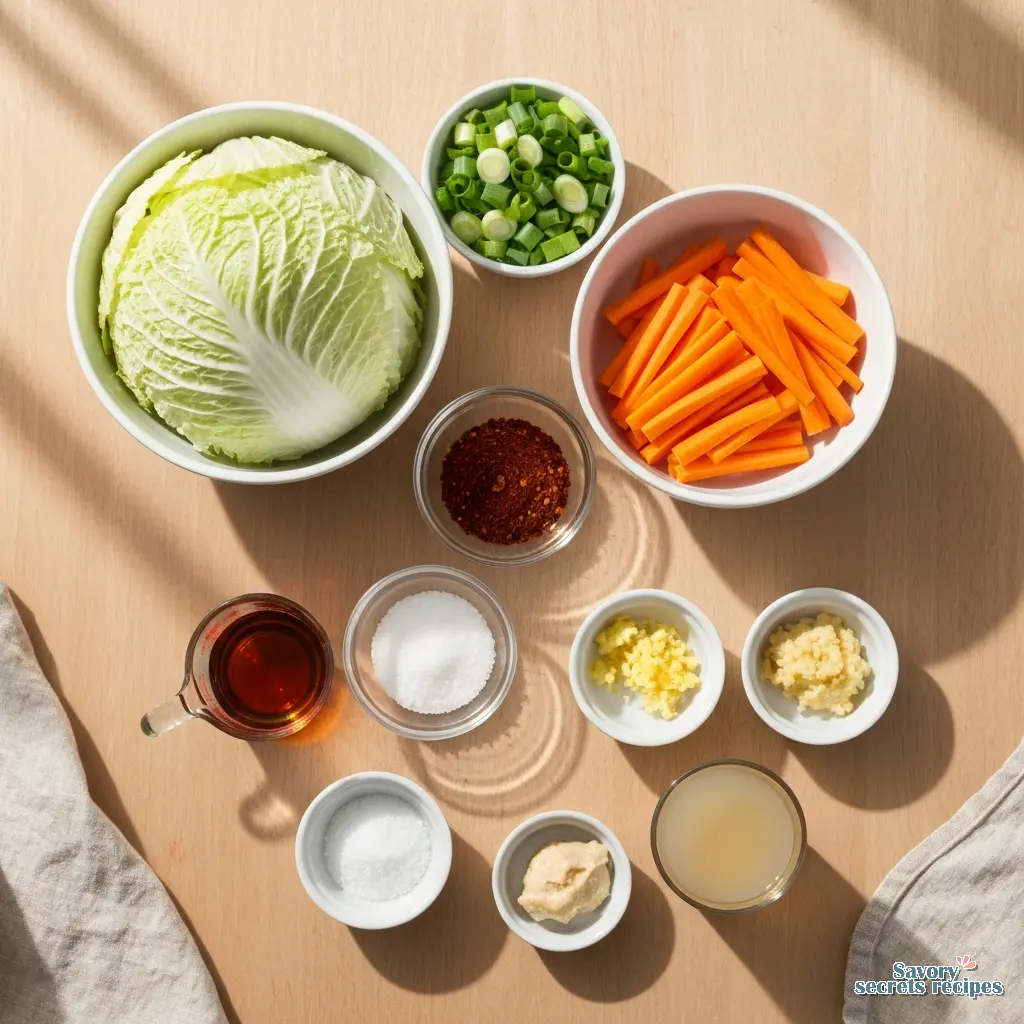
Ingredients
Method
- Quarter the napa cabbage lengthwise and remove the cores. Cut the cabbage into 2- to 3-inch squares and place in a bowl with the carrots. Sprinkle with 1/2 cup kosher salt and massage until the vegetables are coated and beginning to wilt. Cover with cold, chlorine-free water and soak for at least 1.5 hours.
- Drain the cabbage and carrots in a strainer, allowing the brine to run off completely.
- Trim the white parts of the green onions and place them in a food processor with the garlic, ginger, miso paste, and Korean pepper powder. Process on high until mostly smooth. Add the fish sauce and a splash of pear juice, then blend until the mixture reaches the consistency of thin pancake batter.
- Transfer the brined cabbage and carrots to a large non-reactive bowl, such as glass, enamel, or stainless steel. Roughly chop the green parts of the onions and add them to the bowl. Pour the chili paste mixture over the vegetables and, wearing gloves, massage until everything is thoroughly coated.
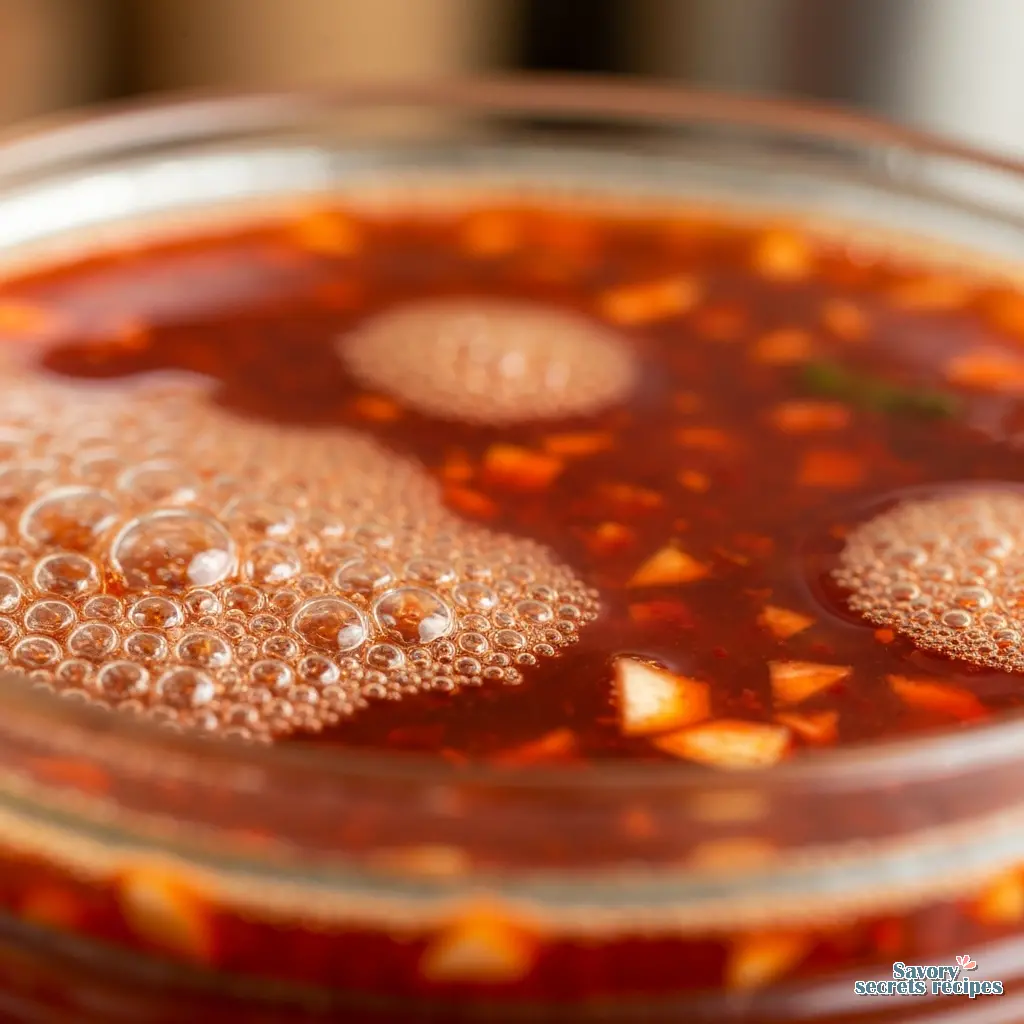
- Pack the mixture tightly into canning jars. Place a two-piece lid on each jar, setting the ring in place without tightening it. Set the jars on a rimmed baking dish to catch overflow. Ferment at room temperature for up to 72 hours until bubbly and fragrant. Daily, use a clean chopstick or butter knife to release air bubbles and add extra brine if necessary to keep vegetables submerged.
- Store the jars on a rimmed sheet in the refrigerator for up to six months, ensuring the vegetables remain submerged. Note that the flavor will intensify as it ages.
Nutrition
Notes
Don’t Pour That Down the Drain
I grew up watching my abuela Marta tend three pots at once on a two-burner camp stove in her garage every Saturday. She never threw anything away. If there was liquid left after cooking beans, it became soup base. If there was salsa left, it went into the eggs. So when I first started making Korean food at home and found myself staring at a jar of leftover red brine, I heard her voice in my head. “That’s where the flavor lives, mijo.” This is a perfect example of how to start a kimchi breakfast that is both savory and probiotic-rich.
Most people treat the liquid in the jar as a byproduct. They fish out the cabbage and dump the rest. That is a mistake. Honestly, that vibrant red liquid is liquid gold. It is packed with flavor, heat, and gut-friendly bacteria that you can’t buy in a pill. Whether you are looking to make a dedicated kimchi juice recipe from scratch or just want to know what to do with the leftovers, you are in the right place.
I used to be intimidated by fermentation. I thought I needed a science degree or a temperature-controlled lab. But really? You just need salt, time, and patience. It’s a lot like making a good salsa macha you have to trust your senses more than a timer. If you can mix water and salt, you can do this. Let’s get into it.
What Exactly Is Kimchi Juice?
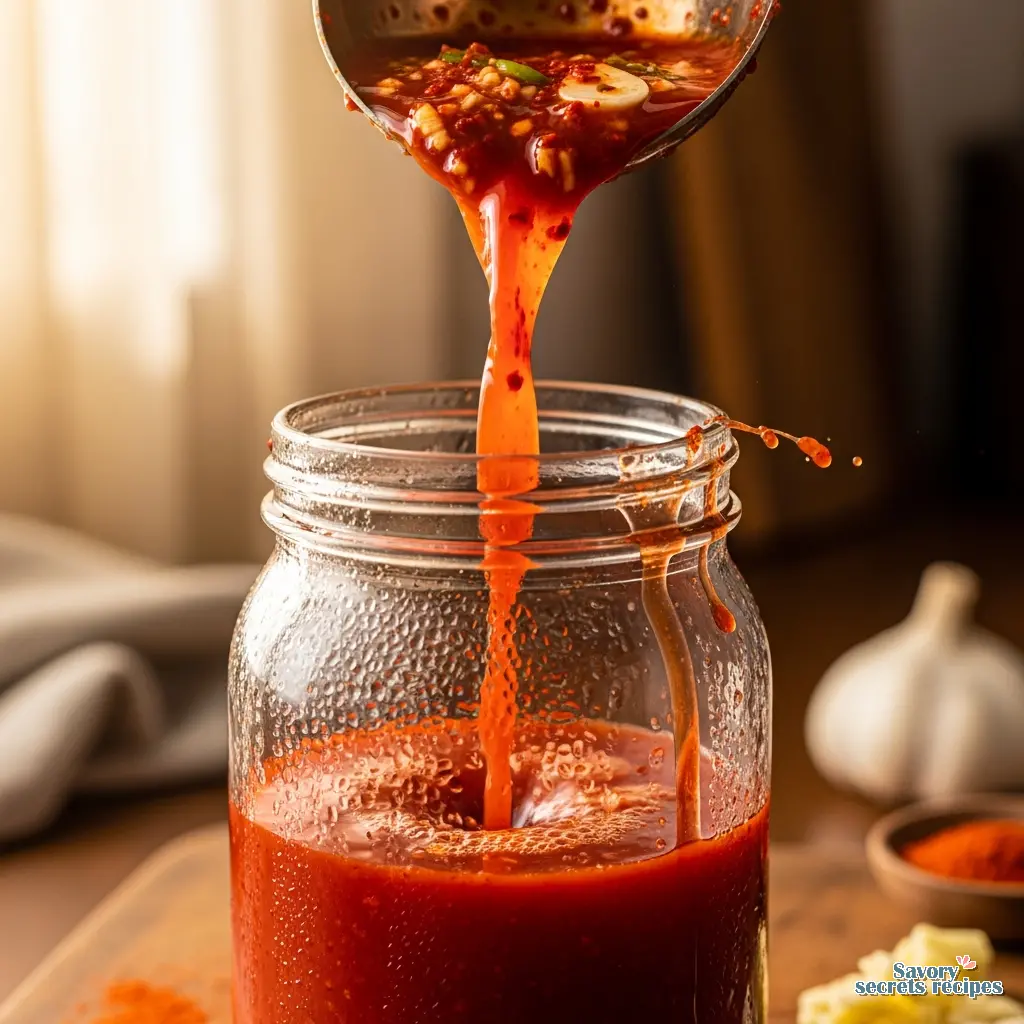
Let’s clear something up right away. Kimchi juice isn’t just spicy cabbage water. It is the result of a transformation. When you salt napa cabbage and radishes, the salt draws out the vegetable’s natural moisture through osmosis. That liquid then mixes with the spice paste the gochugaru, garlic, ginger, and fish sauce and begins to ferment.
Over time, lactobacillus bacteria (the good guys) eat the sugars in the vegetables and produce lactic acid. That gives the juice its signature tang. It is alive. It is effervescent. And it is incredibly potent. You get the savory depth from the fish sauce, the heat from the chilies, and that funky sourness that makes your mouth water just thinking about it.
Is it good for you? Generally speaking, yes. It is loaded with probiotics, similar to yogurt or sauerkraut. It has vitamins A, B, and C. But mostly, I drink it or cook with it because it tastes incredible. It wakes up your palate in a way that plain vinegar or lemon juice just can’t.
The Science: Why Salt Does the Heavy Lifting
I’m not a scientist, but I cook like my dad grilled by feel. However, understanding a little bit of what’s happening in that jar helps you stop worrying. The main player here is salt. When you rub coarse sea salt into the cabbage leaves, you are creating a hostile environment for bad bacteria but a perfect playground for the good ones.
The salt pulls water out of the cells. This creates the brine. You don’t usually need to add water to a traditional kimchi recipe because the vegetables provide their own. But for a dedicated kimchi juice recipe where you want more liquid to sip or cook with, we cheat a little. We add a brine of water and salt to increase the volume.
Pro Tip: If you need more brine, mix 1 quart of cool water with 4 teaspoons of kosher salt. That ratio is usually right on the money. It’s salty enough to keep things safe but not so salty it’ll ruin your soup.
Step-by-Step Brining Tips
Making the juice is really just making kimchi but focusing on the liquid. Here is how I approach it to get the best yield without driving myself crazy.
1. The Salting Phase
You have to get the salt into the cabbage. Rub coarse sea salt into each leaf. I mean really get in there. Then, let it sit. Submerge it in brine for at least 2 hours. You’ll know it’s ready when the hardy white parts of the stem bend without breaking. If they snap, they need more time. Let it ride. Patience is the only hard part here.
2. The Paste
My abuela used a molcajete for her spices, but for this? I use an immersion blender. It is the best way to quickly mix the rice porridge (if you’re using it), garlic, onion, and ginger into a smooth paste. It saves so much time. You want a smooth consistency so it dissolves easily into the brine.
3. The Chili Powder Matters
Do not use American chili powder. Please. It has cumin and oregano and other things that do not belong here. You need Gochugaru (Korean red pepper flakes). It has a sweet, smoky heat that is specific to this dish. Using Mexican chili powder or cayenne will give you something… interesting, but it won’t be kimchi.
4. Submerge Everything
This is the golden rule of fermentation: under the brine, everything is fine. If vegetables stick out into the air, they can mold. Press down the vegetables with a spatula periodically to keep them submerged and release air bubbles. I use a glass weight, but a heavy small plate works too. Whatever you have.
Troubleshooting: When Good Ferments Go Bad
I’ve messed up plenty of batches. Once, I let a jar sit in the sun in July. It exploded. My wife was not happy. But usually, the problems are smaller. Here is what to watch for.
The “Kimchi River”
Active fermentation creates gas. That gas pushes liquid up and out. If you screw the lid on tight and walk away, you might come back to a red puddle on your counter.
The Fix: Place your fermentation jars on a rimmed pan or baking dish to catch the overflow. It saves your counters and your marriage.
White Film vs. Mold
Sometimes you’ll see a white, powdery film on top. That’s usually Kahm yeast. It’s harmless but tastes a little funky.
The Fix: Skim it off and carry on. However, if you see fuzzy blue, green, or black spots? That is mold. Toss the whole batch. It’s painful, but don’t risk it.
Too Salty?
If your final juice makes you pucker too much, you can dilute it with a little water or add slices of korean radish (mu) or even regular daikon. They act like sponges and soak up the saltiness over a few days.
5 Ways to Use That Liquid Gold
So you have a jar of spicy, tangy juice. Now what? Don’t just stare at it. Use it.
1. The Ultimate Marinade
I use it for pork belly or chicken thighs. The acid tenderizes the meat, and the salt brines it. It’s like a shortcut to flavor town. Just marinate for an hour or two. Any longer and the texture gets a bit mushy.
2. Salad Dressing with a Kick
Mix the juice with a little sesame oil and honey or maple syrup. Whisk it up. It makes a killer dressing for a simple cucumber salad or even drizzled over roasted broccoli. It adds that acid punch I love. You can also use the juice to create a refreshing kimchi salad by tossing it with fresh greens and toasted sesame seeds.
3. Soup Base Booster
When I make ramen or a stew, I dump in a half cup of kimchi juice right at the end. It brightens the whole pot. If it doesn’t have color, it doesn’t have flavor, right?
4. The Kimchi Bloody Mary
Okay, I know I said no alcohol in the photos, but let’s be real. Replacing the Tabasco or horseradish in a tomato juice mix with kimchi brine? Game changer. It’s savory and spicy and deep.
5. Starter for Other Veggies
You can use a splash of active kimchi juice to jump-start other ferments. Throw some carrots or cauliflower in a jar, add brine, and splash in some kimchi juice. It introduces the good bacteria immediately.
Storage: Keep It Safe
Once your juice tastes the way you like it usually after 2 to 5 days at room temperature put it in the fridge. This slows down the fermentation. It doesn’t stop it completely, but it slows it to a crawl.
Use glass jars. Plastic containers absorb the smell and stain red forever. I have a Tupperware container from 2018 that still smells like garlic. Glass is your friend.
How long does it last? In the fridge, months. Seriously. As long as it smells good and tangy, it’s good. If it smells like rotting garbage, trust your nose and toss it.

Frequently Asked Questions
Final Thoughts
Making your own kimchi juice recipe or just saving the brine from a store-bought jar is one of those small kitchen habits that pays off big. It feels good to turn something simple like cabbage and salt into something so complex. Plus, pouring that spicy red gold into a stew on a cold Tuesday night? That is the best feeling.
Don’t worry if your first batch isn’t perfect. My first tortillas were shaped like amoebas, and we still ate them. Cooking is about the process. So grab a jar, get some salt, and let nature do the work. If you try this, let me know how it goes. I’d love to hear about your results.
For more inspiration, check out my Pinterest boards where I collect all my favorite fermentation projects.
Reference: Original Source
Is it okay to drink kimchi juice straight?
Absolutely. Many people drink a small shot of kimchi juice daily for the probiotics. It’s intense salty, spicy, and sour but it wakes you up. Just start small, maybe an ounce, to see how your stomach handles the spice and acidity.
How long does kimchi juice recipe last in the fridge?
In my experience, it lasts almost forever in the fridge. The salt and acid act as preservatives. I usually keep mine for up to 6 months. Just make sure you use a clean spoon every time you dip in so you don’t introduce bad bacteria.
Can I use American chili powder instead of Gochugaru?
I wouldn’t recommend it. American chili powder is a blend with cumin and garlic powder, which changes the flavor profile completely. Gochugaru has a specific sweet-smoky heat that makes kimchi taste like kimchi. If you can’t find it, red pepper flakes are a better substitute than chili powder.
Does kimchi juice have probiotics?
Yes, it is loaded with them. The fermentation process creates lactobacillus bacteria, which are great for gut health. It’s basically the same good stuff you find in yogurt or kombucha, just in a spicy, savory package.
What if my kimchi juice isn’t bubbling?
Don’t panic. If it’s cold in your kitchen, fermentation slows down. It might take a few extra days. Check the smell if it smells sour and tangy, it’s fermenting even if you don’t see a volcano of bubbles. Just give it time.