



Your Moist Lemon Blueberry Bundt Cake with Lemon Glaze
Ingredients
Method
- Preheat the oven to 350°F (175°C). Thoroughly grease and flour a 10-inch bundt pan. Toss the blueberries in 1 tablespoon of flour and set them aside.
- Whisk the flour, baking powder, baking soda, and salt together in a large bowl.
- Beat the softened butter and granulated sugar with an electric mixer on medium speed for 4 to 5 minutes until the mixture is light, fluffy, and pale.
- Incorporate the eggs one at a time, beating well and scraping down the sides of the bowl after each addition.
- Mix in the lemon zest and Greek yogurt until just combined.
- Lower the mixer speed to low. Add the dry ingredients in three parts, alternating with the milk, beginning and ending with the flour mixture. Mix until just combined.
- Use a spatula to gently fold in the floured blueberries, taking care not to crush them.
- Transfer the batter to the prepared bundt pan, spreading it evenly and smoothing the top.
- Bake for 50 to 60 minutes, checking for doneness at 50 minutes, until a toothpick inserted into the center comes out clean or with a few moist crumbs.
- Cool the cake in the pan for 15 minutes before inverting it onto a wire rack to cool completely.
- Combine the powdered sugar and lemon juice into a pourable glaze and drizzle it generously over the cooled cake.
Nutrition
Notes
Why You’ll Love This Lemon Blueberry Bundt Cake with Lemon Glaze
I know the exact moment panic sets in. You’re staring at an inverted metal pan, holding your breath, waiting for that satisfying thumping sound that tells you the cake has released safely. Let’s be clear about this, the Bundt flip is nerve-wracking for everyone. I once ruined an entire week’s worth of recipe testing because my oven was running hot and I rushed the cooling process. Twelve batches of cake stuck to the metal. I had to call my editor and beg for an extension. I’ve never felt more incompetent in a kitchen.
But that failure taught me exactly what a batter needs to survive the process. This Lemon Blueberry Bundt Cake with Lemon Glaze is the result of those hard lessons. It is the ultimate Mother’s Day centerpiece or spring brunch showstopper. It looks incredibly elegant, but it requires absolutely no complicated frosting skills. You just need a reliable batter and a solid pan strategy.
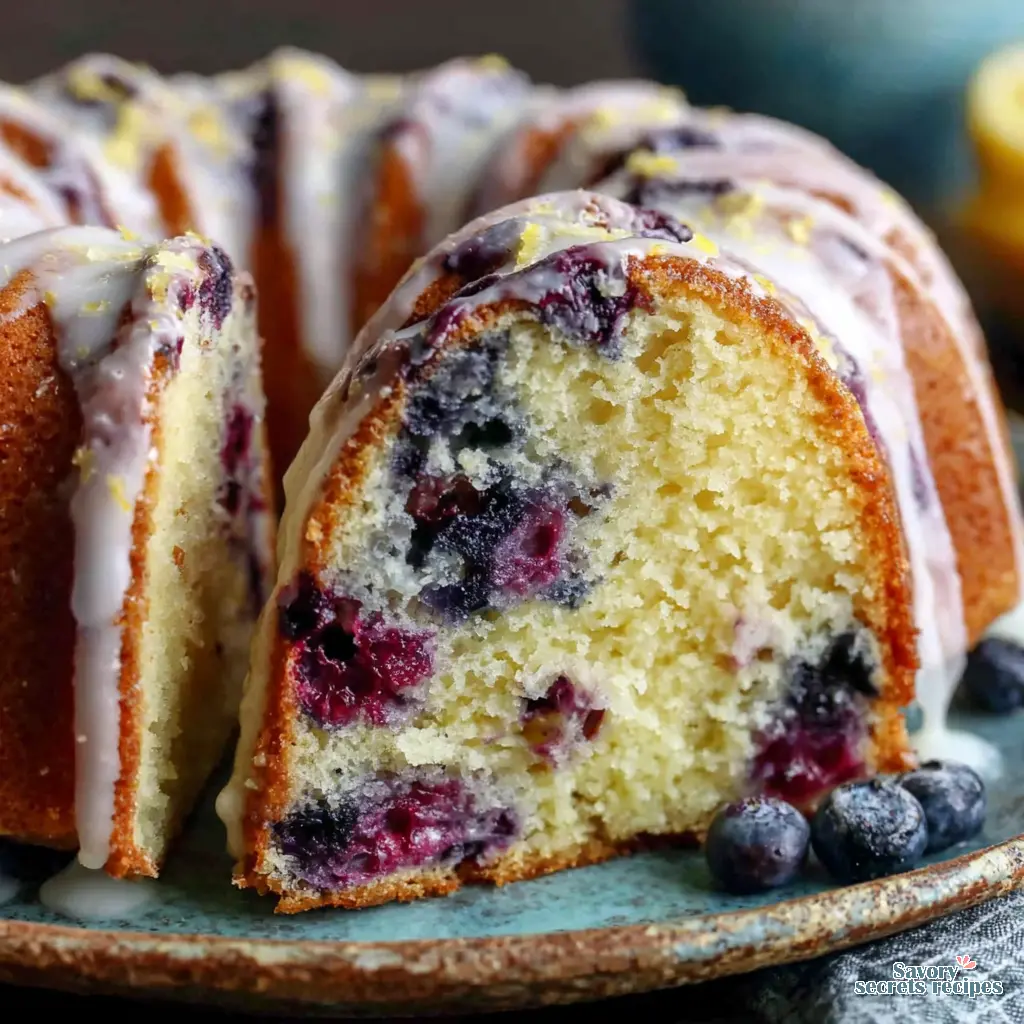
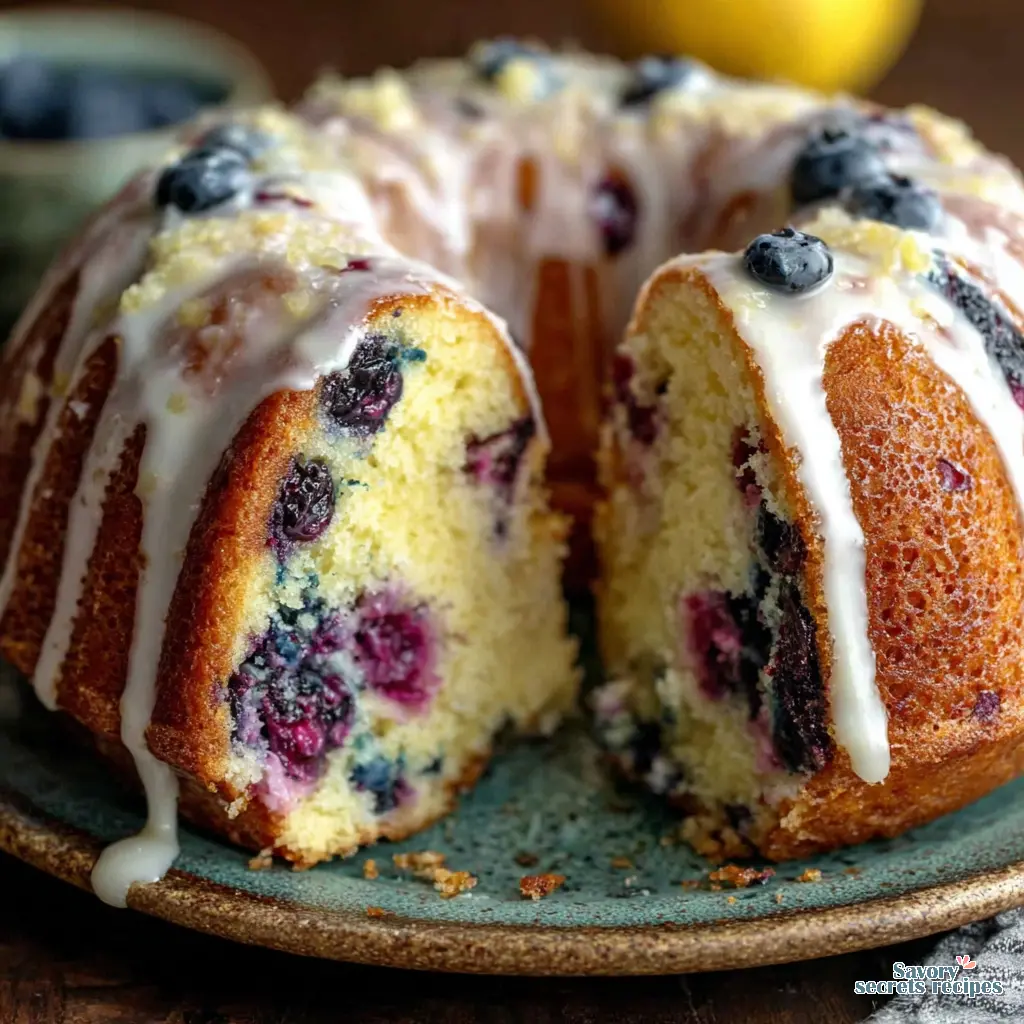
We are going for a dense crumb that still feels impossibly moist, bursting berries in every single bite, and a perfectly opaque white glaze drip. When you slice into this Lemon Blueberry Bundt Cake with Lemon Glaze, the contrast between the yellow crumb and the deep purple berries is stunning. It smells like sweet butter and bright citrus. Perfect. Worth every second of prep.
Essential Ingredients and Equipment
If it doesn’t look right, it isn’t right. That starts with your ingredients. For a proper Lemon Blueberry Bundt Cake with Lemon Glaze, you need to understand your components before you start mixing.
The Lemon Debate: Here in California, Meyer lemons are everywhere at the farmers markets right now. They are sweeter and slightly floral. But for baking this specific cake, I actually prefer standard Eureka lemons. You need that aggressive, punchy acidity to cut through the rich fat of the batter. If you use Meyer lemons, you’ll lose some of that bright citrusy contrast.
Fresh vs. Frozen Berries: You can absolutely use frozen berries for this Lemon Blueberry Bundt Cake with Lemon Glaze. I do it all the time. But do not thaw them first. Thawed berries will bleed blue juice everywhere and turn your beautiful golden batter into a muddy gray mess. Toss your frozen berries straight into the batter at the very end.
The Pan: You need a heavy-duty, non-stick bundt pan. A 12-cup capacity is standard. If you use a dark-coated pan, remember that dark metal absorbs heat faster. You’ll need to watch your baking time closely to prevent a burnt crust. A springform alternative works in a pinch if you use a tube insert, but you won’t get those classic, beautiful ridges.
The Science of Bundt Baking: How to Make Lemon Blueberry Bundt Cake
My grandmother Zoya taught me to make proper doughs by touch. She’d make me feel the texture at every stage. “Your hands know before your eyes,” she’d say. I still check my ingredients that way. Temperature matters here. Your butter, eggs, and sour cream must be at room temperature. If your butter is too warm, start over. If you use cold eggs, the batter will curdle and break the emulsion. We’re not guessing on this one.
Why use sour cream in the cake batter? It is the secret weapon for a moist lemon blueberry bundt cake with sour cream. It adds necessary fat and moisture without thinning out the batter. This creates a rich, old-fashioned pound cake texture that holds up the berries instead of letting them sink to the bottom.
Here is your mixing strategy. First, spoon and level your all-purpose flour rather than scooping it directly from the bag. Scooping packs the flour and guarantees a dry cake. Second, alternate mixing your dry ingredients and the sour cream into the butter mixture. This prevents you from overworking the gluten. Overmixing leads to a rubbery texture, and we want a tender, dense crumb.

Tips for the Perfect Glaze and Texture
I see so many bakers struggle with sinking fruit. Here’s the trick, and I learned this from testing dozens of batches. Toss your blueberries in 1 tablespoon of flour before folding them into the batter. This creates a tiny friction layer that suspends the berries in the thick dough. It’s a small step, but it’s the difference between a perfect slice and a soggy bottom.
When you are baking your Lemon Blueberry Bundt Cake with Lemon Glaze, keep an eye on the top. If the top browns too quickly before the center is done, cover it loosely with a sheet of foil. To check for doneness, use the toothpick test. Insert it deep into the center, but try to avoid hitting a blueberry spot for an accurate read. You want it to come out with a few moist crumbs attached.
Now, let’s talk about the best lemon blueberry cake glaze recipe. You want a thick, white finish that drips beautifully but sets up firm. The secret is the “spoon back” test. Your glaze should be thick enough to heavily coat the back of a spoon without running off immediately. If it’s too thin, add more powdered sugar. If it’s too thick, add a drop of heavy cream or fresh lemon juice. Apply the glaze to a slightly warm cake for better adhesion. If the cake is hot, the glaze will melt and run right off. I mean, you could skip the glaze entirely and just use powdered sugar, but why would you?
Visual Troubleshooting Guide: How to Prevent Sticking
This is the moment of truth. What is the secret to getting a bundt cake out of the pan without sticking? Preparation and patience.
First, grease your pan thoroughly. I strongly prefer using softened butter or solid shortening followed by a dusting of flour. Make sure you get into every single crevice. Some people swear by baking spray with flour mixed in. That’s fine, but document what you changed if it fails. Once greased and floured, chill the pan in the fridge for 10 minutes before adding your batter. This helps the fat layer set, creating a stronger barrier against the hot oven.
After baking, do not flip the cake immediately. Let the cake sit in the pan on a cooling rack for exactly 10 to 15 minutes before inverting. The cake needs time to pull away from the sides as it cools slightly.
Common Mistakes & Fixes
Mistake: The cake breaks during the flip.
Solution: You likely rushed the cooling or didn’t grease the pan correctly. Try the steam trick. Drape a hot, damp towel over the inverted pan for 5 minutes. Steam is half the equation here; it helps release the stubborn bits.
Mistake: The cake is dense like a brick.
Solution: You overmixed the batter, developing too much gluten. Alternate your wet and dry ingredients and mix just until combined.
Mistake: The glaze melted into a clear, sticky mess.
Solution: You glazed a hot cake. Wait until the cake is only slightly warm to the touch. The glaze needs a stable surface temperature to remain opaque.
Recipe Variations and Substitutions
I like recipes that assume the reader is intelligent and capable of adapting. If you don’t have sour cream, you can absolutely use plain Greek yogurt. It provides the same acidity and fat content. Just keep in mind that the texture might be slightly tangier.
Want extreme moisture? Add an extra egg yolk to the batter. The extra fat tenderizes the crumb beautifully. If lemons aren’t your favorite, you can swap the lemon zest and juice for orange. An orange blueberry combination is fantastic for a spring brunch.
If you are serving a crowd and want to skip the bundt anxiety altogether, you can bake this batter in a 9×13 pan. You’ll need to reduce the baking time significantly, so start checking it at the 35-minute mark. See how much better that looks when you understand the mechanics?
Make-Ahead Brunch Strategy & Storage
This Lemon Blueberry Bundt Cake with Lemon Glaze actually tastes better on day two. The moisture from the berries and the sour cream redistributes overnight, making the crumb incredibly tender. That makes it the ultimate make-ahead recipe for a busy weekend.
How long does a lemon blueberry pound cake stay fresh at room temperature? Store it in an airtight container at room temperature for up to 2 days. If your kitchen is very warm, move it to the refrigerator where it will keep for 3 days. Let it come back to room temperature before serving, as cold butter makes the cake taste dry.
For freezing, this cake performs beautifully. Do not glaze it before freezing. Wrap the completely cooled cake tightly in plastic wrap, then a layer of foil. It will keep in the freezer for up to 3 months. Thaw frozen slices at room temperature for a few hours, then add your fresh glaze right before serving. That’s exactly the texture we want.
Frequently Asked Questions
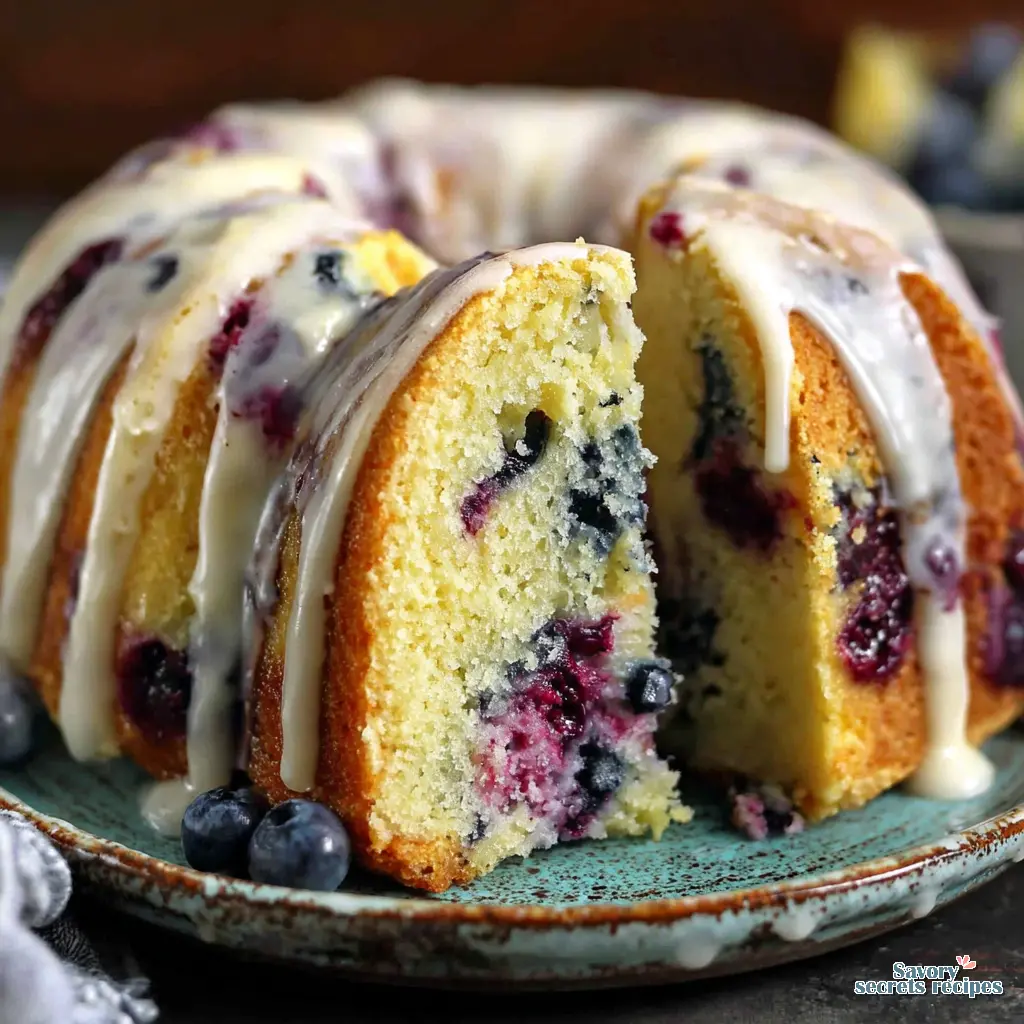
There is nothing quite like pulling a perfectly intact, golden Bundt cake from the pan. When you finally slice into this Lemon Blueberry Bundt Cake with Lemon Glaze and see those beautiful berries suspended in the crumb, you’ll understand why precision matters. Take your time with the pan prep, don’t rush the cooling process, and trust the science of the sour cream. You’ve got this.
I share tons of technical baking tips and seasonal variations on my Pinterest boards, so come find me there if you want to master more classic recipes. Happy baking, and don’t let the pan intimidate you.
Source: Nutritional Information
What is the substitution for sour cream in cake?
If you don’t have sour cream for your Lemon Blueberry Bundt Cake with Lemon Glaze, full-fat plain Greek yogurt works perfectly. It provides the exact same moisture and acidity. You’ll still get that dense, rich texture without changing the batter’s chemistry.
What size bundt pan do I need?
You need a standard 10-cup to 12-cup capacity bundt pan for this recipe. If you use a smaller pan, the batter will overflow and make a terrible mess in your oven. Always leave at least an inch of space at the top.
Why use sour cream in the cake batter?
Sour cream is non-negotiable here. It adds critical fat and moisture without thinning out the batter like milk would. The acidity also tenderizes the gluten strands, ensuring your Lemon Blueberry Bundt Cake with Lemon Glaze stays incredibly soft for days.
Is this recipe more of a dense or fluffy cake?
This is a traditional pound cake style, meaning it has a dense, tight crumb rather than a light, airy sponge. That structure is necessary to hold up the heavy blueberries so they don’t all sink to the bottom during baking.
Can I make this with fresh raspberries?
Yes, but handle them gently. Raspberries are much more fragile than blueberries and hold more water. Toss them in flour just like you would blueberries, but fold them in with a very light hand so they don’t crush and turn the batter pink.
Why is there no lemon juice in the cake batter?
Adding liquid lemon juice to the batter throws off the liquid-to-dry ratio and can curdle the dairy. We use lemon extract and fresh zest in the cake for intense flavor, saving the fresh lemon juice for the powerful, punchy glaze on top.