



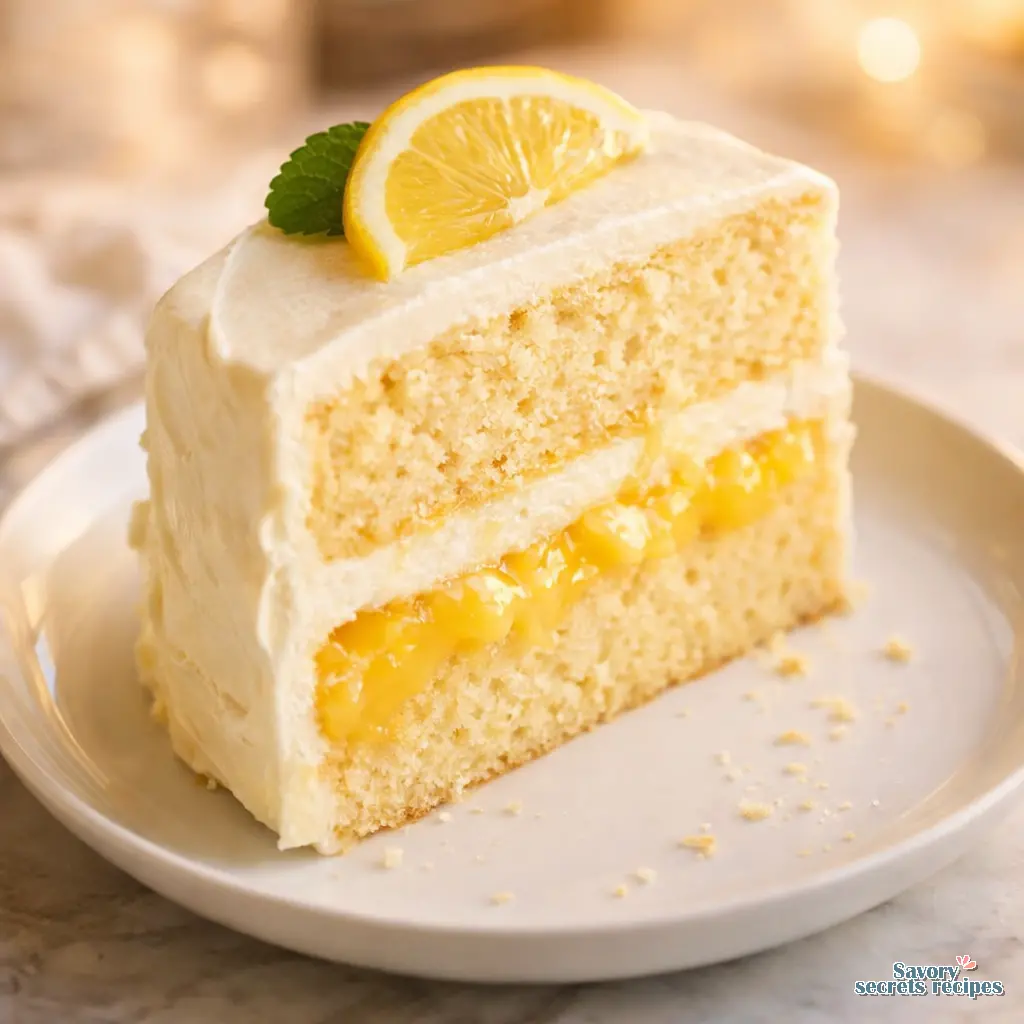
Lemon Layer Cake with Lemon Curd Filling Recipe
Ingredients
Method
- Preheat the oven to 350°F. Grease and flour three 6-inch cake rounds and line them with parchment paper.
- Whisk the flour, baking powder, and salt in a medium bowl until well combined, then set the mixture aside.
- Cream the butter and lemon zest in a stand mixer fitted with a paddle attachment until smooth. Add the sugar and beat on medium-high speed for approximately 3 minutes until pale and fluffy.
- Reduce the mixer speed and add the eggs one at a time, fully incorporating each before adding the next. Stir in the vanilla.
- Alternately add the flour mixture and the milk and lemon juice mixture, beginning and ending with the flour (using three additions of flour and two of the liquid). Ensure each addition is fully incorporated.
- Divide the batter evenly among the prepared pans and smooth the tops.
- Bake for 30 to 35 minutes, or until a toothpick inserted into the center comes out mostly clean.
- Cool the cakes on a wire rack for 10 minutes, then turn them out onto the rack to cool completely.
- Combine the eggs and sugar in a small pot and whisk together. Add the lemon juice, zest, and butter, then cook over medium-low heat while whisking constantly until the mixture thickens and coats the back of a spoon.
- Transfer the mixture to a glass bowl and press plastic wrap directly onto the surface to prevent a skin from forming. Chill for 2 hours to set.
- Combine the sugar, flour, and salt in a medium saucepan and whisk to combine.
- Stir in the milk and vanilla, then cook over medium heat while stirring constantly until the mixture reaches a boil. Continue cooking and stirring for 1 to 2 more minutes until it reaches a pudding-like consistency, then remove from the heat.
- Pour the mixture into a bowl and place plastic wrap directly on the surface to prevent a skin from forming.
- Allow the mixture to cool to room temperature.
- Beat the room-temperature butter on high speed using a stand or hand mixer for 3 minutes until pale and fluffy.
- Add the room-temperature flour mixture one tablespoon at a time, incorporating well after each addition. Beat for 2 to 3 minutes until smooth and fluffy.
- Place one cake layer on a stand or serving plate. Poke holes into the cake with a bamboo skewer and drizzle with simple syrup, if desired.
- Spread a thin layer of buttercream over the cake and pipe a border around the edge to contain the filling. Fill with about one-third of the lemon curd and repeat the process with the next layer.
- Place the final cake layer on top and apply a thin crumb coat to the entire cake. Chill for 20 minutes.
- Frost the top and sides of the cake, then smooth the surface with an icing scraper.
- Pipe rosette dollops using a 1M tip with the remaining frosting. Chill for 20 minutes, then fill the top with the remaining lemon curd.
- Decorate the bottom edge with thin lemon slices and sprinkle the top with lemon zest, if desired.
Nutrition
Notes
The Showstopper Mom Deserves: Building a Better Lemon Layer Cake
I remember being maybe seven or eight, sitting on the kitchen counter in our Bronx apartment. My grandmother Fatoumata was sorting through ingredients for Sunday dinner. She’d hold a piece of produce up to the light, checking the skin for quality, and explain exactly what she was looking for. She treated every single ingredient like it had a story. I didn’t realize until much later that she was teaching me how to evaluate food, not just identify it.
That lesson stuck with me. When you’re making a lemon layer cake for a special occasion like Mother’s Day, the ingredients do most of the work if you let them. I know baking a multi-tiered dessert seems intimidating. You’re probably thinking about messy decorating or cakes that turn out dry. I’ve been there. I’ve certainly baked my share of lopsided, crumbly disasters.
But here’s what I’ve found works. If you focus on the architecture of the cake and respect the ingredients, you’ll create something incredible. This isn’t just another homemade lemon dessert. It’s a bright, perfectly balanced masterpiece that balances sweet frosting with a tart, punchy center. Let me think about that for a second. Yes, this is exactly the sort of thing I love to dig into. Grab your unsalted butter on your next Trader Joe’s run, and let’s build something beautiful.
Why This Lemon Layer Cake Recipe Works (Texture and Real Flavor)
The secret to a tender crumb isn’t magic. It’s science. We’re using a specific mixing technique here. It sounds technical, but it’s actually quite forgiving. You’ll coat your dry ingredients with fat before adding the liquids. This limits gluten formation, meaning your lemon layer cake stays incredibly soft. This scientific approach is the key to creating a [moist lemon cake] that melts in your mouth.
I’m genuinely excited about this one because the flavor profile is entirely natural. There’s no artificial extract carrying the weight here. You’ll beat fresh lemon zest directly into your granulated sugar and butter to release those beautiful essential oils. Look for the color change in the sugar. That’s your signal it’s ready.
For the best results, always sift your cake flour or all-purpose flour before measuring to aerate it and ensure fluffiness. Even better, measure your flour by weight in grams. If you don’t have a scale, use the spoon and level method to avoid a dense, heavy cake. And please, ensure all refrigerated ingredients like your eggs and buttermilk are at room temperature. Cold ingredients will cause your batter to curdle, and nobody wants a split batter.
Meyer Lemon vs. Standard Lemon: A Quick Comparison
That’s a good question, actually. People always ask me if they should use Meyer lemons for baking. It depends on what you’re going for.
Standard lemons, like Lisbon or Eureka varieties you find at Ralphs, give you a sharp, bright, acidic punch. They’re perfect for cutting through rich frosting. Meyer lemons are a cross between a lemon and a mandarin orange. They’re sweeter and much more floral. I haven’t worked with that specific variety for this exact cake, though I’d imagine it makes the overall profile much milder. For a different texture profile, you could also use these lemons in a [fresh lemon sponge cake] for a lighter, airier crumb.
For a true, classic lemon layer cake, stick to standard lemons. Roll the lemons firmly on the counter before juicing to maximize your yield. And always zest your lemons before juicing them while they’re still firm. Zest only the colorful part of the peel, avoiding the bitter white pith underneath.
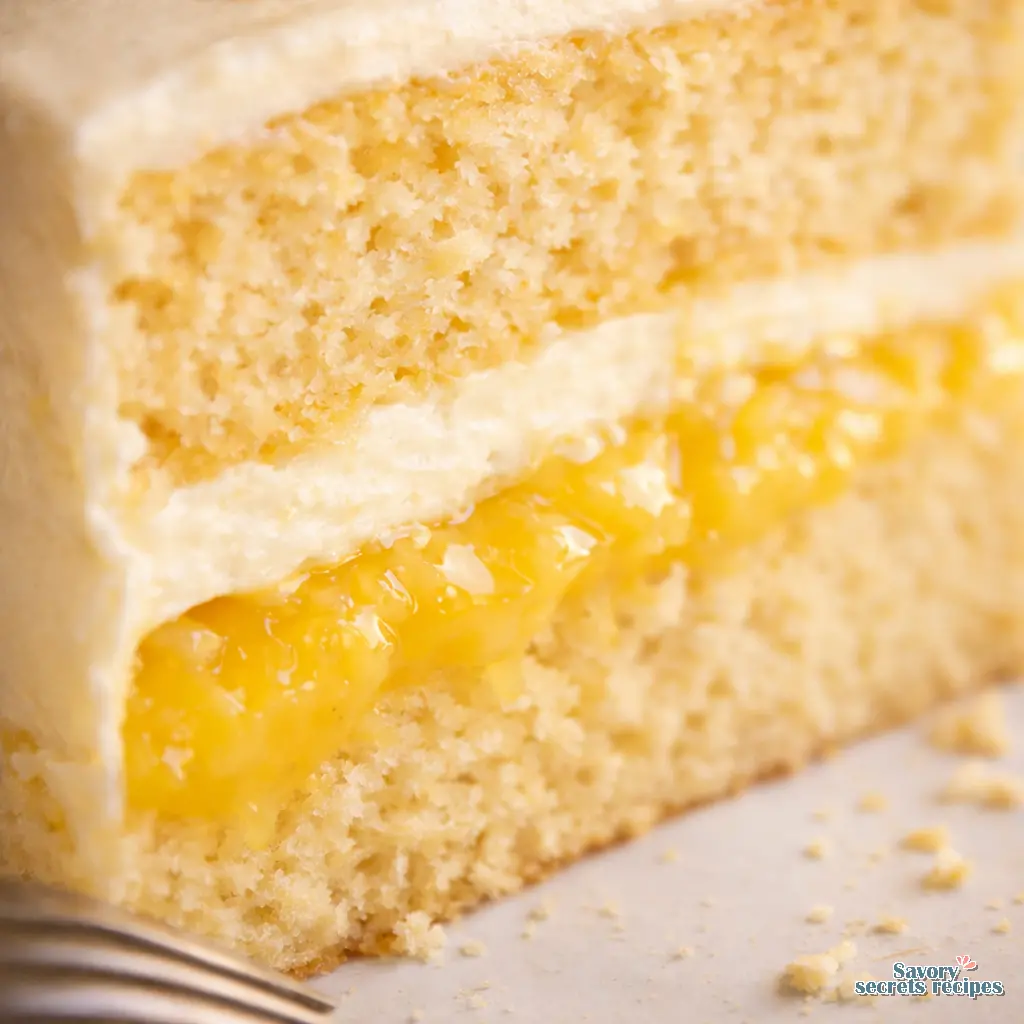
How to Stack a Lemon Layer Cake With Lemon Curd Filling Recipe
Now we’re talking. The architecture of the cake. I know stacking a multi-layered dessert sounds complicated, but you’ve got this. First, let your baked layers cool completely before frosting to prevent melting. Frosting a warm cake is a disaster. I learned this the hard way.
To ensure flat layers, use fabric cake strips around your pans while baking. This prevents doming in the center. Once cooled, brush your layers with a simple lemon syrup. This locks in moisture for several days. Place your first layer on a cake turntable. It’s a game-changing tool for smooth sides. This ensures every bite tastes like a [moist lemon cake] even if you bake the layers a day in advance.
You’ll need an offset spatula to pipe a “frosting dam” around the outer edge of the cake layer. This thick ring of frosting holds the lemon curd filling securely inside. Fill the center with your curd, then place the next cake layer on top. Apply a thin crumb coat to trap any loose crumbs, then chill the cake for 20 minutes. Finally, use a bench scraper to smooth the final layer of frosting around the sides.
Stability Tips for Fruit Fillings
Fruit fillings desperately want to escape. How do you keep the structural integrity intact? That frosting dam I mentioned is your best friend. Make sure your frosting is stiff enough to hold the wall.
If you’re making a lemon layer cake with lemon curd filling recipe from scratch, use the egg yolks left over from whites-only cake recipes. Cook the curd until it easily coats the back of a spoon. It needs to be thick. Most importantly, let the curd cool completely in the fridge before using it. A warm curd will melt your protective frosting dam and leak everywhere. That tracks with what I’ve seen in my own kitchen.
Visual Troubleshooting Guide: Fixing Common Mistakes
Mistake: Using bottled lemon juice instead of fresh.
Solution: Fresh juice is non-negotiable here. Bottled juice oxidizes and tastes incredibly flat. Take the extra five minutes to squeeze fresh lemons.
Mistake: Your batter splits and looks curdled.
Solution: You likely used cold eggs or butter. Bring everything to room temperature. If it splits, sometimes you can save it by gently warming the bowl with a hair dryer while mixing.
Mistake: The cake turns out dry and dense.
Solution: You probably overpacked your measuring cup with flour, or you overbaked it. Weigh your flour, and don’t wait for dark brown edges in the oven. Look for a springy touch in the center.
What is the Best Frosting for Lemon Layer Cake?
In my experience, a cream cheese buttercream is absolutely unmatched here. The slight, savory tang of the cream cheese beautifully balances the sweet powdered sugar and the tart citrus. You’ll need room temperature cream cheese, unsalted butter, powdered sugar, and a splash of vanilla extract.
Whip it until it’s light and airy. If it feels too stiff, add a tiny splash of heavy cream. Some folks prefer a standard vanilla buttercream, but I find it a bit too sweet against the lemon curd. If you want a bakery-style visual for your cake, you can add 1-2 drops of yellow food coloring to the batter or the frosting, though I usually leave mine natural. This frosting is also a fantastic choice for a [fresh lemon sponge cake] if you prefer a less dense dessert.
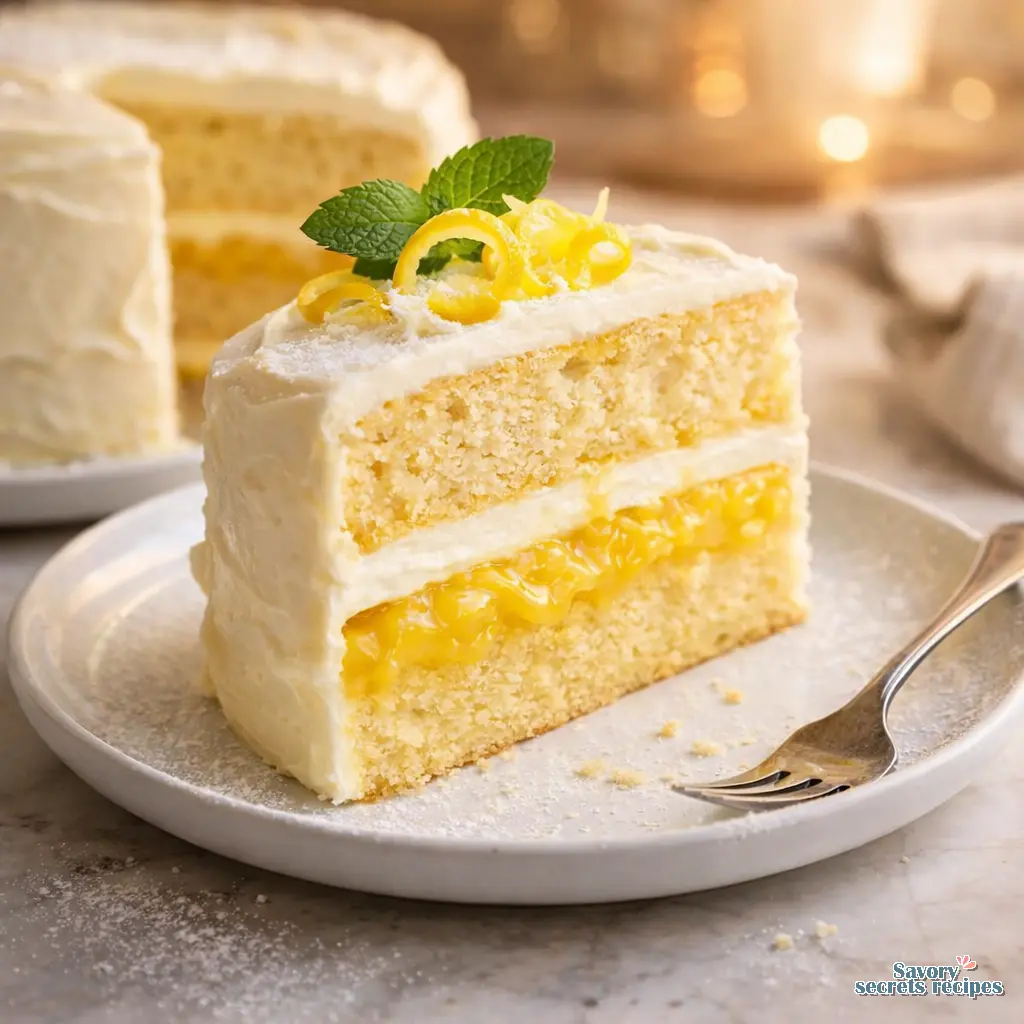
Storage and Freezing Guide
Let’s talk about preserving your hard work. A fully frosted lemon layer cake can sit at room temperature for 2 to 3 days, but only if your frosting is non-perishable. Because my preferred recipe uses cream cheese, you’ll need to store it in the refrigerator. It’ll stay fresh for 3 to 5 days in an airtight container.
Always bring your chilled cake to room temperature for 10 to 15 minutes before serving. Cold cake tastes dense and masks the bright citrus flavors. If you want to prep ahead, you can freeze unfrosted layers for up to 3 months. Wrap them tightly in plastic wrap. A fully frosted cake can be frozen for up to 1 month. Just thaw the frozen layers overnight in the refrigerator before assembling.
Frequently Asked Questions
The Final Slice
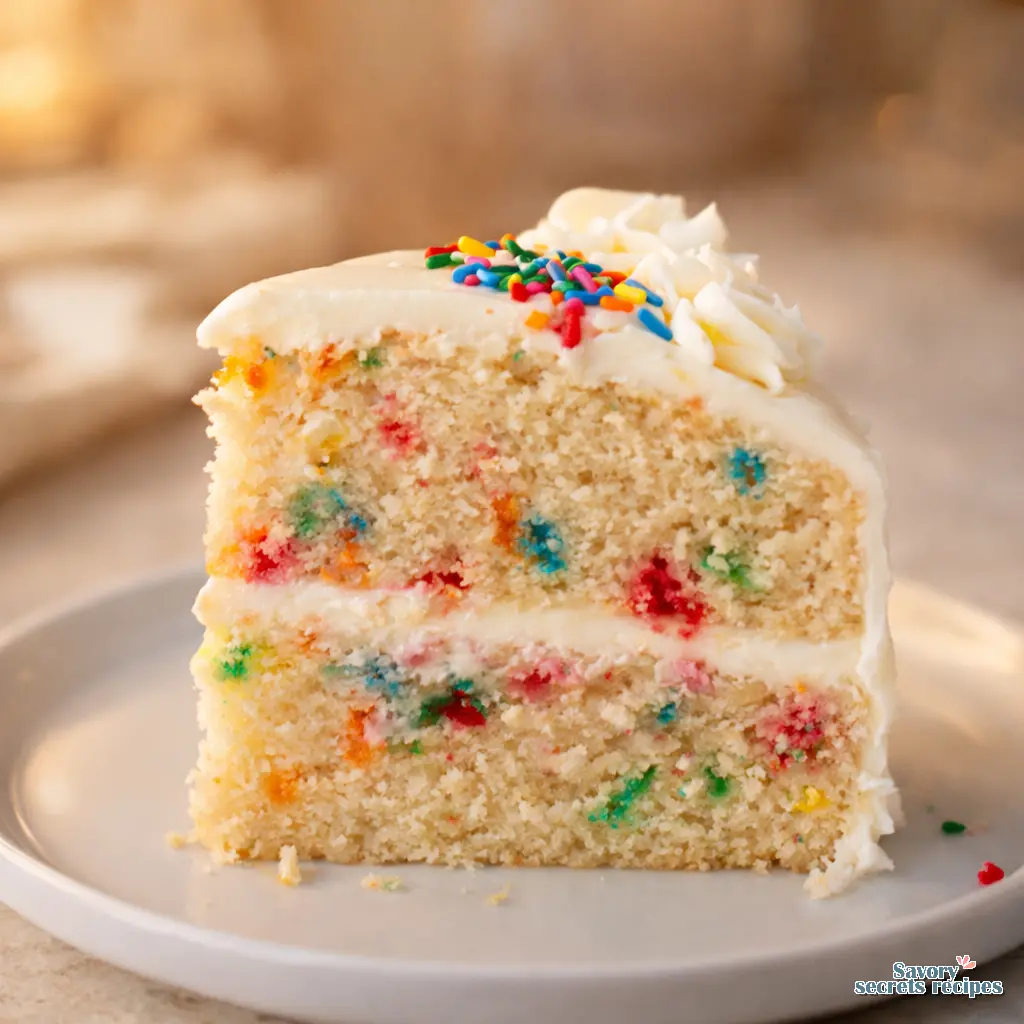
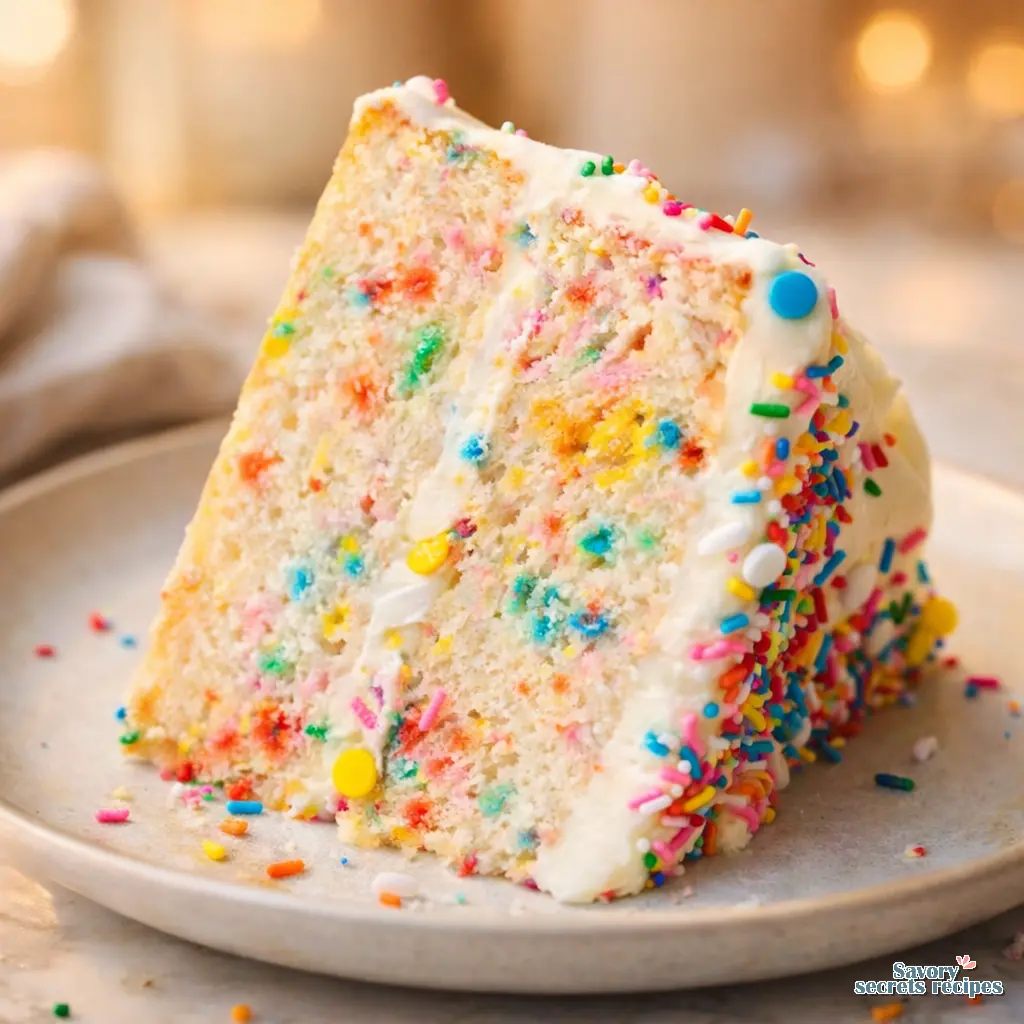
The moment you finally slice into this lemon layer cake, you’ll feel incredibly proud. The smooth glide of the knife, the reveal of that bright yellow curd center, the fresh scent of lemon oil in the air. It’s truly magical. Take a photo before cutting into it, because your friends won’t believe you made it yourself. Serve it with a nice cup of Earl Grey tea, and enjoy the silence at the table when everyone takes their first bite.
You are a baker, and you just pulled off a technical achievement. For more inspiration and ingredient deep-dives, browse my Pinterest boards where I save all my favorite flavor variations and pantry tips. Happy baking!
Reference: Original Source
Can this lemon layer cake be baked in a bundt pan?
I wouldn’t recommend it without modifications. Layer cake batter is too light and tender for a large bundt pan. You’d need to adjust the flour and fat ratios to create a denser structure that won’t collapse when inverted. Stick to round pans for this specific recipe.
Why did my batter split or curdle?
This is almost always a temperature issue. If your eggs, butter, or buttermilk were cold, they’ll shock the batter and cause the fats to separate. Always use room temperature ingredients. If it happens, try warming the bowl slightly with a hair dryer while mixing.
Why is my homemade lemon dessert dry?
A dry crumb usually means you scooped your flour directly from the bag, packing too much into the cup. Always weigh your flour or use the spoon and level method. Overbaking is the other culprit. Pull the cake when the center springs back lightly to the touch.
Can I make this lemon layer cake gluten-free?
Yes, you absolutely can. Swap the all-purpose flour for a high-quality, cup-for-cup gluten-free flour blend that contains xanthan gum. If your blend doesn’t have xanthan gum, add a half teaspoon to provide the structural integrity the cake needs to hold together.
Can you freeze this lemon cake?
You sure can. Unfrosted cake layers freeze beautifully for up to 3 months if wrapped tightly in plastic wrap. You can also freeze the fully frosted cake for up to 1 month. Thaw everything overnight in the refrigerator before serving.
How do I store leftover lemon layer cake?
Because we’re using a cream cheese frosting, you must store leftovers in the refrigerator. Keep the slices in an airtight container to prevent them from drying out or absorbing fridge odors. They’ll keep for 3 to 5 days. Let slices sit at room temperature briefly before eating.