



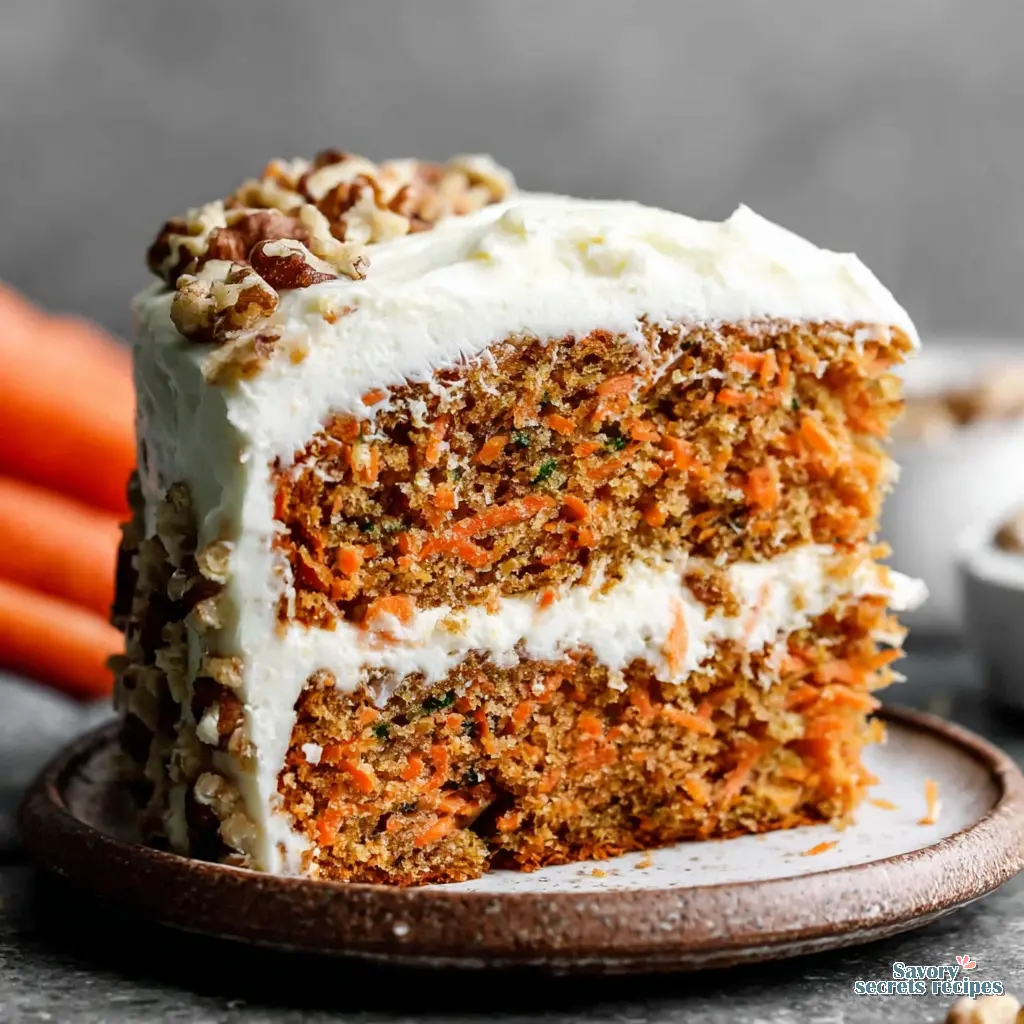
Easy Carrot Cake Recipe for Beginners One Bowl
Ingredients
Method
- Preheat oven to 180°C (350°F). Grease and flour two 8-inch round cake pans.
- Whisk dark brown sugar, vegetable oil, eggs, yogurt, and vanilla extract in a mixing bowl until smooth and creamy.
- Combine flour, baking powder, baking soda, cinnamon, ginger, cardamom, and nutmeg in a separate bowl.
- Gradually stir dry ingredients into the wet mixture until just combined.
- Fold in grated carrots and optional walnuts and raisins.
- Divide batter evenly between prepared pans and bake for 25-30 minutes until a toothpick inserted in the center comes out clean.
- Remove cakes from pans and transfer to a wire rack to rest.
- Beat softened unsalted butter and cream cheese in a large mixing bowl until light and fluffy.
- Gradually mix in icing sugar until smooth, then stir in vanilla extract.
- Adjust consistency with a small amount of milk if the frosting is too thick.
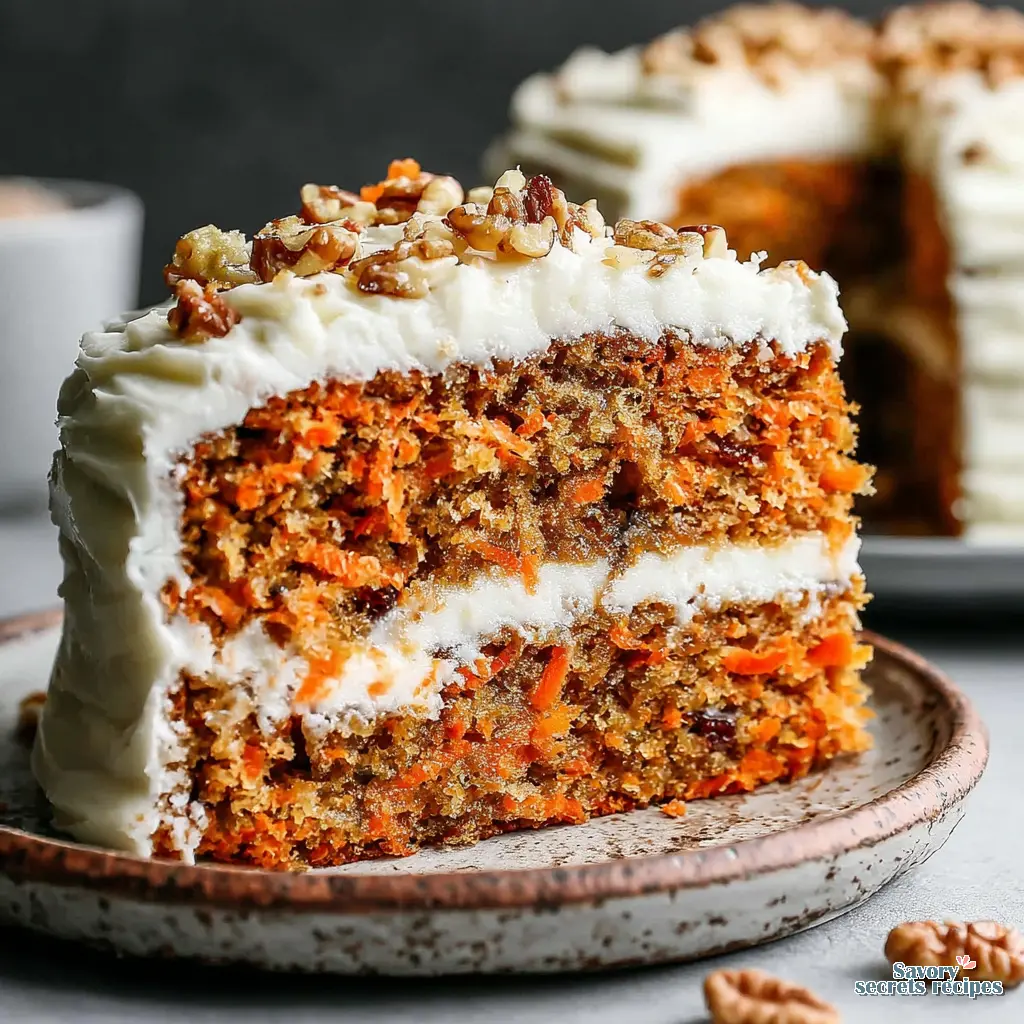
- Place one cooled cake layer on a serving platter and spread a generous layer of frosting on top.
- Place the second cake layer on top and frost the top and sides of the cake.
- Sprinkle chopped walnuts on top to finish.
Nutrition
Notes
The Lazy Baker’s Dream: A Truly Moist Carrot Cake Recipe
It was a Wednesday evening, about 35 minutes before I needed to have dinner on the table, and I had absolutely zero energy left. You know that specific kind of weeknight dinner panic. I wanted to bake something comforting for my family, but the thought of creaming butter, sifting dry ingredients into three separate bowls, and washing a mountain of dishes made me want to cry. I just couldn’t do it. But I still wanted cake. That is exactly how this moist carrot cake recipe became my ultimate fallback plan.
I mean, who has time for elaborate pastry projects on a random Tuesday? Not me. My grandmother Zoya used to stand in her Brighton Beach kitchen and make me calculate baker’s percentages on paper before I was allowed to touch the flour. She insisted baking was math you could eat. She was right, of course. But even Zoya knew the value of a quick dessert when the kids are hungry and you are exhausted. This easy carrot cake dessert is the exact opposite of intimidating. While I often crave a traditional classic carrot cake, even Zoya knew the value of a quick dessert when the kids are hungry.
It is a one bowl wonder. Seriously. Just one bowl. You dump, you stir, you bake. Maya, my daughter, actually sits on the counter and helps me whisk the batter because it is that simple. If you have been searching for an easy carrot cake recipe for beginners one bowl style, you just found your holy grail. Let’s get into the details so you can get this in the oven.
The Chemistry of Carrot Cake: Why Carrots Sometimes Turn Green
Let’s be clear about this right up front. If you have ever baked a carrot cake and sliced into it only to find your beautiful orange carrots have turned an unappetizing shade of alien green, you are not alone. It looks terrifying. It is not mold. It is just basic chemistry.
Carrots contain pigments that are highly sensitive to pH changes. When those pigments interact with an alkaline environment (like heavy pockets of unmixed baking soda), they change color. That is the correct instinct to panic slightly, but the cake is completely safe to eat. To prevent this in our moist carrot cake recipe, you must whisk your dry ingredients thoroughly. I cannot stress this enough. Disperse that baking soda evenly through the plain flour before the wet ingredients hit the bowl.
I learned this the hard way during a recipe testing marathon. Twelve batches of cake, all looking like a science experiment gone wrong. Whisking prevents green spots. We are not guessing on this one.
Oil vs. Butter: The Secret to a Moist Crumb
People always ask me how to make carrot cake moist without butter. The truth is, butter is actually the enemy of a soft texture in this specific application. I prefer European-style butter for laminated doughs, and the difference there is undeniable. But for a sheet cake? That’s not how this works.
Butter contains about 20 percent water. When it bakes, that water evaporates, which can leave a dense cake feeling dry after a day. Vegetable oil, on the other hand, is 100 percent fat. It coats the flour proteins, preventing excessive gluten formation, and remains liquid at room temperature. That is what gives this moist carrot cake recipe its pillowy, melt-in-your-mouth texture. If you prefer the flavor of a more traditional homemade carrot cake, you might choose butter, but oil is the secret to moisture here.
To balance the oil and keep the cake from feeling greasy, we bring in the real hero: unsweetened applesauce. The pectin in the applesauce holds onto moisture brilliantly. It acts as a binder and creates an incredibly soft texture without weighing the cake down. Just make sure you are using plain, unsweetened applesauce. We want to control the sugar levels ourselves.
The Ultimate Carrot Grating Comparison
I will admit something that might get my pastry chef card revoked. I have used pre-shredded bagged carrots when I was in a desperate rush. And I regretted it immediately. Those bagged carrots are dry, hard, and coated in preservatives to keep them crisp. They will not melt into your cake. They will sit there like crunchy little twigs.
You must grate whole carrots at home. It is non-negotiable for this moist carrot cake recipe. The moisture locked inside fresh carrots is half the liquid equation for the batter. If you use a box grater, go for the finer holes. A fine grate allows the carrots to practically dissolve into the crumb, releasing all their natural sugars and water. If your home-grated carrots are excessively wet (sometimes winter carrots are waterlogged), just dab them gently with a paper towel before folding them into the batter.
Visual Troubleshooting: Perfect vs. Overbaked
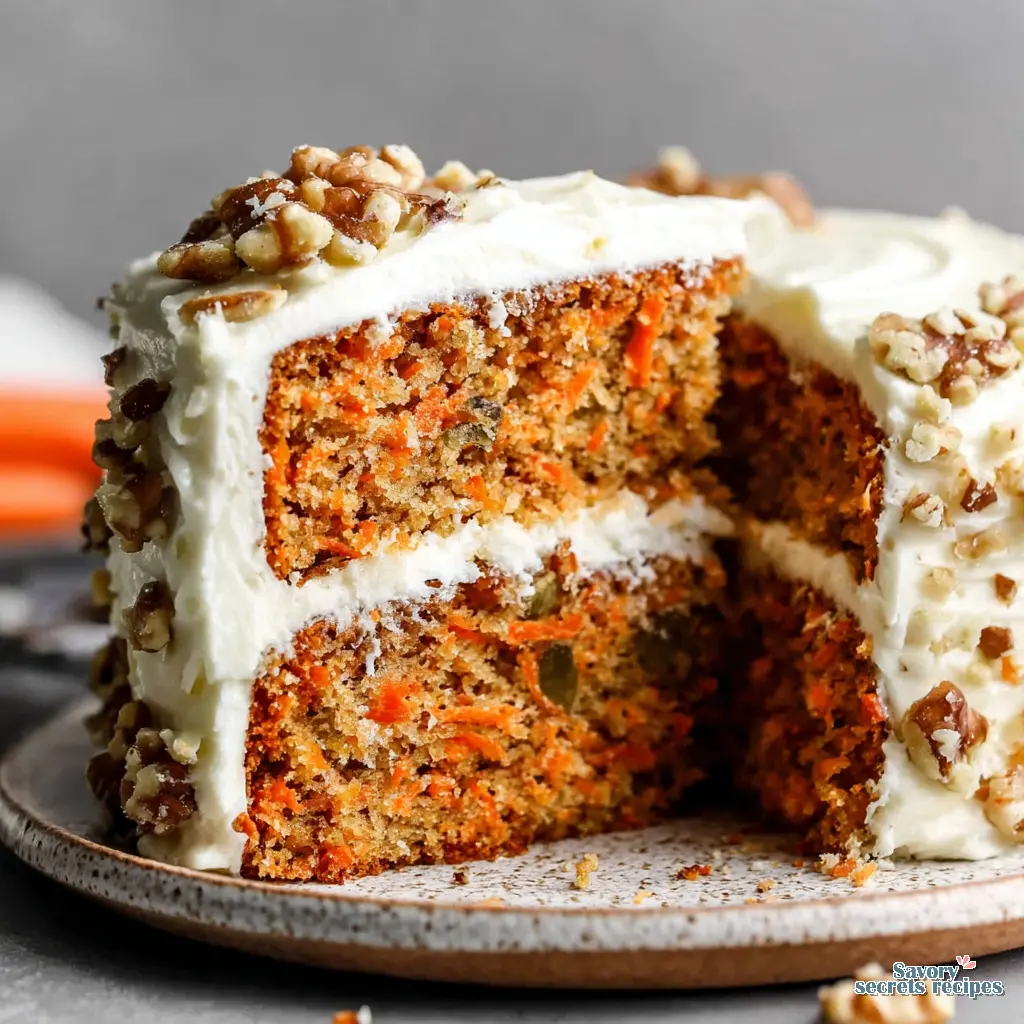
I teach a lot of beginner baking classes, and the number one way people ruin an easy carrot cake dessert is by leaving it in the oven too long. They wait for the center to feel completely firm to the touch. By the time the center is firm, the edges are effectively croutons.
You need to watch the visual cues, not just the clock. Every home oven is different. I once ruined a week of testing because my oven was running twenty degrees hot. Check your cake at the 35-minute mark if you are using a 9×13 pan. The edges should be pulling away slightly from the parchment paper. The center should look set but still have a slight spring when you press it gently. A toothpick inserted in the middle should come out with a few moist crumbs attached. Not wet batter, but moist crumbs.
Also, please measure your plain flour correctly. Spoon the flour into your measuring cup and level it off with a knife. If you scoop directly from the bag, you are packing up to 25 percent more flour into the cup. That leads to a dense, heavy brick instead of a soft texture.
Common Mistakes & Fixes
Mistake: The cake is dense and heavy.
Solution: You likely overmeasured your flour or overmixed the batter. Mix just until the dry ingredients disappear. Don’t worry about being perfect.
Mistake: The frosting is runny and sliding off the cake.
Solution: Two possibilities. Either your cake was still warm when you frosted it (patience is hard, I know), or you used tub-style cream cheese spread instead of the solid brick.
Mistake: The carrots have a weird crunchy texture.
Solution: You used pre-shredded carrots from the produce aisle. Always grate fresh whole carrots for baking.
Pro-Tips for Cream Cheese Frosting Stability
Temperature matters here. If your unsalted butter is too warm, start over. If your cream cheese is straight from the fridge, it will be lumpy. You want both ingredients at a cool room temperature (about 65°F). They should yield to gentle pressure but still hold their shape. Mastering this frosting is the key to a perfect cream cheese carrot cake that doesn’t melt off the sides.
And I need you to show me your process when it comes to the cream cheese itself. You absolutely must use full-fat, brick-style cream cheese. Do not use the whipped stuff in a tub. The tub version has added water and air to make it spreadable for bagels. If you beat that with icing sugar, it turns into a soupy mess. I have seen it happen a hundred times.
Finally, cool your cake 100 percent before frosting. Not mostly cool. Completely cold. If there is even a hint of warmth left in that 9×13 pan, the butter in the frosting will melt, and you will have a glazed cake instead of a frosted one. Stick it in the fridge for twenty minutes if you are impatient.
The 72-Hour Flavor Development Study
Here is the real secret about this moist carrot cake recipe. It actually tastes better on day two. And even better on day three. I am not entirely convinced this works for all cakes, but the data suggests it is true for anything heavily spiced and oil-based.
When you first pull it from the oven, the ground cinnamon, ground ginger, and cardamom powder are sharp and distinct. The vanilla extract sits on top of the flavor profile. But as the cake rests in the refrigerator, the moisture from the applesauce and the shredded carrots redistributes through the crumb. The spices mellow and meld together. The sugars from the carrots continue to hydrate the flour. This mellowing process is what makes a spiced carrot cake taste even better several days after baking.
If you have a holiday potluck or a weekend brunch coming up, do yourself a favor and bake this easy carrot cake dessert a day ahead. The flavor deepens, the crumb gets even softer, and you get to sleep in instead of stressing over a hot oven.
Storage and Freezing Guide
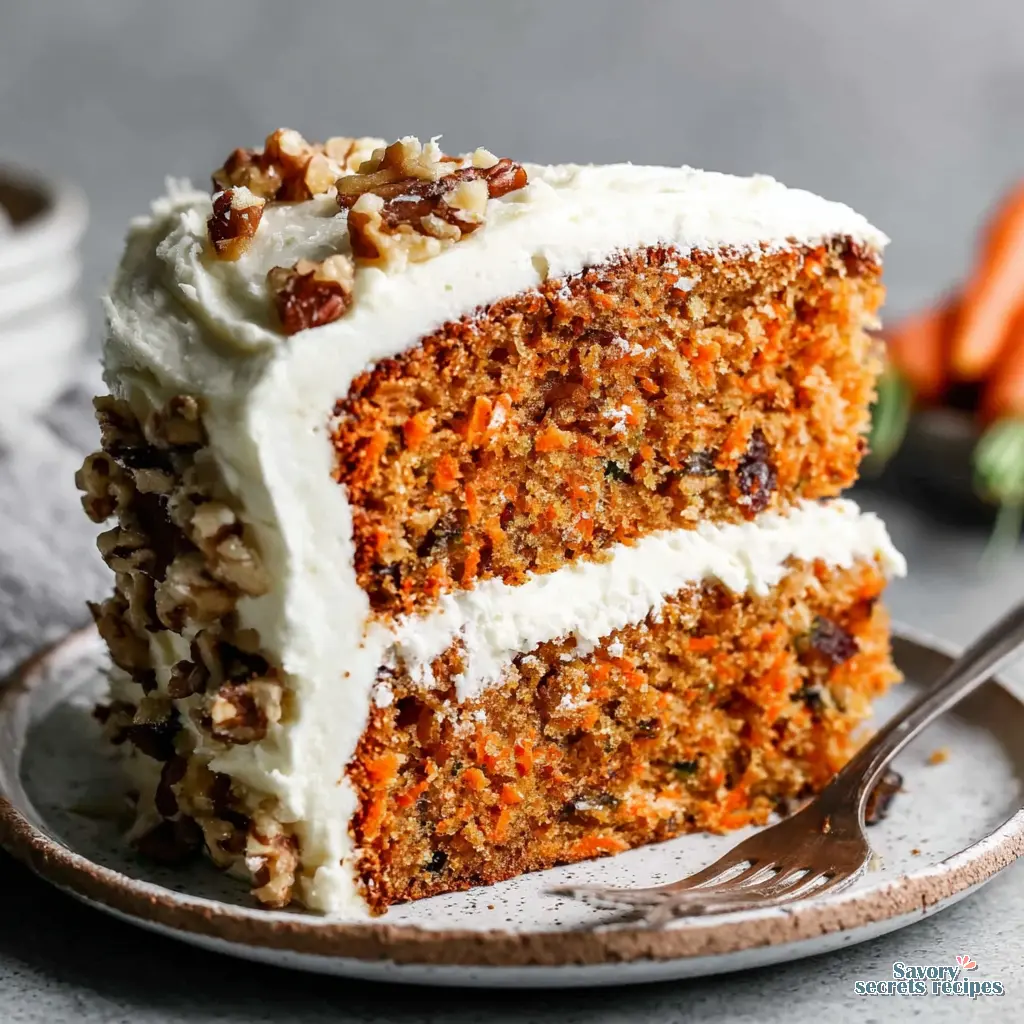
Because this moist carrot cake recipe relies on cream cheese frosting, you must store it in the refrigerator. Leave it at room temperature for serving, but keep it chilled for long-term storage. Cover the 9×13 pan tightly with plastic wrap or transfer slices to an airtight container. It will stay incredibly soft and fresh for up to 7 days in the fridge.
If you want to freeze it, I highly recommend freezing the unfrosted cake layers. Wrap the completely cooled cake tightly in a layer of plastic wrap, followed by a layer of aluminum foil. It freezes beautifully for up to 3 months. Let it thaw overnight in the refrigerator, then whip up a fresh batch of frosting the next day. Freezing frosted cake is possible, but the cream cheese can sometimes separate and become slightly grainy as it thaws. It is not ruined, but the texture isn’t quite as luxurious.
Frequently Asked Questions
Ready to Bake?
I know weeknights are chaotic, and the last thing you want is a complicated baking project. But the smell of cinnamon and vanilla filling your house is worth the ten minutes of prep time this takes. You’ll have a gorgeous, soft texture cake that looks like you spent hours in the kitchen. Grab some fresh carrots on your next grocery run and give this a try. I promise, once you see how forgiving this batter is, you’ll be making it constantly.
If you end up modifying the spices or adding different mix-ins, let me know how it turns out. I share tons of variations and behind-the-scenes baking tests on my Pinterest boards if you want more ideas for quick weeknight wins. You’ve got this. Happy baking!
Reference: Original Source
What is the secret to a truly moist carrot cake recipe?
The secret is replacing butter with vegetable oil and adding unsweetened applesauce. Oil coats the flour to prevent tough gluten, while applesauce holds onto hydration during baking. Grating fresh whole carrots also adds essential natural water to the batter.
How to make carrot cake moist without butter while maintaining a light texture?
Use a neutral oil and plain yoghurt or applesauce. The key to keeping it light is not overmixing. Once you add the dry ingredients to the wet, fold them gently just until the streaks of flour disappear. Overmixing creates a dense, heavy brick.
Can I make this easy carrot cake recipe for beginners one bowl without using a stand mixer?
Absolutely. You do not need a stand mixer for the cake batter at all. A simple balloon whisk and a sturdy spatula are perfect. You’ll only need a hand mixer to get the cream cheese frosting smooth and fluffy.
What are the best warm spices to include in an easy carrot cake dessert?
Ground cinnamon is mandatory. I also strongly recommend ground ginger for a slight bite, ground nutmeg for warmth, and a pinch of cardamom powder if you have it. The cardamom adds a beautiful, slightly floral complexity that elevates the whole dessert.
How long does homemade carrot cake stay fresh in the refrigerator?
Properly stored in an airtight container, this moist carrot cake recipe stays fresh for up to 7 days in the fridge. Because of the oil and applesauce, it actually gets softer and more flavorful on the second and third days.
Can I grate the carrots ahead of time?
Yes, you can grate them up to two days in advance. Store them in an airtight container in the fridge. If they release a lot of water while sitting, dab them gently with a paper towel before adding them to your batter.
Can I use this recipe to make cupcakes instead?
You certainly can. Line a muffin tin with paper liners and fill them two-thirds full. Bake at 350°F for about 18 to 22 minutes. Check them early. Once a toothpick comes out with moist crumbs, pull them from the oven immediately.
Why did my carrots turn green after baking?
This is a harmless chemical reaction between the pH-sensitive pigments in the carrots and pockets of unmixed baking soda. To prevent green spots, always whisk your baking powder, baking soda, and flour together thoroughly before adding them to the wet ingredients.