



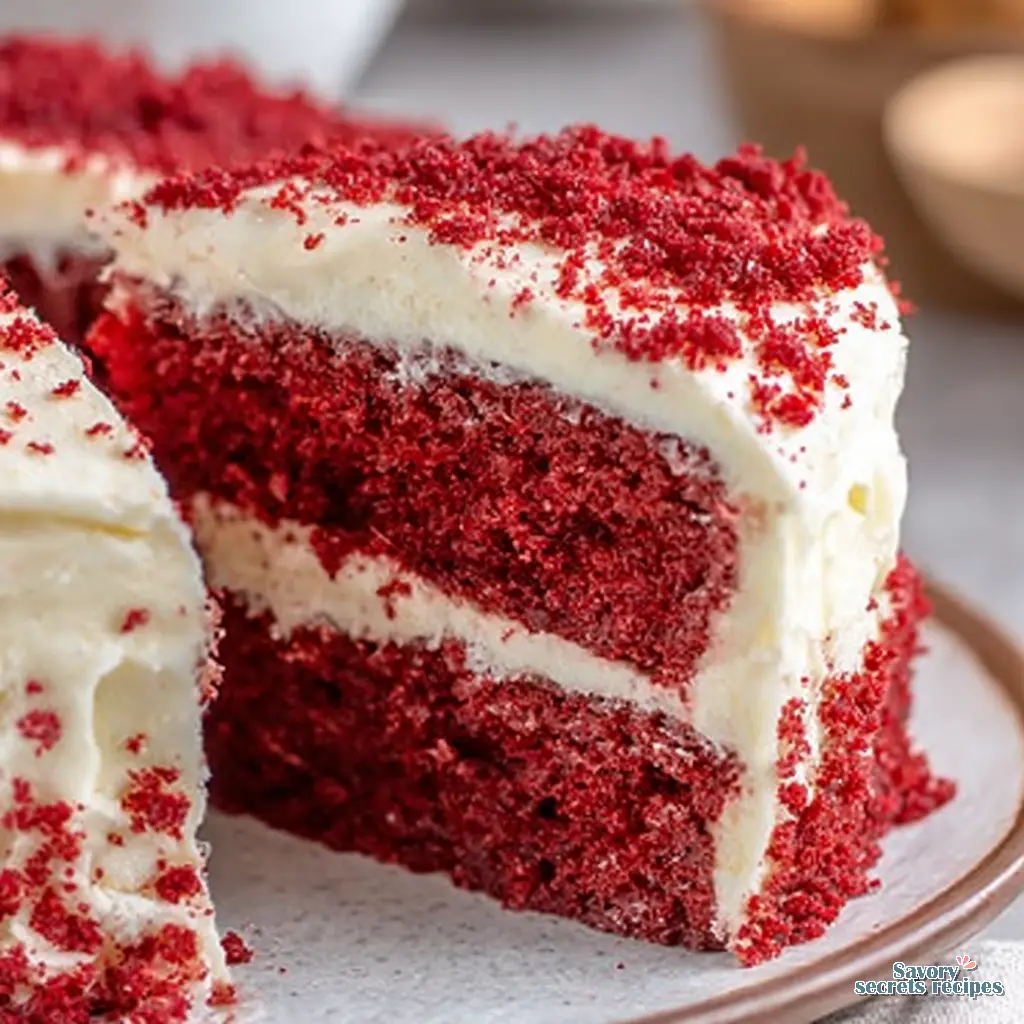
Moist Red Velvet Cake With Stable Cream Cheese Frosting
Ingredients
Method
- Preheat the oven to 350°F (175°C). Grease and line two 9-inch round cake pans with parchment paper.
- Sift the flour, cocoa powder, baking soda, and salt into a medium bowl and set the mixture aside.
- Beat the sugar and butter in a large bowl for 3 to 4 minutes until the mixture is light and fluffy.
- Add the eggs one at a time, beating the batter well after each addition.
- Mix in the red food coloring and vanilla extract until the color is evenly distributed.
- Incorporate one-third of the flour mixture into the batter on low speed. Add half of the buttermilk and mix. Repeat the process, finishing with the flour mixture, and mix until just combined.
- Combine the vinegar and baking soda in a small bowl, then quickly fold the foaming mixture into the batter.
- Divide the batter evenly between the prepared pans and bake for 30 to 35 minutes until a toothpick inserted comes out clean.
- Let the cakes cool in the pans for 10 minutes, then transfer them to wire racks to cool completely.
- Beat the cream cheese and butter together until smooth. Gradually add the powdered sugar one cup at a time, beating well, then add the vanilla and beat until fluffy.
- Place one cake layer on a serving plate and spread frosting over the top. Add the second layer and frost the top and sides of the cake.
- Refrigerate the cake until ready to serve, then bring it to room temperature 30 minutes before serving for the best flavor.
Nutrition
Notes
The Secret to a Truly Moist Red Velvet Cake
Wednesday evening, and Maya is staring at a dry, crumbly bakery cake we picked up in a rush. Let’s be clear about this. A dry cake is an absolute tragedy. Grandmother Zoya would have thrown it directly into the trash without a second thought. I once ruined an entire week’s worth of recipe testing because I didn’t account for my home oven running twenty degrees hot. Twelve batches of cake, all overbaked and sad. I had to tell my editor we were pushing the deadline, and I’d never felt more incompetent in my life. But that exact failure forced me to obsess over the variables that actually keep a crumb soft. While many bakers start with a classic red velvet cake, this version focuses specifically on extreme moisture.
During these cooler LA winter months when we actually use our ovens, this moist red velvet cake is the only one you’ll ever need. It’s the ultimate Mother’s Day centerpiece or birthday cake. I know the internet is flooded with recipes claiming to be the best, but we’re not guessing on this one. I’ve engineered this one-bowl batter to be entirely foolproof. It smells like rich cocoa and vanilla extract, and that first bite is pure, melt-in-your-mouth perfection. You’ve got this.
Crumb Comparison: Why Oil Beats Butter Here
I prefer European-style butter with higher fat content for almost everything. The flavor is undeniable. But temperature matters here. When you bake a butter-based cake and put it in the fridge, the butter solidifies. The cake feels dense, almost heavy. That’s not how this works if you want a genuinely moist red velvet cake.
By using vegetable oil or canola oil instead, the fat remains liquid even when chilled. This is the exact reason an oil-based cake stays incredibly soft for days. It’s math you can eat. You get a tender, moist crumb that doesn’t dry out, even after refrigeration. Plus, the oil allows the subtle chocolate flavor from the unsweetened cocoa powder to shine without competing with heavy butter notes. Trust me on this. Worth it. This oil-based method provides a different mouthfeel than a traditional southern red velvet cake.
Pro-Tips for a Soft, Cloud-Like Texture
I need you to show me your process, because baking is all about precision. First, practice Mise en Place by measuring everything before starting. Weigh your dry ingredients, especially the all-purpose flour, for consistent results. If you pack flour into a measuring cup, your cake will be dry. Period.
Bring all cold ingredients like your large eggs and buttermilk to room temperature or slightly warm to prevent curdling the batter. When you combine the wet and dry ingredients, gently fold them together to prevent gluten formation and ensure softness. Do not overmix after adding flour to maintain that velvet texture. Whisking should be gentle. If you want to enhance the chocolate flavor and moisture even further, add a splash of plain prepared coffee to the batter. Increase your baking temperature by 15 to 20 degrees if you aren’t using a fan-forced oven, and whatever you do, do not open the oven door too early to prevent cake collapse. Finally, wrap your cakes tightly in plastic wrap while they’re still warm to seal in all that beautiful moisture.
The Frosting Stability Guide for Decorating
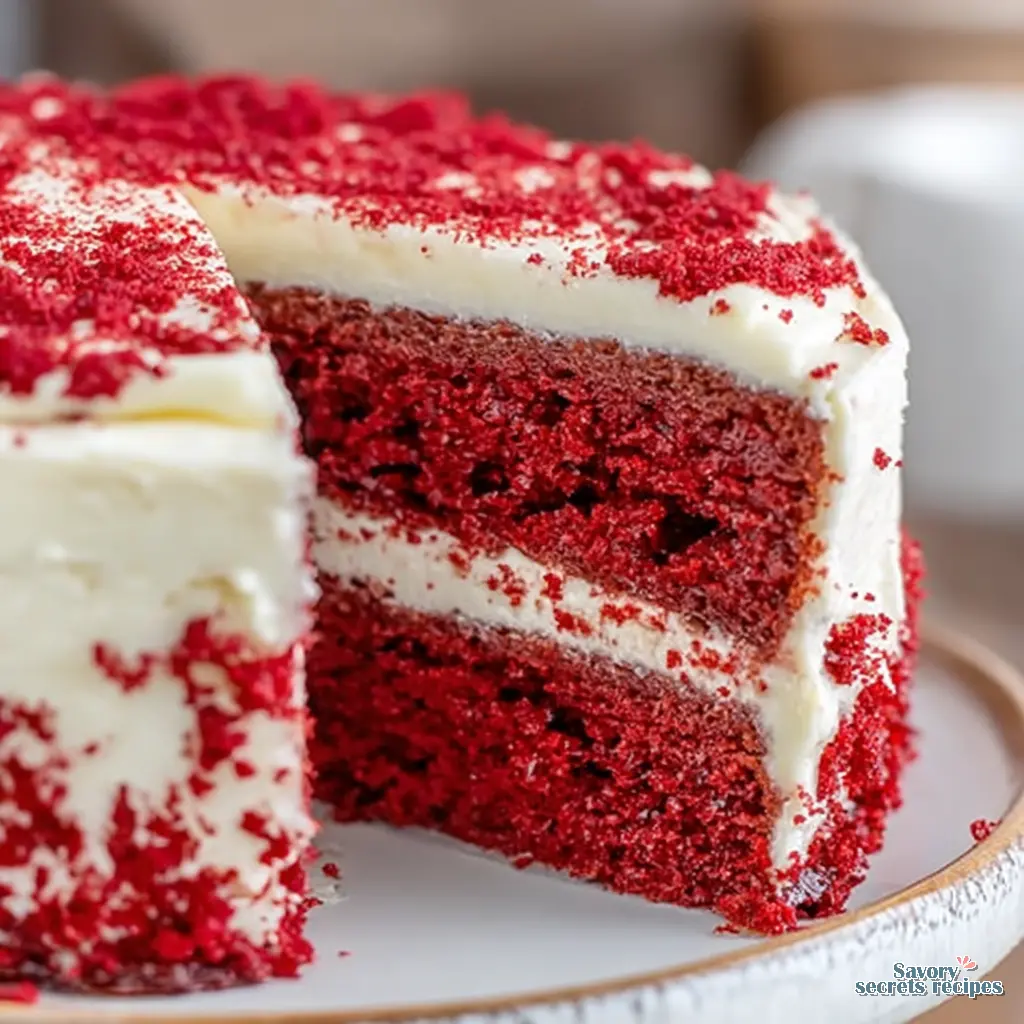
Let’s talk about the frosting. A cream cheese frosting cake is iconic, but it can turn into a runny nightmare if you aren’t careful. The secret to the best cream cheese frosting for red velvet cake that holds its shape is temperature control. Your butter’s too warm? Start over. It will melt the cream cheese and you’ll end up with soup.
Always use full-fat block cream cheese. Philadelphia brand is highly recommended for frosting stability because the water content is perfectly balanced. Tubs of cream cheese spread will ruin your life here. Sift your powdered sugar to ensure a silky, non-gritty texture. If you want to pipe beautiful rosettes or swirls using a 1M tip, the frosting needs structure. Apply a thin crumb coat first, chill the cake, and then go in with your offset spatula for the final layer. It should feel like a thick, stable cloud.
Visual Troubleshooting Guide
Mistake: Opening the oven door too early causing the center to collapse.
Solution: Watch the windowpane test, not the clock. Let the structure set before you introduce cold drafts.
Mistake: Overmixing the batter leading to tough gluten strands.
Solution: Once the flour hits the wet ingredients, switch to a spatula. Fold gently. You want a tender moist red velvet cake, not bread.
Mistake: Handling or frosting cakes while they’re still warm.
Solution: They will break. Chill your cakes before assembly. It’s essential for delicate crumbs.
Mistake: Big, unsightly holes in the baked cake.
Solution: This is a normal gas reaction from the baking soda and vinegar. To fix it, generously grease pans with shortening, dust with flour, and tap the filled pans firmly on the counter three times before baking to release trapped air.
Buttermilk, Cocoa, and Natural Dye Substitutions
You need the acidic tang of buttermilk to react with the baking soda. It’s non-negotiable for the lift and flavor. But if you’re out, make a homemade buttermilk substitute. Mix 1 cup of milk with 1 tablespoon of white vinegar or lemon juice. Let it sit for 5 minutes until it curdles. That’s the correct instinct.
For the cocoa, use Dutch-processed cocoa powder for a deeper flavor and better color payoff. Regular natural cocoa powder works, but the red won’t pop as beautifully. Speaking of color, liquid food coloring is the standard. However, if you want a natural approach, you can use concentrated beet juice. For a natural dye ratio, replace the liquid food coloring with an equal amount of highly reduced beet juice or a tablespoon of beet powder dissolved in water. Fine, but document what you changed so you can adjust the moisture next time. Perfecting these ratios is the first step to creating a professional-quality homemade velvet cake.
Storage Guide: How to Keep Red Velvet Cake Moist for Days
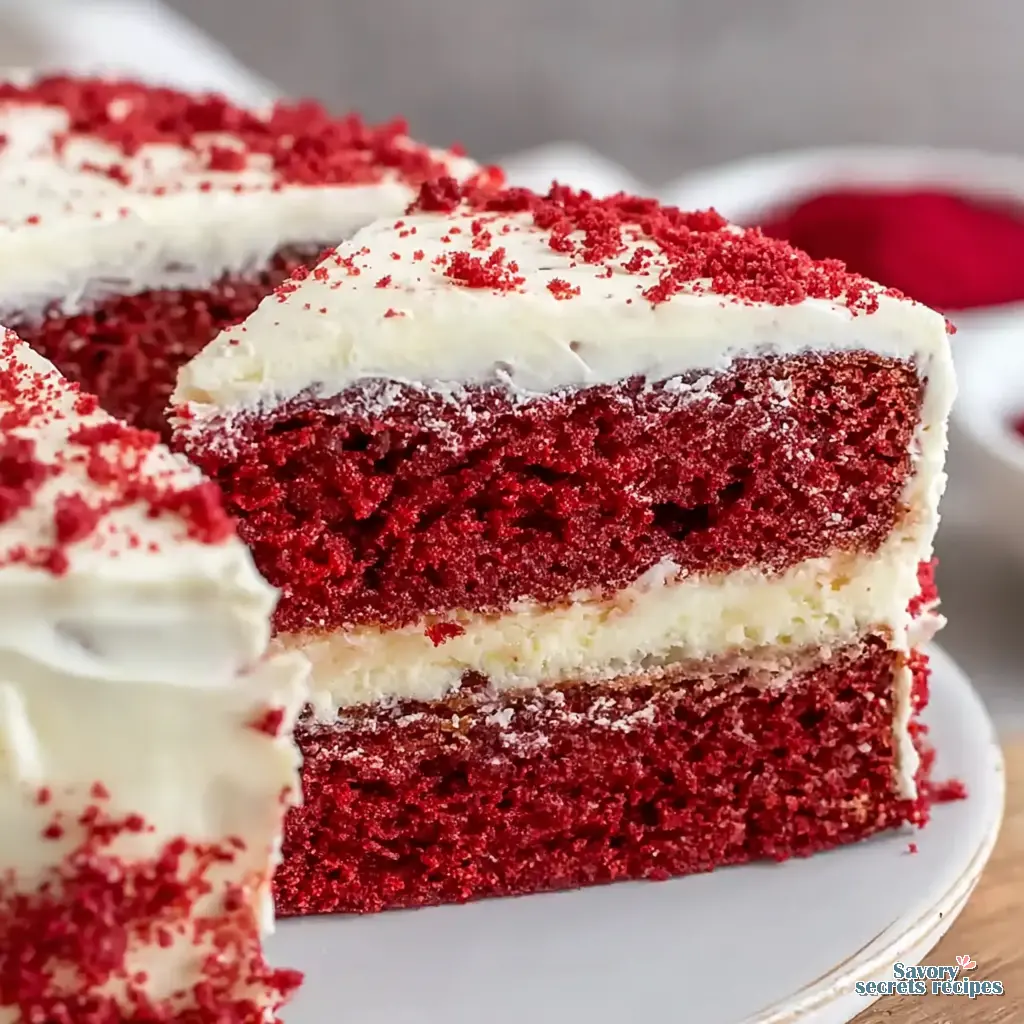
If you’re wondering how to keep red velvet cake moist for days, it’s all about how you handle it post-bake. Refrigerate delicate cake layers before stacking and frosting to prevent breaking. Once assembled, chill the frosted cake for 30 minutes to set the cream cheese frosting, then wrap the entire thing tightly in cling wrap.
You can refrigerate it in an airtight container for up to 7 days. If you’re meal prepping for a party, freeze the unfrosted layers wrapped tightly in plastic wrap for up to 1 week. When you’re ready to serve, bring the cake to room temperature for 30 to 60 minutes before eating. Cold cake masks the flavor and makes the crumb feel dense. Serve at room temperature for the absolute best flavor and texture.
Frequently Asked Questions
There’s nothing quite like watching someone finally understand the science behind a recipe. That moment when they pull a perfectly level, incredibly soft cake out of the oven, their whole face lights up. This moist red velvet cake is practically guaranteed to give you that moment. Make sure you save a slice for yourself before it’s entirely gone, because it will disappear fast.
If you bake this for your next gathering, I’d love to see how your frosting swirls turned out. For more inspiration, check out my Pinterest boards where I share all my favorite baking techniques and seasonal variations. Happy Baking!
Reference: Original Source
Can I use gel food coloring instead of liquid?
Yes, you absolutely can. Gel coloring is highly concentrated, so you’ll need significantly less than liquid dye. I recommend starting with a half teaspoon of high-quality red gel. If your batter feels too thick without the liquid volume, dilute the gel with a tiny splash of water or milk.
Can I use this recipe to make red velvet cupcakes?
You certainly can. This moist red velvet cake batter adapts perfectly to a cupcake pan. Fill the liners about two-thirds full and bake at 350°F for 18 to 20 minutes. Check them with a toothpick. They’re fantastic for quick office potlucks or school events.
Can I use a buttermilk substitute?
If you don’t have real buttermilk, making a substitute is easy. Mix 1 cup of whole milk with 1 tablespoon of white vinegar or fresh lemon juice. Let it sit for 5 minutes until it thickens and slightly curdles. Alternatively, you can use sour cream thinned with a little milk.
What is red velvet cake?
It’s not just dyed chocolate cake. A proper red velvet cake is a delicate balance of vanilla, a hint of cocoa, and the distinct tang of buttermilk. The reaction between the acidic buttermilk, vinegar, and baking soda creates a uniquely soft, velvety crumb that defines the dessert.
What does red velvet cake taste like?
It tastes like a mild, sweet cocoa cake with a prominent buttery vanilla background and a slight, pleasant tanginess from the buttermilk. When paired with sweet and tangy cream cheese frosting, it creates a perfectly balanced, rich flavor profile that isn’t overly heavy.
What Cream Cheese Frosting should I use?
You need a stable cream cheese frosting for red velvet cake. Use full-fat block cream cheese, specifically Philadelphia brand, and real unsalted butter. Make sure both are slightly softened but still cool to the touch. Sift your powdered sugar to keep it perfectly smooth and pipeable.
Can I substitute Dutch processed cocoa powder with regular cocoa powder?
You can, but I don’t prefer it. Dutch-processed cocoa has a smoother, deeper flavor and darker color. Regular natural cocoa is more acidic. If you use natural cocoa, your cake will still taste good, but the red color might lean slightly more orange or muddy.
Why do my cakes have big holes in them?
Those holes are trapped carbon dioxide gas from the reaction between the baking soda and vinegar. To minimize them, generously grease your pans, pour the batter evenly, and firmly tap the pans on your kitchen counter a few times before putting them in the oven to release the air bubbles.
Can I make this cake in advance?
Yes, this moist red velvet cake is perfect for making ahead. You can bake the layers, wrap them tightly in plastic wrap while still slightly warm, and freeze them for up to a week. Thaw them in the fridge overnight before you plan to assemble and frost.
How to store red velvet cake?
Because of the dairy in the frosting, you must refrigerate it. Place the cake in an airtight container or cover it with a cake dome. It will stay fresh for up to 7 days. Always let slices sit at room temperature for 30 minutes before eating for the best texture.
Can I leave out the red food coloring?
Absolutely. The food coloring is purely aesthetic. If you leave it out, you’ll end up with a light, reddish-brown cake that tastes exactly the same. The moisture, the tang, and the velvety crumb will still be perfect. It just won’t have that signature dramatic look.
Can I leave out the cocoa powder?
I wouldn’t recommend it. While it’s only a small amount, the cocoa powder provides essential structure and a subtle depth of flavor that balances the sweetness. Removing it entirely changes the chemical makeup of the dry ingredients, which can compromise that signature velvety texture.
Is a red velvet cake just a chocolate cake?
Not at all. A traditional chocolate cake relies heavily on cocoa or melted chocolate for its primary flavor and structure. A moist red velvet cake uses only a fraction of the cocoa and relies on buttermilk and vinegar for its unique tender texture and tangy flavor profile.