



New Orleans Shrimp and Grits with Worcestershire Sauce
Ingredients
Method
- Melt 1 tablespoon of butter in a large saucepan over medium-high heat. Add the shallot and cook, stirring occasionally, until softened and translucent, about 2 minutes.
- Add the broth, milk, salt, and pepper to the saucepan and bring to a boil over medium-high heat. Slowly whisk in the grits and reduce the heat to medium. Cook, whisking often, until the grits are thickened and tender, about 5 minutes.
- Remove the saucepan from the heat and whisk in the cheese, cream, and the remaining 1 tablespoon of butter until smooth. Cover and keep warm.
- Heat the oil in a large nonstick skillet over high heat. Add the shrimp and sprinkle with salt; cook undisturbed until golden brown, about 2 minutes. Flip the shrimp and cook undisturbed until lightly browned but not fully cooked, about 1 minute. Transfer the shrimp to a plate.
- Reduce the skillet heat to medium-high, add the sausage, and cook while stirring occasionally until browned, about 4 minutes. Stir in the onion, bell pepper, and celery; cook and stir often until tender and starting to brown, about 3 minutes.
- Add the tomato, garlic, Cajun seasoning, and black pepper to the skillet; cook and stir constantly until fragrant, about 1 minute.
- Stir the broth, cream, lemon juice, and Worcestershire into the skillet. Cook, stirring occasionally and scraping up the browned bits from the bottom, until the liquid is slightly reduced and thickened, about 10 minutes. Return the shrimp to the skillet, coat in the sauce, and cook until fully done, about 1 minute.
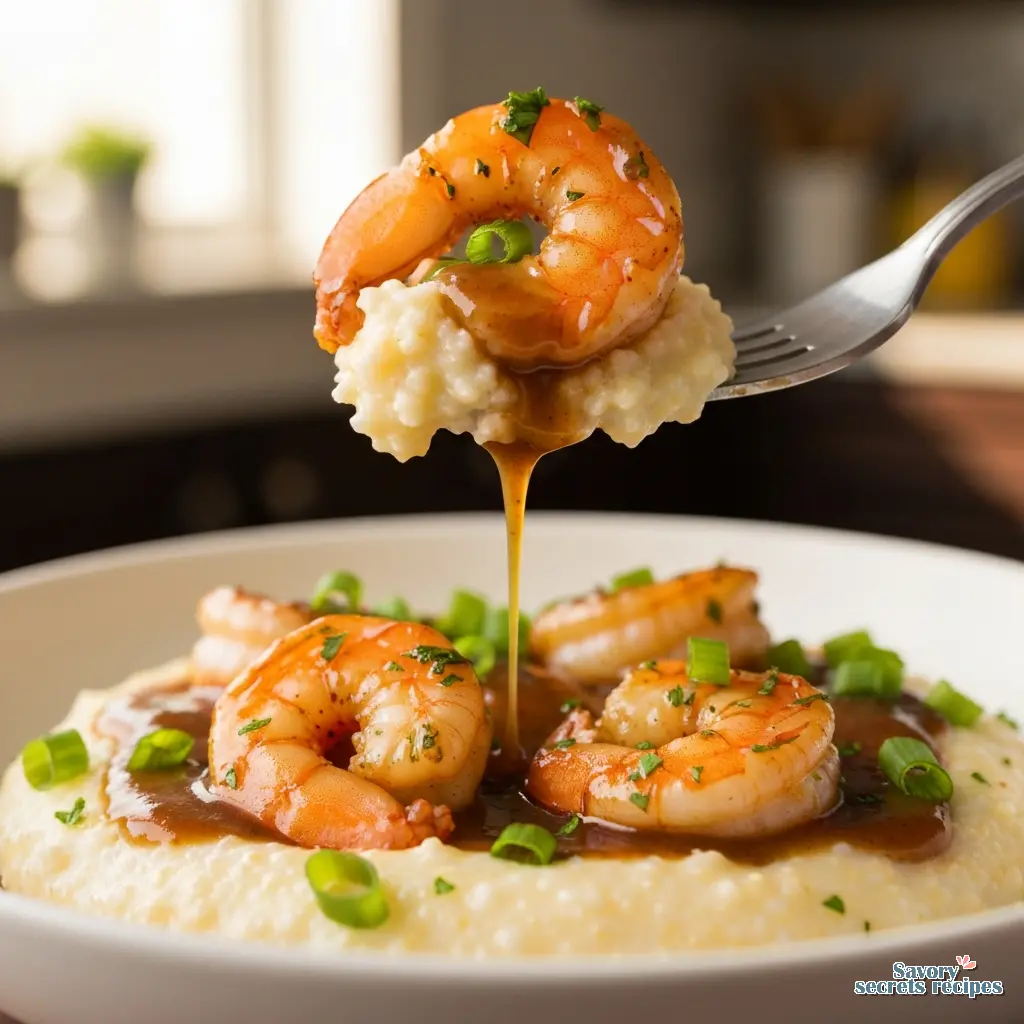
- Serve the shrimp over the grits and sprinkle with scallions.
Notes
A Warm Bowl for a Cold Night
I remember the first time I tried to recreate a classic new orleans shrimp and grits recipe with worcestershire sauce. It was years ago, way before I moved to New York, back when I was just starting to take knife skills seriously. I thought the secret was just piling on spices. I mean, more is better, right? I was wrong. The result was a muddy, overpowering mess that completely masked the sweetness of the shrimp. I learned the hard way that Creole cooking isn’t about volume; it’s about balance.
Right now, with this unexpected cold snap hitting Los Angeles and the West Coast, everyone I talk to is craving something that sticks to their ribs. Salads just aren’t cutting it when it’s 50 degrees and raining. You need something that warms you from the inside out. That is exactly where this dish comes in. It is the culinary equivalent of a weighted blanket.
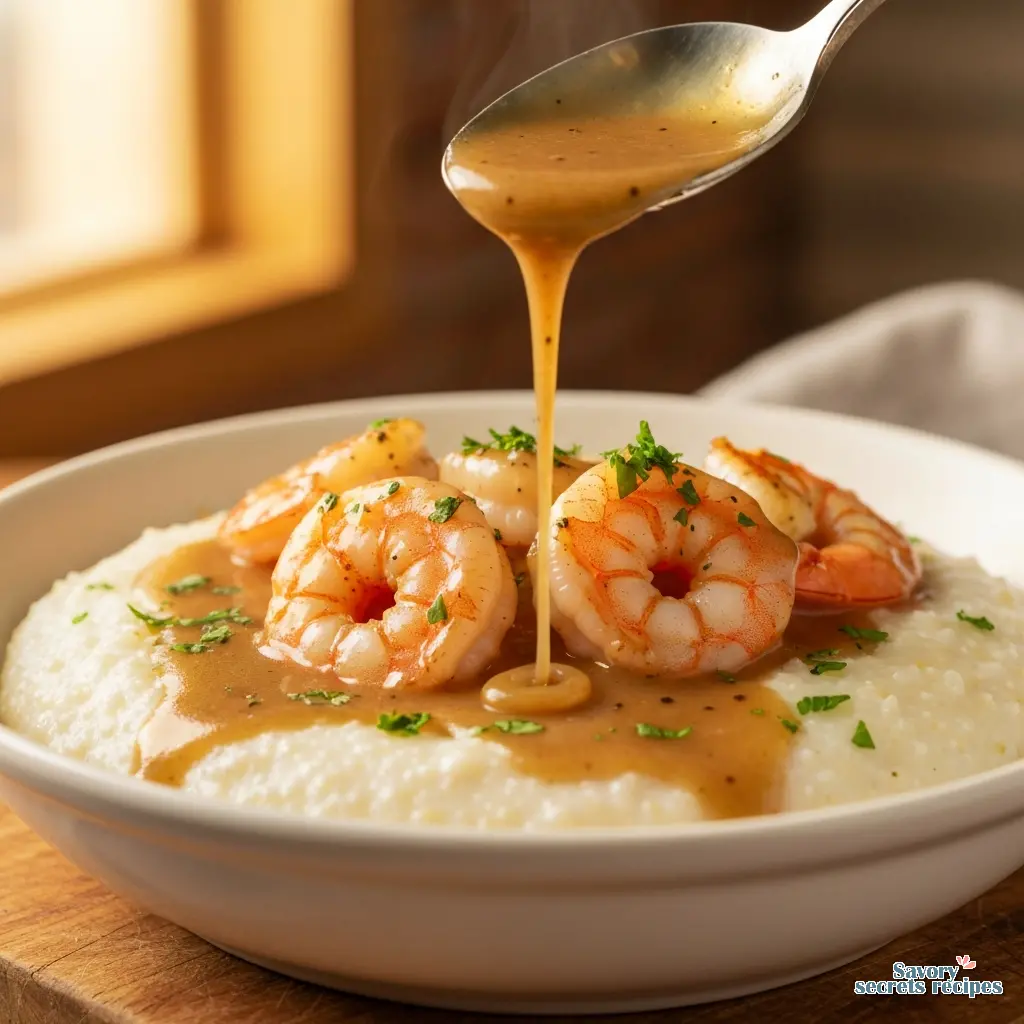
The magic here lies in the sauce. Specifically, how we use Worcestershire sauce not just as a condiment, but as a foundational flavor builder. It provides that deep, savory umami punch that makes you go back for a second bowl before you’ve even finished the first. When you combine that with the “Holy Trinity” of vegetables and creamy, stone-ground grits, you get a meal that feels like a celebration. Let’s get into the technique, because honestly, the details make all the difference.
The Foundation: Understanding the Holy Trinity
If you have ever cooked a French dish, you know about mirepoix (onions, carrots, celery). In New Orleans, and specifically in this new orleans shrimp and grits recipe with worcestershire sauce, we swap out the carrots for green bell peppers. This combination of onion, celery, and green bell pepper is known as the “Holy Trinity.” It is the absolute bedrock of flavor here.
I used to rush this part. I would throw the veggies in the pan and crank the heat, trying to get them brown as fast as possible. That was a mistake. You want to sweat these vegetables, not scorch them. I think it usually takes about 8 to 10 minutes over medium heat. You are looking for them to become soft and translucent, releasing their aromatics into the butter.
The smell that fills your kitchen when these three hit the butter is amazing. It smells like anticipation. While they cook, the moisture they release helps scrape up any browned bits (we call this fond) left from searing the sausage. Speaking of sausage, since we are keeping things friendly for everyone, I love using a high-quality smoked turkey sausage or a beef-based alternative to get that smoky depth without using pork. It works perfectly.
The Science of Worcestershire in Creole Cooking
You might wonder why Worcestershire sauce is so critical here. I mean, can’t we just use salt and soy sauce? Not really. Worcestershire is a fermented condiment containing vinegar, molasses, tamarind, onion, and garlic. It hits almost every taste receptor: sweet, sour, salty, and most importantly, umami.
In this recipe, the Worcestershire sauce acts as an emulsifier for the flavors. It bridges the gap between the rich, fatty heavy cream and the acidic lemon juice. Without it, the sauce can taste “flat” or one-dimensional. With it, the sauce gains a complexity that tastes like it has been simmering for hours, even though it only takes a few minutes.
Here is a tip I picked up: add the Worcestershire sauce after the broth but before the cream. This allows the vinegar in the sauce to cook off slightly, leaving behind the deep, savory molasses notes. If you add it at the very end, it can be a bit too sharp. We want warmth, not bite. Understanding this balance is key to perfecting a rich creole sauce for shrimp and grits.
Mastering the Grits: Texture is Everything
Let’s talk about the grits. This is where people usually get nervous. “Will they be lumpy?” “Will they be gritty?” Honestly, the secret to velvety grits is patience and a whisk. I prefer stone-ground grits because they have a robust corn flavor and a texture that stands up to the rich sauce. Instant grits just disappear on the tongue, and we don’t want that.
When you add the grits to your boiling liquid (I use a mix of chicken broth and milk for maximum flavor), whisk constantly. I mean, don’t stop moving that whisk for the first minute. This prevents the starches from clumping together instantly. Once they are incorporated, you can switch to a wooden spoon and stir frequently.
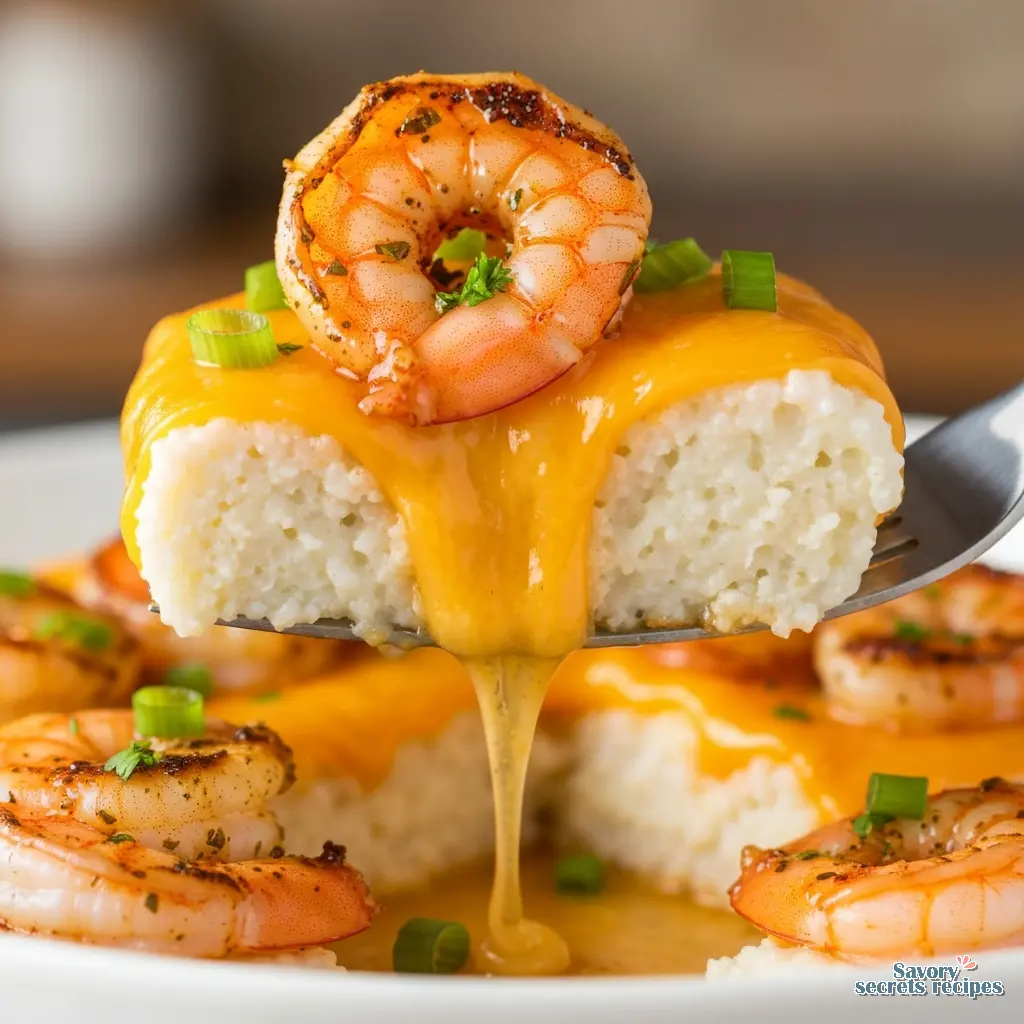
The liquid-to-grit ratio is crucial. Stone-ground grits are thirsty. They absorb liquid like a sponge. If they start looking dry before they are tender, don’t panic. Just add a splash more warm broth or water. You want them to flow like lava, not stand up like mashed potatoes. When you stir in the sharp cheddar and butter at the end, the texture should transform into something glossy and luxurious.
Shrimp Perfection: The C-Shape Rule
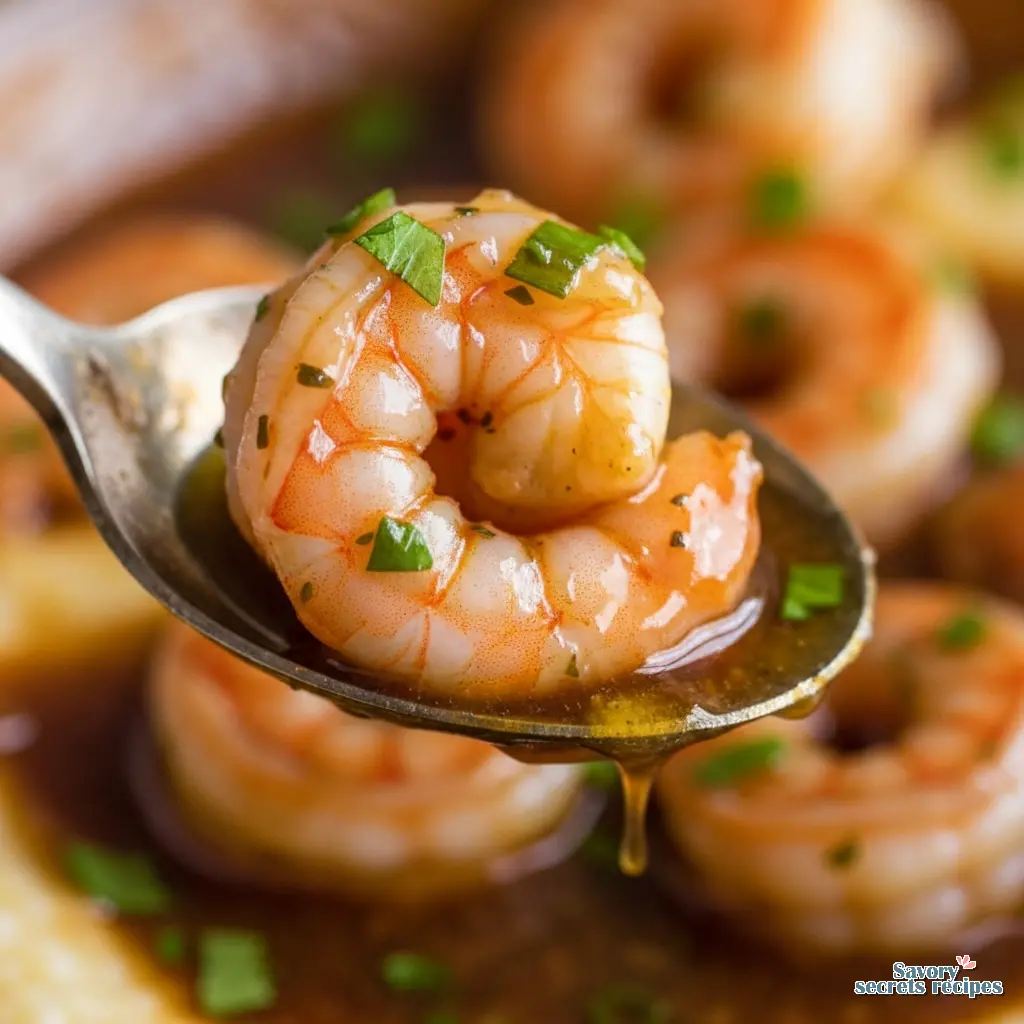
Overcooked shrimp is a tragedy. It turns rubbery and tough, ruining all the work you put into the sauce. I have seen perfectly good new orleans shrimp and grits recipe with worcestershire sauce ruined by shrimp that were left in the pan for two minutes too long. The goal is a tender snap when you bite into them.
Here is my visual guide:
* Straight Shrimp: Undercooked.
* C-Shape Shrimp: Perfectly cooked.
* O-Shape Shrimp: Overcooked (rubbery).
Because we are making a pan sauce, I actually like to undercook the shrimp slightly during the initial sear. I sear them for maybe 60 to 90 seconds per side until they are just pink but still slightly translucent in the center. Then I remove them from the pan. They will finish cooking later when we toss them back into that hot, bubbling gravy. This carry-over cooking ensures they are perfectly tender when they hit the table.
Also, make sure your shrimp are dry before they hit the pan. If they are wet, they will steam instead of sear, and you won’t get that beautiful golden brown color. I usually pat them down with paper towels right before seasoning.
Troubleshooting: Common Mistakes & Fixes
Kitchen Rescue Guide
Mistake: The grits are lumpy.
Solution: Don’t worry. Grab a whisk and beat them vigorously. If they are still stubborn, you can actually pass them through a fine-mesh sieve. I’ve done it, and it works.
Mistake: The sauce is too thin.
Solution: Let it simmer for another 2-3 minutes. The heavy cream will reduce and thicken naturally. If it’s still too thin, you can mash a teaspoon of butter with a teaspoon of flour (beurre manié) and whisk it in.
Mistake: The sauce separated (looks oily).
Solution: This happens if the heat is too high after adding the cream or butter. Remove the pan from the heat immediately and whisk in a splash of cold heavy cream or water to bring it back together.
Variations and Substitutions
Cooking is personal, you know? While I love this version, you can definitely make it your own. If you want to lean into the “New Orleans” vibe but keep it lighter, you can swap the heavy cream for half-and-half, though the sauce won’t be quite as velvety. For the cheese in the grits, sharp white cheddar is my go-to, but Gouda adds a wonderful smokiness that pairs really well with the Cajun seasoning.
If you are looking to add more veggies, spinach or kale wilted into the sauce at the very end is amazing. It adds color and makes the meal feel a little more balanced. And for the spice lovers, a dash of cayenne pepper or extra hot sauce is always a good idea. Just taste as you go. You can always add more heat, but you can’t take it out. If you prefer a lighter, tomato-free version from the coast, you might enjoy a charleston shrimp and grits recipe instead.
Frequently Asked Questions
Storage and Reheating
If you are lucky enough to have leftovers, proper storage is key. As I mentioned in the FAQs, keep the components separate if possible. The grits will firm up significantly in the fridge, almost like polenta. To bring them back to life, put them in a saucepan over low heat and whisk in a little milk or chicken broth until they are creamy again.
For the shrimp and sauce, reheat gently in a skillet over low heat. You don’t want to boil it, or the shrimp will get tough and rubbery. Just warm it until it is heated through. I usually add a fresh squeeze of lemon juice after reheating to wake up the flavors. Honestly, it makes a huge difference.
Bringing the Big Easy Home
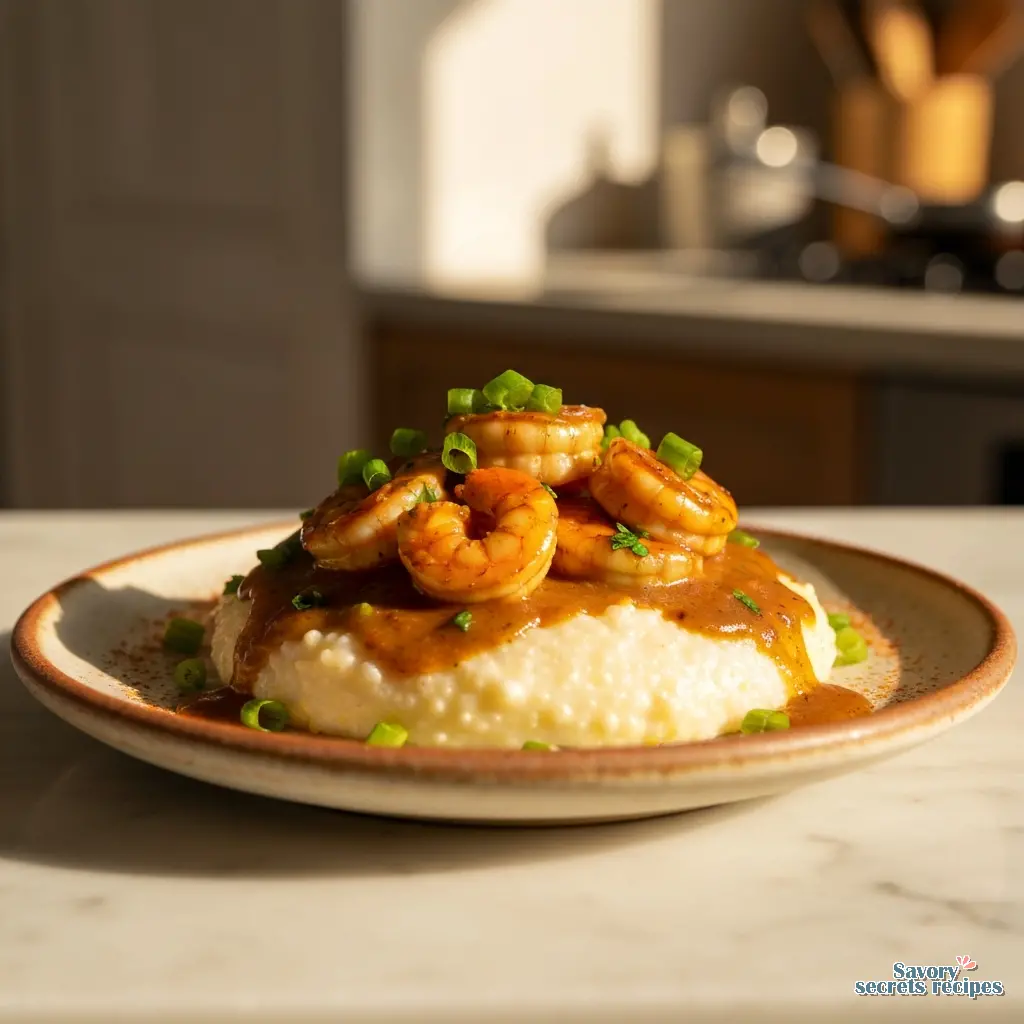
There is something really special about putting a bowl of this new orleans shrimp and grits recipe with worcestershire sauce on the table. It looks impressive, smells incredible, and tastes like you spent all day in the kitchen, even though you pulled it together in under an hour. When you take that first bite, mixing the spicy, savory sauce with the cooling, creamy grits, you’ll feel that NOLA magic.
So, grab some fresh shrimp, turn on some jazz, and let the good times roll. Or as they say, Laissez les bons temps rouler. If you try this, let me know how it turned out!
For more inspiration, check out my Pinterest boards where I save all my favorite comfort food ideas.
Reference: Original Source