



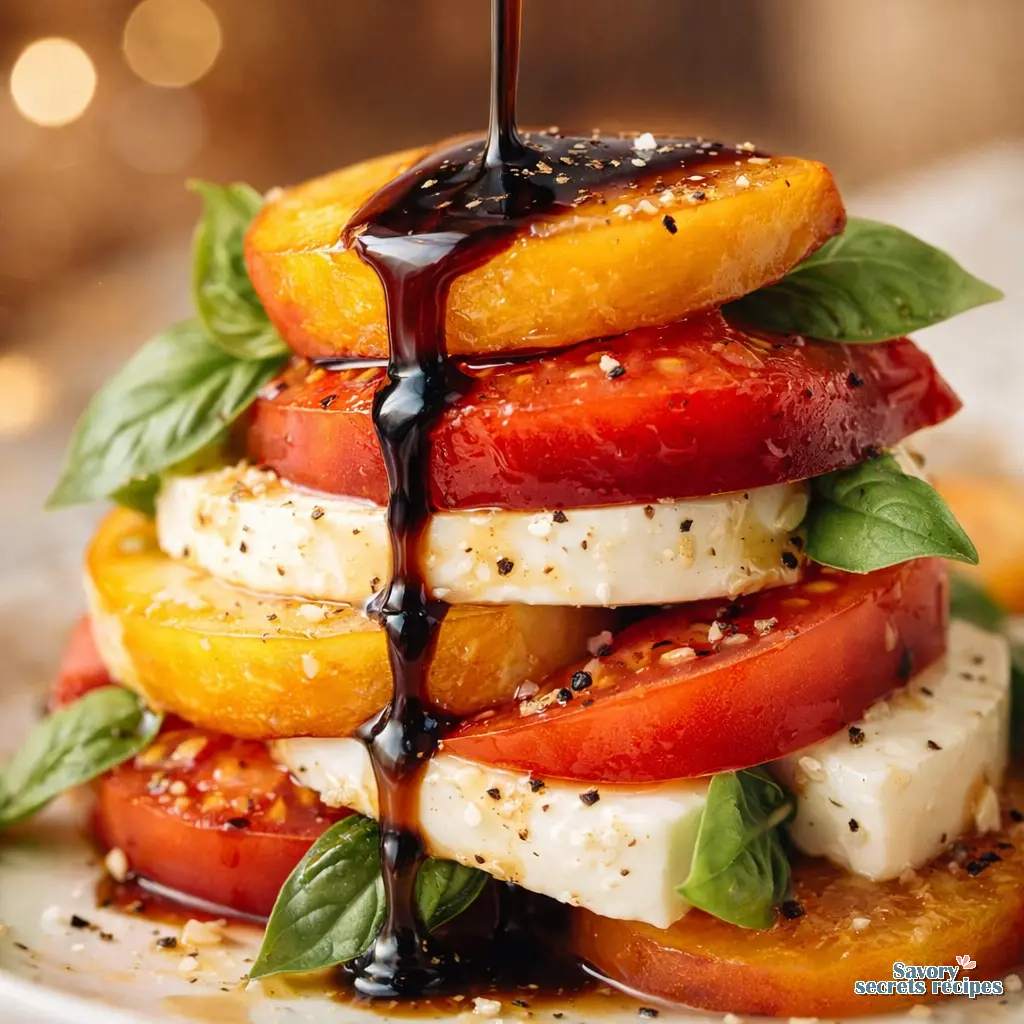
Simple Peach Caprese Salad
Ingredients
Method
- Quarter the mozzarella ball and cut into 1/2-inch slices.
- Halve and pit the peaches, then cut each half into four wedges. Slice the wedges into 1-inch bite-sized pieces.
- Core and halve the tomatoes, then cut each half into four wedges. Slice the wedges into 1-inch bite-sized pieces.
- Tear or roughly chop the basil leaves.
- Combine the mozzarella, peaches, tomatoes, and basil in a large bowl. Drizzle with olive oil, season with salt and pepper, and toss gently to combine.
- Drizzle with balsamic reduction, if desired, and serve immediately.
Nutrition
Notes
The Ultimate Summer Solstice Savior
Summer is finally here. You can feel it in the longer evenings, and you can definitely smell it in the produce aisle. Celebrate the Summer Solstice with this sun-drenched peach caprese salad. I remember standing on a step stool next to my grandmother in her tiny Taipei kitchen, watching her pinch the thickness of dumpling skins between her fingers. Too thick and they’d be gummy, she’d say. Too thin and the filling would burst through. I thought she had some kind of magic touch. It took me until my twenties to realize she was just feeling for the right drag of resistance. That tactile memory is exactly how I shop for summer stone fruit today.
You want that slight give. The smell of a ripe yellow peach should hit you before you even pick it up. I know the classic tomato version is iconic, but this simple peach caprese salad completely changes the rules. The juice running down your chin, the sharp acidic bite of the glaze, the creamy white cheese. It’s a potluck favorite that requires zero actual cooking. While this version is light, a hearty caprese pasta salad is another excellent choice for feeding a larger crowd at summer gatherings.
Let me give you a few quick wins right out of the gate so you can master this no-cook meal immediately. First, keep the skin on your peaches for extra fiber and structural integrity. Peeling them just leads to a slippery, mushy mess. Second, use heirloom tomatoes for the best color and flavor variety alongside the fruit. Third, if you’re making this ahead of time, absolutely do not toss it until the exact moment you serve it. The dressing will sink to the bottom, leaving the top dry and the bottom soggy. Finally, use a mix of yellow peaches and white peaches for the most vibrant visual contrast. This is the good stuff.
The Gentle Squeeze: Best Peaches for Caprese Salad
I’m still working this out, but I firmly believe that selecting the fruit is 80 percent of the work here. You need peaches that are ripe for flavor but still firm to avoid a mushy salad texture. If they’re too soft, they’ll disintegrate the second they hit the olive oil. Taste as you go, obviously, but you really have to rely on your hands at the farmers market.
Give the fruit a gentle squeeze near the stem. It should yield slightly under your thumb. If it’s rock hard, leave it on the counter for two days. If it bruises instantly, save it for a smoothie. To be honest, sometimes the supermarket options are pretty bleak. If that happens, nectarines can be used in place of peaches without missing a beat. A fruit caprese salad is incredibly forgiving as long as the produce is actually in season. If you enjoy this seasonal twist, you might also love a refreshing strawberry caprese salad during the peak of spring.
The Science of Balsamic Reduction (Without the Tears)
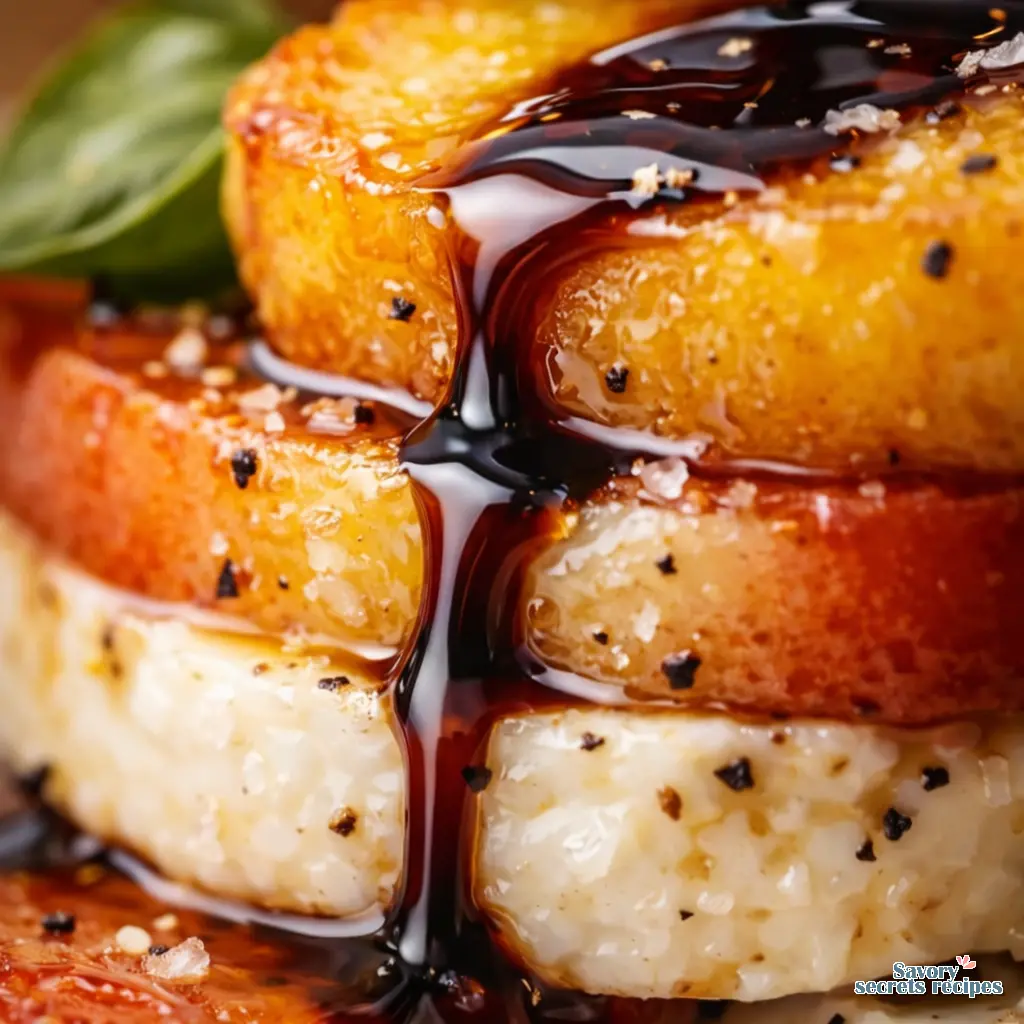
Here’s what I’m seeing a lot of home cooks get wrong. They pour thin, watery vinegar straight out of the bottle over their beautiful seasonal produce. It pools at the bottom of the plate and looks muddy. You need a glaze. Balsamic glaze instead of balsamic vinegar provides a thicker coating that actually clings to the fresh mozzarella pearls and fruit.
You can buy it at Trader Joe’s, but making it is ridiculously easy. Just simmer balsamic vinegar on low heat until reduced by 75% for a homemade glaze. Let it do its thing. It’ll thicken as it cools. But please, avoid leaning over the pot when reducing balsamic vinegar as the fumes are very potent. I learned this the hard way during a recipe test, and my eyes watered for an hour. If you want to keep those bright orange and red colors pristine, try using a white balsamic vinegar instead. It offers the same sweet acidity without staining the cheese brown.
Taking It Outside: How to Grill Peaches for Caprese Salad
I genuinely love the moment when you add aromatics to hot oil and the kitchen fills with fragrance. It’s the best part of cooking for me. But in the dead of summer? I want to be outside. If you want to add a smoky summer flavor to this dish, grilling the fruit is the answer.
To make a grilled nectarine caprese salad (or peach, they work identically here), you need high heat and a clean grate. Cut the fruit into thick wedges, brush them lightly with extra virgin olive oil, and place them flesh-side down. Don’t touch them. Trust the browning process. Let them sit for about three minutes until they develop deep char marks. The heat caramelizes the natural sugars, creating this intense sweet and savory dynamic that pairs beautifully with a honey balsamic drizzle.
Cheese & Crunch: Building a Better Fruit Caprese Salad
My daughter went through a phase where she’d only eat white and brown foods. I’d sneak grated carrots into her meals and call it confetti rice. I feel like a culinary spy sometimes. This salad is the opposite approach. We are celebrating color loudly. But to make it a complete side dish for a grilled dinner, we need textural contrast.
Most traditional recipes lean heavily on prohibited meats for a salty crunch. We don’t need them. Instead, add a handful of toasted pecans. The earthy crunch cuts right through the soft, juicy fruit. As for the cheese, you have options. A standard ball of fresh mozzarella sliced thick is classic. Fresh mozzarella pearls are great if you’re tossing this in a bowl for a potluck. But if you want to be truly decadent, tear open a ball of burrata and let the creamy center spill over an arugula base. That peppery bite from the greens balances the sweetness perfectly.
I also highly recommend playing with your herbs. Basil is the standard, obviously. But swapping it for fresh mint completely changes the profile. It makes the whole dish taste cooler, brighter, and incredibly refreshing on a 90-degree Los Angeles afternoon.
Common Mistakes & Fixes
Mistake: The salad turns into a watery, mushy soup.
Solution: You’re using overly ripe peaches that turn to mush when tossed. Stick to fruit that has a slight firmness, and wait to salt the tomatoes until the very end so they don’t release all their water prematurely.
Mistake: All the flavor is sitting at the bottom of the bowl.
Solution: You forgot to toss the salad before serving. The heavy balsamic glaze and olive oil tend to sink to the bottom. Give it a gentle but thorough fold right before it hits the table.
Mistake: The dish tastes flat and heavy.
Solution: Serving at room temperature for too long can make the cheese sweat and the fruit lose its snap. This dish is much better refreshed and served slightly chilled.
Storage & Serving: Keeping Your Peach Caprese Salad Crisp
Let me think through this, because storage is where most fresh salads fail. Tomatoes and peaches both hate the refrigerator. The cold changes their cellular structure and makes them mealy. That said, once you slice them and introduce dairy, you have to chill them.
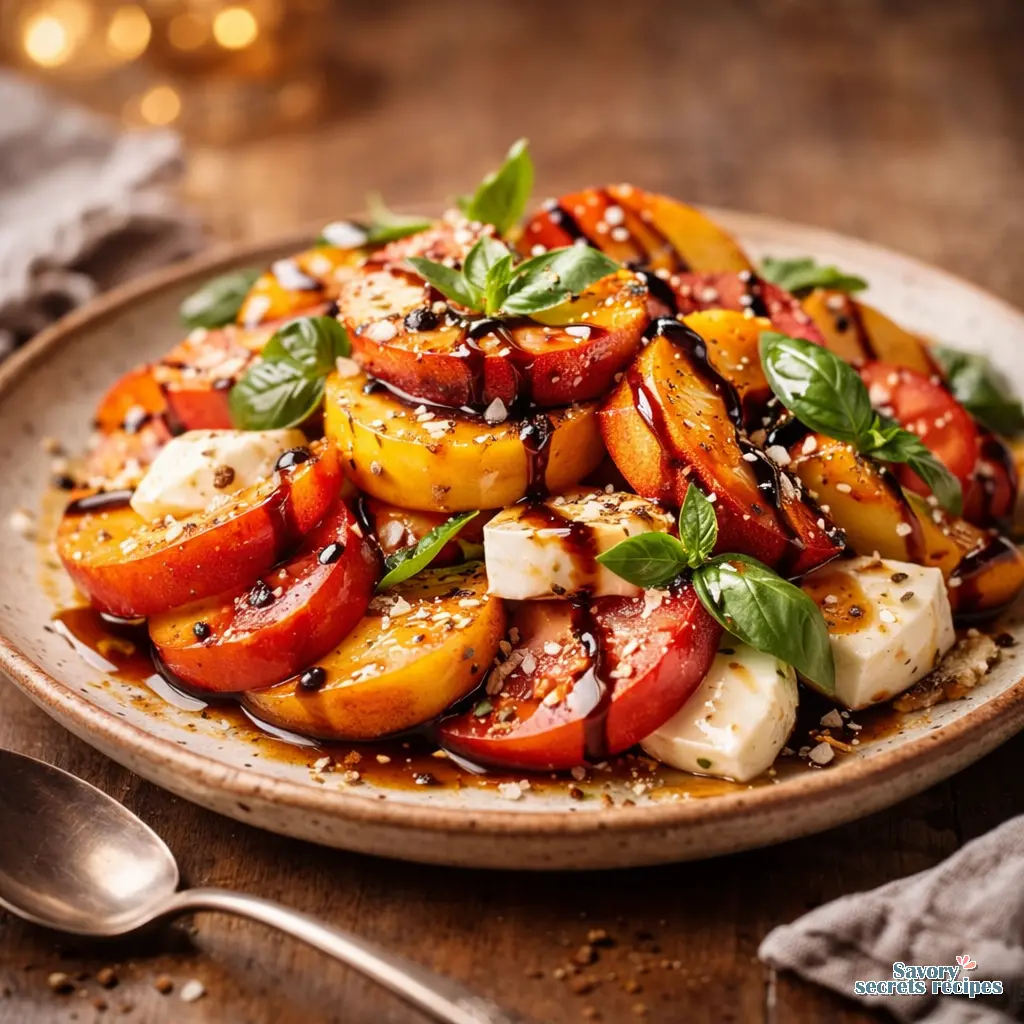
If you’re prepping for a weekend brunch with friends, slice your fruit and cheese, but keep them in separate airtight containers. Store the salad in the fridge until the exact moment of serving to keep it crisp. When your guests arrive, arrange everything on a platter, drizzle your extra virgin olive oil and glaze, and scatter your loosely packed fresh basil. Serve it alongside grilled fish or as a vibrant summer appetizer. It’s truly a farm-to-fork masterpiece.
Frequently Asked Questions
Final Thoughts Before You Head to the Farmers Market
I could eat this every week during the summer and never get tired of it. The season for truly spectacular stone fruit is incredibly short, so don’t wait around. Grab some firm but fragrant peaches, a ball of good mozzarella, and let the ingredients do the heavy lifting for dinner tonight. Eat it outside while the sun goes down. It’s the perfect way to end a hot day.
If you end up making this peach caprese salad, I’d love to hear how it turned out for you. Did you try the grilled version? Did you swap in mint? For more inspiration, check out my Pinterest boards where I save all my favorite seasonal variations.
Reference: Original Source
What is a caprese salad?
Traditionally, it’s a simple Italian dish made of sliced fresh mozzarella, tomatoes, and sweet basil, seasoned with salt and olive oil. Our peach caprese salad takes that classic foundation and introduces seasonal summer stone fruit for a sweet and savory twist that’s incredibly refreshing.
Is Balsamic Glaze & Balsamic Reduction the same thing?
Yes, they are essentially the exact same thing. Both are made by simmering vinegar until the water evaporates and the natural sugars concentrate. I prefer calling it a reduction because it reminds me to keep the heat low. Just remember to ventilate your kitchen well.
Can I make a simple peach caprese salad ahead of time without it getting soggy?
You can prep the components ahead, but don’t assemble it early. Slice your fruit and cheese and store them separately in the fridge. The salt and acid will break down the delicate peaches if they sit too long. Assemble and toss right before your guests eat.