



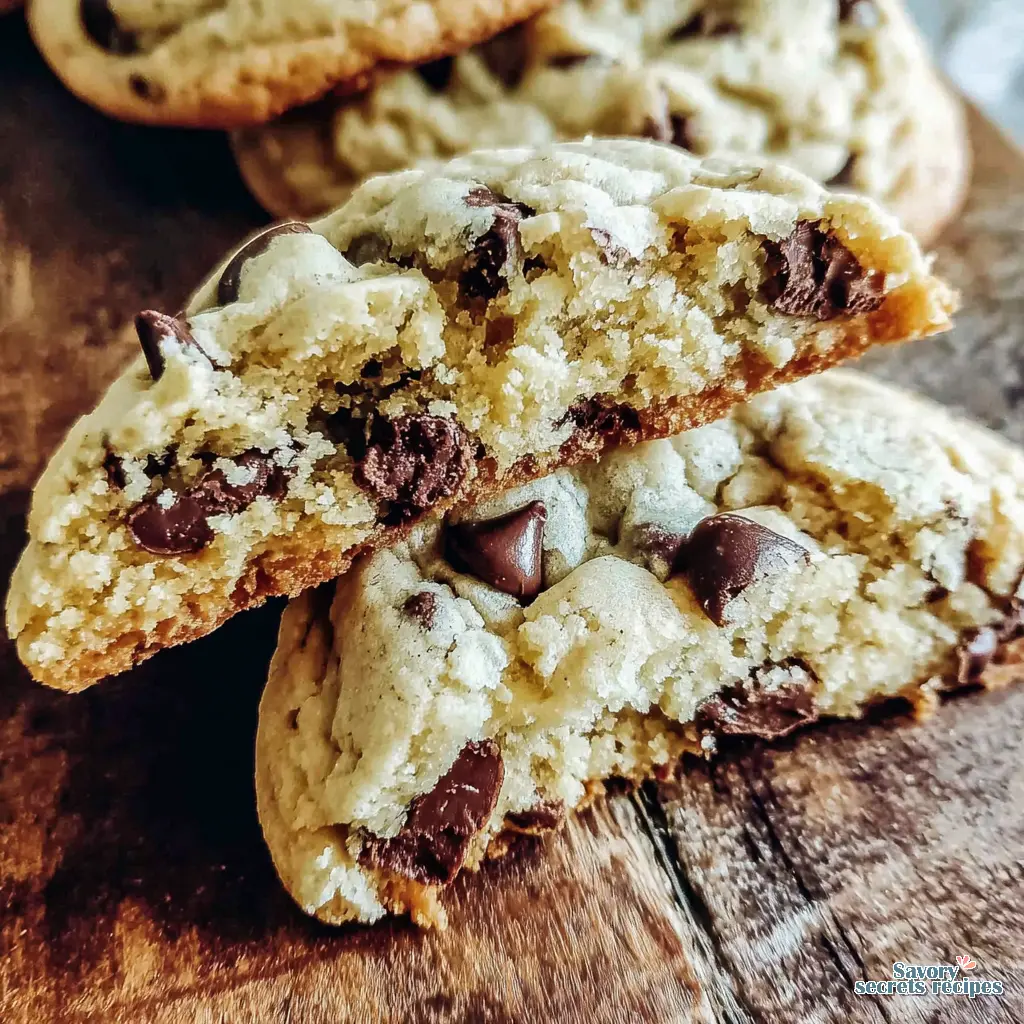
Soft Batch Chocolate Chip Cookies Stay Tender and Bendable
Ingredients
Method
- Preheat the oven to 350°F and line baking sheets with parchment paper or coat them with non-stick spray.
- Partially melt the butter by microwaving it halfway or placing it in a metal bowl in the preheating oven until half-melted, then let it cool.
- Beat the cooled butter and sugars together until light and fluffy, then mix in the vanilla and eggs one at a time.
- Add the flour, baking soda, and salt, mixing on low speed until combined; if the dough is too wet, incorporate extra flour one tablespoon at a time, up to three tablespoons.
- Fold in the chocolate chips, scoop the dough onto baking sheets using 1/4 cup for large or 1.5 tablespoons for medium cookies, press down slightly, and top with additional chips if desired.
- Bake one tray at a time for 10–12 minutes for large cookies or 8–9 minutes for small ones, then transfer to a wire rack to cool.
- Store the cookies in an airtight container; this recipe yields 1 dozen large or 2 dozen small cookies.
Nutrition
Notes
The Endless Search for True Soft Chocolate Chip Cookies
I remember trying to make my nani’s achaar from memory once without calling her for the recipe. I under-salted the batch, and it spoiled within a week. It grew this awful white film on top. Turns out the salt concentration isn’t just for flavor. It is a preservative that controls microbial growth. I knew this intellectually from my food science background, but I got cocky. I paid the price.
That same arrogance hit me the first time I tried baking soft chocolate chip cookies. I figured I could just pull any standard recipe out of the oven a few minutes early. The result? A cookie that was gooey for exactly one hour, then turned into a rigid, crunchy disc that shattered when I bit it. Crunchy cookies are practically a betrayal in my house. You want a cookie that bends. A cookie with a tender crumb that melts in your mouth. While some bakers prefer the crispness of classic chocolate chip cookies, I was determined to achieve a bendy texture.
With Mother’s Day coming up, I wanted to perfect a batch of soft chocolate chip cookies that stay bendy for days. They are perfect for gifting in a tin for brunch. The data on this is actually quite clear. To get that bakery style texture, you need to rethink your pantry. The biggest secret is sitting right next to your baking powder. Cornstarch.
The ‘Secret’ to Softness: Rethinking the Dough
I know this sounds like an internet rumor, but cornstarch is the secret ingredient for chewy chocolate chip cookies. I’ve tested this exhaustively in my kitchen. When you add cornstarch to all-purpose flour, it softens the harsh proteins. It essentially tenderizes the entire structure.
We also need to talk about sugar ratios. Light brown sugar contains molasses. Molasses retains moisture beautifully. If you want serious moisture retention, you need a higher ratio of brown sugar to white granulated sugar. I mean, who wants a pale, dry crumb? The molasses gives you that intense toffee flavor. This balance is quite different from a standard homemade chocolate chip cookies recipe where granulated sugar might play a larger role.
Then there is the butter situation. Using melted butter instead of softened butter coats the flour proteins differently, preventing gluten from forming too quickly. That said, if you use melted butter, you must chill the dough for 2 to 3 hours to prevent spreading. If you want the cookies to keep their shape without the wait, use cold butter cut into cubes. Also, toss in an extra egg yolk. The fat in that extra yolk adds an incredible richness that keeps the dough pliable. Just make sure to use room temperature eggs by soaking them in warm water for 5 minutes before cracking.
The Science of the Soft Cookie
My six-year-old daughter recently decided she doesn’t like “mixed-up food.” I’ve been deconstructing her meals like a tiny clinical trial with an n of 1. Baking is the exact opposite. Every single ingredient reacts with the others.
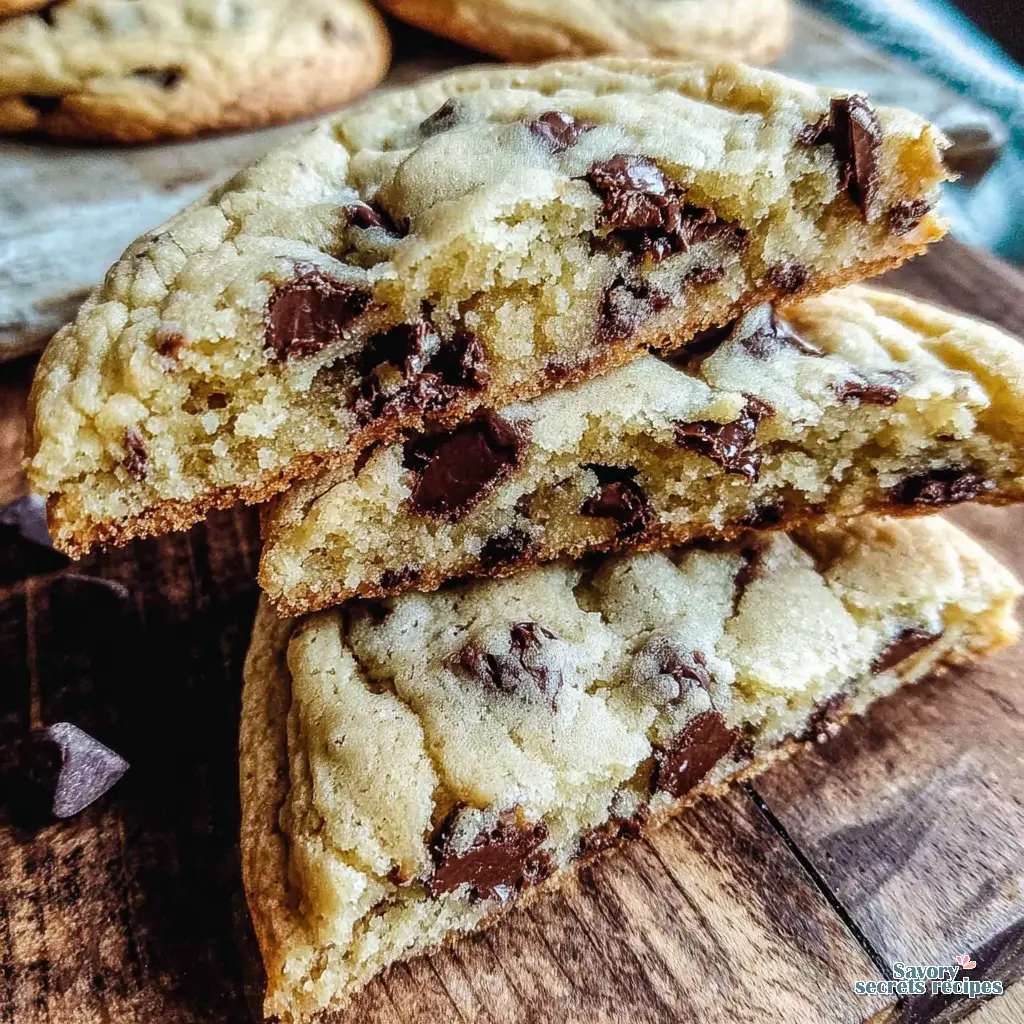
This makes good sense when you think about it. Cornstarch inhibits gluten formation. Gluten is the protein network that gives bread its chew, but it is the absolute enemy of soft batch chocolate chip cookies. By cutting the flour with cornstarch, we lower the overall protein percentage. We are controlling starch gelatinization here.
Then we have pH levels. Baking soda is alkaline. It reacts with the acidic molasses in the light brown sugar. This reaction creates lift. It gives you a pale and puffy appearance in the oven. But do not over-mix once the dry ingredients are added. Mix just until no streaks remain. Over-mixing develops that dreaded gluten.
Pro-Tips for Flour Measurement
Let me pull the actual study on home baking failures. The number one culprit is almost always flour measurement. If you are using a liquid measuring cup for dry flour, please stop. That tracks with what I’ve seen in so many ruined batches.
You end up packing the flour down, adding way too much volume. Too much flour equals a dry, cakey mess. In practical terms, you should be measuring by weight using a kitchen scale. One cup of flour weighs exactly 135 grams (or 6.75 ounces) for this specific recipe. If you refuse to use a scale, at least use the spoon and level method. Never pack flour into measuring cups. Properly measured flour is the secret to any successful american cookie recipe you attempt.
Chocolate Type Comparison: Chips vs. Chunks vs. Bars
I’m not entirely convinced that standard milk chocolate chips are always the best choice. They contain stabilizers that help them keep their shape in the oven. That is great for visual appeal, but they don’t give you that rustic texture.
If you want exceptional soft chocolate chip cookies, try chopping up high-quality semi-sweet or dark chocolate bars. The chocolate dust from chopping gets incorporated into the dough, creating a beautiful flavor distribution. Dark chocolate also balances the intense sweetness of the extra brown sugar. Worth noting here, if you do use chips, you can mix white chocolate chips and dried cranberries for a fun variation. Or maybe butterscotch morsels and sprinkles. Just remember to use a cookie scoop for uniform size and even baking, no matter what add-ins you choose.
24-Hour vs. 0-Hour Chill Test
Can I make this soft batch chocolate chip cookies recipe without chilling the dough? The short answer is yes. But there is a catch.
I ran a side-by-side test. The 0-hour batch spread slightly more and had a milder flavor. The 24-hour chilled dough balls baked up thicker, with chewy edges and a much deeper toffee note. The flour hydrates fully during the resting period. If you are in a rush on a Wednesday night in Los Angeles, craving comfort food, the 0-hour method works. Just roll the cookie dough balls tall and textured rather than smooth and wide. This guarantees a thicker center.
Common Mistakes & Fixes
Mistake: Melting butter when the recipe calls for softened (or vice versa).
Solution: Butter temperature dictates spread. If you accidentally melt it, you absolutely must chill the dough until firm before baking.
Mistake: Over-baking until they look brown and dry.
Solution: You must pull them out when they look doughy and not done. They continue to cook on the hot baking sheet as they cool. Under-baked is the goal here.
Mistake: Using expired baking soda.
Solution: Test your leavening agents. Drop a little baking soda in vinegar. If it doesn’t fizz aggressively, throw it out and buy a new box.
Mistake: Chilling dough in the freezer.
Solution: The freezer causes the outside of the dough to freeze while the inside stays soft, leading to uneven spread. Chill in the refrigerator only.
Reheating Guide for ‘Day After’ Softness
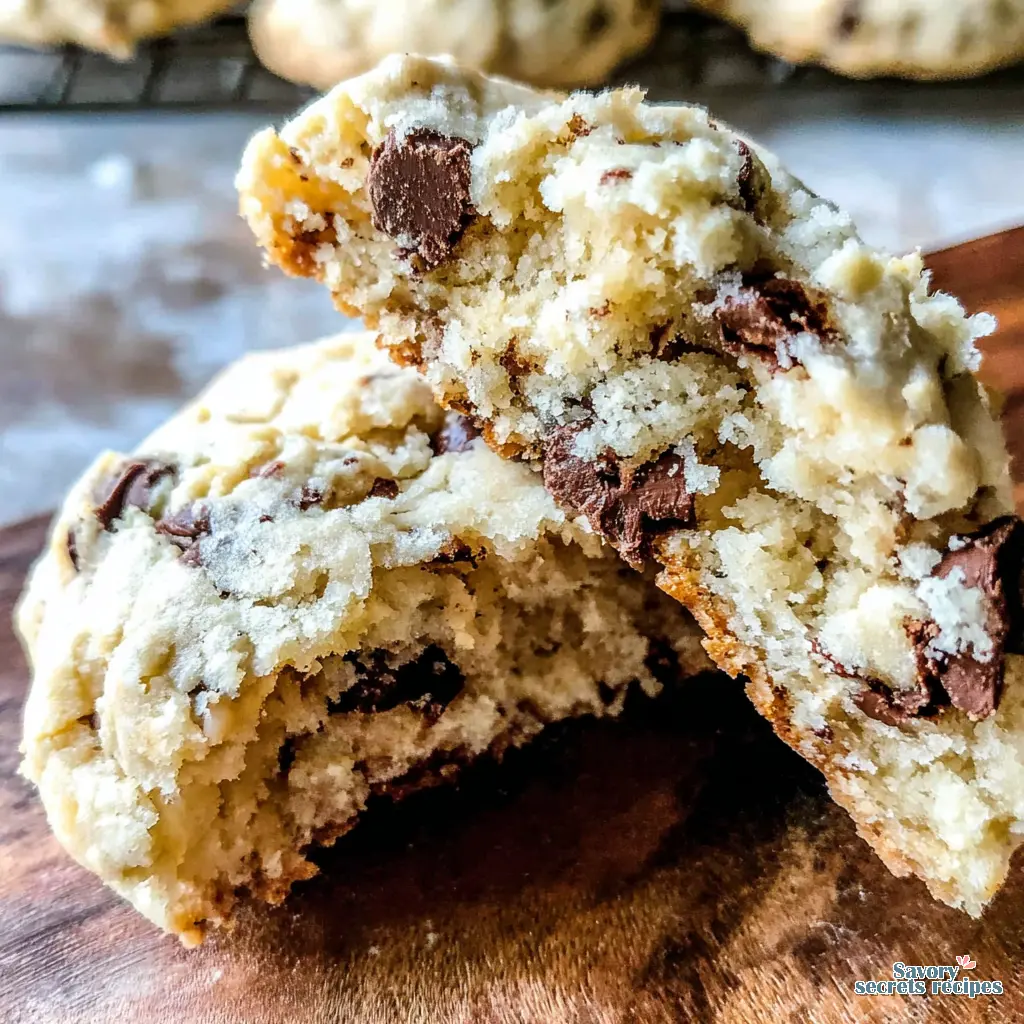
Even the best soft chocolate chip cookies lose a little magic by day two. To bring back that freshly baked texture, pop a cookie in the microwave for exactly 8 seconds. Not 10. Eight. Or, if you have the oven on anyway for dinner, tossing them in at 350°F for two minutes does the trick perfectly.
I genuinely love serving these warm with a cold glass of milk. The contrast in temperatures highlights the vanilla bean paste and the rich chocolate. Taste and adjust your warming time based on your specific microwave wattage, but keep it brief.
Storage & Freezing Guide
What is the best way to keep chocolate chip cookies soft for days? You need an airtight container stored at room temperature. But here is the real trick. Toss a slice of plain sandwich bread into the container with them. The cookies will absorb the moisture from the bread, staying incredibly tender for 3 to 5 days, while the bread slice turns hard.
For longer storage, the freezer is your friend. You can freeze baked cookies for up to 3 months. Or better yet, freeze the raw dough balls. I highly recommend keeping a stash in the freezer. Thaw frozen dough on a sheet pan for 1 to 2 hours before baking, or just bake them straight from frozen by adding one extra minute to the timer.
Frequently Asked Questions
Your New Go-To Cookie
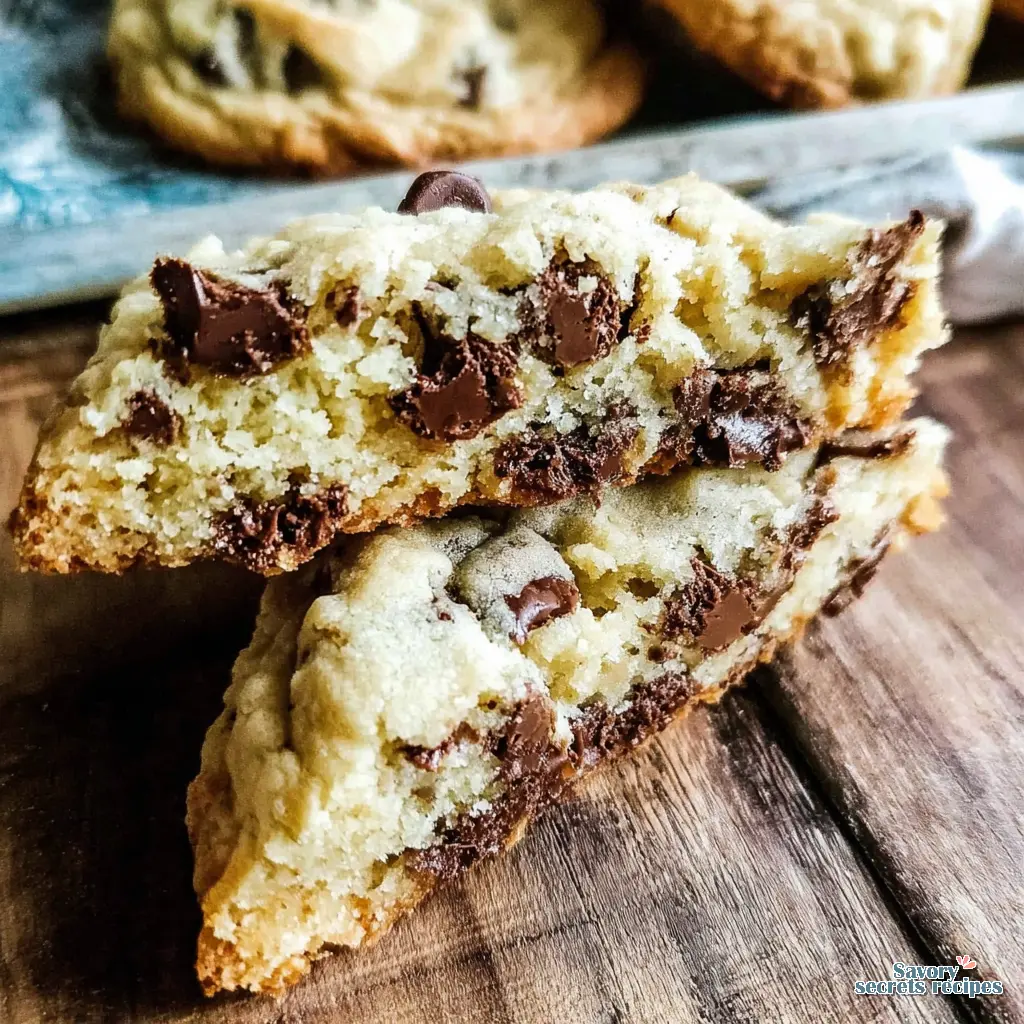
I’m always excited when I find a technique that has both traditional wisdom and solid food science backing it up. These soft chocolate chip cookies are exactly that. Between the cornstarch trick, the extra egg yolk, and the strict under-baking rule, you now have the blueprint for perfect cookies every single time. Honestly, cream butter and sugar until fully combined (some older methods say 2 hours, but just go until smooth), follow the temperature rules, and you’ll be amazed.
My daughter helped me roll the last batch. They were shaped more like amoebas than circles, but they still baked up incredibly soft. I’m treating that as a massive win. I hope you try the bread-slice storage trick, too. It genuinely works wonders for keeping them bendy for days.
For more inspiration, check out my Pinterest boards where I save all my favorite food science baking tweaks. Happy baking, and enjoy that first warm, melt-in-your-mouth bite.
Reference: Original Source
Why did my cookies flatten?
Your butter was likely too warm, or you didn’t chill the dough long enough. When making soft chocolate chip cookies, warm butter melts instantly in the oven, causing rapid spread. Always make sure to chill the dough if the recipe calls for melted butter initially.
Why are my cookies so puffy?
You probably measured your flour by volume instead of weight, resulting in too much flour. It’s also possible you added too much baking soda or didn’t let the dough rest. For the perfect soft chocolate chip cookies, always weigh your dry ingredients with a kitchen scale.
Can I freeze chocolate chip cookie dough?
Yes, absolutely. Scoop the dough into balls, freeze them solid on a baking sheet, and then transfer to an airtight container. They keep for up to 3 months. It’s the best way to ensure you always have soft batch cookies ready to bake.
Can I make these gluten-free?
You can. Substitute the all-purpose flour with a high-quality 1:1 gluten-free flour blend that contains xanthan gum. The cornstarch in this recipe actually helps gluten-free flours mimic that tender crumb we want in soft chocolate chip cookies. Just let the dough rest longer to hydrate.
Does this recipe work for high-altitude baking?
It requires minor adjustments. Increase your oven temperature to 375°F and reduce the baking time slightly. You might also want to decrease the baking soda by a quarter teaspoon and add a tablespoon of extra flour to prevent them from over-expanding and collapsing.
How do you make gooey chocolate chip cookies?
The secret to gooey cookies is a combination of under-baking and using chopped chocolate bars instead of standard chips. Pull them from the oven while the centers still look pale and doughy. They will set up on the cooling rack while maintaining a soft, gooey center.
Why do cookies spread?
Spread happens due to a few variables: butter that is too warm, placing dough on a hot baking sheet, or not enough flour to hold the structure. Chilling the dough solidifies the fat, which slows down the spreading process during baking.
Can you bake chocolate chip cookie dough from frozen?
Yes. Put the frozen dough balls on a baking sheet as the oven preheats. Bake for about 15 minutes total at 350°F. The gradual heating actually helps maintain a thick center while giving you perfectly chewy edges.
Can I halve this recipe?
Halving baking recipes gets tricky, especially with eggs. Since this recipe uses an extra egg yolk, halving it requires whisking an egg and measuring out exactly half by weight. It’s much easier to make the full batch and freeze half the dough balls for later.
Does 1 cup of flour weight 120 grams?
It depends on how you measure, but for this specific soft chocolate chip cookies recipe, I calculate one cup of all-purpose flour at 135 grams (6.75 oz). This slightly heavier cup ensures the cookies have enough structure to stay thick without becoming cakey.
Can I scoop and roll the dough before chilling?
I highly recommend this. Scooping cold, firm dough is incredibly frustrating and can break your cookie scoop. Roll the dough into tall textured columns right after mixing, place them in your container, and then chill them. It saves so much effort later.
Can I chill the dough in the freezer to speed it up?
I don’t recommend it. The freezer cools the dough unevenly. The outside freezes solid while the inside remains soft. When baked, this causes the cookies to spread weirdly. Stick to the refrigerator for an even, consistent chill throughout the dough.