



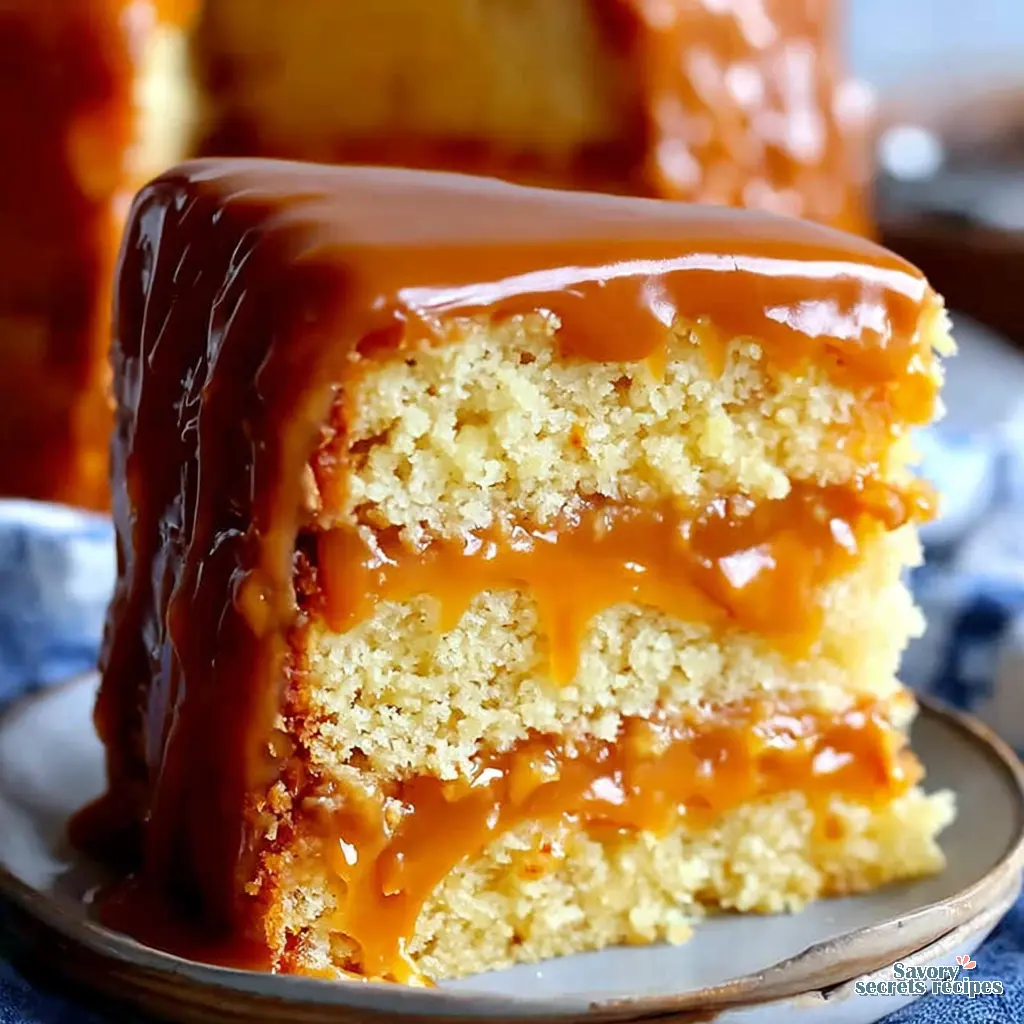
Old Fashioned Southern Caramel Cake Recipe
Ingredients
Method
- Preheat the oven to 350°F (175°C). Grease and flour two 9-inch round cake pans or line the bottoms with parchment paper and set aside.
- Whisk together the flour, baking powder, and salt in a medium mixing bowl and set aside.
- Beat the softened butter and granulated sugar in a large bowl using an electric mixer for 3 to 4 minutes until light and fluffy.
- Add the eggs one at a time, beating well after each addition, then mix in the vanilla extract.
- Reduce the mixer speed to low. Alternately add the flour mixture and buttermilk in three additions, starting and ending with the flour, and mix until just combined without overmixing.
- Divide the batter evenly between the prepared pans. Bake for 30 to 35 minutes until a toothpick inserted into the center comes out clean. Cool in the pans for 10 minutes before transferring to wire racks to cool completely.
- Combine the brown sugar, butter, and salt in a medium saucepan over medium heat. Stir constantly and bring to a gentle boil until the sugar dissolves. Add the evaporated milk and cook, stirring frequently, for 5 to 7 minutes until the mixture thickens and darkens.
- Remove the caramel from the heat and transfer it to a heatproof bowl. Gradually beat in the sifted powdered sugar until smooth and spreadable, then stir in the vanilla extract.
- Place one cake layer on a serving plate while the frosting is still warm. Spread 1 cup of frosting over the surface. Add the second cake layer and spread the remaining frosting over the top and sides. Let the cake rest at room temperature for at least 2 hours before slicing.
Notes
Why This Southern Caramel Cake Recipe Is the Real Deal
My mother fried chicken every Sunday after church. The rule was simple, the oil had to shimmer but not smoke, and you didn’t walk away. I stood on a stepstool next to her for two years before she let me turn a piece with the tongs.
The sound of that first sizzle is still what I measure against. Making a true southern caramel cake recipe requires that exact same level of respect. You can’t rush the sugar, and you definitely can’t walk away.
With Easter coming up, this is the ultimate centerpiece for your dessert table. I know boiled frosting intimidates people. I’ve seen home cooks panic when hot sugar starts bubbling.
But I promise you a foolproof method here. We are aiming for a smooth, fudge-like caramel icing that snaps perfectly against a soft yellow cake. That’s the one. That’s what you’re after.
The Science of the Boiled Icing (And Why It Fails)
Let’s talk about the elephant in the room. Caramel is finicky. You might have tried making a southern caramel cake recipe before and ended up with a grainy, crystallized mess.
I oversalted a brisket in 2014 for a family reunion because I didn’t respect the chemistry of the ingredients. Sugar is just as unforgiving. When you boil granulated sugar, evaporated milk, and unsalted butter, you are forcing sugar crystals to dissolve.
If they cool too fast or get agitated improperly, they crystallize. That tracks. It’s just science.
The secret is reaching the soft ball stage. You need a candy thermometer. I know some folks swear by the cold water test, but temperature is data, and texture is truth. Hit 235°F, and you’re golden.
Key Ingredients for Perfect Caramel Cake
You can’t build a great house on a weak foundation. A classic caramel layer cake demands specific ingredients. Don’t swap these out unless you absolutely have to.
First, room temperature ingredients are non-negotiable. Your butter, large eggs, and buttermilk must be sitting out for at least an hour. This creates a proper emulsion.
If you use cold eggs, the butter seizes. You’ll end up with a dense, heavy crumb instead of that light, airy yellow cake we want.
For the icing, evaporated milk is your best friend. It provides a rich, concentrated dairy flavor without the excess water of regular milk. I usually grab a few cans during my weekly Ralphs run. It gives the icing that authentic amber color and fudge-like texture.
Ingredient Swaps and Substitutions
Sometimes you start baking and realize you’re missing something. Fair enough. If you don’t have buttermilk, you can make a quick substitute.
Mix one cup of heavy cream or whole milk with a tablespoon of lemon juice or white vinegar. Let it sit for ten minutes until it curdles slightly. It works perfectly for this southern caramel cake recipe.
If you’re out of cake flour, don’t panic. Take one cup of all-purpose flour, remove two tablespoons, and replace them with two tablespoons of cornstarch. Sift it twice. Solid.
The ‘Humidity Factor’: Making Caramel on a Rainy Day
Here is something most recipes won’t tell you. Sugar pulls moisture from the air. If it’s pouring rain outside, your caramel cake icing recipe with evaporated milk is going to fight you.
In my experience, though your mileage may vary, you need to cook your caramel about two degrees higher on a very humid day. That extra heat drives off the ambient moisture.
If you don’t adjust for humidity, your icing will stay sticky and never set up with that beautiful, dull matte finish. Nothing for it but to watch the thermometer closely.
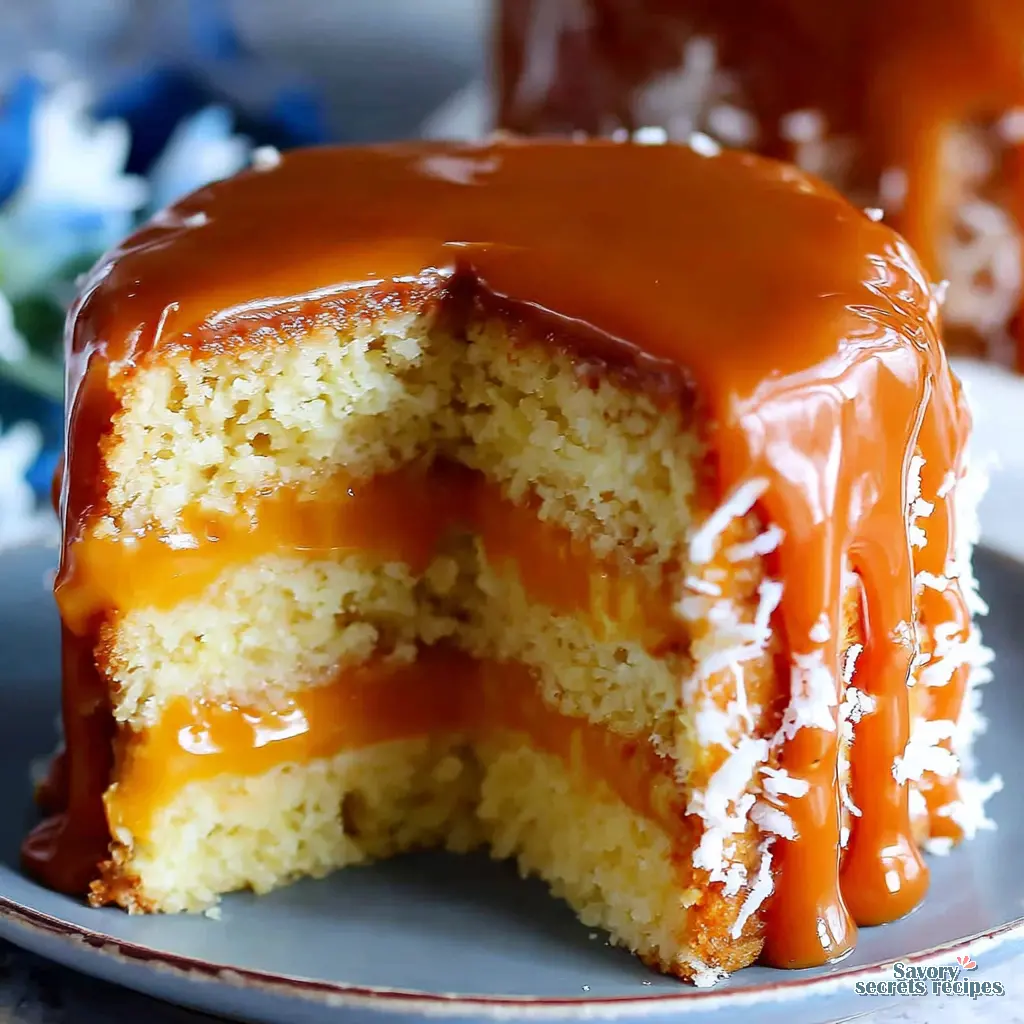
Step-by-Step Instructions: The Method Behind the Madness
I burned a batch of biscuits in the test kitchen once because I was watching a brisket temp and forgot about the oven. Distraction is how mistakes happen. Read this entire southern caramel cake recipe twice before you start.
We use the creaming method here. Beat that room-temperature unsalted butter and sugar until it’s pale and fluffy. It should look like slightly yellow whipped cream. Don’t rush this step. It takes a solid four to five minutes.
When you add your dry ingredients, alternate with the buttermilk. Do not overmix. Overmixing develops tough gluten, and we want a tender crumb. Stop the mixer just before the last streaks of flour disappear.
Check your cake layers five to ten minutes early. Every oven is a liar. A few moist crumbs on a toothpick are better than a clean one. Butter cakes dry out incredibly fast.
Common Mistakes & Fixes
Mistake: The cake layers slide apart when icing.
Solution: Your icing is too thin, or your cakes aren’t level. Always trim the ‘hump’ off your baked layers so they sit flat. Let the icing cool slightly more before spreading.
Mistake: The cake is dry and crumbly.
Solution: You likely overbaked it or overmixed the batter. Trust the toothpick test. Pull it when there are still a few moist crumbs attached.
Mistake: The caramel icing is grainy.
Solution: The sugar crystallized. Don’t scrape the sides of the pot back into the mixture while it’s boiling. If it’s already grainy, add a splash of heavy cream and gently reheat to dissolve the crystals.
Visual Troubleshooting: Tips for the Perfect Caramel Icing
The icing is where people panic. I get it. Hot burnt sugar smells amazing, but it’s intimidating.
You need to perform the spoon test. Dip a metal spoon into the boiling caramel. The icing must completely coat the back of the spoon and slide off slowly. If it runs off like water, it needs more time.
Once you hit 235°F on your candy thermometer, pull it off the heat immediately. Add your vanilla extract carefully (it will sputter). Now, you have to beat it.
You can use a stand mixer if you prefer a fluffier frosting texture, but a wooden spoon works if you have the arm strength. You’re looking for the color to lighten slightly and the texture to thicken.
If your southern caramel cake recipe icing gets too hard while you’re spreading it, just pop the pot back on low heat for ten seconds. It loosens right up.
Recipe Variations to Try
I tend to stick to the heirloom recipe, but sometimes you need options. If you’re short on time, you can use a high-quality yellow box cake mix.
Just replace the water with whole milk and add an extra egg. Make the homemade caramel icing from scratch, though. Nobody will know you took a shortcut with the cake.
You can also bake this as a 9×13 sheet cake. It’s much easier to transport to a potluck, and you don’t have to worry about the layers sliding. Just pour that hot caramel directly over the cooled cake and let it set.
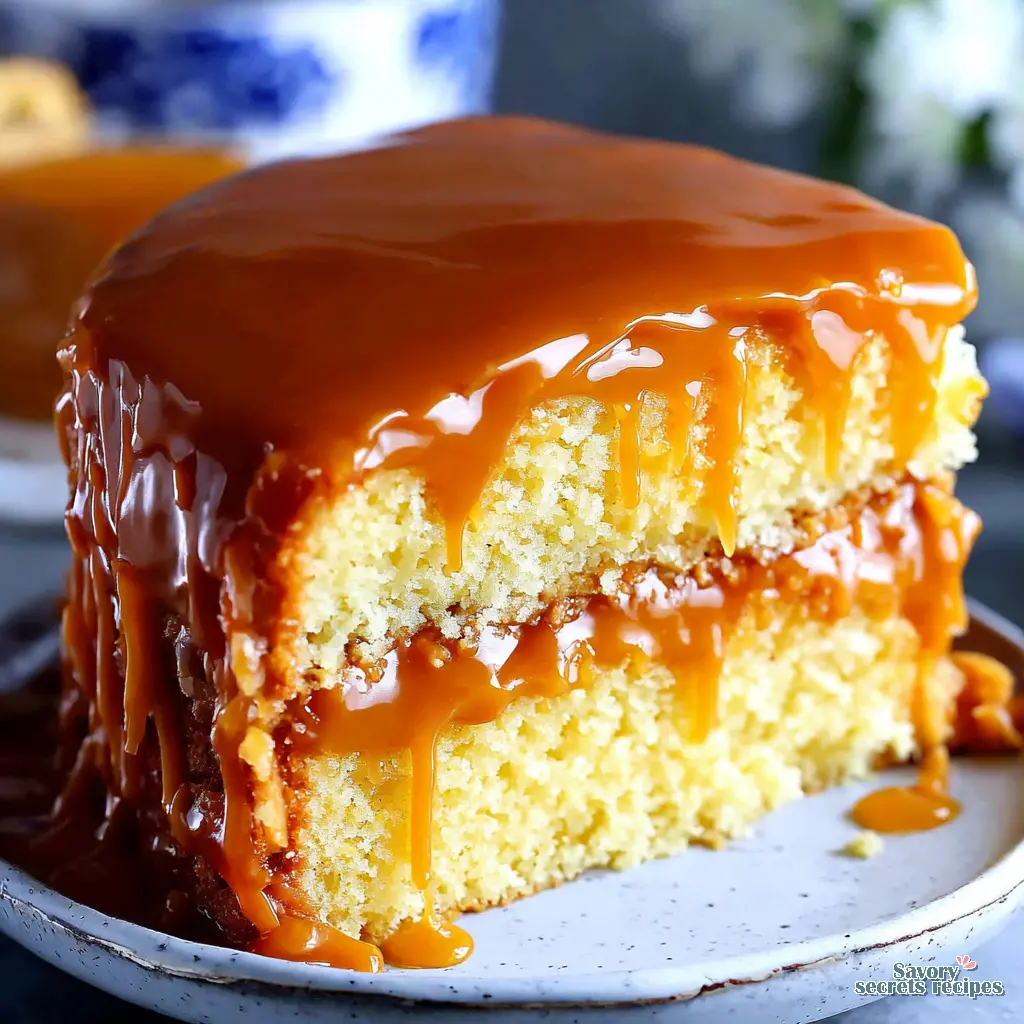
How to Store and Freeze Caramel Cake
Here is a truth about Southern baking. This cake actually tastes better on day two. The moisture from the icing seeps into the yellow cake layers, making it incredibly tender.
Store your southern caramel cake recipe at room temperature in an airtight cake carrier. It stays fresh for up to four days. Don’t put it in the refrigerator unless your kitchen is sweltering.
The fridge pulls moisture out of the cake and makes the boiled frosting hard and brittle. If you must refrigerate it, wrap it loosely in plastic wrap and let slices come to room temperature before serving.
To freeze it, double wrap individual slices in plastic wrap, then a layer of aluminum foil. They keep for three months. Thaw them on the counter for a few hours, and they taste like you just baked them.
Frequently Asked Questions
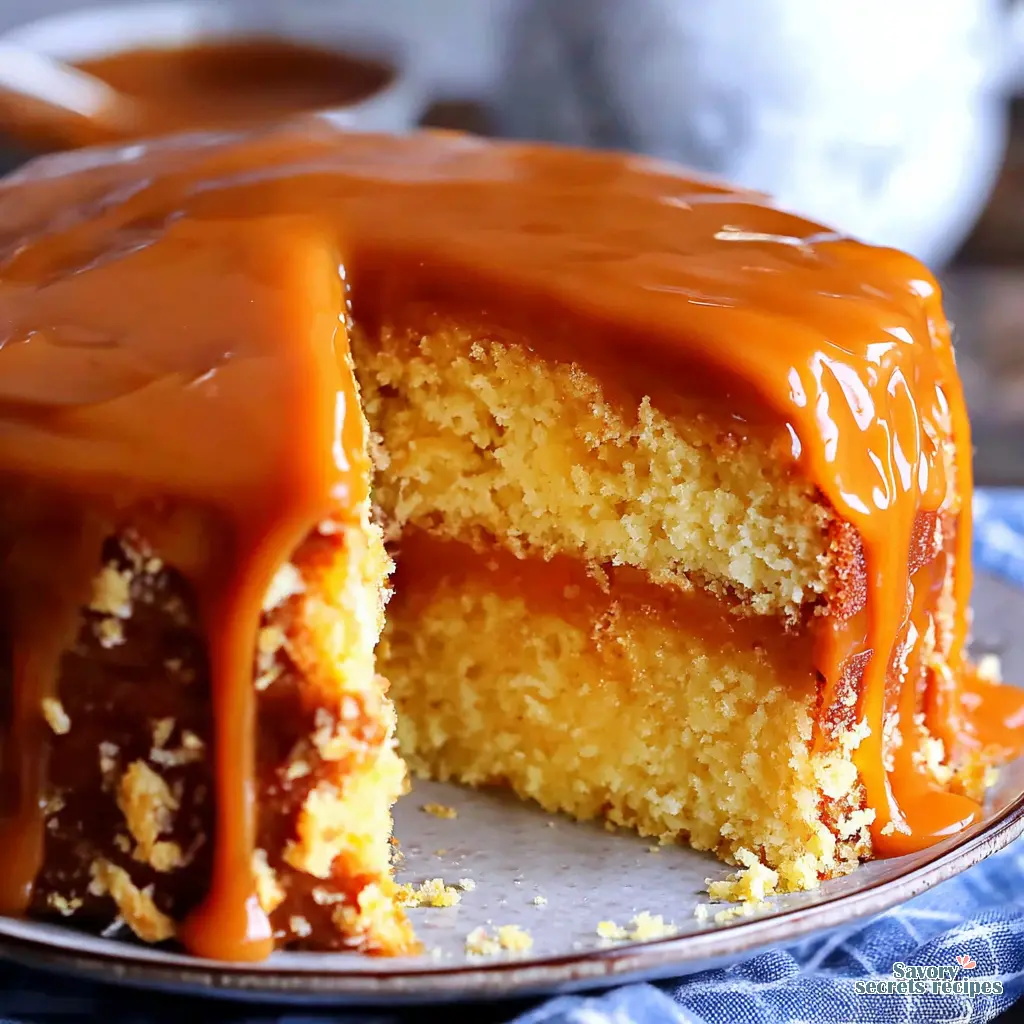
Final Thoughts on This Classic Dessert
There’s nothing better than pulling off a traditional bake that looks and tastes like it came straight from a Southern bakery. This southern caramel cake recipe takes a little patience, but the moment you slice into it and see that perfect amber icing hugging the yellow cake, you’ll know it was worth the effort.
Take a photo before your family devours it. I’d love to see how your frosting turned out. I share tons of variations on my Pinterest boards if you want more ideas for your next weekend project. You’ve just mastered a true classic. Enjoy it.
Source: Nutritional Information
What is the secret to making an authentic southern caramel cake recipe from scratch?
The real secret is patience with the sugar. You must cook the icing to the soft ball stage (235°F) using a candy thermometer. Don’t rush the creaming process for the cake batter, either. That builds the proper structure.
How do you make southern caramel cake frosting that doesn’t grain or get too hard?
Stop stirring once the mixture boils to prevent sugar crystals from forming on the sides of the pot. Adding a tiny bit of corn syrup can also prevent crystallization. If it gets too hard while spreading, gently reheat it.
Can I use a caramel cake icing recipe with evaporated milk for a smoother texture?
Absolutely. Evaporated milk is actually the traditional choice for a southern caramel cake recipe. It provides a rich, concentrated dairy flavor with less water, which helps the boiled frosting set up with that perfect fudge-like texture.
How long does this classic caramel layer cake stay fresh at room temperature?
It stays perfectly fresh for 3 to 4 days at room temperature in an airtight cake carrier. Honestly, it usually tastes better on the second day after the flavors have melded and the cake absorbs some moisture.
What is the difference between an old fashioned caramel cake recipe with boiled icing and a salted caramel cake?
An old-fashioned recipe uses a cooked, boiled frosting that sets up with a slight crust and a dense, fudge-like interior. Salted caramel cakes typically use a standard buttercream flavored with caramel sauce and heavy salt flakes.
Why do my ingredients need to be at room temperature?
Room temperature butter, eggs, and buttermilk create a smooth emulsion. This traps air during the creaming process, which expands in the oven. If you use cold ingredients, the batter breaks, resulting in a dense, heavy cake.
My caramel cake icing is a little runny. What can I do to fix it?
If it’s runny, it didn’t reach the soft ball stage. Pour it back into the pot and simmer it a bit longer while stirring constantly. You can also beat in a cup of sifted confectioners sugar to thicken it quickly.
Do I have to use dark brown sugar?
Dark brown sugar gives the icing a deeper amber color and a richer molasses flavor. You can substitute light brown sugar if that’s all you have, but the final color will be significantly lighter.
Can I make Southern Caramel Cake ahead?
Yes, you can bake the yellow cake layers a day in advance. Wrap them tightly in plastic wrap once completely cool. However, you should make the boiled icing right before you assemble the cake, as it sets up very quickly.