



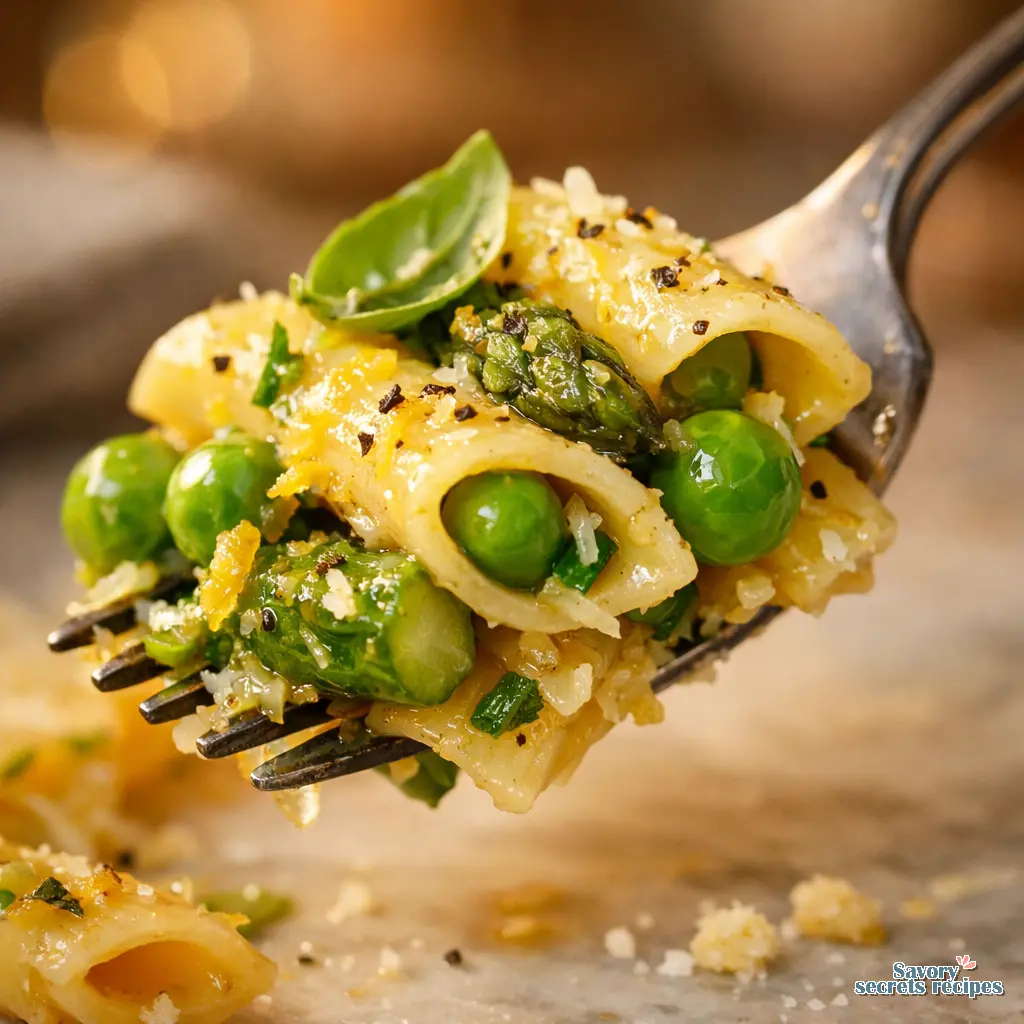
One Pot Creamy Spring Vegetable Pasta
Ingredients
Method
- Trim and chop asparagus into 1-inch pieces, trim and halve green beans, mince garlic, and finely chop the onion, then set aside.
- Heat olive oil and unsalted butter in a large skillet or saucepan over medium heat until melted and shimmering.
- Add onion and cook for 3 to 4 minutes, stirring occasionally, until translucent; add garlic and cook for 30 seconds until fragrant.
- Stir in asparagus and green beans and cook for 2 to 3 minutes until bright and slightly softened.
- Add dry pasta and broth to the pot, ensuring pasta is mostly submerged, then bring to a gentle boil and reduce heat to medium-low.
- Cover and simmer for about 10 minutes, stirring occasionally to prevent sticking, and add a splash of liquid if it absorbs too quickly.
- Stir in peas and half-and-half or cream, cover, and cook for another 4 to 5 minutes until pasta is tender and sauce is creamy.
- Remove from heat, stir in Parmesan until melted and smooth, and season with salt, pepper, and optional lemon zest.
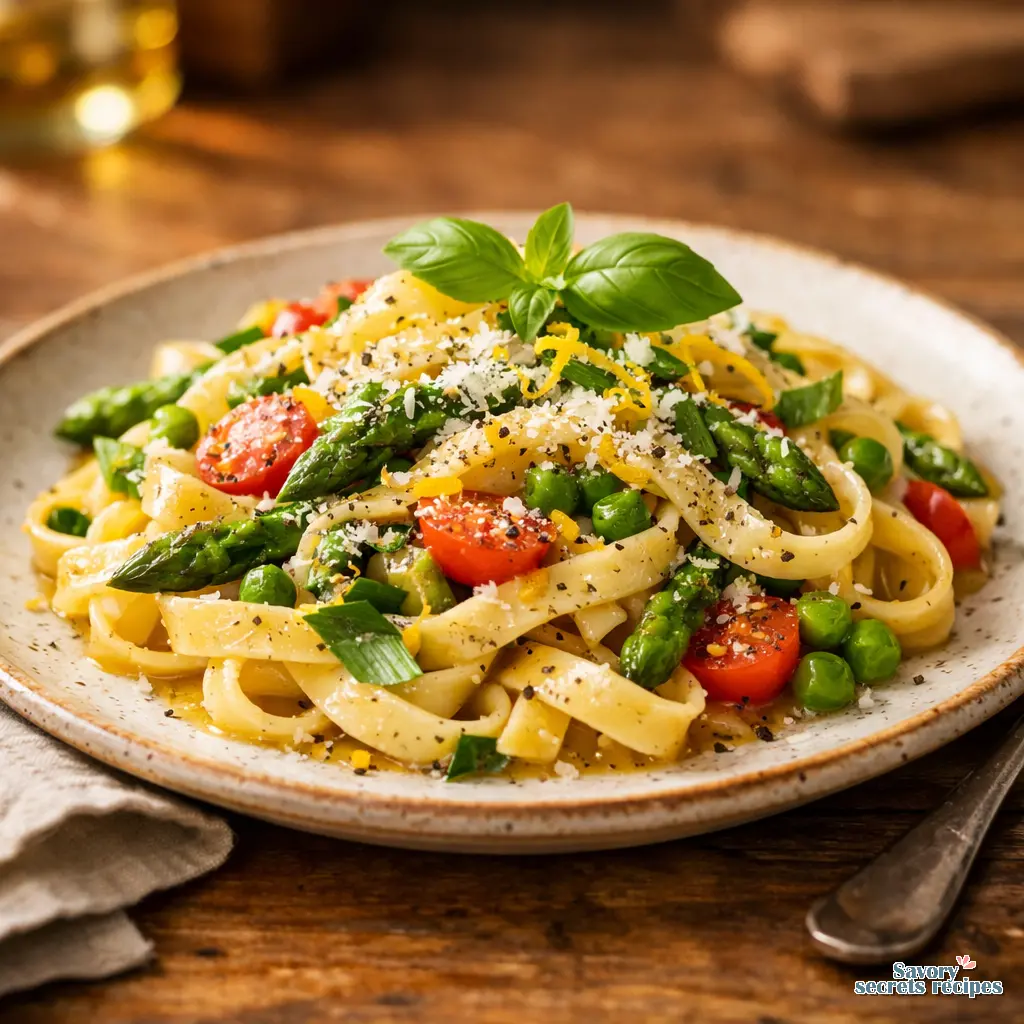
- Garnish with fresh basil or parsley and extra Parmesan if desired, then serve immediately.
Nutrition
Notes
The First Warm Day Deserves a Reset
It hits around early March here in Oakland. That first afternoon where the sun actually feels warm on your shoulders and the farmers market starts showing signs of life. Suddenly, the idea of another heavy slow-cooker stew feels completely exhausting. I’m honestly over the winter comfort meals by this point. You probably are too.
I remember my grandmother Fatima teaching me to cook in Casablanca during childhood summers. She never measured anything. She just tasted and adjusted, which drove me crazy as a kid but makes complete sense to me now. She always cooked with the seasons. When the weather shifted, the menu shifted instantly. That’s exactly the energy we need right now.
This spring pasta recipe is your palate reset. It’s that literal feeling of shedding winter layers translated onto a plate. We’re talking vibrant, sun-kissed greens, a sauce that feels silky but never heavy, and a process that takes maybe 30 minutes. Let me think about that for a second. Yes, definitely under 30 minutes if you prep your vegetables while the water boils. It’s a healthy spring dinner that actually tastes indulgent.
The Unexpected History of Pasta Primavera
Before we start chopping asparagus spears, we should talk about where this concept actually comes from. You’d think a fresh vegetable pasta dish with an Italian name has deep roots in Tuscany or Sicily. It doesn’t.
Pasta primavera was actually invented in the United States. Specifically, it was created at Le Cirque in New York City back in the 1970s. The original version was a bit heavier than what we eat today, relying heavily on butter and cream. But the core idea was brilliant. They took seasonal produce, tossed it with al dente pasta, and created a phenomenon.
I prefer a much lighter approach for this spring pasta recipe. We want to taste the snap and crunch of the vegetables, not bury them in a heavy sauce. Build the layers, don’t rush the base, and let the fresh ingredients do the heavy lifting.
The Spring Five: Selecting Your Vegetables
When you hit the market or the grocery store, you’re looking for what I call The Spring Five. These are the ingredients that make this a truly easy spring recipe.
First, grab some crisp asparagus spears. Look for the thinner ones if you can find them, as they cook faster and have a better texture for pasta. Second, we need peas. Here is my honest advice. Fresh English peas are wonderful if you have the time to shell them. But frozen peas are our little secret for quick weeknight meals. They are frozen at the peak of freshness and work perfectly.
Third, we want leeks or sautéed shallots for a gentle, sweet onion flavor. Fourth, fresh garlic cloves. And fifth, a massive handful of fresh herbs. Fresh mint leaves, basil, or even tarragon if you want a complex flavor profile. If you happen to find ramps or fava beans, grab them. They are incredible seasonal additions. But don’t stress if your local store doesn’t have them.
The Science of Chlorophyll (How to Keep Things Green)
Have you ever made a vegetarian pasta idea that looked gorgeous in the pan but turned a sad, muddy olive color by the time it hit the table? I’ve been there. It’s frustrating.
The secret here is blanching vegetables. We use a technique called “blanch and shock.” You drop your green vegetables into salted boiling water for just a minute or two until they turn electric green. Then, you immediately transfer them to an ice bath. This stops the cooking process instantly and locks in that vibrant emerald color. It also preserves that satisfying crunch.
There is also the “Lemon Rule” to consider. Acid is the enemy of chlorophyll over time. If you add your lemon juice too early in the cooking process, the acid will literally cook the green color right out of your vegetables. Always add your Meyer lemon zest and juice at the very last second, right before serving. Taste as you go, adjust at the end. If it needs more acid, it needs more acid, but wait until the plates are warm.
Pasta Shape Logic for a Spring Pasta Recipe
Choosing the right pasta shape isn’t just about aesthetics. It’s about engineering. You have two main schools of thought here: size matching and sauce holding.
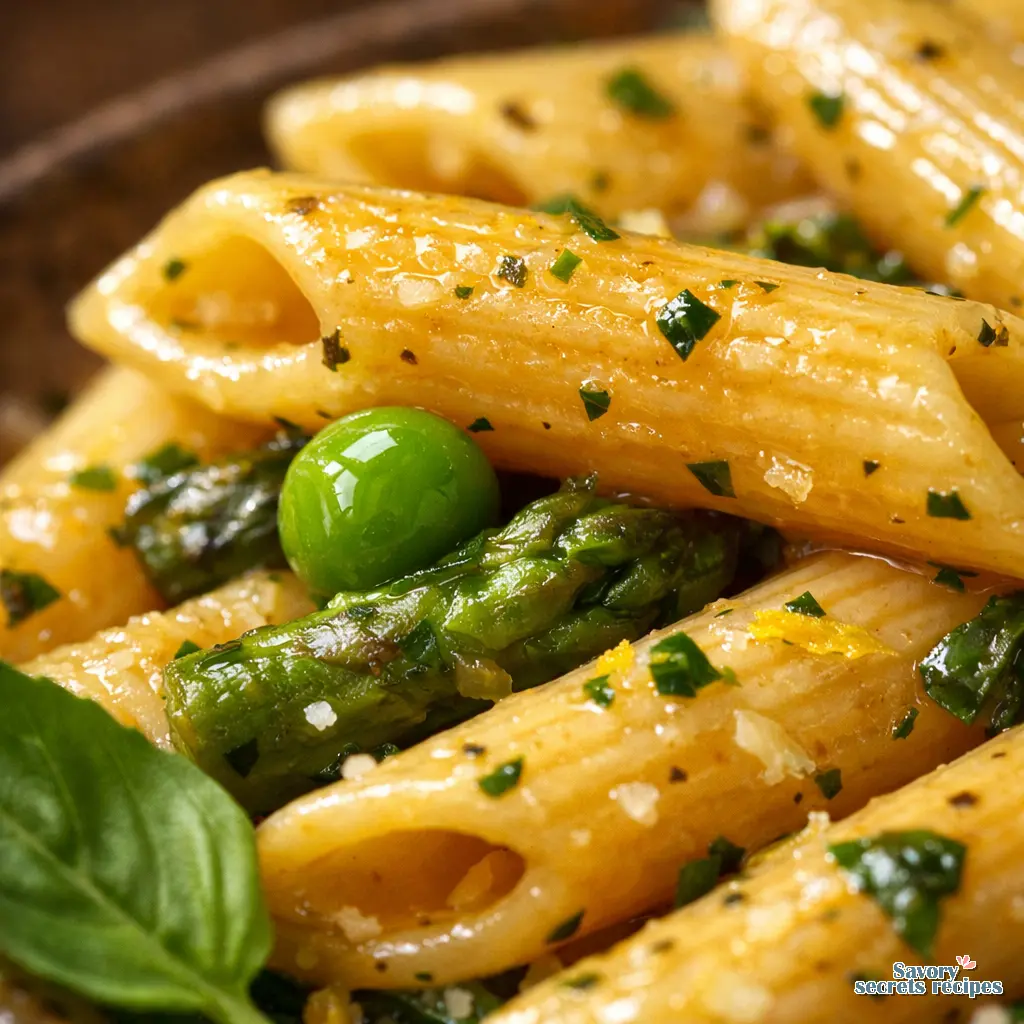
For a light pasta meal with chunky vegetables, size matching is usually the smartest route. You want a shape that roughly matches the size of your cut vegetables so every forkful is balanced. Penne or fusilli corti bucati are fantastic choices because they hold their shape and match the length of chopped asparagus.
Alternatively, if you are making a slightly creamier version, you want a shape that catches the sauce. Orecchiette pasta (little ears) or rotini are perfect. The little cups and spirals grab the light sauce and hold onto the peas. I’d probably go with orecchiette if I’m using a lot of peas, just because the peas nestle right into the pasta cups. That’s the move right there.
Building a Light, Emulsified Sauce
We want a creamy spring vegetable pasta, but we don’t want it to feel like a heavy winter alfredo. The secret to a perfectly light, silky sauce is sitting right in your pasta pot. It’s the starchy pasta water.
When you boil pasta, it releases starch into the water. If you save about a cup of that water before draining your pasta, you have liquid gold. When you combine that starchy water with a little extra virgin olive oil, a touch of butter, or some Parmigiano-Reggiano, and toss it vigorously with the pasta, it emulsifies. It creates a creamy, clinging sauce without using a single drop of heavy cream. This is exactly what you want.
For a vegan modification, you can achieve that same lightly creamy texture without dairy. I often use a quick cashew cream or simply rely on the starchy water mixed with a good quality olive oil and a sprinkle of nutritional yeast. It gives you that savory, cheesy depth while keeping the dish entirely plant-based. Fair enough, it’s not identical to cheese, but it is incredibly delicious in its own right.
Common Mistakes & Fixes
Mistake: The vegetables turn brown and mushy.
Solution: You either overcooked them or added the lemon juice too early. Blanch them quickly and save the acid for the very end.
Mistake: The pasta feels dry and sticky.
Solution: You drained all the pasta water down the sink. Always reserve at least a cup of that starchy water to build your sauce and keep things silky.
Mistake: The sauce is too heavy.
Solution: Skip the heavy cream. Rely on the emulsification of pasta water, a little olive oil, and perhaps a spoonful of whole milk ricotta stirred in off the heat.
Protein Pairings for Your Spring Pasta Recipe
While this is a fantastic vegetarian pasta idea, I hear you if you want to add a bit more protein to make it a heartier weeknight meal. The trick is choosing proteins that complement the delicate spring flavors rather than overpowering them.
Shrimp is my absolute favorite addition here. A quick sauté with some garlic and red pepper flakes, and they are ready in three minutes. They feel light and coastal. Sliced grilled chicken breast is another easy option, especially if you have leftovers in the fridge.
If you want to keep it plant-based but boost the protein, toss in a can of rinsed chickpeas. They add a lovely textural contrast and soak up that lemon-garlic sauce beautifully. I’ve been teaching my daughter that cooking is about paying attention to balance. You don’t want a heavy protein competing with delicate pea shoots or fresh asparagus.
The One-Pot Cooking Method Option
Look, sometimes it’s a Tuesday night, you are exhausted, and the idea of washing a pasta pot, a blanching pot, and a sauté pan is just not happening. I completely understand. Worth considering is the one-pot method.
You can absolutely cook this spring pasta recipe using a single large pot. Start by boiling your pasta. When the pasta has about three minutes left until al dente, drop your chopped asparagus and green beans right into the boiling pasta water. In the last minute, toss in your peas. Drain everything together (reserving that water, of course), then build your sauce right in that same warm pot. It saves time, saves dishes, and still yields a fantastic light pasta meal.
Storage and Reheating Your Fresh Vegetable Pasta
Pasta dishes can be tricky to store and reheat. The pasta tends to absorb all the moisture in the fridge, leaving you with a dry, clumpy mess the next day. I’ve ruined plenty of good leftovers learning this lesson.
To store your leftover spring pasta recipe, let it cool completely before transferring it to an airtight container. It will keep in the refrigerator for up to three days. When you are ready to reheat, do not just blast it in the microwave dry. Add a splash of vegetable broth or simply a tablespoon of water to the container first. Cover it loosely and heat gently, stirring halfway through. That little bit of added moisture will wake the sauce right back up.
If you made a big batch of pesto to go with this, remember that pesto freezes beautifully. Freeze it in small portions or an ice cube tray, so you can drop a cube of spring flavor into your pasta months from now.
Frequently Asked Questions
Can I add protein like chicken or shrimp to this light pasta meal?
Absolutely. Shrimp is my top recommendation because it cooks in minutes and complements the light, lemony sauce perfectly. Grilled chicken breast or chickpeas also work wonderfully. Just keep the seasoning simple so you don’t overpower the delicate fresh vegetables.
[ “vibrant, and honest. There’s no heavy cream masking the sweetness of the peas or the earthy snap of the asparagus. It’s just you, the vegetables, and a really good olive oil. I usually serve this with a thick slice of sourdough from that bakery on Grand Avenue, just to swipe up any leftover sauce at the bottom of the bowl. It’s a simple pleasure that feels like a reward for making it through February.”, “Mixing It Up: Variations for Every Mood
“, “Once you’ve mastered the basic spring pasta recipe, you can start playing with the format. If it’s one of those rare hot days in April, try the Cold Pasta Salad version. Just cook the pasta and vegetables as usual, but rinse the pasta under cold water to stop the starch from sticking. Toss it with a bright lemon vinaigrette instead of the warm emulsified sauce. It’s perfect for a picnic at Lake Merritt.
“, “For those who need a bit of heat, the Spicy Version is a no-brainer. I like to sizzle a generous teaspoon of red pepper flakes in the olive oil before adding the garlic. It gives the whole dish a back-of-the-throat warmth that balances the sweet peas beautifully. If you’re feeling fancy, look for edible flowers like arugula blossoms or chive flowers. They add a peppery bite and make the plate look like a literal garden. It’s a bit extra, but why not?
“, “Substitution Secrets
“, “Don’t let a missing ingredient stop you from making this. If the market is out of asparagus, zucchini or yellow squash work just as well. Just slice them into half-moons so they match the shape of your pasta. If you can’t find leeks, shallots are a perfect substitute. They have that same delicate sweetness without the harsh bite of a white onion.
“, “As for herbs, the world is your oyster. While basil is the classic choice, fresh mint leaves are an absolute revelation with peas. It sounds weird until you try it, then you’ll never go back. Tarragon is another great option if you like that subtle licorice note. Just remember to use a light hand with tarragon, as it can easily take over the whole show.
“, “Expert Notes & Data Insights
“, “After years of making various versions of this dish, I’ve gathered a few hard truths that will make your cooking better. Data from professional kitchens shows that the number one mistake home cooks make with pasta primavera is overcooking the green vegetables. You want them ‘crisp-tender,’ which usually means they spend less than three minutes in the water. If they’re soft enough to mash with a fork, you’ve gone too far.
“, “Another key insight involves the ‘Lemon Rule’ we discussed earlier. Chemical analysis of chlorophyll shows that acid breaks down the cellular structure of green vegetables, causing them to turn brown. This is why the timing of your lemon juice is non-negotiable. Add it at the table or right before serving to keep that emerald green popping. Finally, remember that the original 1970s Le Cirque recipe was much heavier. Modern tastes have shifted toward the lighter, emulsified style we’ve made today. It’s better for your energy levels and better for tasting the actual produce.
“, “” ]What are the best seasonal vegetables to include in a spring pasta recipe?
I always start with asparagus, English peas, and leeks. They offer the perfect balance of crunch and sweetness. If you can find them at the farmers market, fava beans and ramps are incredible additions that truly capture that early spring flavor profile.
How do you make a creamy spring vegetable pasta without it becoming mushy?
The trick is timing. Blanch your vegetables quickly and shock them in ice water to maintain their crisp texture. Then, use reserved starchy pasta water emulsified with olive oil or a little Parmesan to create a silky, creamy sauce that coats the pasta without weighing it down.