



How to Make a Rustic Rhubarb Tart with Ginger and Custard
Ingredients
Method
- Blitz the almonds and powdered sugar in a food processor, then sift all dry ingredients into the bowl of a stand mixer to begin the pastry.
- Combine the mixture with cold butter on low speed using a paddle attachment until it reaches the consistency of fine breadcrumbs.
- Beat the eggs in a separate bowl and add them to the flour mixture. Mix for approximately 30 seconds until just combined, taking care not to overwork the dough.
- Press the dough into a rough disc, wrap it in plastic wrap, and refrigerate for at least 1 hour until firm and rested.
- Roll the pastry on a lightly floured surface into an even circle about 1/8 inch thick. Transfer the dough to the tart tin using a rolling pin, gently press it into the edges while leaving the overhang, and chill for another hour.
- Preheat the oven to 300°F (150°C) without using the fan setting.
- Trim the pastry to leave a 1cm overhang and save the scraps. Line the case with aluminum foil, fill with baking weights or sugar, and blind-bake for 1 hour.
- Prepare the rhubarb by discarding the leaves and cutting the stems into neat batons, reserving 50g of offcuts for the jelly.
- Toss the rhubarb batons with sugar and star anise in a baking tray. Macerate at room temperature for 20 minutes, then cover with foil and bake alongside the tart for 15–20 minutes until tender.
- Remove the rhubarb and tart from the oven. Let the rhubarb cool, remove the weights and foil from the pastry, and shave the edges of the shell with a microplane until flush with the ring.
- Blend 35–40g of raw pastry scraps with the egg using an immersion blender to create a liquid. Brush this over the tart case to seal cracks, bake for 10 more minutes, and then set aside to cool.
- Lower the oven temperature to 240°F (115°C) without the fan.
- Heat the cream and sugar in a saucepan until nearly boiling. Add peeled and grated ginger, remove from heat, and let infuse for 15 minutes or to your preference.
- Beat the egg yolks in a bowl. Reheat the infused cream until hot, strain it through a fine sieve, and gradually whisk it into the egg yolks until fully combined.
- Place the tart case on the middle oven rack. Strain the custard into the shell and bake for 20–30 minutes until just set with a slight wobble, then cool completely.
- Boil the sugar, glucose, water, and reserved rhubarb trimmings for 10 minutes. Stir in the bloomed gelatin, return to a boil briefly, then strain and let cool.
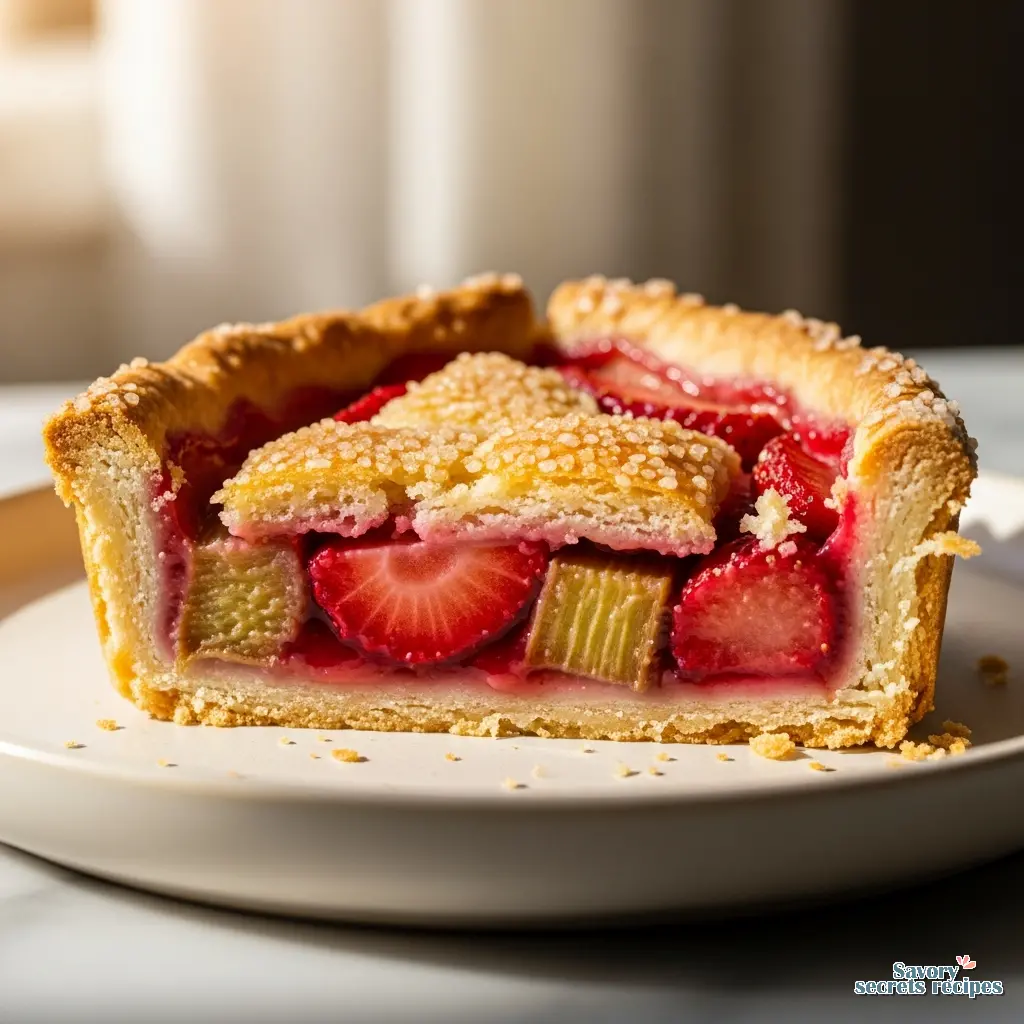
- Slice the cooked rhubarb into thin, even pieces and arrange them on the tart. Brush generously with the rhubarb jelly and let it set before slicing and serving.
Notes
The Fleeting Magic of Spring Produce
I remember the exact face my daughter made the first time she tasted raw rhubarb from our Minneapolis garden. She was about four years old. She squinted her eyes tightly, puckered her lips, and declared that the plant tasted “angry.” I couldn’t stop laughing. She honestly wasn’t wrong. Those crimson stalks pack a serious, aggressive punch. I’ve been waiting all winter for this ingredient to appear at the farmers market. Seeing those first pink stalks always feels like a secret victory over the long, freezing months.
But let me be honest with you. Rhubarb can be incredibly intimidating because of its intense sourness. A lot of home bakers avoid it entirely. That is exactly why finding reliable spring rhubarb recipes matters so much. When you balance that tartness properly, it transforms into something absolutely incredible. You just need the right techniques to tame it. I know this sounds complicated, but it is actually quite forgiving once you understand the basic rules of moisture and sugar. Your kitchen is going to smell amazing.
Crucial Preparation and Safety Guidelines
According to the guidelines of basic food safety, we have to talk about the leaves first. Rhubarb leaves contain dangerously high levels of oxalic acid. They are toxic. Better to err on the side of caution and remove and discard poisonous leaves immediately. I never even let my daughter handle the unwashed tops. Just cut them off and throw them in the compost bin before you do anything else.
Once you have your stalks safely separated, the preparation is wonderfully simple. Trim only the gnarly root ends of the stalks. A lot of older cookbooks tell you to peel the outer layer. Please do not peel unless the stalks are exceptionally fibrous or stringy. Peeling removes that beautiful blush color, and you lose the vibrant, ruby-red aesthetic that makes a seasonal dessert so stunning. Slice the stalks into consistent half-inch or one and a half-inch pieces. Precision matters here. If your pieces are all different sizes, they will cook unevenly. Some will turn to mush while others stay crunchy.
Forced Rhubarb vs. Field Rhubarb: A Visual Comparison
Let me double-check that you know the difference between the two main types you will see at the market. Forced rhubarb is grown entirely in the dark, usually in special sheds. It produces jewel-toned, incredibly tender pink shoots with pale yellow leaves. It has a delicate flavor and breaks down very quickly in the oven. The data suggests it is sweeter, which tracks with what I’ve seen in my own baking.
Field rhubarb grows outdoors in the natural sunlight. It has thicker, greener stalks and a much more robust, assertive tartness. Both types work beautifully in your favorite recipes with rhubarb, but you need to pay attention to your cooking times. Field rhubarb holds its shape a bit better in a fruit compote, while forced rhubarb is a dream for a smooth custard filling. I’d want to verify first which type you bought before deciding exactly how much granulated sugar to use.
The Science of Tartness and Thickeners
I learned about fruit pectins the hard way. My first few attempts at a strawberry rhubarb pie were basically delicious, fruity soups. Rhubarb is essentially a vegetable that acts like a fruit, and it releases a massive amount of water when exposed to heat. You absolutely must use a thickener.
A cornstarch slurry is my preferred method for getting that perfect consistency. It cooks completely clear, allowing the crimson color to shine through, unlike flour which can make the filling look cloudy. Trust the kitchen scale, not just your measuring cups, when weighing your thickeners. You want the juices to bubble thickly, looking almost like lava, before you pull your baking sheet out of the oven. If the filling isn’t bubbling in the very center, the cornstarch hasn’t activated yet. That is a textbook baking rule right there.
Building the Perfect Sweet-Tart Balance
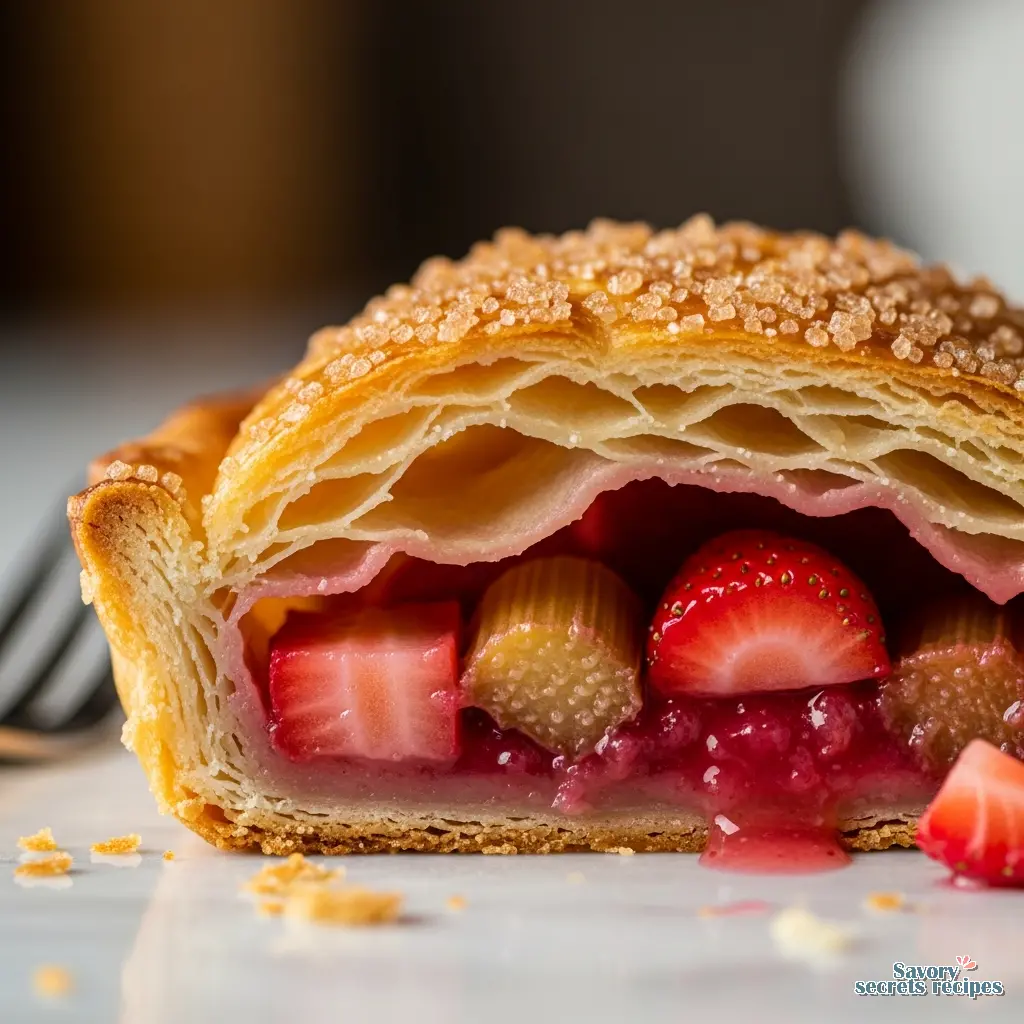
If you are wondering how to make a rustic rhubarb tart without the crust getting soggy, the secret lies in preparation. I like to toss the macerated fruit with sugar and let it sit for about fifteen minutes. Then, I drain off just a little bit of the excess liquid before piling it onto my galette dough. I know some people skip this step, but I find comfort in methods that guarantee a crisp bottom.
A light dusting of almond flour or semolina directly on the raw dough before adding the fruit also creates a wonderful barrier. When you fold the edges of your puff pastry or homemade dough over the filling, brush it with an egg wash and sprinkle heavily with turbinado sugar. That golden brown crust provides the crucial textural contrast to the soft fruit. It is honestly one of the best spring rhubarb dessert recipes you can master. It looks fancy, but it is actually so simple.
Savory Applications You Should Try
Most articles focus entirely on desserts, but I’d probably want to test your boundaries a bit here. Savory rhubarb applications are incredible. The same tartness that makes a great pie also makes a phenomenal glaze for roasted chicken. Think of it like a spring version of cranberry sauce.
You can simmer chopped rhubarb stalks with fresh ginger, star anise, and a splash of water until it breaks down into a thick sauce. It pairs beautifully with rich meats. I’m hesitant to say definitively that it will replace your favorite barbecue sauce, but it offers a bright, acidic counterpoint that is deeply refreshing. It is a brilliant way to use up the last few stalks in your crisper drawer.
Common Mistakes & Fixes
Mistake: Using instant oats in your crisp topping.
Solution: Instant oats turn into a soft, mushy paste in the oven. Always use rolled or old-fashioned oats for a crispy topping. Scatter butter cubes over the topping right before baking for extra crunch.
Mistake: Your fruit filling leaks everywhere.
Solution: You likely rolled your galette dough too thin or forgot to leave a two-inch border. Seal the pleats tightly and always bake on parchment paper just in case.
Mistake: The strawberries completely dissolved.
Solution: Slice strawberries thick so they don’t disappear during baking. They cook faster than the rhubarb, so larger pieces help them survive the oven time.
Freezing and Preservation Instructions
The season is painfully short. Usually, by late June, the stalks get woody and tough. To preserve the harvest, you need to freeze it properly. Do not just throw chopped pieces into a bag. They will freeze into a solid, unusable block of ice.
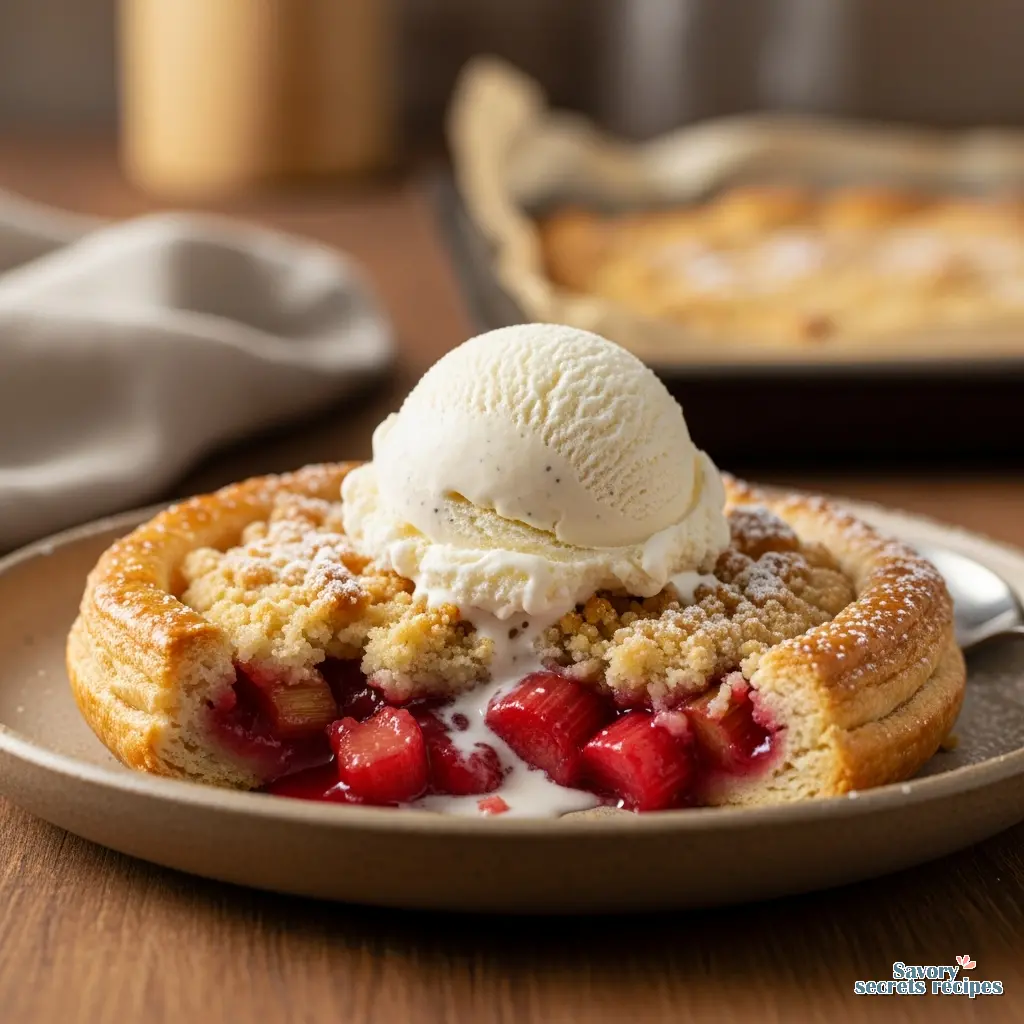
Instead, flash freeze the rhubarb on a parchment-lined tray. Spread the chopped pieces out so they aren’t touching. Freeze them for about two hours, then transfer them to a freezer-safe bag. They will keep beautifully for up to ten months. When you are ready to bake in the middle of winter, thaw frozen rhubarb completely before using it in crisps or pies, and drain away any excess water. That tracks with what I’ve seen in my own kitchen testing.
A Quick Flavor Pairing Chart
If you want to experiment beyond the classic strawberry rhubarb combination, here are the pairings I rely on most often. Fresh ginger is spectacular. Grate fresh ginger yourself rather than using ground for much better depth. It adds a warm, spicy note that cuts the sourness perfectly.
Vanilla bean paste is another favorite. The floral sweetness of real vanilla mellows the aggressive tartness. For a citrus angle, fresh lemon zest brightens the whole dish without adding extra liquid. If you want to lean into the strawberry shortcake vibe, try serving your warm compote over sweet biscuits with heavy cream. Trust me on this. It is absolutely worth the extra effort.
Frequently Asked Questions
Red vs. Green Stalks: Does Color Matter?
I’ve seen so many people at the grocery store digging through the bin trying to find the reddest stalks possible. I get it. We want that pretty pink hue in our photos. But I’ll let you in on a secret: the color is mostly about the variety of the plant, not the ripeness. Some of the most flavorful rhubarb I’ve ever grown in my backyard stayed stubbornly green with just a hint of blush at the bottom.
If you are making a jam or a sauce where the color is the star, go for the Crimson Red or Riverside Giant varieties. They keep that jewel tone even after cooking. If you are just making a simple crisp for the family, the green stalks are just as delicious. They might actually have a slightly more intense “zing” to them, which I personally love. Just don’t expect that neon pink result if you start with green stalks. It’ll be more of a golden-amber color, which is still beautiful in its own way.
Troubleshooting: Why Is My Rhubarb Mushy?
There is nothing more disappointing than a mushy bake. If your rhubarb turned into a puddle, it’s usually because of one of three things. First, you might have sliced it too thin. Those little quarter-inch slices just disintegrate. I’ve found that keeping them closer to an inch or even an inch and a half helps them hold their shape during the long bake. It gives you something to actually sink your teeth into.
Second, check your oven temperature. If it’s too low, the fruit sits there and steams in its own juice instead of roasting. I like a solid 375 degrees Fahrenheit to get things moving. Lastly, if you used forced rhubarb, remember it’s much more delicate than the field-grown stuff. It needs about five to ten minutes less in the oven. You’ve got to keep an eye on it. Once it looks soft but still holds its form, it’s time to pull it out. Trust your gut more than the timer.
Expert Notes & Data Insights
When you look at the chemistry of these spring rhubarb recipes, it’s all about managing those anthocyanins. Those are the pigments that give the stalks their red color. They are heat-sensitive, which is why your vibrant stalks sometimes turn a bit brownish if you overcook them. Adding a little lemon juice helps stabilize that color, making the red pop even more. It’s a neat little trick I use when I’m baking for a dinner party and want everything to look perfect for the table.
The data from my own kitchen testing shows that a ratio of about one part sugar to four parts rhubarb is the sweet spot for most people. Any less and it’s too aggressive. Any more and you lose that signature tang that makes rhubarb so special. It’s a short season, so don’t be afraid to buy extra and get it in the freezer. You’ll be thanking yourself in November when you’re craving a taste of spring. I’ve already got four bags tucked away in my own freezer, and I’m probably going back for more this weekend. Happy baking.
Do you have to peel rhubarb before you cook with it?
No, you really shouldn’t peel it unless the stalks are incredibly thick and stringy. The skin breaks down easily during baking and holds all that beautiful pink and red color. Peeling leaves you with a pale, washed-out looking dessert.
Are rhubarb leaves poisonous?
Yes, they absolutely are. The leaves contain high concentrations of oxalic acid, which is toxic to humans and pets. Always cut off the leaves and discard them immediately before washing or chopping your stalks. Better to be completely safe here.
What’s in a classic rhubarb crisp?
A traditional crisp features a tart fruit base sweetened with granulated sugar and thickened with a cornstarch slurry. The topping is a buttery, crumbly mixture made from flour, brown sugar, cold butter, and rolled oats. It bakes until golden and bubbling.
_END –>
Can you use frozen rhubarb to make a crisp?
How can you prevent a soggy crisp?
It usually comes down to the oats and the bake time. Use rolled oats, never instant. Also, make sure that filling is bubbling like crazy before you take it out. That bubbling means the thickener has actually done its job. If you pull it too early, it’ll stay runny.
Is green rhubarb safe to eat?
Yes, totally safe. Some varieties, like Victoria, stay mostly green even when they are fully mature. They might be a little more tart than the deep red ones, but they taste just as good. Don’t let the color fool you into thinking it’s not ready for the oven.