



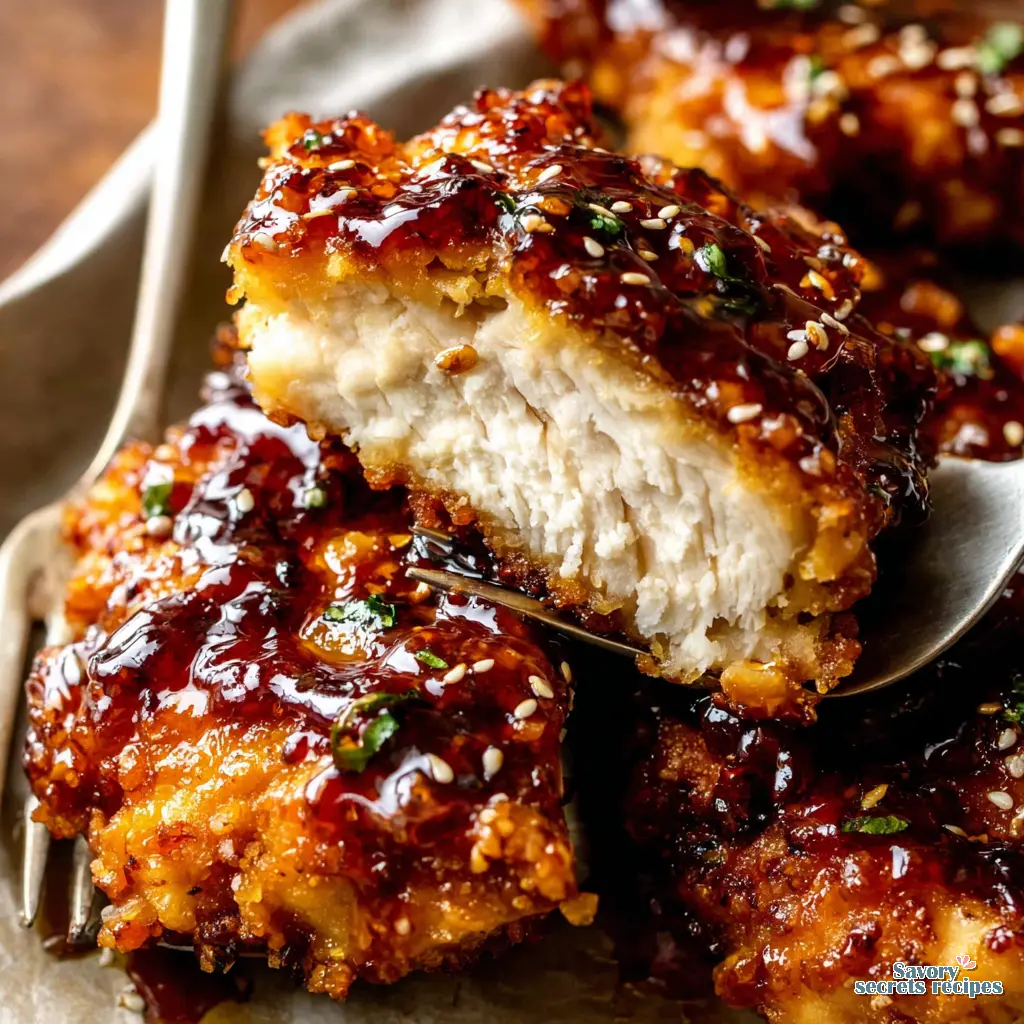
Best Sticky Honey Garlic Chicken Recipe for Dinner
Ingredients
Method
- Pat chicken thighs dry with paper towels and season evenly with salt and black pepper.
- Whisk honey, soy sauce, garlic, rice vinegar, ginger, and sesame oil in a large bowl until well combined.
- Toss chicken in the marinade to coat, then cover and refrigerate for 30 minutes to 4 hours.
- Preheat oven to 400°F (200°C) and grease or line a 9x13 inch baking dish with parchment paper.
- Arrange chicken in a single layer in the baking dish, allowing excess marinade to drip off; reserve the remaining marinade.
- Bake for 20-25 minutes, flipping halfway, until the internal temperature reaches 165°F (74°C) and the chicken is browned.
- Pour the reserved marinade into a small saucepan and bring to a simmer over medium heat while the chicken bakes.
- Whisk cornstarch and cold water in a small cup until a smooth slurry forms.
- Whisk the slurry into the simmering marinade and cook for 1-2 minutes until the glaze is thick and glossy.
- Remove chicken from the oven and brush generously with the thickened honey garlic glaze.
- Bake for 5 additional minutes until the glaze is caramelized, or toss the chicken directly in the glaze.
- Garnish with sesame seeds and green onions, then serve immediately with rice and steamed vegetables.
Nutrition
Notes
The Takeaway Comparison: Why This Sticky Honey Chicken Works
Wednesday evening, 35 minutes before dinner, and the takeout menus start looking awfully tempting. I get it. I remember standing on a stepstool in Opa’s kitchen in Whitefish Bay, watching him sharpen his knives on a whetstone every Sunday morning. He would test the edge on a piece of newspaper, and if it didn’t slice cleanly, he went another five minutes. I thought it was magic. Now I realize it was just consistency. That same focus on consistency is what makes a sweet glazed chicken stand out from basic home cooking.
That tracks perfectly with making restaurant-quality food at home. You want that glossy finish. You want the crunch. Most importantly, you want the best garlic honey chicken recipe for dinner without spending an hour at the stove. This sticky honey chicken is a true one-pan wonder. The secret isn’t a magical ingredient. It’s a specific technique.
When you order takeout style chicken, the sauce clings to the meat. It doesn’t pool sadly at the bottom of the container. Achieving that exact texture at home is easier than you think, but it requires understanding how sugar and heat interact. Clean as you go or regret it later, Opa used to say. We’ll apply that same structured logic to this recipe.
The Core Dispute: Why Chicken Thighs Beat Breasts
I test a lot of kitchen equipment, and I approach ingredients the same way. We need to look at options and tradeoffs. In practice, chicken thighs are preferred over breasts for sticky honey chicken. They handle high heat without drying out.
A line cook at Mader’s Restaurant once showed me that preparation matters more than the raw ingredients. If you leave a little bit of fat on the thighs, it crisps up beautifully during high-heat frying. Good browning takes patience. You need that high smoke point oil to do its work. The thighs stay juicy inside while the exterior develops a crust that grabs onto the sauce.
This might be personal preference, but I find chicken breasts often turn rubbery when subjected to the intense heat required for a proper wok-style sear. However, if you only have breasts on hand, fair enough. Just flatten the chicken breasts with a rolling pin first for even cooking. It prevents the outside from overcooking before the inside reaches a safe temperature. All things considered, thighs give you a much wider margin for error. This reliability makes thighs a go-to choice for an easy chicken dinner on busy weeknights.
The Science of the Sticky Glaze (Not Watery)
I get asked constantly how to get honey chicken glaze sticky not watery. It is the most common failure point for home cooks. You mix the sauce, pour it in, and end up with chicken soup. Not exactly what you want to see.
The solution comes down to reduction and viscosity. We use a mix of cornstarch and flour for a crispy coating that absorbs sauce without getting soggy. Season that flour and cornstarch mix with paprika, garlic powder, and adobo for deeper flavor. When that starch-coated chicken hits the pan, it leaves behind fond. That fond helps thicken the sauce later.
Then there is the cornstarch slurry. You mix cornstarch with cold water before adding it to the simmering sauce. The heat causes the starch granules to swell and absorb liquid. You literally watch the sauce emulsify and turn from a watery liquid into a thick, glossy finish right before your eyes. The sugars in the honey undergo the Maillard reaction, caramelizing slightly to build complex flavors.
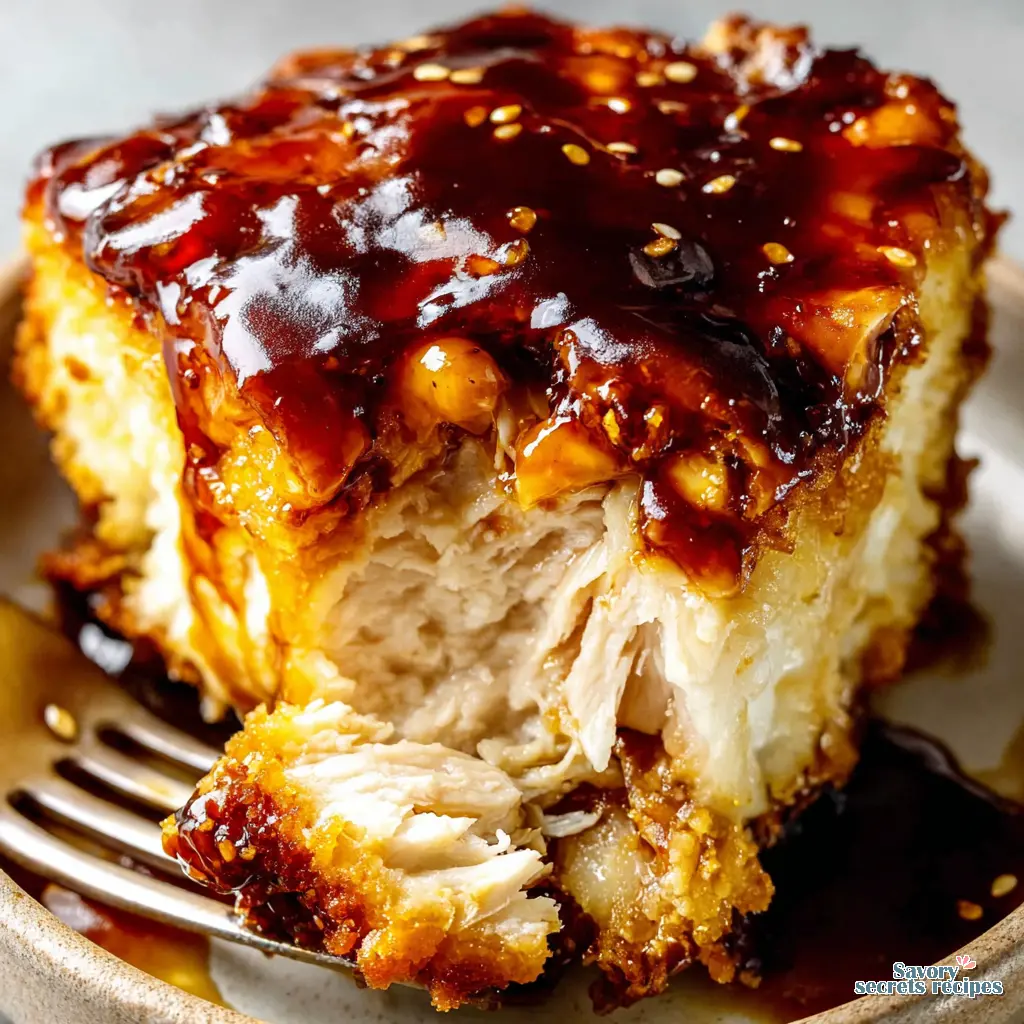
Visual Troubleshooting: Is My Sauce Too Thin or Too Thick?
Mistake: Using only cornstarch for the dredge.
Solution: This can result in a weird, gummy texture. Mix it with flour instead. The combination creates a sturdy crust that holds up to the sticky honey chicken glaze.
Mistake: The sauce is watery and pooling in the pan.
Solution: You haven’t let the reduction happen. Simmer it a bit longer. The sauce needs time to thicken until it coats the back of a spoon.
Mistake: The sauce turned into a solid, sticky brick.
Solution: You reduced it too far or the heat was too high. Splash in a tablespoon of warm water or chicken broth and stir vigorously to loosen the viscosity.
The Garlic Secret & Ingredient Breakdown
If you want the absolute best garlic honey chicken recipe for dinner, you have to treat the garlic properly. I see people throwing minced garlic into a screaming hot wok right at the beginning. It burns instantly. Burned garlic tastes like bitter metal. It ruins the whole dish.
The trick is adding the fresh ginger and minced garlic during the last thirty seconds of cooking the chicken, right before you pour in the liquids. The residual heat mellows the raw bite without scorching it. You get that incredible smell of browning butter and garlic that means something good is coming.
Let’s talk about the balance of the sauce. Honey is aggressively sweet. You need umami and acidity to counter it. A good soy sauce substitute like coconut aminos works perfectly if you are avoiding soy. Rice vinegar provides the necessary tang. If you prefer a dry heat, add red pepper flakes instead of sriracha. The acidity from the vinegar cuts through the heavy sweetness, creating a balanced, glossy finish.
Equipment & Technique: The Stand-Mixer Shredding Hack
I love when a tool does exactly one thing perfectly. I bought a mandoline without a hand guard last year and my wife immediately banned it from the house. She was right. Safety and function go hand in hand. But sometimes, you can use a tool for something completely unexpected.
If you want a different texture for your sticky honey chicken, try shredding the cooked chicken with a stand mixer. Just toss the hot, cooked thighs into the bowl and use the paddle attachment on low speed for about ten seconds. It shreds the meat perfectly. This increases the surface area massively, allowing the sticky sauce to coat every single strand. It makes for incredible leftovers or sandwich fillings.
Air Fryer Conversion Guide
I’m still not sure whether non-stick coating technology has actually improved or if marketing has just gotten better, but I do know air fryers are incredibly efficient for this recipe. If you don’t want to stand over a hot stove, the air fryer is a solid alternative. If you prefer the oven over the air fryer, you can achieve a similar result with a traditional baked honey chicken method.
Toss your dredged chicken pieces in a little high smoke point oil. Air fry at 380°F for about 12 to 14 minutes, shaking the basket halfway through. While the chicken cooks, reduce your honey garlic sauce in a small saucepan on the stove. Toss the crispy air-fried chicken in the thickened sauce right at the end. You get the same great texture with a fraction of the cleanup.
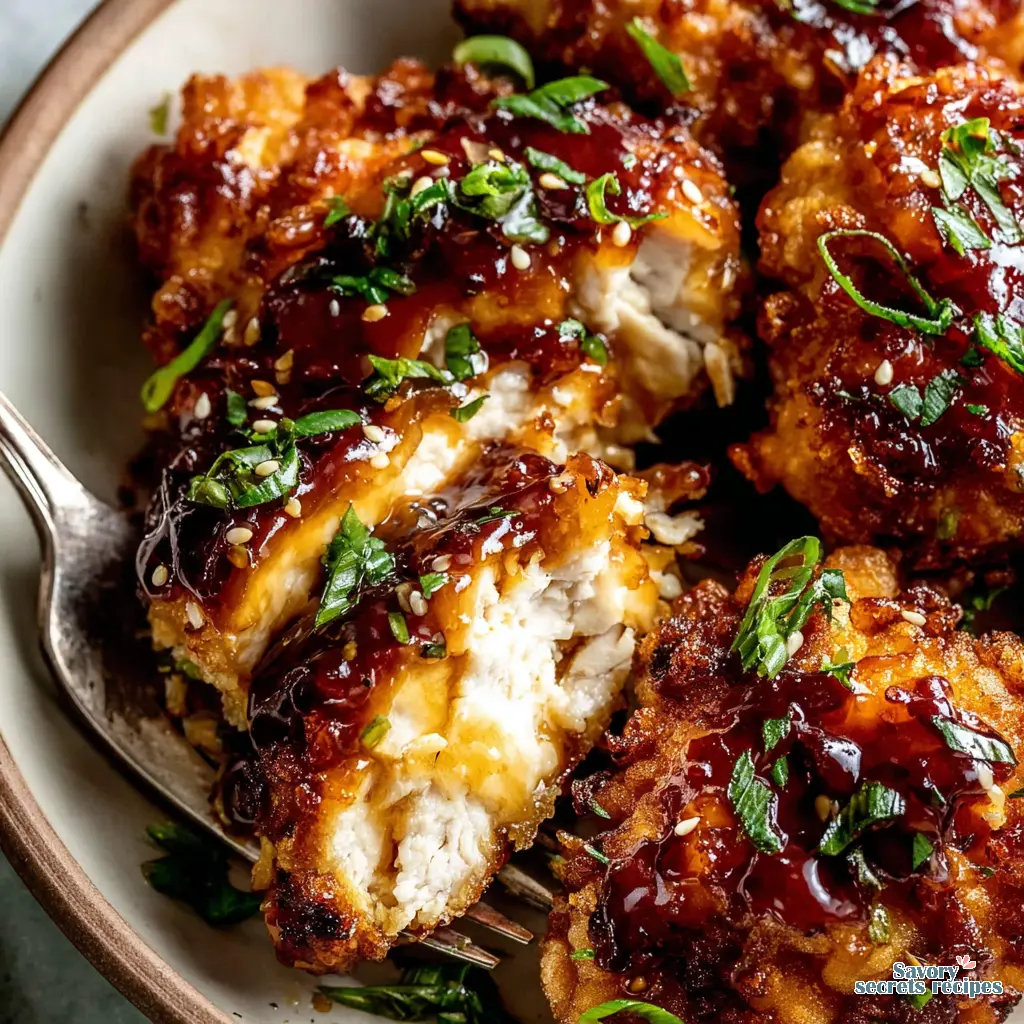
Storage & Reheating Guide for Sticky Honey Chicken
I once tested a highly-rated Dutch oven and ruined a roast because I didn’t understand the equipment’s limits. Food storage is similar. If you treat leftovers poorly, you ruin the initial effort. Reheating sticky honey chicken without a cover dries out the honey glaze entirely. It turns into hard candy. Following these steps ensures your honey glazed chicken remains tender and flavorful the next day.
Store your leftovers in an airtight container in the refrigerator for up to 4 days. When it is time to reheat, skip the microwave if you want to keep the texture. Place the chicken on a baking tray, cover it tightly with foil, and warm it in the oven at 350°F for 12 to 15 minutes. The foil traps the moisture, softening the glaze just enough without turning the chicken rubbery. Serve it over jasmine rice or alongside steamed broccoli to soak up the extra sauce.
Frequently Asked Questions
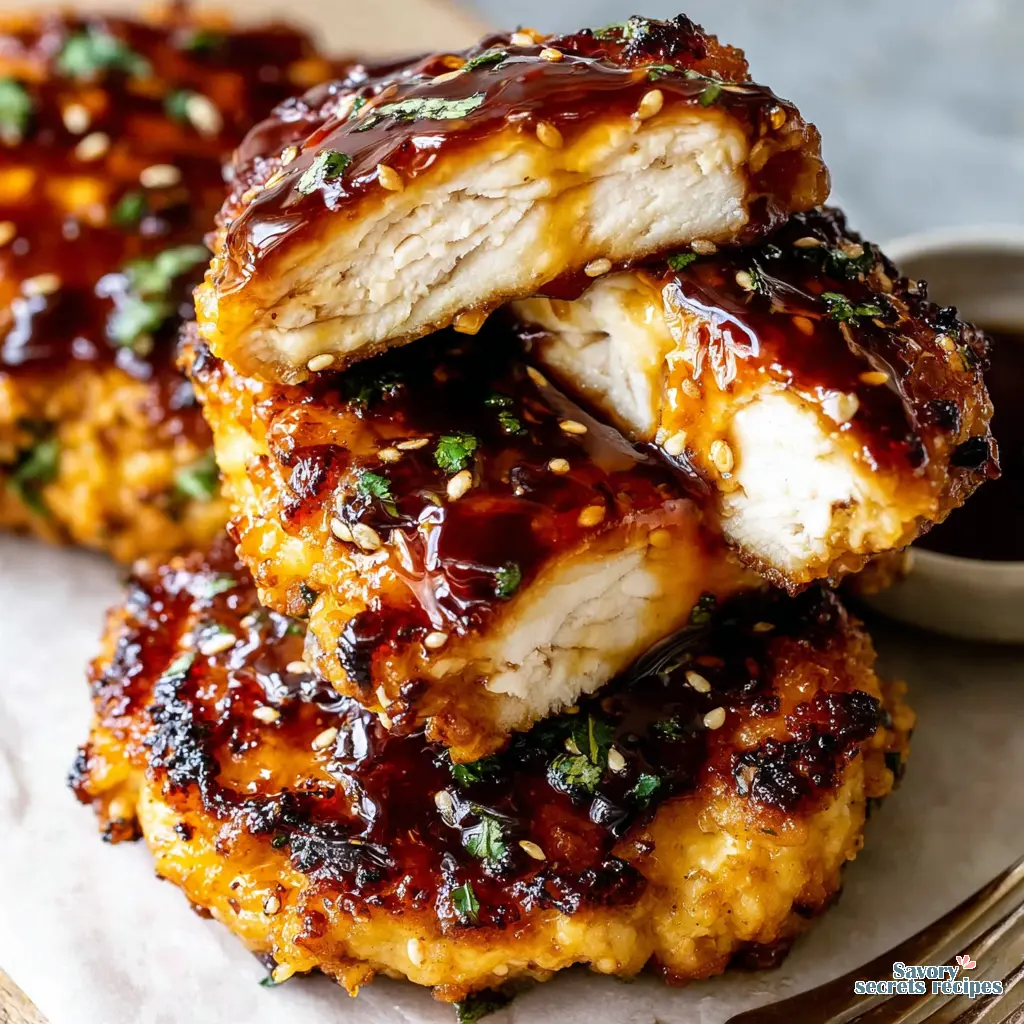
Bringing It All Together
There is genuine satisfaction in mastering a dish that normally requires a delivery fee. Once you understand the mechanics of the cornstarch slurry and temperature control, this sticky honey chicken becomes a reliable weeknight staple. It smells incredible, tastes even better, and you know exactly what went into it.
Serve it over a big bowl of jasmine rice, garnish heavily with green onions and sesame seeds, and enjoy the results of good technique. If you want more reliable, tested recipes and kitchen equipment insights, check out my Pinterest boards. I save all my favorite variations there.
Reference: Original Source
Can I replace chicken thighs with chicken breast for sticky honey chicken?
Yes, you absolutely can. If you use chicken breasts, I highly recommend flattening them with a rolling pin first. This ensures even cooking so the outside doesn’t overcook before the inside is done. They will be slightly less juicy than thighs, but still delicious.
Can I make this sticky honey chicken recipe gluten free?
It is very easy to adapt. Swap the standard soy sauce for tamari or coconut aminos. Use a certified gluten-free flour blend in place of regular all-purpose flour for your dredge. Double check that your rice vinegar is certified gluten-free, and you are good to go.
Can I freeze leftover garlic honey chicken?
You can freeze it. Let the cooked chicken cool completely, then place it in a freezer-safe container. It will keep for up to two months. Thaw it overnight in the fridge before reheating in the oven covered with foil to protect the sticky sauce.
Can I make ahead or save leftovers and reheat?
This recipe is fantastic for meal prep. Store it in airtight containers in the fridge for up to 4 days. To reheat, bake at 350°F covered with foil for 12 to 15 minutes. The foil is crucial to keep the glaze from drying out.
How do I prevent the chicken from drying out at high heat?
Using chicken thighs is your best defense against dry meat. Also, the cornstarch and flour dredge creates a protective barrier. Don’t overcook the meat before adding the sauce. Let the simmering liquid finish the cooking process gently while the sauce thickens.