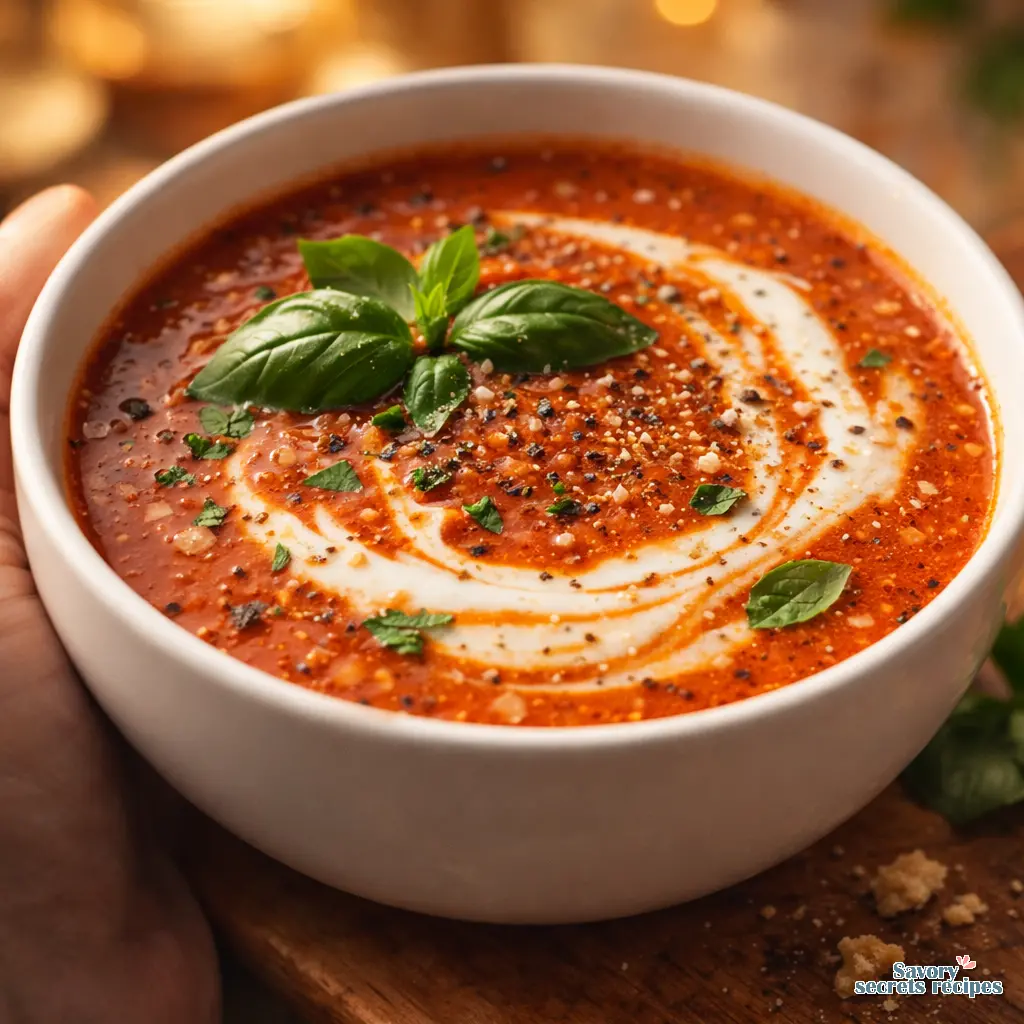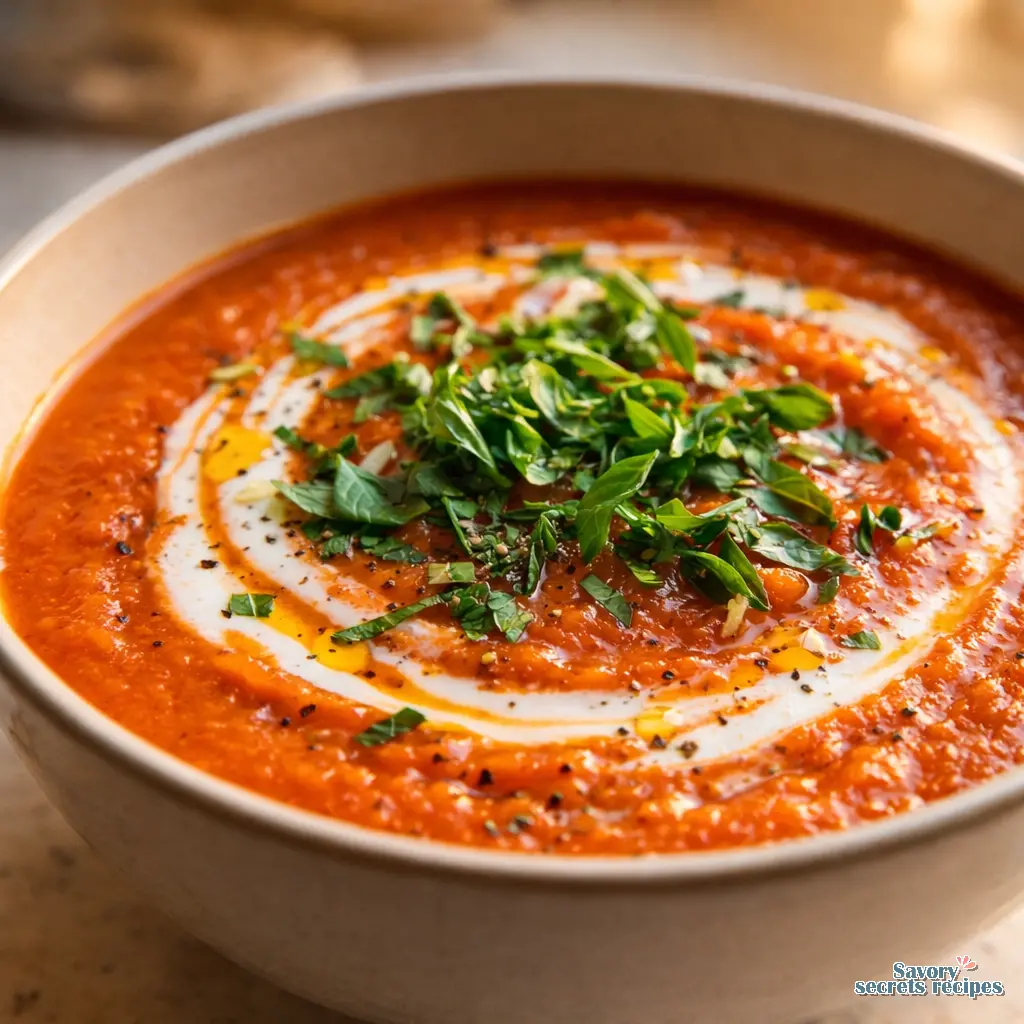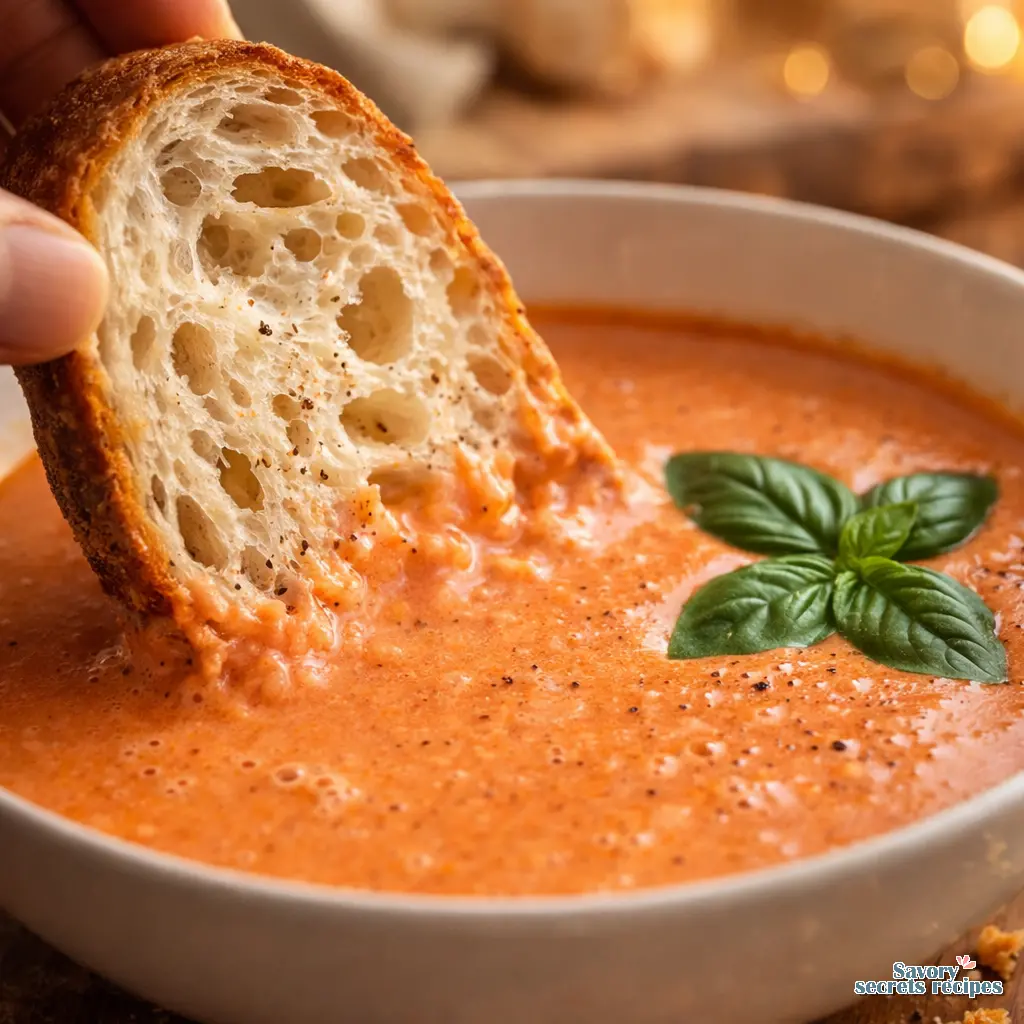




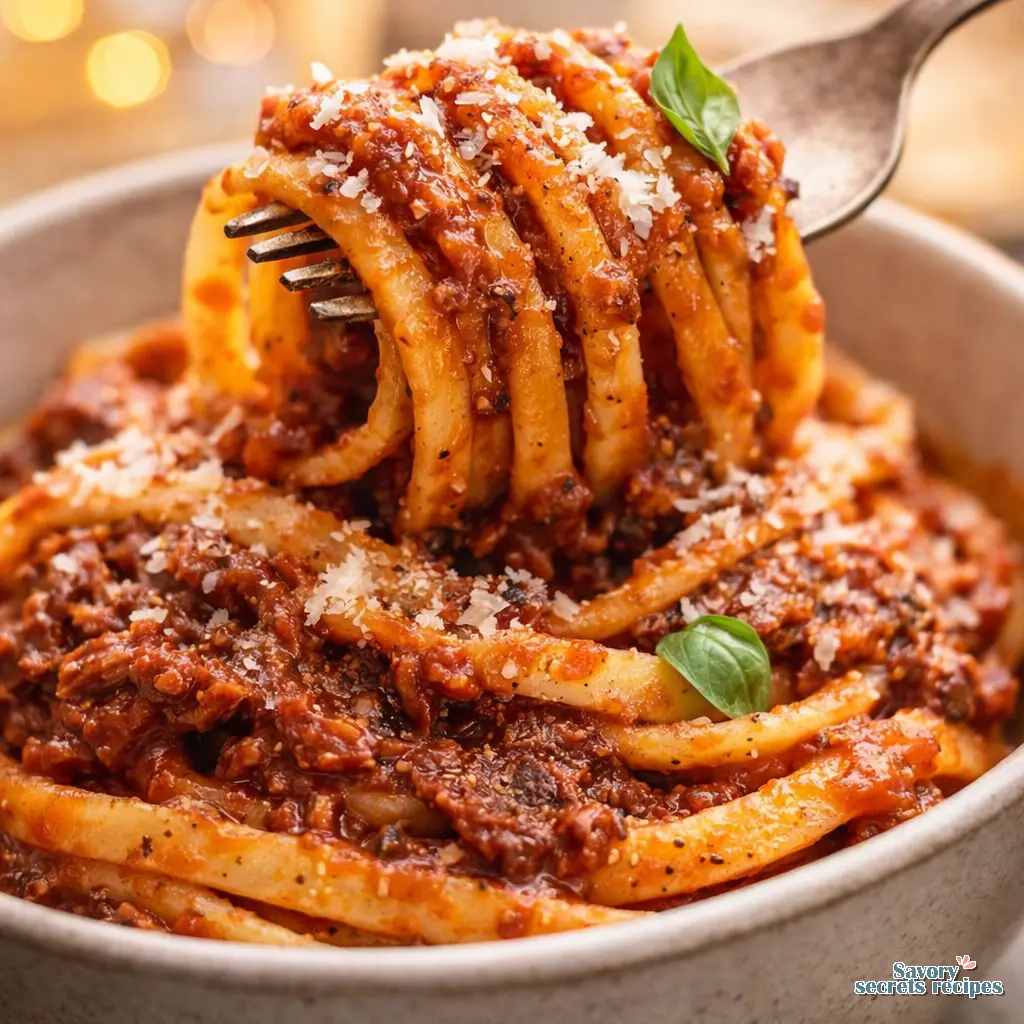
Authentic Bolognese Recipe Without Wine
Ingredients
Method
- Place a large saucepan over medium-high heat. Add 2 tablespoons of olive oil and swirl to coat the pan. Heat until the oil is hot and shimmery.
- Add one chopped medium onion and stir to coat. Sauté, stirring occasionally, for 8 to 10 minutes until the onion is very soft.
- Reduce the heat to medium. Add 3 minced large garlic cloves and stir. Sauté for 60 seconds until fragrant, stirring constantly.
- Add two 28-ounce cans of whole peeled San Marzano tomatoes and stir. Increase the heat to high and bring the mixture to a boil, stirring occasionally.
- Reduce the heat to low immediately once boiling. Simmer for 20 minutes, stirring occasionally and breaking up the tomatoes with a wooden spoon or spatula.
- Stir in ¼ cup of chopped fresh basil leaves. Simmer for an additional 5 minutes, stirring occasionally.
- Remove the saucepan from the heat. Stir in 1 ½ teaspoons of kosher salt and ½ teaspoon of freshly ground black pepper. Allow the mixture to cool slightly.
- Insert an immersion blender into the saucepan and purée until the sauce is thick and mostly smooth (refer to notes if using a standard blender).
- Taste the sauce and adjust the salt or pepper as needed. Stir in the cooked pasta of your choice until thoroughly coated in the pomodoro sauce.
- Portion the pasta and sauce into serving bowls or plates. Top with grated parmesan if desired and serve immediately.
Nutrition
Notes
- Unlike other pasta sauces, pomodoro sauce is intended to be served in smaller amounts, just enough to cover the pasta but not so much that your pasta is heavily coated in sauce.
- Fill the blender no more than halfway. You may have to blend your ingredients in a few batches.
- After pouring the mixture into the blender, let it sit a few minutes to cool slightly before blending.
- Before blending, remove the center cap from the blender lid and cover the hole with a dish towel instead. This will keep pressure from building up inside the blender. Keep your hand on the lid to hold it down while blending.
The Truth About Traditional Italian Pasta
You’ve just finished work, popped into Tesco for a few bits and bobs, and you’re craving something comforting. I completely understand the impulse to grab a jar of sauce and some dried spaghetti. I really do. But let me think on that for a second. If you want to experience proper, traditional italian pasta, we need to rethink the entire approach. It’s not a quick 15-minute job. Well, the preparation is fast, but the cooking demands patience. And trust me, it’s worth it.
Most of us grew up with a very specific idea of a British ‘spag bol’. It usually involves a mountain of acidic tomatoes, a quick fry of minced meat, and perhaps a splash of something from the drinks cabinet. Today, we’re building an authentic ragu alla bolognese without a drop of alcohol and absolutely no pork. We’re focusing purely on the rich, complex flavour of slow-cooked beef. This is the kind of hearty pasta dinner that changes how you view home cooking. You’ll know it’s ready when the kitchen smells like a rustic trattoria in the middle of winter.
Building the Base in a Heavy-Based Saucepan
I remember standing on a step stool next to my grandmother’s stove when I was maybe seven, watching her start a sauce. She had me smell the shallots at every single stage. Raw, sweating, just beginning to colour. She made me describe what I was smelling. I got impatient and said they all smelled the same, so she made me start over. I can still smell the difference now without thinking about it. That specific combination of allium sweetness and fat means something good is coming.
For our traditional italian pasta, everything starts with the soffritto. You need a very fine dice of onions, carrots, and celery. I like using a wooden spoon for deglazing and stirring rather than a metal one. Yes, metal releases the stuck bits more aggressively, but wood gives me more control and doesn’t scratch my pans. My grandmother kept her wooden spoon in a separate crock, claiming it had absorbed ten years of good stock. I thought she was being superstitious until I inherited that spoon. Now I get it.
You absolutely must use a heavy-based saucepan for this. Thin pots will scorch your base, and once you burn the soffritto, you can’t save it. We’re using beef shin here because the connective tissue breaks down during the slow simmering process, creating an incredibly unctuous, silky texture. Let the meat brown properly. This is where most people rush it, but you need that deep caramelisation for the umami notes to develop.
The Science of a Proper Meat Sauce
Here’s where it gets interesting. We are adding whole milk to the beef. I know this sounds strange if you’re used to tomato-heavy sauces, but milk is a traditional secret. The lactic acid gently tenderises the beef shin, while the dairy fat protects the meat from turning stringy during the long cook. Let the milk simmer until it completely evaporates and leaves just the fat behind. Watch for the moment when the liquid turns clear and the meat starts sizzling again. Perfect.
Since we’re making this traditional italian meat sauce no pork and without wine, we need a clever substitution to replicate that complex acidity. In my experience, a mixture of high-quality beef broth and a splash of white wine vinegar or lemon juice does the job beautifully. The vinegar cuts through the richness of the fat just like a dry red would, without any of the alcohol.
Add your tomato concentrate and just a handful of whole peeled San Marzano tomatoes. Avoid tomatoes packed in puree or containing calcium chloride, as they give a metallic, processed taste. We want the cleanest flavour possible. Add a tiny grating of fresh nutmeg. It brings a subtle, warming background note that ties the whole dish together.
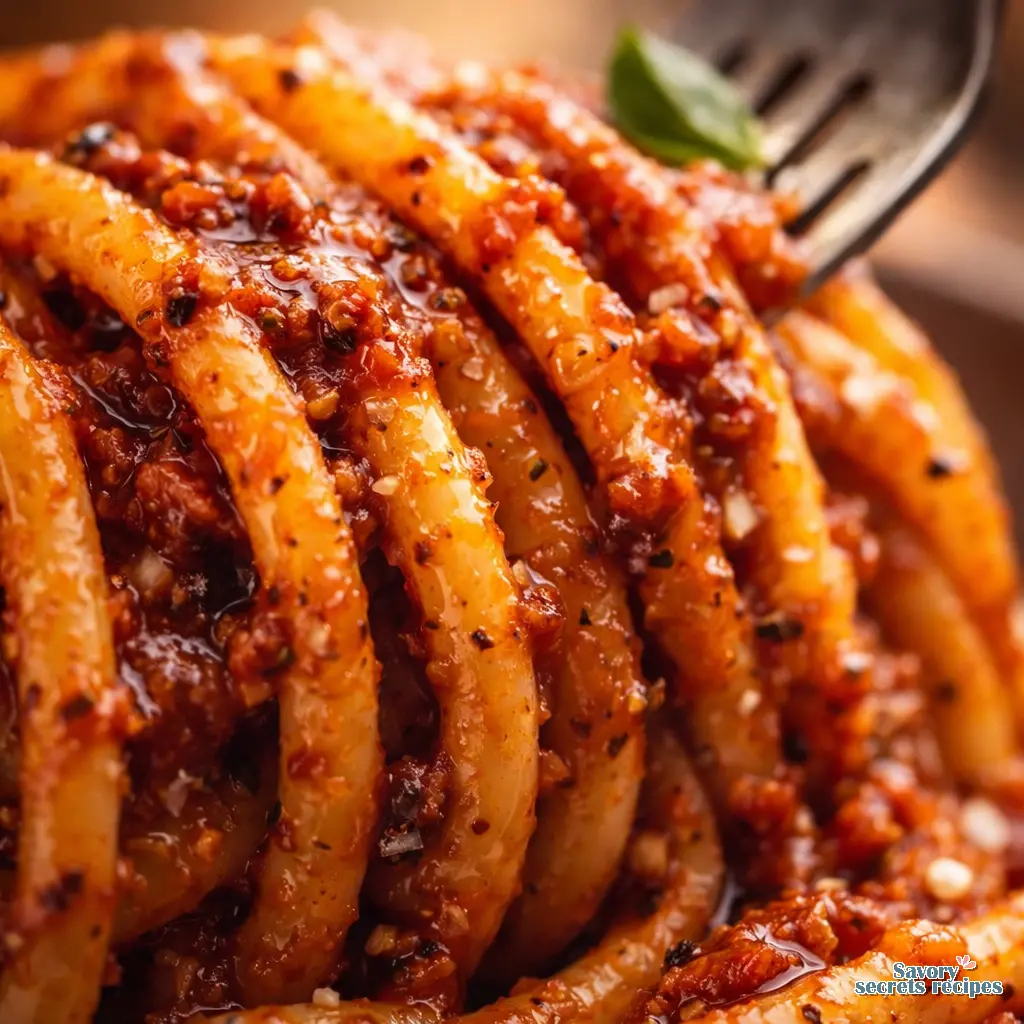
Technical Tips for Dough and Sauce Consistency
If you’re making fresh dough for this traditional italian pasta, you need to commit to the process. Knead fresh pasta dough for exactly 10 minutes to incorporate air bubbles and develop the gluten. A lot of recipes talk about the dough ‘singing’, which is poetic but useless for a beginner. You’ll know it’s ready when the surface feels completely smooth, slightly elastic, and springs back slowly when you poke it. It shouldn’t feel sticky at all.
You must let the pasta dough rest for at least 30 minutes wrapped in cling film. If you skip this, it will be impossible to shape. The gluten needs to relax. When it’s time to roll, I highly recommend using a pasta machine to ensure consistent thickness and reduce the manual labour. I’ve tried doing it entirely by hand with a rolling pin, and while it’s a lovely rustic idea, the machine gives you the authentic texture you need for a delicate tagliatelle.
Common Mistakes & Fixes
Mistake: The dough tears when rolling.
Solution: You likely skipped the resting period or didn’t knead it long enough. Wrap it back up and let it sit for another 20 minutes.
Mistake: The sauce looks greasy and separated.
Solution: The heat was too high. A slow cooked italian beef pasta needs a bare, lazy simmer. Stir in a splash of cold water to re-emulsify.
Mistake: The cheese clumps into a stringy mess.
Solution: You added cheese to a boiling pan. Always take the pan off the heat and let it drop below 70°C before adding grated cheese.
The Science of Emulsion and Pasta Water
The marriage of pasta and sauce is where a good dish becomes a great one. As a general rule, use a small amount of water to boil your pasta. This concentrates the starches in the water, which is exactly what we need for a thicker, silkier sauce. Undercook your pasta by 2 minutes. It should still have a distinct, chalky bite in the centre.
Transfer the pasta directly into your heavy-based saucepan with the ragu. Add a ladle of that starchy cooking water. Toss it vigorously over medium heat. The starch from the water and the fat from the sauce will bind together, creating a beautiful emulsion that coats every single strand. This changes things entirely. It stops being pasta sitting under a puddle of sauce, and becomes one cohesive dish.
When it’s time for cheese, grate Pecorino or Parmesan yourself. Pre-grated cheese contains anti-clumping agents that prevent proper melting. Keep the pan temperature below 70°C when adding your cheese to prevent it from becoming stringy. I discovered the power of precise temperatures by accident during a recipe test, and it completely changed my approach to cheese-based sauces.
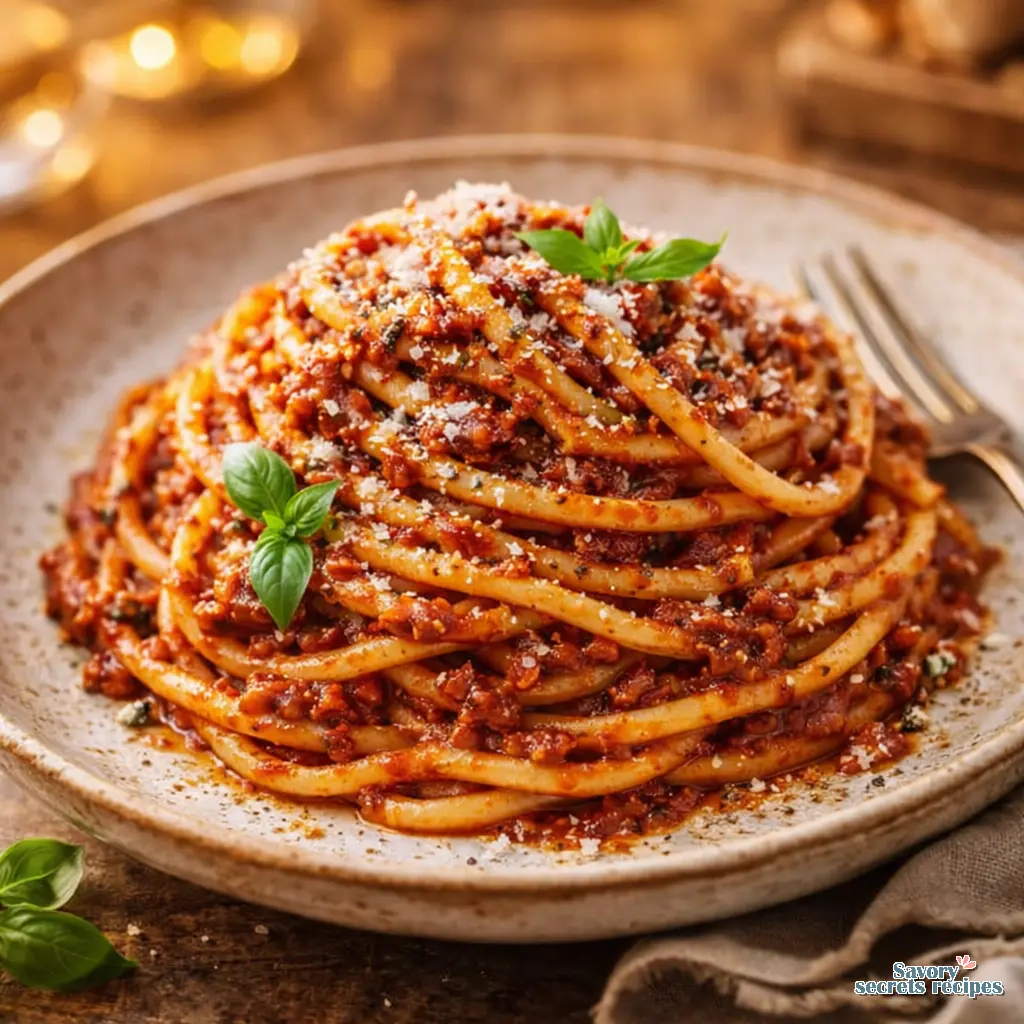
Comprehensive Storage and Reheating Guide
If you’ve gone to the effort of making this slow cooked italian beef pasta, you’ll want to store the leftovers properly. I go back and forth on whether home cooks really need to make massive batches, but for a ragu, I honestly think it makes sense. The flavours actually deepen after a day in the fridge.
Store the sauce and the pasta separately if possible. The sauce will keep beautifully in an airtight container in the fridge for up to four days. If you freeze it, it lasts for three months. When reheating the sauce, do it gently in a saucepan over low heat. If it looks a bit thick, add a splash of beef broth or water to loosen it up. Never microwave fresh pasta; it ruins the authentic texture we worked so hard to achieve.
Frequently Asked Questions
Serving Your Masterpiece
There’s a specific moment when a sauce hits the right consistency. The bubbles get smaller and tighter, the liquid moves differently in the pan, almost lazy. Catching that exact moment never gets old for me. Portion your traditional italian pasta into warmed bowls, making sure every strand is coated. Top with a little extra fresh basil and a final grating of cheese at the table.
Serve this with a sharp, crisp side salad dressed in a simple vinaigrette to cut through the richness of the beef. Put the kettle on afterwards, sit back, and enjoy the praise. You’ve earned it.
For more inspiration and a few behind-the-scenes kitchen disasters I’ve managed to save, check out my Pinterest boards. I’m always testing new variations, and I’d love to see how your pasta turns out.
Reference: Original Source
How do you understand when your traditional italian pasta dough is ready?
In my experience, the dough is ready when it feels completely smooth, slightly warm to the touch, and springs back slowly when pressed. It shouldn’t feel sticky. Kneading takes a full 10 minutes, so don’t rush this crucial step.
How do you pronounce cacio e pepe?
It’s pronounced ‘KAH-cho eh PEH-peh’. While our recipe today focuses on a hearty meat sauce, mastering the pronunciation of classic Italian dishes is always useful. It translates simply to ‘cheese and pepper’, highlighting the beauty of minimal ingredients.
Why is a traditional italian pasta with cheese so hard to perfectly execute?
It comes down to temperature control. If your pan is hotter than 70°C when you add the grated cheese, the proteins seize up and separate from the fat. This leaves you with a stringy, greasy mess instead of a silky emulsion.
What makes this traditional italian meat sauce no pork so good?
The secret lies in the slow reduction of whole milk and the deep caramelisation of the beef shin. By substituting wine with high-quality beef broth and a touch of vinegar, we build incredible umami depth without relying on pork or alcohol.
Is this traditional italian pasta recipe vegetarian?
This specific ragu is heavily meat-based. However, you can easily adapt the techniques. Omit the beef and cheese entirely to create a beautiful, simple Pasta al Pomodoro, focusing instead on the quality of your tomatoes and fresh basil.
How do I make sure the sauce is thick enough to coat the pasta?
Always undercook your pasta by two minutes and finish cooking it directly in the sauce. Add a splash of starchy pasta water and toss vigorously. The starch binds with the fats, creating a thick, glossy coating that clings perfectly.