



Three Cheese Baked Mac and Cheese Recipe
Ingredients
Method
- Preheat the oven to 425°F.
- Cook the macaroni al dente according to the package instructions, then drain and rinse under cold water.
- Melt the butter in a large saucepan over medium heat, whisk in the flour, and cook for two minutes while stirring. Gradually whisk in the milk, cream, mustard powder, onion powder, salt, and pepper, then continue cooking and stirring until the mixture thickens.
- Remove the pan from the heat and stir in the Parmesan and 3 cups of cheddar cheese until melted. Incorporate the soup if using, then taste and adjust the seasoning with salt and pepper as needed.
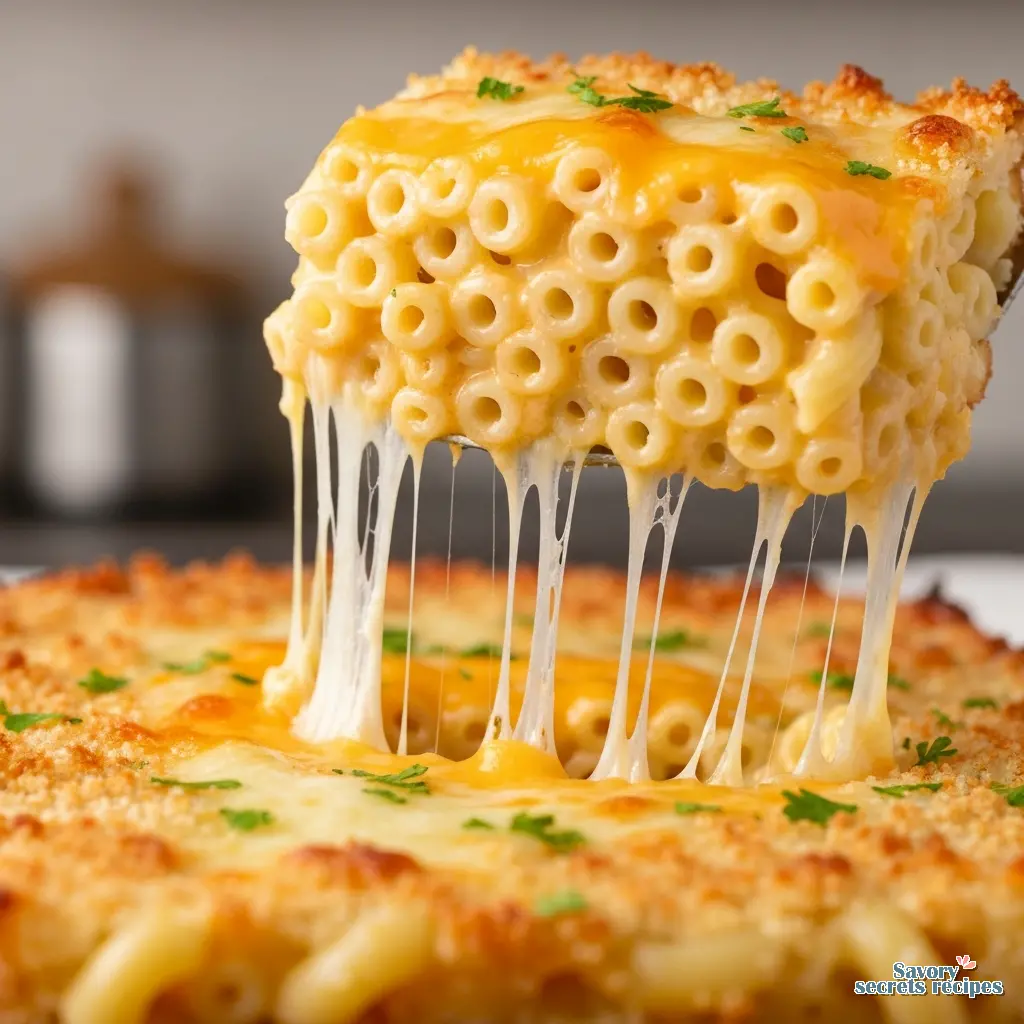
- Combine the cheese sauce and macaroni noodles, transfer the mixture to a greased 9x13-inch baking pan, and sprinkle the remaining cup of cheese on top.
- Bake for 18 to 24 minutes or until bubbly, taking care not to overcook, and let the dish cool for 10 to 15 minutes before serving.
Nutrition
Notes
- Cook pasta al dente (firm) so it doesn't overcook in the oven. I usually undercook by about 1-2 minutes
- Rinse the pasta after cooking This particular recipe is designed for rinsed pasta. This stops it from cooking.
- Shred the cheese by hand Pre-shredded cheeses contain additives to keep it from sticking together which affect the way it melts.
- Rest before serving this will thicken the sauce and allow the casserole to set.
- Watch the timer Most importantly of all... do not over-bake this recipe.
The Ultimate Comfort: Why This 3 Cheese Baked Mac and Cheese Works
There is a specific kind of cold that settles into the house in late February. It’s that damp, persistent chill that makes you want to turn the oven on just to feel the kitchen warm up. When I get home to a cold house after a long day of testing recipes, I don’t want a salad. I want something that bubbles. I want something with a golden crust that cracks when you break into it. I want this 3 cheese baked mac and cheese. Usually, I’d pair this with a smoky canned collards recipe to cut through the richness.
I remember standing on a step stool in my teta’s kitchen in Dearborn, watching her layer dishes. She didn’t make mac and cheese often, but when she made baked pasta, she understood that the sauce had to be silky, not grainy. That lesson stuck with me. Over the years in the test kitchen, I’ve seen so many people struggle with sauces that break or noodles that turn to mush. It happens. But I’ve found that with the right cheese blend and a little patience with your roux, you can make a version that beats anything from a box.
This isn’t just about melting cheese on pasta. It’s about building flavor. We are using a specific trio of cheeses here to balance sharpness, meltability, and salty funk. If you have been looking for that restaurant-quality cheese pull, let me walk you through it.
The Golden Trio: Selecting Your Cheeses
You might think any cheese works here. Fair enough, cheese is delicious. But for the best 3 cheese baked mac and cheese, we need a strategy. In my tests, throwing random leftovers from the deli drawer usually results in a greasy mess. We need a balance of flavor and texture.
Here is the blend I swear by:
1. Sharp Cheddar (The Flavor Backbone):
This provides that classic orange hue and the bite you expect. I prefer sharp or extra sharp because once you dilute it with milk and cream, a mild cheddar just disappears. You want the flavor to punch through the rich sauce.
2. Gruyere (The Melter):
This is the secret weapon. Gruyere is a Swiss cheese that melts like a dream without becoming oily. It adds a nutty, complex flavor that makes the dish taste expensive. If you can’t find it, Jarlsberg is a decent substitute, though your mileage may vary on the nuttiness.
3. Parmesan (The Seasoning):
We aren’t using the stuff in the green can. Freshly grated Parmesan adds a salty, savory kick (umami) that deepens the whole profile. It acts more like a seasoning than a melting cheese here.
The Cardinal Rule: Grate Your Own Cheese
If you take only one thing away from this article, let it be this: put down the bag of pre-shredded cheese. I know, I know. It’s convenient. I’ve been there on a Tuesday night when I just want to get dinner done.
But here is the thing. Pre-shredded cheese is coated in cellulose (wood pulp) and other anti-caking agents to keep the strands from clumping in the bag. Those same agents prevent the cheese from melting together in your sauce. You will end up with a grainy, gritty texture instead of liquid gold. Grating a block of cheddar and Gruyere by hand takes five minutes. It is a small workout, but trust the process here. The difference in texture is night and day.
Mastering the Roux: No More Lumps
The base of our creamy sauce is a classic Bechamel, starting with a roux. I know this step stresses people out. I hear you. But it is just butter and flour. We can troubleshoot this together.
Start by melting your butter over medium heat. Once it is bubbling, sprinkle in the flour. Whisk it constantly. You are looking for the color of wet sand and a smell that is slightly nutty. This cooks out the raw flour taste. If you rush this, your sauce will taste like paste.
Now, the liquid. I usually warm my milk slightly to prevent the butter from seizing up, but if you are adding cold milk, just do it slowly. Pour in a splash, whisk like crazy until it’s smooth, then add a little more. It will look like a thick dough at first. That is normal. Keep adding and whisking. Suddenly, it will relax into a smooth, creamy sauce. If you see lumps, don’t panic. Just whisk harder. It almost always smooths out.
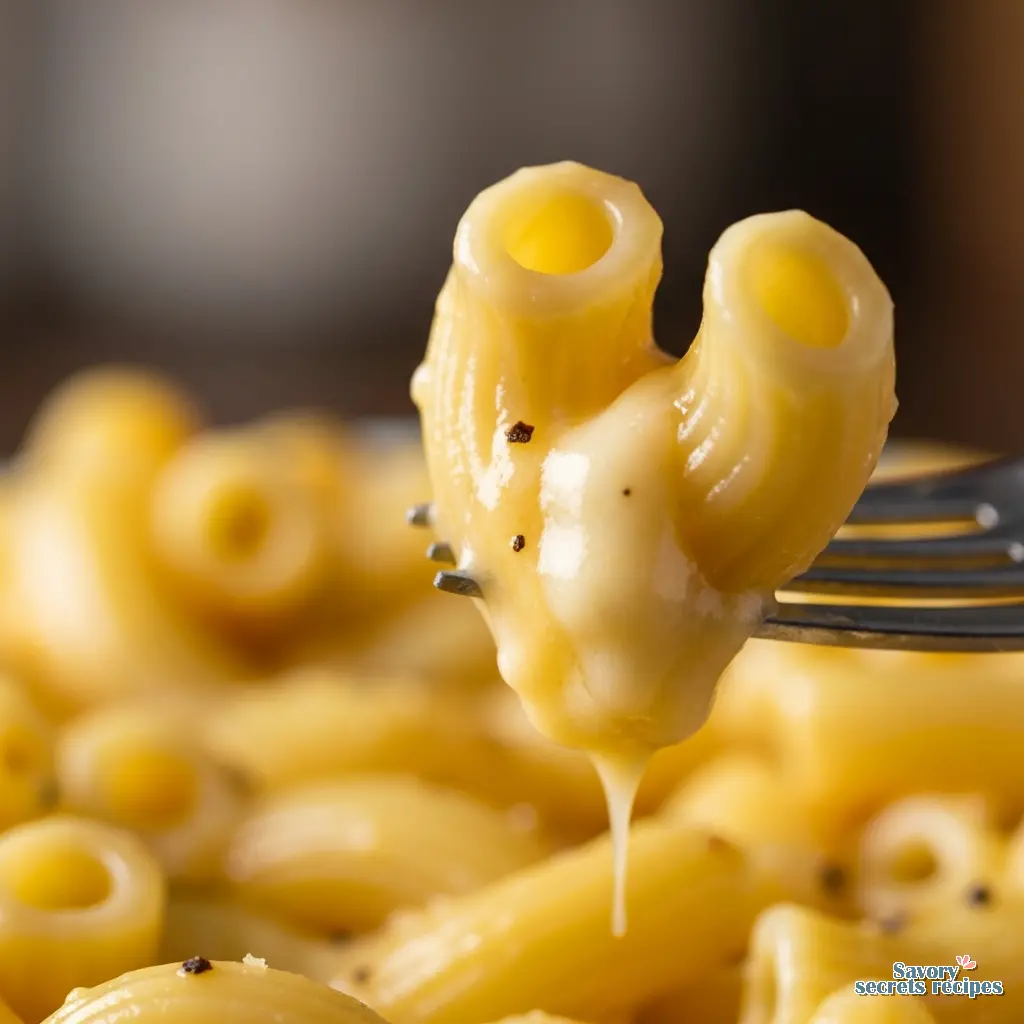
The Pasta Strategy: Undercook It
This is where I see most 3 cheese baked mac and cheese recipes fail. People cook the pasta according to the package directions, then bake it for 30 minutes. The result? Mush. It falls apart on the fork.
Remember, the pasta will continue to cook in the oven while it’s swimming in that hot cheese sauce. You need to stop boiling the pasta about 2 to 3 minutes before it reaches al dente. It should still have a firm bite in the center. I actually rinse my pasta with cold water for this recipe. I know, Italian grandmothers everywhere are yelling at me. But for a baked casserole, rinsing stops the cooking process immediately and washes away excess starch that can make the baked dish gummy. It works.
Troubleshooting: Why Did My Sauce Break?
It happens to the best of us. You pull the dish out of the oven and instead of creamy sauce, you see a pool of oil. This is usually because the sauce got too hot or the ratio of fat to liquid was off.
If your sauce breaks while making it on the stove:
Take it off the heat immediately. Add a splash of cold heavy cream and whisk vigorously. This usually brings the emulsion back together.
If it breaks in the oven:
This usually means it was baked too long or at too high a temperature. The proteins in the cheese tightened up and squeezed out the fat. Next time, bake at a slightly lower temperature or cover it with foil for the first half of baking. Also, avoid using low-fat cheese. We need the fat structure here.
Storage and Reheating Guide
Leftovers are inevitable, and honestly, I sometimes like them better the next day. But reheating mac and cheese can be tricky. If you microwave it on high, the oil separates and the pasta gets rubbery.
To Store:
Keep it in an airtight container in the fridge for up to 4 days. Let it cool completely before you cover it, or you’ll get condensation that makes the crust soggy.
To Reheat (The Right Way):
I recommend reheating in the oven. Place a portion in a small oven-safe dish, add a splash of milk to loosen the sauce (pasta absorbs moisture as it sits), cover with foil, and bake at 350°F for about 15 minutes. If you must use the microwave, use 50% power and stir every minute. That lower power helps prevent the sauce from breaking again.
Freezing:
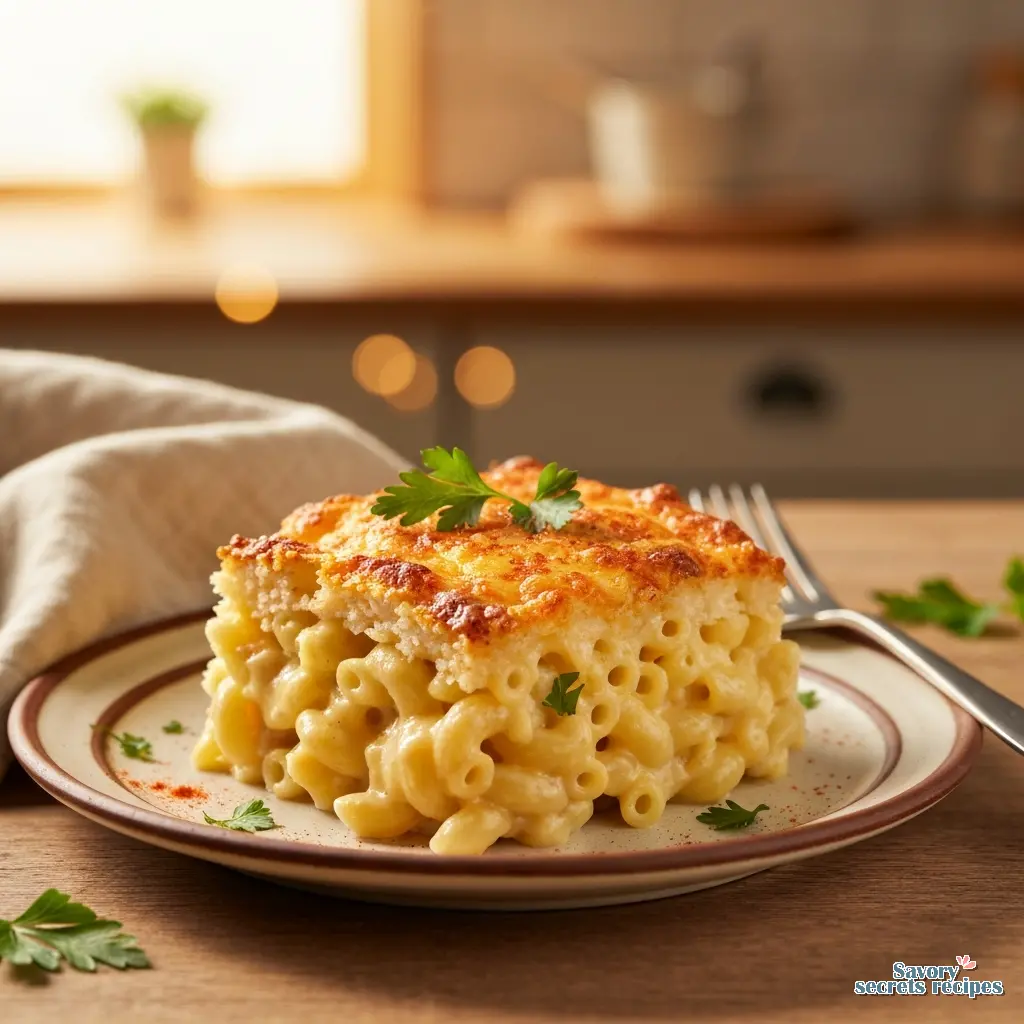
Yes, you can freeze this! I prefer to freeze it before baking. Assemble the dish, let the sauce cool, wrap it tightly in plastic wrap and then foil. It will keep for 3 months. Thaw it in the fridge overnight before baking as directed. If you bake it straight from frozen, you’ll need to add about 20-30 minutes to the baking time, but watch for the visual cue of bubbling edges.
Frequently Asked Questions
Mistakes to Avoid
Common 3 Cheese Baked Mac and Cheese Mistakes & Fixes
Mistake: The sauce is grainy.
Solution: You likely used pre-shredded cheese or the heat was too high. Next time, grate your own cheese and remove the sauce from the heat before stirring in the cheese.
Mistake: The pasta is mushy.
Solution: You cooked the pasta fully before baking. Remember to drain it 2-3 minutes early (very al dente) so it finishes perfectly in the oven.
Mistake: The dish is dry.
Solution: You might have baked it too long or didn’t make enough sauce. Pasta is a sponge. Always aim for a sauce-to-pasta ratio that looks slightly too soupy before baking.
Final Thoughts
Making this 3 cheese baked mac and cheese is a labor of love, but it’s the kind of effort that pays off the moment you put it on the table. There is something incredibly grounding about making a cheese sauce from scratch, whisking the roux, and smelling the nutmeg and mustard powder hit the warm milk. It’s comfort food in the truest sense.
When you pull this out of the oven, prepare for your kitchen to be the most popular room in the house. The smell alone usually brings my daughter Layla running downstairs. Let it rest for those agonizing ten minutes so the sauce sets, then dig in. For more inspiration on cozy winter meals, check out my Pinterest boards where I save all my favorite comfort food ideas.
Reference: Original Source